Grazie, Firenze!

Imagine three generations, ten people, exploring Florence, Italy for six days!

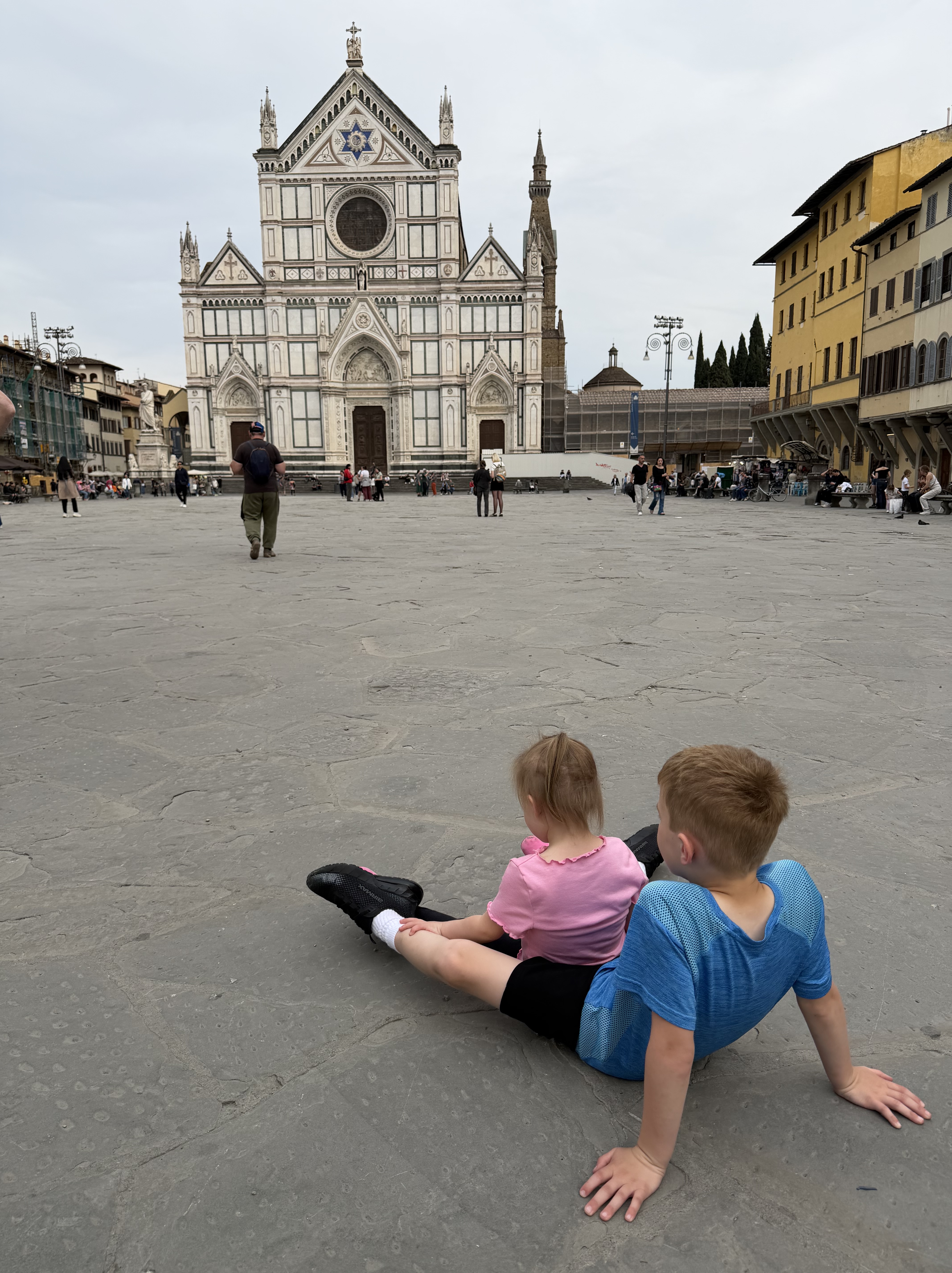
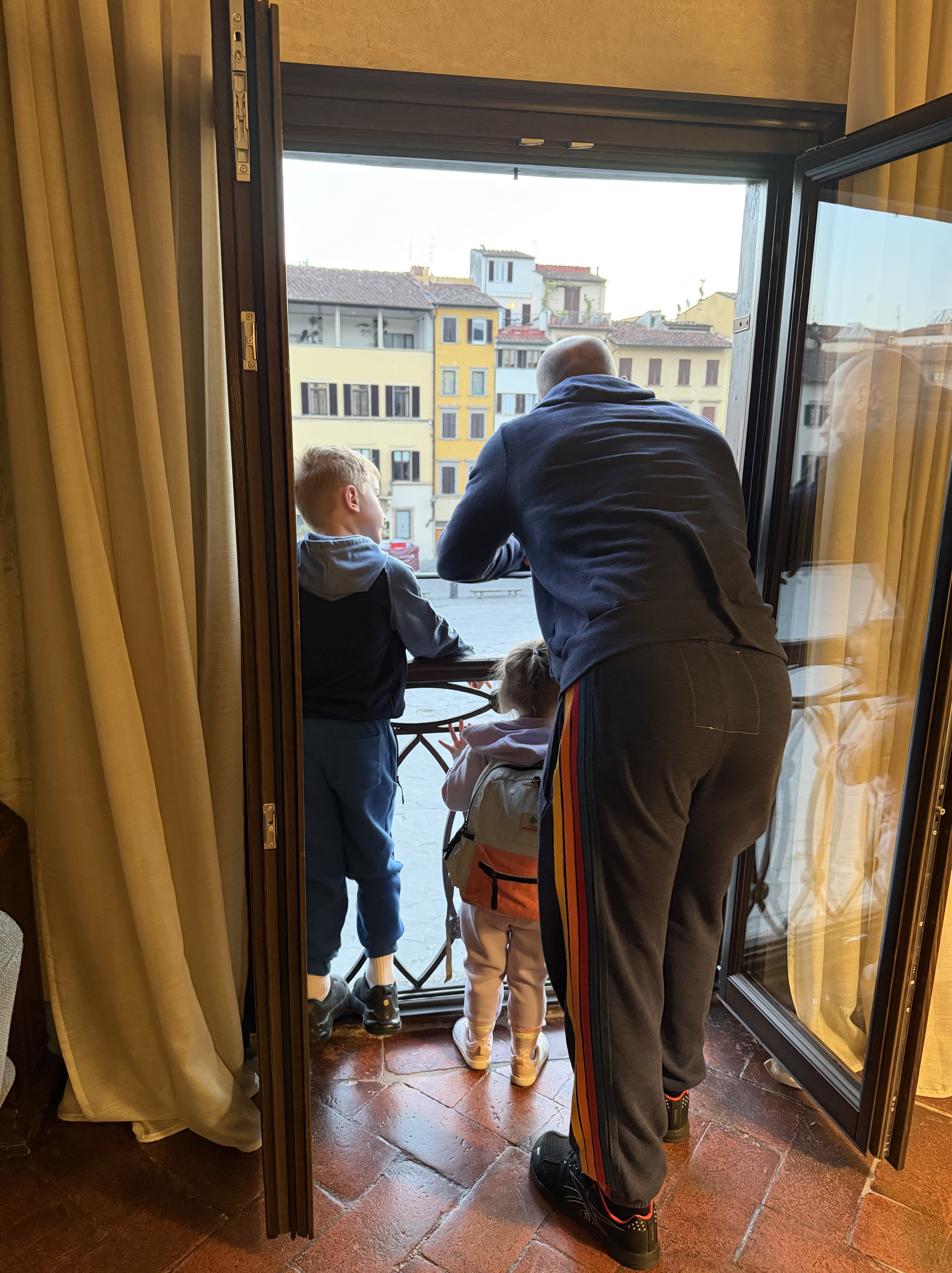
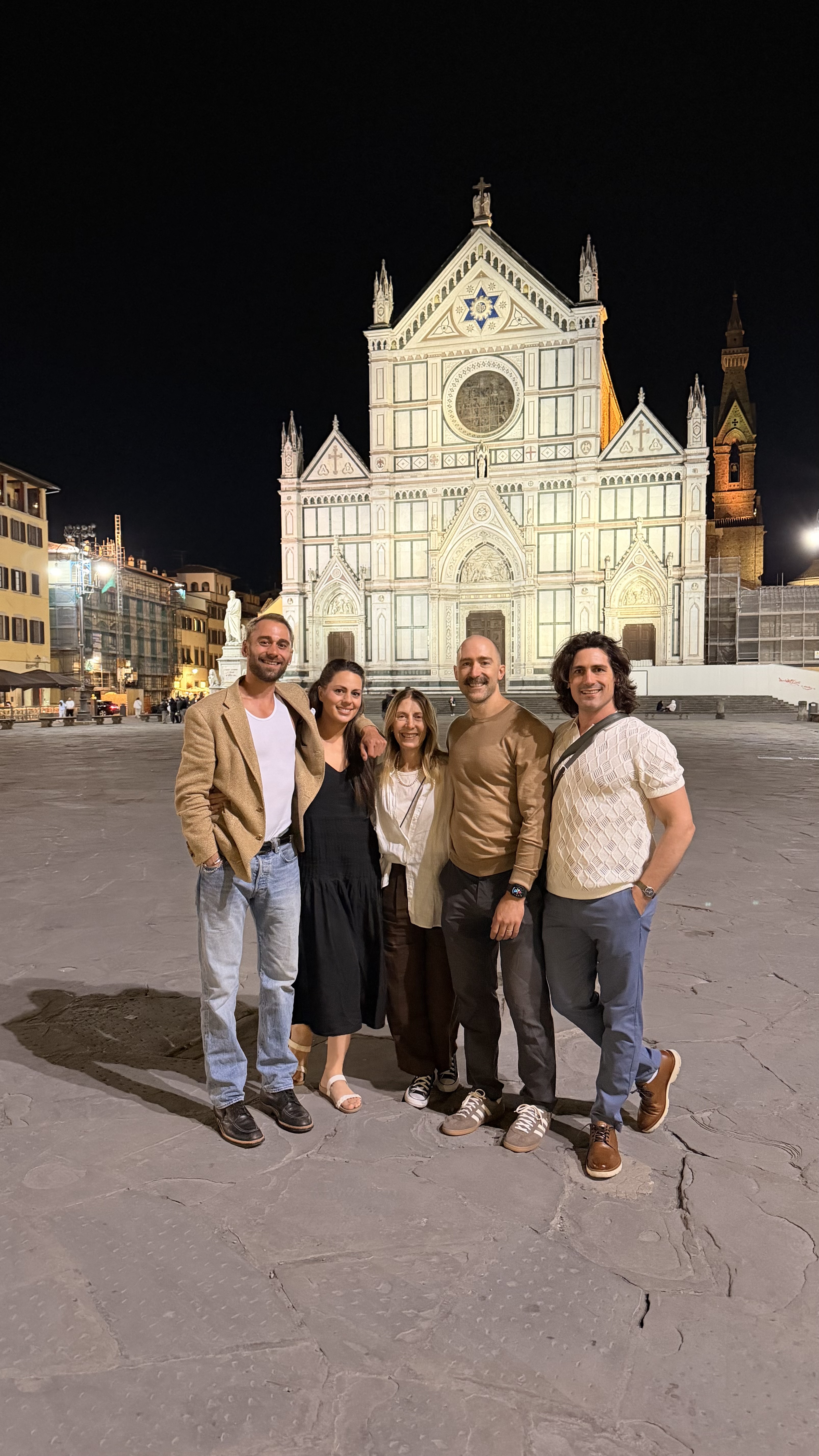
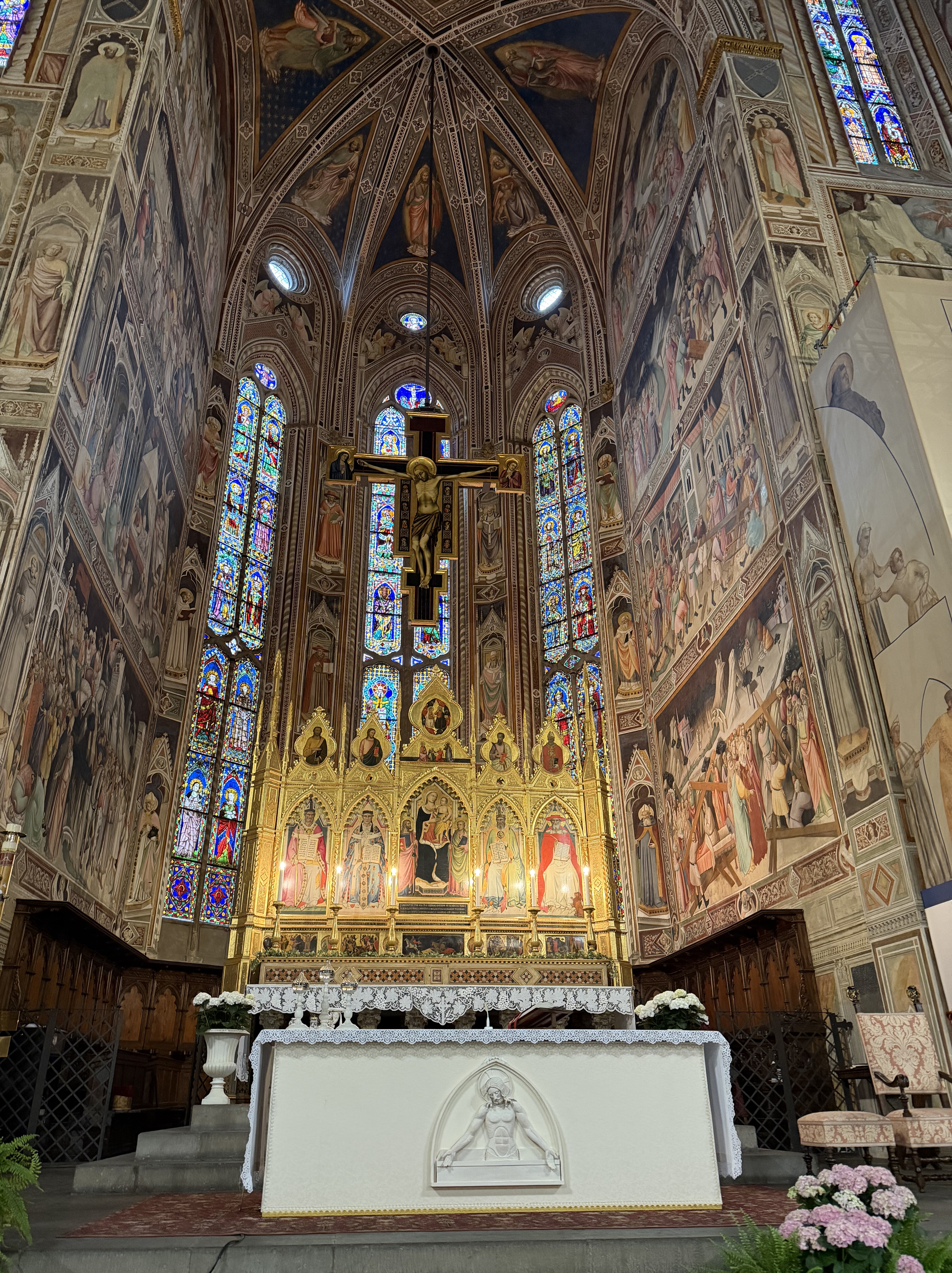
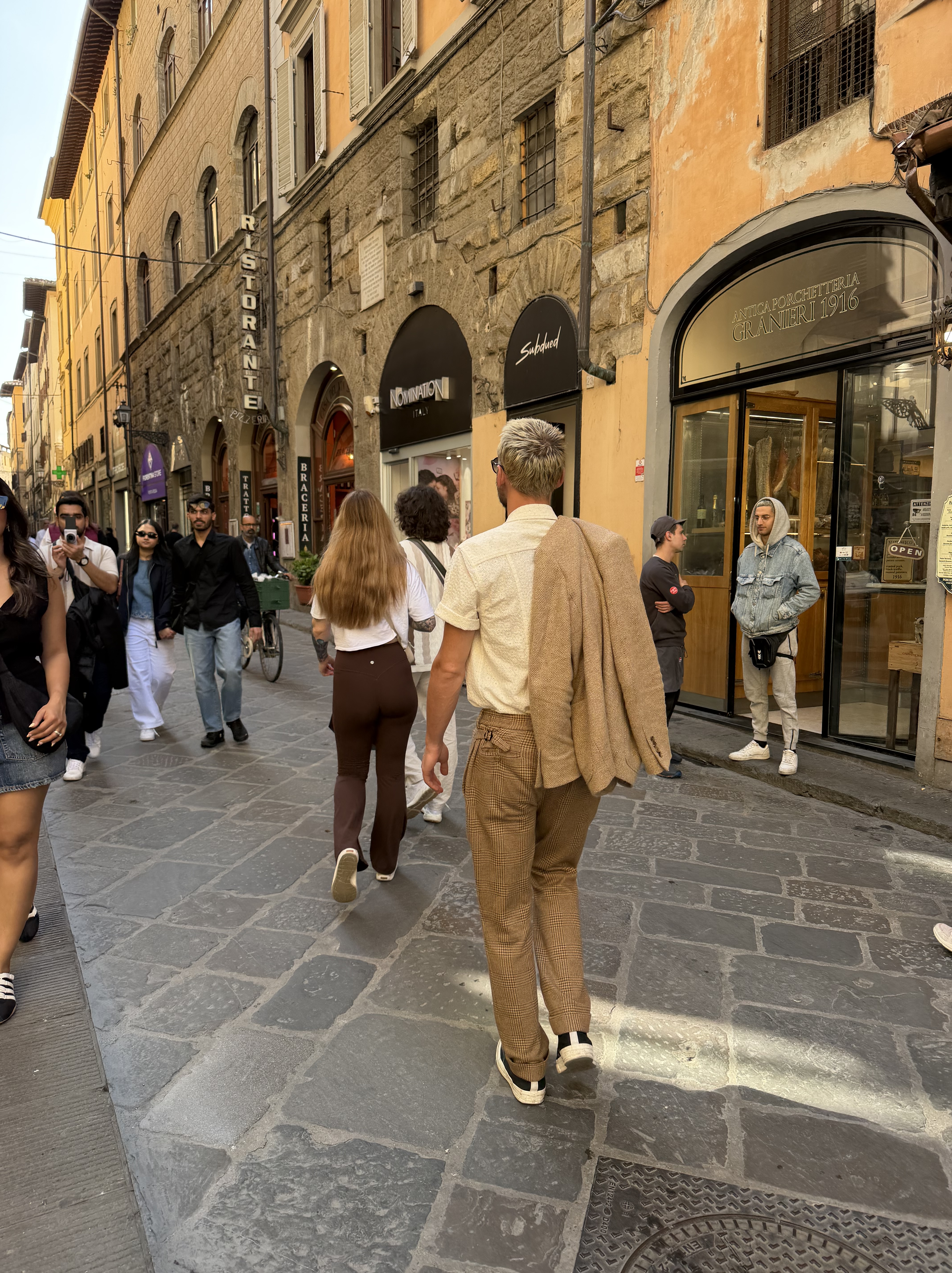
Firenze, the cradle for the birth of the Renaissance in the 14th century — we were immersed in culture, history, beauty, and love at all times. Our temporary home was a luxury AirBnB on Piazza di Santa Croce. There were shops, cafes, and residences on three sides with the Basilica of Santa Croce at the head. It’s known as the “Temple of the Italian Glories” because it houses the bodies of many of Italy’s most prominent artists, scientists and politicians including Michelangelo, Galileo, and Machiavelli.

In the evenings the sounds of street performers flooded in through our open doors and windows. American music was common but a couple evenings there was a talented opera singer with a voice so full and rich it brought tears to our eyes. Listening to opera sung by an Italian while standing in Piazza di Santa Croce is an experience very different from a theater. My sweet grandchildren loved to put money in the tip jars or guitar cases of all musicians. They know, in all forms and all venues, live music is to be savored and highly valued.

Being anywhere with all four of my children at once is special but to be together in Florence is so wonderful, almost beyond description.

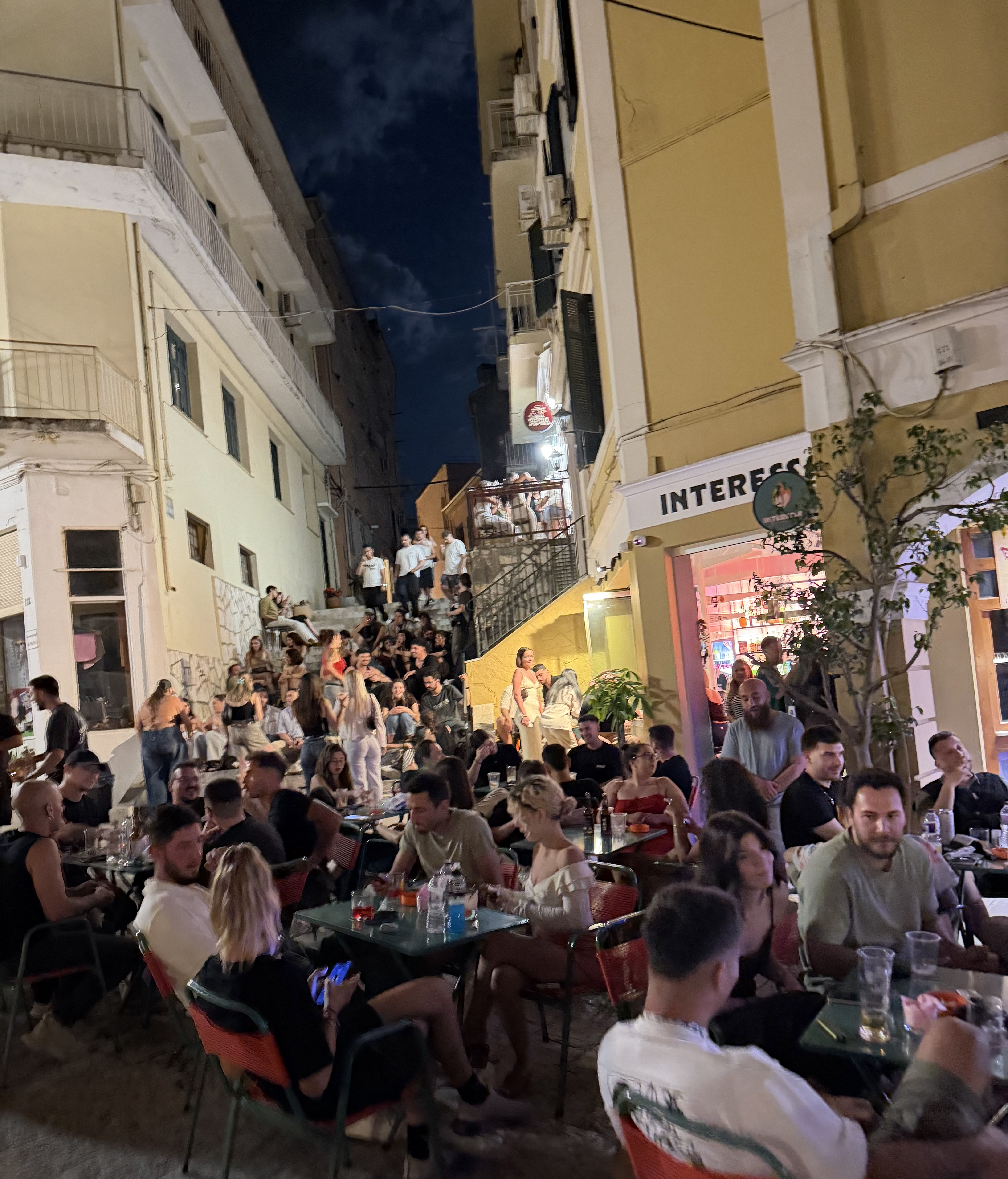
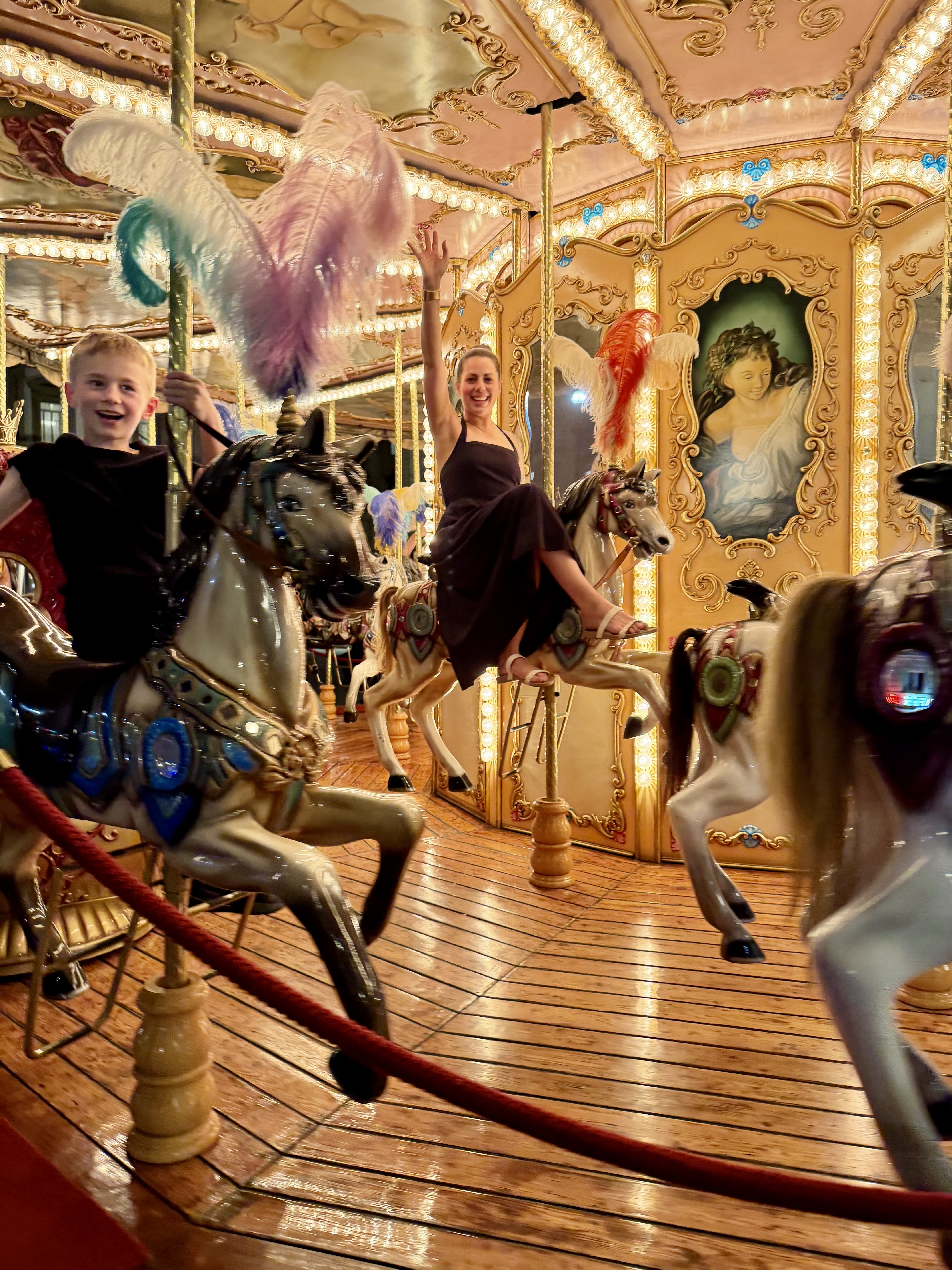
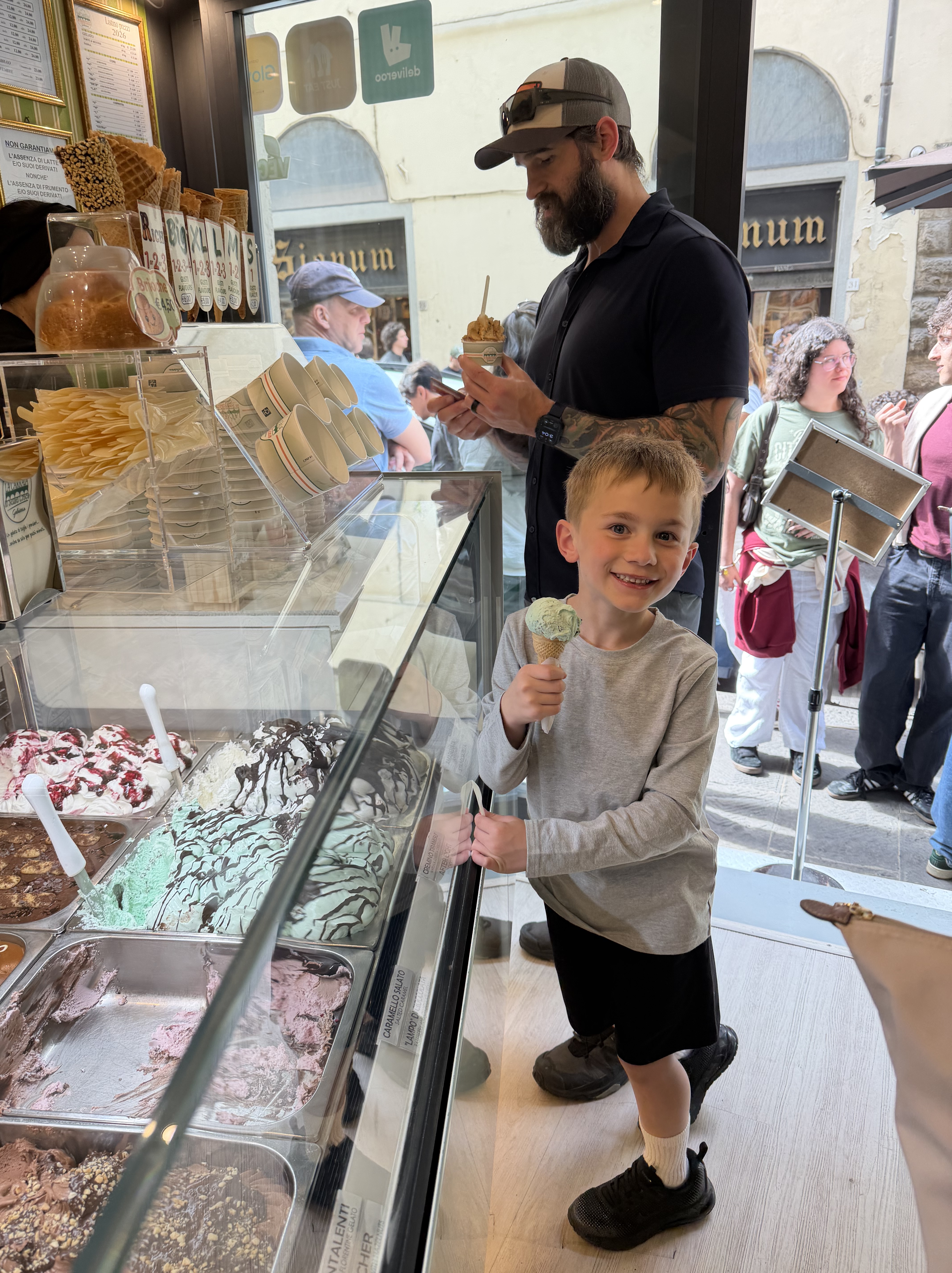
Nightime had a special feel with its own excitement. A walk around town after dark often included stopping for live music, eating gelato, and riding the carousel in Piazza della Repubblica.

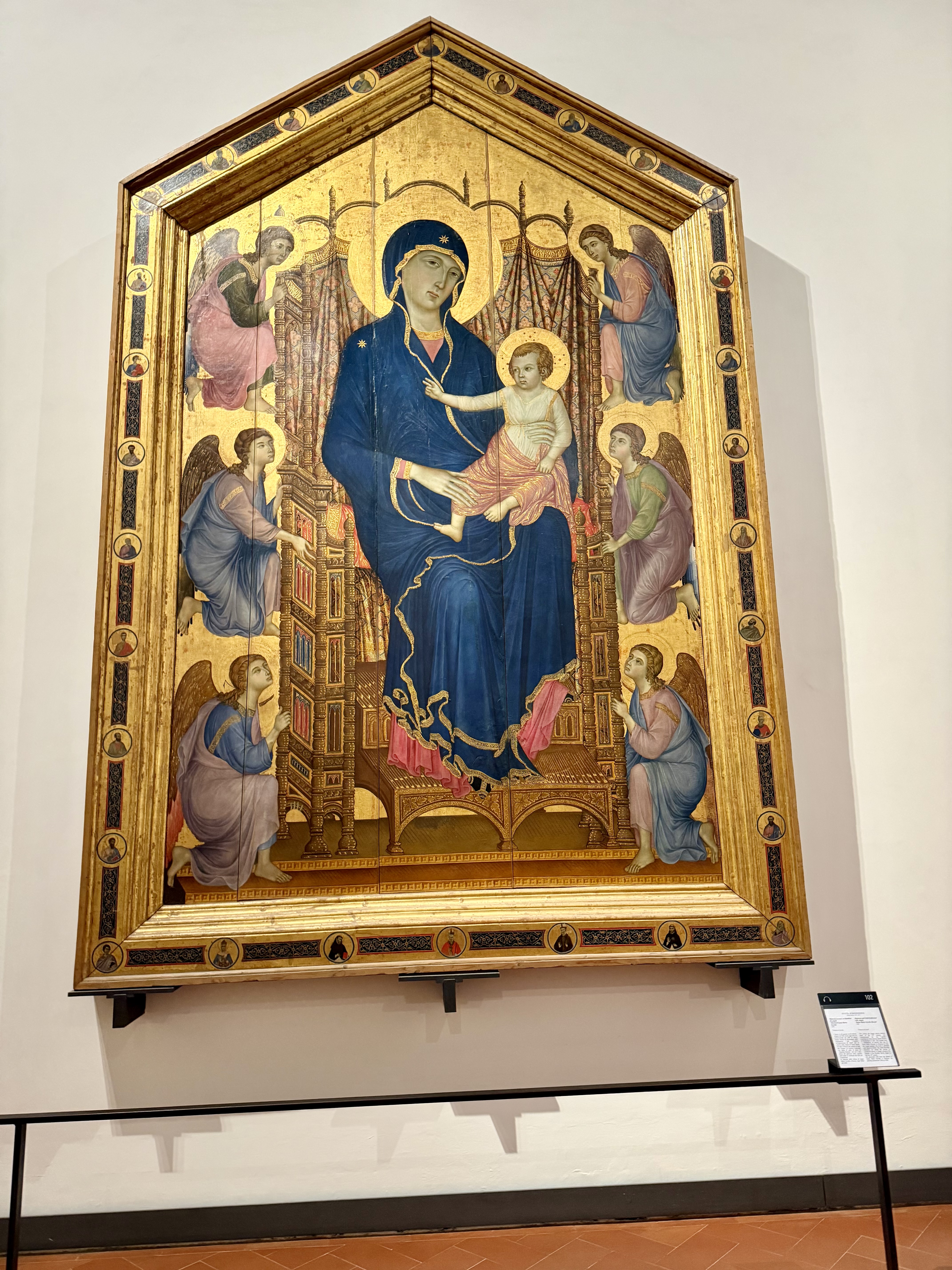
The first morning we grabbed coffees and croissants then walked to the Uffizi. What a terrific start to an epic trip! We viewed famous artwork including Medusa (with the snake hair) by Caravaggio, The Annunciation by Leonardo da Vinci, Madonna of the Goldfinch by Raphael, and, my favorite, The Birth of Venus by Bottticelli. Below is a picture of “Madonna and Child Enthroned with Angels” by Duccio di Buoninsegna.

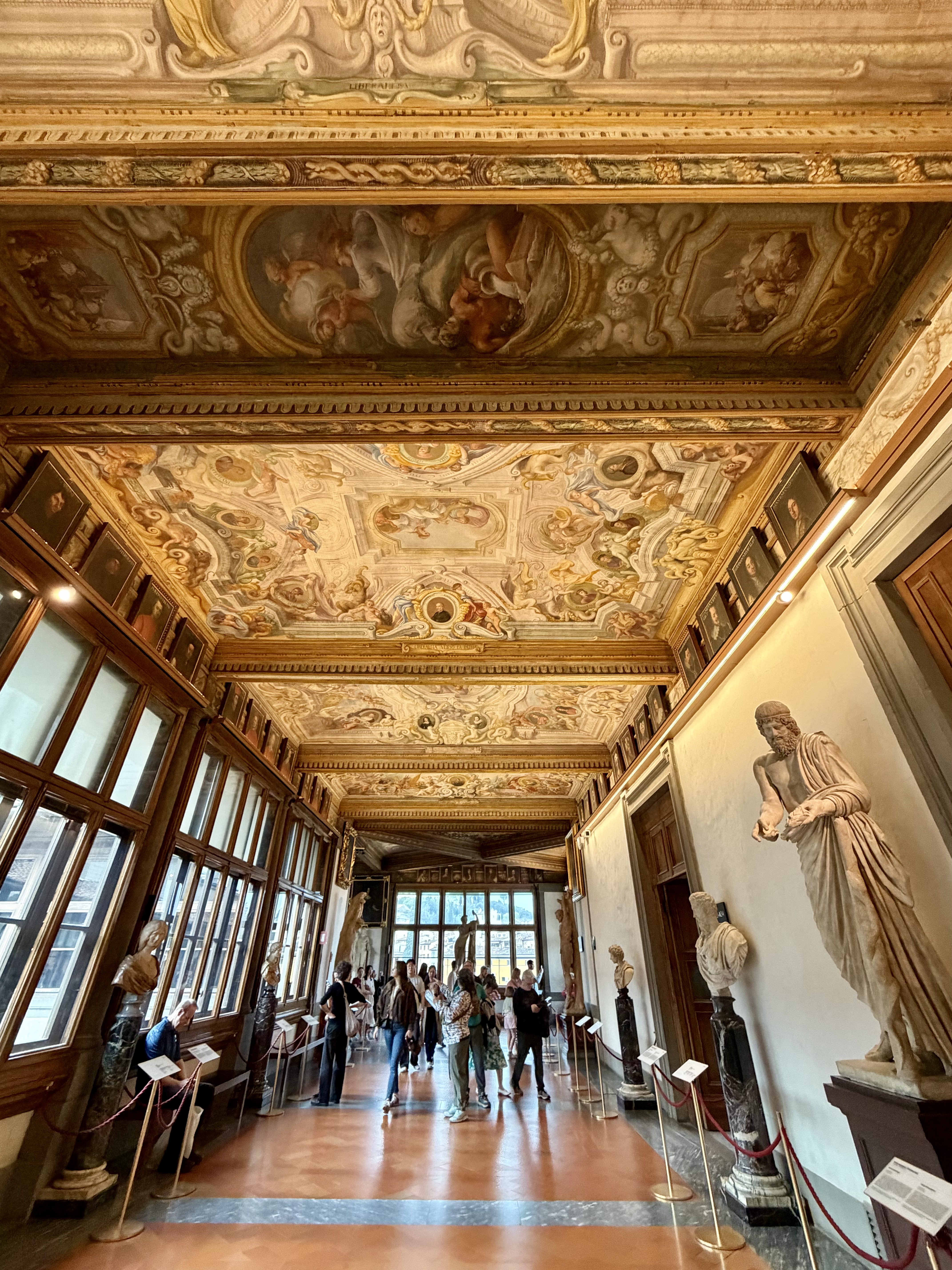
While the paintings are the main attraction, the building itself is a work of art.

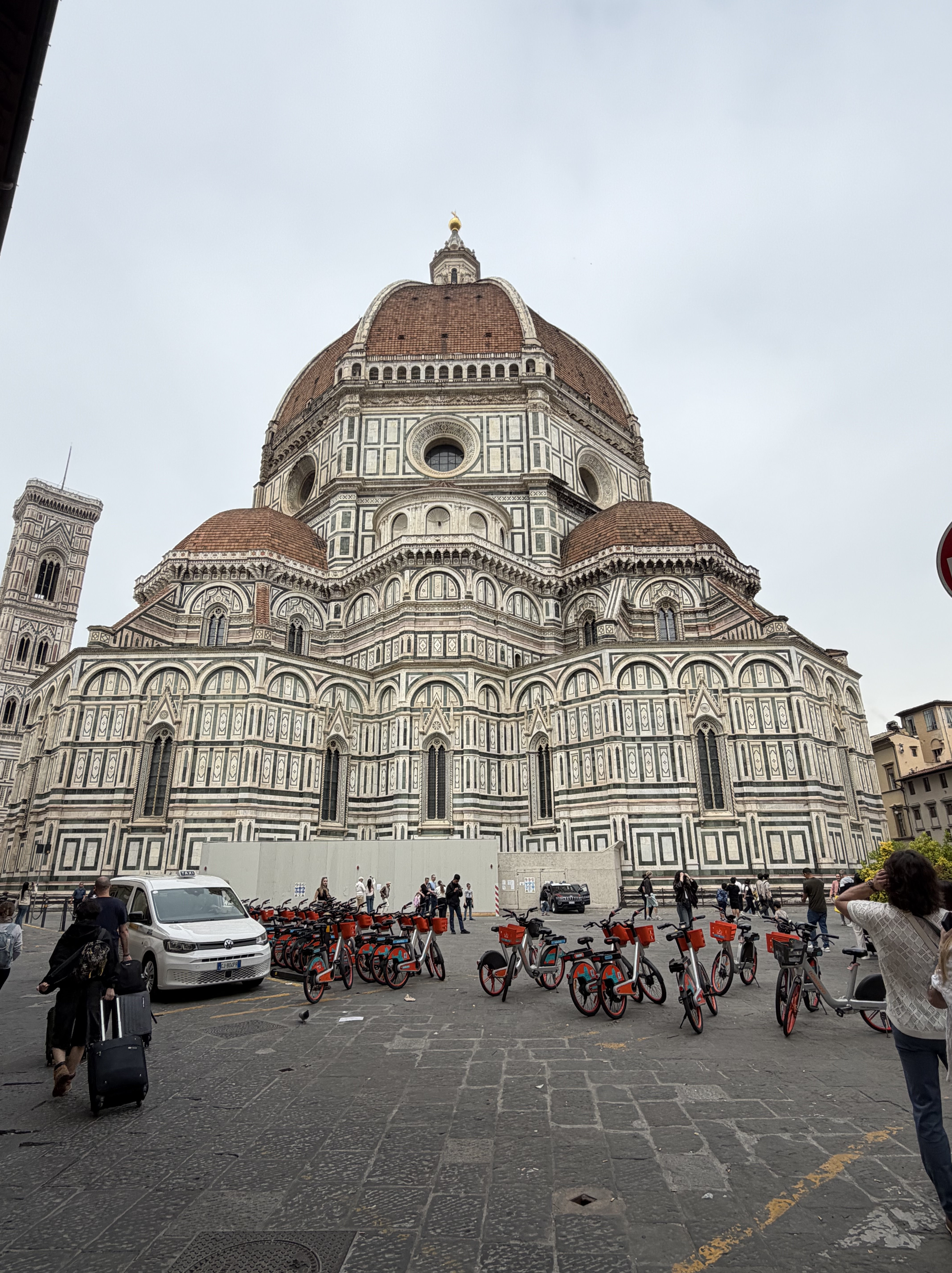
After a tour of two floors, we visited the terrace cafe with a very beautiful view of Santa Maria Cathedral with the Duomo, the largest brick dome in the world and one of the icons of Florence.

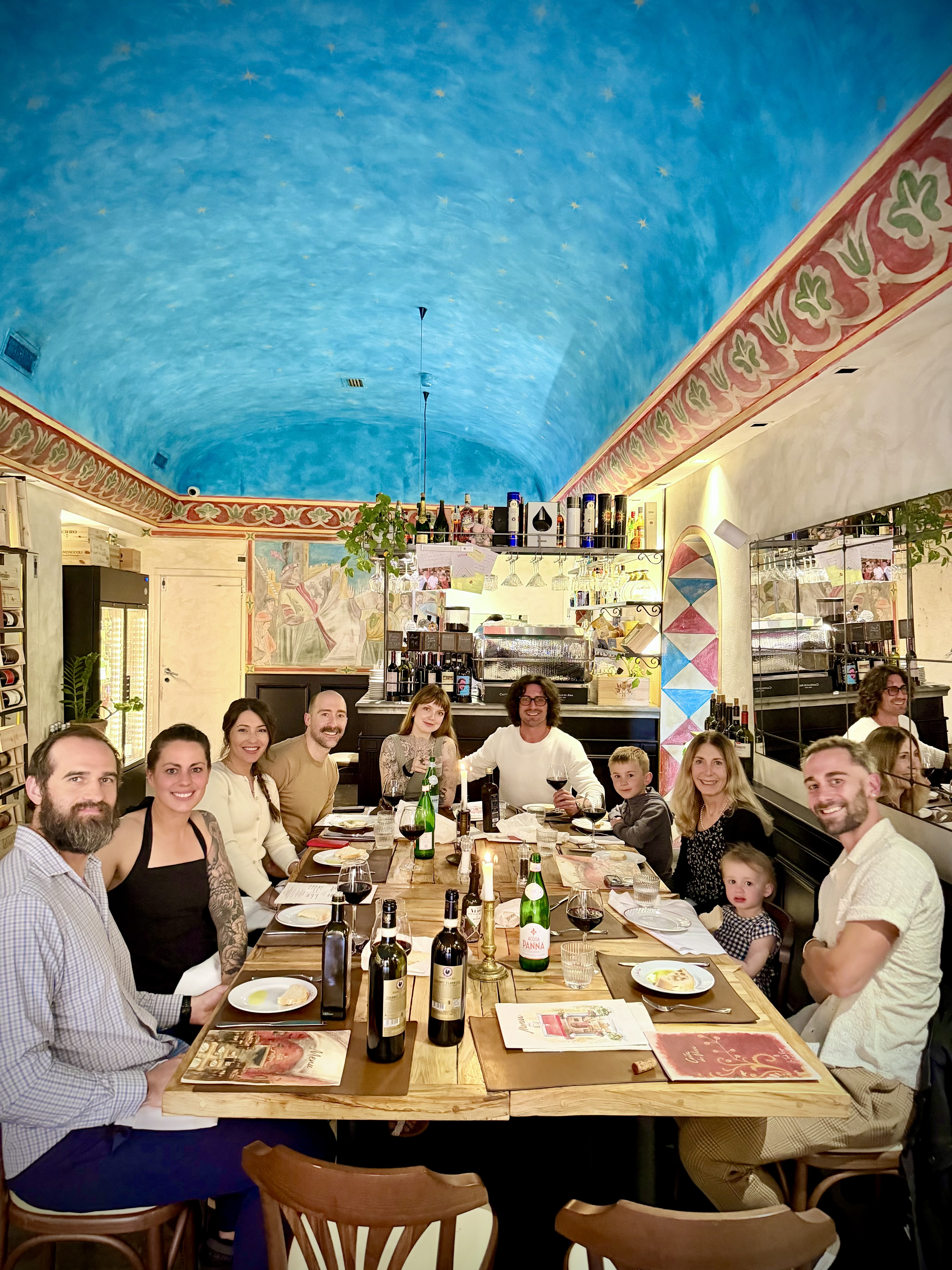
A short walking tour of the city brought us to the first of many amazing lunches and dinners. The whole dining experience cannot be overstated. I’m pretty sure we ate pasta and gelato at least once every day but I gained no weight, probably due to the healthier ingredients and the many miles of walking each day.

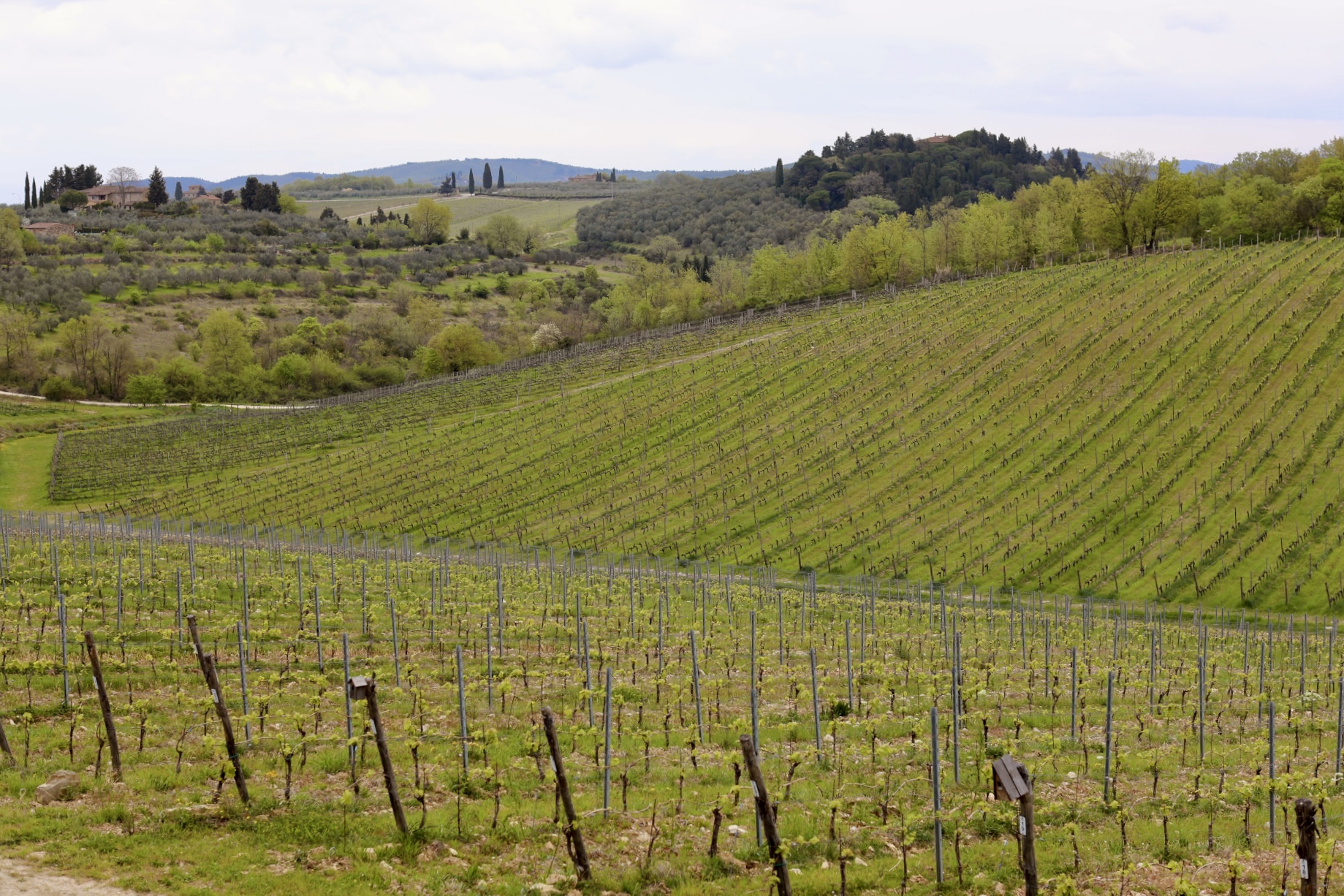
It’s impossible to say what was my favorite day but I have such wonderful memories of the second day we spent driving through Touscany, stopping at small towns and wineries.

It was a bit rainy and chilly so this was the perfect option. Our first stop was Castello di Verrazzano.

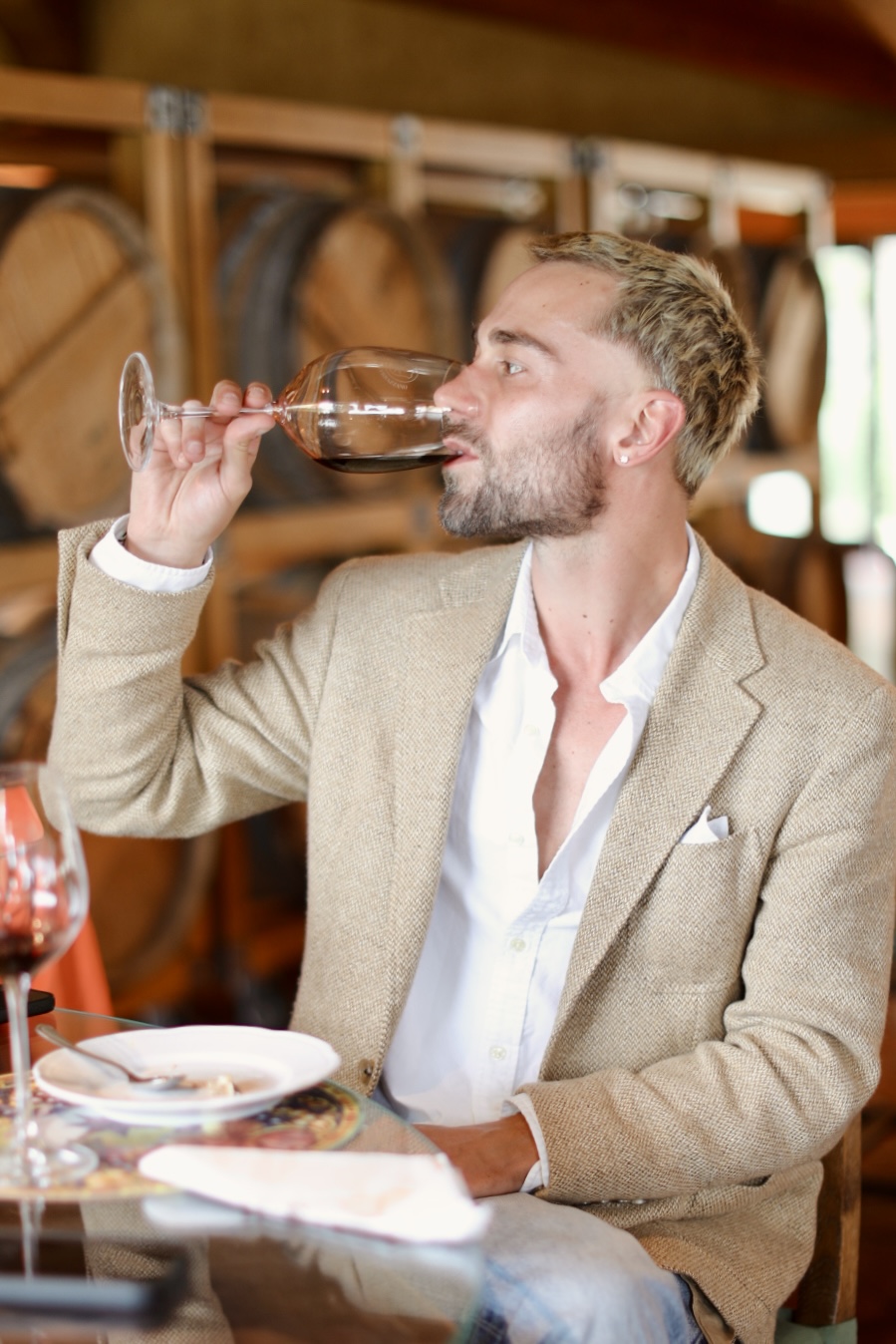
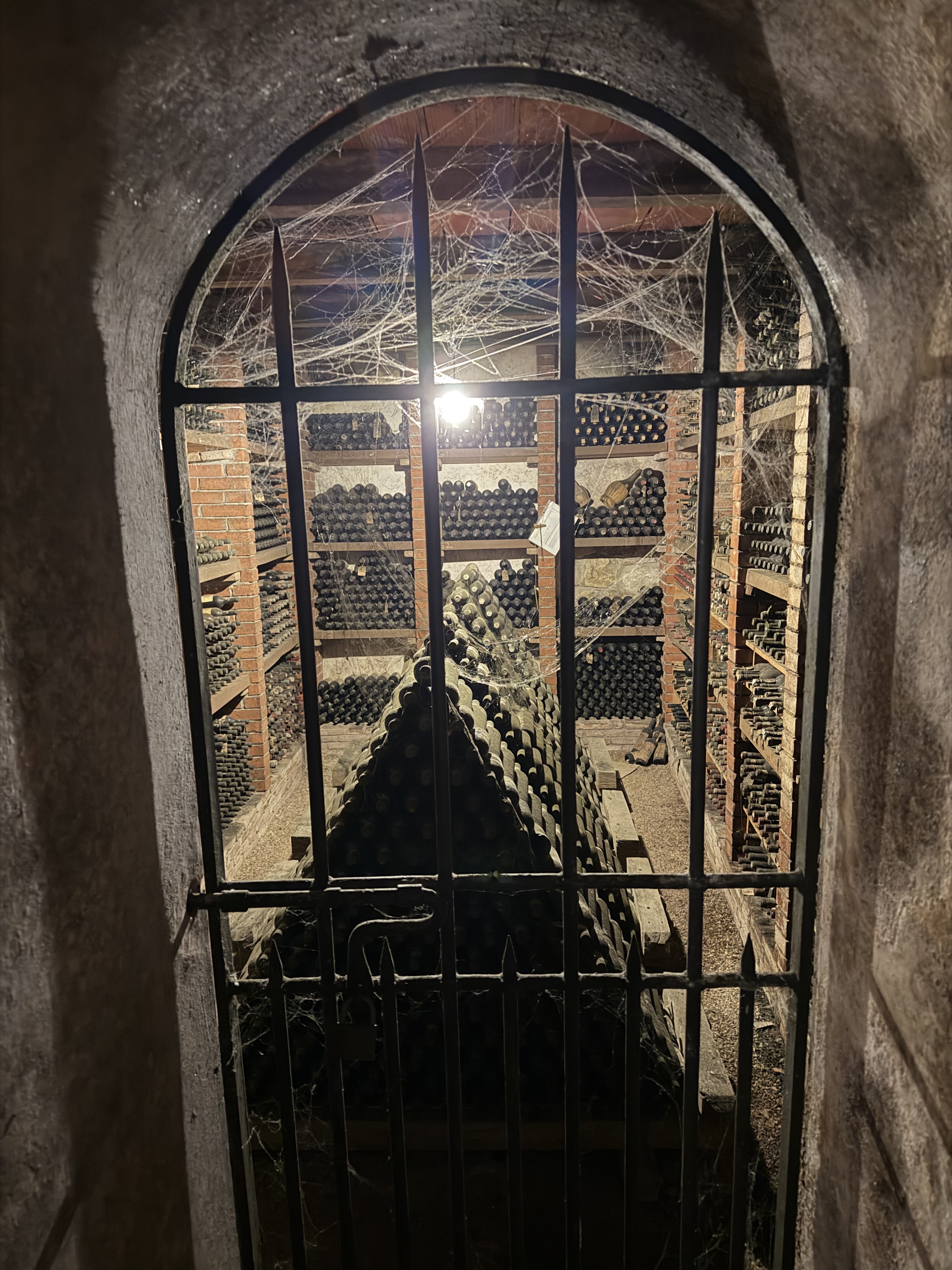
They had wines older than our country! Those are not available for sale but are drunk by the family who owns the winery. After so many years, some are still good but others have to be thrown out. You don’t know if it’s still good or not until you open the bottle and taste it which makes wine auctions very risky.

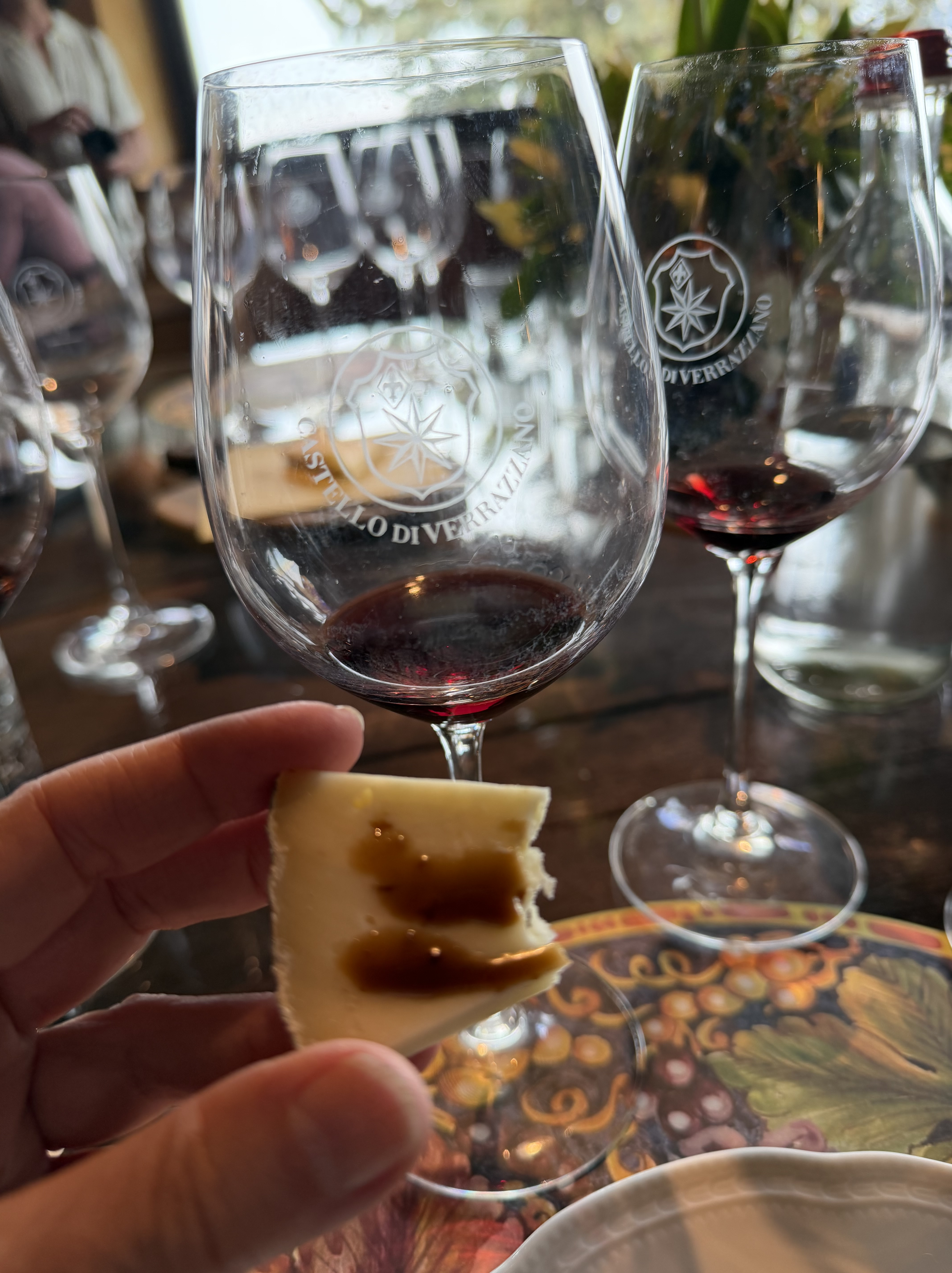
We tasted not only wine but also amazing olive oil and aged balsamic vingear that was truly delicious. Ounce for ounce, the vinegar was more expensive than the wine.

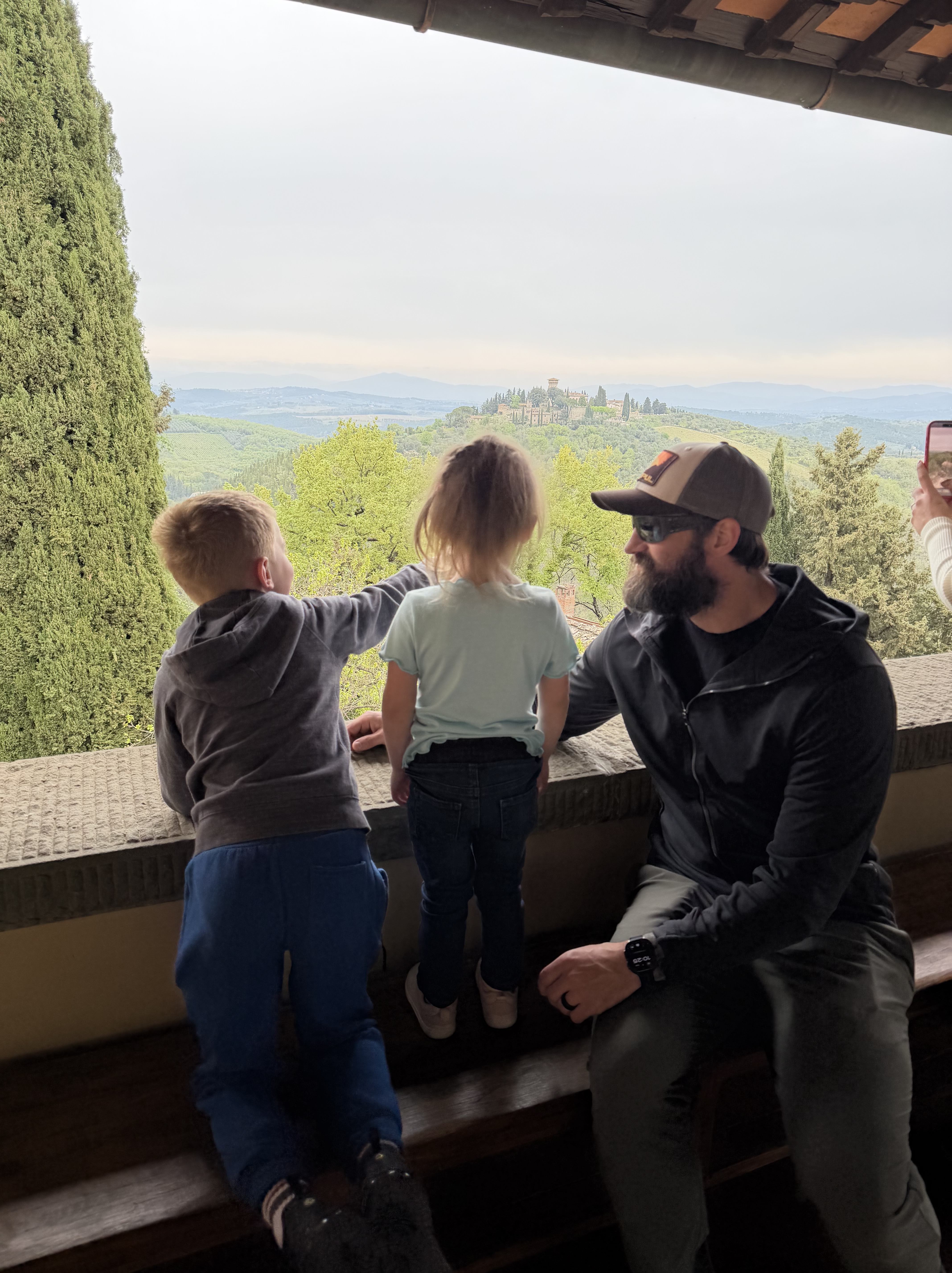
Like everything we did, it was a multi-sensory experience of beauty and joy — the food & wine combined with breathtaking views while sharing it with my favorite people.

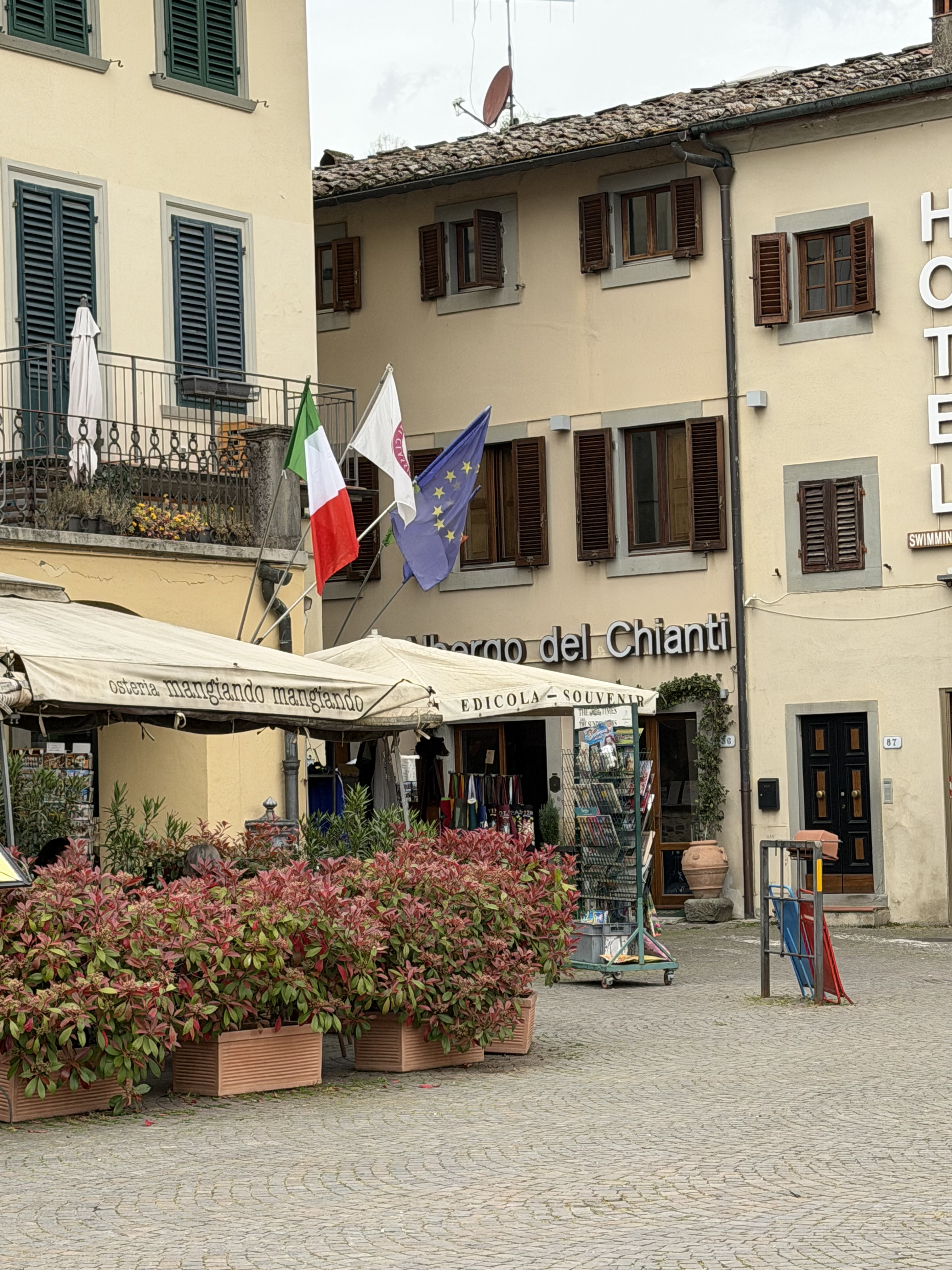
Next stop was the small, medieval town of Greve, the heart of Chianti. We bought some cute souvenirs and roamed the hilly streets.

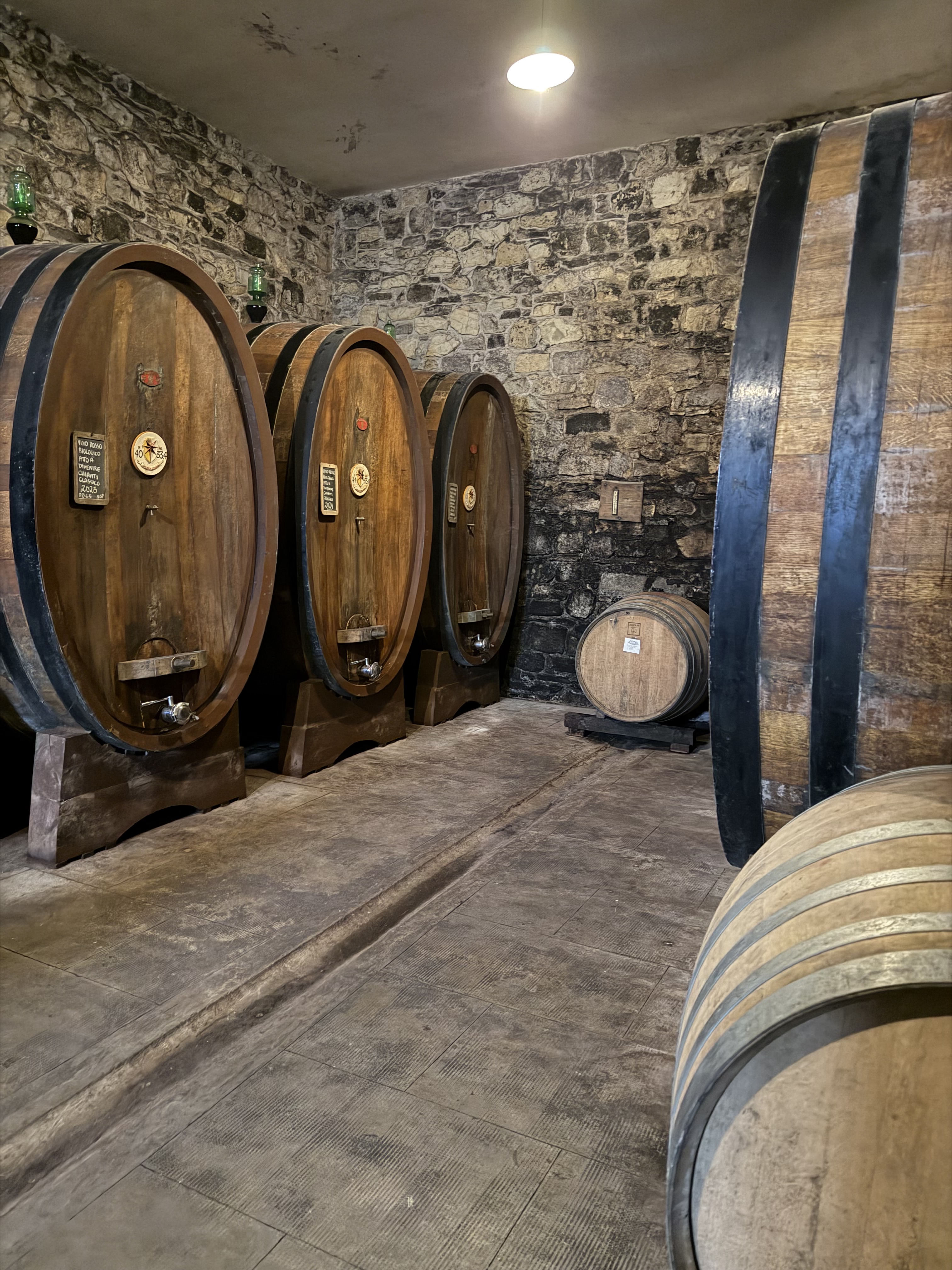
Our second tour and tasting was at Casa Emma.

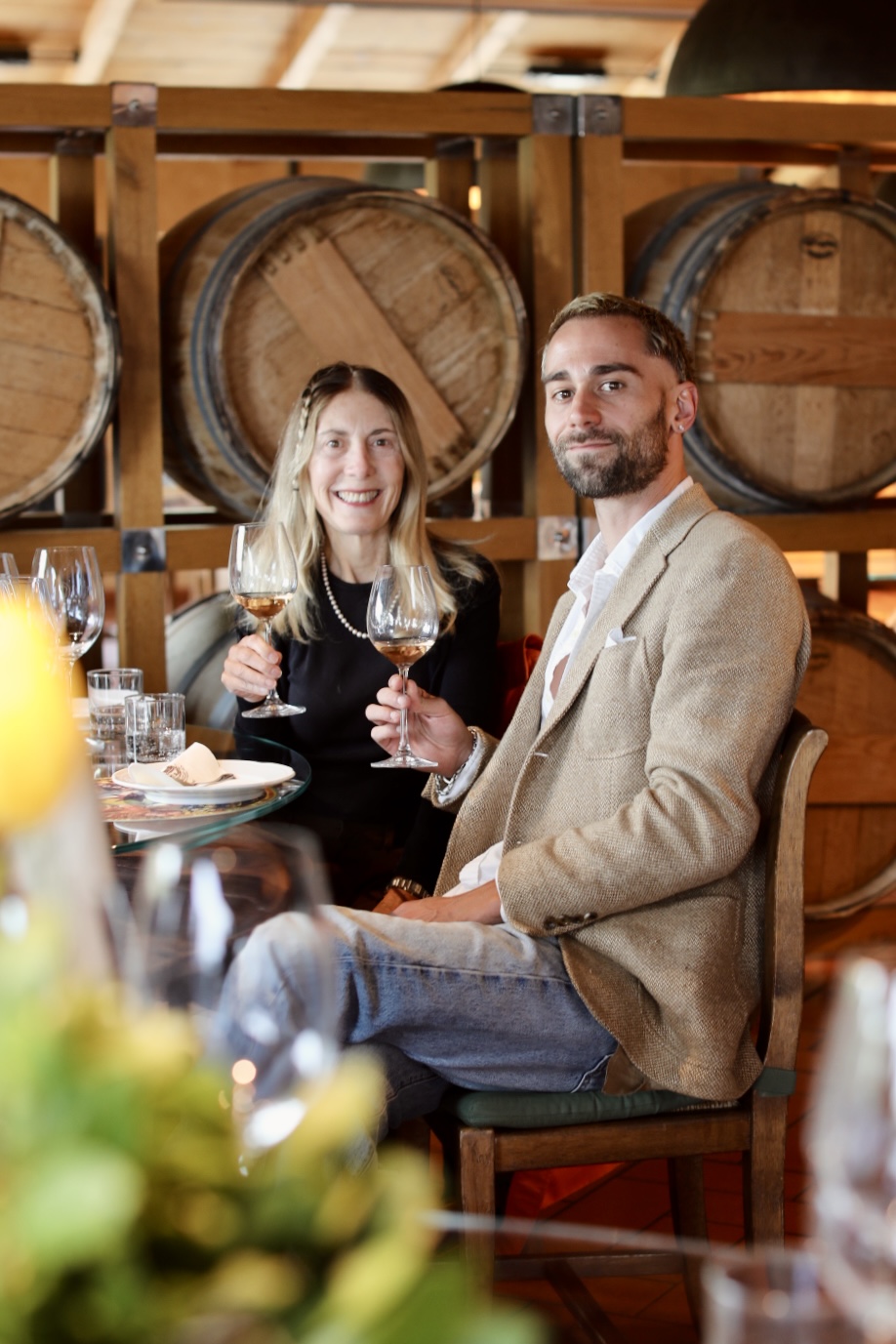
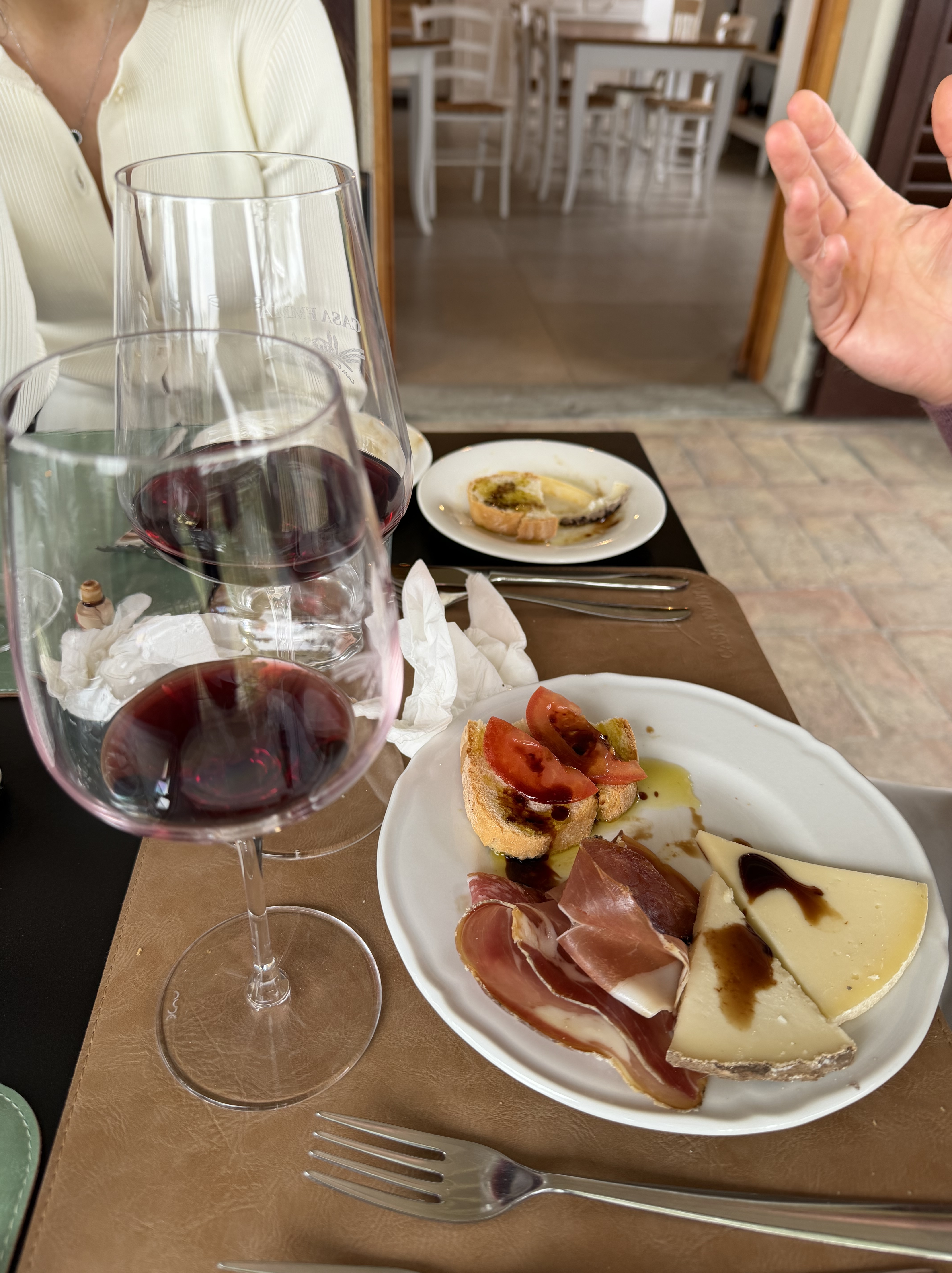
The wine tasting was pared with charcuterie, bread, olive oil, and balsamic vingear.

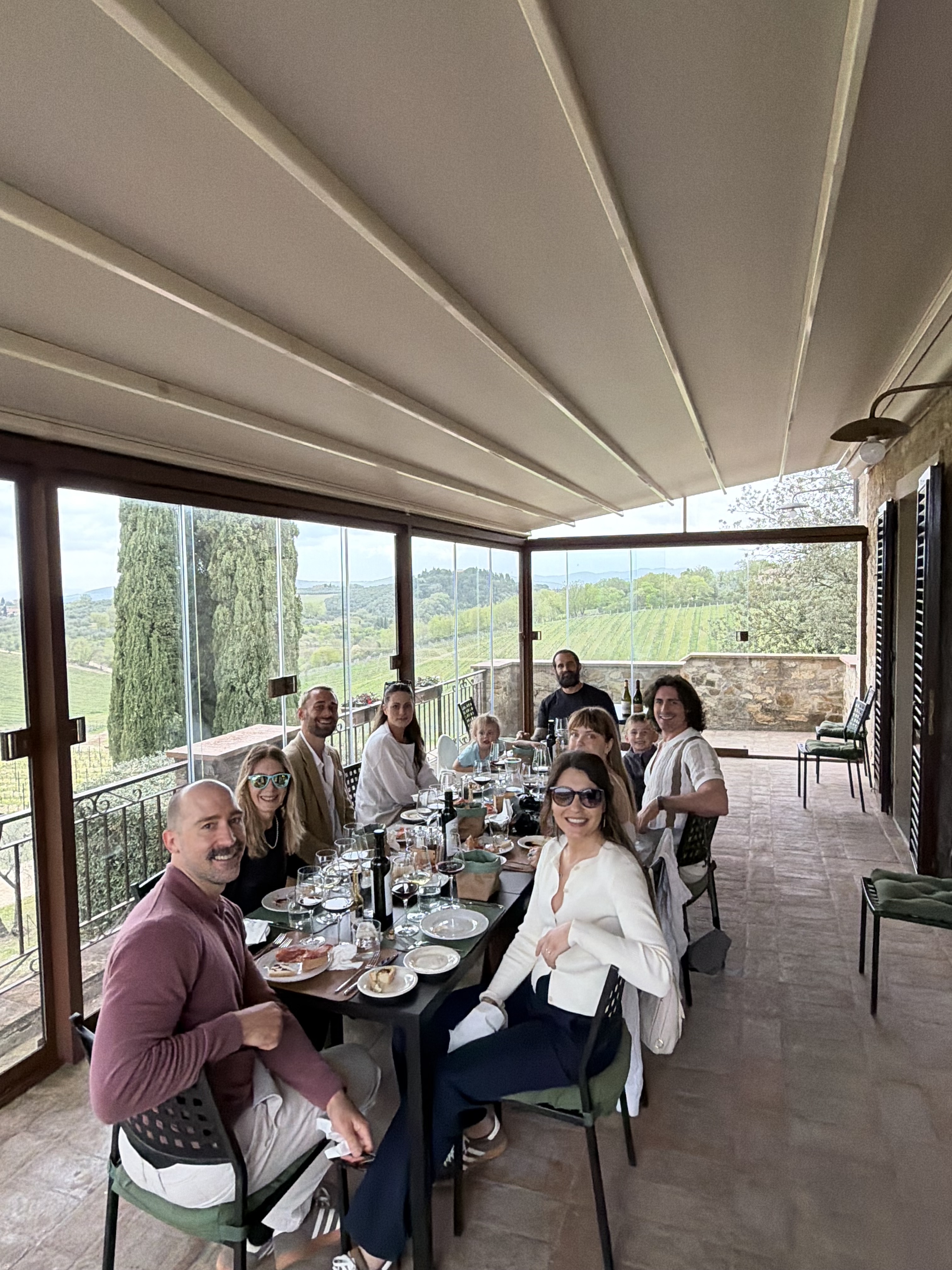
A late lunch in the private solarium was perfect; we didn’t have to be concerned that we were interrupting anyone’s romantic getaway with our noise and laughter. Such a fabulous way to spend a rainy Monday afternoon. Not everyone tasted the wines but, certainly, everyone enjoyed the day — castles, vineyards, wineries, dining, medieval towns. It was everything you dream of when you think of Tuscany.

My concern that the trip was too short was gone. Even if we had to leave immediately, the past 48 hours had made the overnight flight and all the expense worth it. But, incredibly, some of the best was still to come!

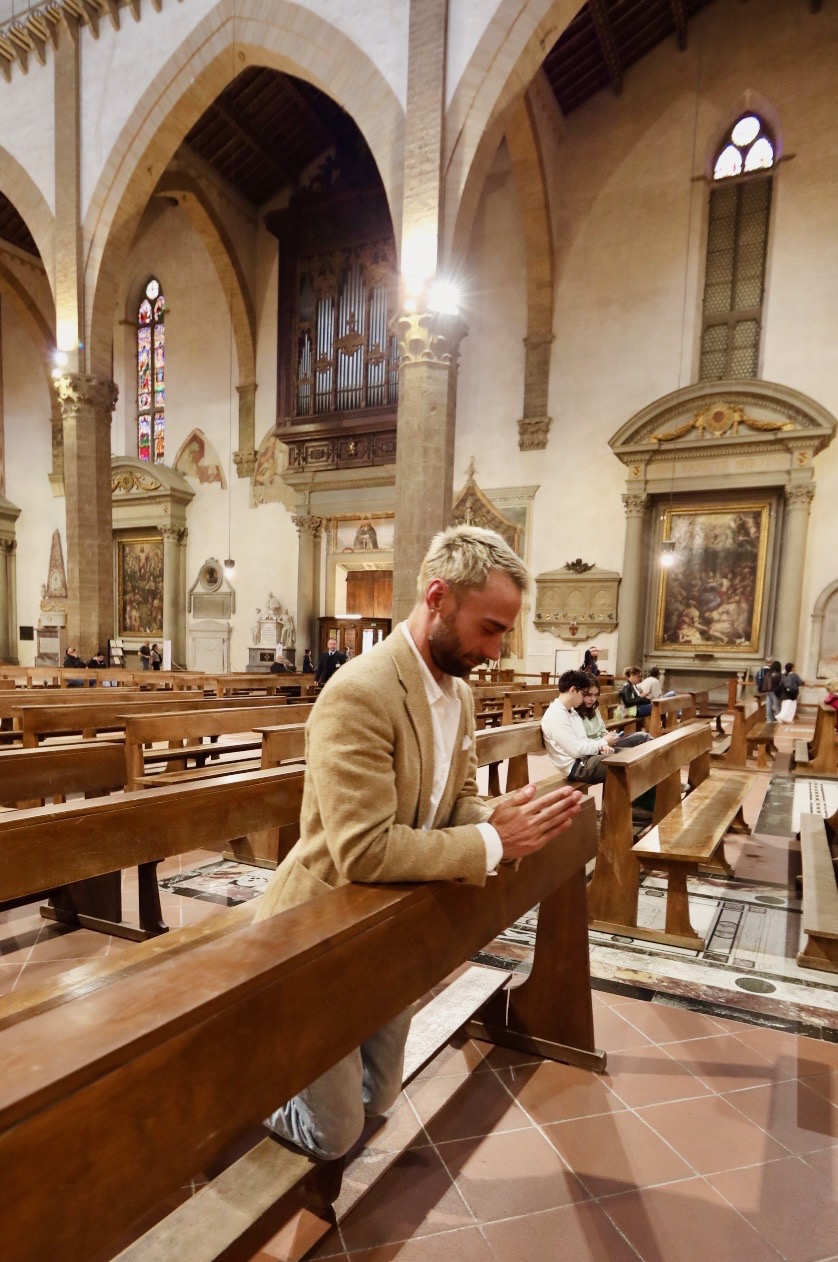
Before dinner, we popped next door to the Santa Croce Basilica.

I could have spent hours there. Unlike most Italian churches, there is an entry fee because it’s also a museum. The fees go directly to support the upkeep of the cathedral. Acquiring tickets for the Uffizi, Academy Gallery, and other museums was challenging and should definitely be purchased in advance but we walked right in to Santa Croce an hour before closing time and got lucky.

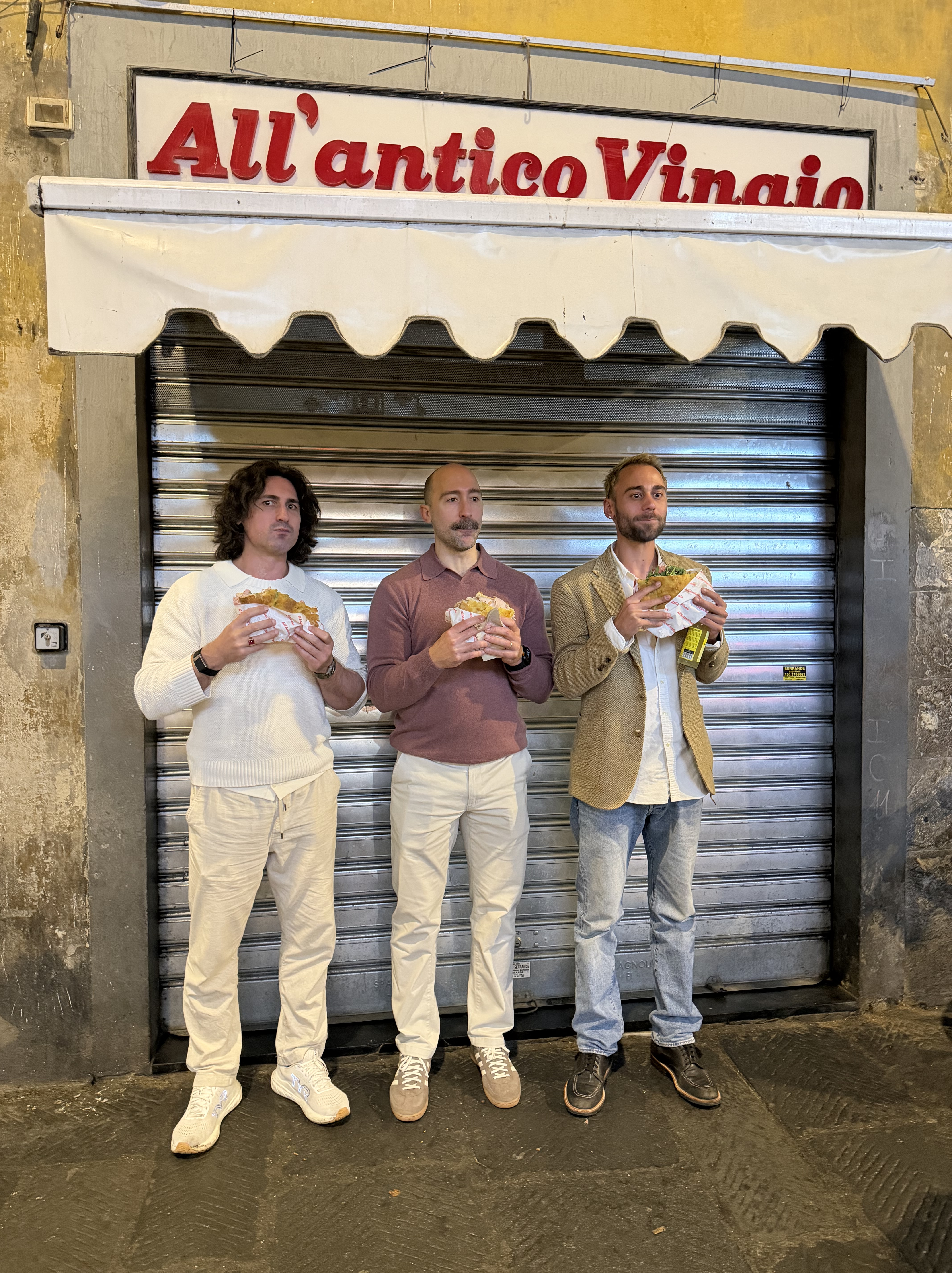
Instead of pasta or pizza for dinner, the guys opted for sandwiches. Just like the gelato, there were plenty of options but one take-out stand had a long line (in spite of the rain) which we took as an indication that it was the best. The sandwiches were served on a giant hunk of bread and packed high with meats, cheese, and salad.

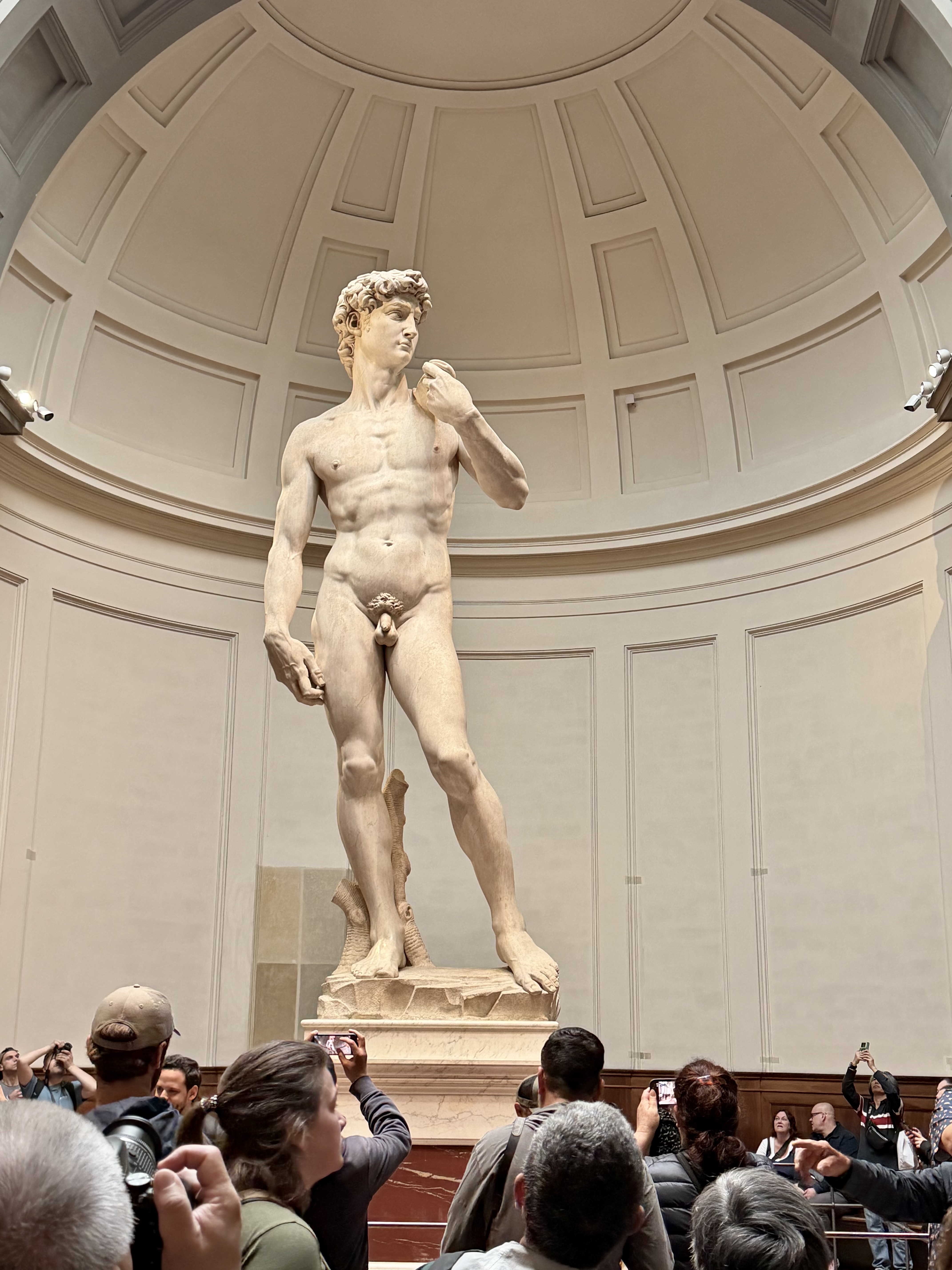
The next morning we had time-sensitive tickets to the Academy Gallery (Galleria dell Academia). You truly cannot be emotionally prepared to view Michelangelo’s famous David. Patrick, my oldest son, gathered us together explaining that Michelangelo’s four unfinished Prisoners are first then the hall opens up with David on a pedestal at the far end — 17 feet of white marble.

It was another moment that took my breath away and brought tears to my eyes. The beauty and impossibility of it made me feel so insignificant. From 1501 to 1504, Michelangelo carved a block of marble into this masterpiece. At 26 years old, he saw something I couldn’t imagine then he created it.

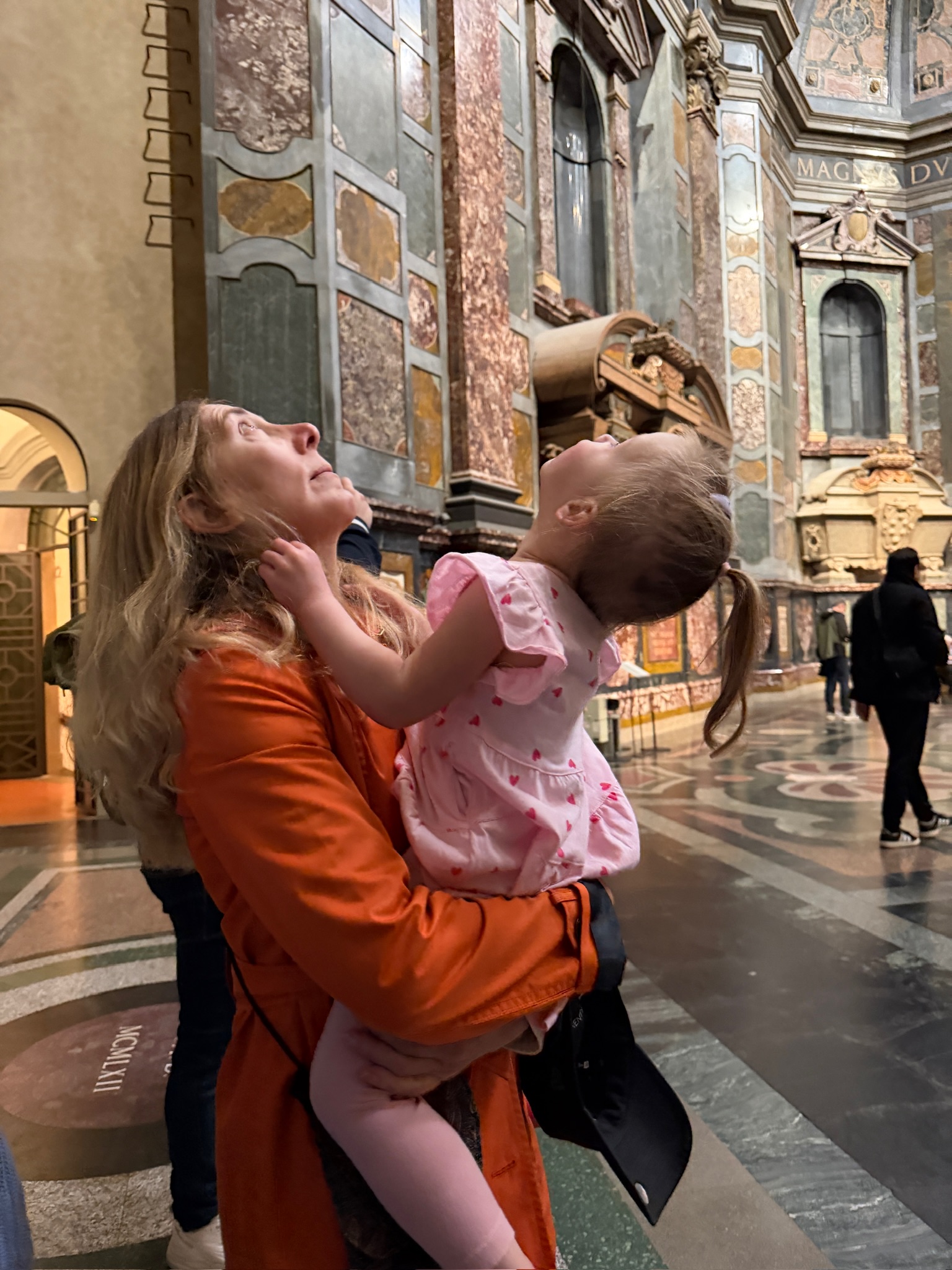
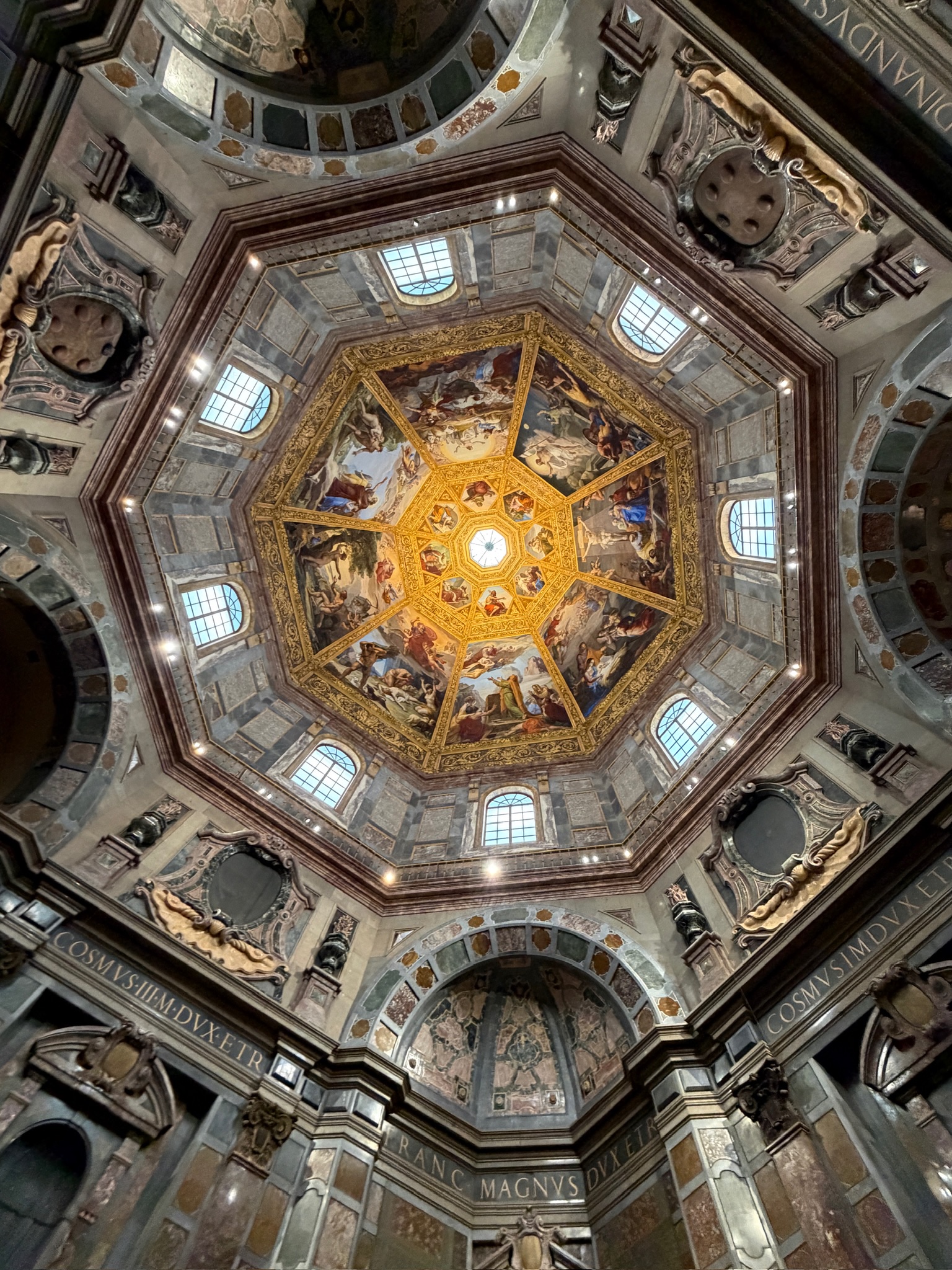
After a stroll and lunch break, we met up at the Medici Chapels. The Chapel of the Princes is a Baroque-style octagon, 30 feet wide and 60 feet tall. There was no spot in the room that wasn’t ornate — the floor, walls, and ceiling were all full of color and beauty.

Somehow the majesty of it all is timeless and impactful to everyone in a unique way. That’s got to be one of mysteries of art — that it’s interactive with the viewer. My sweet granddaughter and I looked at the same thing and both were frozen in awe. We silently looked up until our necks were tired. What we felt or took away from it may have been very different but, for certain, it was enriching.

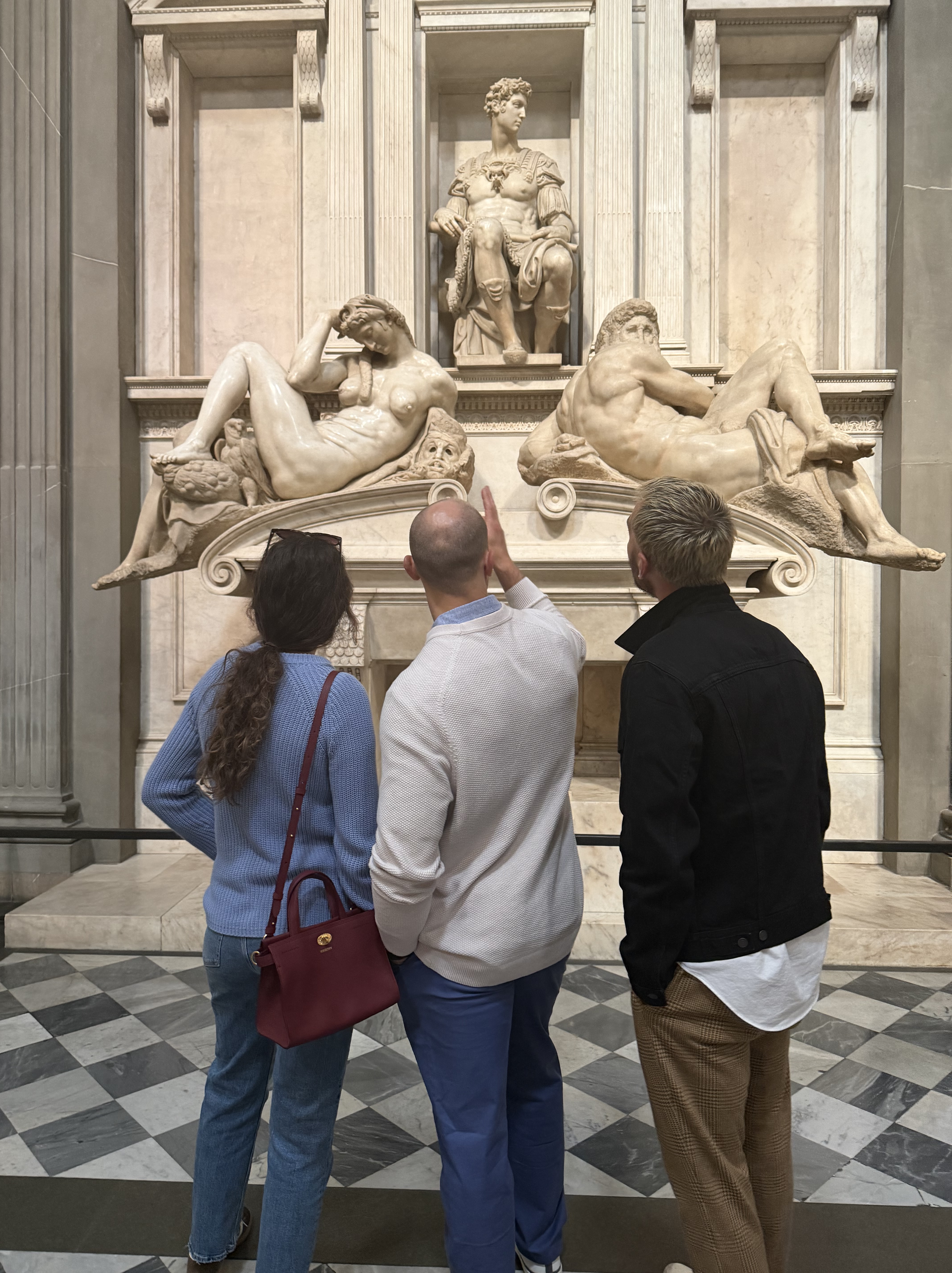
Michelangelo designed the New Sacristy, a masterpiece of Renaissance architecture and art including four sculptures — Night, Day, Dawn and Dusk. Night is a sleeping woman with an owl beneath her arm. He wrote a poem in her voice which is believed to express his sadness over the loss of Florentine liberty to the Medici. Essentially, it’s a protest poem.

“Sleep is dear to me, and more so being made of stone. While damage and shame last; not to see, not to hear is my great fortune. Therefore, do not wake me, I pray, speak softly.”

Many important members of the Medici family are entombed here. The picture below shows the tomb of Lorenzo Duke of Urbino with the statues Dawn and Dusk.

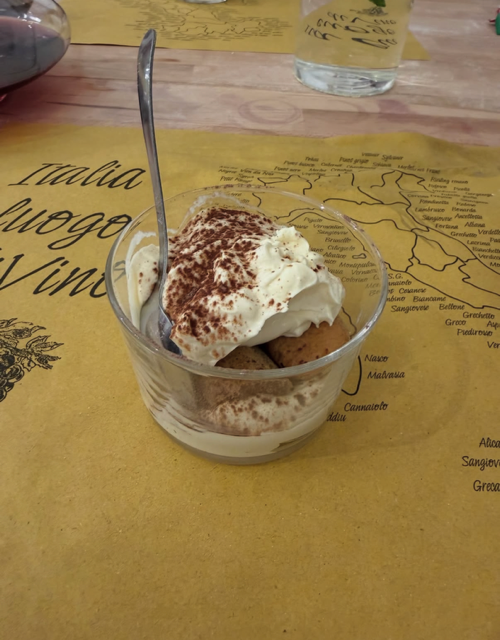
As if the day wasn’t full enough, we found our way to a cooking class from 5:00 to 8:00 PM were we made tagliatelle pasta (long, wide ribbons), spinach and cheese filled ravioli, and tiramisu then enjoyed eating it. The secret to the tiramisu is to dip the cookies in the coffee mixture for only one second so they don’t get soggy.

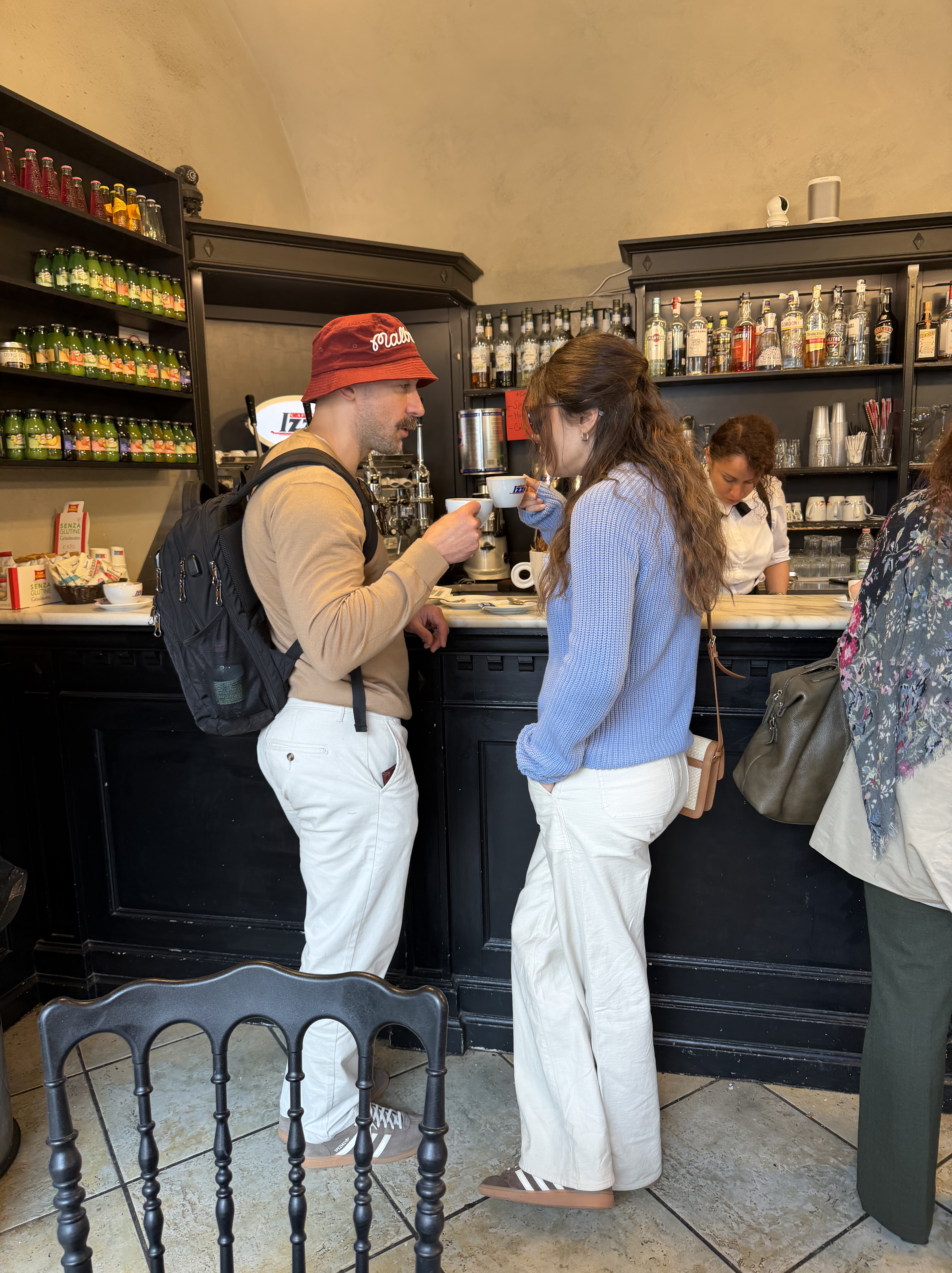
Every morning started with a quick coffee. The cups are tiny and cost half-price if you drink standing at the bar. “Coffee” is the equivalent of American espresso. I ordered cappuccino for the steamed milk. But don’t order it after 11 AM because the machines have been cleaned for the day.

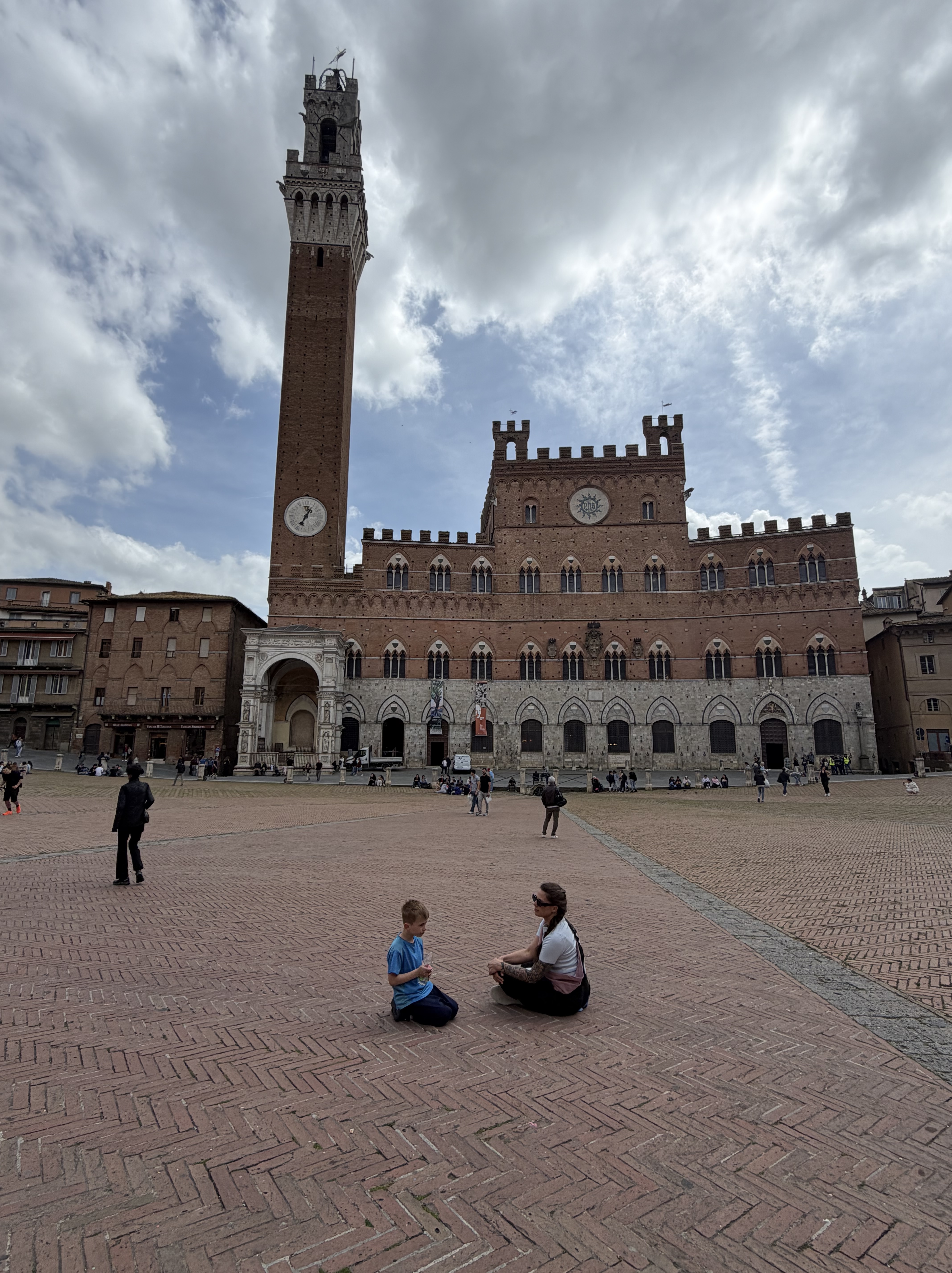
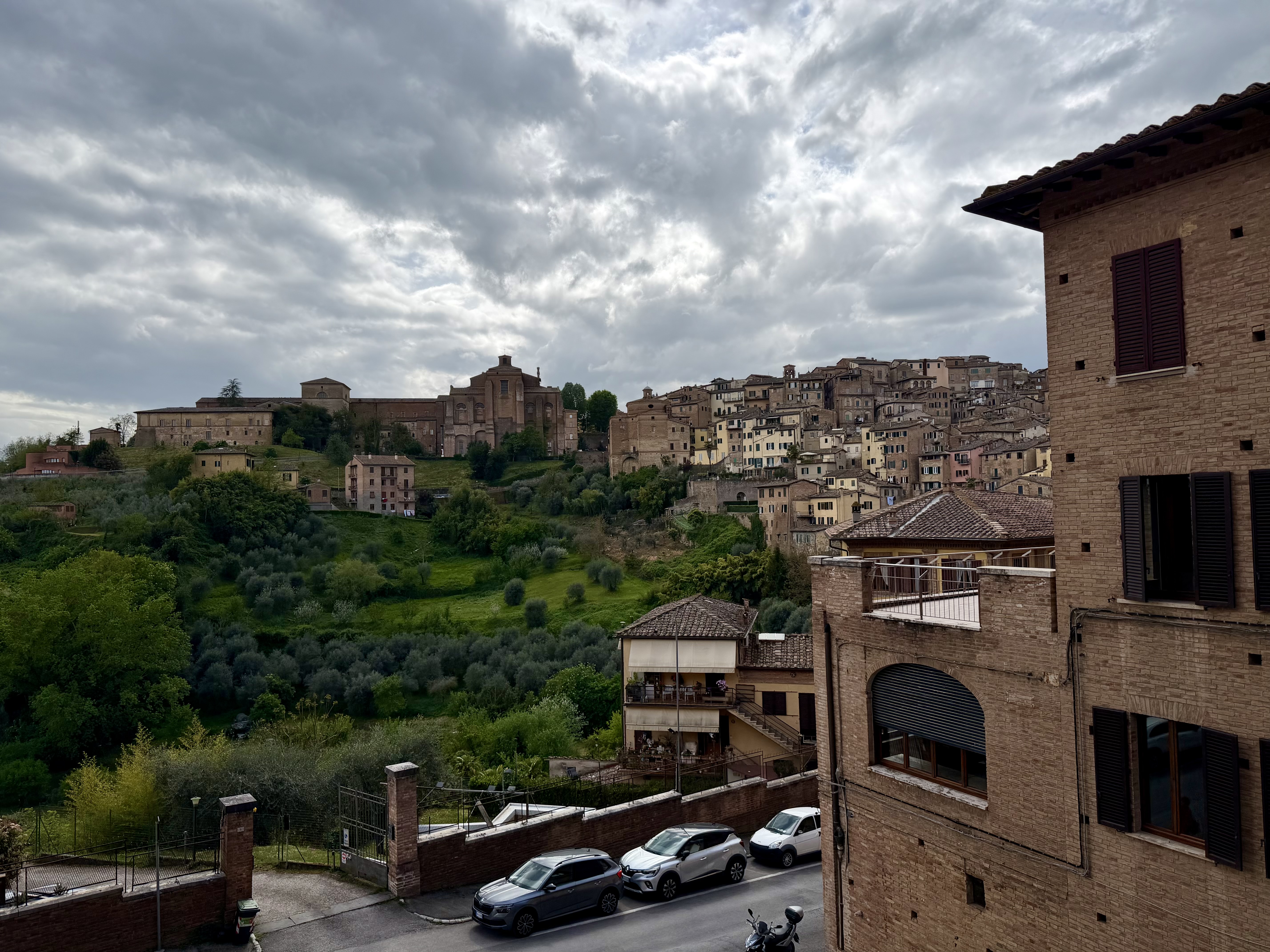
Then we jumped on a bus for the approximate hour-long drive to another UNESCO World Heritage site, Sienna. It’s well-known for the medieval architecture, narrow streets, Gothic art, and famous Piazza del Campo where the Palio horse races happen twice a year.

The piazza is a giant paved, public square in the middle of the historic area. During the races, people stand in the center and on balconies cheering for their horses. The betting and strategies seem quite unsportsmanlike but great fun as the jockeys try to knock the others off their horses and accept bribes from whomever pays the most. The first horse to complete the course is the winner, not the jockey, so even if there’s no rider, the horse can still win. It sounds wild and we saw pictures that confirm it’s a contact sport

There are 17 contrades, historic neighborhoods, with their own emblems, colors. history, and huge pride. The rivalry of the contrades during the horse races is very intense with a lot of partying and sabotage.

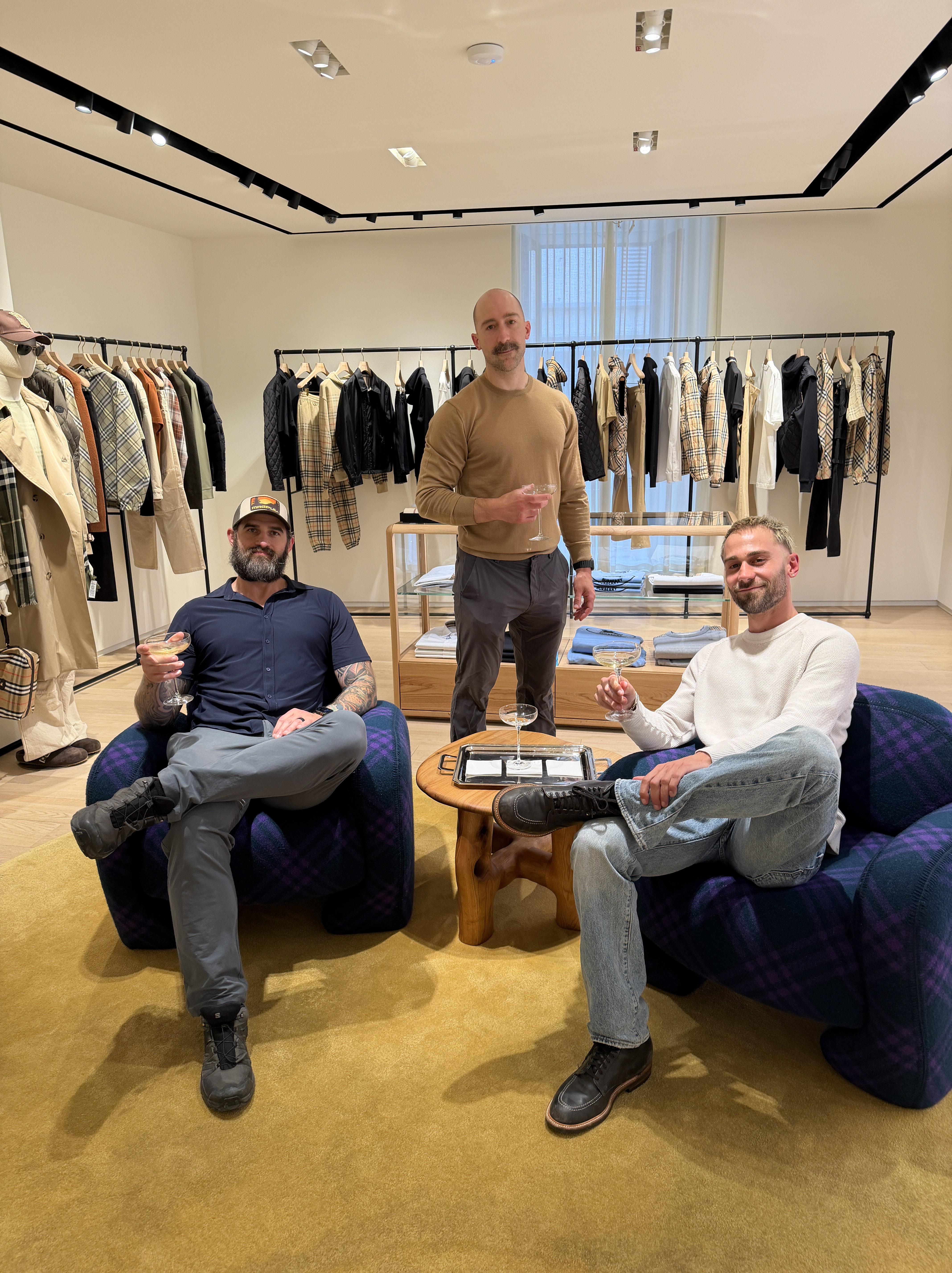
Back in Firenze, there was time for some fashion shopping. The stores offer sleek, European style with lots of attitude. My time and budget didn’t allow much shopping but there were plenty of designers stores with gorgeous clothes, accessories, and perfumes in the windows. Our AirBnB was in the area known for fine leather craftsmanship but there were imitation goods sold by street vendors out in front of the artisans.

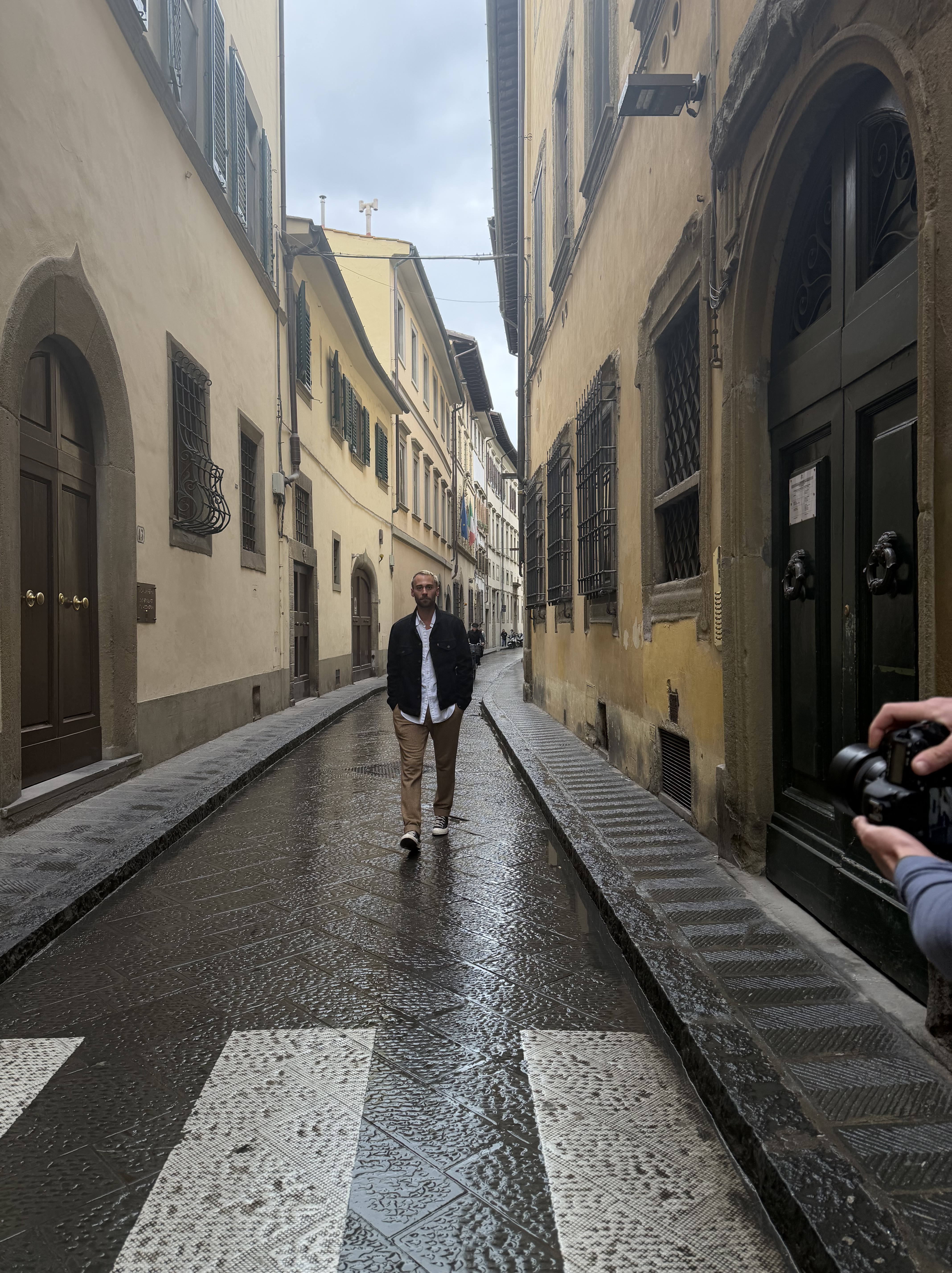
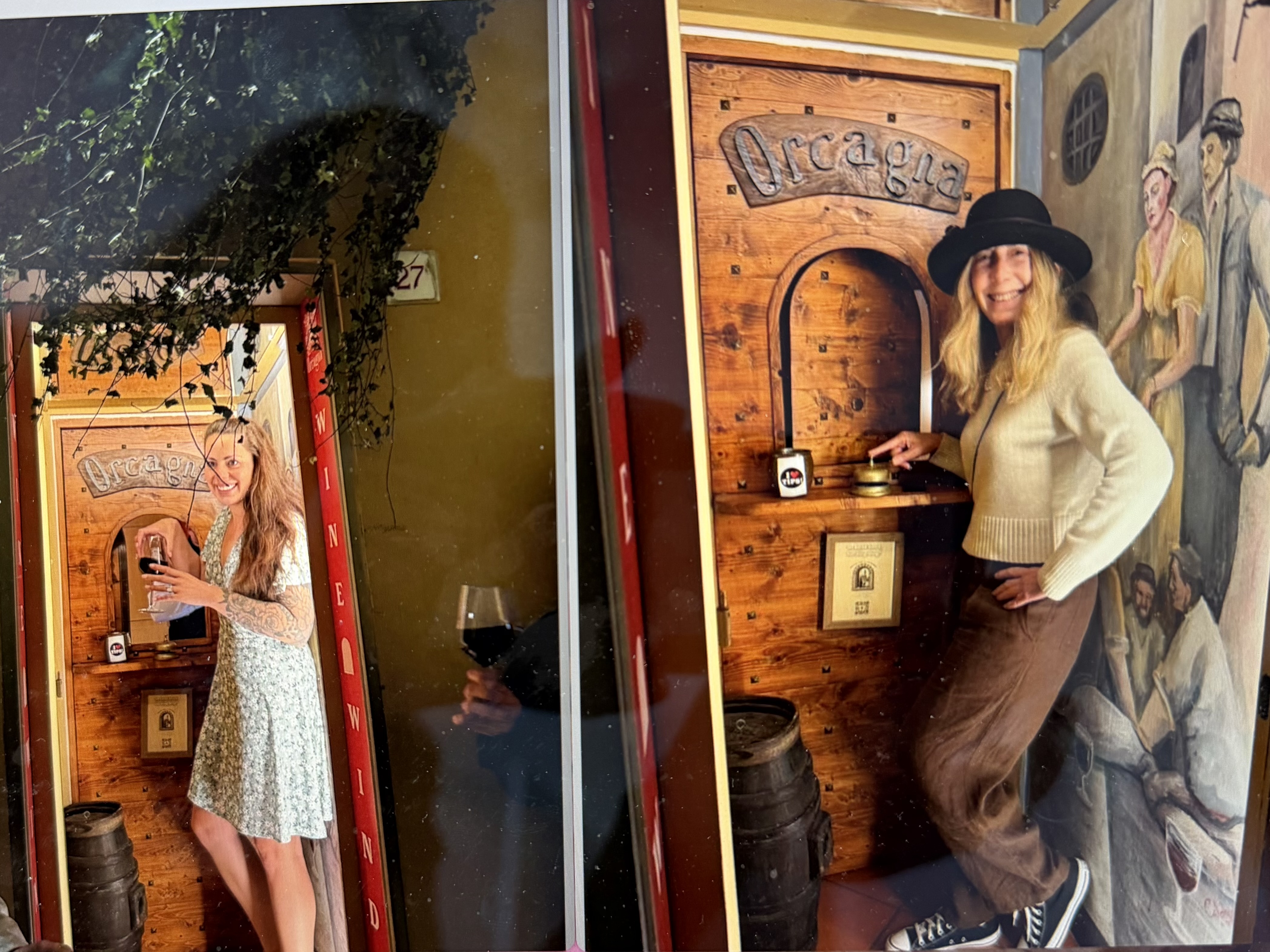
Before dinner, we stopped at one of the quirky wine windows; kind of like a speak-easy. Back in 1559 Cosimo I de Medici decreed that noble families could sell excess wine that they produced on their country estates directly from their urban palaces tax-free. Hardly noticeable as you walk down the narrow streets, the wine windows are typically 12-inch high, arched, wooden doors built into the side of buildings. Most had no signs or markings. You just knock or ring a bell and someone appears. Interestingly, they were used for contact-less transactions of all kinds during the bubonic plague (1630s) and again during COVID (2020). This one was down a dark, narrow alley but it appeared to be service by a restaurant around the corner.

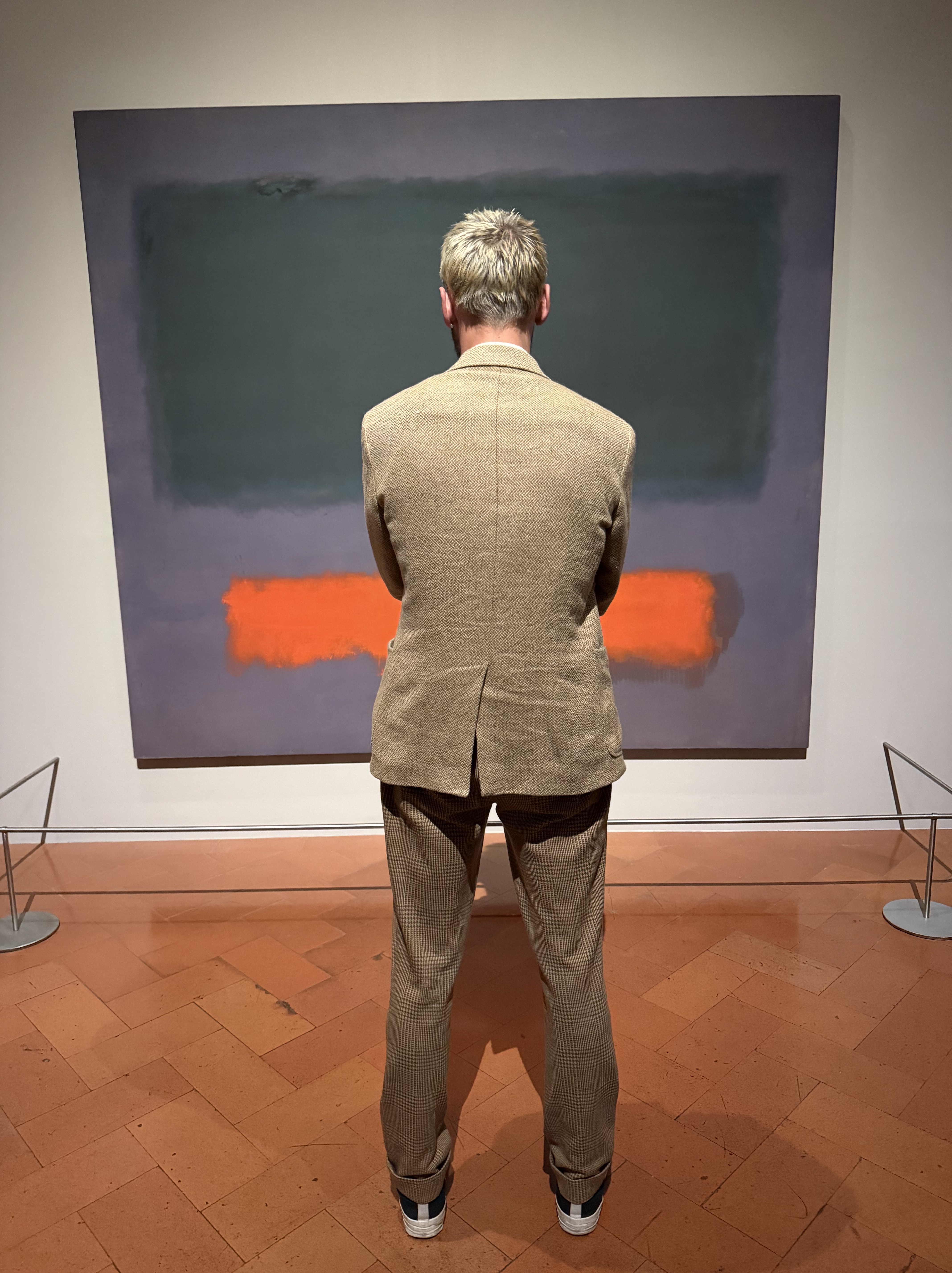
On our last day, we started at the Mark Rothko (1903 – 1970) exhibition with over 70 pieces of art on display at Palazzo Strozzi.

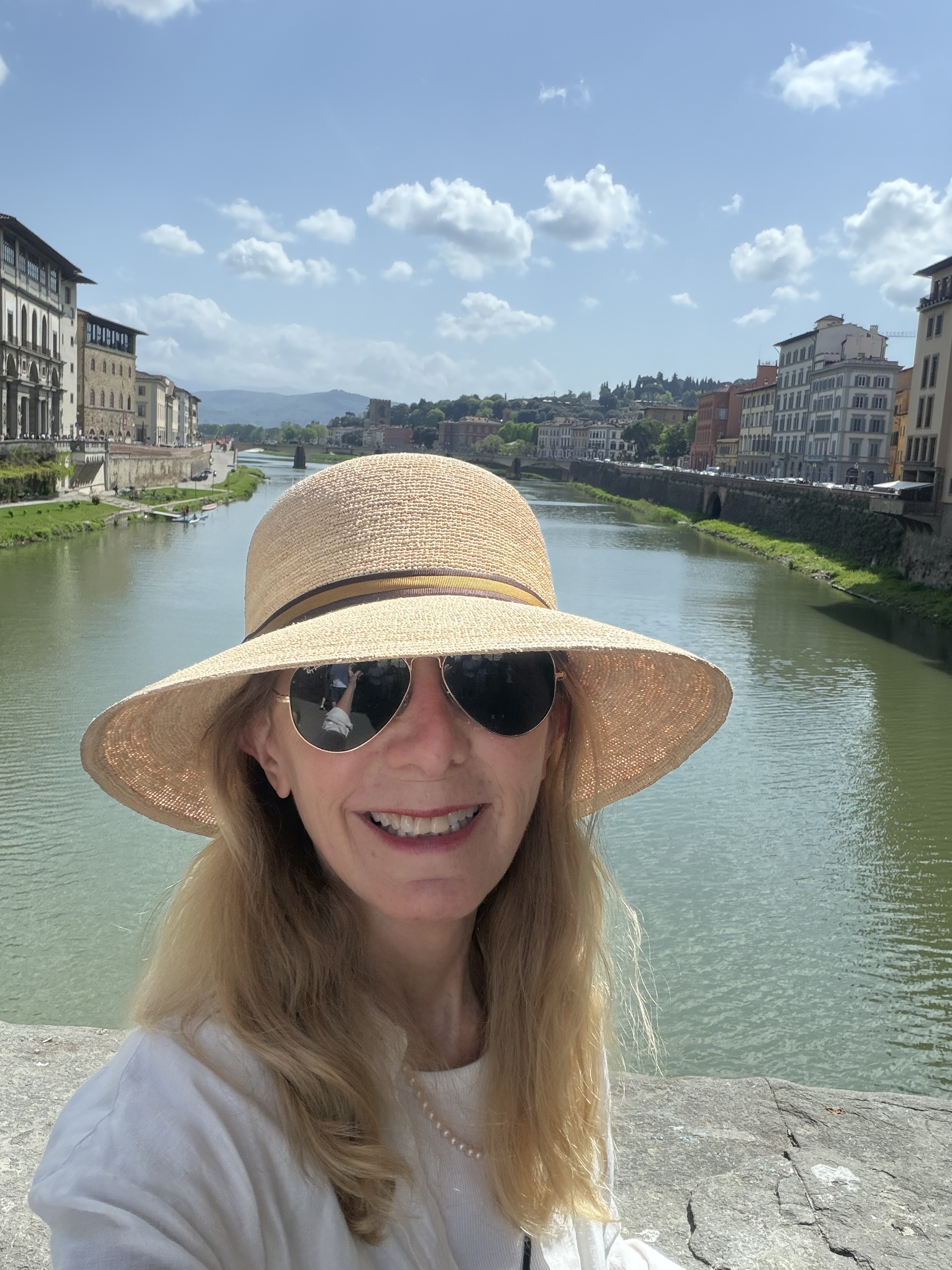
Almost time to leave but, finally, I could pretty well find my way around. The Duomo and the Arno River serve as landmarks.

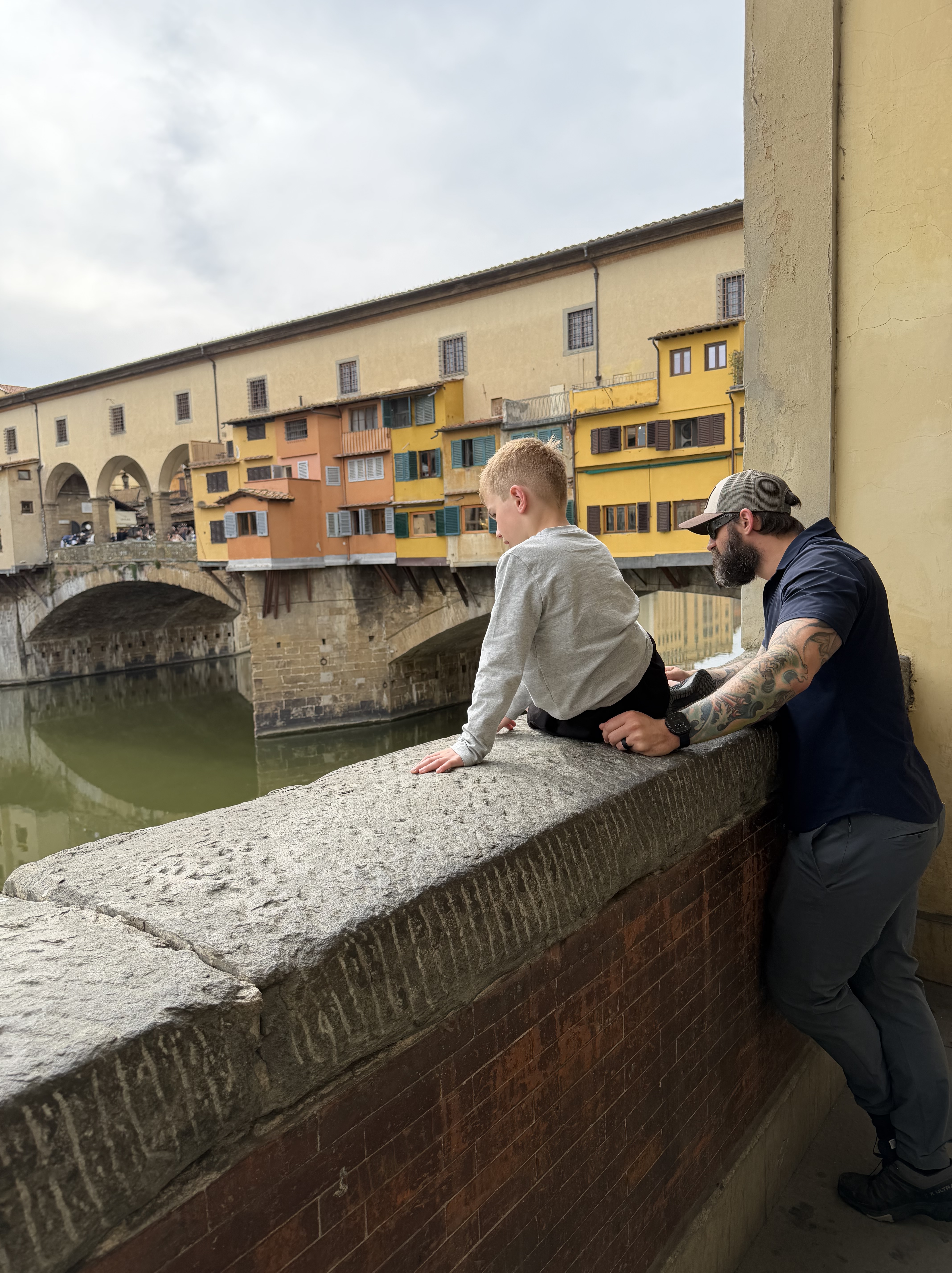
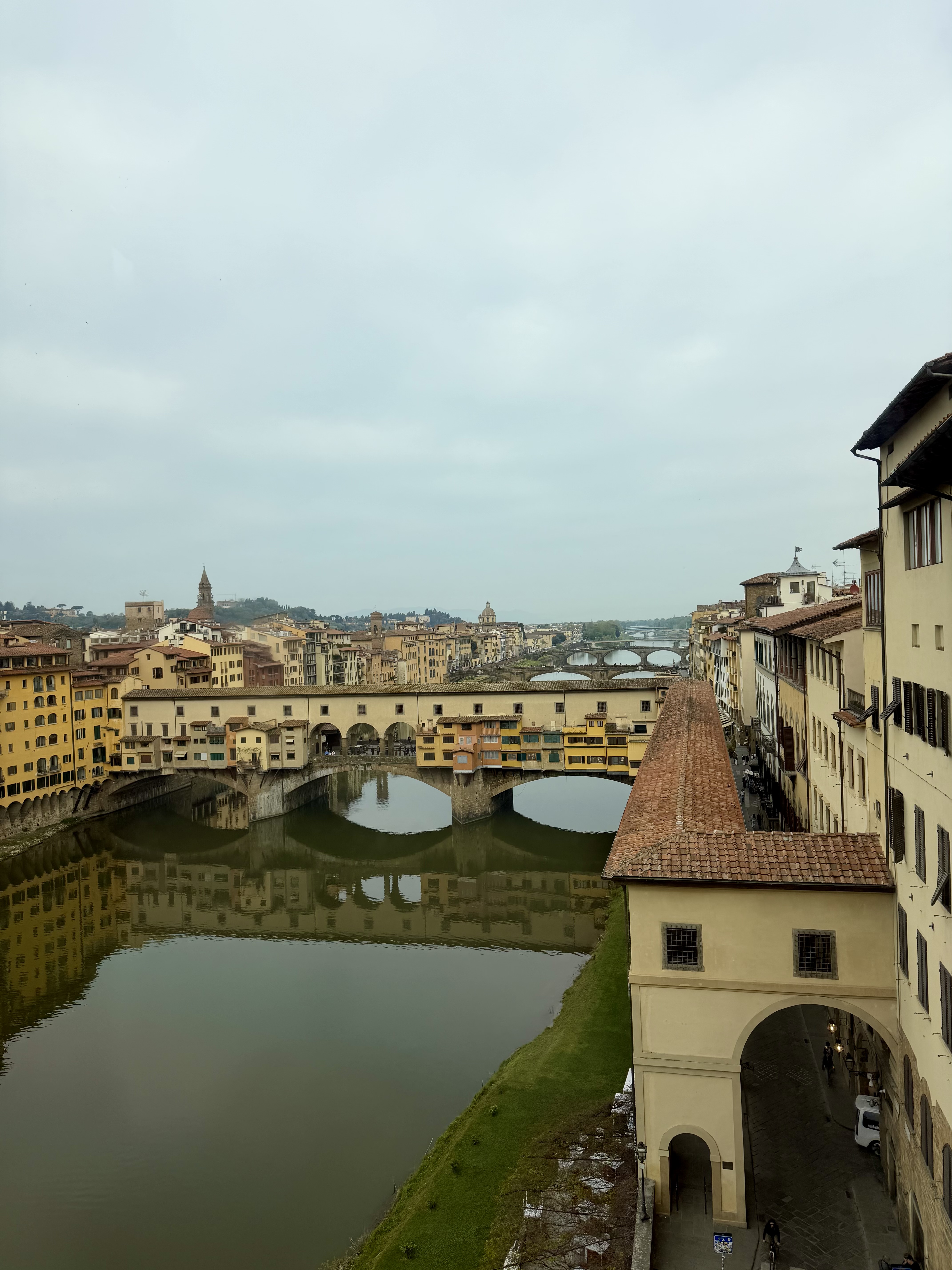
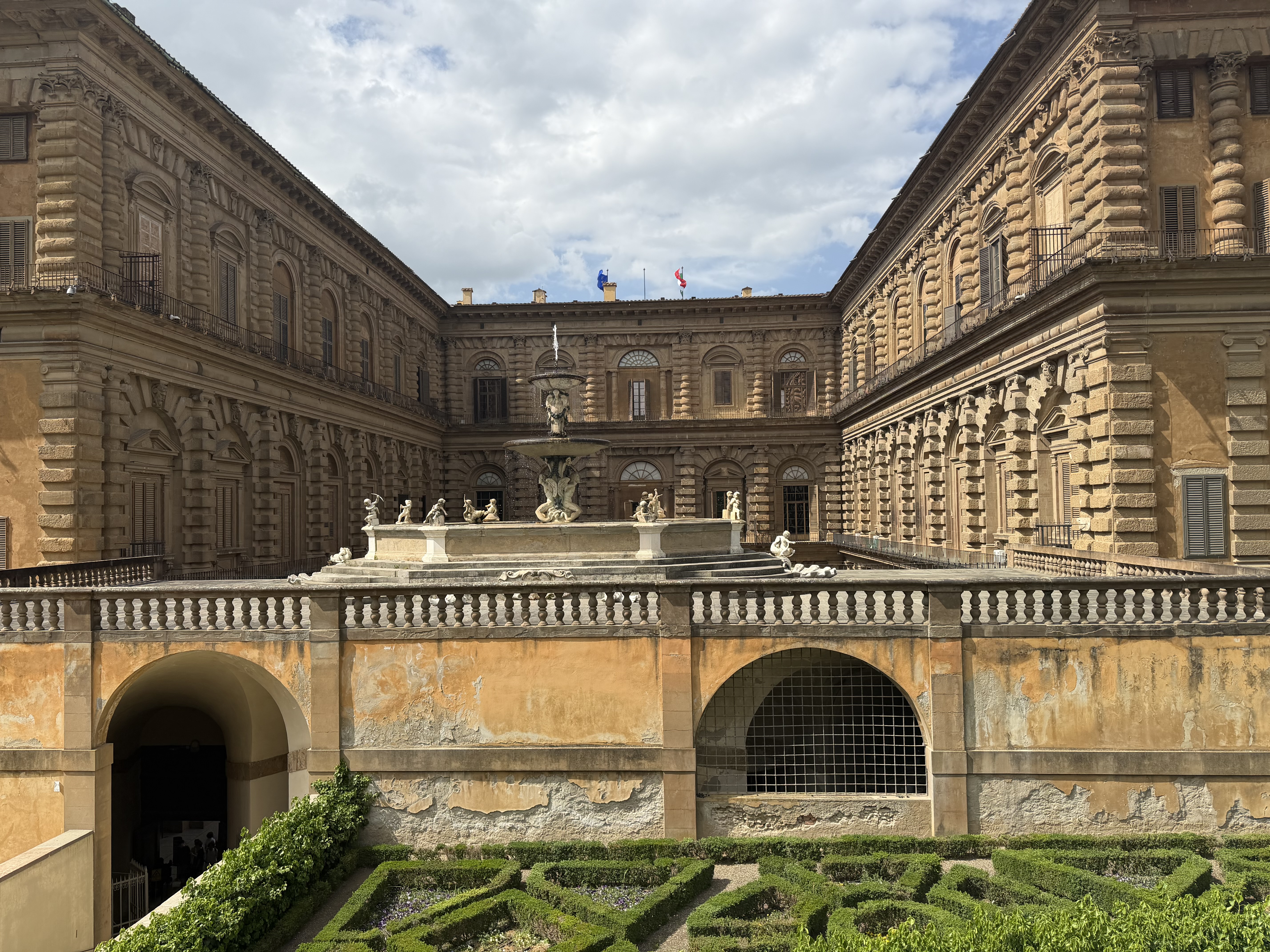
A short walk over the Ponte Vecchio brought us to our last palace/museum, Palazzo Pitti. It’s an easy walk across the river but the bridge is famously lined with jewelry shops so it takes extra time to admire the sparkling gold and precious stones along the way.

The Ponte Vecchio is the oldest of four bridges in the city and crosses the Arno at its narrowest point. The shops built across the bridge are colorful and fun giving it special character. The tunnel, Vasari Corridor, runs across the top connecting the Palazzo Pitti to Palazzo Vecchio and was built to protect royalty when crossing. It’s the only bridge not destroyed by the Germans in World War II, reportedly on the direct orders of Adolf Hitler.

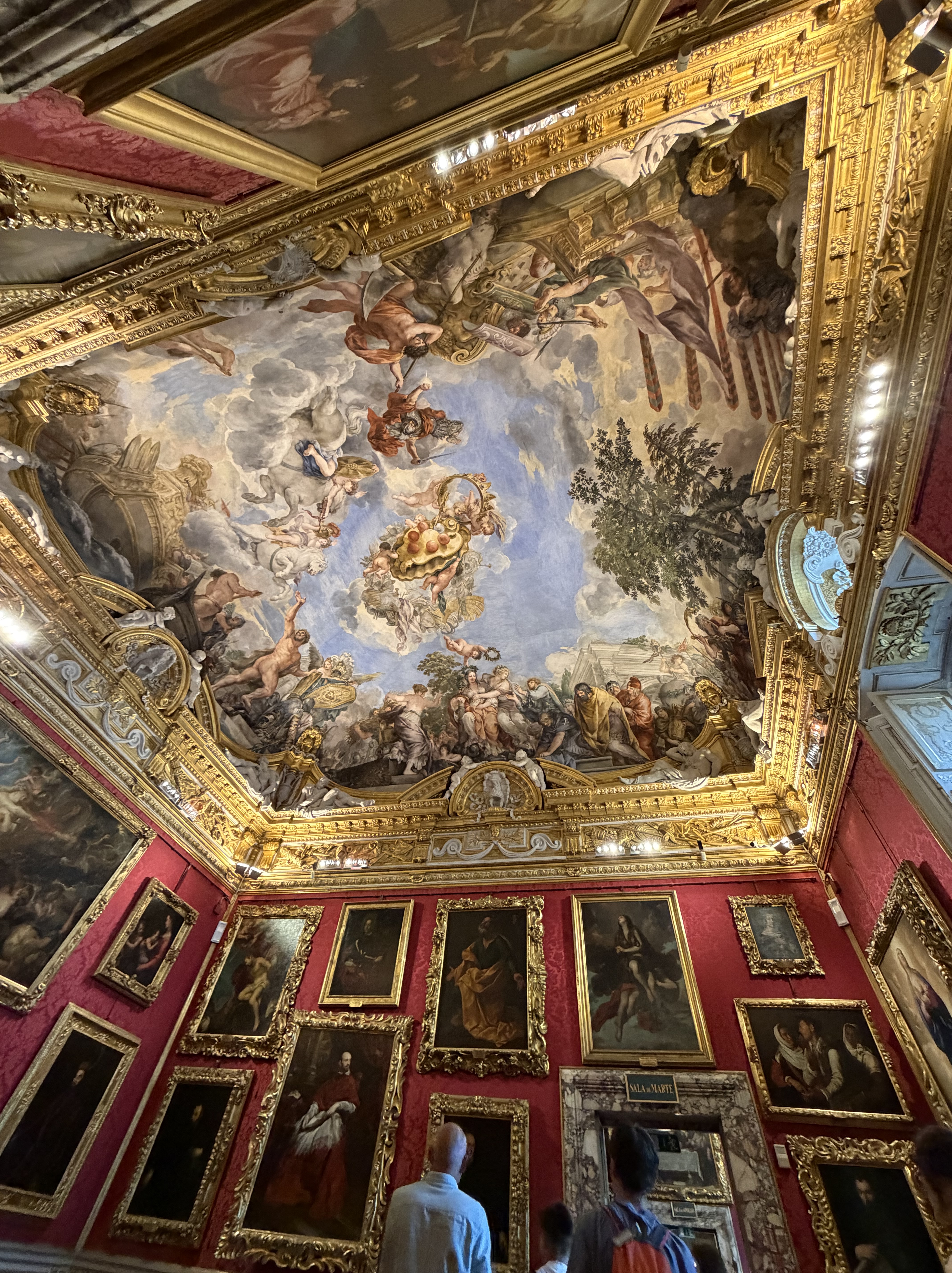
Each room of the Pitti palace is full of beautiful paintings, sculptures, and history. My grandson (6) and I had fun looking at the artwork then reading the story behind it. Most were biblical, mythical, or of royalty but you never know what you’re going to find. The painting of the favorite dwarf, front and back, was both surprising and comical.

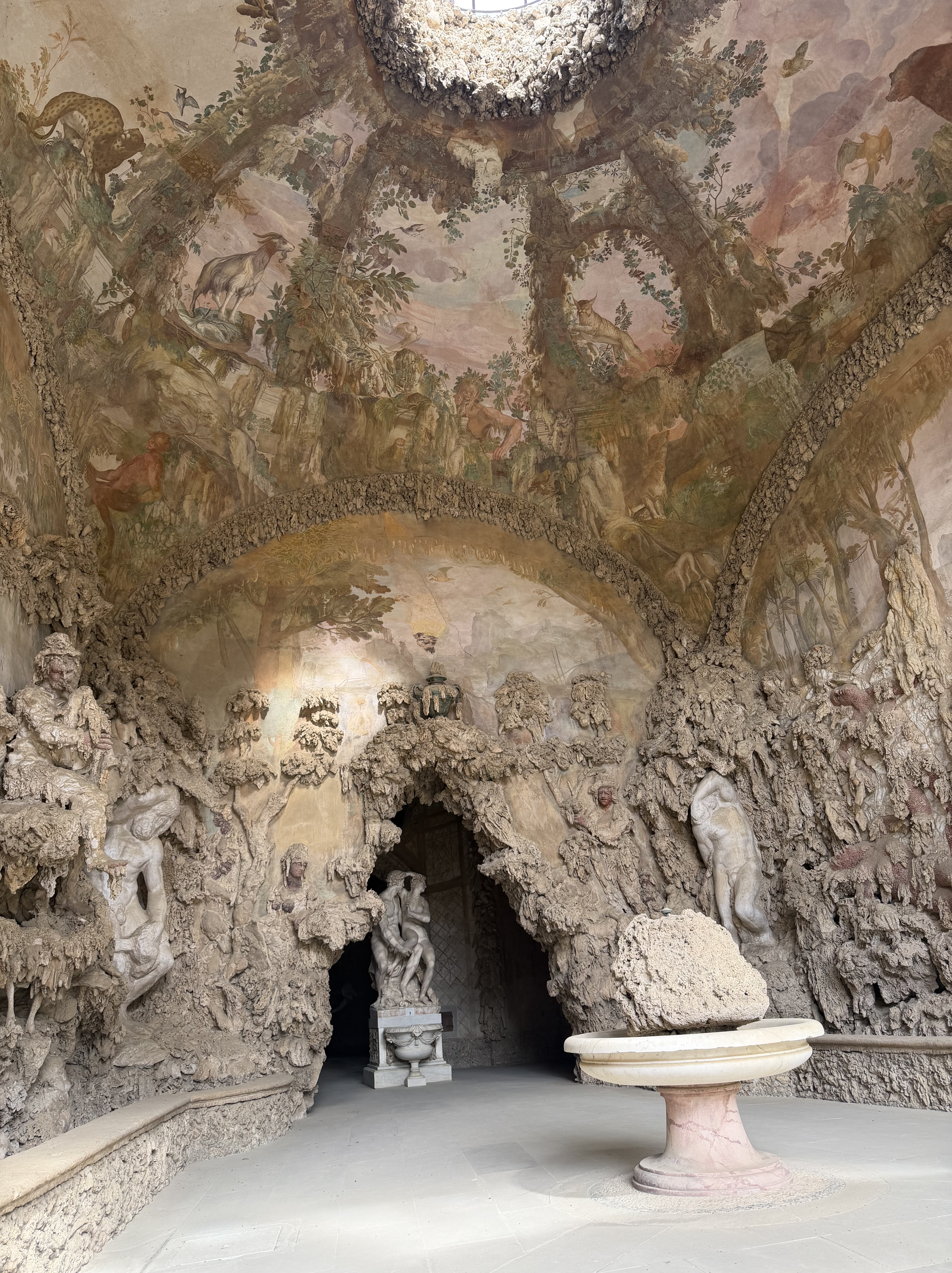
The Grotta dei Buontalenti, built between 1583 and 1593 for Francesco I de Medici is considered a masterpiece of Mannerist architecture and sculpture. Originally, it had elaborate waterworks, frescoes and limestone formations blurring the line beween art and nature. While it has diminished over the past 450 years, it still inspires the grandeur of the day and questions why modern construction isn’t built with more character.

The massive gardens rivaled Versailles. I could imagine royal picnics on the lawns amidst blooming peonies and butterflies.

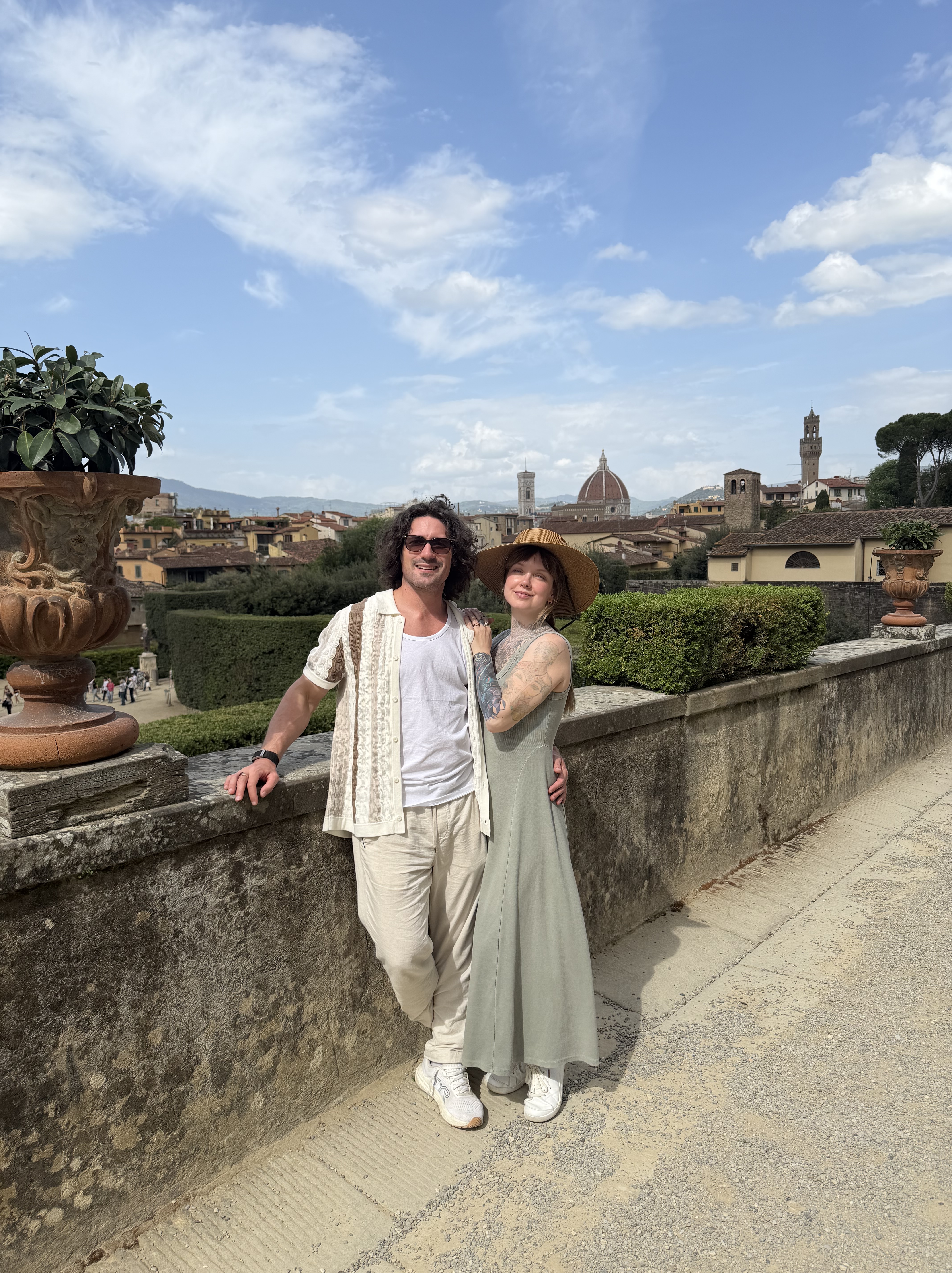
In the distance, across the river, proudly stands the Duomo reminding me why Florence is widely considered one of the most beautiful cities in the world. The Duomo is simultaneously massive yet gentle; always representing the Renaissance.

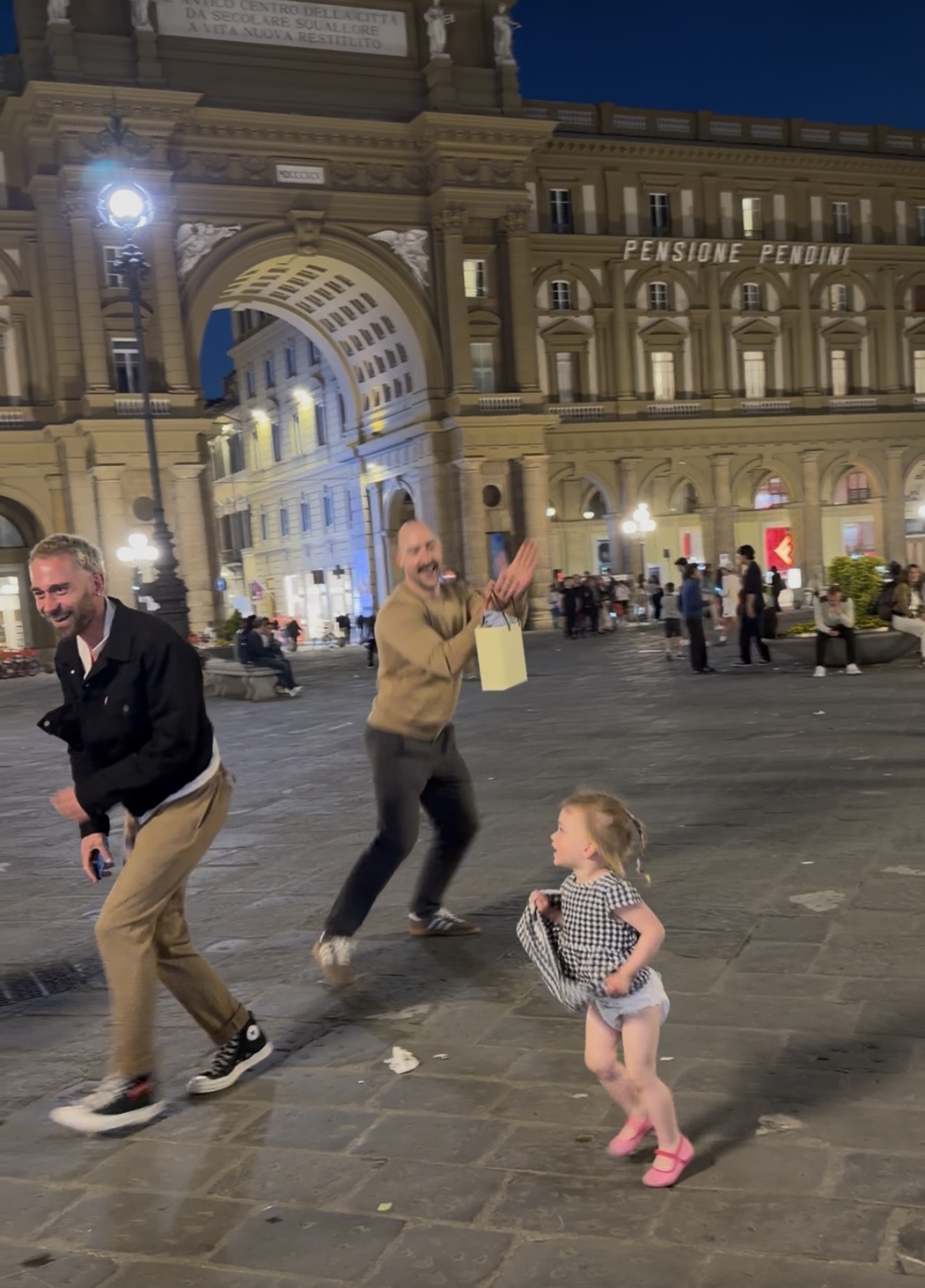
Not to be overlooked was the simple fact that we were all together with no pressure to be anywhere else. We walked hand-in-hand, played games, explored, danced and twirled, sharing an Italian experience for a week. These breaks from routine always make me question, “Which is the “real world?””

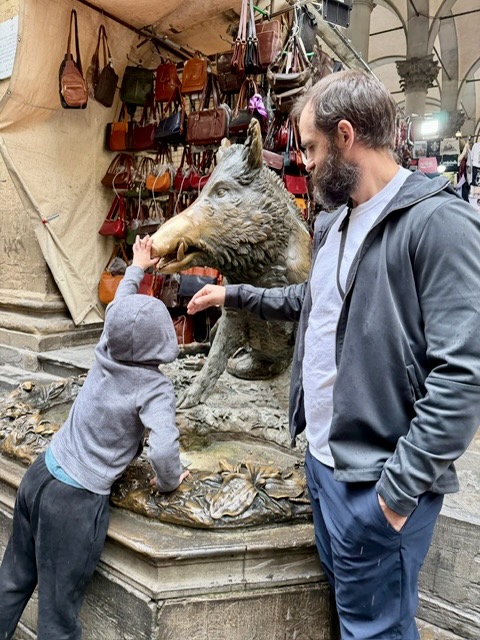
Upholding tradition, our small representative rubbed the boar’s snout, “Il porcellino” (little pig), securing good luck and a return trip to Florence.

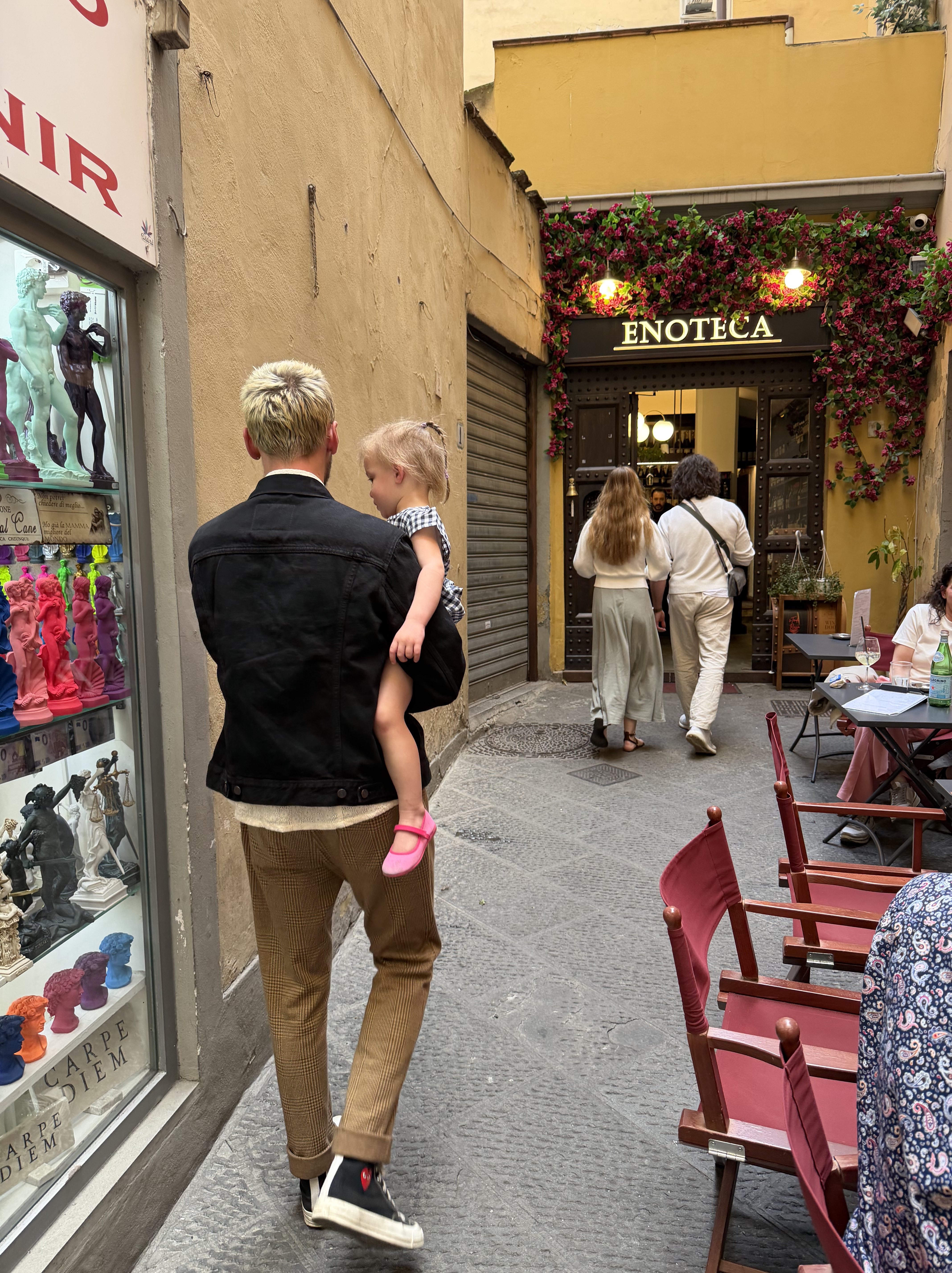
All too soon, it was time for our farewell dinner. We had reservations at Enoteca, a Michelin 3-star, family-owned restaurant, priding itself on blending the past with the future in fine, Italian cuisine.

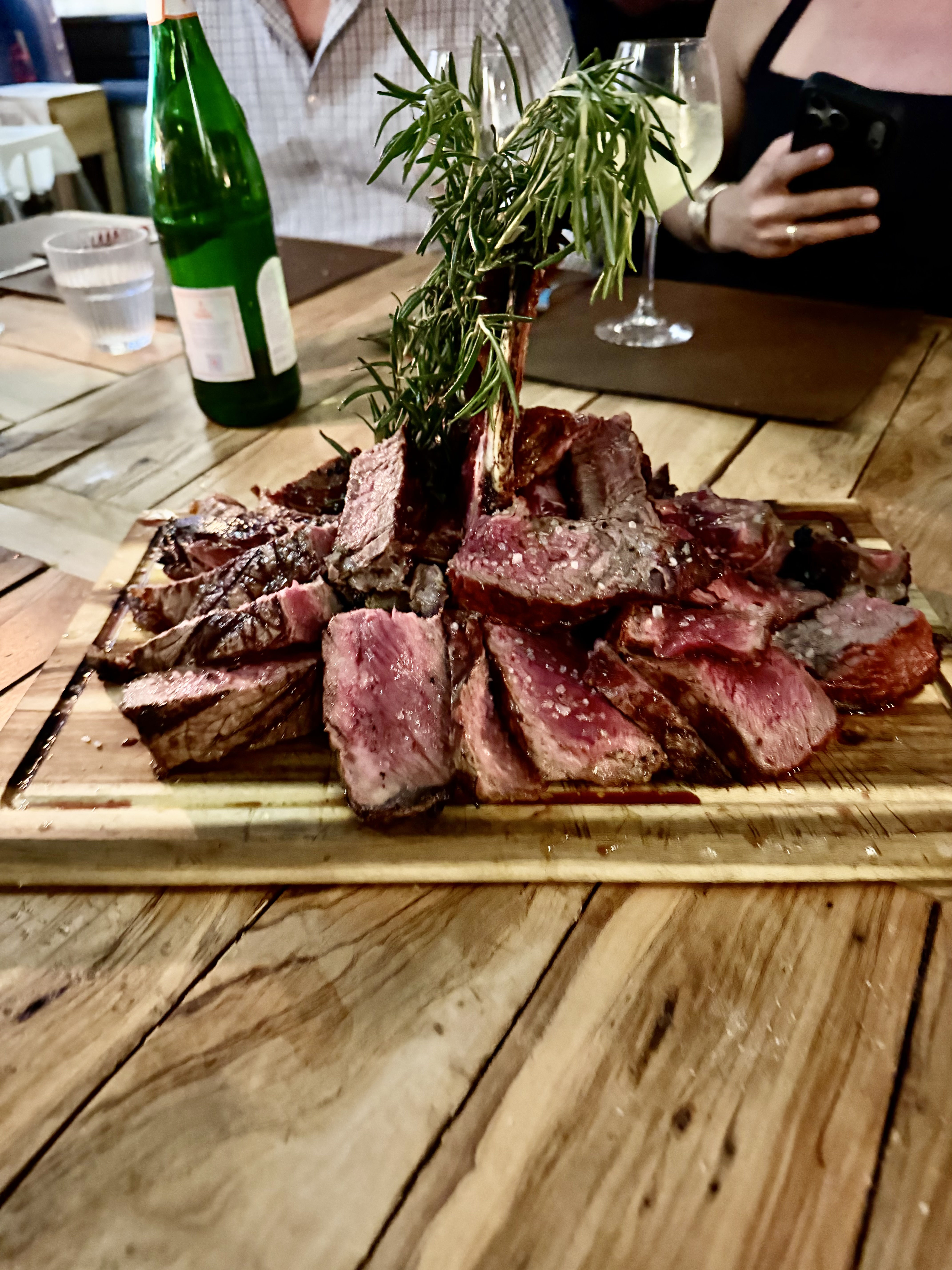
The candlelight, baroque atmosphere, and personal service set the scene for a truly memorable experience. There were so many courses, each one beautiful and delicious, but the wild boar and steak Florentine were highlights.

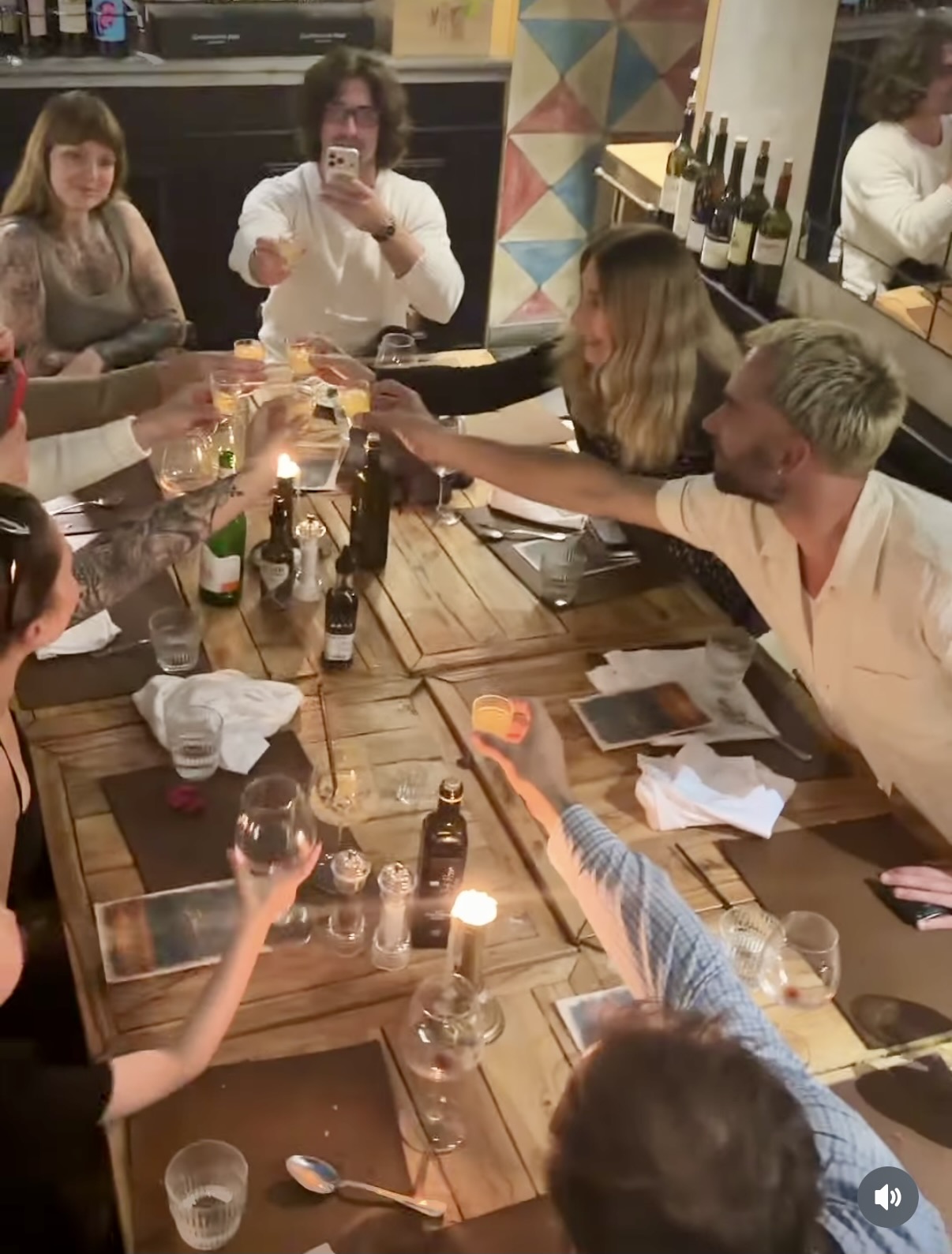
Ice-cold, limoncello shots were the perfect way to toast the end of another fabulous, family trip. Here’s to travel, culture, beauty, and good health. But, foremost, “TO FAMILY!”

“The Creator made Italy from designs by Michelangelo.” Mark Twain (1835-1910)

“Life is a combination of magic and pasta.” Federico Fellini (1920-1993)

“Hey, how lucky can one man get?” John Prine (1946 – 2020)

C’est la vie! The South of France

It seems my road trip through the South of France was more about a mood than an itinerary. The mood was created by baguettes, cheese, wines, rolling hills, clear blue water, tiny towns with a church in the center, fields of lavender in full bloom, narrow, winding streets, outdoor cafes, and a prevailing sense of peacefulfness.

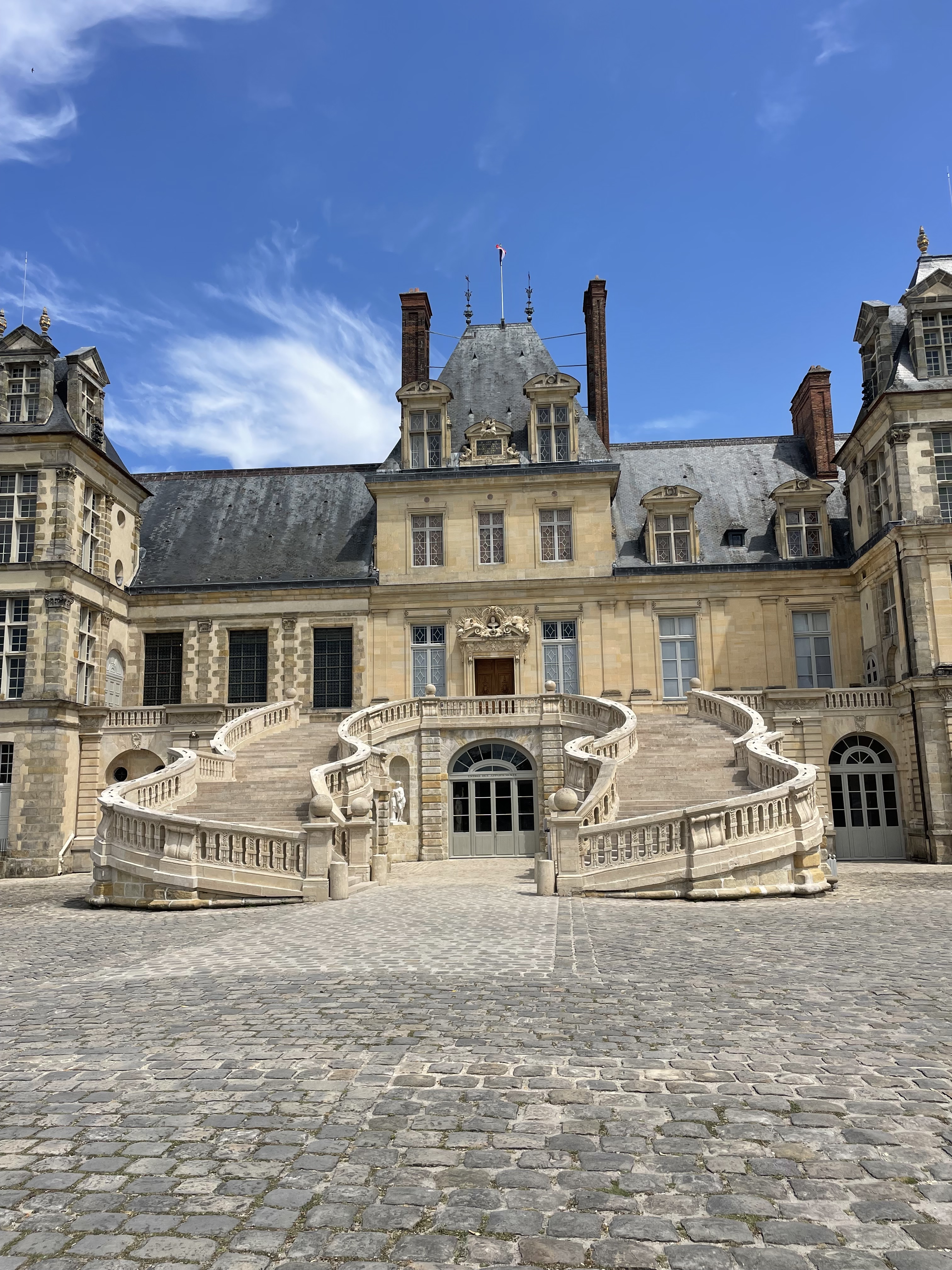
Arriving in Paris on the overnight flight from Atlanta, my niece and I wanted to stay awake in an effort to adjust to the time difference (six hour) as much as possible. Our gracious host took us on an afternoon outing to the palace of Fontainbleau.

The famous horseshoe entrance known as the Baptistry Gate was designed by Primaticcio and Henry IV. It was originally a drawbridge gate and moat but over the years the chateau was enlarged and modified many times. Designated a UNESCO World Heritage site, it was originally constructed in the 12th century as a hunting lodge for the kings of France, but later became the primary home for kings and Emperor Napoleon Bonaparte (1769 — 1821). The Pope’s suite is gorgeous but unusual considering that the Pope declined an invitation to Napoleon’s coronation so he was kidnapped and brought against his will. Hearing about the various occupants and important events surrounding the chateau is a harsh reminder that the USA is so young compared to other countries throughout the world with their rich histories.

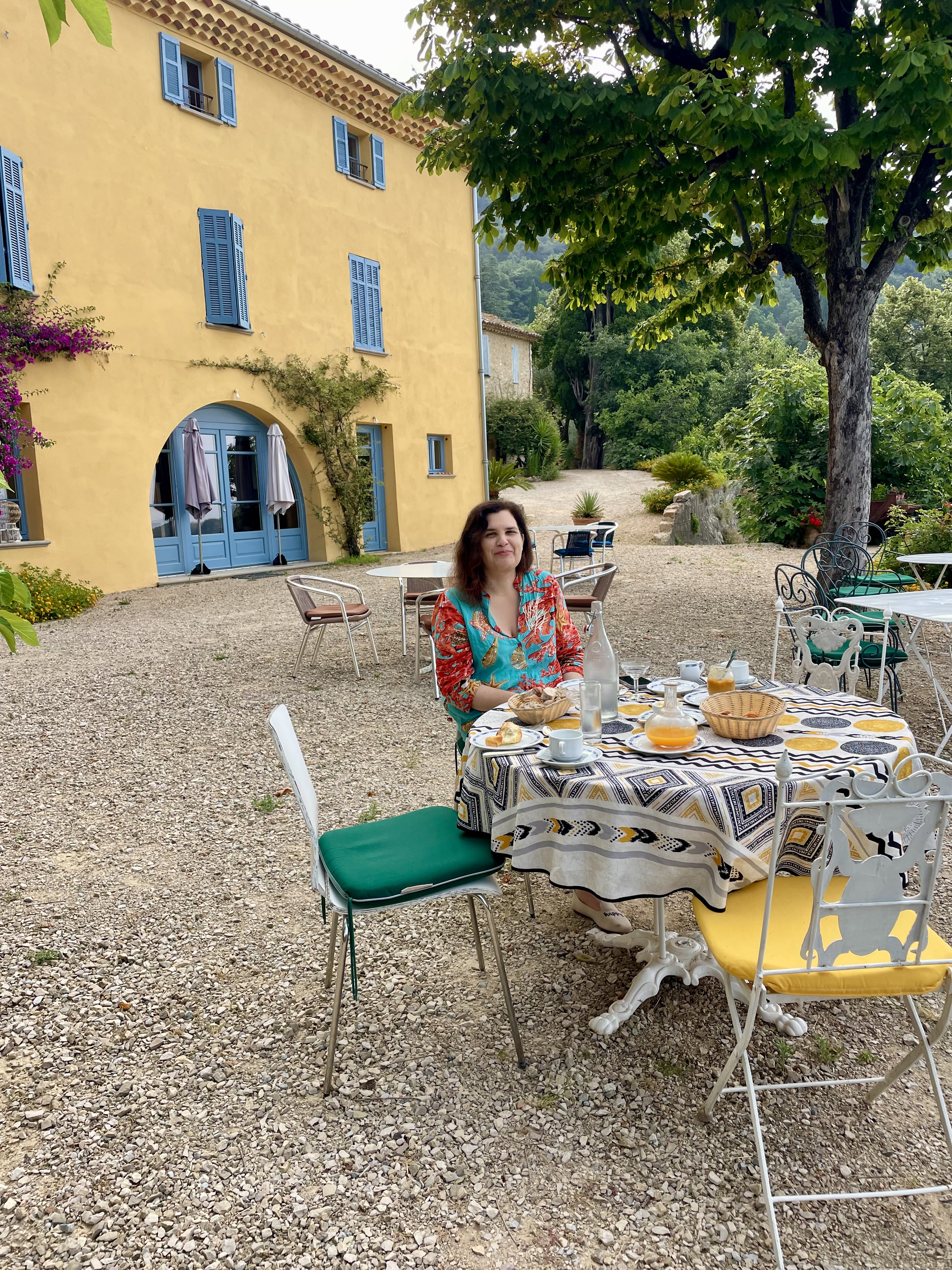
After a lovely breakfast of cafe au lait, croissants, and pieces of baguettes with homemade jam, I bid adieu to my sweet niece and left for an eight-day road trip through the South of France. My niece spent that time between Normandy and Paris with friends including French teenagers. My travel companion, Celine, and I rolled out of Paris in her hybrid Mini Cooper.

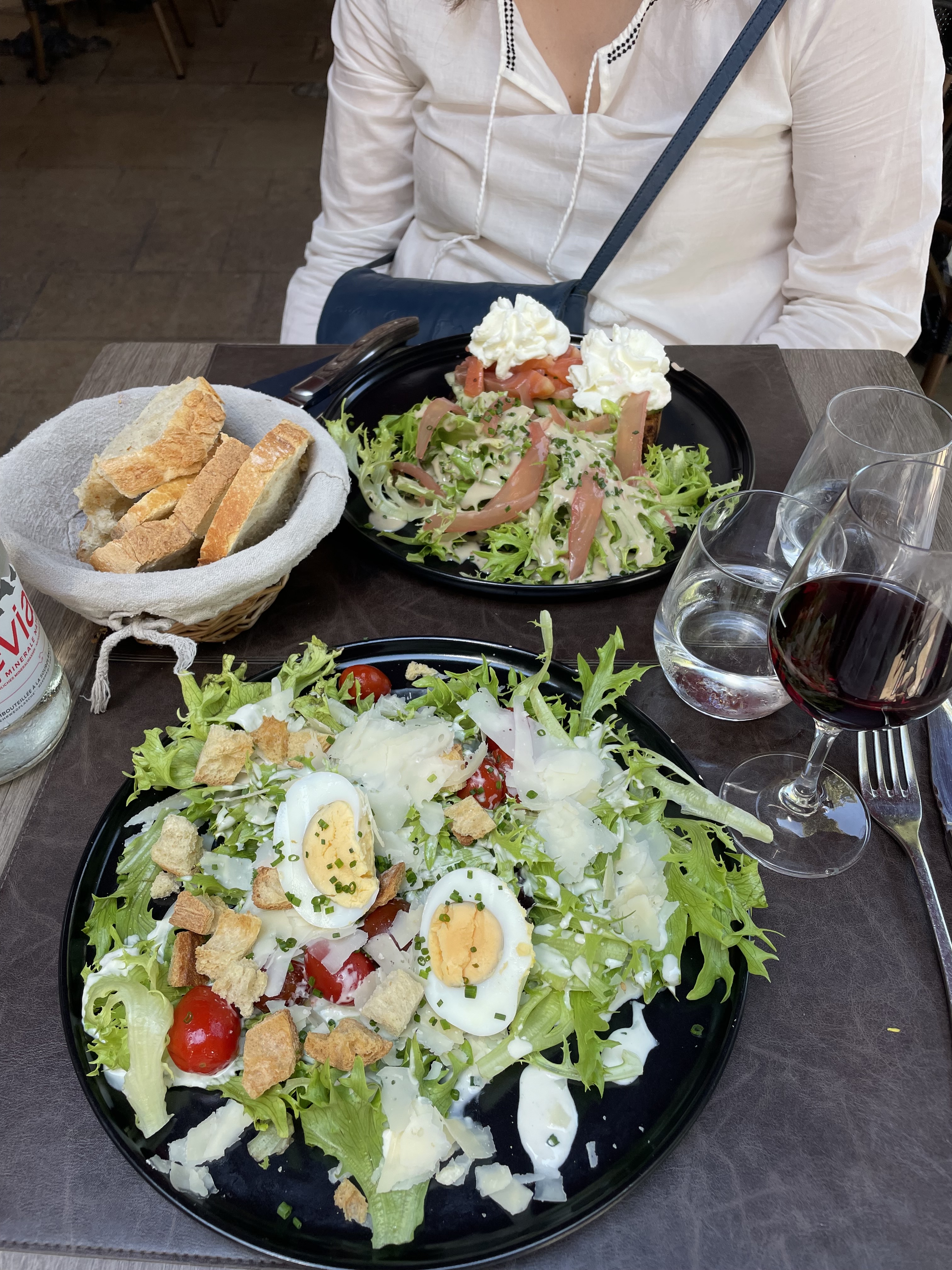
On the highway south, even the road signs sounded delicious — Dijon, Chablis, Burgundy. Our first stop was Beaune, in between Dijon and Lyon. Considered to be the wine capital of Burgundy, it was the perfect place to stroll around a while and have a delicious lunch complete with a glass of red wine. The town is well-known for the beautiful patterns on the roofs and for the annual wine auction.

Next stop was Valence, about 60 miles south of Lyon on the Rhone River. We were hoping to buy Ann-Sophie’s famous “pick of the day” treat but the shop was already closed.

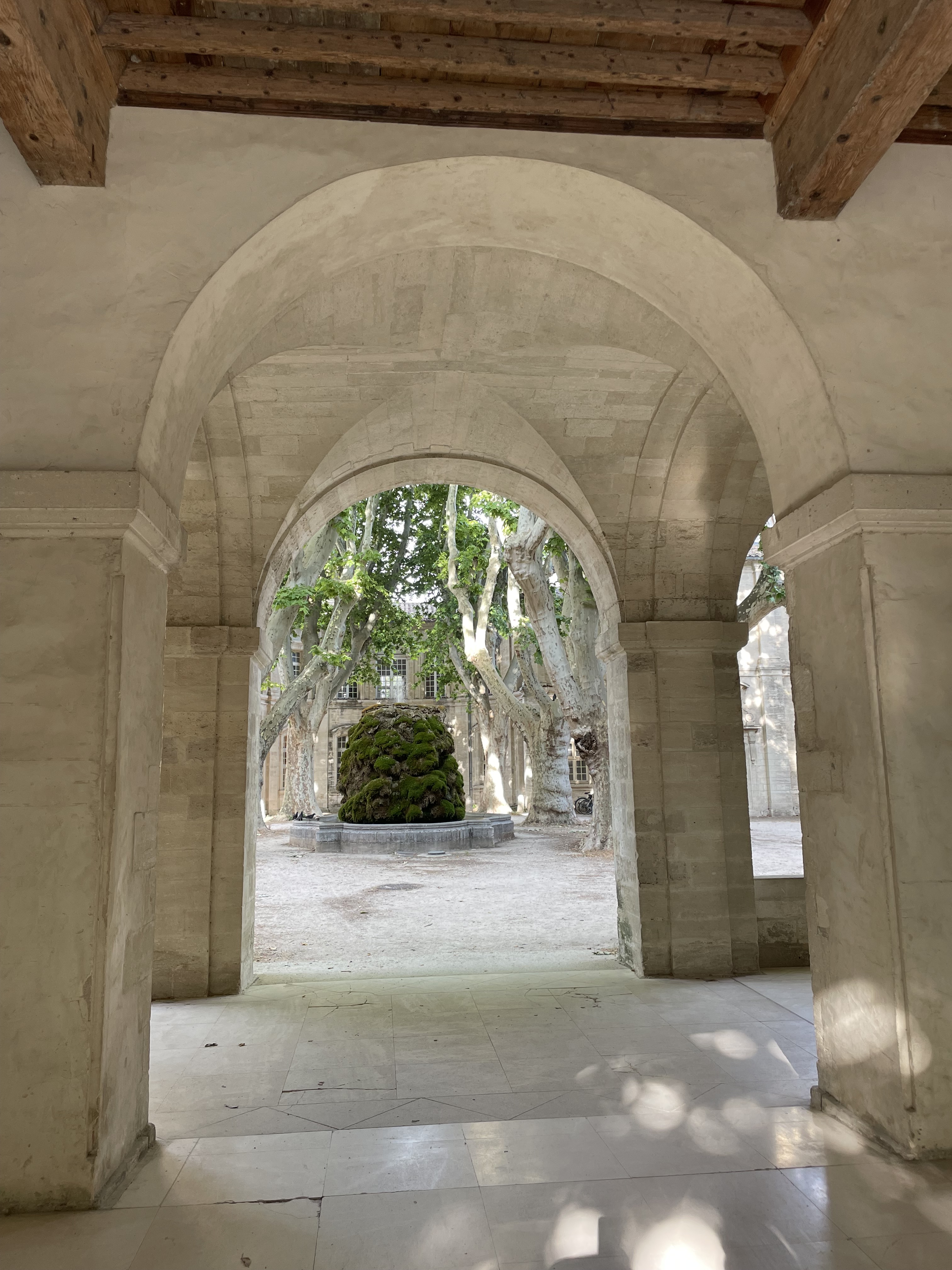
Our stay for the first night was Avignon. It was Saturday, June 21st, the Summer Solstice, which is a national holiday, Fete de la Musique! All over the country, free music, bands and concerts spill out into the streets. After a delicious dinner on an elegant restaurant patio, we walked through the historic area that had a different band every block. The music may have gone on all night but we didn’t hear it through the thick walls of the Saint Louis Hotel, a former cloister, complete with a chapel and religious service on Sunday morning. Already, the trip was dreams coming true. No Holiday Inn in sight. The history, culture, and cool vibes were everywhere. Hearing the melodic French spoken all around me provided reassurance that I was in a new element, far from Virginia Beach.

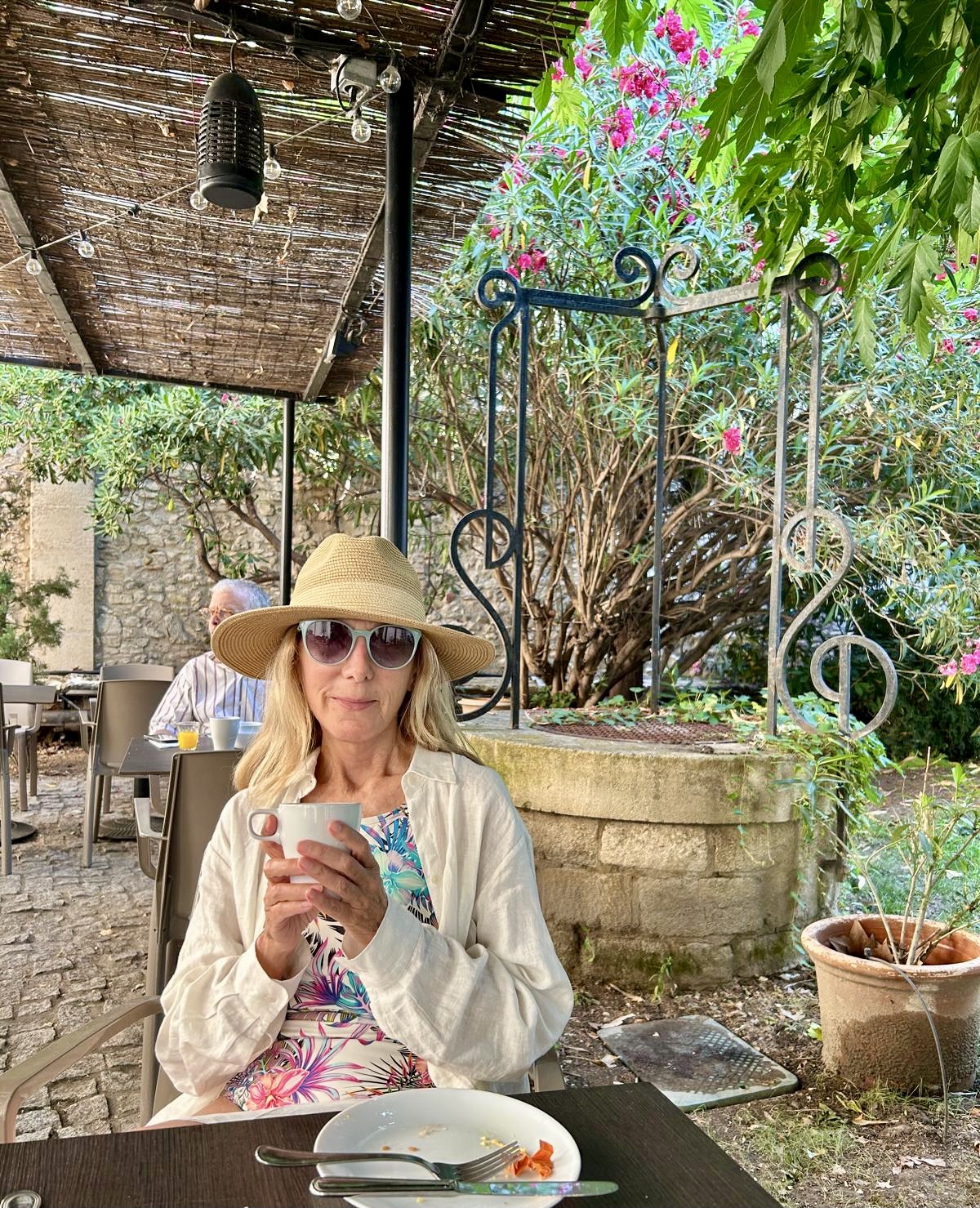
Like most of our accommodations, a lovely breakfast in a garden was included which we enjoyed before going up to the swimming pool on the roof. It was over 90 degrees Fahrenheit every day so cooling off in a pool was welcomed. Very few places had air conditioning and that suited me fine.

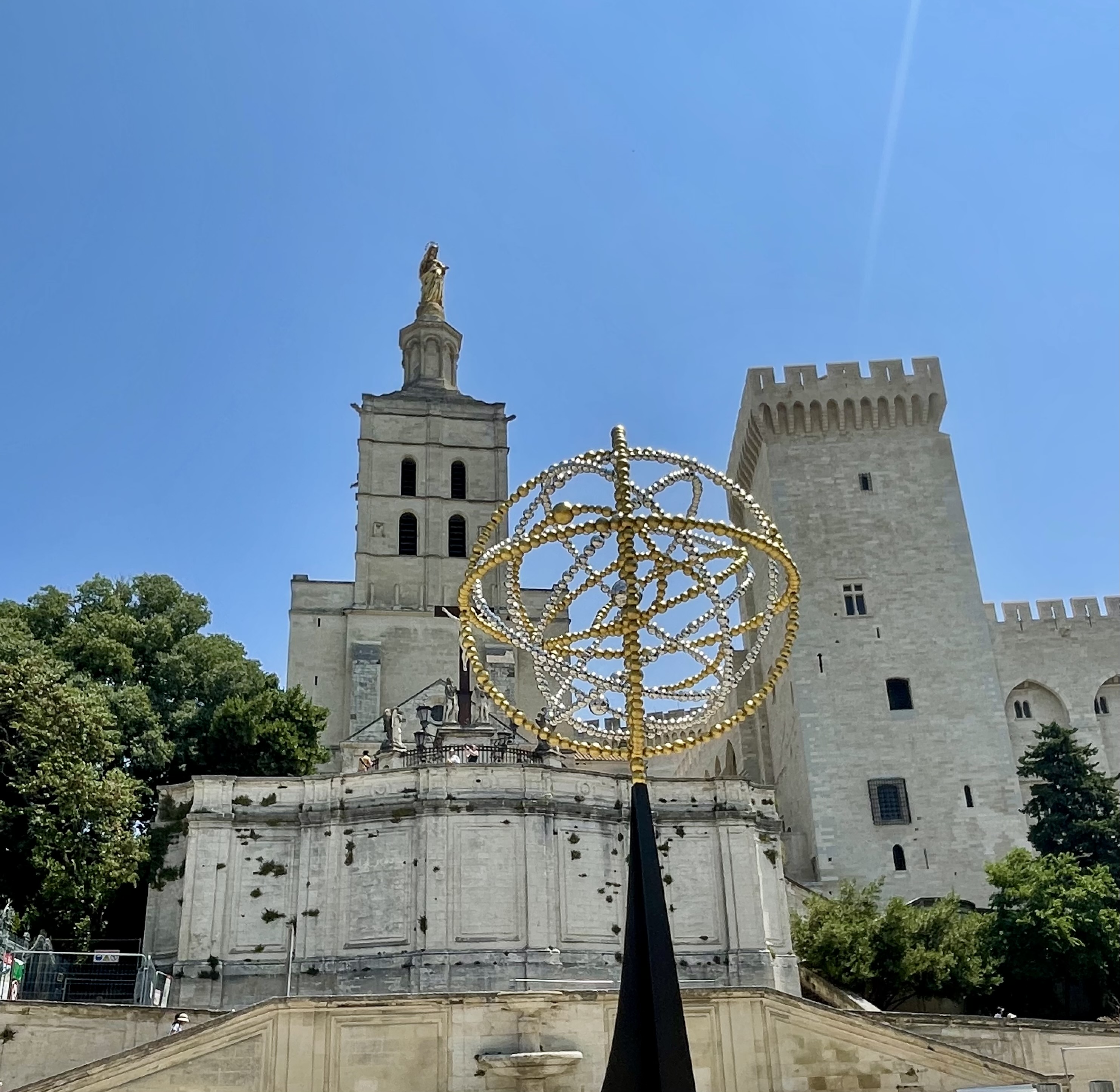
Avignon is celebrating the 25th anniversary of its designation as the Cultural Capital of Europe and the 30th anniversary of its UNESCO inclusion. To celebrate, the artist Othonier was hired to highlight some of the main sites.

The huge castle in the middle of town is the Palais des Papes which was the home of the pope beginning with Pope Clement V in 1309 and continuing for 68 years. The museum had an interesting exhibit of Egyptian relics contrasted by bright sculptures by Othonier. That exhibit did for me what all of France does. It expertly blends the past with the present. Europe, in general, does so through art, architecture, history, customs, and cuisine.

Our next stop was in Les Baux-de-Provence for the immersive experience of Monet and Rousseau. The show was in caves way up in the mountains where the small village sits. It was the perfect way to spend some time on a hot afternoon.

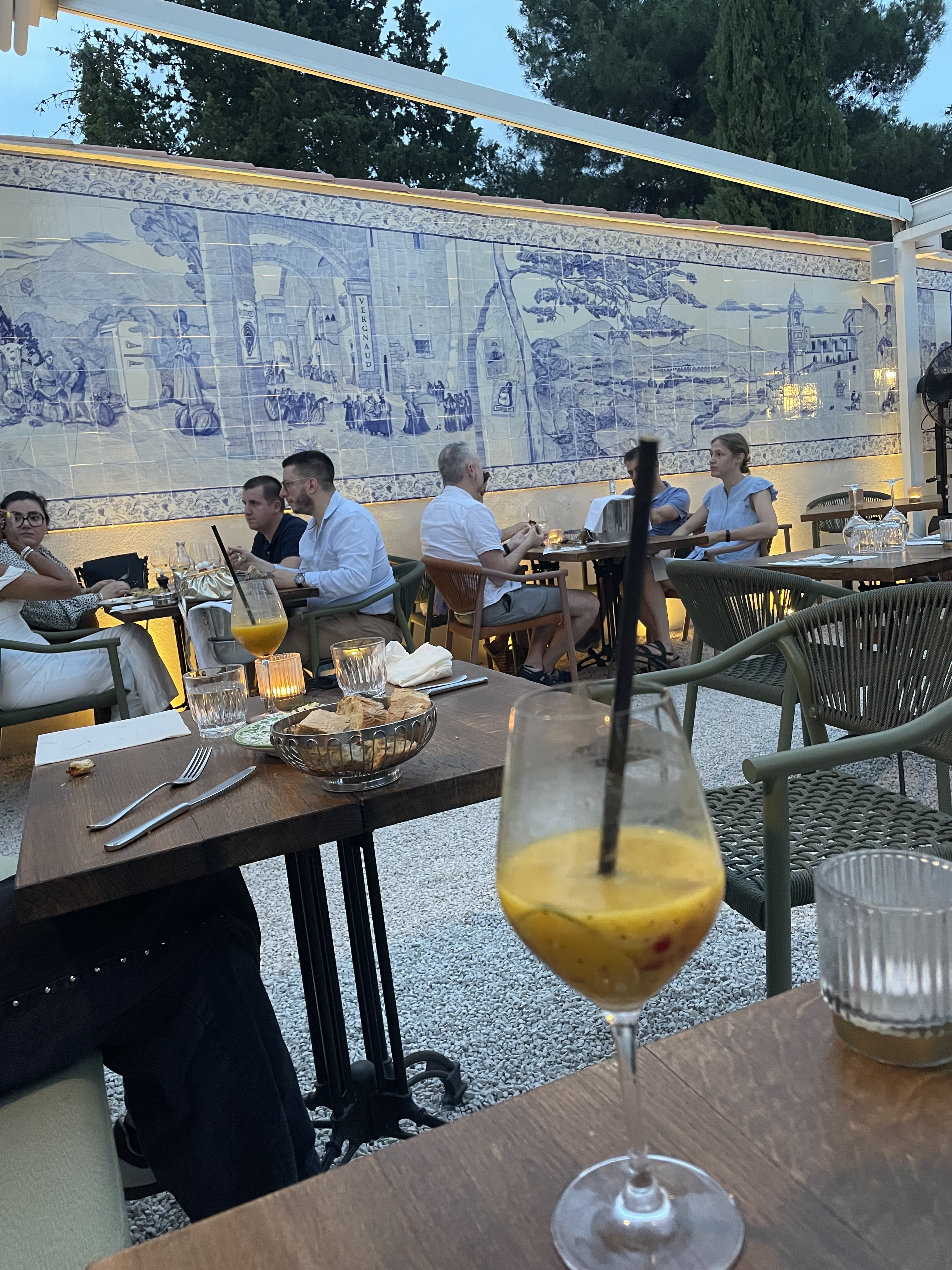
Aix-en-Provence was our second overnight stay. Dinner was absolutely delightful at a 3rd generation restaurant called “O Pere” where we enjoyed beautiful drinks and food on the patio. My frozen mango with dark rum was perfect for the warm evening.

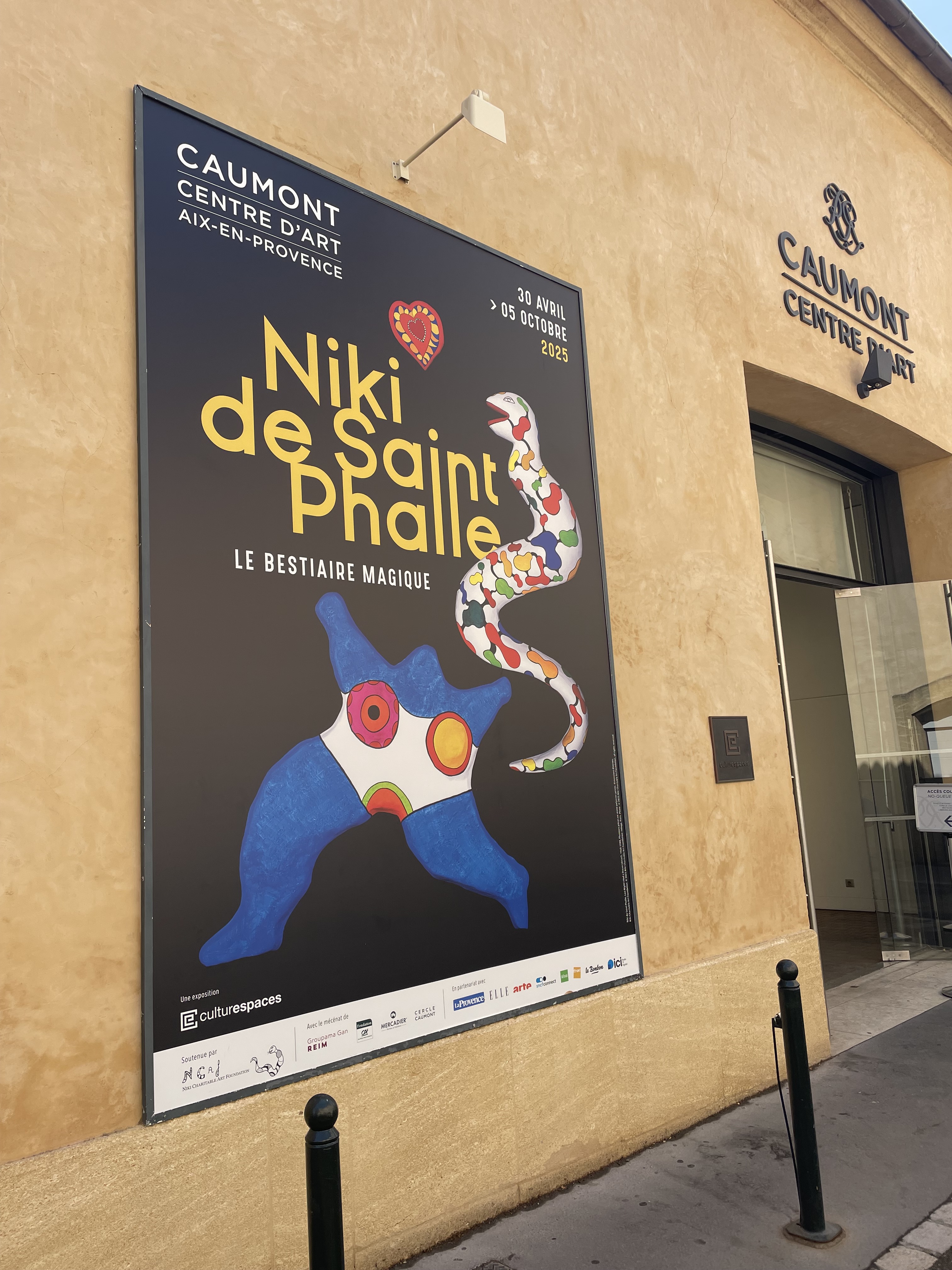
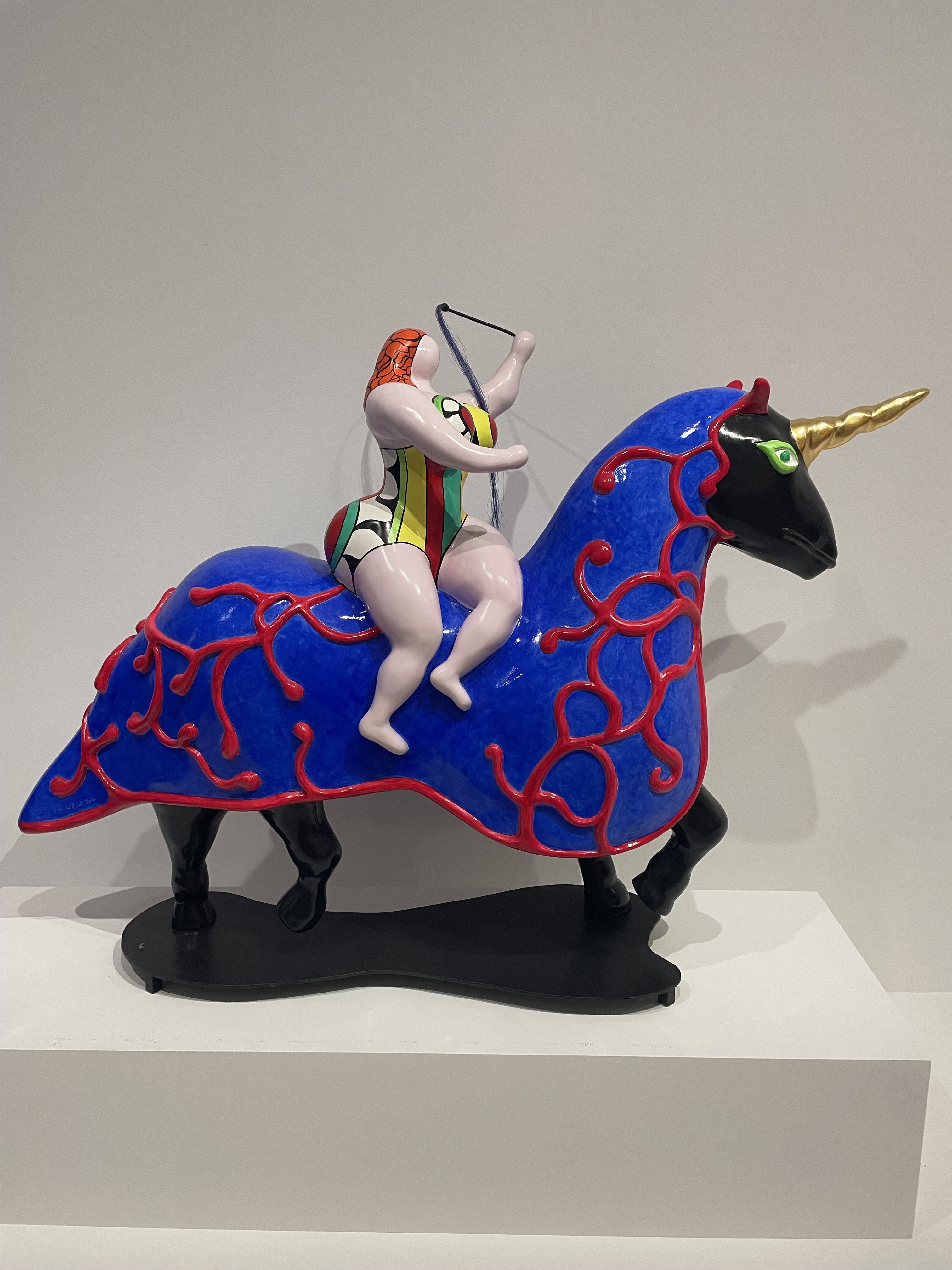
The next morning we toured an exhibition by Niki de Saint Phalle (1930 — 2002). It’s a very popular exhibit so we wisely got tickets in advance.

I had seen a couple pieces of her work in DC but it was really great learning about both the artist and her creative process.  A French-American feminist, she wrote, “I’m not the person who can change society, except through showing some kind of vision, of this happy joyous dominating women. That’s all that I can do.” 
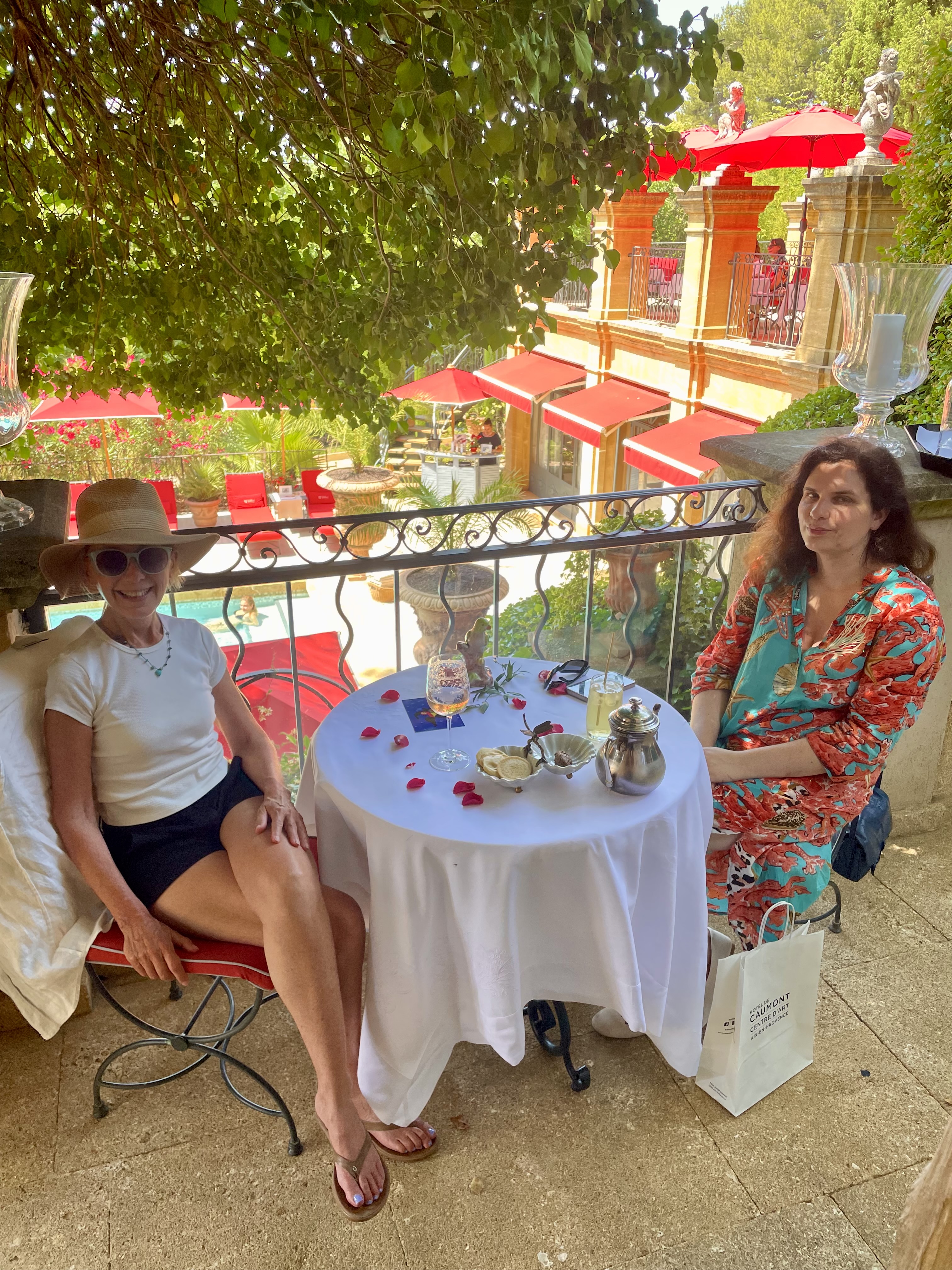
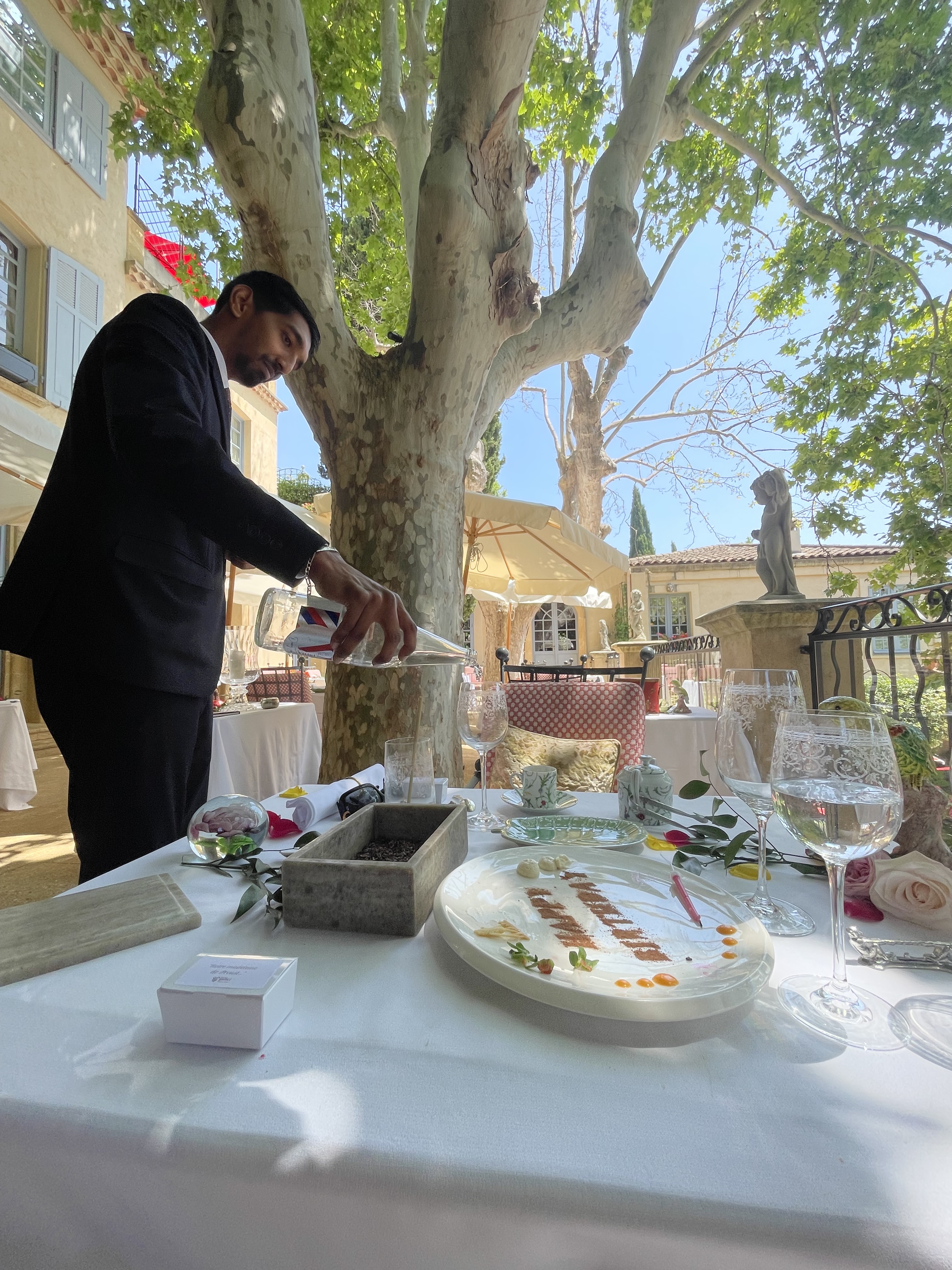
To imagine what Aix-en-Provence is like, think of paintings by Paul Cezanne who was born there and lived there for most of his life. This particular day, June 23rd, was my birthday. Celine treated me to a fantastic lunch at Tableau Gastonomique, one of three restaurants in the Villa Galici hotel.

There was one table for an aperitif, chilled rose, then another for lunch; one course after another until I lost count. Each item was a treat for both the eyes and the mouth.

After lunch we strolled the historic area complete with designer shops and bought some callissons from Le Roi Rene. Legend has it that these delicious cookies were made by King Rene’s bakers as a gift to his wife, Queen Jeanne, on their wedding day back in the 15th century. Believed to have originated in Aix-en-Provence, the majority are still made in the South of France. The essential ingredients are ground almonds and candied fruit (melons and oranges) with a thin layer of royal icing. So delicious!

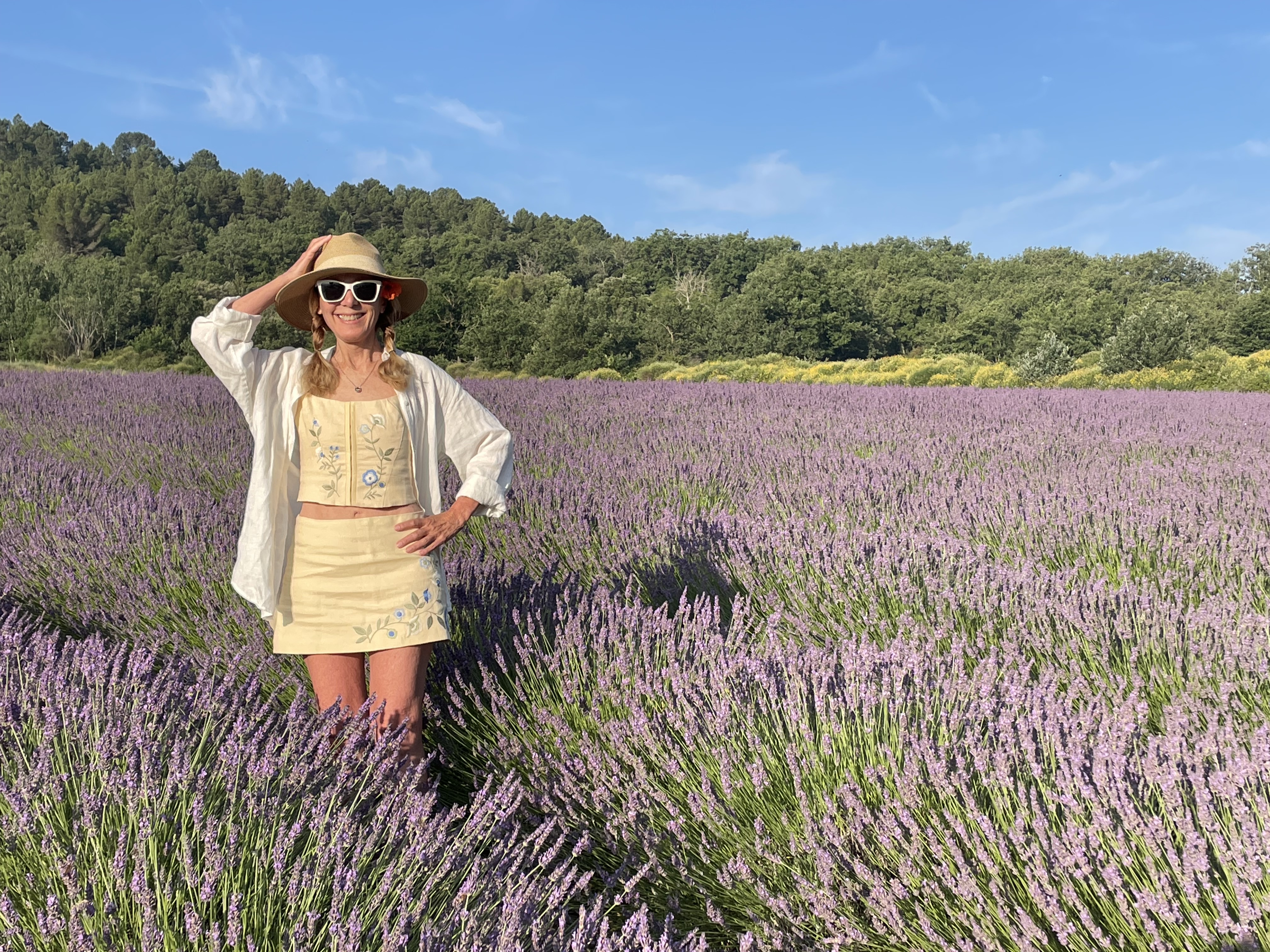
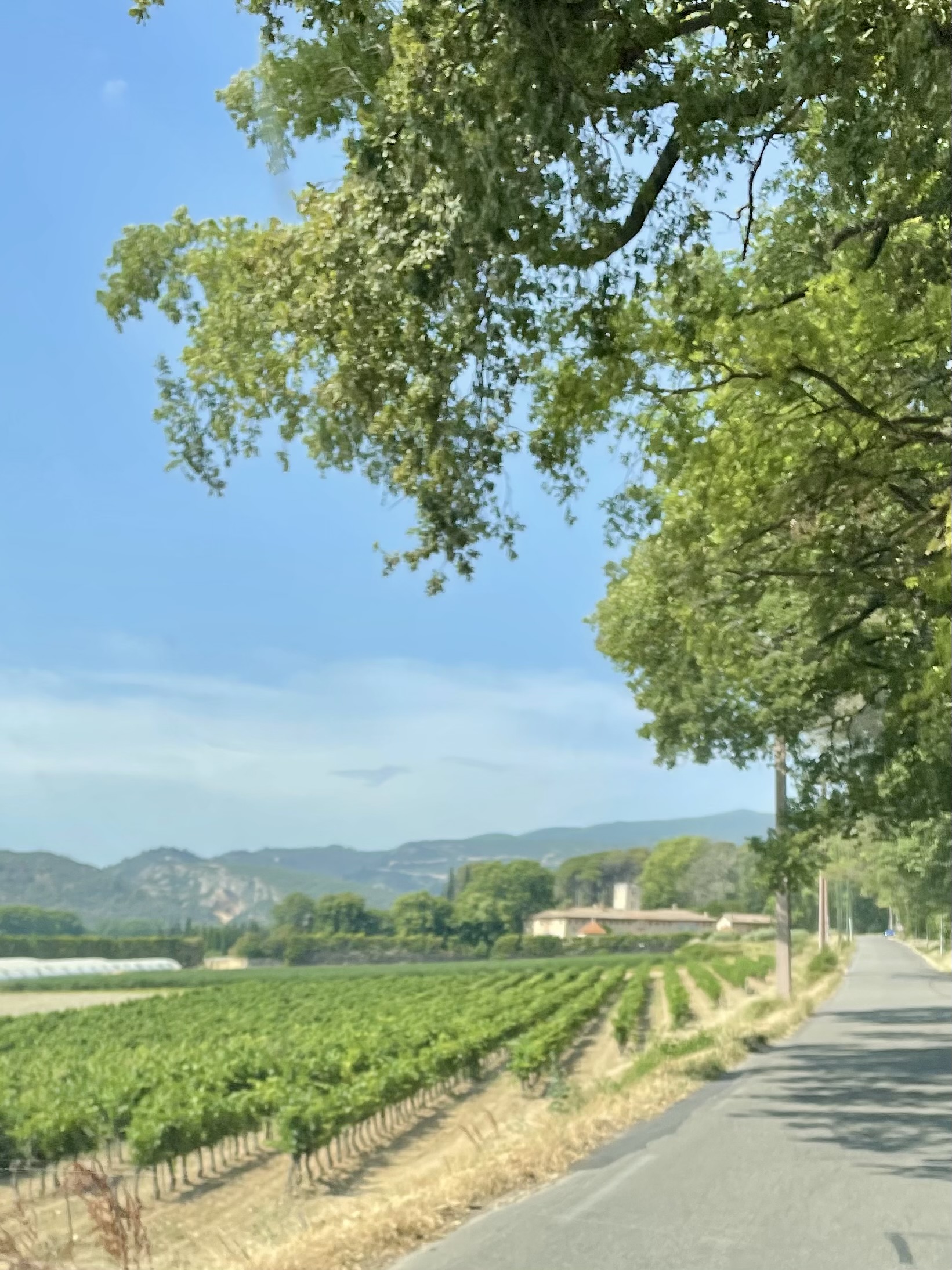
As wonderful as they are, to describe the South of France by towns seems quite unfair since the majority of it is open, completely without people or structures. The sky is so blue and the shifting light throughout the day projects beauty on the hills. It’s easy to see why so many artists were inspired here.

We drove through La Roque d’Antheron where there is an annual, month-long piano festival with outdoor concerts in the park of Chateau de Florans. Now on it’s 44th year, the very thought of pianos placed in a park with beautiful music filling the air sounds amazing.

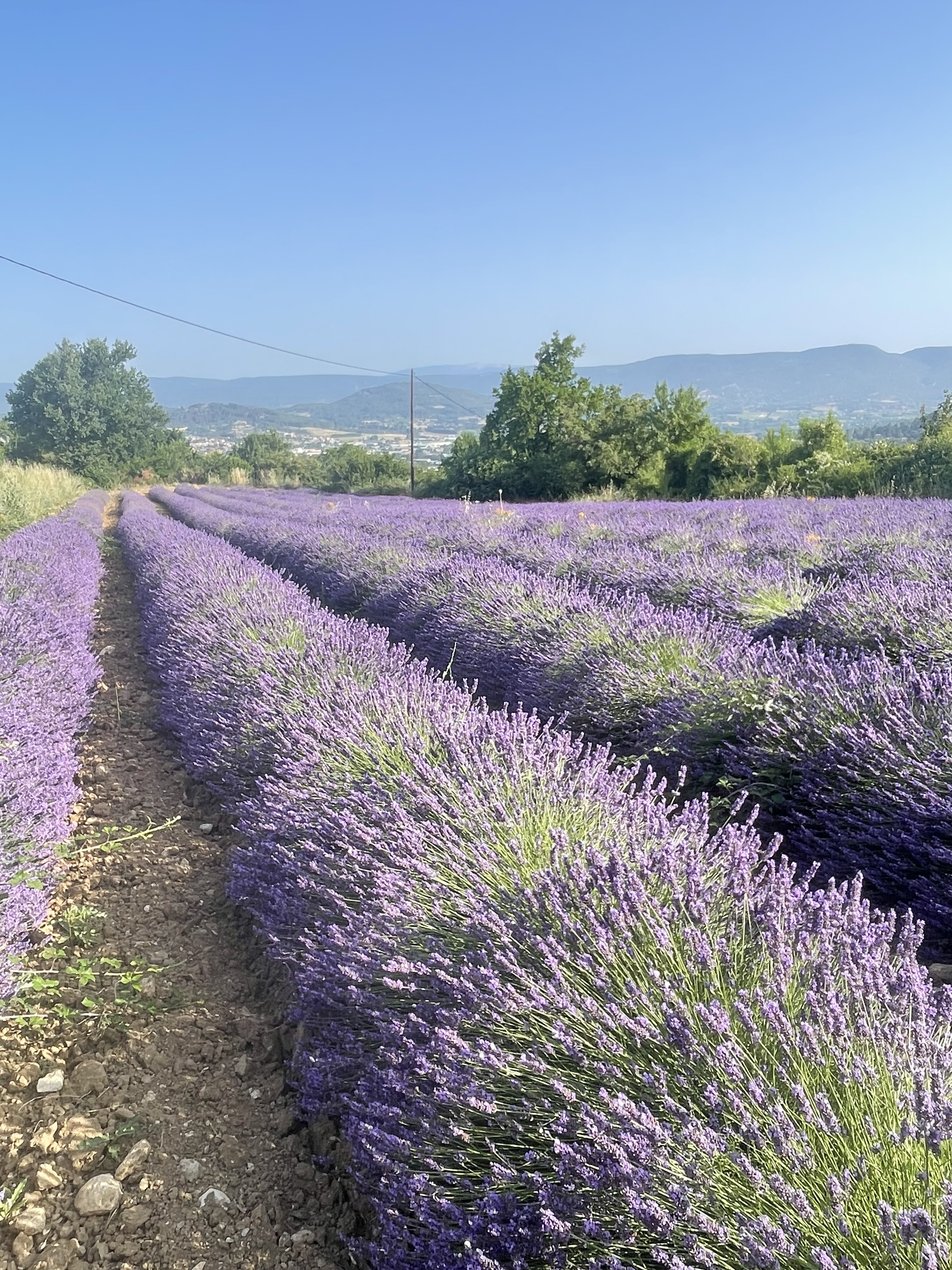
The next two nights were spent with friends in the very small village of Rustrel. En route, we passed many fields of lavender — each one more beautiful than the one before.

To say there was no stop-light in Rustrel is an understatement. With a population of about 600, it has little besides a church and a 17th century chateau that now serves at Town Hall. But, it does have a small cafe/bakery that serves delicious croissants and coffee every morning.

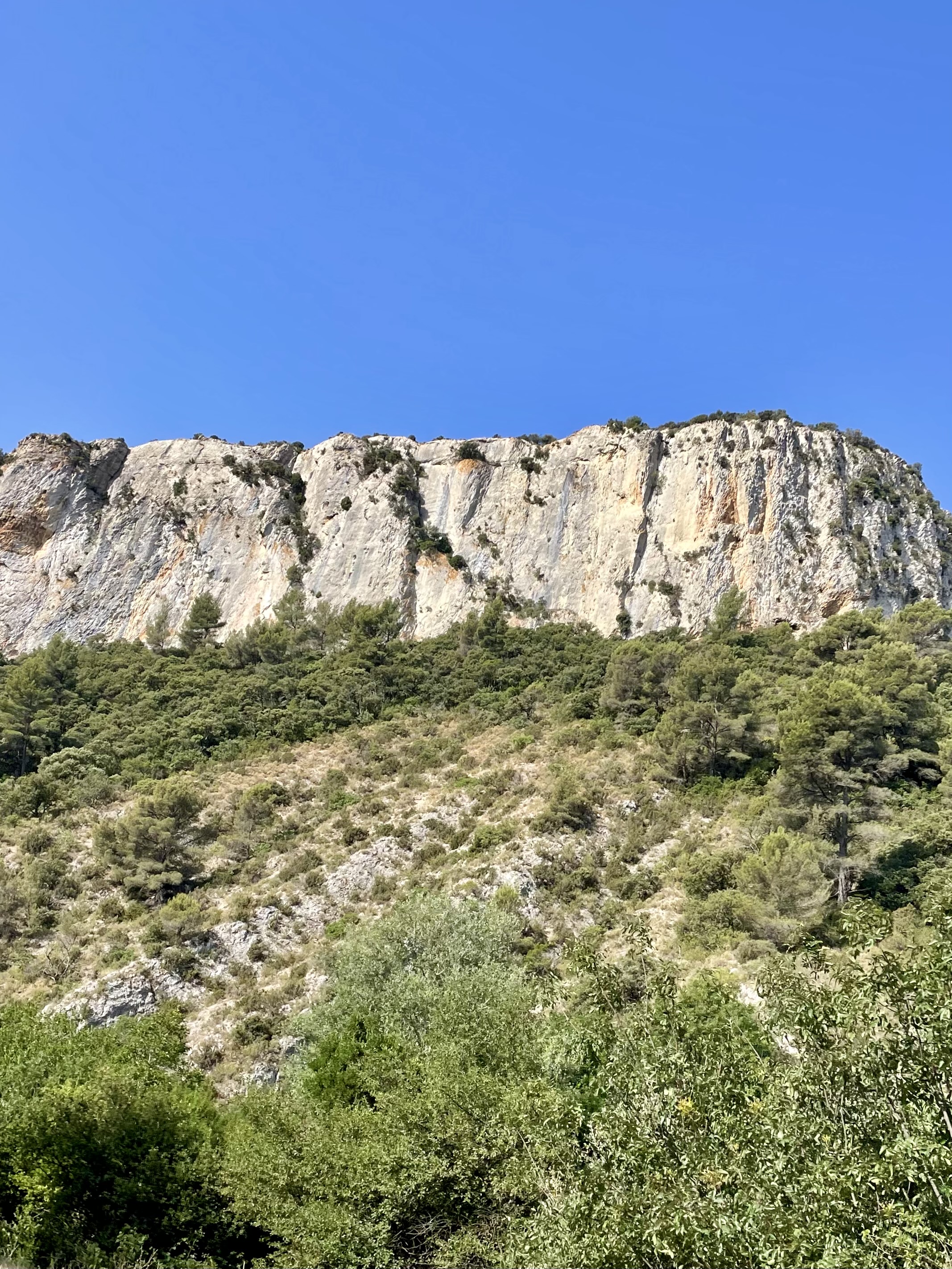
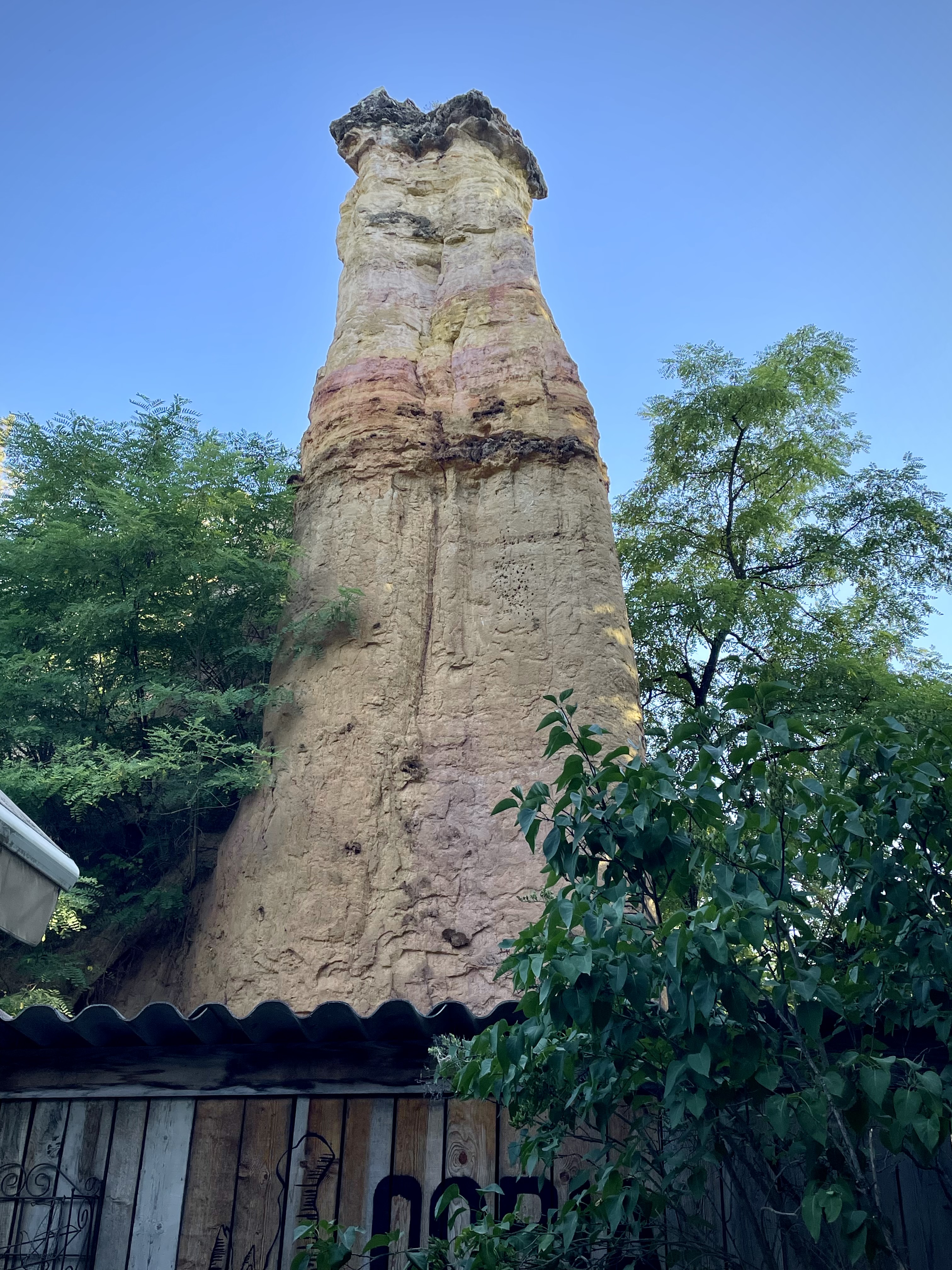
The main attraction in this area is the orche — orange mineral deposits in the cliffs. If we had more time, I would have liked to hike in Le Colorado Provencal in the nearby National Park of Luberon. These pictures don’t do it justice but some areas are as orange as Georgia clay.

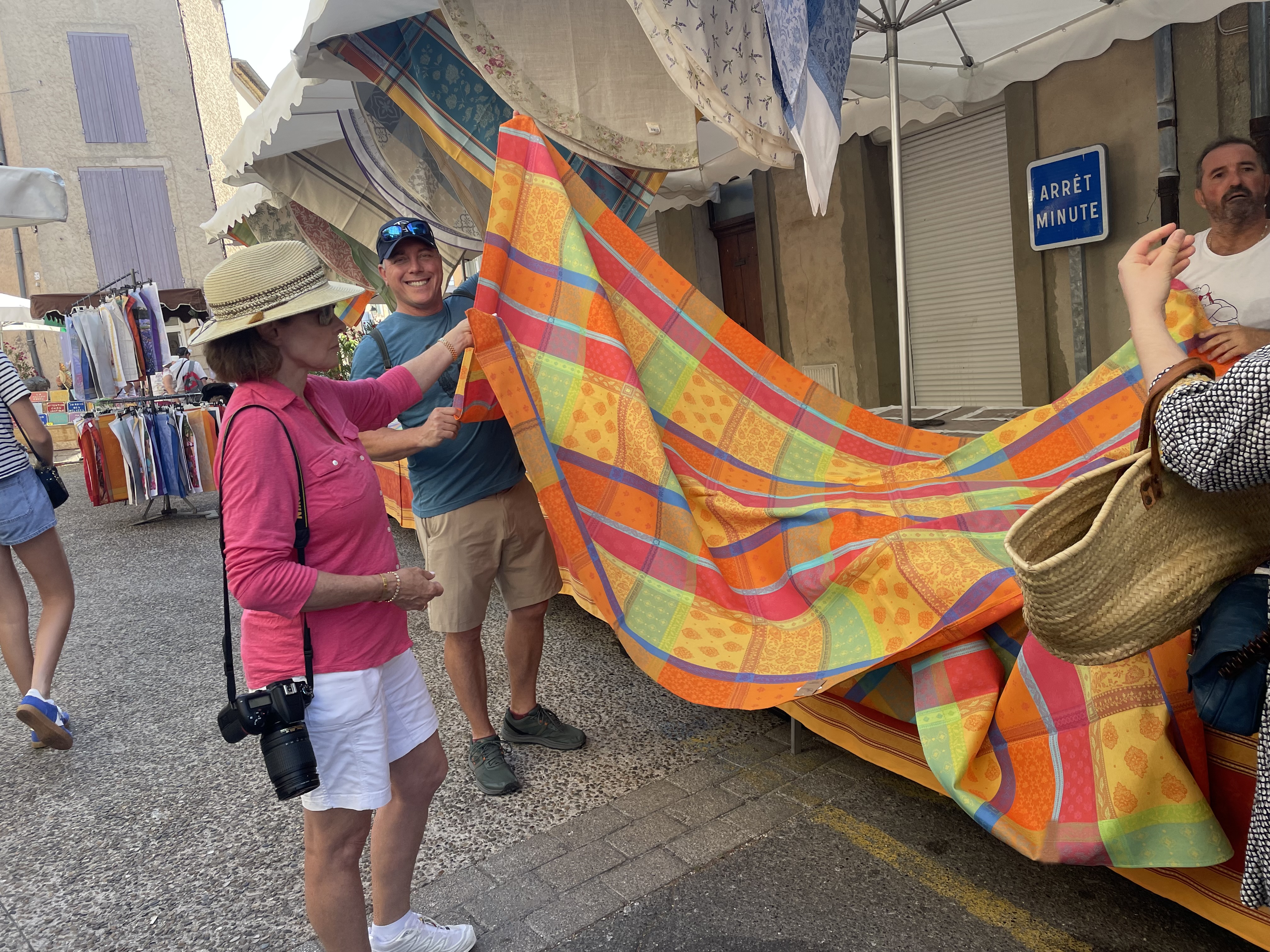
The next morning we drove the short distance to Saturnin les Apt for market day. Each of the small, neighboring towns has a different market day so you don’t have to go far to get fresh food daily.

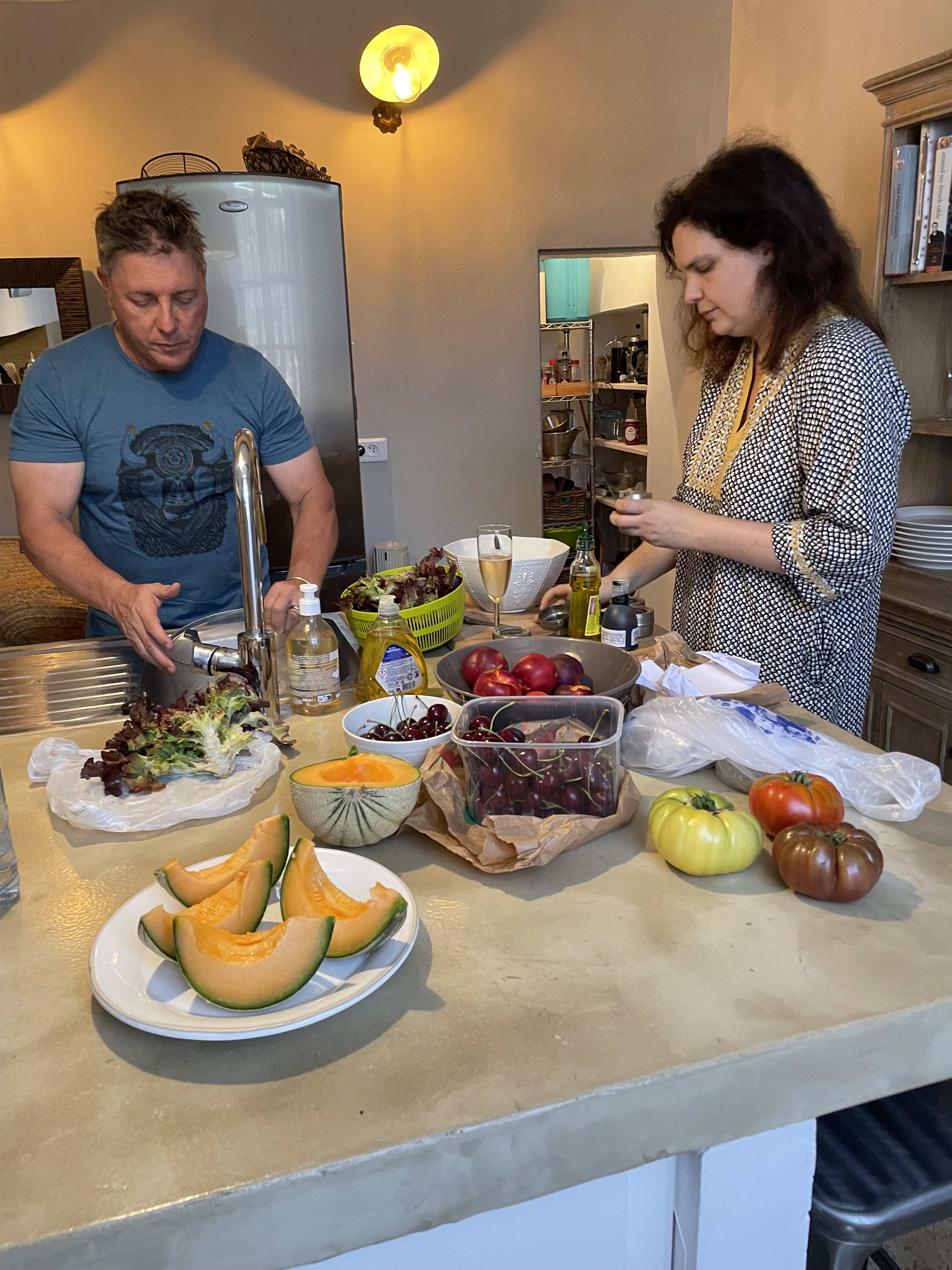
We bought beautiful table cloths, place mats, and a cornucopia of fresh cheese, bread, tapenade, and vegetables. Add prosseco and it was the perfect lunch in synch with our mood.

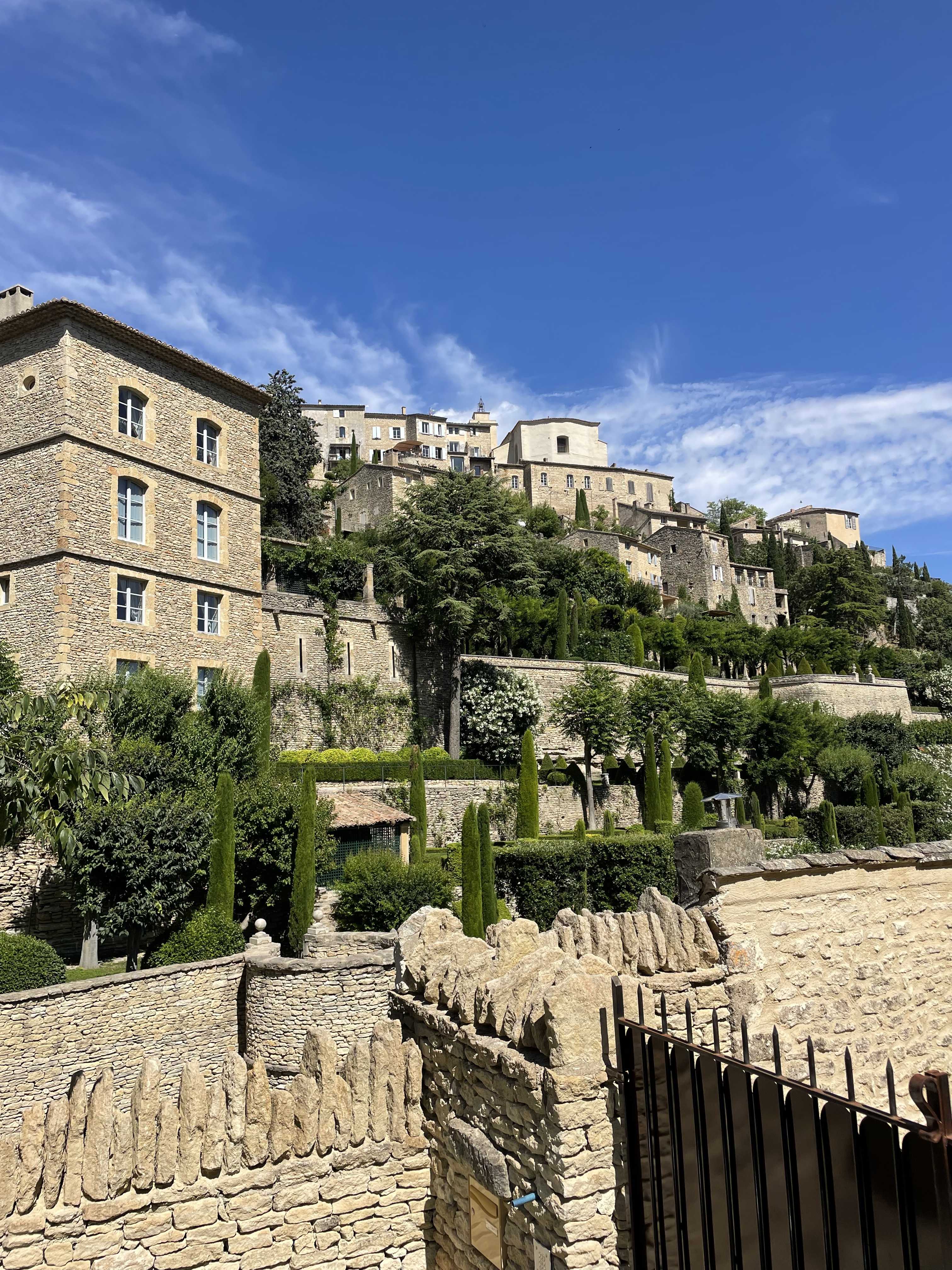
After lunch we ventured to Gordes, one of the most beautiful and best-known hilltop villages in the Luberon. Situated in the foothills of the Mont of Vaucluse, overlooks from the narrow, cobblestone streets offer breath-take views of the landscape below. It’s no wonder that Marc Chagall and other noted artists came here to paint.

All the buildings have white stone facades and tile roofs. They blend so elegantly with each other and with the natural environment surrounding the town. Each town has it’s own rules on colors and building materials. In my humble opinion, it makes American city planning look tacky and without reason.

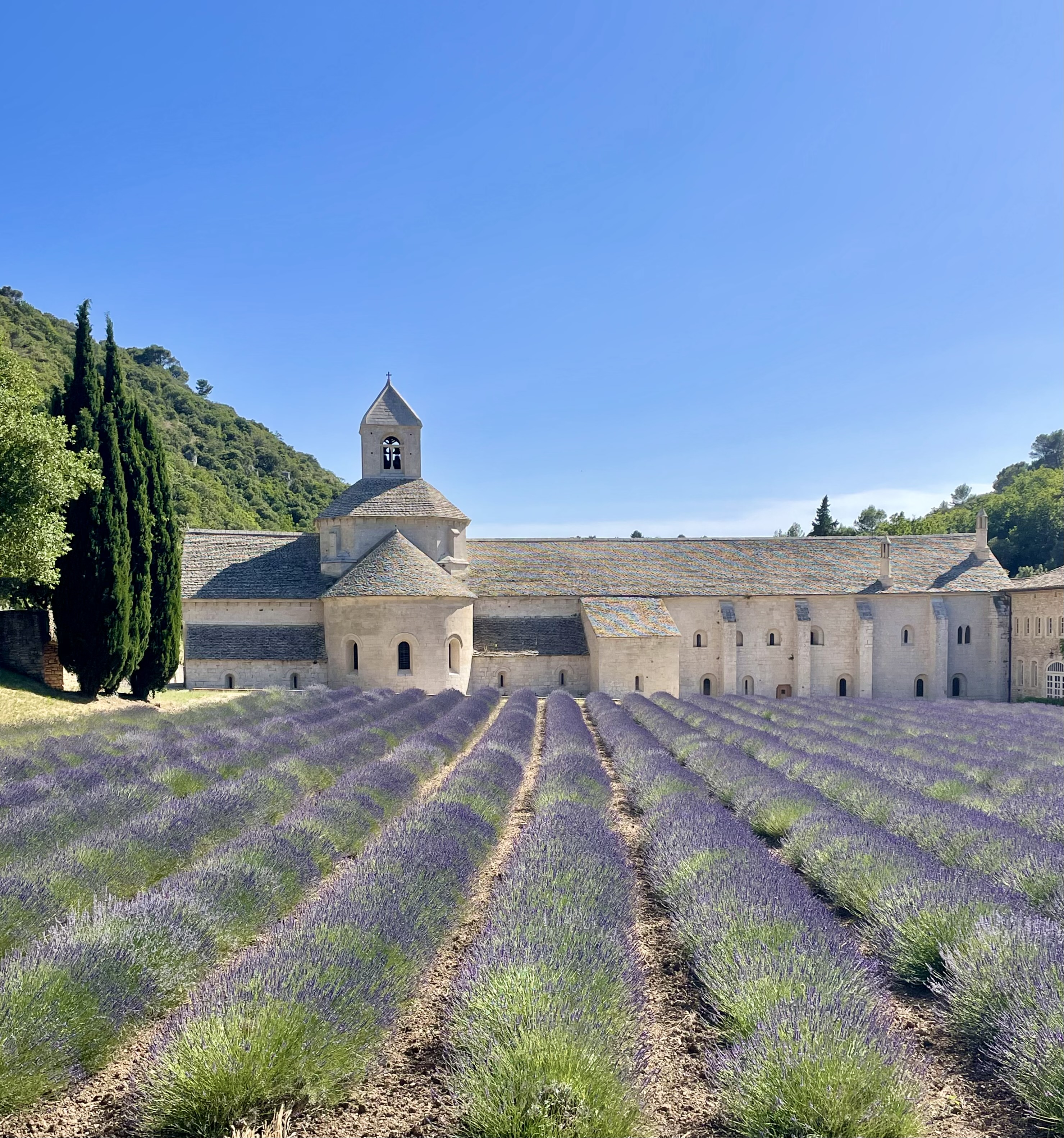
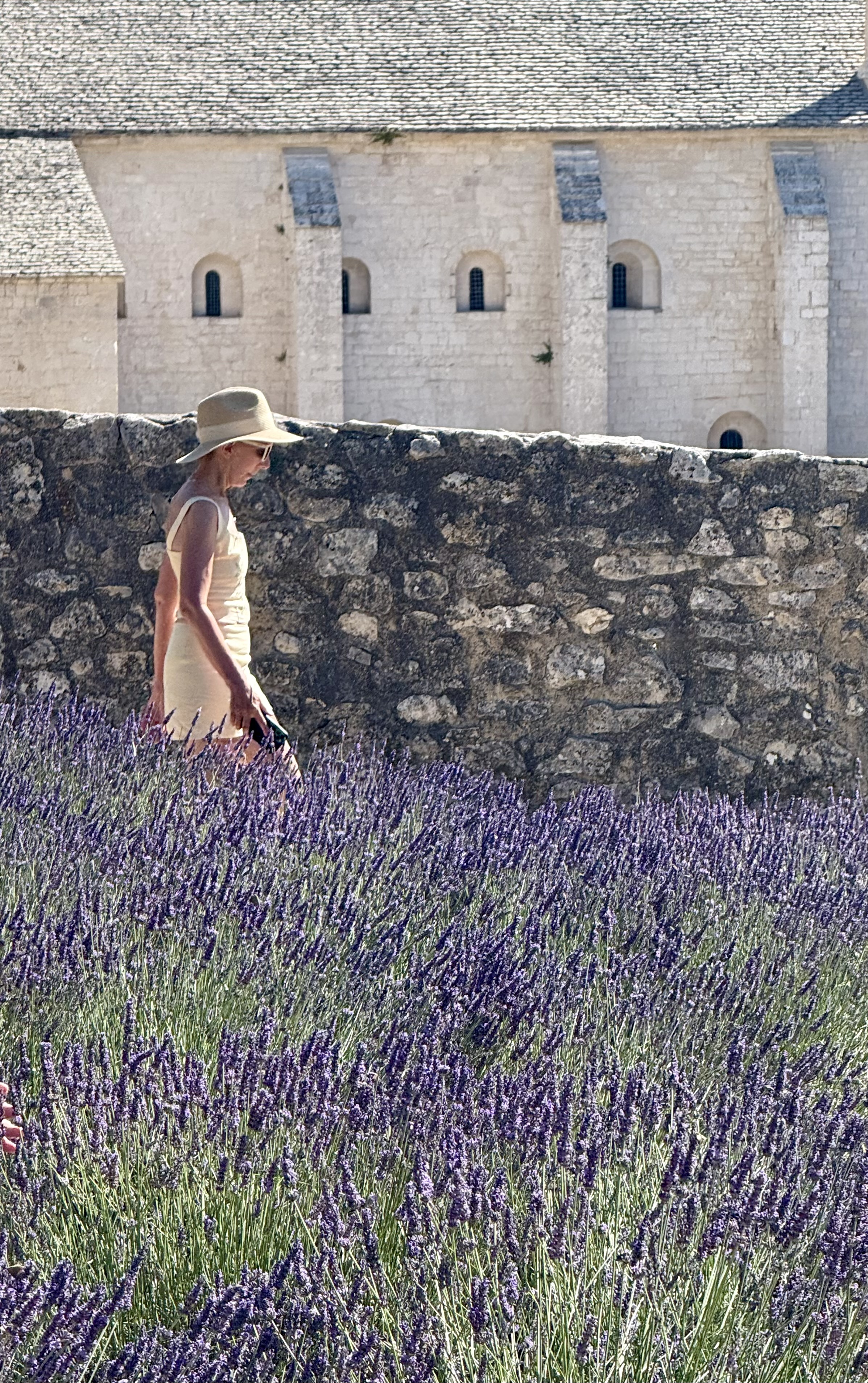
The Abbey de Senanques is the epitome of tranquility. It doesn’t shout, but rather whispers God’s glory. Founded in 1148, it’s still occupied by Cistercian monks. This was one of the many times that I felt like I was standing in a photo for a calendar or a puzzle.

It was almost too perfect to be real, yet, there I was … lost in a dream.

Saying goodbye to friends in Rustrel the next morning, we continued our road trip.

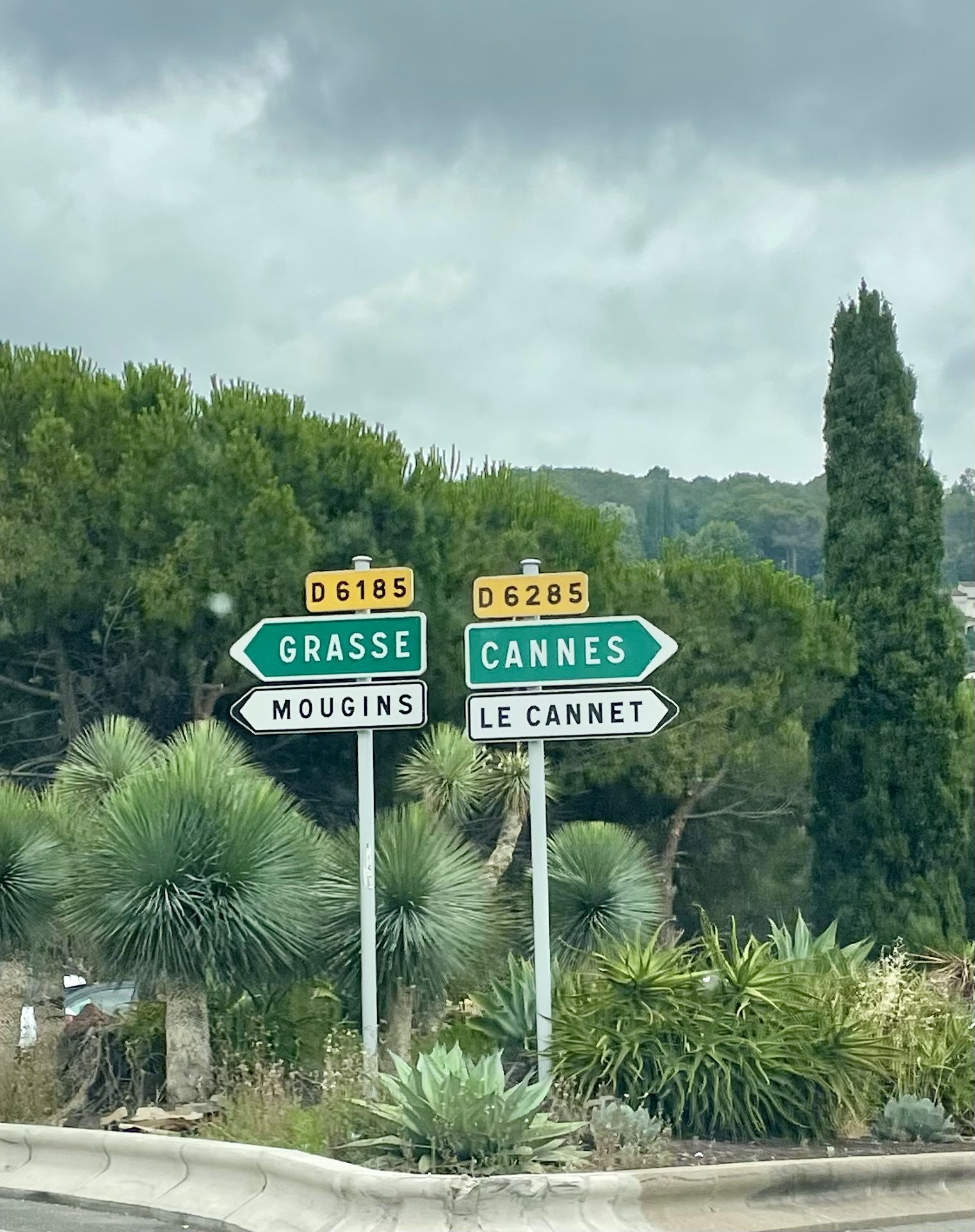
Our next stop was Grasse, a UNESCO World Heritage site and the perfume capital of the world, just 15 kilometers from Cannes.

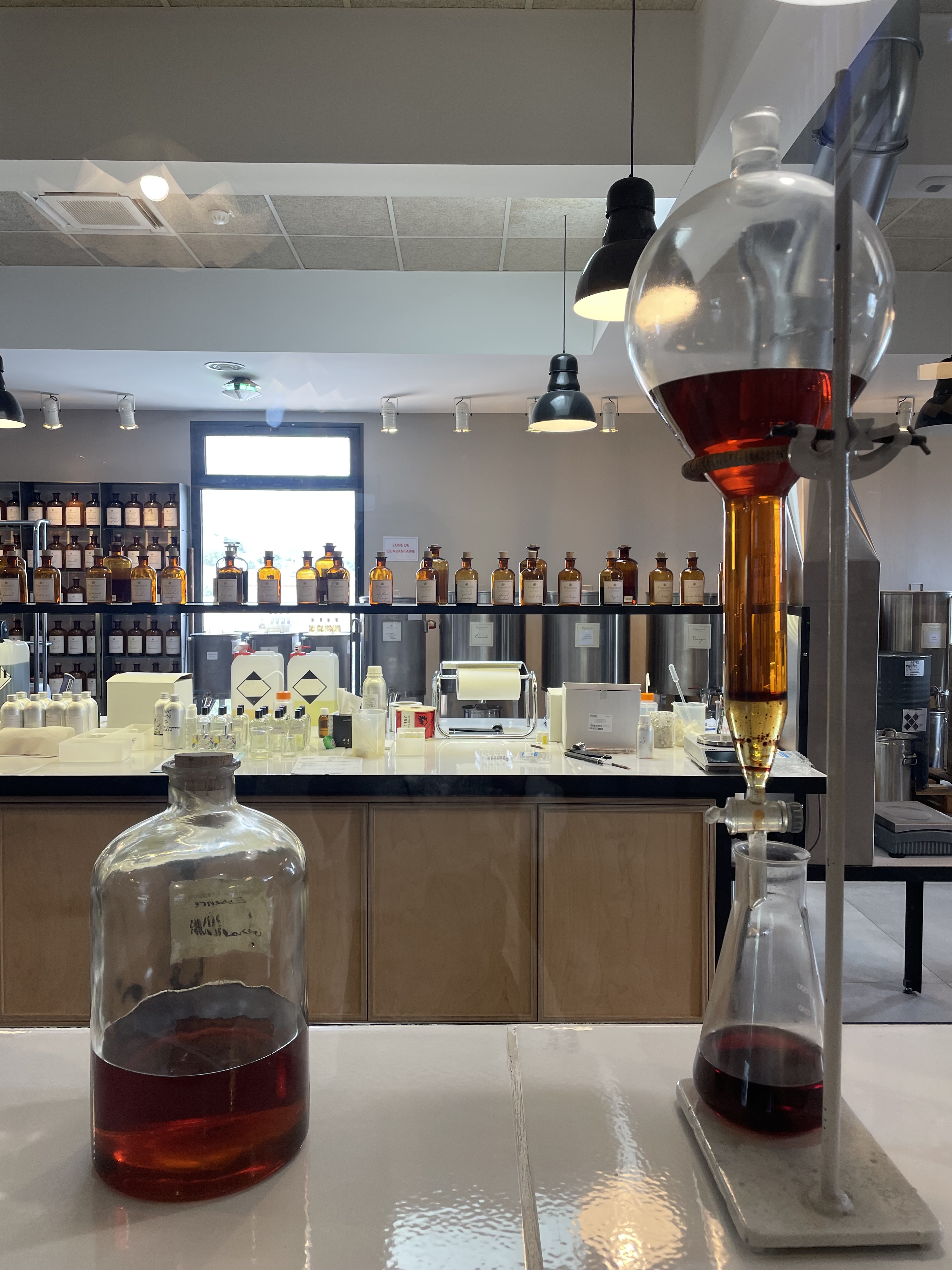
All of the major perfume companies have a presence here. We toured one of the Fragonard factories.

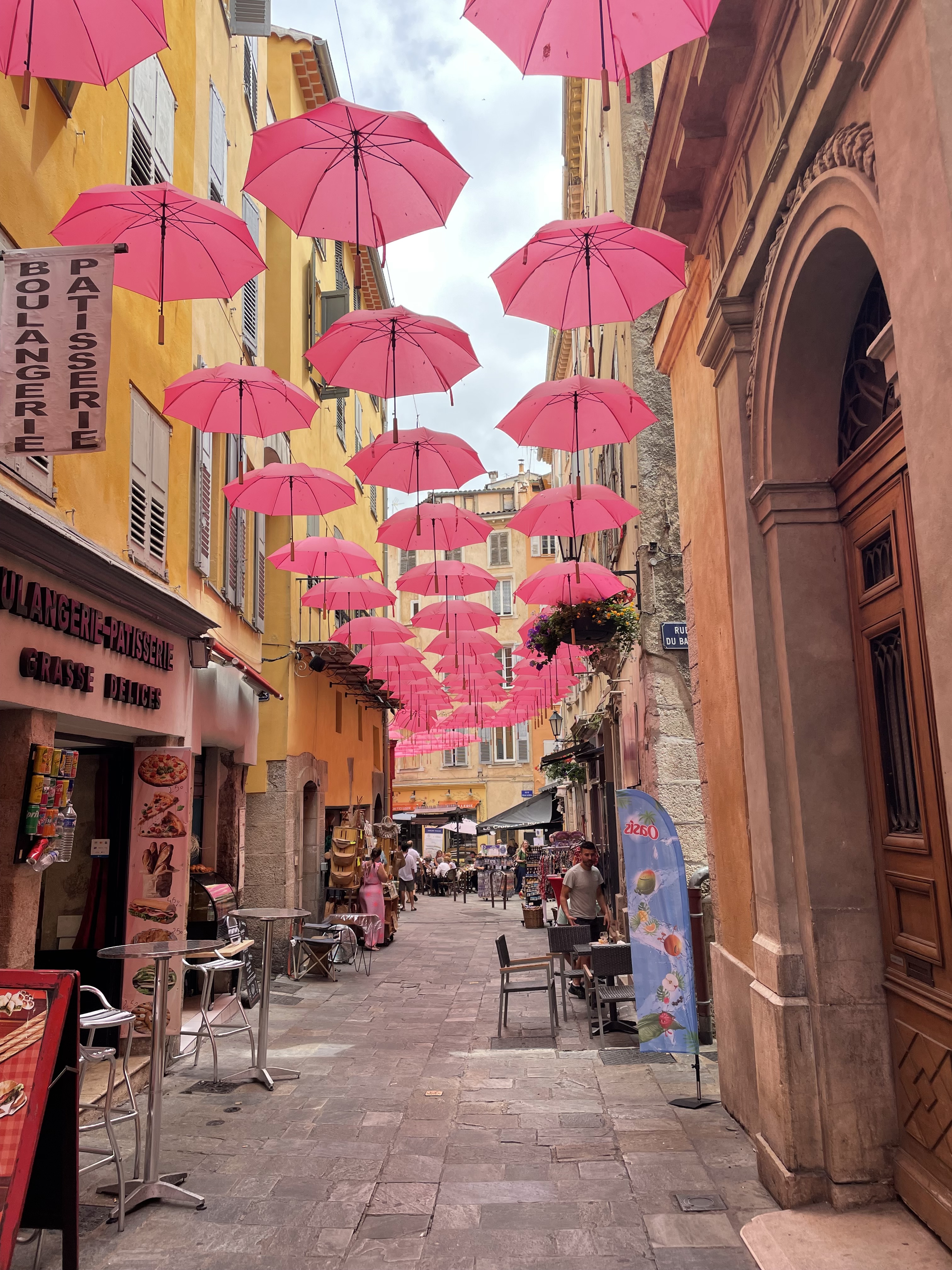
Perhaps, I felt that way in every small town, but walking the streets in Grasse I remember thinking that it was my favorite. Some parts were a little touristy but it was easy to overlook that to see the historic beauty.

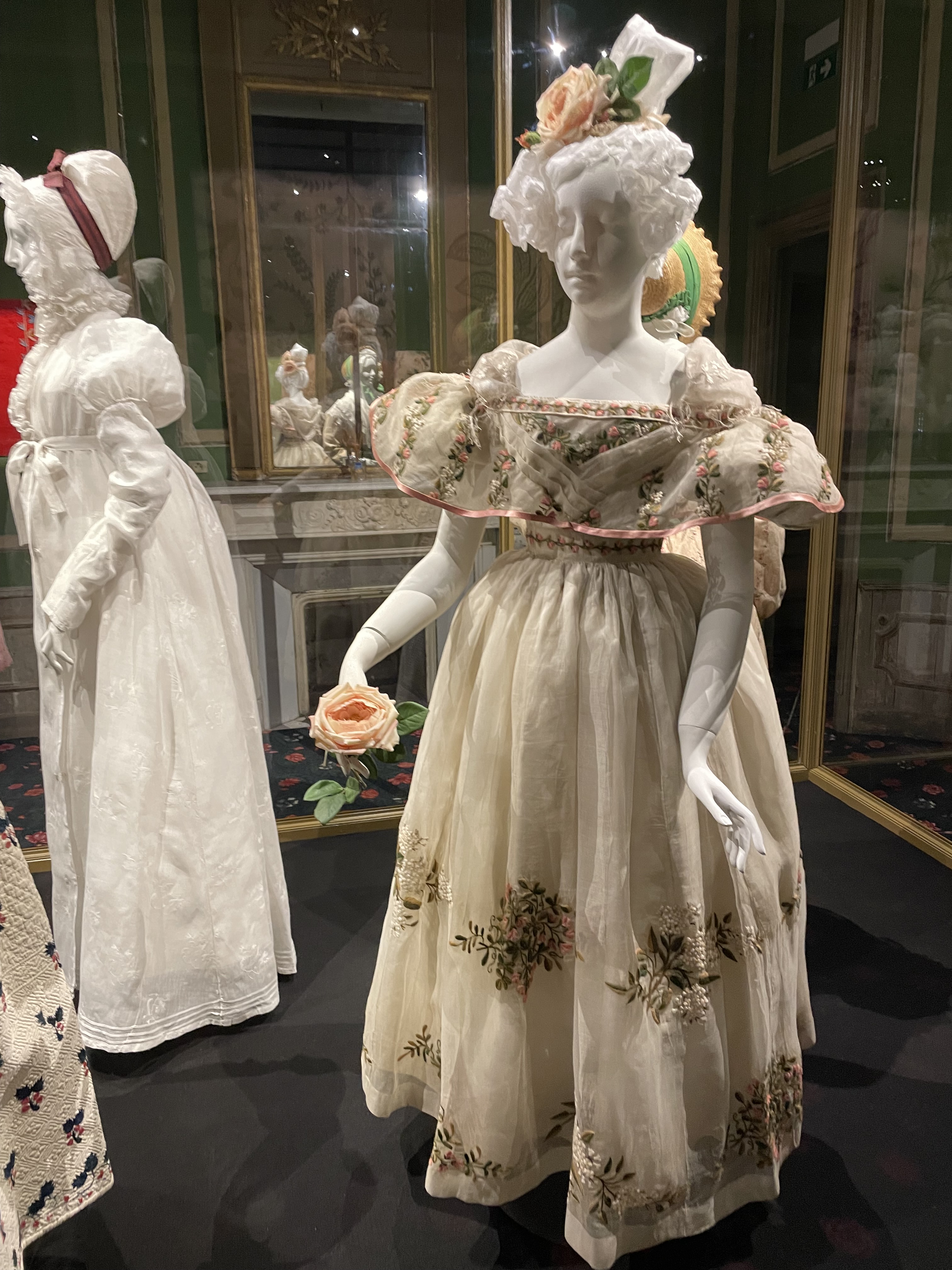
We took the free tour of the Musee de Provencal du Costume & du Bijou to see the gorgeous dresses from days gone by. There’s no question that attire is constantly changing and varies by location. After all, it’s one of the ways each generation expresses itself. But, it’s notable that I saw no one wearing jeans the entire time I was in France. There was a lot of linen and cotton, all loose fitting; no tight pants and no leggings. It may be a trend that will reach the U.S. before long but, perhaps not. Only time will tell.

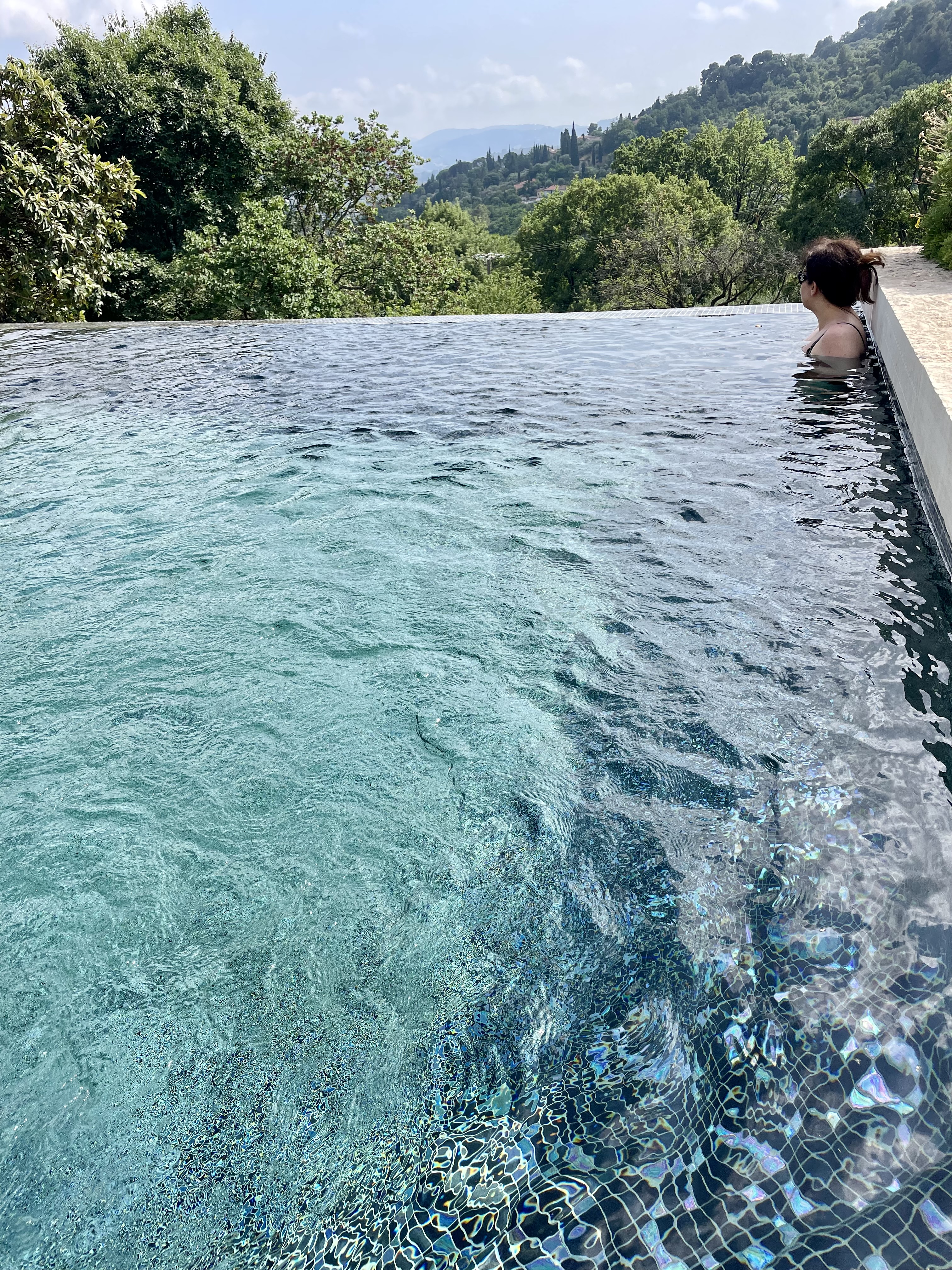
Our accommodation this night was the expansive Domaine & Jardins de la Cascade Parfumee. Once owned by a childless, wealthy couple in the perfume industry, they hid 8 Jewish children during the roundtrip when 400 local children were taken to concentration camps. Later, it was used as a Red Cross hospital for children with tuberculosis. Only recently, a local couple renovated it into a luxurious bed & breakfast with 5 guest rooms and extensive gardens for aromatic flowers and fruit trees used to make perfume. There’s a natural spring of cold water. Half of the water is used for the house and the other half is used in the garden.

To add to the beauty, there was an infinity pool, a lap pool, and a jacuzzi pool. We took a late afternoon dip before dinner in nearby Cabris.

Like most places, the roads in Cabris are narrow, windy and not designed for American-size cars. Our SUVs, trucks, and even the regular cars, would be completely impractical in France as they wouldn’t fit on the roads or in the parking lots and the gas bill required to operate them would be huge.

Although we moved each day, I never felt rushed. The pace was easy with very few time commitments. Generally, we were up by about 7:30 AM and finished dinner about 9:00 PM. The objective of the trip was to explore and enjoy whatever we found in this special part of the world. As long as I kept the objective in mind, there was really nothing to worry about. The only time I turned on the news I saw that the U.S. had bombed Iran the night before. I didn’t check the news the rest of the trip.

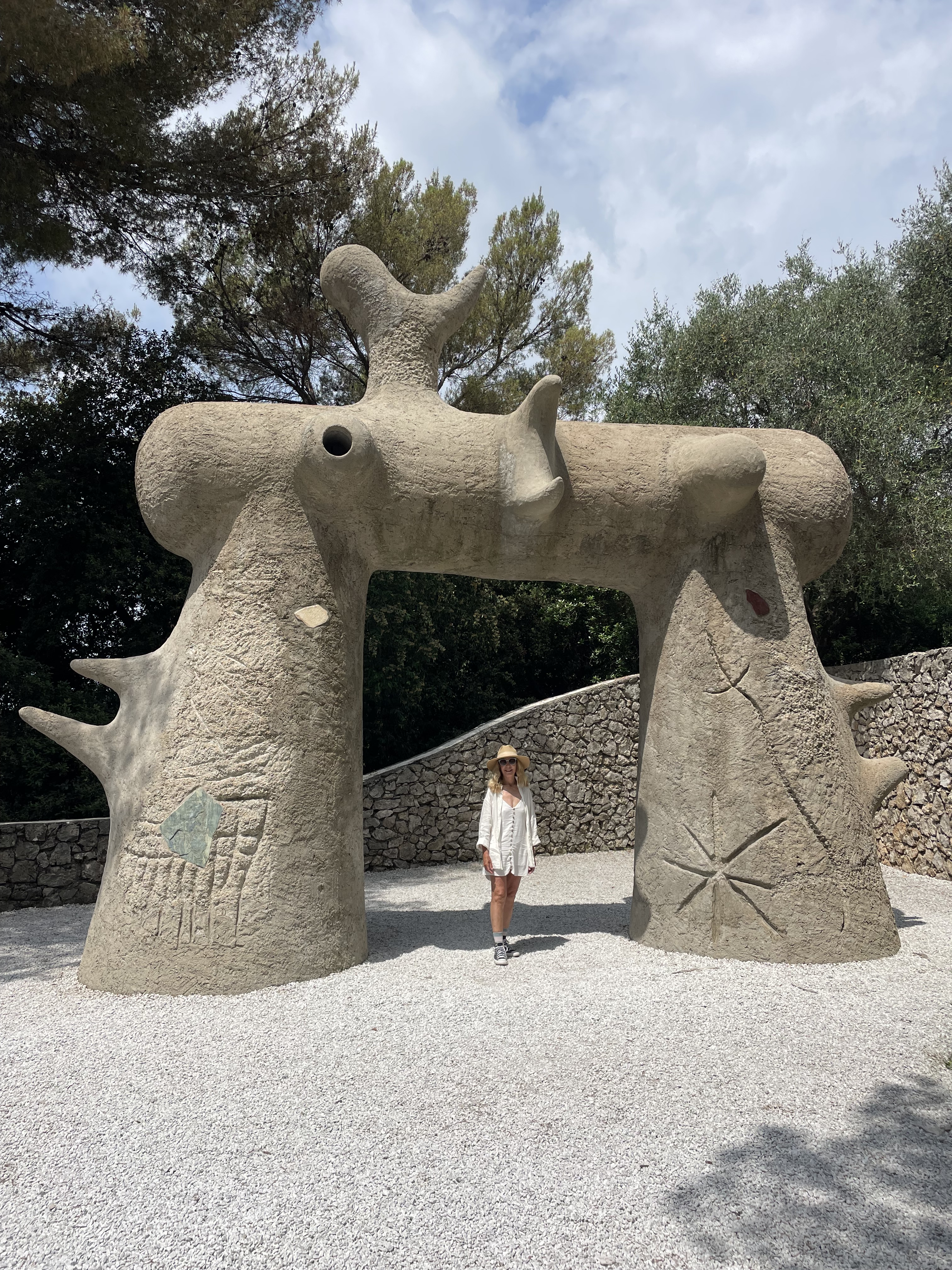
Friday morning we drove the short way to Saint-Paul de Vence to visit the Maeght Foundation Museum and Gardens, the first private art foundation in France. Modeled after the Guggenheim, there were a lot of works by Joan Miro, Chagall, Giacometti and others. Chagall spent 19 years in Saint-Paul de Vence and is buried here.

Walking around the old town of Saint-Paul de Vence I, again, felt the modern art blending with the historic. It’s everywhere — not just in museums. This sculpture of a reclining woman was hanging between two buildings with no fanfare or acknowledgement.

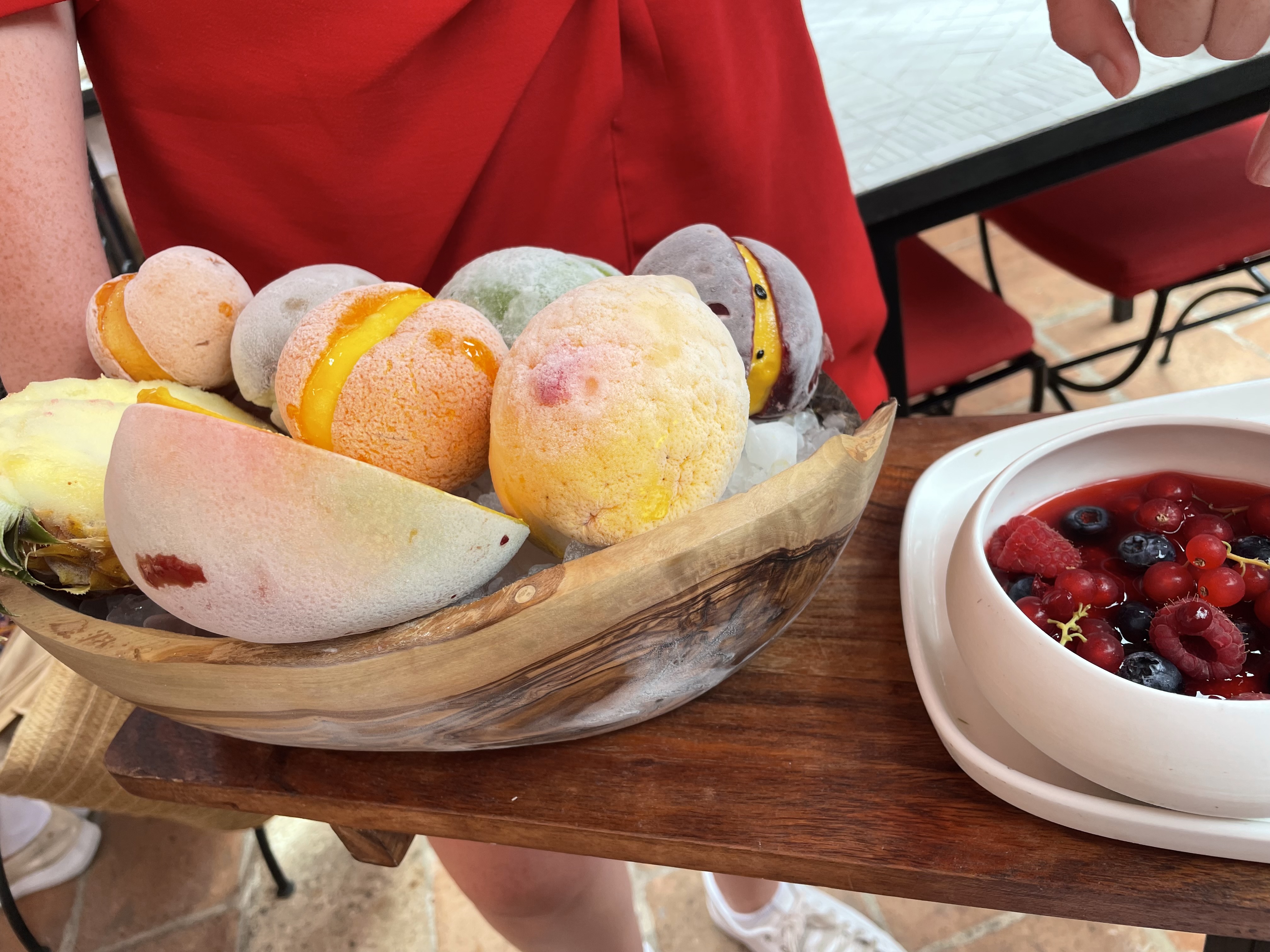
After a perfectly delightful lunch, we endulged in a treat that I’m going to try to replicate — fruit that has been split open, the pit removed and the fruit portion blended with a small amount of cream then scooped back into the skin and frozen to make the most delicious and beautiful dessert. The peach and mango were my favorites.

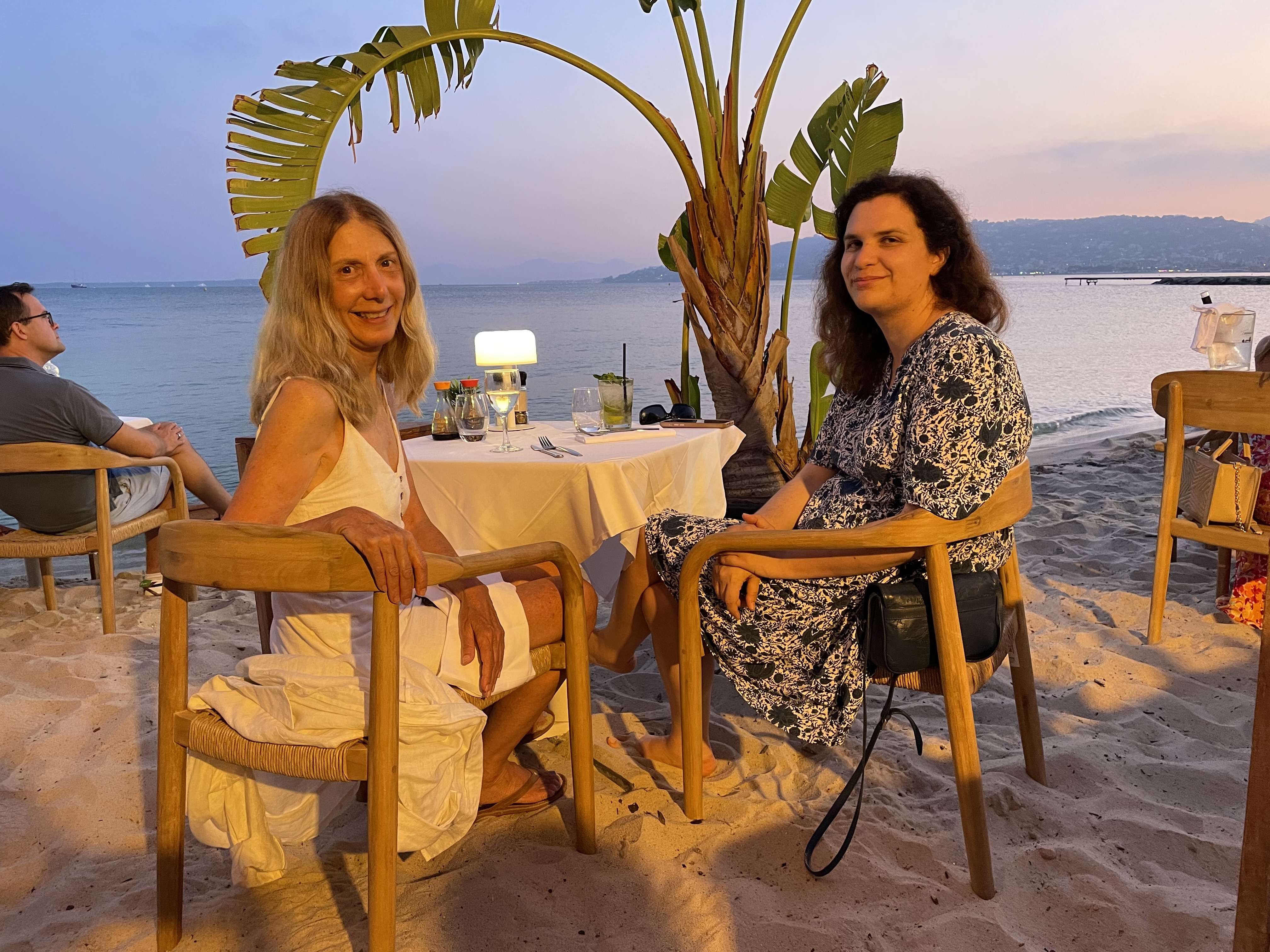
After checking in to our hotel and preparing for the evening, we went to the stylish area of Juan les Pins, directly on the beach of the French Riviera (Cote d’Azur). Sometimes, it’s good to be lucky. Without reservations, we found an open table right on the sand at YOLO and had a magical dinner that I will remember for years to come. This photo was taken about 9:45 PM. The sun sets late. Eating dinner at 8:30 or later was customary.

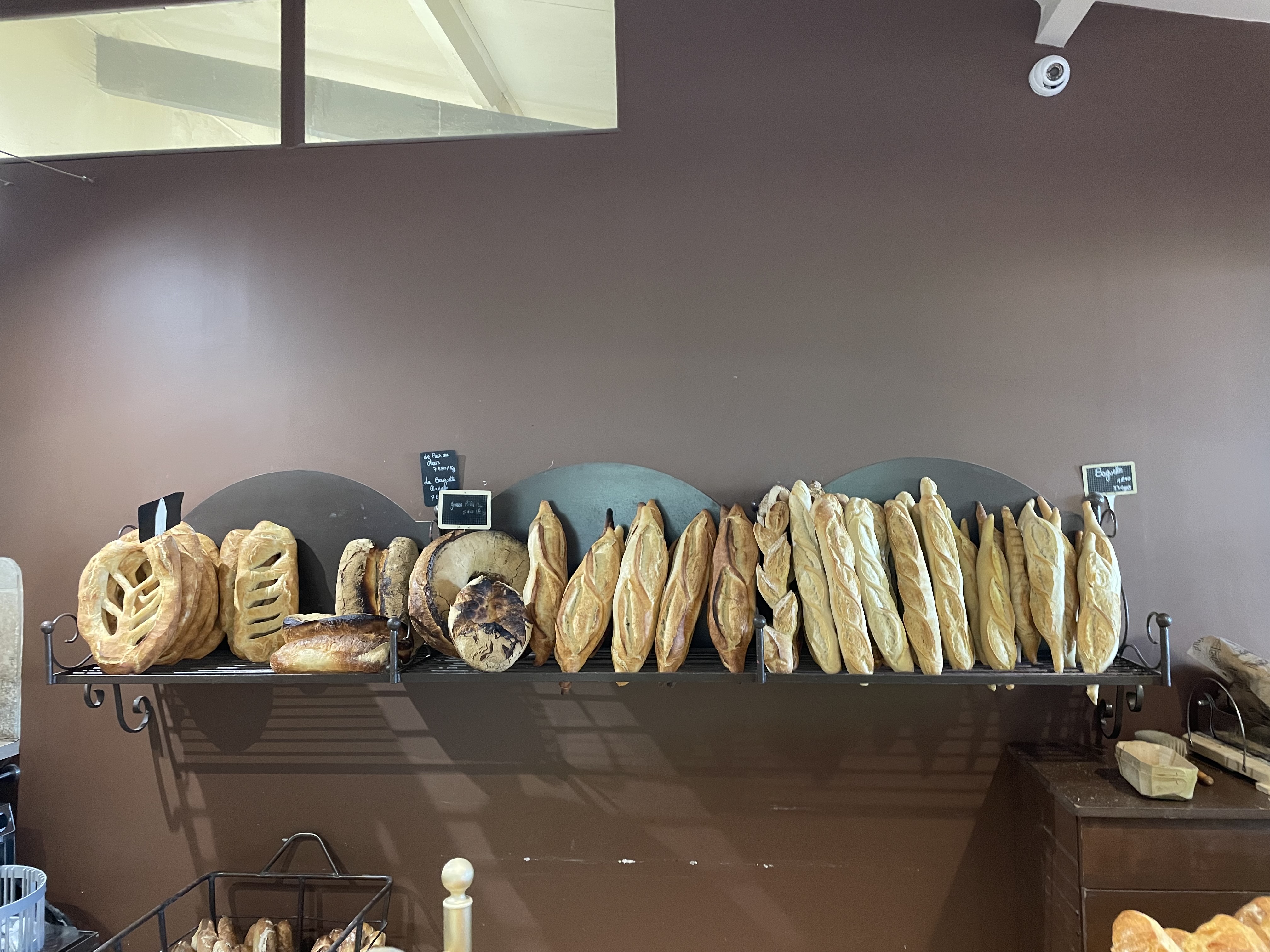
Every morning we enjoyed fresh bread and cafe au lait or espresso. I ate so much delicious bread but I didn’t gain a pound; probably because of all the walking.

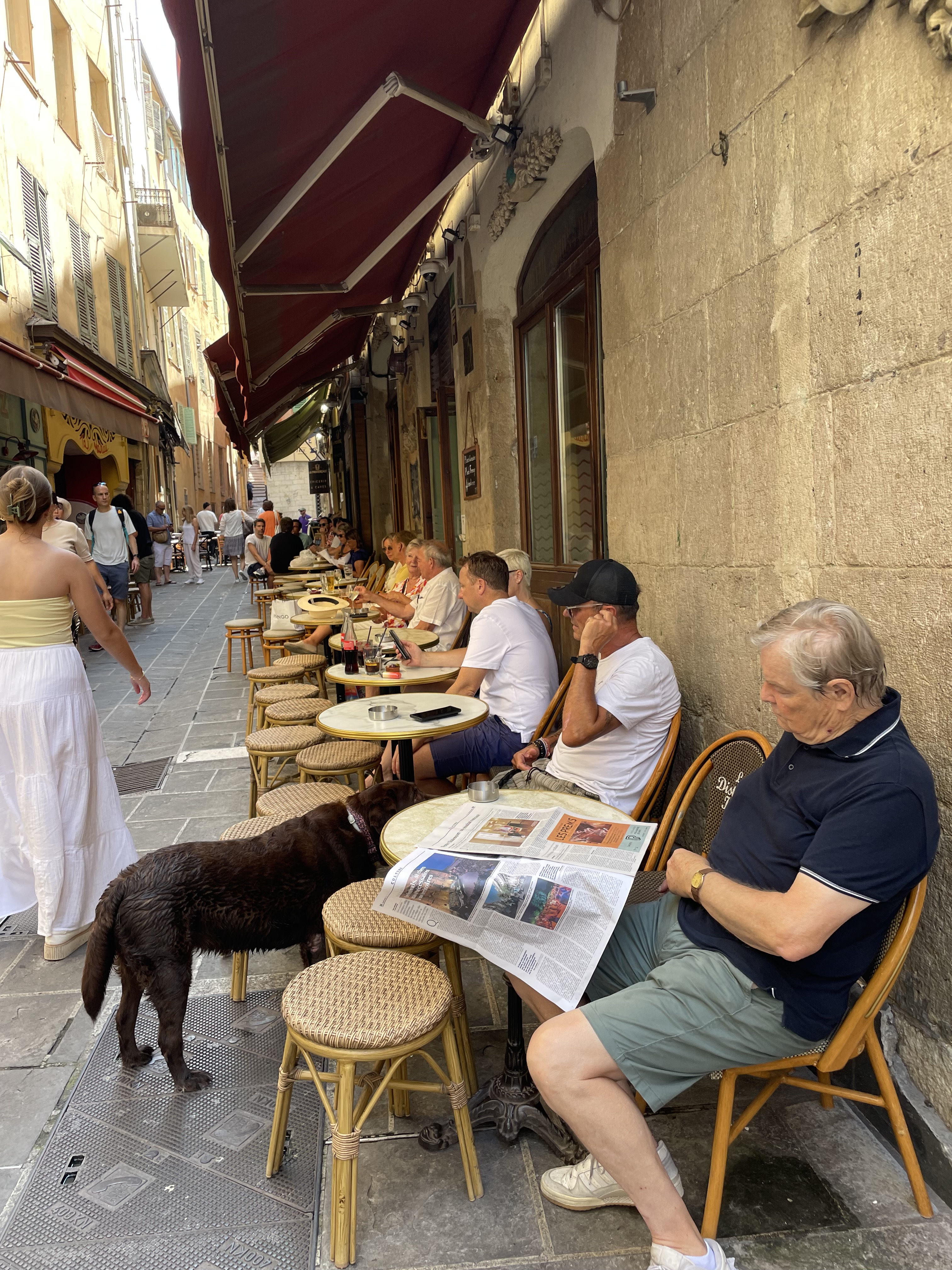
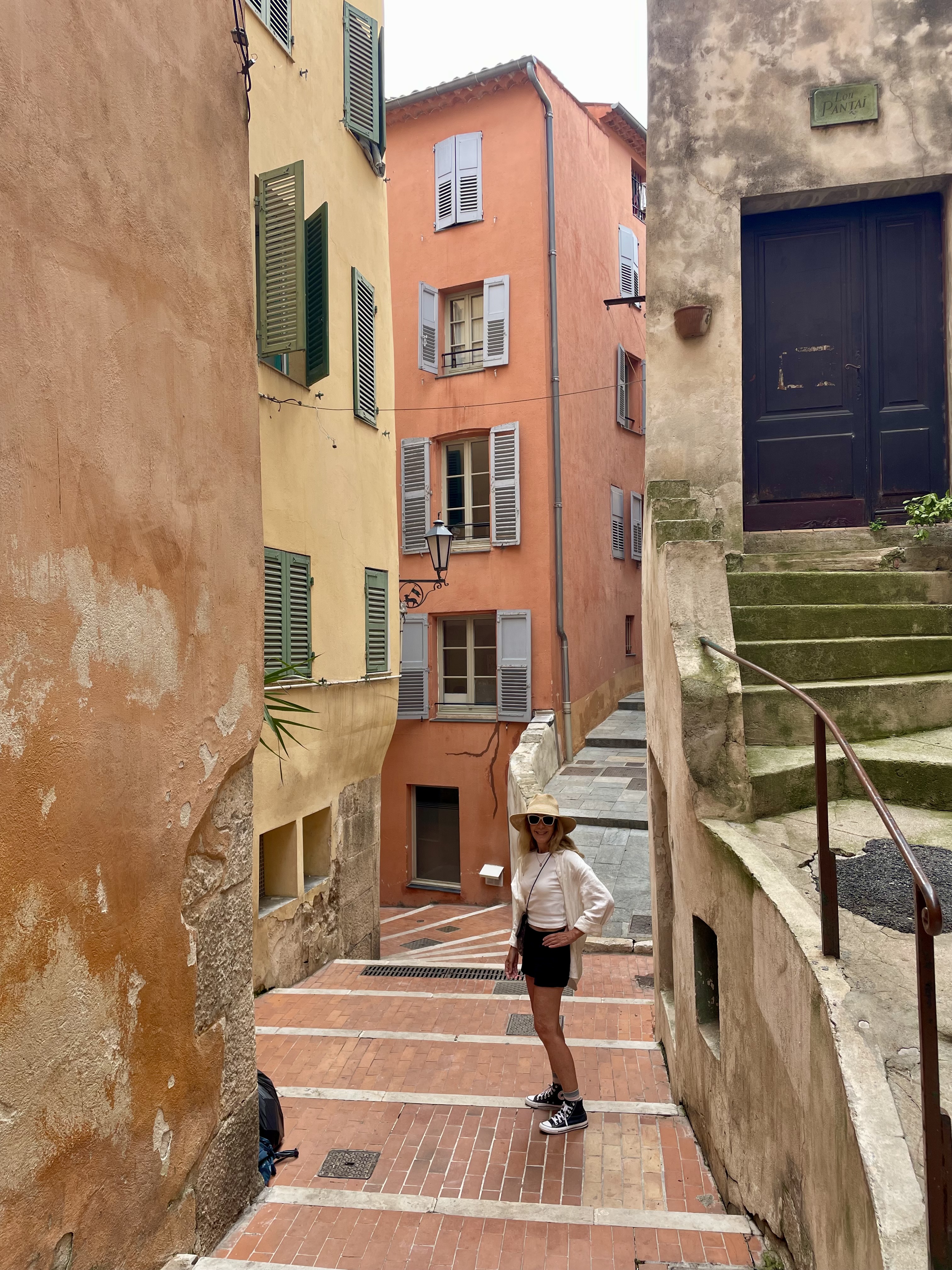
After breakfast we drove the short distance to Nice. Walking through different towns is, perhaps, my favorite part of travel. You get such a good feeling for the place and the people as they go about their day.

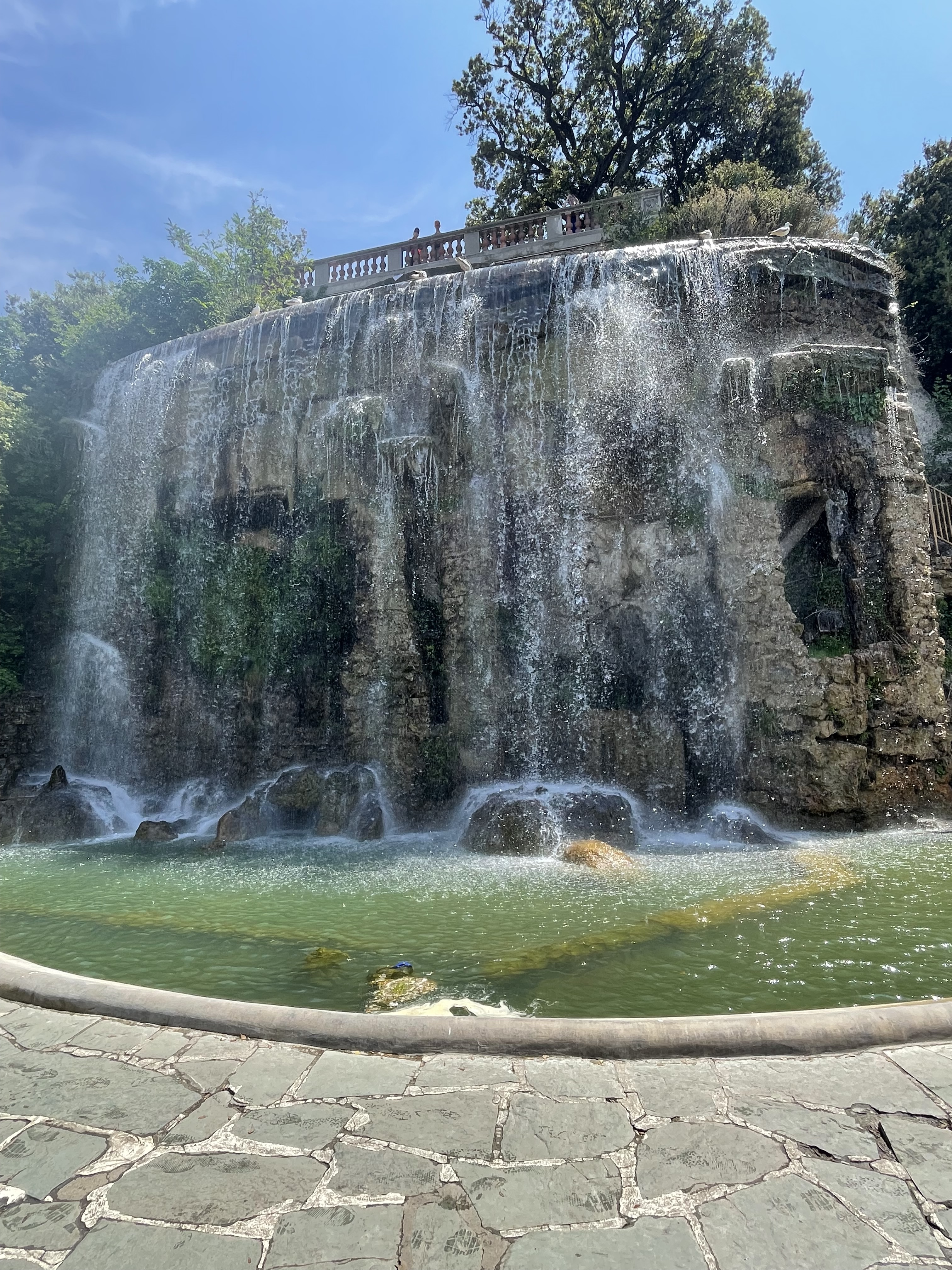
A hike up Castle Hill is essential. The cathedral was founded in the 11th century but the Greek settlement called Nikaia that was situated here goes back to the 4th century BC. The ruins, cemetery, and waterfall are worth the hike.

The monuments are proof that the beauty of the site was acknowledged by those inhabiting the earth way before us and will be celebrated by future generations long after we’re gone. It reminds me of our responsibility to preserve the earth for those who follow. At a minimum, we should refrain from destruction. Our time here is short.

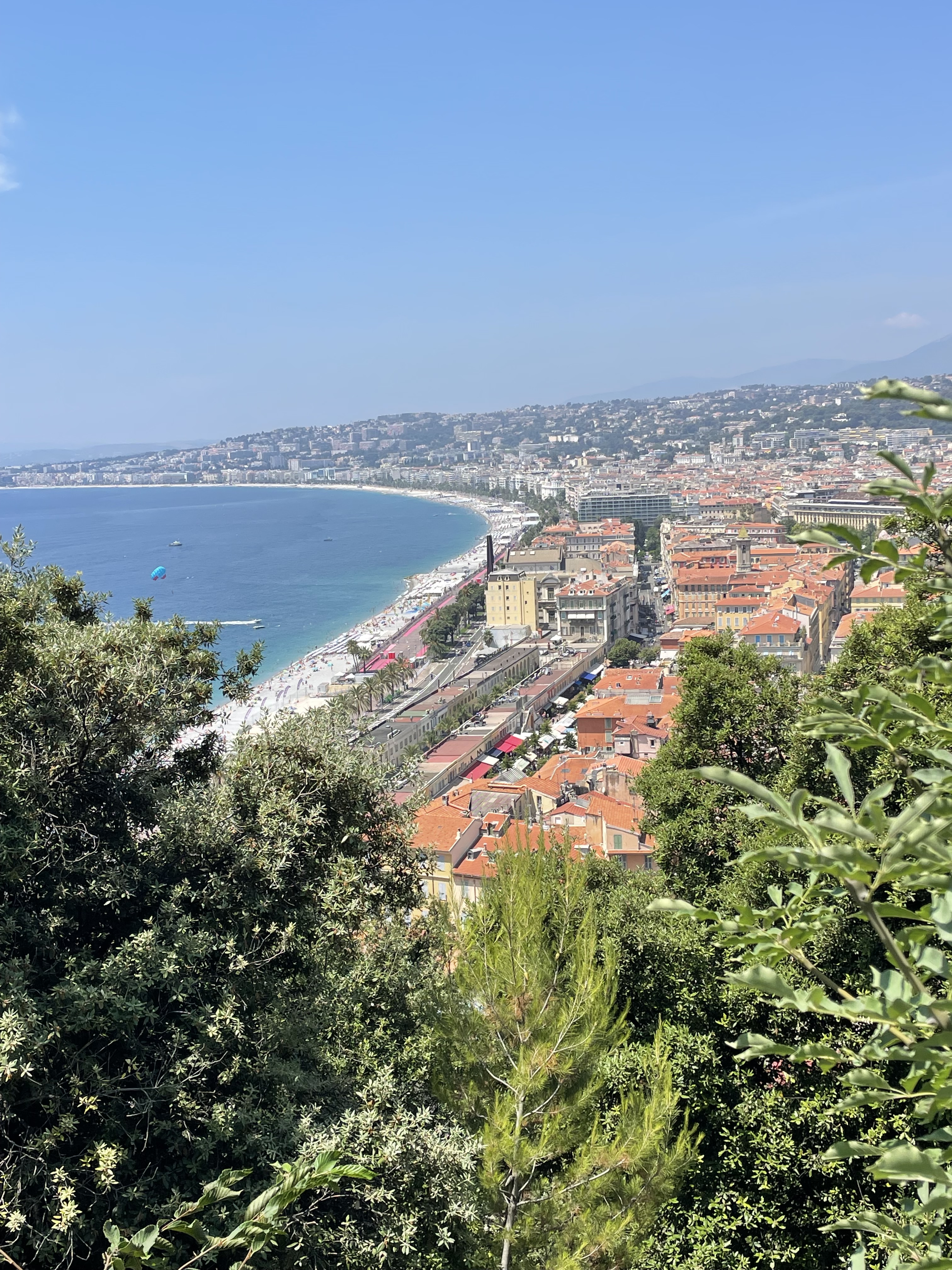
While the man-made structures are interesting, the view looking down on the Riviera is the main attraction.

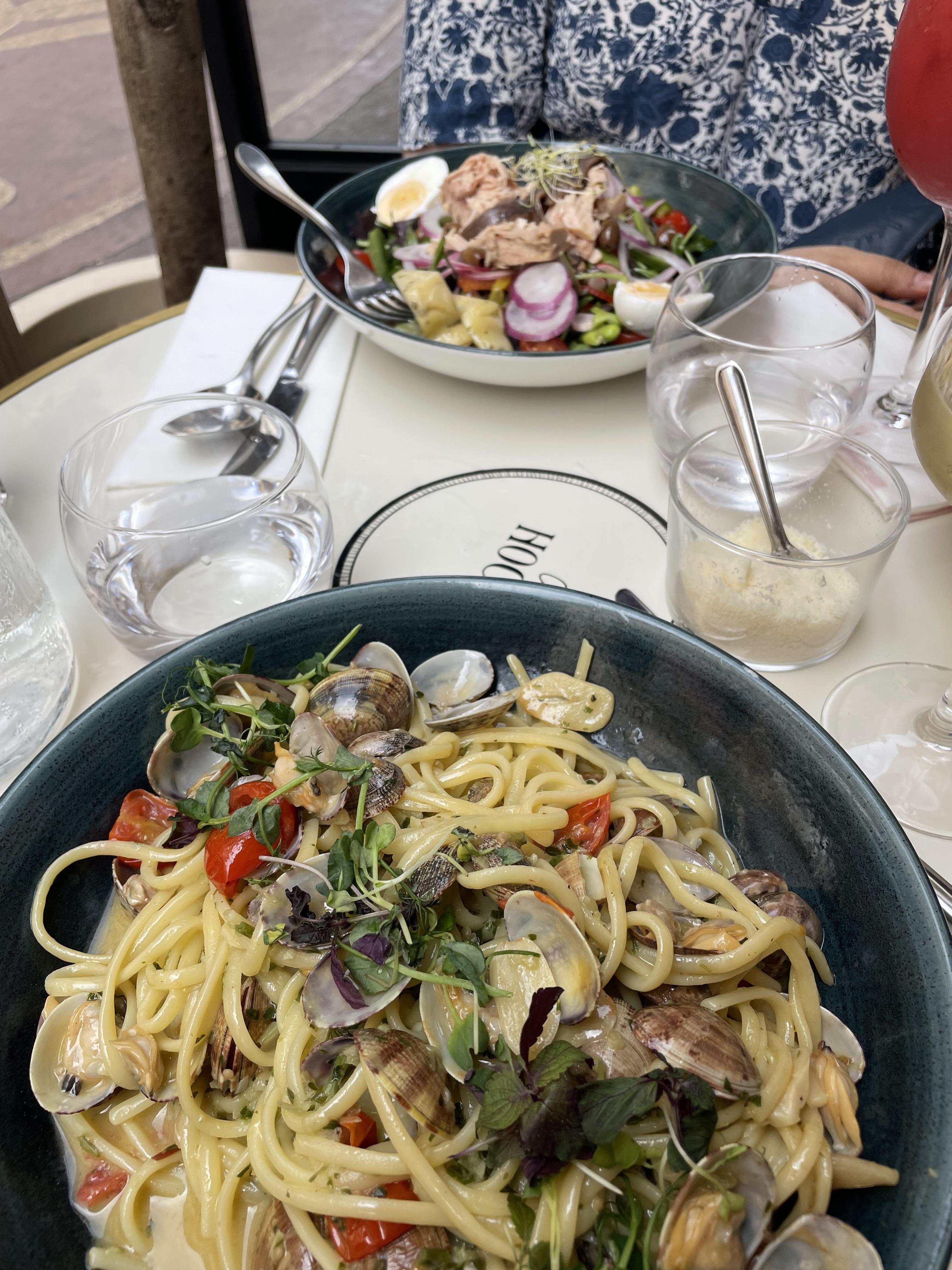
It’s only 20 kilometers from Nice to Monaco then just a hop to Italy. I took advantage of the strong Italian influence to dine on pasta with clams at a sidewalk cafe while we watched beautiful people walk by. Seriously, there were a lot of gorgeous people in stylish outfits that gave us a non-stop parade of life on the Riviera.

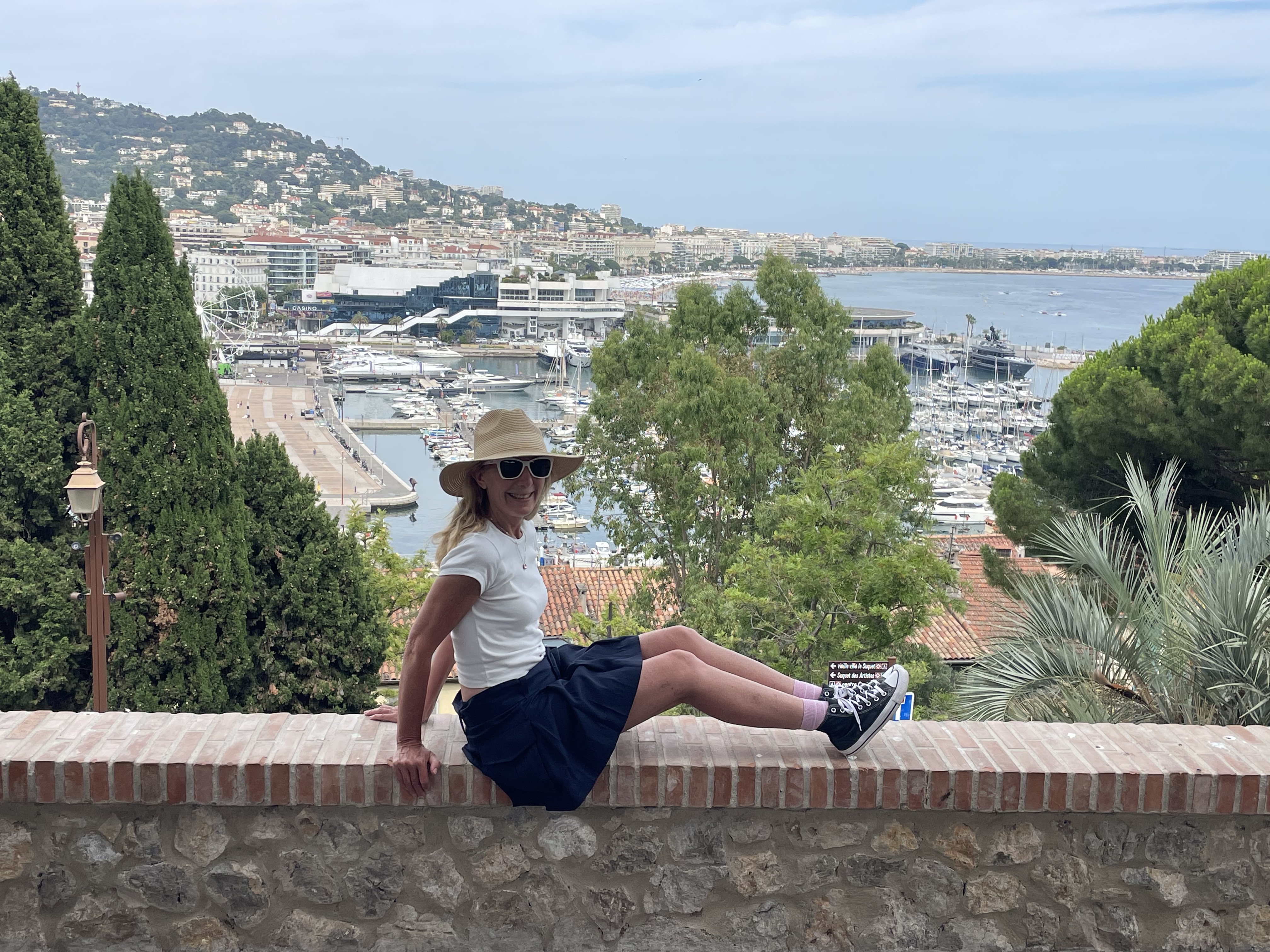
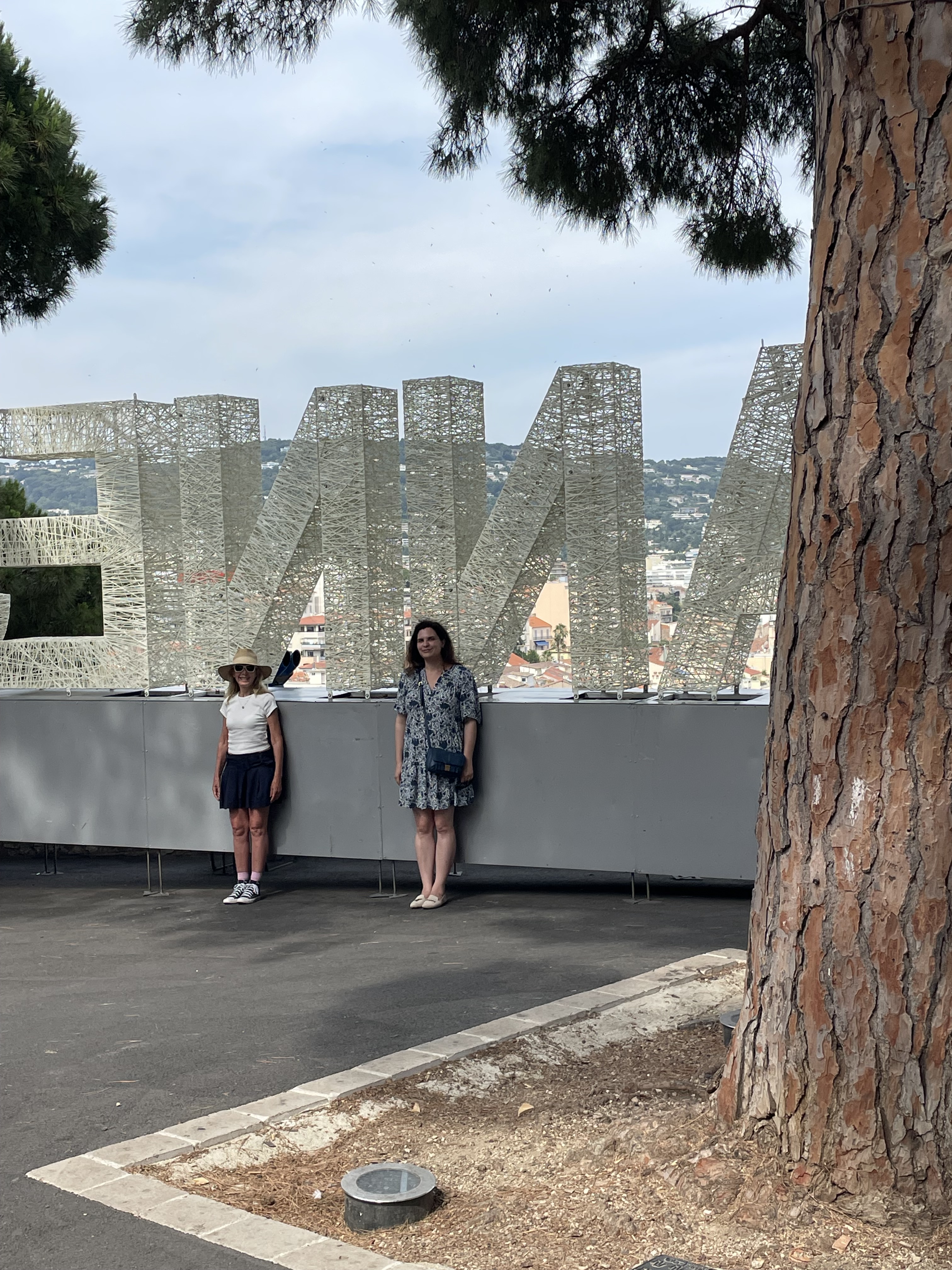
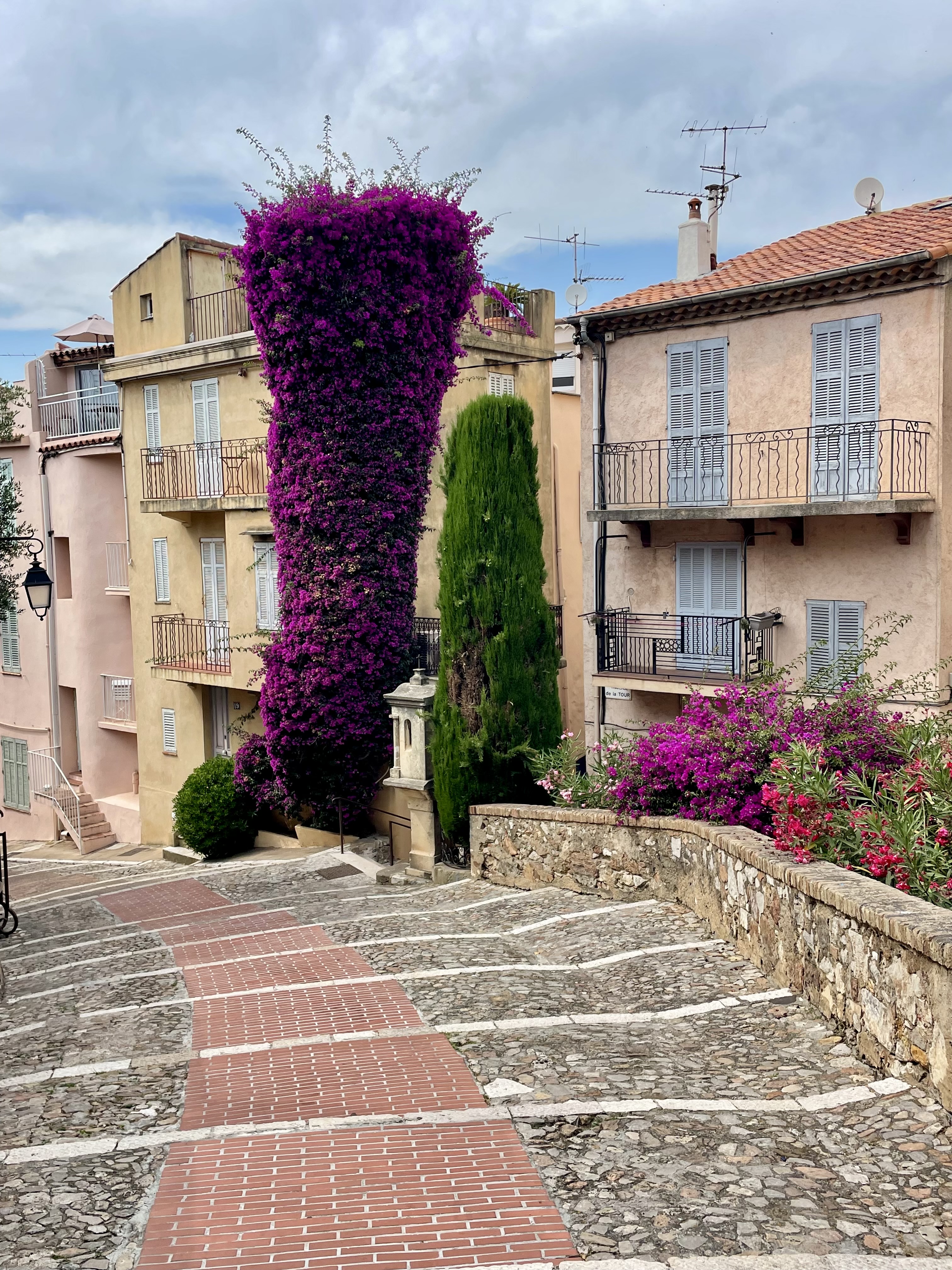
In Cannes we walked the cobble-stoned streets and alleys to reach the giant CANNES sign on the hill and to get a great view of the marina and beach below — so many huge yachts!

The giant CANNES sign reminded me of the HOLLYWOOD sign in Los Angeles.

The walk down took us to an area generally referred to as fisherman’s ward where the fishermen would stay when they were in port. Today, these homes are very chic and expensive.

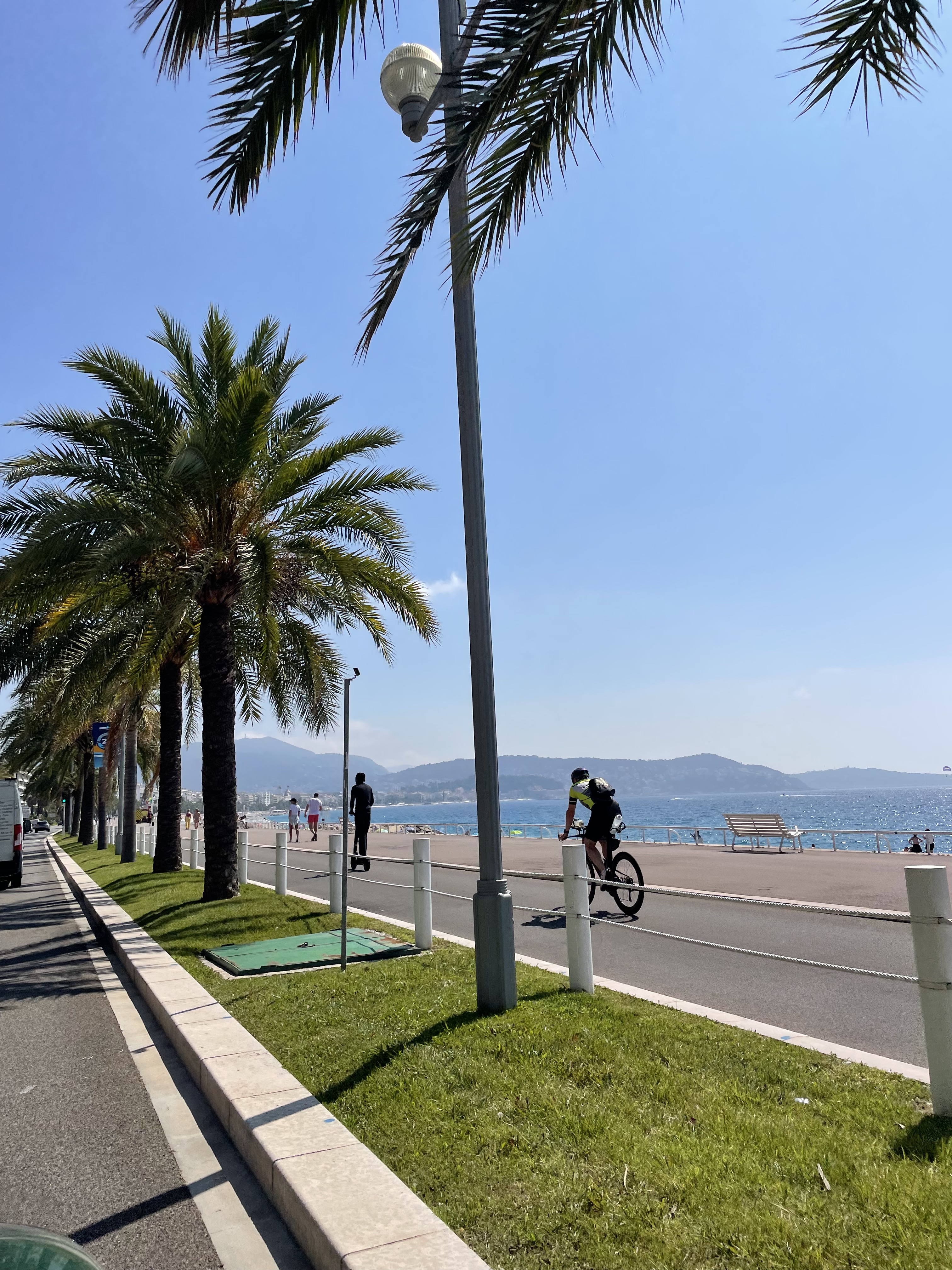
The beautiful boardwalk called the Promenade des Anglais (English Promenade) in Nice stretches 7 kilometers. They were setting up for an Ironman competition when I was there.

We spent the night in Antibes, in between Nice and Cannes. Having dinner reservations at one of the many amazing restaurants is great but I also appreciate unplanned time for spontaneity and exploration. Our last night on the Riviera, I was happy to walk through the night market and get a light dinner from one of the many cafes. The entire time I was in France, I never had anything fried. I didn’t even notice it as an option. Everything was fresh and as natural as possible. We sat outside and listened to music played by street performers and small ensembles. It’s kind of funny hearing musicians who speak no English perform American music. There’s no question that our music is one of our greatest exports.

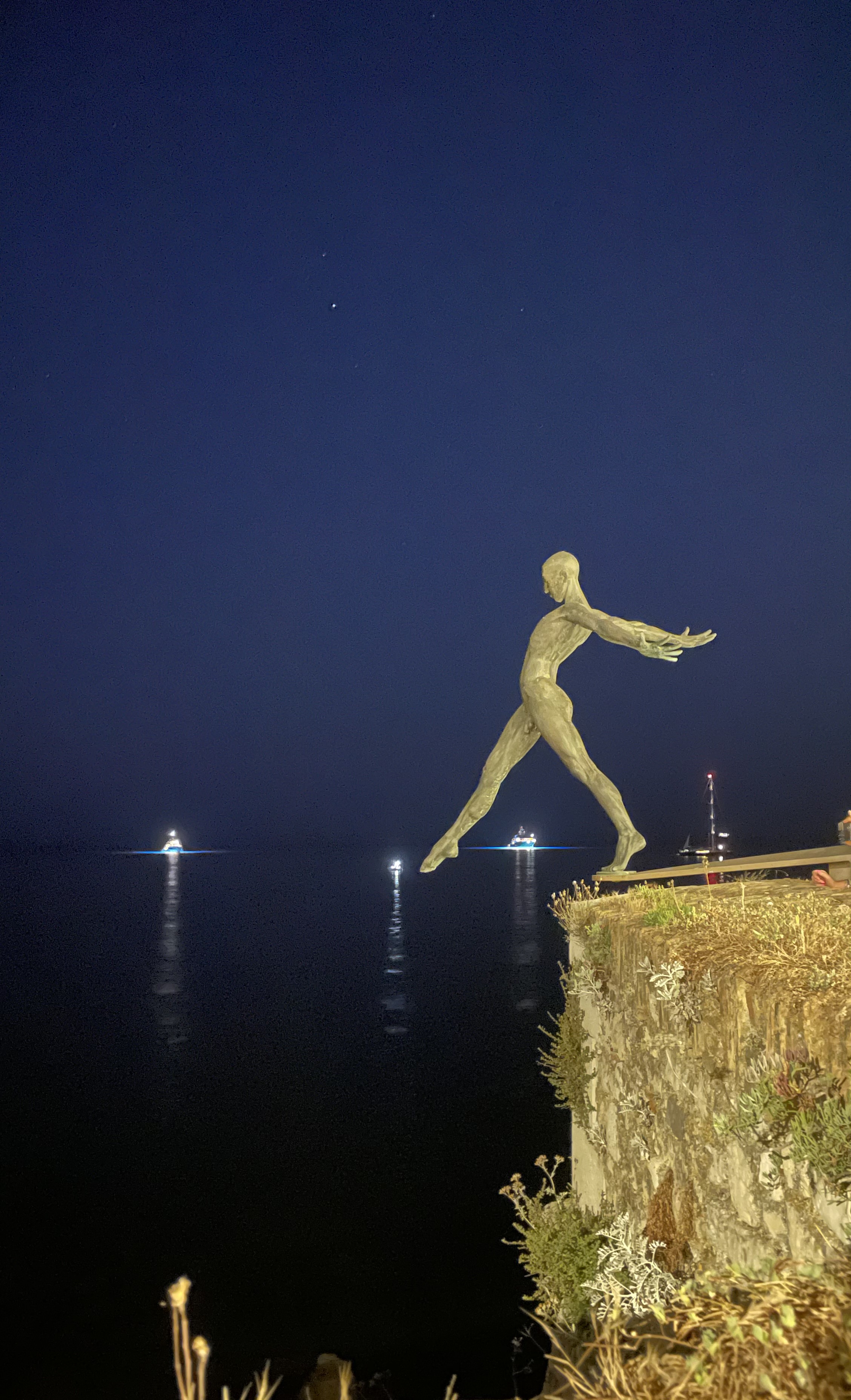
This statute really touched me. It’s a tribute to Nicolas de Stael (1914 — 1955), a Russian born artist who jumped to his death from the 11th floor of his apartment in Antibes. Although he was professionally successful, he suffered from insomnia, exhaustion, and depression. Unfortunately, we didn’t make it to the Picasso Museum at Antibes where his work is displayed along with other important artists. Making difficult decisions of what to visit and what to skip is part of traveling but always sends me home wanting to learn more about both the things I saw and the things I missed.

The drive to Lyon took us past a lot of small towns, each with its own identity. There was a demonstration in Apt to oppose the closing of the hospital. The local police acted irritated that we didn’t know about it. We had to detour around the entire town.

Among the towns that we didn’t have time to stop at this trip were Chateauneuf-du-Pape, renown for it’s expensive wine and Montelimal known for the creation of nougat candy. Also, Chauvet Cave, a World Heritage site with the world’s oldest cave paintings dating 31,000 years ago. And, Tain l’hermitage known for having good wines and superior apricots, peaches, nectarines and Valrhona chocolate favored by Parisian chefs. We passed the town of Annonay that was made famous by the invention of paper in the 17th century followed by the invention of the hot air balloon and the first hot air balloon flight by the Montgolfier brothers, the inventors. There’s so much history that goes back for centuries. It’s interesting learning how each town distinguishes itself.

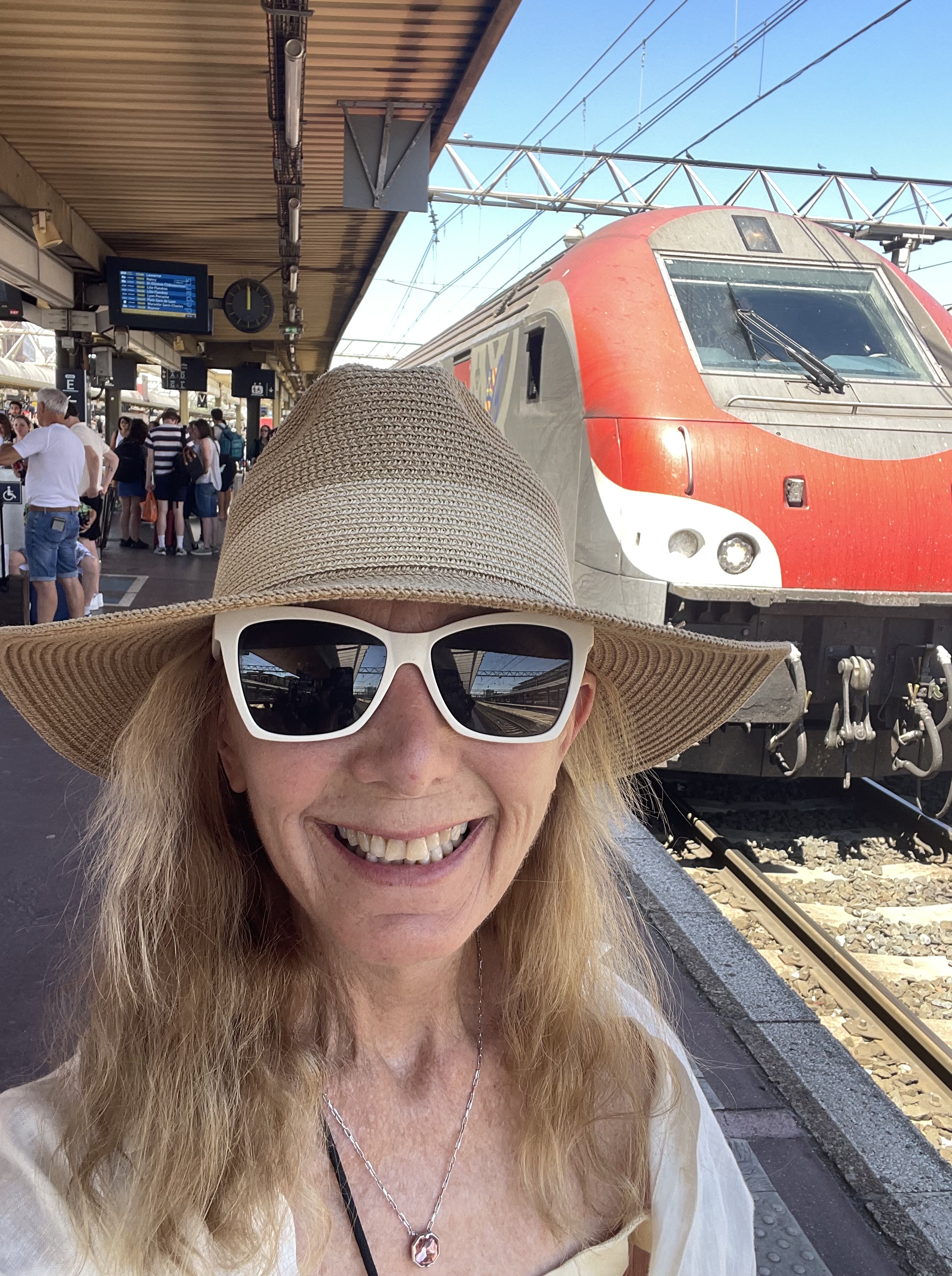
Almost out of time, I took the high-speed train from Lyon to Paris, met up with my niece for a last night in France then flew home with new memories to cherish.

Getting on the train brought back a host of memories from my back-packing days the year after college — so long ago but still so strong in my heart. I’ve never regretted spending time or money on travel. I’m always glad to go then always glad to get back home. Travel is so important to my life and my humble attempt to understand how and where I fit in this beautiful world that I’m certain I wouldn’t be the same person without it’s influences. The experiences and friendships add immeasurable value and keep me interested in life. There’s no absolute right or wrong way for me — budget, luxury, solo, family, any version. Let me jump on a boat headed across the equator or meander through the small streets of a town I’ve never been to before. Along the way, I’ll remind myself, life is good; not perfect, but really good.
“If you want to keep your memories, you first have to live them.” Bob Dylan

“How can anyone govern a nation that has 240 different kinds of cheese?” Charles de Gaulle
“The French air clears up the brain and does good — a world of good.” Vincent Van Gogh
Iceland: A Land of Fire & Ice

Iceland is a country of extremes. The week we were there in November 2024, the temperature never rose above freezing and hovered about 20 degrees Fahrenheit (-7 degrees Celsius). The sun rose about 11:00 AM and set about 3:30 PM but never got very high in the sky.

The day after we arrived, the volcano erupted and continues to shoot out fire and lava even now, ten days since it began . The seventh eruption of the year near the Sundhnuksgigaroo crater, news reports say it’s no threat to travelers but it overtook the parking lot of the famous Blue Lagoon forcing closure of the lagoon spa and evacuation of the hotel. At 1:00 AM hotel guests were awaken by an alarm and taken to the Expedition in Reykjavik which is where we stayed. Fifty homes in Grindavik were also evacuated. Here’s a photo taken from the highway on the way to the airport on November 25th. Drone views of the flowing lava crossing highways remind me of the power of nature that cannot be contained by man. Volcanoes formed Iceland and continue to shape it today. While the power to cross barriers and ignite homes is terrifying, it’s somehow simultaneously energizing.

I flew direct from Washington, DC and my son, Daniel, flew direct from Chicago; both were overnight flights on Iceland Air. We landed just 5 minutes apart and headed out to pick up our 4 x 4 Toyota Highlander from Hertz. That first rush of cold wind combined with the pitch dark at 7:30 AM was a real wake-up call. While not very far from the main terminal, there are very few signs and no shuttles. Thankfully, we always travel light with just a carry-on bag but right from the start I got the impression that this country is made for hardy people; sissies cannot survive these conditions. Trying to navigate the parking lots and walkways to the rental car office in darkness, cold, and wind was not a great welcome and begged the question, “Why does anyone live here?” It didn’t take long to find the answer. The next 6 days were filled with natural beauty and happy, friendly people.

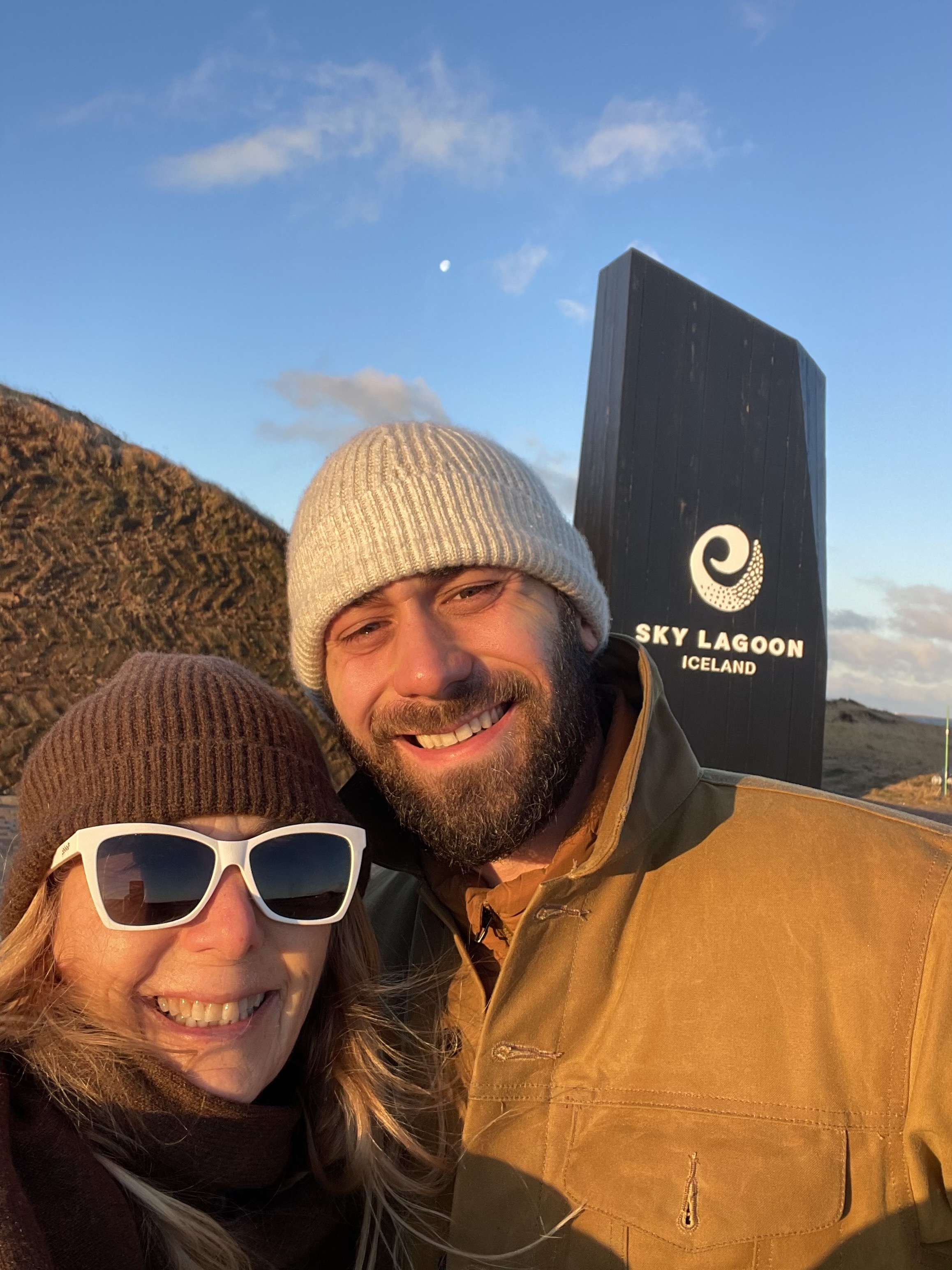
The drive from the airport to Reykjavik is about an hour. We dropped our bags off at the hotel, got a coffee and croissant then went to Sky Lagoon about 10 minutes away. Again, everything was done in darkness which takes some getting used to and reinforced the thought that my body is strongly guided by solar rhythms. It takes faith to put on a bathing suit and walk outside but the new geothermal spa on the edge of the ocean was lovely once we convinced ourselves to do it. We got the 7-step Saman ritual that includes salt scrub, sauna, ice bath, and extras.

The only big city in Iceland, Reykjavik is 105 square miles with 300,000 people. The entire country is 39,768 square miles, about the size of Ohio, with a total population just under 400,000.

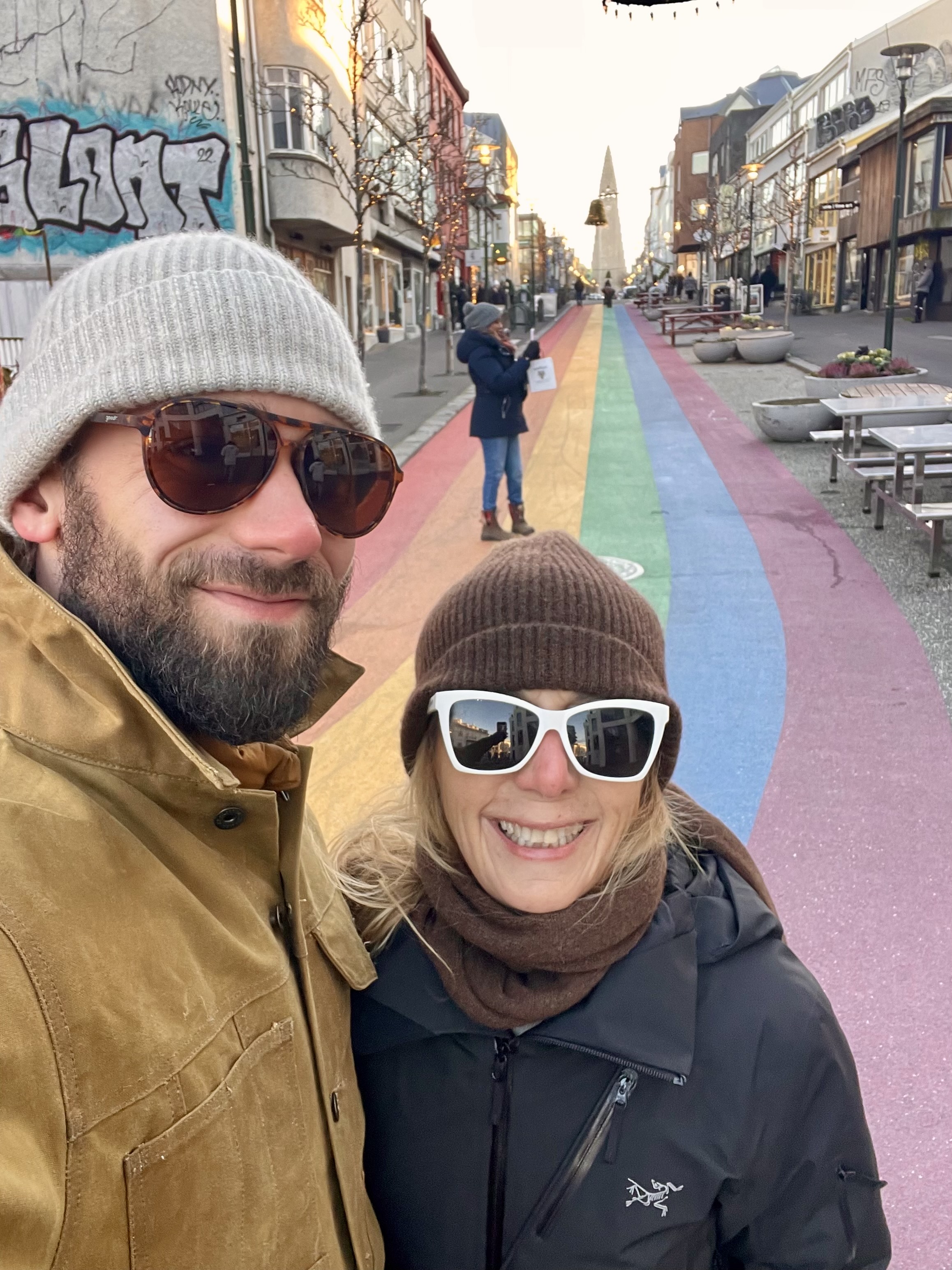
Locals seem very proud of their rainbow streets and welcoming attitude towards LGBTQ diversity. Reykjavik has hosted an annual Rainbow Pride Festival since 1999. It attracts up to 100,000 people from all over the world. I laugh looking at this photo when I see how red our noses are. The joy of exploring a new country was so poignant that even the cold was exciting.

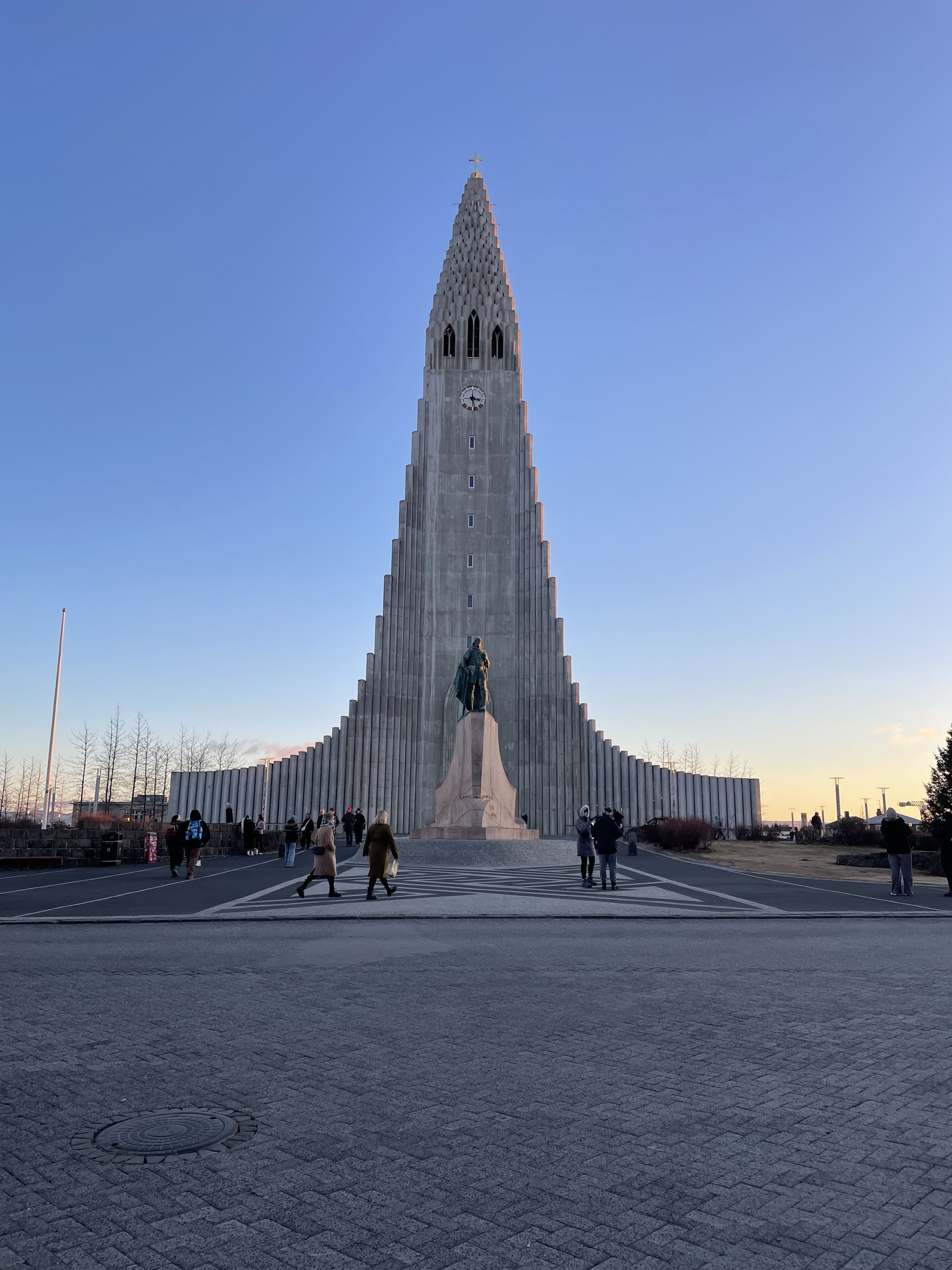
The towering Hallgrimskirkja Lutheran Parish is the largest church and one of the tallest structures in the country. It provides the backdrop to Rainbow Street (aka Skólavörðustígur).

The first day seemed like two. The combination of time difference (5 hours from my home in Virginia and 6 hours from Texas), sleepless night en route, and limited hours of sun made the days seemed so odd; a strange kind of jet lag. We had to continually orient to know what day it was. The second day was spent on the Golden Circle. The drive time isn’t overwhelming and there are interesting stops about every 30 minutes or so. The full circle is about a 4 1/2 hour drive then add in however much time you take at various stops.

Our first significant stop on the Golden Circle was Pingvellir National Park, a recognized UNESCO World Heritage site. It has a trail that goes by the historic parliamentary sites where laws were made during the Commonwealth Era (930 – 1262). There’s an area where two tectonic plates come together to form a 7 km rift valley plus it has the country’s largest lake, Lake Pingvallavatn.

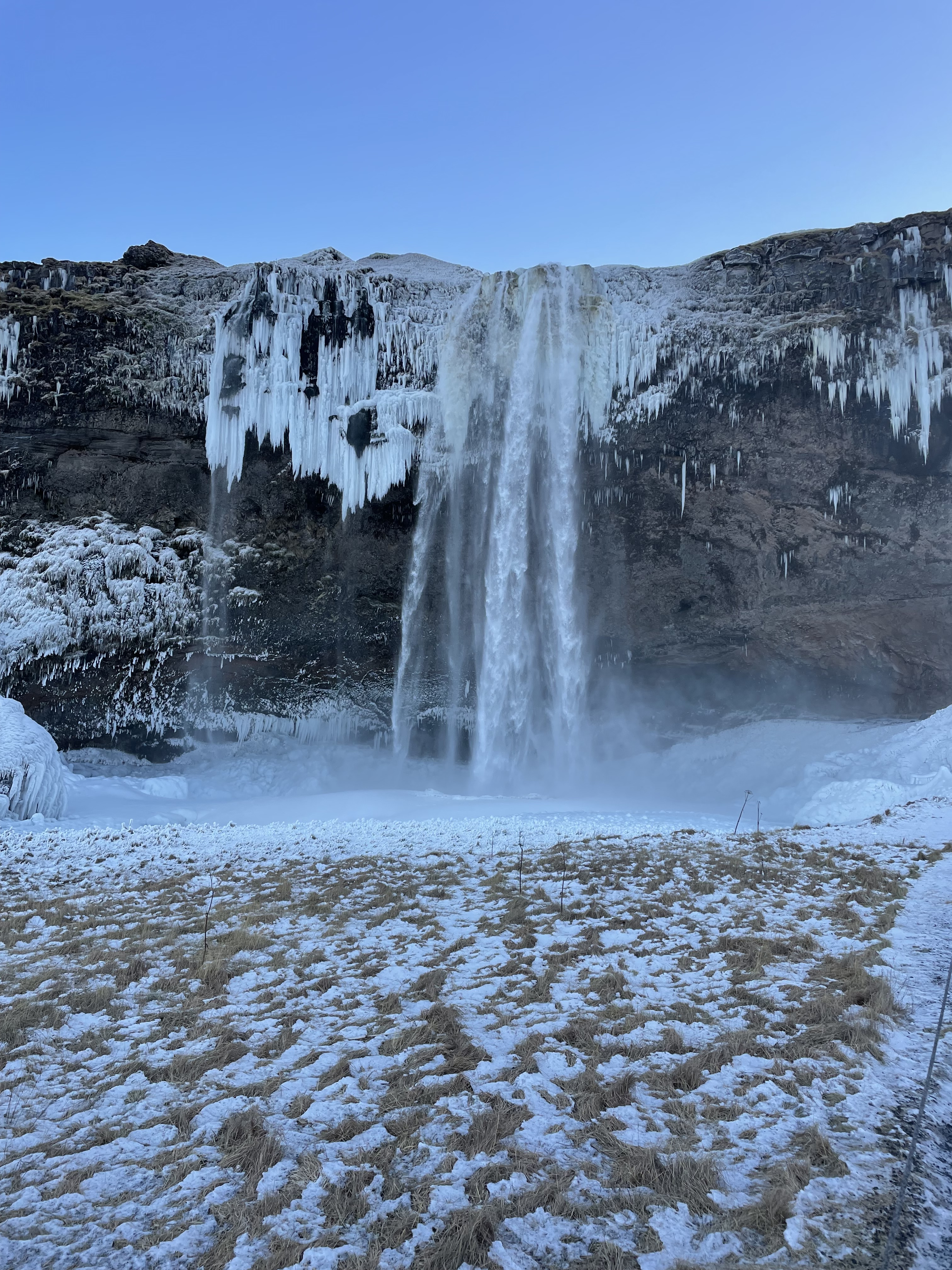
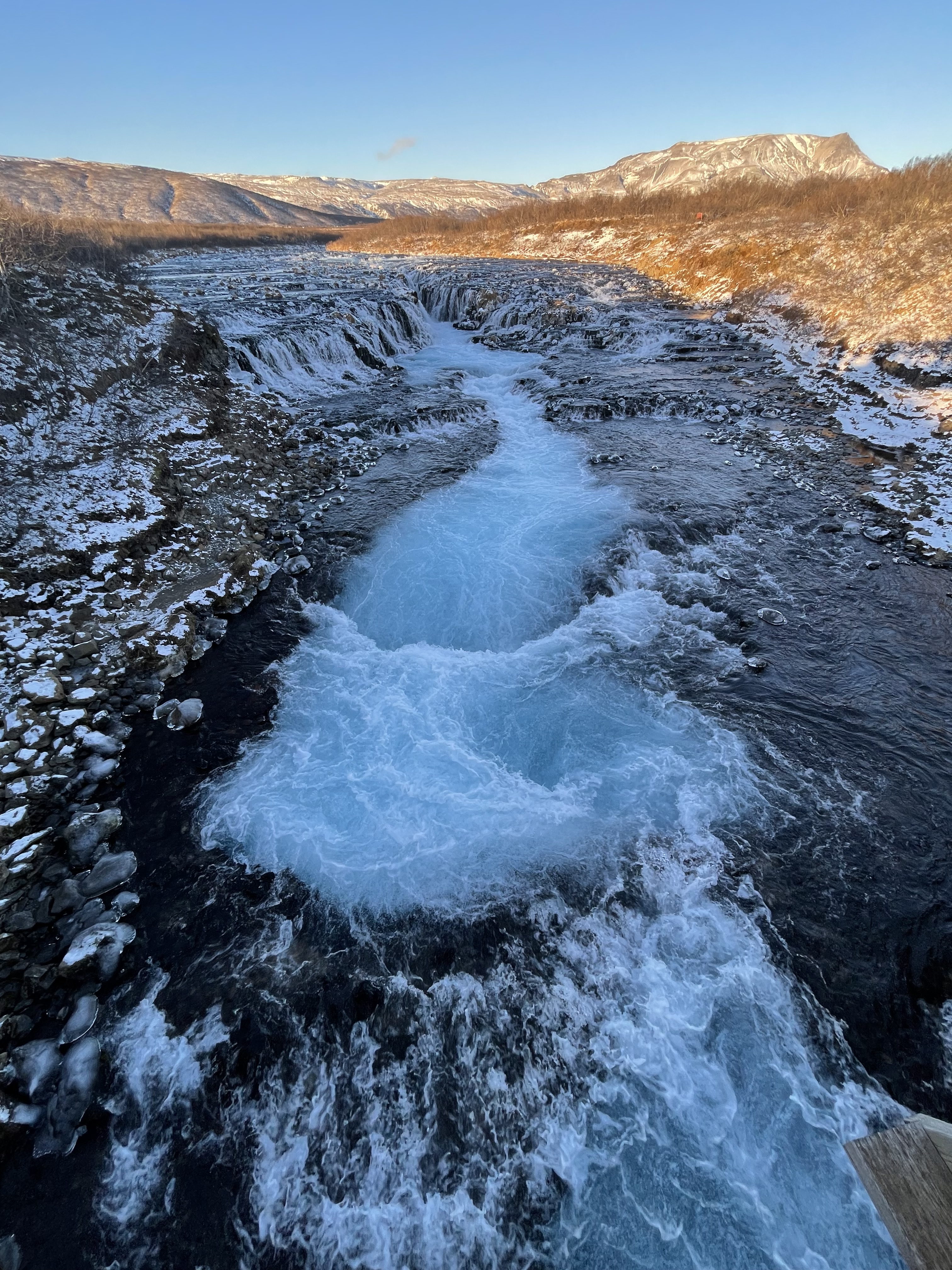
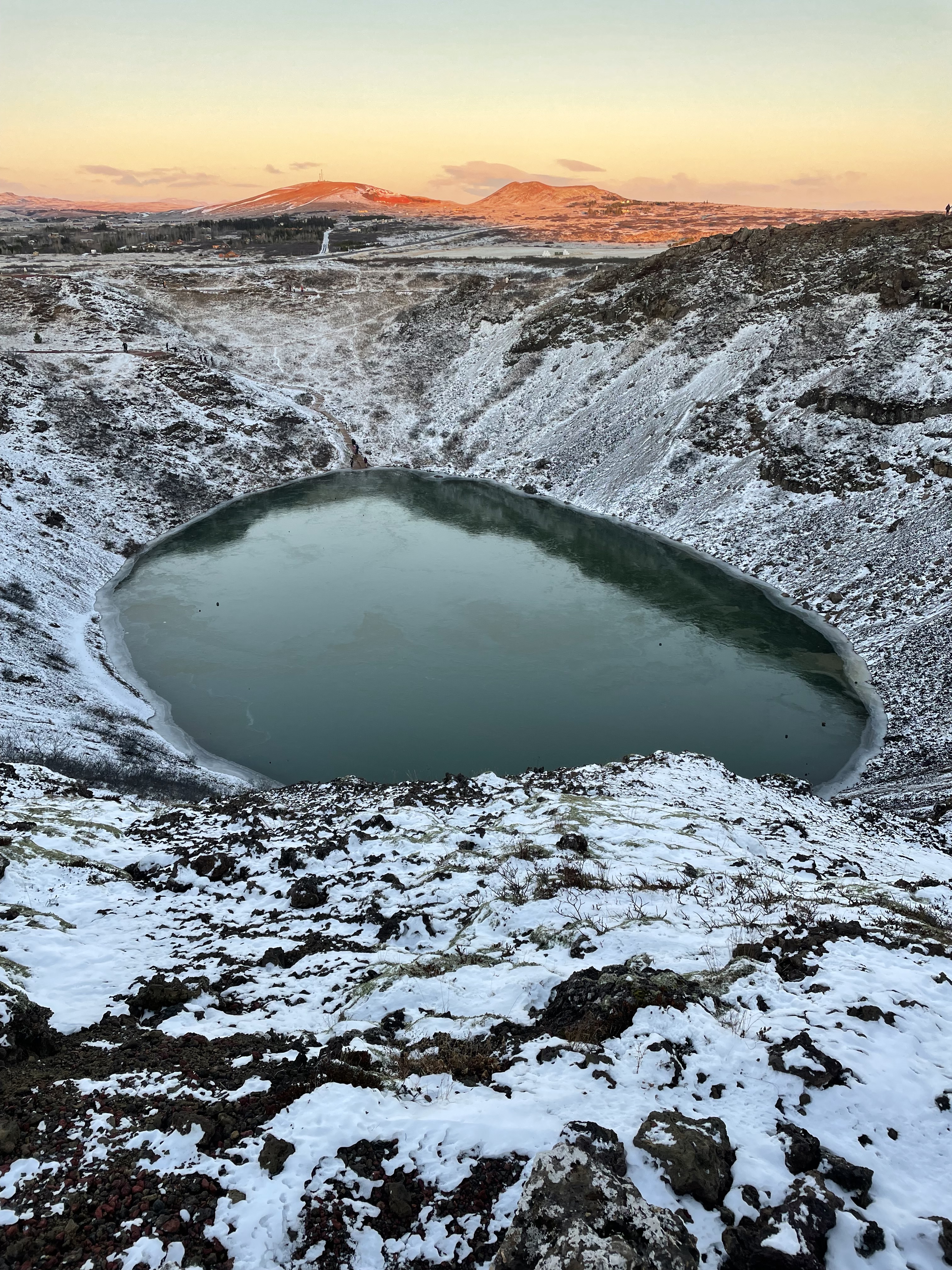
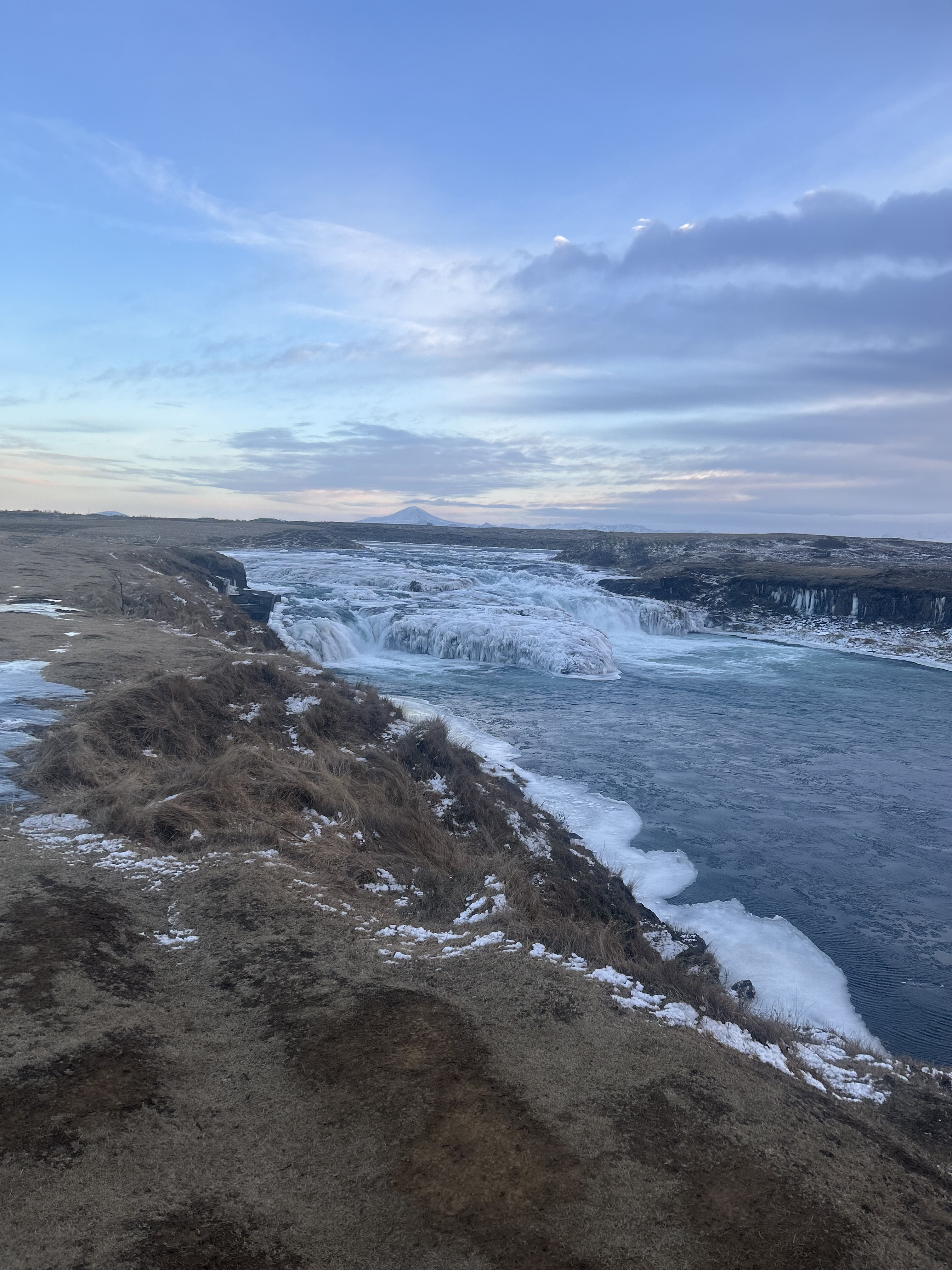
Further along the Golden Circle we stopped for the first of many waterfalls, crater lakes, and geysers. None of these photos have been color enhanced. The water is truly that clear and blue.

Below is a picture of the Kerid volcanic crater lake. There’s a walking path around the rim and another that goes down to the frozen lake.

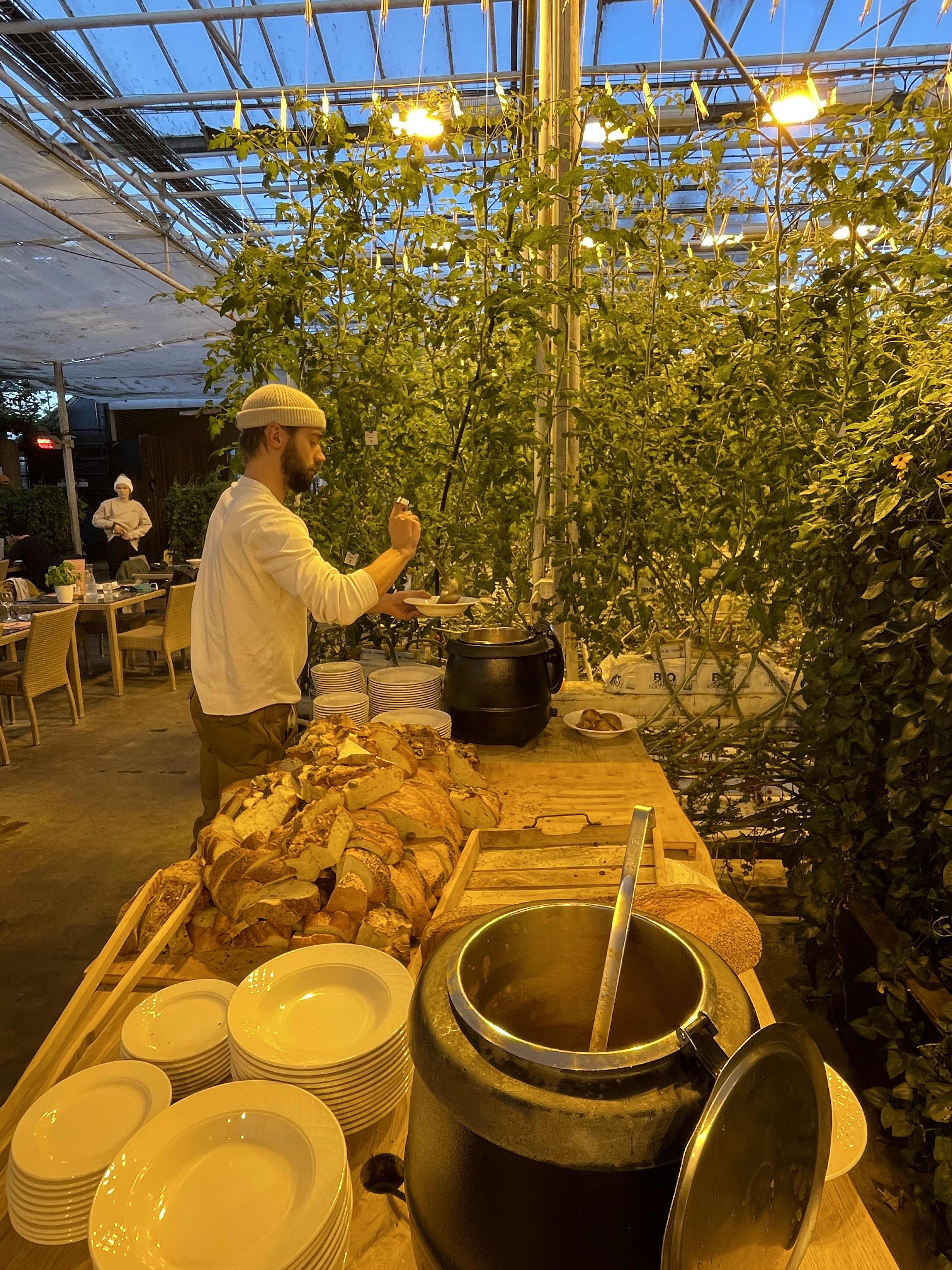
For lunch we stopped at the tomato restaurant inside a huge greenhouse. The nursery and restaurant are owned and operated by a local family. Since the weather doesn’t allow fruits or vegetable farms without greenhouses this is both valuable produce and a tourist attraction. Tomatoes grown at this nursery provide approximately 2/3 of the tomatoes consumed in the country. It was interesting and inspirational but, in my humble opinion, the tomatoes lacked much flavor. Like John Denver said, “Only two things money can’t buy; that’s true love and home grown tomatoes.”

With daylight limited to about 4 hours each day, we tried to make the most of it and generally planned to get to our hotel by nightfall. The roads are quite good but I highly recommend getting a 4-wheel drive vehicle. I heard multiple stories about people getting charged by rental companies for windshield dings from flying rocks.

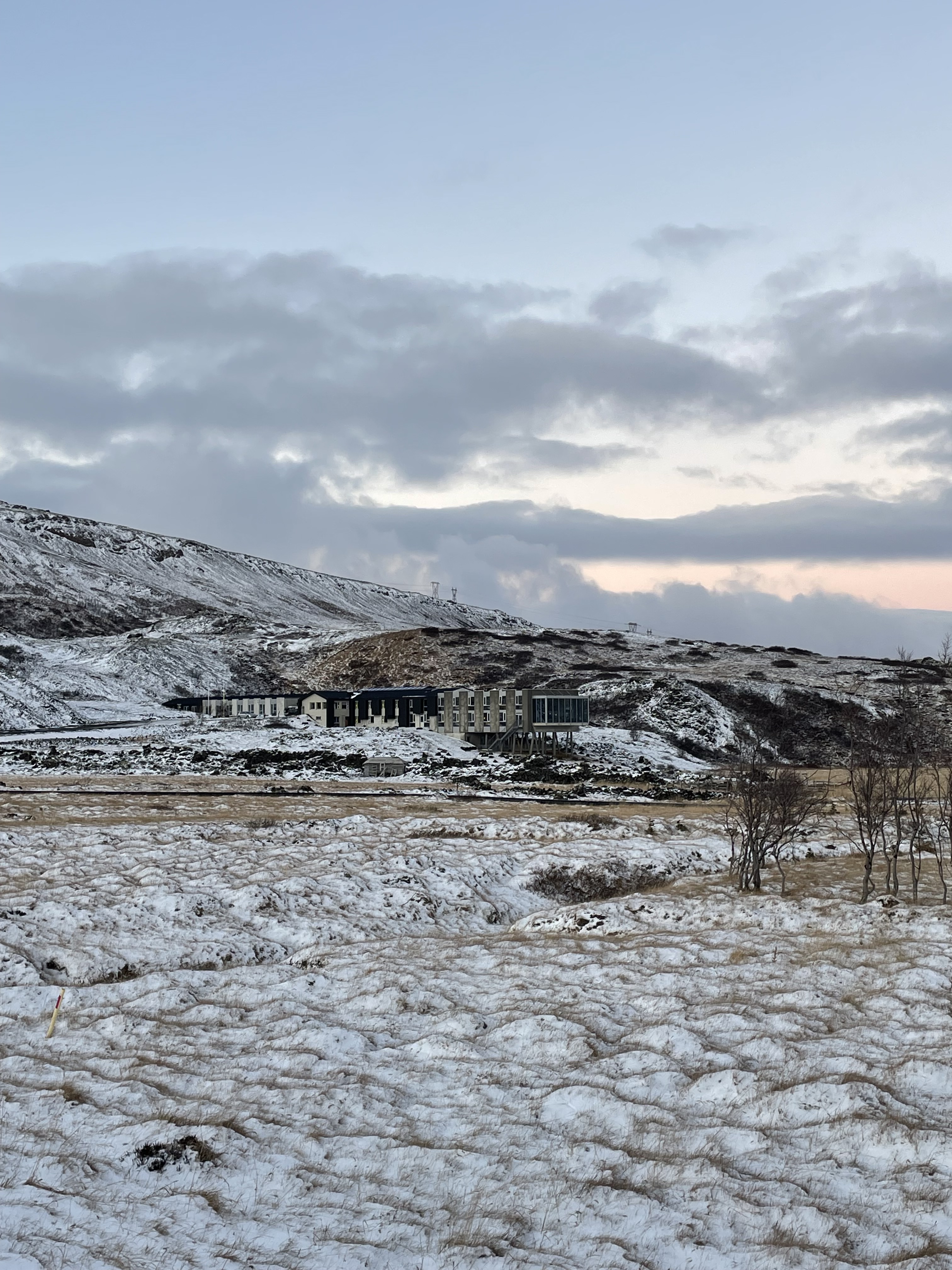
We spent the second night at the Ion Adventure Hotel which is near a geothermal energy plant. Most all of the architecture and decor throughout the country seems minimalist and blends well with the environment.

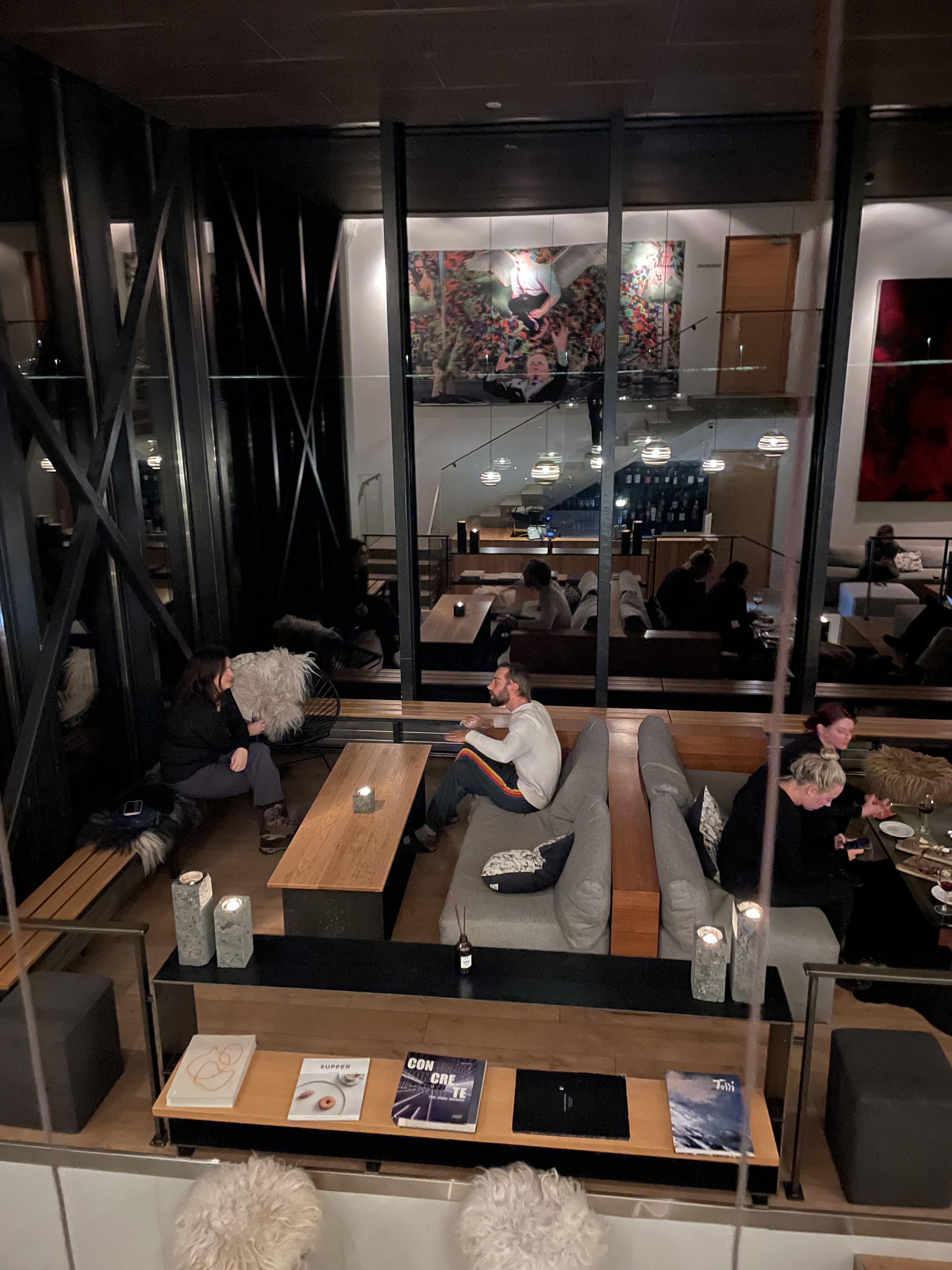
Geothermal energy is used to heat 85% of Icelandic homes and geothermal power plants generate 25% of Iceland’s electricity. We were cozy inside all buildings so the geothermal heating is definitely warmer than the heat pumps we use where I live. The Ion Hotel is terrific! We were met with a flute of champagne and a friendly host. There’s an outdoor, heated pool with a sauna plus a glass-walled lounge for viewing the Aurora Borealis (the Northern Lights). Typical of traveling, we met fun people in the pool who shared travel tips and laughs. The couple from Denmark told us they visit a couple times every year. So many people we met fell in love with Iceland and either relocated or keep returning. Truly, there’s something alluring about the land and the people.

Our French friend, Celine, joined us for the next few days as we headed to the South Coast.

The drive from the Golden Circle to the South Coast is easy enough and very scenic. This is Seljalandsfoss waterfall. If you don’t mind getting wet, you can walk behind it. There’s a faint rainbow in it but sometimes it gets a bright, double rainbow.

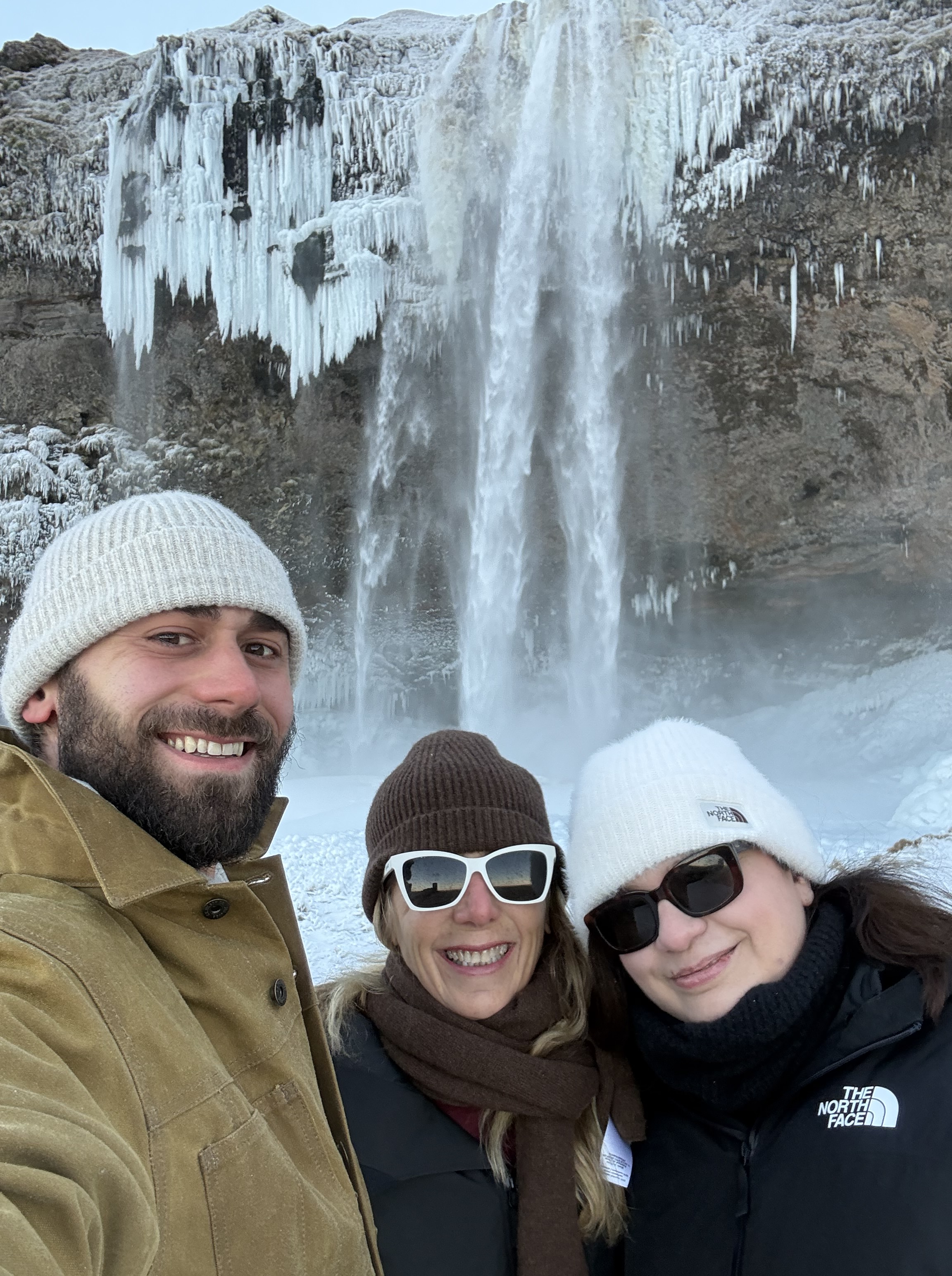
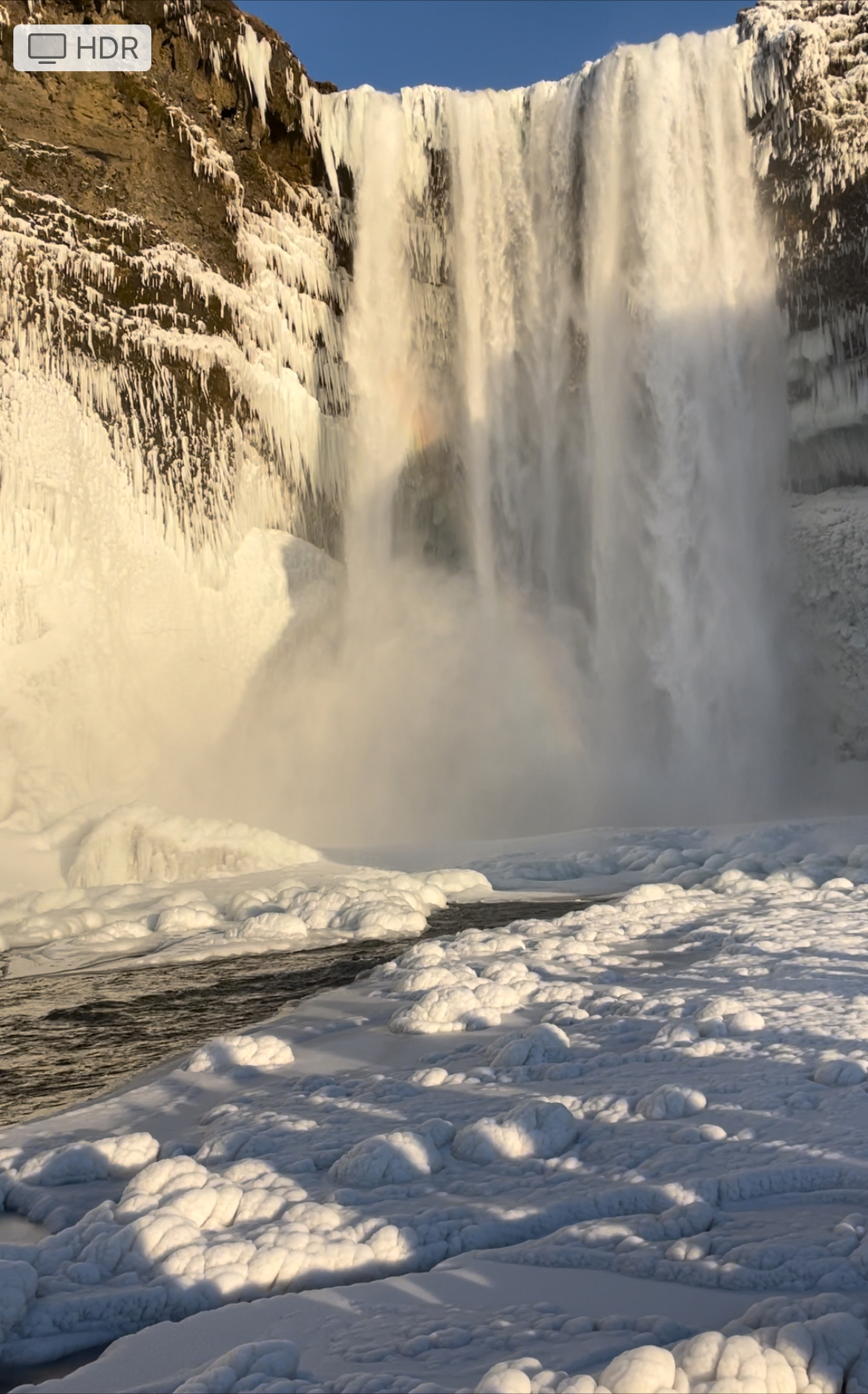
A little farther east is the Skogafoss waterfall, one of biggest waterfalls in the country. It has a 200 foot drop and is about 82 feet wide.

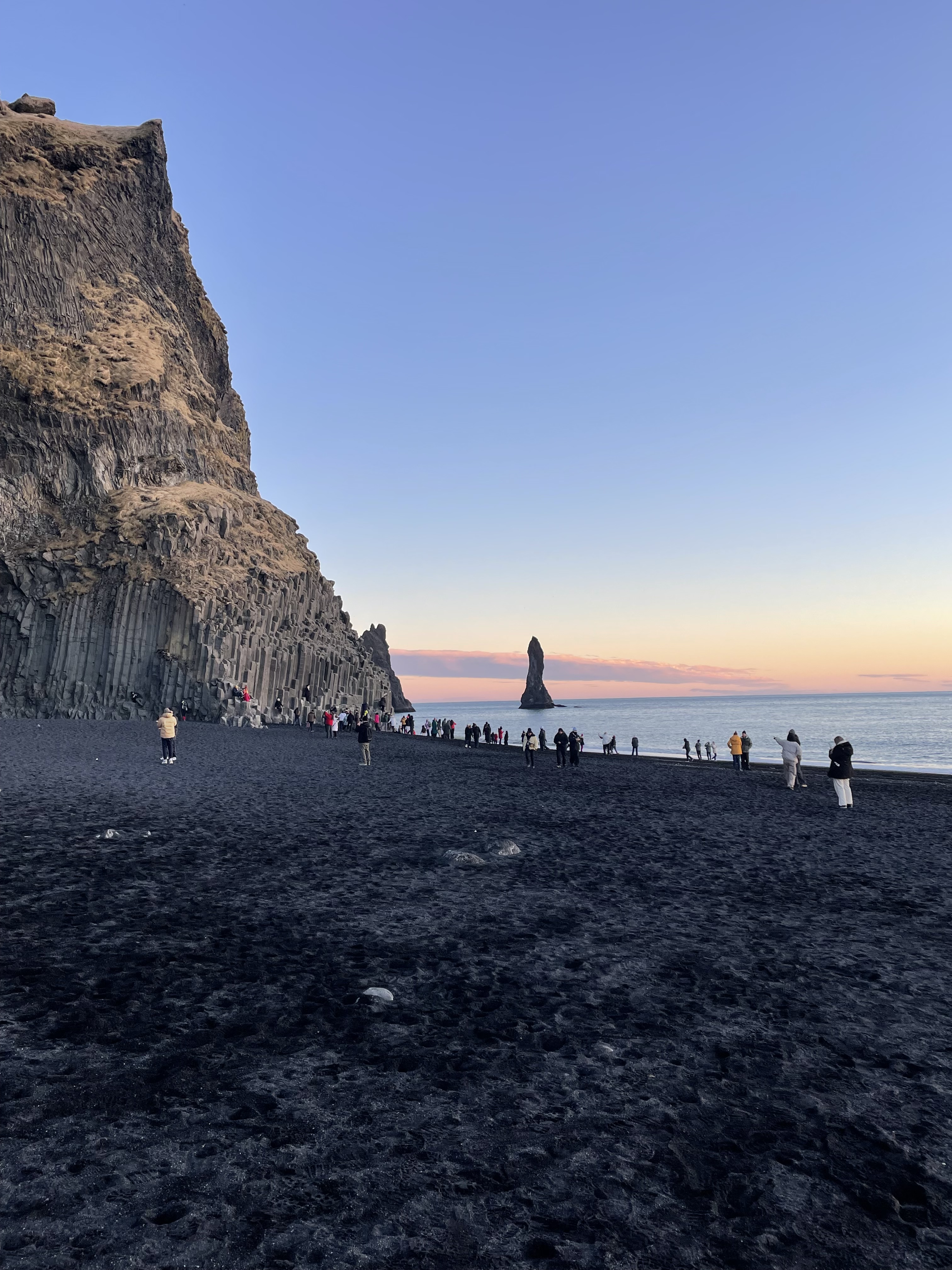
We continued further east to the small town of Vik where we enjoyed a lovely lunch in an old home converted to a cafe, Sudar-Vik, then checked in to our hotel, Black Beach Suites. The hotel is a combination of small efficiency apartments on the beach with a main building for a hostel. We walked out on the black sand for sunset.

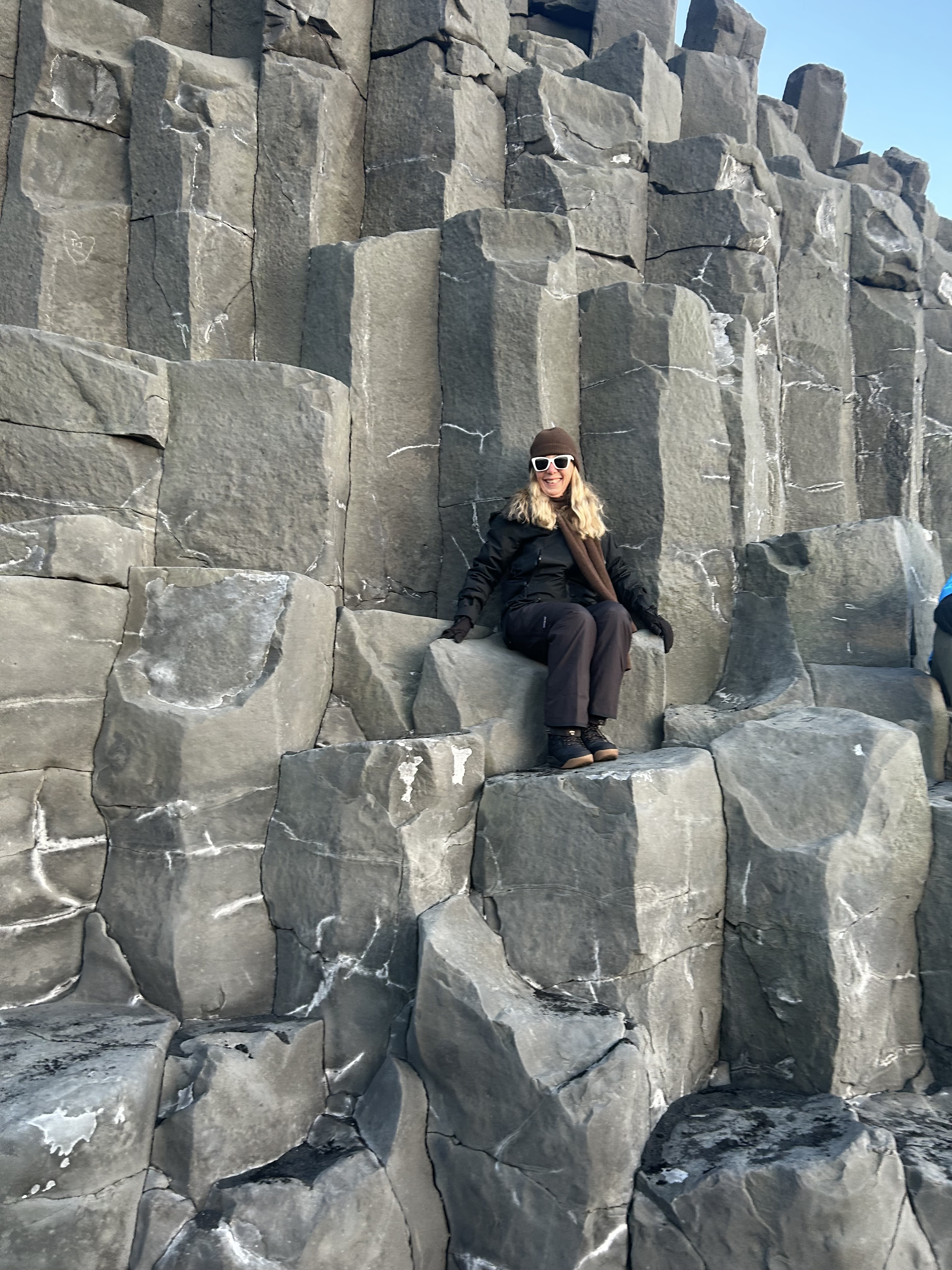
Those cliffs are completely natural and great for climbing.

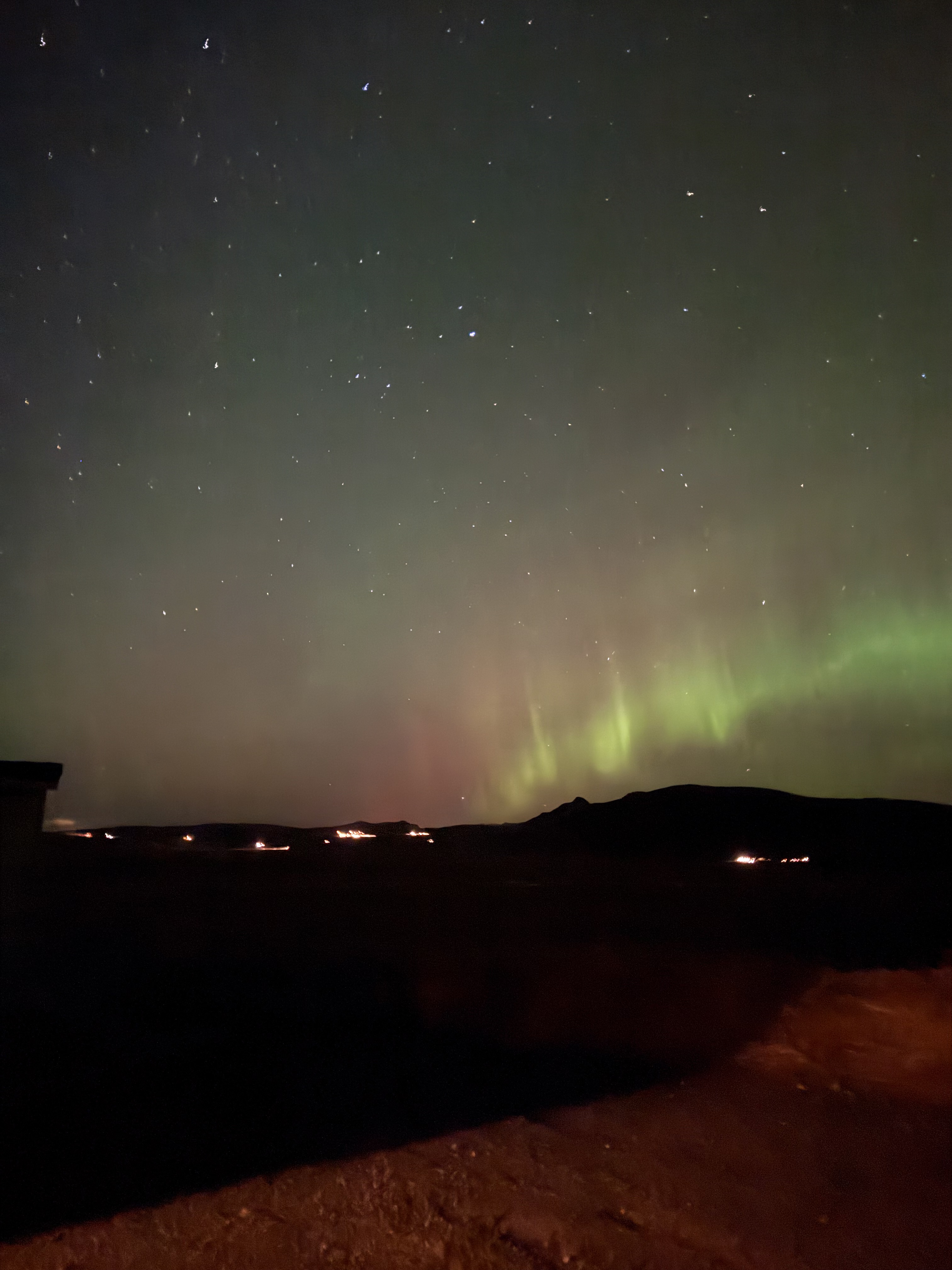
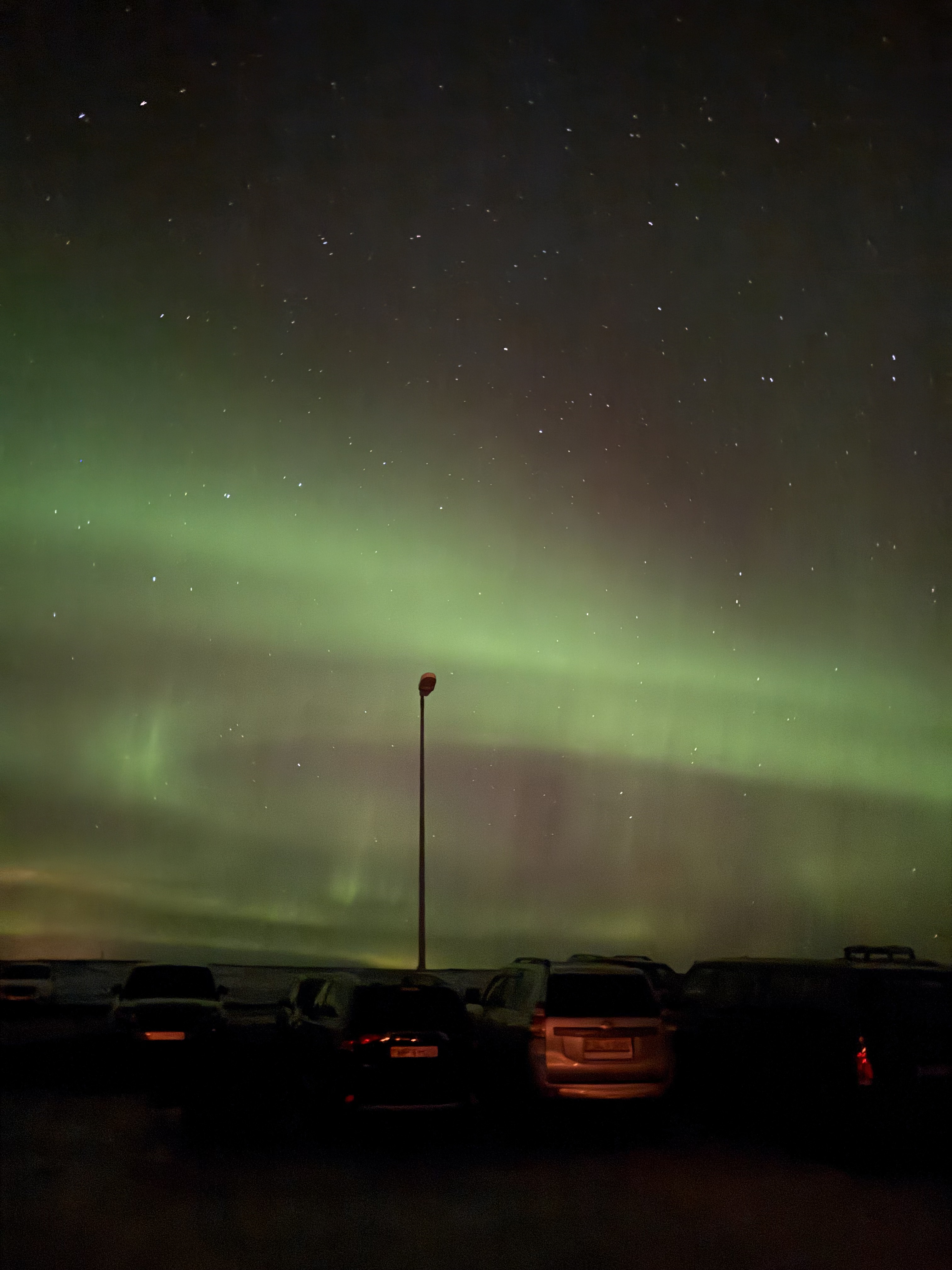
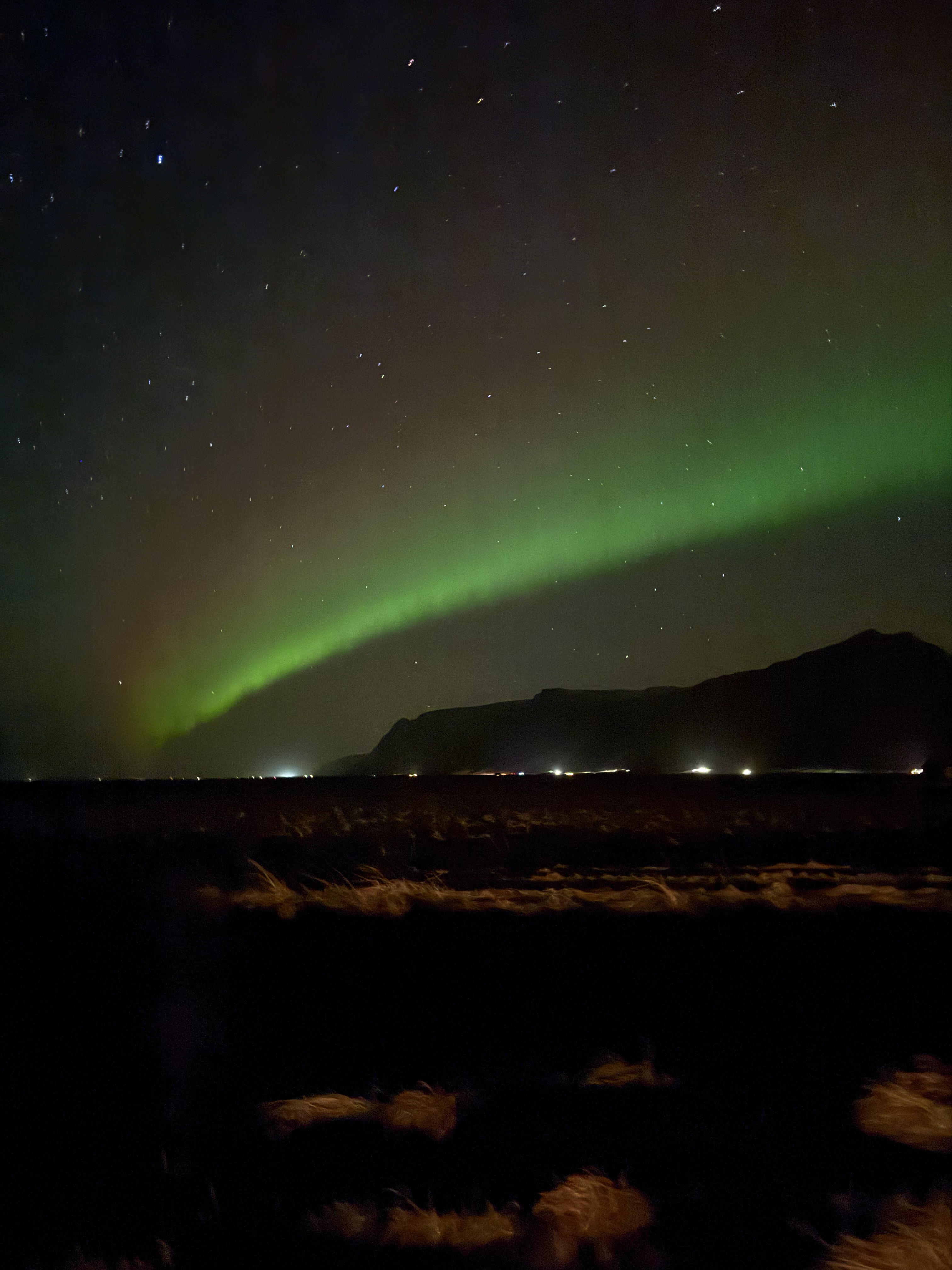
After dinner, we got our first view of the Aurora Borealis! There was no guarantee we’d see the Aurora but we planned 4 nights away from city lights and we got lucky. Don’t know that I have a “bucket list” but if I do, this was on it.

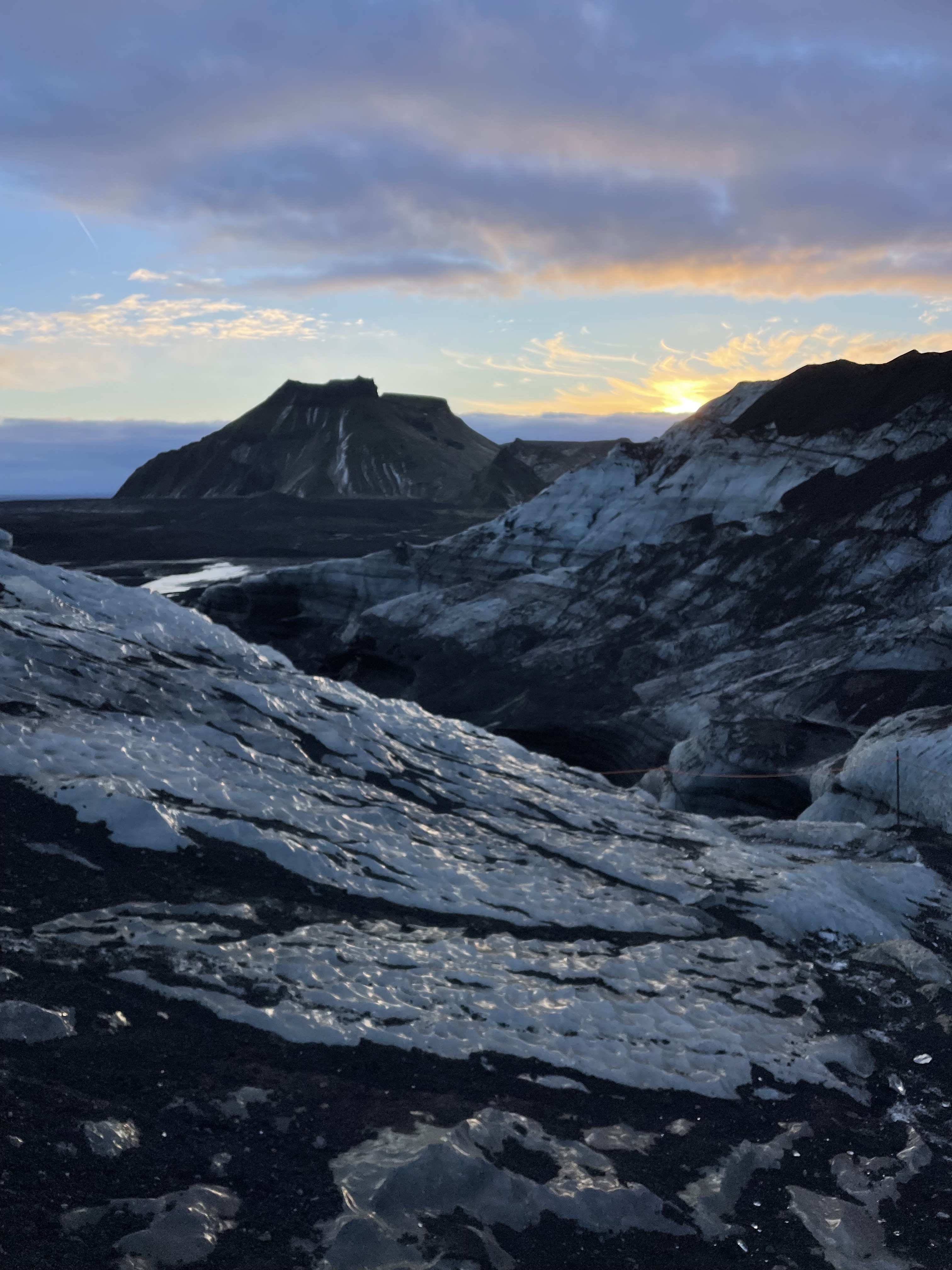
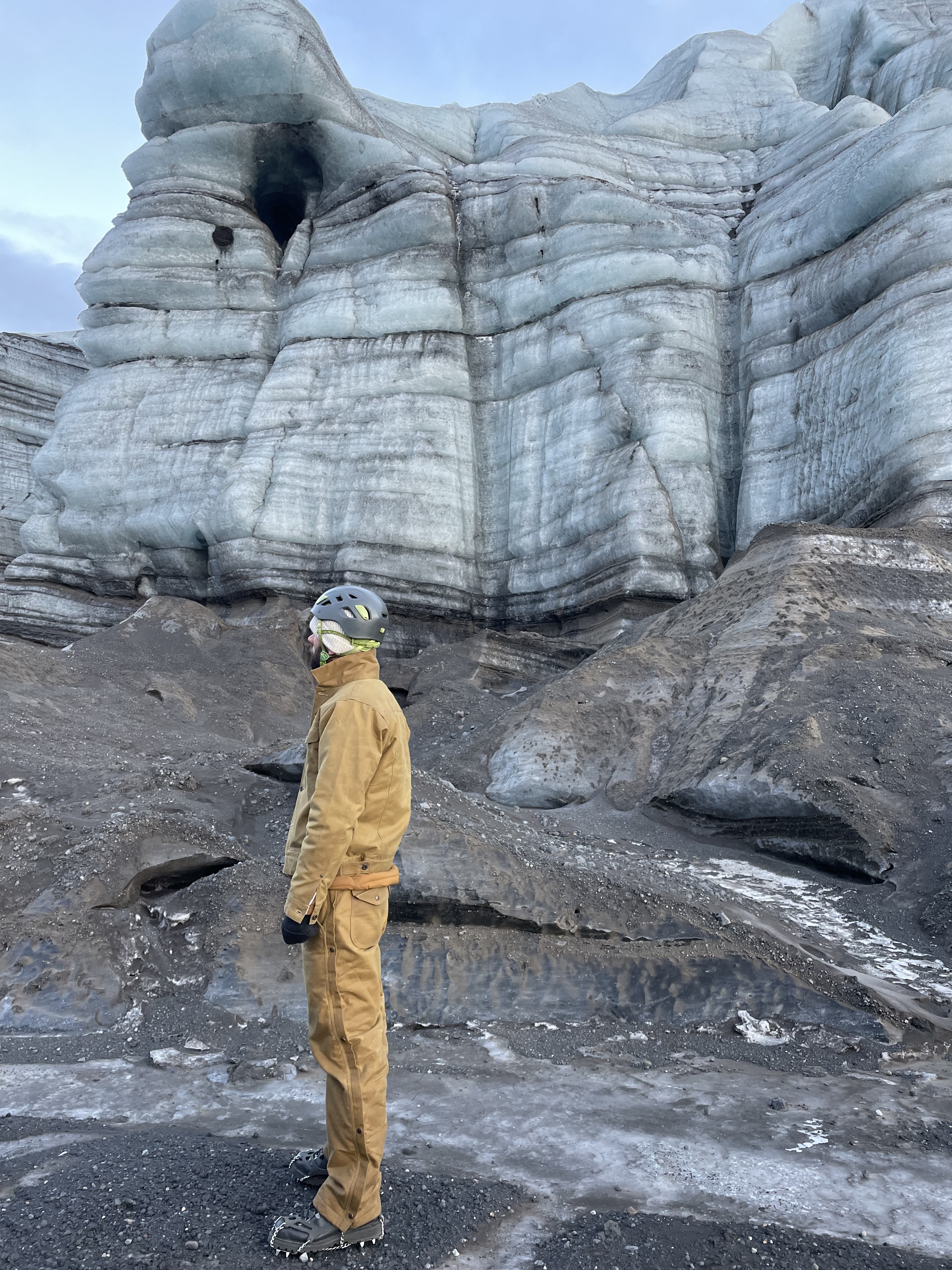
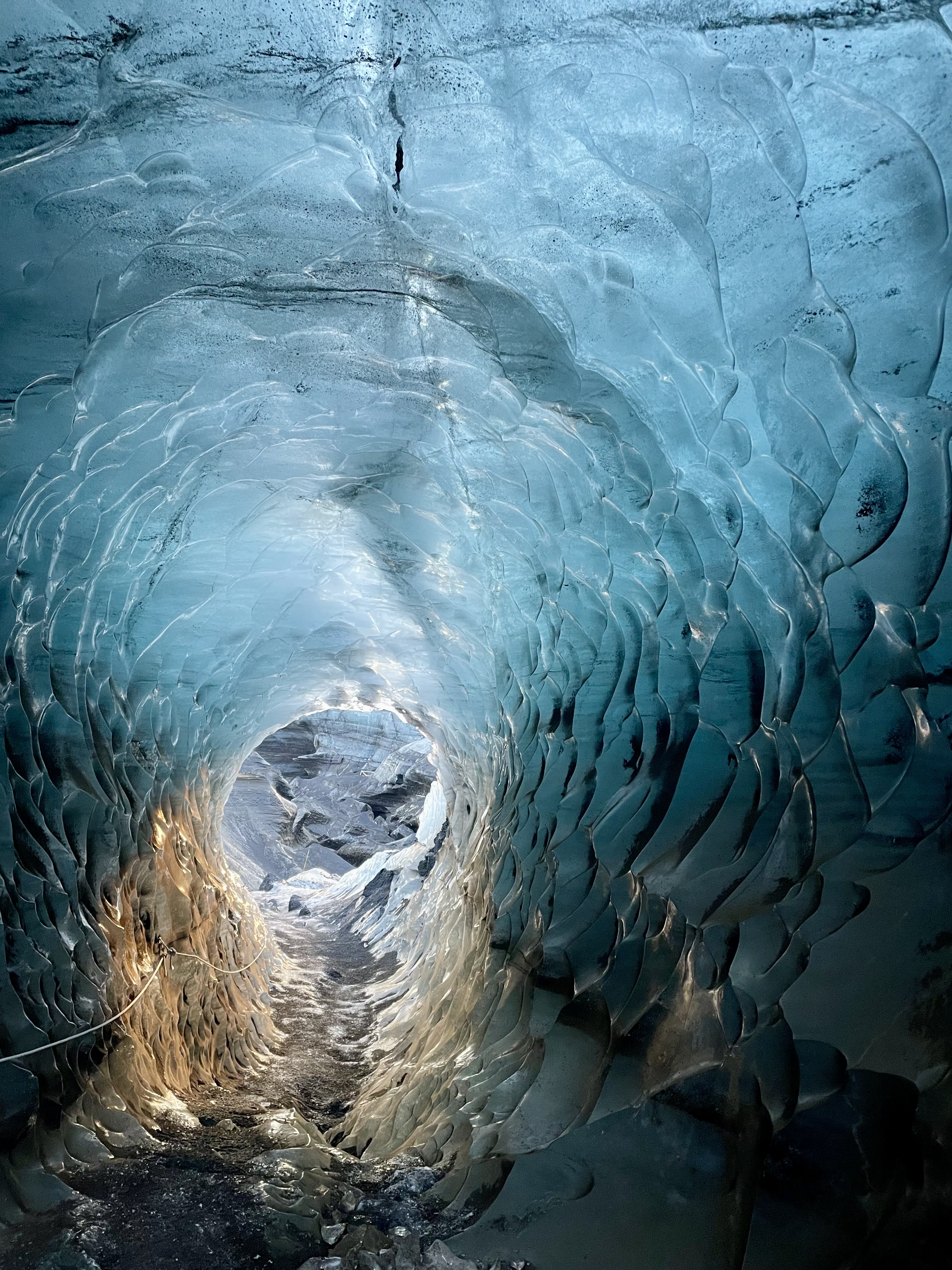
The next day we met up with a guide before sunrise (not that it’s early) and drove off-road to a glacier. Watching the sunrise over a glacier was a unique and magical experience. The landscape is unlike anything I’ve ever seen — the product of time and weather working together to create something special. It’s just another reminder of the force of nature. So crazy that the entire country was made by volcanic eruptions yet it’s covered with ice and glaciers. It’s extreme and contradictory but as real as it gets!

The compressed ice layered with volcanic ash gives it a striped look.

Our guide provided helmets and spikes for our shoes so we could walk on the glacier and hike into ice caves. As long as it wasn’t windy, we were quite comfortable in our layered clothes.

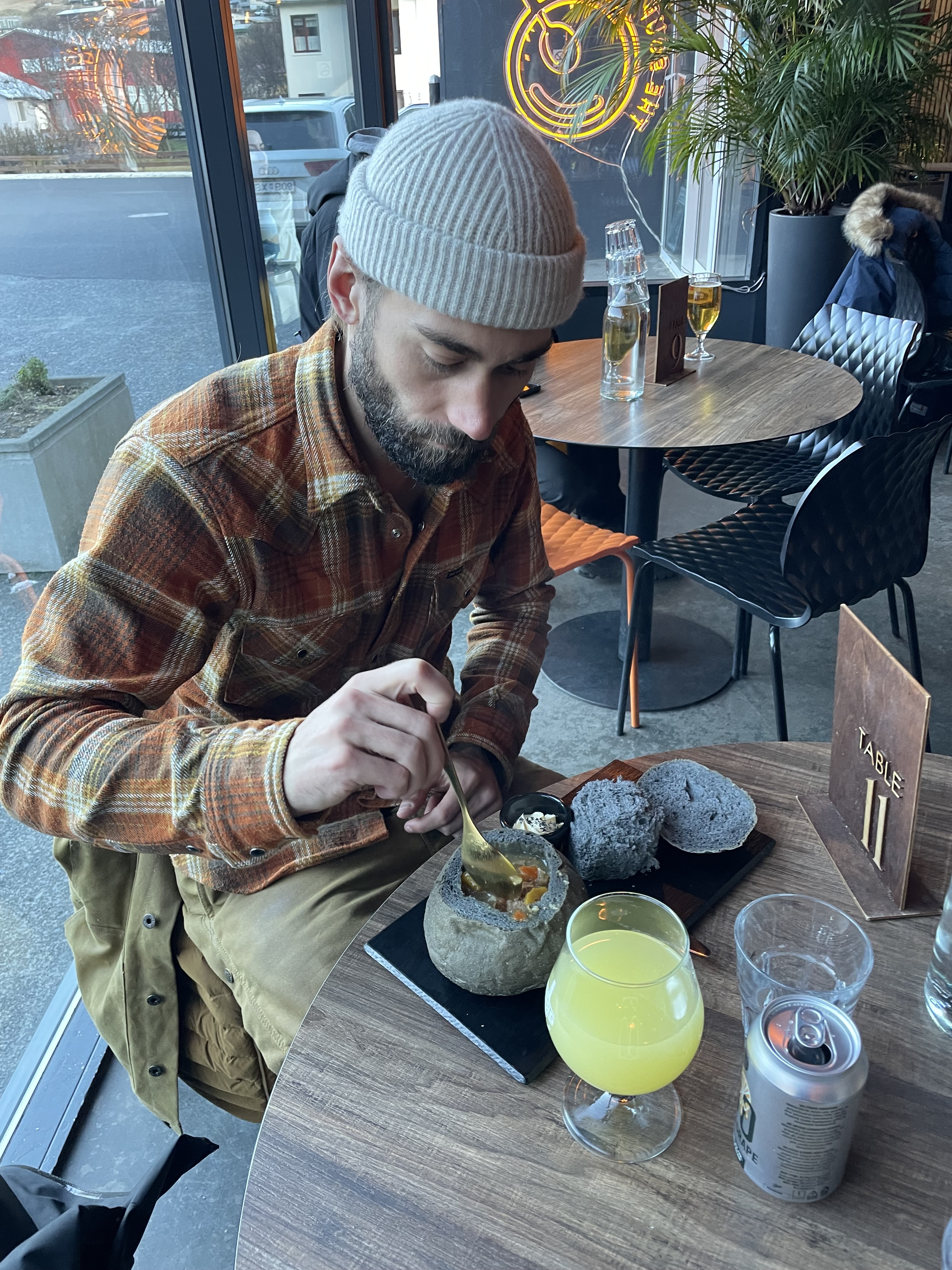
Lunch was tasty fish or lamb stew in a black bread bowl. We had uniformly delicious breads throughout the country and all of it was fresh-baked. I don’t think we were ever offered anything with preservatives. This drink was called a grape cocktail but turned out to be grapefruit. So funny!

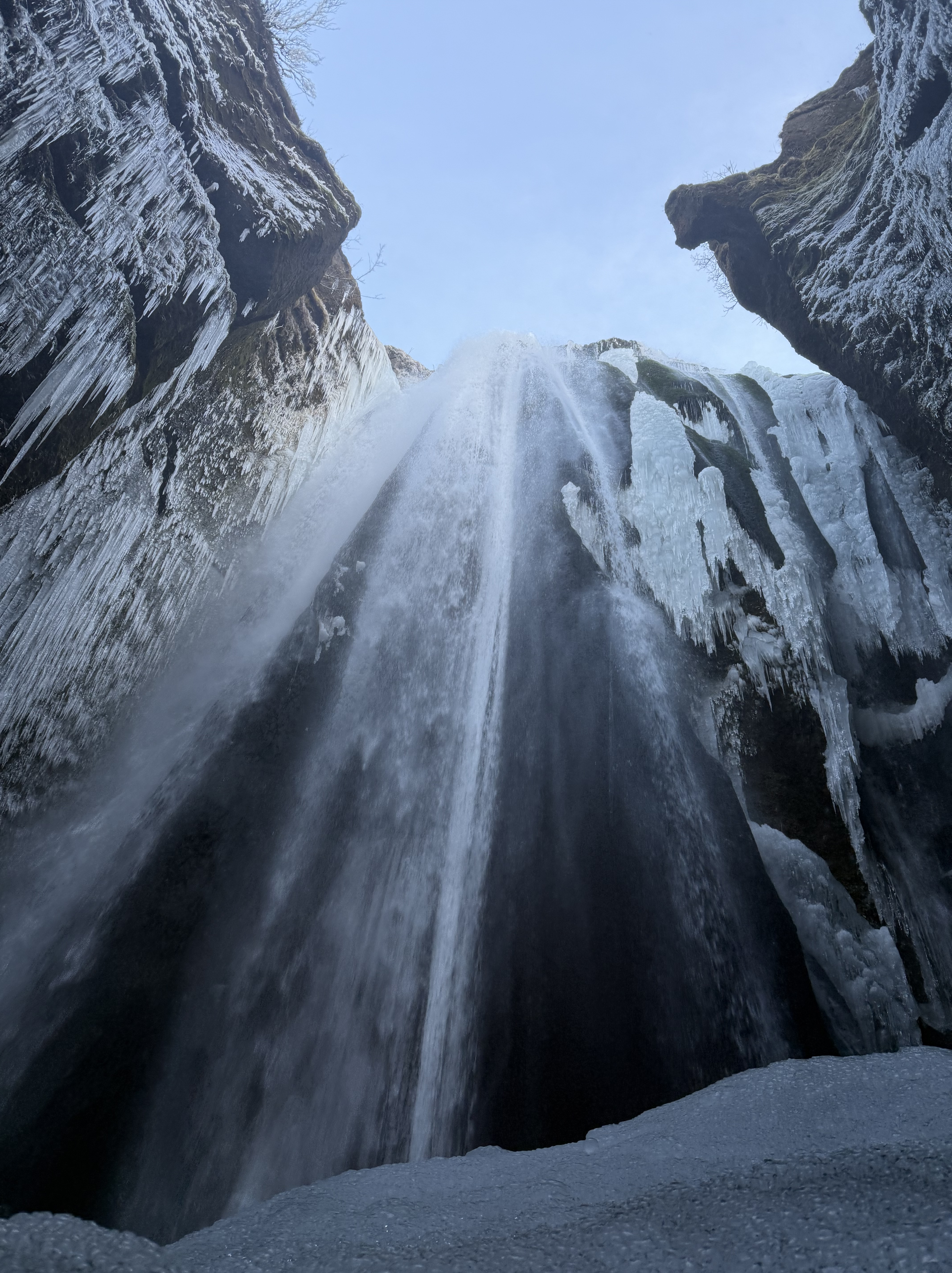
On the way to our next hotel, we stopped again at Seljalandsfoss but this time we walked past the first, big waterfall to another that, while tall, is smaller than the first and not many people took the effort to reach.

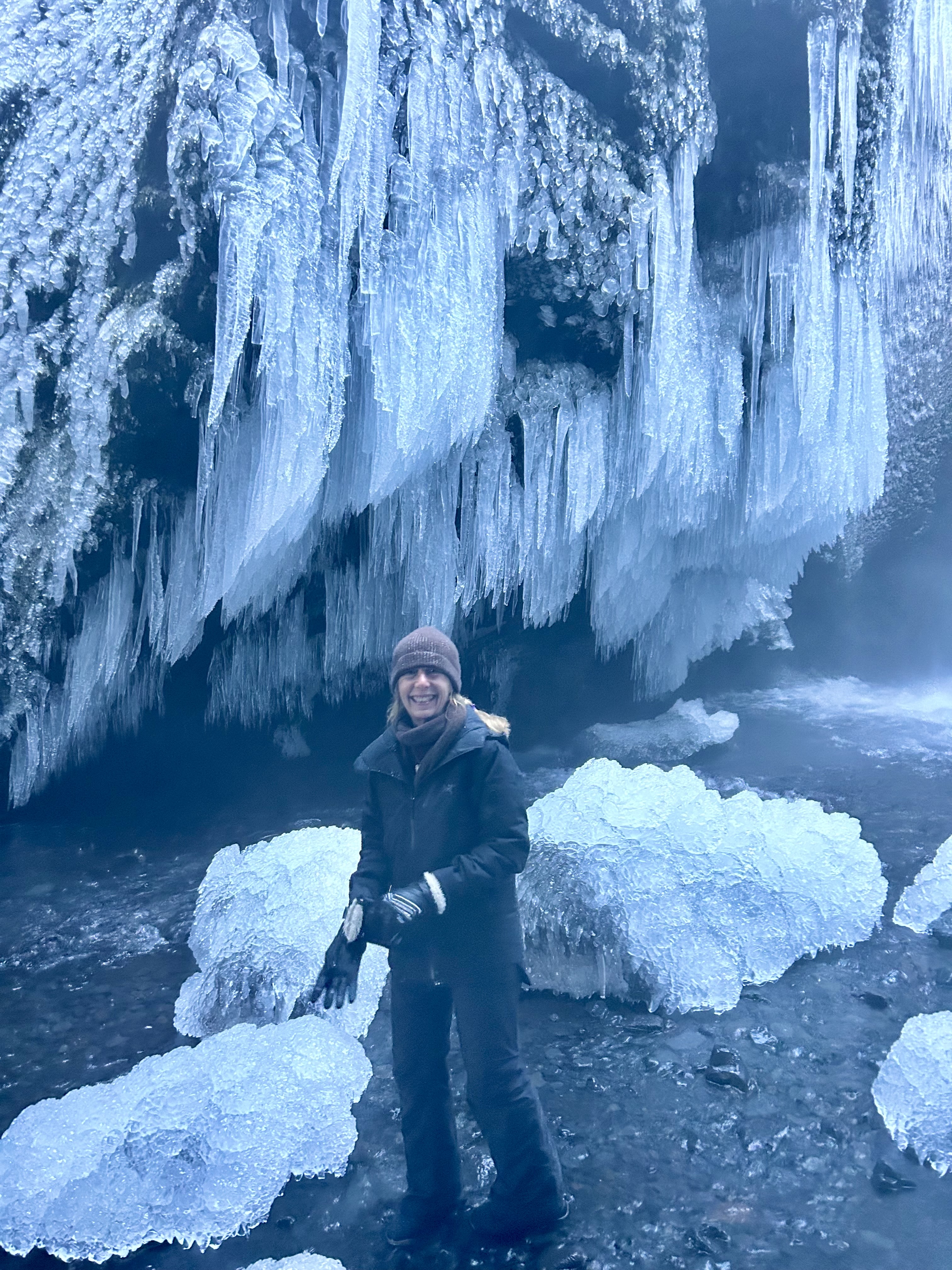
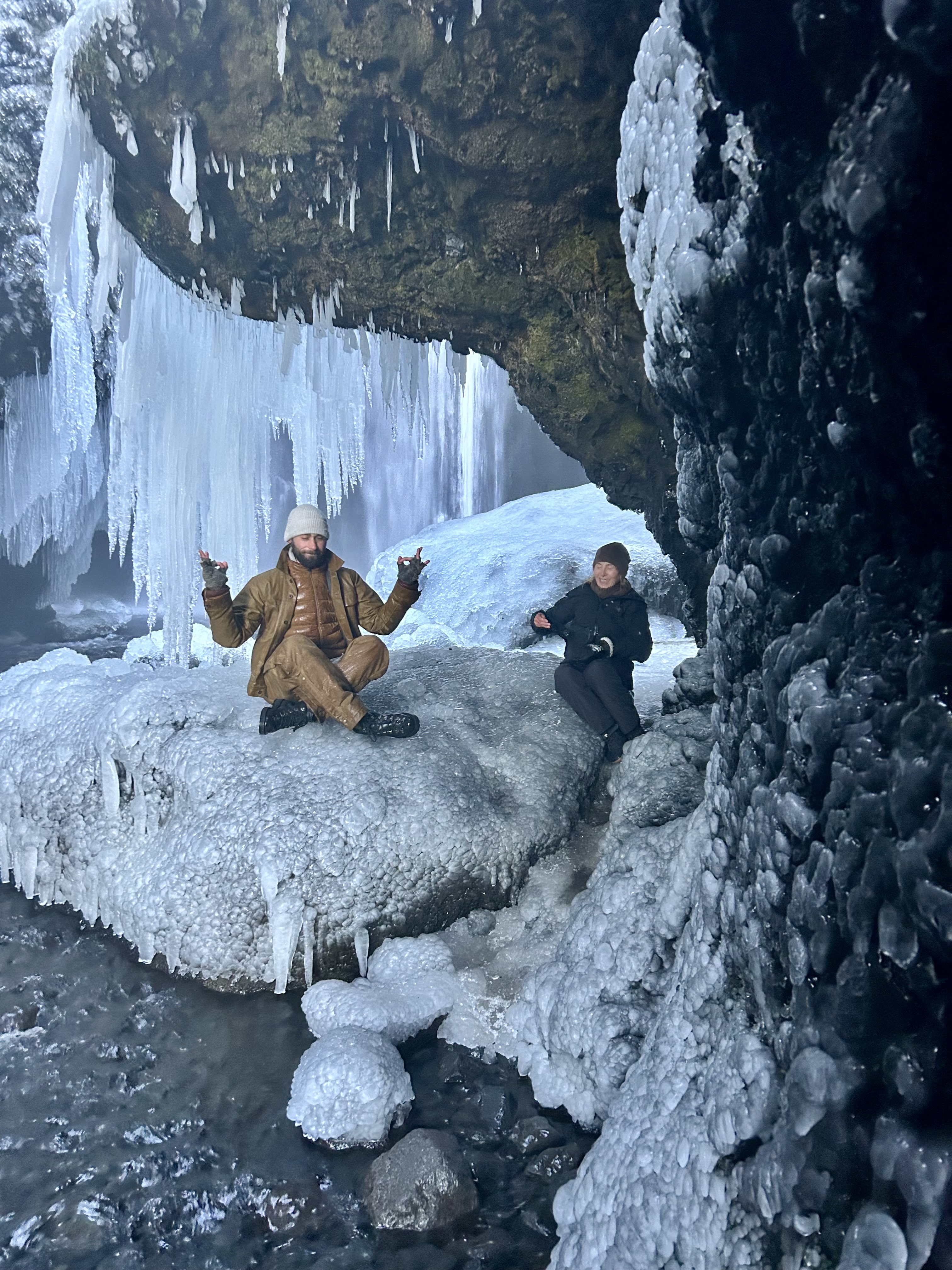
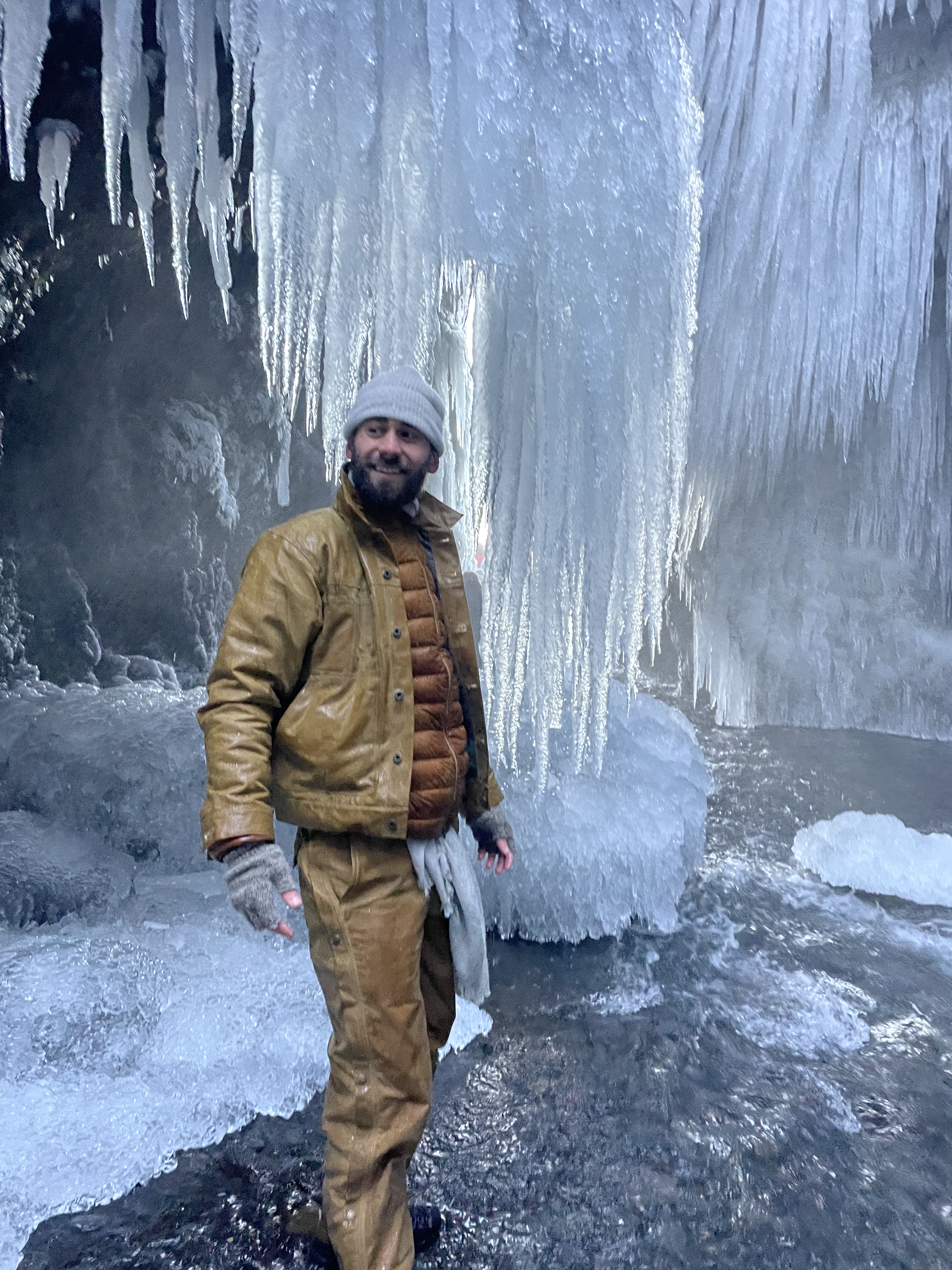
The super cool thing about it was walking under and behind the falls to an area like a cave full of ice cycles!

Just so magical! Yes, our feet got wet but we wore waterproof boots with warm, smart-wool socks and I really didn’t care. So worth it!

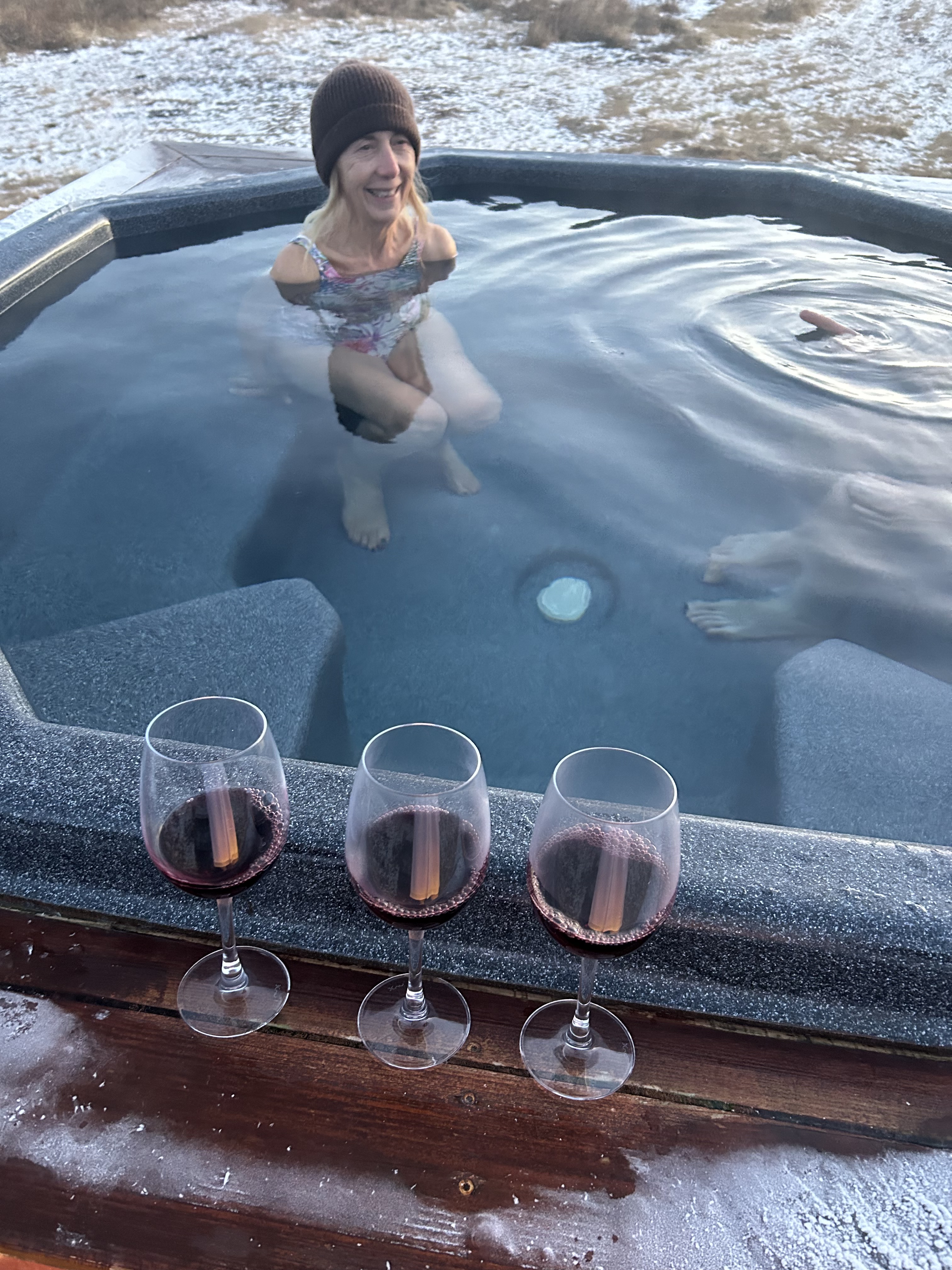
The fourth night we stayed at the Ranga Hotel which is highly-rated and was greatly anticipated. Like most places, they have a wake-up option to call when/if the Aurora Borealis begins but we also consulted an app that alerted us to the probability and the time of a light show. The hotel has hot tubs which were just perfect after a day on the ice. We shared ours with an interesting couple from Ireland. Happy hour in a hot tub, sharing travel stories, and reflecting on the day’s events was so fun it was tempting to stay in too long but I almost passed out after the heated pool at Ion so I was careful to get out while I could still navigate the icy path back to my room.

The complimentary bottle of Spanish wine was in appreciation for booking directly instead of through a third-party. Several places we stayed made similar gestures. After a delicious dinner in the hotel restaurant, we put our cold-weather clothes back on and went out in hopes of a light show. The hotel had insulated overalls to slip on as an option.

We were not disappointed!

Morning again and we used our daylight to visit another waterfall and some ancient man-made caves. It was cold and windy but no precipitation.

This was a beautiful area but it was very windy so we didn’t spend much time here. When the wind died down, the cold temperature was fine but hiking with the wind howling was another story.

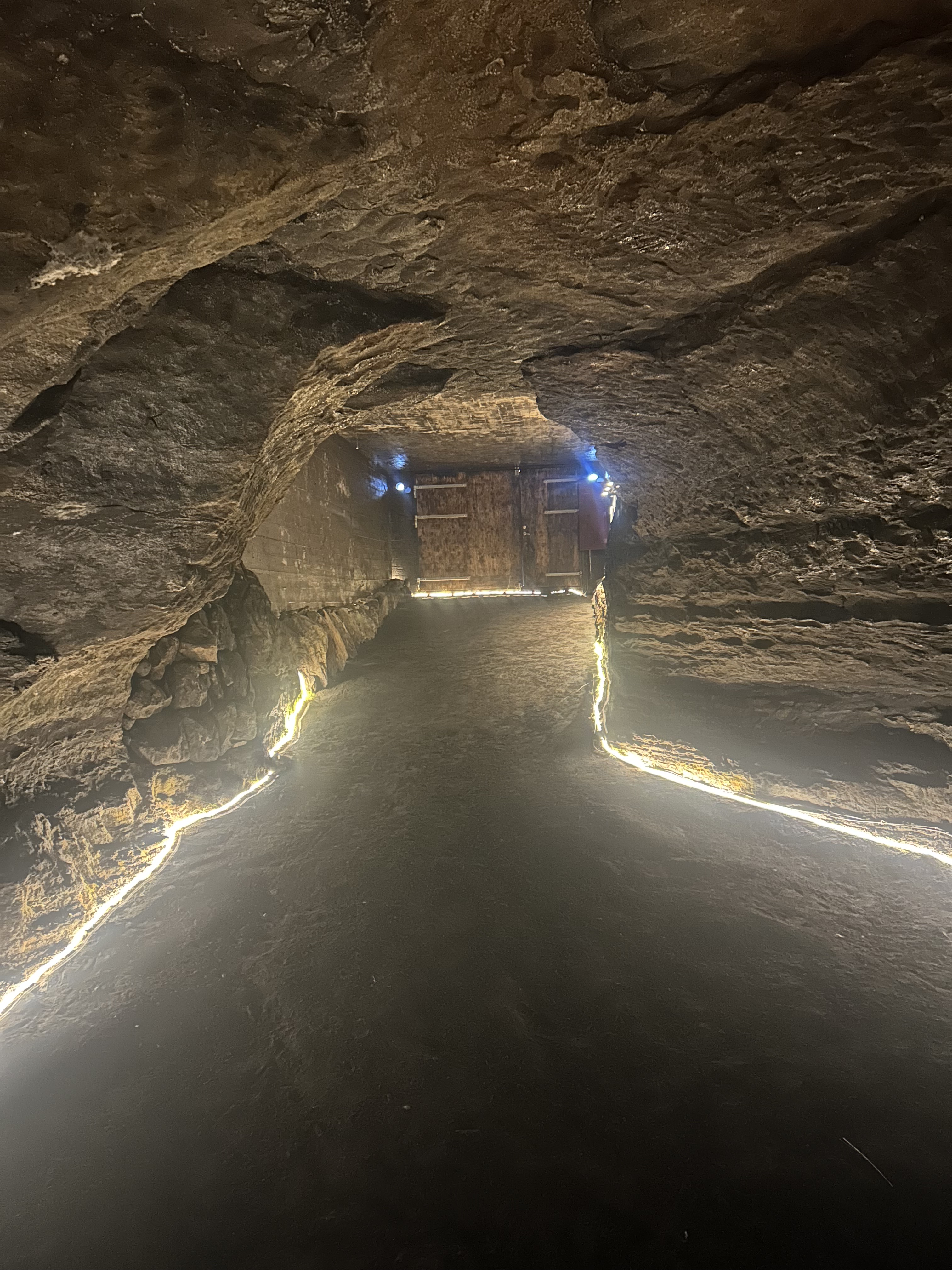
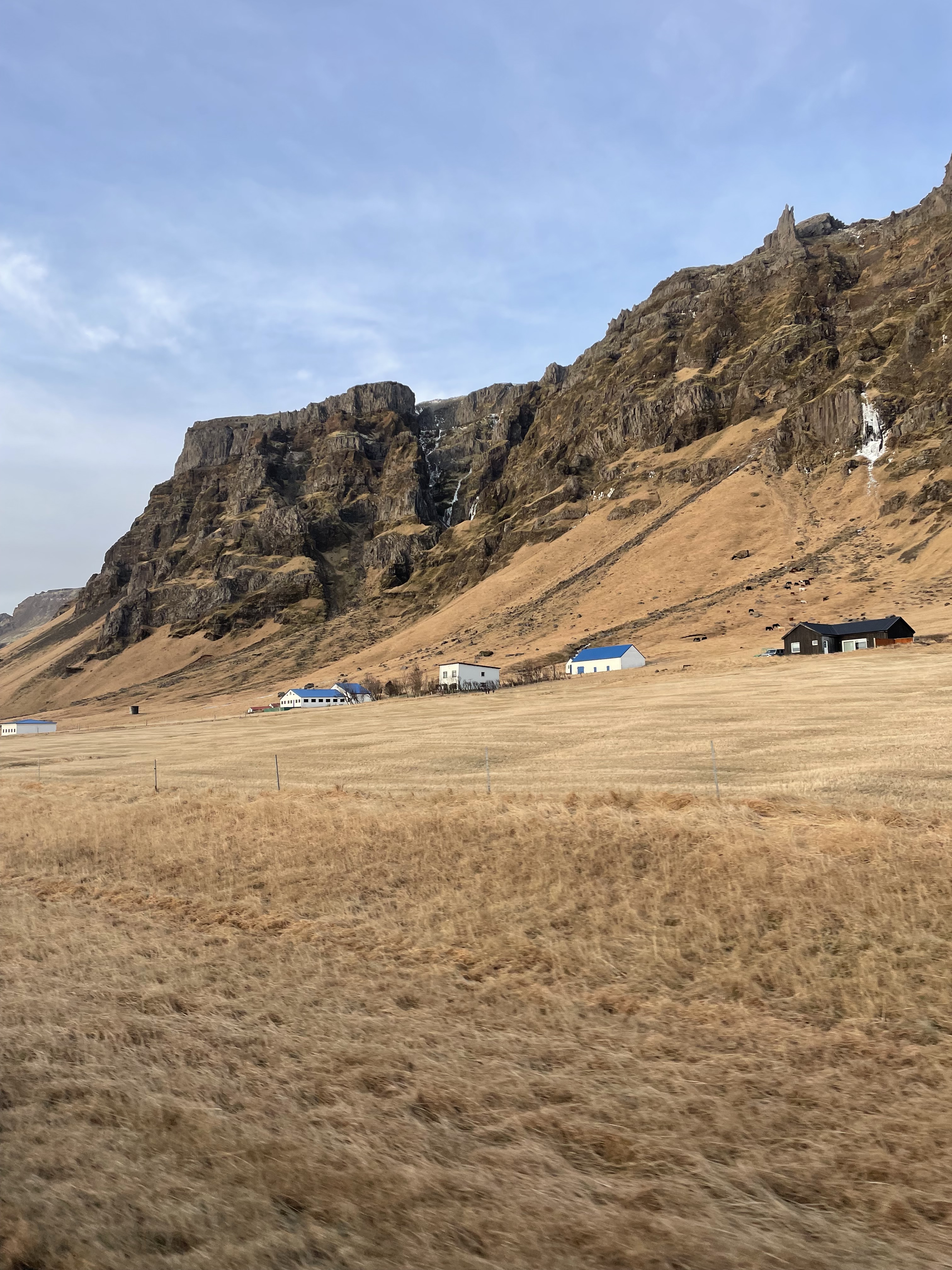
The history of these caves is sketchy and seemed to be mostly speculation but, pretty sure, they were used for shelter and storage for people, animals and harvests. Just driving through the countryside was time well-spent. We passed mile after mile of gorgeous landscapes with very few buildings of any kind.

Our next hotel was Umi and it turned out to be one of our favorites. We enjoyed a couple games of backgammon in the lovely lobby/lounge and a fine dinner in the hotel restaurant. Although we went out for lunch every day, dinner was almost always at the hotel. Remember, these hotels are quite isolated and definitely not within walking distance of anything except nature. Happily, I never saw a fast-food franchise or any chain restaurant. The dining options offered a lot of local character with European influence. I’m pescatarian and that was no problem since fresh haddock, salmon, char, and cod were on most menus.

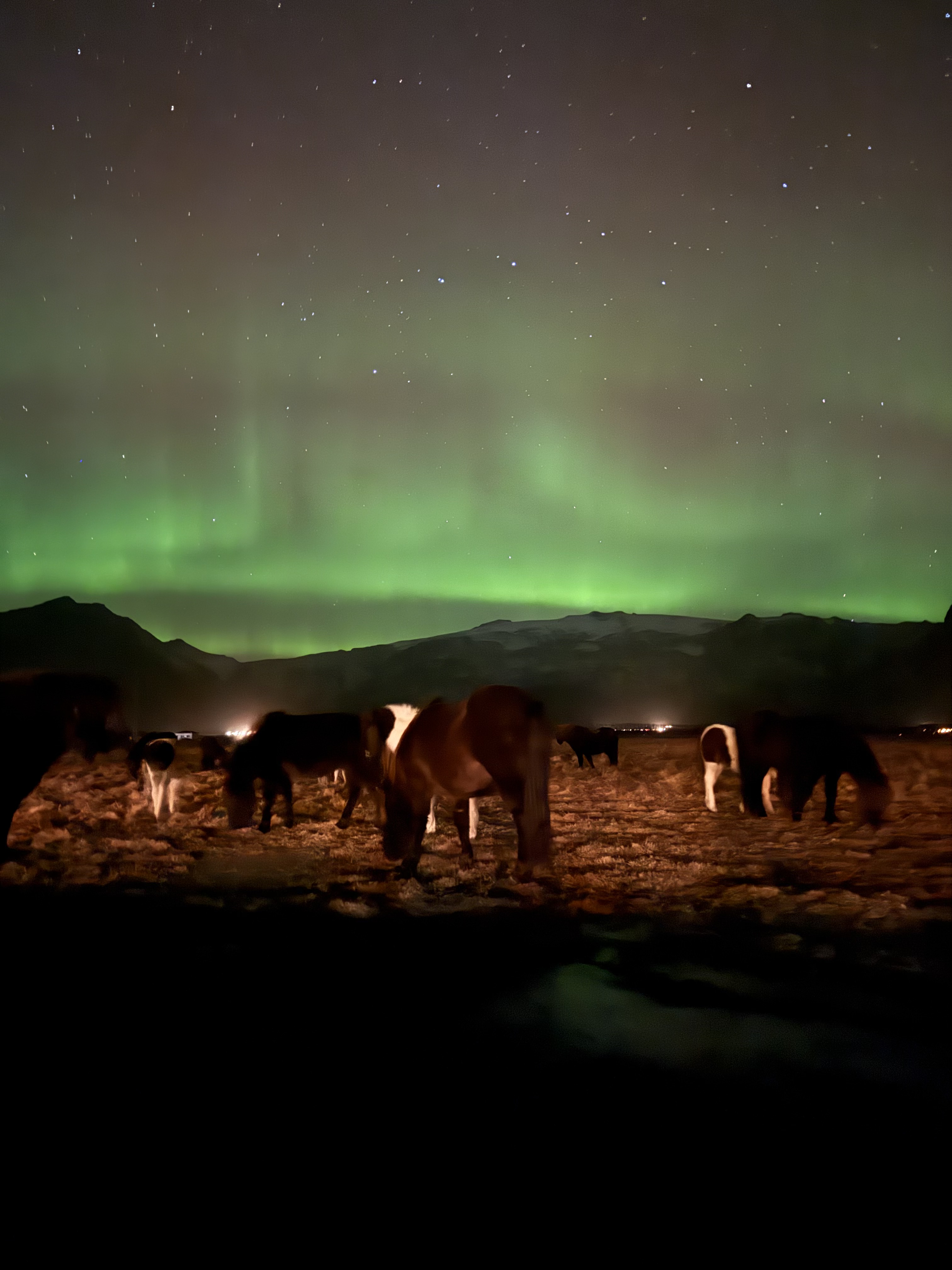
After dinner, we checked the app and waited for optimal time for a light show. Precisely as predicted, at 9:00 PM we were honored by yet another display of greens, yellows and pinks across the northern sky.

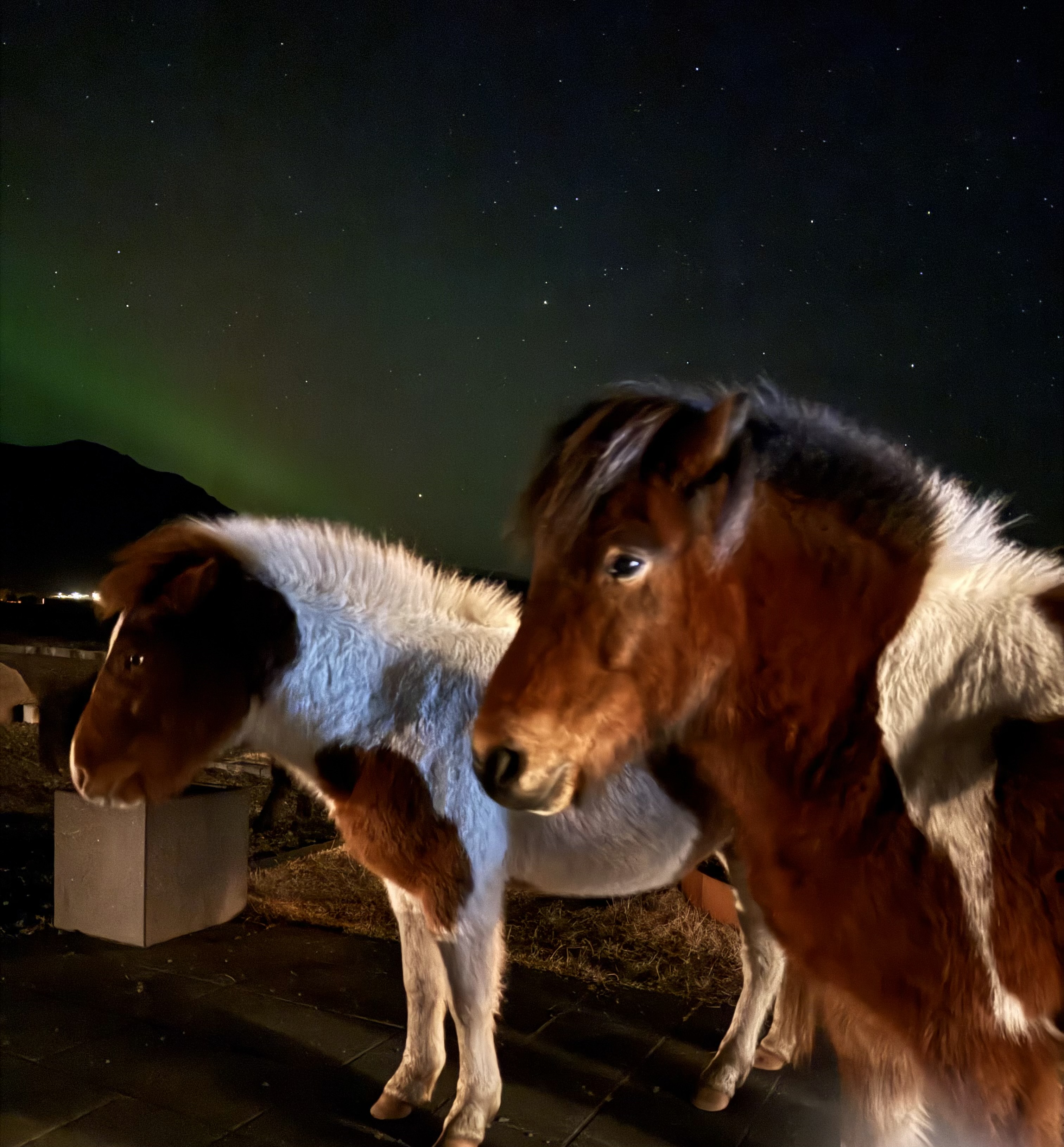
To top it off, a couple dozen Icelandic horses walked up to us! They were super furry and very docile. They even tried to walk into the hotel lobby when the automatic doors opened which was quite funny to us, if not to the hotel staff.

You can’t make this up! Friendly horses joining our sky viewing was super exciting and completely unexpected.

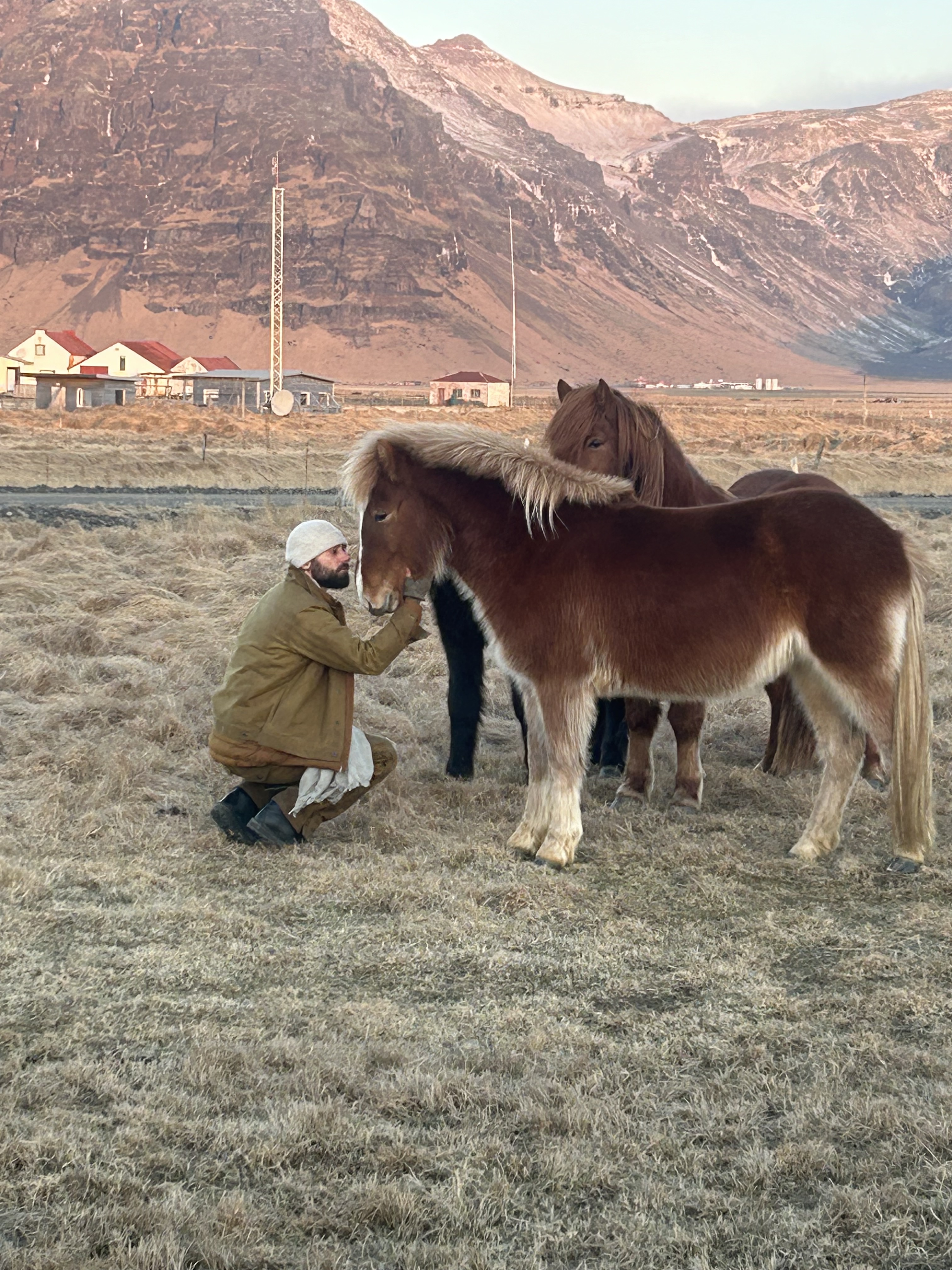
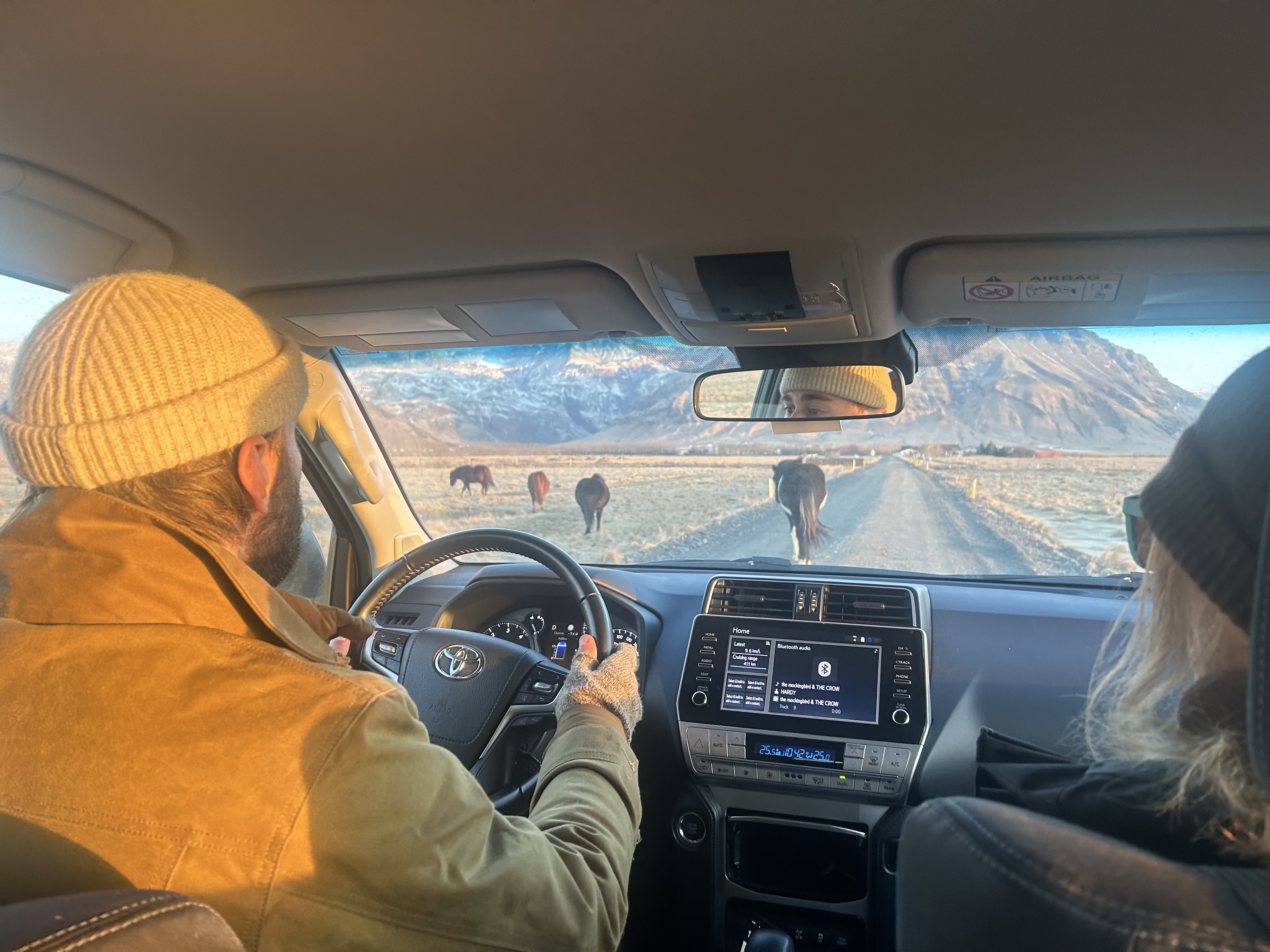
Our last morning on the South Coast was shared with the sweet horses.

I assume they have owners but they were definitely not fenced in.

Back in Reykjavik for our last night, we popped into one of the many little pubs/cafes.

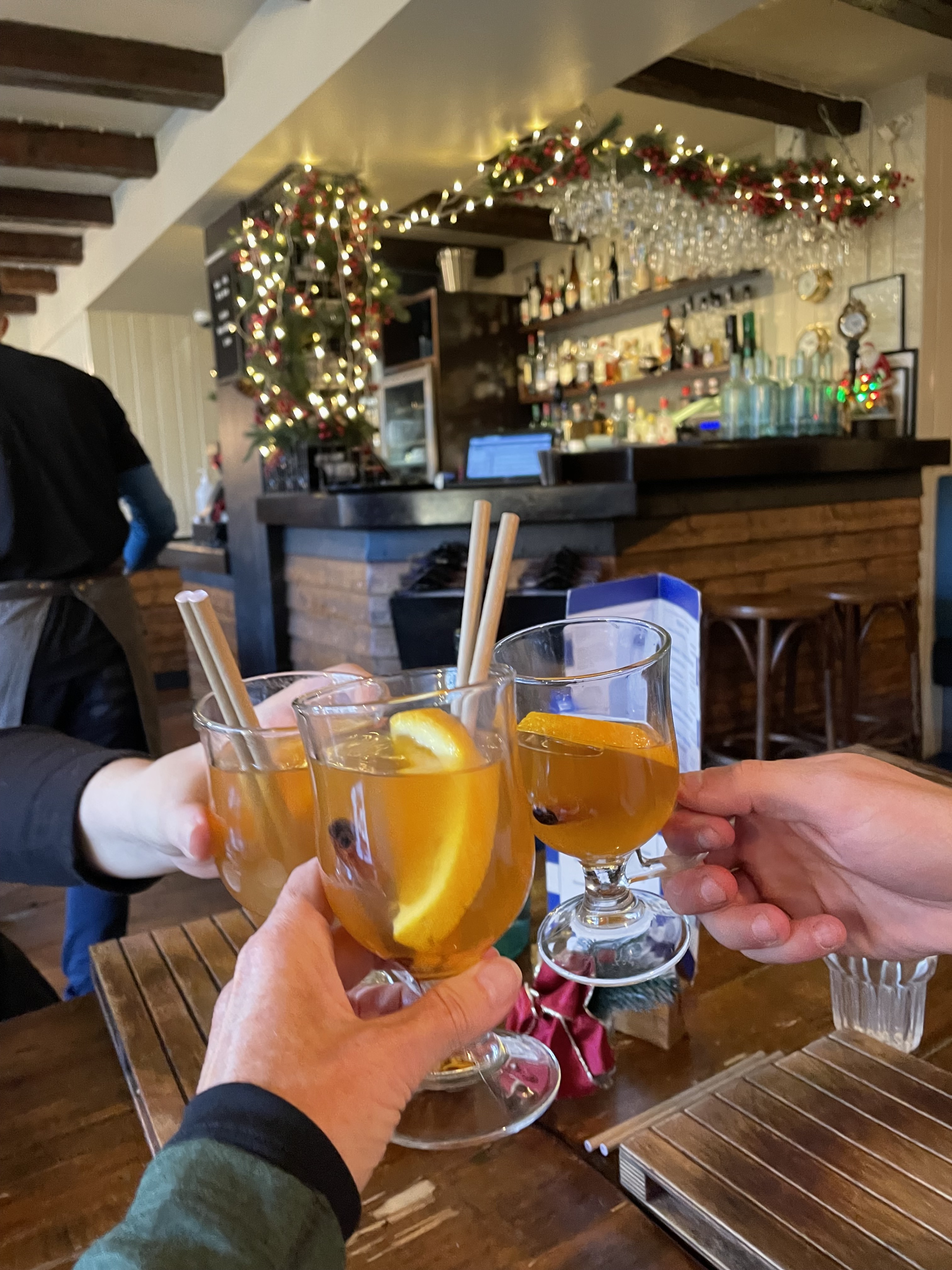
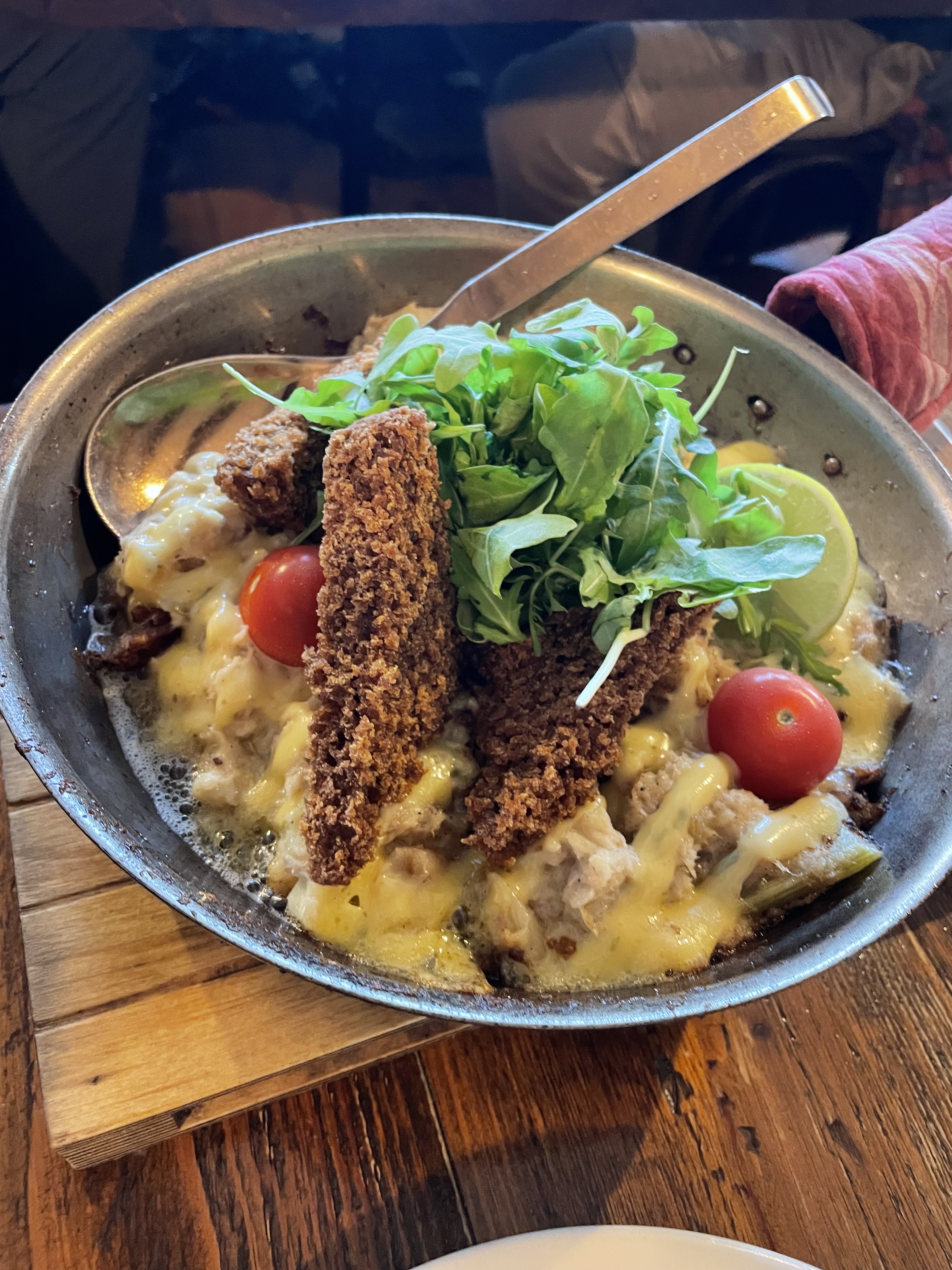
The hot cider was just right to warm us but the cold, clear water was equally good. We were often told that Iceland has the best water in the world. It’s all glacier water and, I’ll admit, it really is superior to any water I’ve had before. No plastic bottles; straight from the tap. I ordered a typical cod stew with potatoes and cheese. Served with fresh, rye bread, it was more than I could eat and very tasty.

We saw a lot of potatoes and beets on menus but not many other vegetables and almost no fruit as it all must be imported. But there was no end to fresh fish, lamb and homemade breads.

Our first and last nights were both spent at the Expedition Marriott. It has a lobby fire pit with lots of chairs around it plus a spa that is complimentary for hotel guests. Both offer nice opportunities to warm up and relax with other hotel guests. The roof top bar that opens most nights could have been good but the cold wind made it impossible to stay outside long. Anyway, there were too many lights so no chance of seeing the Northern Lights.

On our last day we drove to Keflavik for lunch at a waterside restaurant that was recommended by our hotel concierge. While there, we watched a well-dressed woman with a baby carriage leave the carriage with the baby in it outside alone while she came in the warm restaurant for lunch with friends! This seems crazy to me but, apparently, it’s customary to leave babies outside so they get used to the cold. I was told that minus 5 degrees Celsius (23 degrees F) is considered optimal for babies but they don’t leave them out below minus 10 C (14 degrees F).

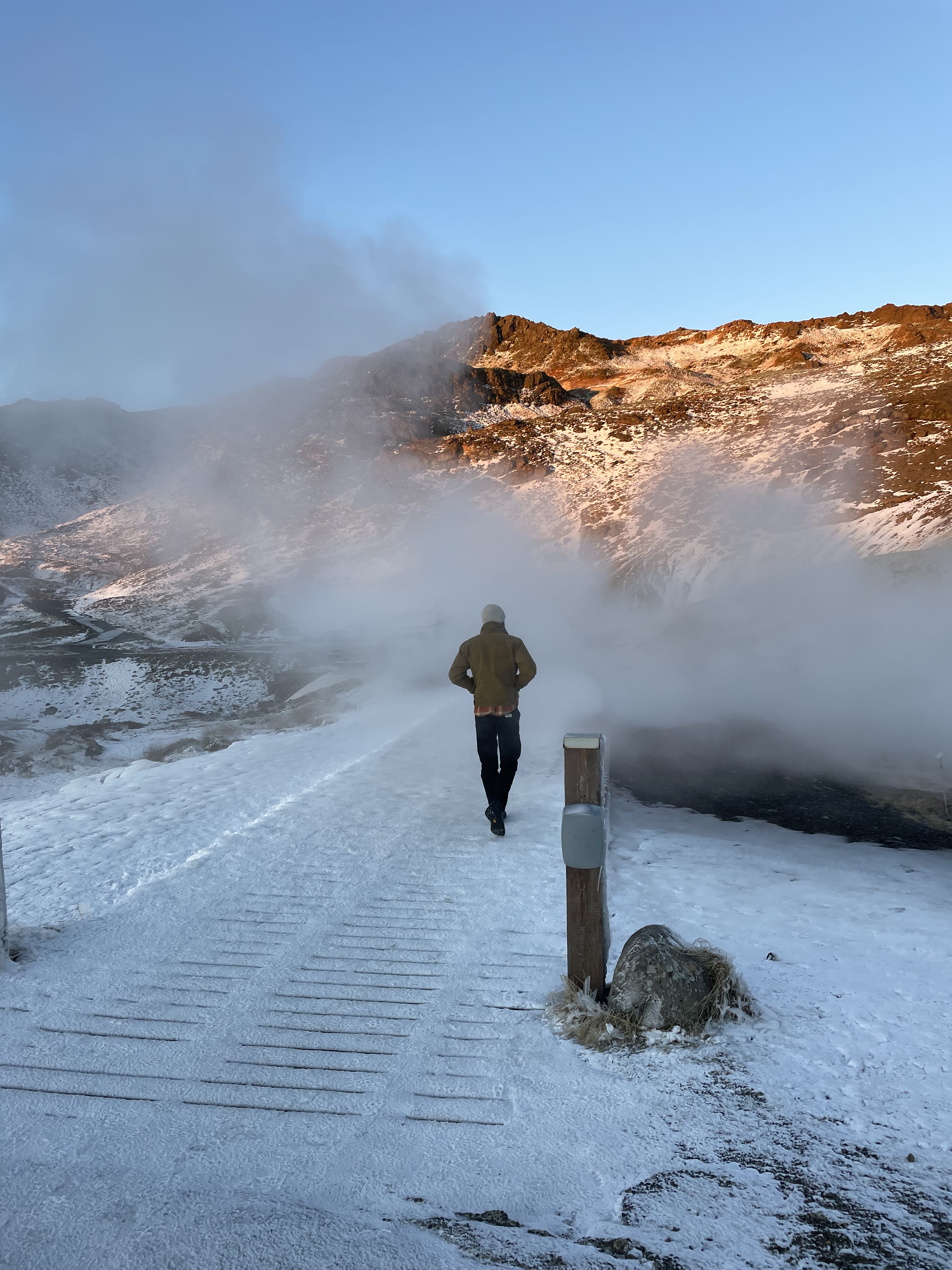
Before returning the car and checking in for our flights, we drove out to Gunnuhver, a nature park with wooden walkways passing through steam. Unlike the geysers on the Golden Circle, the steam shoots up continuously … a reminder of the heat just below the surface.

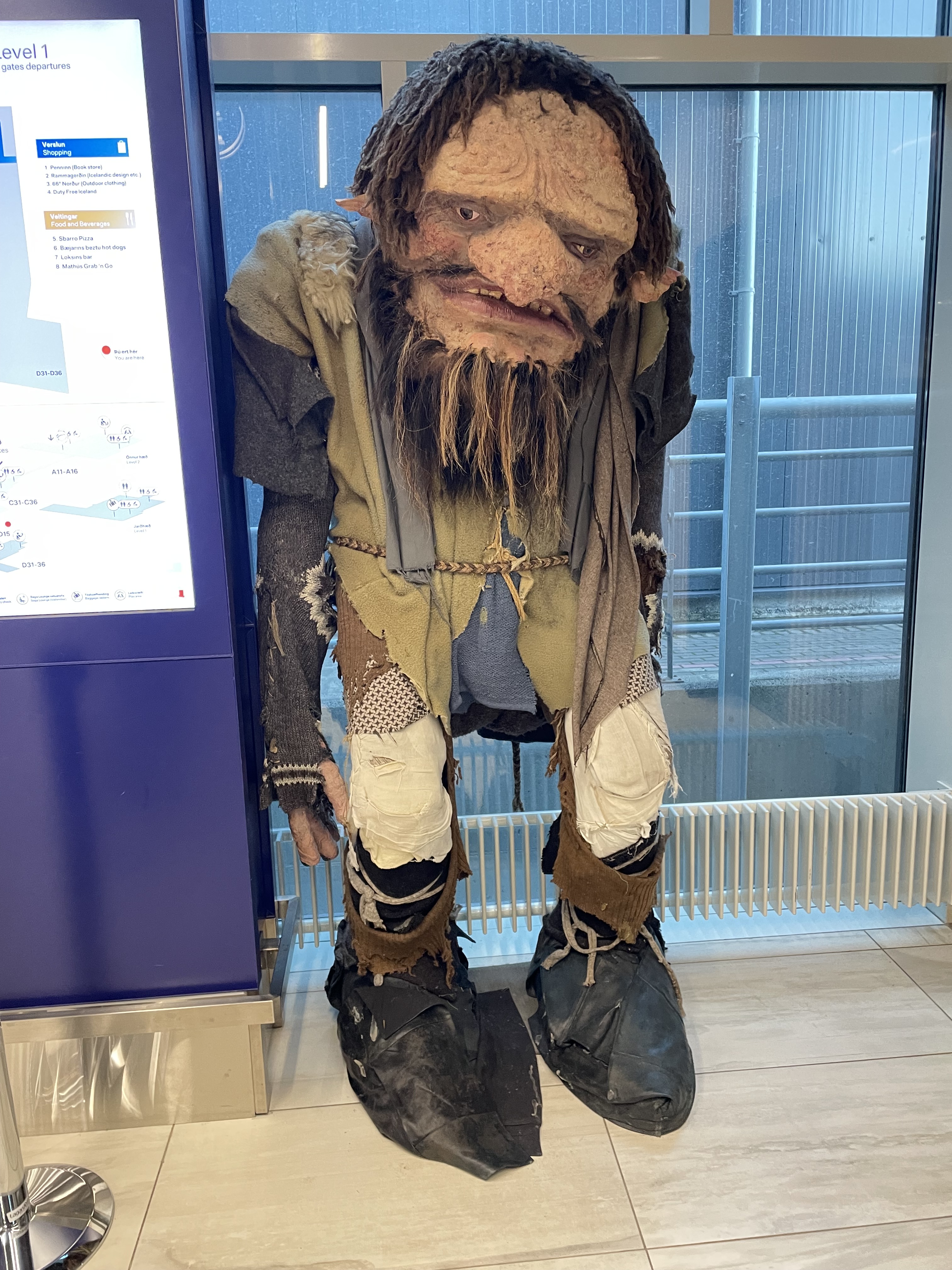
At the airport we were greeted by Krampus, the legendary character who steals bad children at Christmastime. I’m glad this European tradition hasn’t caught on in the States.

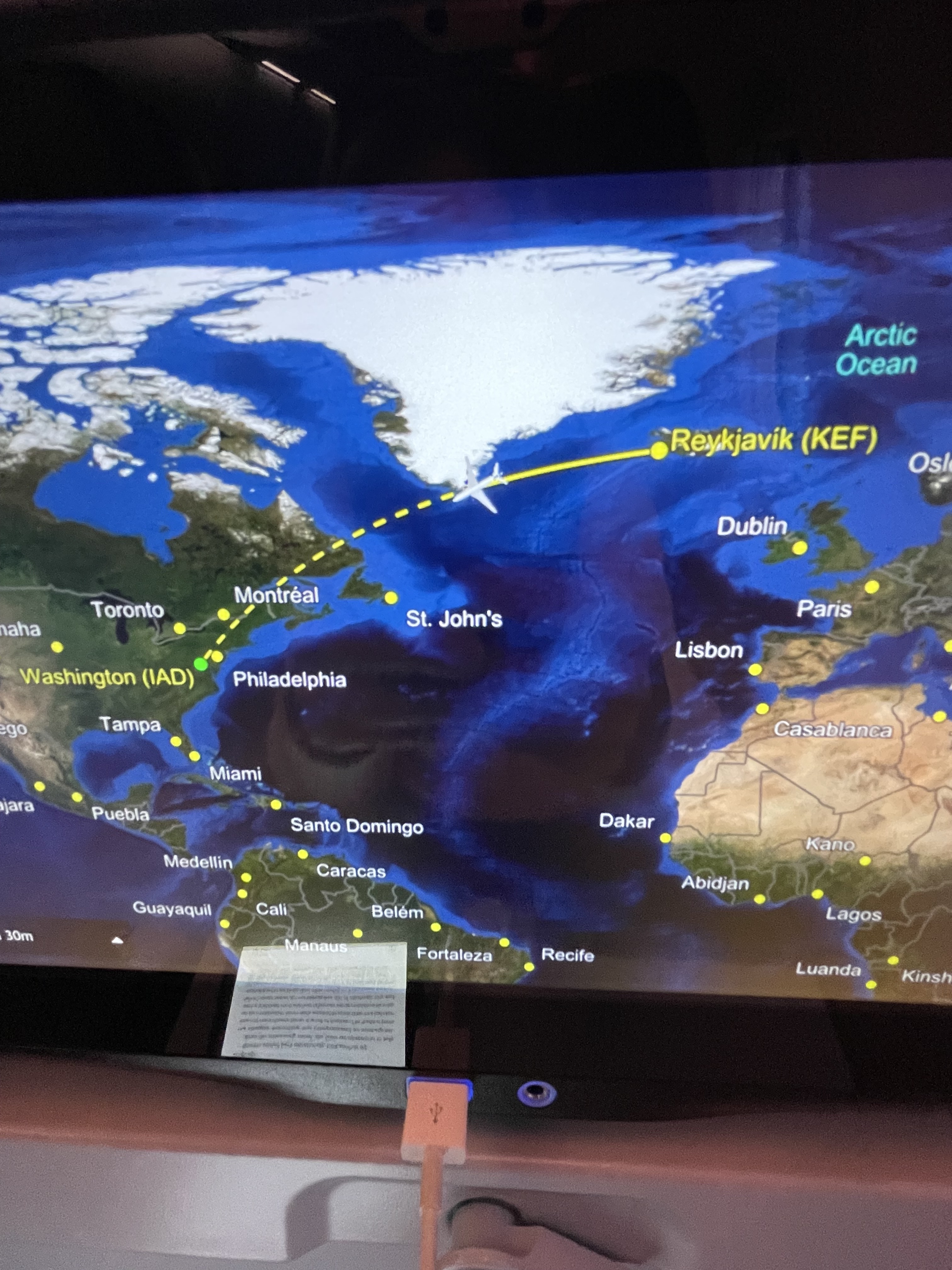
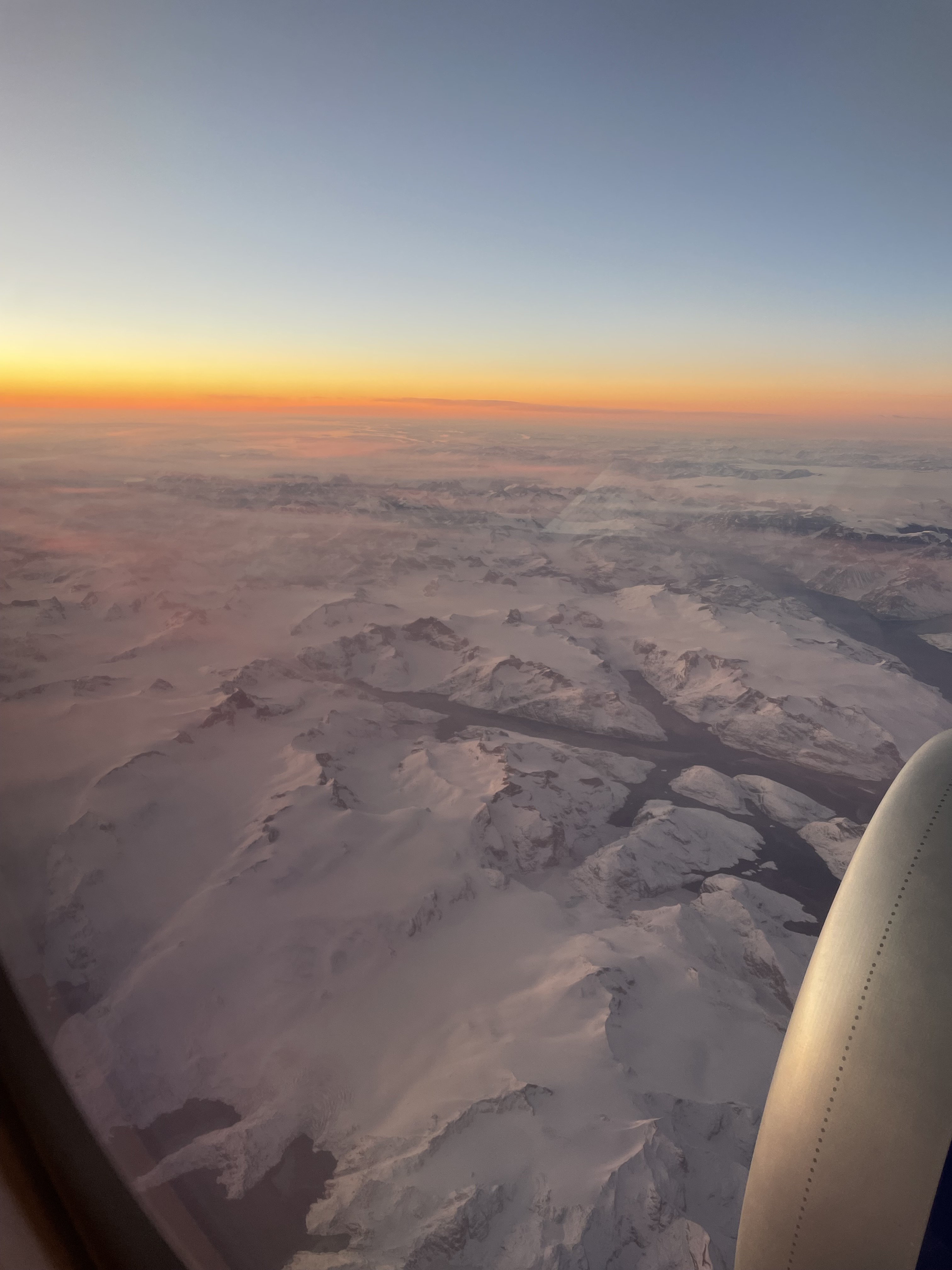
The flight path over the Atlantic Ocean passes over the southern tip of Greenland and offers a chilling view of the snowy mountains below.

Because we were flying west with the sun, it was dusk/sunset almost the entire 6 hour flight.

Here’s my brief commentary on Icelandic society: Everyone and everything projected an image of extreme health. But things are rarely completely as they look. There is very little diversity as expected given that Iceland was settled by Norwegians who brought in slaves from Ireland and Scotland. Immigration was expanded about 25 years ago when tourism created a need for people to take low-wage jobs. I didn’t see people of color but we met a relatively large number of immigrants from Eastern Europe. Thanks to laws that prohibit paying men more than women for doing the same job, liberal maternity leave (six months paid leave for both parents), and women’s political involvement, Iceland has been “the best place in the world to be a woman” since 2009 according to the World Economic Forum’s Gender Gap Index and is widely known as the safest country on earth. Yet the “Nordic paradox” phenomenon persists. Women are victims of domestic violence and sexual abuse at an alarmingly high rate. Twenty-five percent of women in Iceland have reported domestic violence in contrast to 10% in Europe overall. There is currently a #MeToo movement that sheds light on misogynistic actions by powerful men. I’m an advocate of solo travel and have confidence in my ability to travel the world safely as I’ve always done. But, while I hate to admit it, I’m glad I had a male travel companion. Still, I wouldn’t let that stop me from going if I was solo. The benefits hugely outweigh the risks. Just be smart.

Reflecting on my experience in Iceland, I recall the natural character of everything — the land, food, activities, and people. If I ever make it back to Iceland, I’d like to explore the Northwest and maybe drive the ring road around the whole island. It could be fun to go in summer with the midnight sun and 22 hours of daylight. We never experienced crowding or problems with too many tourists but that could an issue in warmer weather. Returning in winter for more Aurora and to go snowmobiling, horseback riding, and do some of the things we missed this trip would also be great. The possibilities are endless. Until then, I’ll hold the memories of this adventure close to my heart.

“If you think adventure is dangerous, try routine; it is lethal.” Paulo Coelho

“It seems that the more places I see and experience, the bigger I realize the world to be. The more I become aware of, the more I realize how relatively little I know of it, how many places I have still to go, how much more there is to learn.” Anthony Bourdain

“Twenty years from now you will be more disappointed by the things that you didn’t do than by the ones you did do. So throw off the bowlines. Sail away from the safe harbor. Catch the trade winds in your sails. Explore. Dream. Discover.” Mark Twain