The Billy Goat Trail in the Chesapeake & Ohio Canal National Historical Park, Maryland, May 2023
The full trail is a challenging 4.8-mile loop but you can hike just Section A which is only 1.75 miles, if you prefer. The trail is just as you would expect from the name; a meandering path, up and down, lots of rocks, narrow at times, and generally runs along the Potomac River so the views are gorgeous. I went on a day that was overcast and drizzly which kept most people away but the weather cleared long enough for a really fun hike and picnic. It was perfect with the possible exception of slippery rocks from the light rain. We parked at the Great Falls Visitor Center in Potomac, MD which is not far outside of Washington, DC. The convenience of leaving a busy city and being surrounded by nature nearby makes it very popular and subject to crowding on nice weekends. My hiking companion slipped on a particularly tricky section of steep rocks and injured his shoulder. Thankfully, it healed by itself after a few weeks. I just love how the human body heals itself! This trail isn’t for everyone. There’s one narrow, steep passage that I really enjoyed but it wouldn’t be fun for inexperienced hikers. Decent hiking shoes with good tread are highly recommended.
Albright Loop via the Appalachian Trial in Blue Ridge State Park, VA, June 2023
Few things make me happier than hiking with my family, especially with my grandson who gets excited at every frog, lizard, waterfall, and wonder that we too often take for granted. What could be better than a 3-year old holding a frog for the first time?
We saw a lot of these red salamanders. The scientific name is pseudotriton ruber and it’s the official salamander of the state of Virginia. They are orange or red with black spots on their backs.
Again, the day was drizzly so there weren’t many people on the hike which is always a bonus. The trail is a 3.6-mile loop near Nellysford, VA and is rated easy to moderate; perfect for little hikers with short legs and big hikers with children on their backs.
We parked at the Humpback Rocks Visitors Center on the Blue Ridge Parkway about a quarter-mile away. Happily, we spotted a bear crossing the parkway as we were leaving!
Glacier National Park, Montana, August 2023
The Rockies are quite different from the Appalachian Mountains. Fortunately, I took some time to condition my legs in advance and it definitely paid off. We hiked many trails, all of which were wonderful, but I’ll highlight my two favorite.
The Highline Trail is on the north side of the Going-to-the-Sun Road at Logan Pass on the continental divide. As many other popular hikes, the parking lot at the trailhead fills up early so we left before sunrise to insure a parking spot and were lucky to get one of the last empty spaces.
The challenging trail is 15-miles long with a 2,621 ft elevation gain. About a quarter of a mile from the start there’s a section called the Garden Wall that is 6 ft wide with a 100 ft drop off to the Going-to-the-Sun Road below.
We saw some adorable animals called pikas that are furry, little balls that make a squeaky noise that sounds like “pika”. We also saw quite a few goats.
We stopped on a ledge off the trail for a rest and lunch break. There’s no bad place to break because the view is gorgeous in every direction.
At 7.6 miles we reached the Granite Park Chalet made famous in 1967 when bears attacked and killed two 19-year old girls who were sleeping in the rustic lodge. Known as the “Night of the Grizzlies” it changed the way park management deals with bears, now closing trails with frequent bear sightings and issuing more warnings. The chalet is still open to hikers.
It was chilly at the start (low 60’s) but unseasonably warm (low 90’s) by afternoon. The entire hike was great but the downhill portion really worked my legs. The heat combined with my tired legs made me glad to reach the end. We drank all our water and were unanimously glad for a break afterwards.
There are several little towns surrounding the park; all have character and charm. Wherever we went we saw signs for huckleberries and a huge array of products made with huckleberries — ice cream, jam, pancakes, cocktails, you name it! Whitefish was having a festival of some kind with vendors set up in the town square.
The Going-to-the-Sun Road is as beautiful as it sounds. I was glad not to be driving so I could enjoy the views. Just driving through the park was a treat.
In between hiking days, we went horseback riding.
There are countless trails to waterfalls and overlooks. We stopped at quite a few like this one near Lake McDonald where we ate the sandwiches we had packed. Seriously, everything tastes better when eaten in beautiful surroundings.
Lake McDonald is super clear with multi-colored rocks and the water is very cold. It’s the largest lake in the park — 10 miles long and almost 500 ft deep.
On our last full day we headed out again before dawn to the east side of the park for the well known Grinnell Glacier hike. Rated strenuous, it’s 7.6 miles roundtrip with 1,840 ft elevation gain. Along the way I met this beautiful deer.
Grinnell Lake is so very blue, even on an overcast day and with air that was smoky from nearby fires. My sons went swimming in it but it was just too cold for me. It’s like an ice bath! The lake is approximately 5 miles by 5 miles and gets the lovely turquoise color from rock flour from Grinnell Glacier.
I did jump in another lake further down the trail that was cold enough to make me gasp but warmer than the big Grinnell Lake. We crossed this wobbly bridge that can only hold one person at a time. It was easy to see fish in the perfectly clear water.
We saw wild turkeys, moose, goats, deer, pikas, chipmunks, and many types of birds but, regrettably, never saw a bear. I know they’re dangerous but I was hoping to see a grizzly bear at a distance.
My five days at Glacier National Park weren’t nearly enough. I’m not sure when I’ll return but I’m quite sure I will return. It’s impossible to adequately explain the peace and joy I feel in the mountains. As long as I am able, I will return.
“Climb the mountains and get their good tidings. Nature’s peace will flow into you as sunshine flows into trees.” John Muir
“Only those who will risk going too far can possibly find out how far they can go.” T. S. Eliot
“And the Colorado Rocky Mountain high. I’ve seen it raining fire in the sky. You can talk to God and listen to the casual reply.” John Denver
We left the cold, winter (2023) weather in Virginia departing from various airports to meet up in Miami where we took a short, direct flight to Montego Bay. A driver picked us up and delivered us to our home for the week — Portside Villa at Discovery Bay (VRBO). The 5-bedroom house comes with a pool, dock, kayaks, standup paddle board, chef, butler and housekeeper. In addition to the 7 young adults pictured above, there was a 3-year old and me, the matriarch of this delightful clan.
This was our first experience having a private chef and we are totally spoiled now! Our singing chef, Tony, took us to the nearby market where we selected fresh food for each meal that he expertly prepared, catering to every taste including gluten-free and pescatarian diets. Among dishes Tony suggested that were a big hit were ox tail, fish curry, grilled lobster and fried plantains.
A lot of time was spent in the pool …
on the wooden dock or floating dock…
on the nearby beach …
or on the water. Both water and air temperatures were pretty much perfect every day.
At the end of each day we enjoyed a delicious dinner complete with a beautiful sunset.
After dinner, we played pool …
played cards, and generally enjoyed being together without the pressures and distractions of home and work.
One day a group went to Dunne’s Falls and stayed out for lunch.
Another day a group went to the Blue Hole with rope swings.
Both Dunne’s Falls and The Blue Hole were fun enough but they were crowded with tourists and didn’t rise to our standard of adventure. We preferred to hang near the house where there was always something entertaining going on — like my frequent explorations for lizards with my grandson or when Patrick surprised his brothers with Speedos for better suntanning and a photo op 🙂
Staying at a house allowed a lot of personal freedom to swim, nap, study, explore or spend the time however one desired. So, it worked well given the different ages and personalities. While it didn’t offer great adventure, being in Jamaica exposed us to a different culture, language, cuisine, and people which is always welcomed. My primary goal was to provide an environment where we could be together in beautiful surroundings; enjoying each other and making memories. Jamaica in February was nearly perfect.
“Having kids is a reason to travel, never a reason to stop.” Anonymous
“Travel is rich with learning opportunities and the ultimate souvenir is a broader perspective.” Rick Steves
“Travel is not reward for working; it’s education for living.” Anthony Bourdain
Croatia has been on my short list for a while. But, to be fair, my short list is quite long and the past three years of COVID-19 have been very difficult for travel. They say for everything there is a season and now is the time for a trip to Croatia! Two of my sons and I left Norfolk (ORF) mid-afternoon on a Monday and flew to Newark NJ then embarked on an 8-hour flight, direct from Newark to Dubrovnik (DBK). We arrived in Dubrovnik at 10:00 AM the next morning. Surprisingly, there were no forms, no customs, and nothing to do upon entrance. We showed our U.S. passports and were granted 90-day visas without further ado. (An American passport holds a lot of privileges.) A ticket for the shuttle bus to Old Town paid for with a credit card purchased at the terminal was inexpensive and convenient. About 40-minutes later we arrived at the Pile Gate to Old Town Dubrovnik. We had lunch reservations and the afternoon free to explore before meeting the transport for the boat.
Our trip was divided in half. The first 5 days we toured islands on a small cruise ship that accommodates up to 32 guests. The next 5 days we traveled by rental car. Our goal was to enjoy Croatia while balancing exploration with relaxation.
Everyday except one was sunny with temperatures about 85 degrees F in the day about about 70 at night.
Day Two — We awoke to the movement of the ship leaving the port of Dubrovnik. Each day was basically the same — cruising began about 7:00 AM, breakfast at 8:00 AM, briefing at 9:30 AM, swim break at 11:00 AM, lunch at 1:00 PM, arrive at our destination mid-afternoon, disembark for the afternoon and evening then return at bedtime.
Patrick & Daniel swam, jumped off the top of the ship, or rode the standup paddle boards during the swim breaks. The water is impossibly blue! This is a photo taken with an iPhone #nofilter.A peaceful moment was shattered when Daniel grabbed me and jumped overboard 🙂
On this day we visited the island of Mljet (pronounced Miyet as one syllable) and Mljet National Park with two salt lakes and a 12th Century Benedictine Monastery. Bicycles and e-bikes were available for rent but we opted to walk. At the far end we found a small cafe that was the perfect spot to spend an hour.
The local white wine, posip, is light and perfect for a warm afternoon. It’s made from grapes that are indigenous to the Dalmatia region of Croatia.
Day Three — There are 718 islands, 389 islets and 78 reefs off Croatia making it second largest after the Greek archipelago in the Adriatic Sea. Most islands are uninhabited. This day we cruised to Hvar, probably the best known of the Croatian islands made famous by visits from celebrities like Beyonce and Michael Jordan. This was our only rainy day and the weather didn’t really bother us. The limestone pavers that form the walkways of all of the old towns are already smooth and slippery from centuries of wear but much more slippery when wet. That made for some close calls and giggles but, thankfully, we never actually fell. Walking through the alleys we recognized one the restaurants that had been recommended and were fortunate to get a table for three. I can’t overstate how delicious the food was and how perfect the ambiance and service were. Keep in mind that it’s the mediterranean so expect a lot of seafood, fruits, vegetables, olive oils, and wine which is perfect for me.
Day Four — After another relaxing day on the boat, we pulled in to the dock at Split, the second largest city in Croatia, next only to the capitol, Zagreb. The guys and I disembarked and walked to a CrossFit gym. The owner was an olympic weightlifter. Everyone was warm and friendly while they pushed us to our limits, just as I would expect of any gym in the CrossFit family.
CrossFit Split, one of two CrossFit gyms in the country.
Split is beautiful by day and beautiful at night. The population is about 175,000.
This cool sign is across the sidewalk in the popular area along the beach and port. There were a lot of restaurants and clubs all along this area.
The historic area is a UNESCO World Heritage Site as are most of the places we visited. The city was founded in the 3rd or 2nd century BC and became the palace of the Roman emperor Diocletian. The Dalmatian capitol, Split is simultaneously ancient and contemporary. The multi-million yachts at the port dock in the shadow of the walls of the Old Town. Somehow, the dichotomy of the ancient and modern harmonize for an amazing and very unique vibe.
Each night the large square in front of the Cathedral of Saint Domnius was full of hundreds of people sitting on the steps singing along to an acoustic guitar player. Everything felt friendly and safe.
Day Five — After breakfast on the boat we walked the short distance to Hotel Paristil which is built by the side of the old wall of the Palace of Diocletian very near the cathedral.
If you look closely you can see our hotel in the back right. There was a lovely restaurant on the ground floor but our time was short and there were so many highly-rated restaurants that we didn’t get a chance to dine here.
After a short wait, we managed to get into our first choice cafe for a delicious breakfast including warm, almond croissants and cappuccino. So worth the wait!
Ciri Biri Bela Restaurant exceeded it’s excellent reviews. Couldn’t have been nicer.
We visited a couple of museums that were really good. One focused on Croatian artists and other was part of the cathedral displays of ancient art and crypt. Climbing to the top of the bell tower is not to be missed!
View from the bell tower of the Cathedral of Saint Domnius.
We had to wait for two weddings to end before we could enter the cathedral itself. Actually, we saw weddings almost every day of the trip which is understandable given the beauty, in both the architecture and nature. In spite of the massive exterior of the cathedral, the inside had very little seating capacity but was striking in its gold ornamentation. I suspect there are huge underground rooms and tunnels that aren’t open to tourists.
Cathedral of Saint Domnius, the patron saint of Split. Ivan Mestrovic’s statue of Gregory, Bishop of Nin, who went against the pope in 926 to advocate for sermons in Croatian instead of only Latin. The 28 ft. bronze statue was erected in 1929 and stands just outside the Golden Gate. It’s considered good luck to rub his toe.
Although impossible to rate, dinner was again wonderful. The servers are always so professional and no tip is expected. There’s no way to add a gratuity to the credit card statement so, if a person chooses to tip, cash could be left. Inevitably, the price of dinner was substantially less than I’d expect at home. It’s hard to compare but perhaps the cost was about half.
Dinner in the old city of Split.
Day Six — After breakfast we picked up a Hertz rental car at the Split airport and drove about 90 minutes to Krka National Park. (The rental vehicle, 2022 Hybrid Kia Stonic, 4-door, was great. Parking spaces and streets are small so a bigger car would not have been desirable. We only used 3/4 tank of gas the whole time, had unlimited mileage, and the charge was quite cheap but there was a $500 drop-off fee since we returned it to different location from the pick-up.)
A shuttle bus and a tour boat were available to transport people to the falls but we opted to take the approximate 2-mile hike. It’s hilly and rocky but not difficult. Glad I ran back to the car to switch out my flip flops for tennis shoes. Some people warned us it’s difficult to get tickets to the park so we might need to join a tour but we had no problem at all.
Falls at Krka National ParkMore falls at Krka National Park.The water was so clear, we could see fish.
After 3 or 4 hours the park, we drove back to the coast to spend the night in Sibenik. Patrick found us rooms at a beautiful resort called Hotel Niko which is part of a sprawling, resort complex. The concierge/greeter was a beautiful, young woman with a college degree. Like most of the young people we met, she was gracious and helpful. It seems most people we met have a dream of someday going to the United States.
The official currency is the Croatian kuna (7.5 kuna = 1 U.S. dollar) but will change to the Euro in 2023. (Croatia was admitted to the EU in July 2022, effective 2023.) Credit cards are widely accepted. Whenever we wanted to pay in U.S. dollars, a reasonable exchange rate was applied on the spot. Having kunas available was good for small purchases and tips. There are a lot of ATMs and exchange booths.
Amadria Park has a series of hotels, beach clubs, beaches and water sports.
The old city of Sibenik is just a few miles from the resort beaches so we went there for meals and walking the stone streets. Driving, in general, was good. The streets were well maintained and well marked. Google maps was fine for both driving and walking. Warning: If you miss an exit on the highway you may have a circuitous side-track to get back in the right direction. Our missed exit turned into an interesting and very fun drive up the side of a mountain and through a tiny village just to avoid making a U-turn on a street that had no other cars for miles.
Day Seven — Right after breakfast, the guys met an instructor and tried their skills at e-foil boards. It looked difficult but they were upright jetting around in no time!
Walking to lunch in Sibenik Old Town was an adventure, as always. In the town square sits the beautiful St. James Cathedral which was begun in 1431. Built of white stone from the Dalmatian islands, it’s considered the largest church made of only stone with no wood or brick reinforcements. There are dozens of sculptures on the exterior including a giant Adam and Eve by the front entrance and 71 heads about 7 feet up from the base.
Every head has its own expression and is amazingly life-like especially considering that they’re over 500 years old. Some are saints and some are ordinary people. I’d be interested to know the story behind each one.
We drove south along the coast and stopped for the night at Baska Voda, just north of Makarska. Except for the first night in Split, we had no reservations which gave us great flexibility to go where we wanted and stay as long as we liked. Patrick did a great job of finding us rooms one day in advance of each stop.
Walking out of our amazing hotel with my fine son, Daniel, and a happy heart.
This beautiful hotel right across from the beach has stylish and comfortable suites for about $160 per night that includes a buffet breakfast. Our rooms each had two balconies with gorgeous views. This was the southward view from my bedroom balcony but, truly, it was equally beautiful in all directions.
Baska Voda is part of the coastal development and doesn’t have an old town or fort. We walked a long ways on the concrete boardwalk with many cafes, bars, and music venues. We heard live music almost everyday of the trip but an extra amount this night. Some of the music was in Croatian but the majority was English. There’s no question — American music is one of our best exports. It’s a universal language of happiness.
Day Eight — Continuing our drive south along the coast, we stopped for an occasional roadside stand selling fruit, vegetables, juices and honey.
Next stop was the family-owned Madirazza Winery and vineyard.
We bought two bottles that are special to this area. They get their unique flavors from the grapes that grow on the steep hills with sun reflecting off the water and white stones. There aren’t enough grapes to export so the wines are only sold in this region. The white wine we bought is “GRK”. (It’s funny but not unusual to see a word with no vowels.) We also bought a bottle of “Dingac Nobile,” a dry red that was my favorite.
Next stop was Ston, known for its long, defense wall, one of the longest in Europe, and for delicious oysters. We enjoyed another excellent lunch at a first-class restaurant sitting on a patio with beautiful views. American-style fast food is definitely not what you’ll find in Croatia so plan to take at least an hour and a half for any meal.
Our last drive of the trip was from Ston to Dubrovnik. Driving and parking in the Old Town is impossible; pedestrian only with a few exceptions of small, delivery vehicles. Our AirBnB was near Assumption Cathedral, the seat of the Diocese of Dubrovnik. This was a great location but, honestly, I don’t know there are any bad parts of Old Town.
This was the view from the rooftop patio of our AirBnB apartment.
Most every day and evening we stayed outside. This evening we enjoyed another perfect night strolling the paved streets, stopping for pizza, wine, music and candy.
One of countless alleys with music, drinks & light fare. The pianist played Coldplay at Daniel’s request.Patrick couldn’t pass a candy shop without popping in for some. He said the candy had more flavors than back home.
Day Nine — We ended the trip on a high note. Cave diving then dinner at a Michelin-rated restaurant. Like the country music song says, “When was the last time you did something for the first time?” This was my first time diving into caves and it absolutely exceeded my expectations.
The guide went first; no scuba or snorkles, just free-diving under the rocks, popping up in a cave lit up by rays of sunlight through the cracks to give the entire cave a beautiful green aura.
I don’t have an underwater camera so you’ll have to take my word for it or go see it for yourself but it was truly magical. Next, we went to one of the few beaches with sand. Most beaches have small pebbles like the French Riviera. It was fairly shallow far out where we were anchored so people jumped off the boats with their drinks and waded in to the beach.
Patrick swimming from the boat to the beach with a drink in hand.
Saving the best for last, the final stop of the day was for rock/cliff jumping and the famous blue cave. Patrick did back flips off the rocks while I enjoyed the show but I was not about to miss the blue cave. If you go at low tide it’s a grotto and at high tide it’s a cave. I swam to the far end of the cave then turned and looked back to see it lit up in an iridescent, mystical blue. The blue color was more than the water; it was the air, the walls and ceiling of the cave and I felt like it was also me.
While driving, we listened to a podcast about “ethnic cleansing” in this area, commonly known as the Bosnian War (1992-1995), when 200,000 people were killed and thrown into mass graves and an estimated 2.2 million Muslims were forcibly relocated, tortured and put in rape camps (U.N. statistics). Our guides on this boat trip were both well-educated men in their 20’s. One graduated from a college in Chicago and is part of a graduate study on post-war Croatia. They welcomed our questions and discussion. They freely discussed the PTSD, suicides and orphans who still feel the impact of the war deeply. Most often, they say people who lived through it, both the victims and the aggressors, refuse to talk about it. They told us the younger generation doesn’t feel hatred for any people regardless of their country of origin or religion. It’s so hard to understand how such atrocities could have happened in my lifetime. But looking back at history in the past few generations I am reminded of the Holocaust, 1941 – 1945 (6 million Europeans Jews were systematically killed by Nazi Germany and its collaborators) and the Rwandan genocide, 1994 (600,000 Tutsi minority group members were killed by the Hutu militias). Don’t think it can’t happen again. It may be happening right now in Ukraine or other places that don’t get media attention. While it may begin as a noble sentiment, it seems it’s never really about patriotism or religion. Those are just tools used to unite and divide for the benefit of people in power. Sadly, what I consider basic humanity is paper thin.
As usual, travel teaches me more about history, geography, language, religion and sociology than I could ever learn from books. The impact of walking the streets where snipers shot innocent citizens, including little children, will linger and somehow be integrated with memories of crystal blue water, moonlight dining, and ancient architecture. Future thoughts of Croatia will always be multi-dimensional.
Our last dinner was at 360, a Michelin-rated restaurant perched on the side of a cliff overlooking the Adriatic Sea. While the food was spectacular in presentation, preparation and flavor, it was matched by the magic of the night. Swallows circled in formation at sunset, cathedral bells chimed, and the sky turned dark while the boats returned for the night.
Dinner at 360 in Dubrovnik on our last night in Croatia.
During the 10 days we were in Croatia we traveled through Dalmatia, one of the four historic regions of Croatia. We covered quite a lot but there’s so much more to see in Croatia and the region — Slovenia, Montenegro, Albania, Bosnia – Herzegovina, Turkey and beyond. We talked about how fun it would be to drive the coastline on motorcycles! So many possible adventures. I don’t want to ever forget that the world is big and I occupy just a tiny part.
Nothing significant went wrong the entire trip. All flights were on time and reservations were honored; everyone we met was accommodating and courteous. As you might imagine, my favorite part of the trip was spending quality time and sharing new experiences with my sons. We had countless discussions and shared experiences that I will cherish forever. There’s nothing like getting away from routine and the distractions of home to bring focus to what’s important.
Patrick & Daniel walking through the Buza Gate before 7 AM beginning the long trip back home. In so many ways, we left a different world behind.
********
“As long as there is heart, there will be Croatia.” Antun Gustav Matos, Croatian poet (1873 – 1914)
“Educating the mind without educating the heart is no education at all.” Aristotle, Greek philosopher (384 – 322 BC)
“Travel isn’t always pretty. It isn’t always comfortable. Sometimes it hurts, it even breaks your heart. But that’s okay. The journey changes you; it should change you. It leaves marks on your memory, on your consciousness, on your heart, and on your body. You take something with you. Hopefully, you leave something good behind.” Anthony Bourdain, chef & travel celebrity (1956 – 2018)
Prepare to time-travel seventy years to the past. The cars, furniture, almost everything except cell phones, appear to have been frozen in the 50s.
Most Americans are unaware that travel to Cuba is an option. I only met one other person from the U.S. during my entire 8 days and she was Puerto Rican. The U.S. State Department prohibits tourist travel to Cuba with twelve exceptions. (§ 515.560 Travel-related transactions to, from, and within Cuba by persons subject to U.S. jurisdiction) I traveled underexception 8, “Support for the Cuban people”. Very easy. The airline check-in asked if I was going to visit family. I said I was going in support of the Cuban people. That’s it. No paperwork was required when I entered or returned although I had records of where I stayed and basic activities, if asked. It was a 50-minute flight from Miami and I understand there are 21 flights from the U.S. to Havana daily. Quick, easy and affordable. I left Norfolk VA in the morning and had lunch at a rooftop cafe in Old Havana! Same time zone so no jet lag.
Bring small denomination US $ for tipping. These guys were hanging at the cafe. I asked if they’d play for us so they moved over to our table and happily played traditional Cuban music mixed along with original songs.
Once in Cuba everything is very reasonably priced but don’t expect first-world luxury. Our first two nights were in Old Havana (habana vieja) which is a rich orientation to the charms of Cuba. The AirBnB flat was in the historic area on Plaza de Armas. The walkway to the condo was sketchy but once inside it’s immaculate and truly wonderful.
This is the walkway to our flat. It doesn’t prepare you for the beautiful suite inside.
The location, price, amenities, and host were first-class in every regard. (Sea View Loft Suite 270) It had a grand living room, kitchen, master suite, 2.5 baths, two lofts with comfortable beds, balcony, rooftop patio, internet, and a/c but never needed it due to moderate temperatures and steady breezes. Pretty sure it could be divided into two separate apartments. The weather was perfect for me –about 80 in the day and 70 at night.
These photos don’t do justice to the inside of our flat in Old HavanaThe master suite had a balcony, bath, and a shower with stained-glass windows
The view both day and night were spectacular and made getting up for the sunrise easy. The entire place flooded with sunlight by day and was softly lit at night.
View of the water, old fort, Che Guevara’s house, and a giant statue of Jesus from one of three balconies.
On our first full day we took a 2-hour classic car tour in a convertible all around the city then got dropped off up on the hill to see everything up close.
This is the house that was given to Che Guevara after the revolutionary victory. He didn’t live here long because he left in 1965 to join civil wars in Africa and Latin America. He was captured in Bolivia and executed (1967). Just as I was standing at the base looking up at this statue, a halo appeared around the head of Jesus. It surprised me so much, I asked others if they saw it. Yes, it’s real. Completely unfiltered.
I found live music in some form every day and every evening which was always great. Often it was individuals or small groups working for tips.
Happy hour with one of the famous rum mojitos or daiquiris in the lingering light and perfect weather is a great way to mingle with locals and other travelers. There was such a friendly vibe everywhere I went.
There are shortages of almost every food product we take for granted — clean water, lemons/limes, milk, fish; you name it. It was easier to ask a waiter what was available than to say what I wanted. Rice, beans and salad are fine with me but even beans aren’t always available. There’s plenty of coffee, sugar and rum. Food wasn’t really a highlight but I got a several excellent meals including black rice (made with octopus ink) with lobster, skewered grilled shrimp, and grilled lobster for about 1/4 the cost that I would expect at home.
Grilled lobster perfectly prepared and seasoned at Paladar Dona Eutimia in Old Havana. So delicious! This dinner was about $12 USD.I’m pescatarian so I missed out on the typical Cuban dishes that use pork but I found plenty to eat. I understand that Cuba used to grow rice but now they import it from Viet Nam, Brazil and Argentina. Except for fruits and vegetables, almost everything is imported. This was a poolside lunch at the Hotel Nacional.
The ambience and service were almost always outstanding. Although tipping isn’t really expected, we were happy to do so.
I enjoyed a delicious lunch sitting on this balcony while watching people pass on the small road below and listening to a 3-piece band play traditional Cuban music.
Walking around Old Havana was my primary entertainment. I’m not much of a shopper so it didn’t bother me but it’s noteworthy that there are very few shops–no convenience stores, salons, corner markets; almost no small businesses except for cafes. I read in advance that there were shortages of medicines and simple items in good quality. We took ibuprofen, acetaminophen, children’s crayons and markers, women’s make-up, and other small items to leave with each host. We also left gently used shoes and clothing that we packed with that in mind. Everything seemed to be appreciated. Several times, we had people come up to us in the streets asking if we had any medicine.
No shortage of sidewalk cafes with mojitos and fresh mint. (about $2 USD)
The old architecture is truly beautiful.
Most of the streets in Old Havana are too small for cars so it’s very pedestrian-friendly. This is one of many squares. I think it’s Plaza Vieja. Every couple blocks there’s a church and a public square. Some are open while others have gardens. Most all have statues. This is Plaza de San Francisco.This sculpture by Cuban artist Roberto Fabelo is in Plaza Vieja“La Conversacion” by French artist Etienne in Plaza de San Francisco
The morning of the third day we took a private taxi in a classic car to Vinales, about three hours west of Havana. The cost for two people was approximately $70 USD. A bus would have been about $10 USD each. The elevation is much higher and the mountains provide a gorgeous background for the small village that is a World Heritage Site. Accommodations are humble and cheap befitting the backpackers and younger travelers from Europe and South America (and me).
That’s our taxi. We were welcomed with a complimentary glass of fresh mango juice.
Our AirBnB accommodation was a small cottage. It was rustic but very clean. We had a private bath with a flush toilet and hot shower, electricity, air conditioning and an endless supply of information about life in rural Cuba. It’s located up on a hill about 1/2 mile from the actual town so it’s very peaceful and quiet except for the roosters that start crowing well before dawn. The view of the sunset behind the mountains is stunning. Supposedly, just over those hills there’s a community of former Batista supporters known as the “aquatics”.
Pinar del Rio, Vinales, Casa Pinky. The family lives in the back and the AirBnB suite is the front. We went in the room only to sleep or shower. The gazebo was the sitting and dining area. ($33/night) For those preferring to stay in town, there were rows of small rooms for rent.
For $20 USD each we hired a guide and horses to take us to a farm growing tobacco and coffee.
I rode the white horse, Mojito.
The farmer makes cigars then dips the tip in the honey harvested from wild bees for a sweeter taste.
I’m not a smoker but, apparently, these cigars are among the best anywhere.You can’t get this back home! Completely organic, hand-rolled, no chemicals and dipped in wild honey for a smoother taste.
Every morning our host provided a delicious breakfast of local coffee, juice, fruit, eggs, cheese, ham, empanadas, toast, muffins, butter and jam. I love the guava jam with homemade tostones!
Breakfast was so big we often had a late lunch, enjoyed happy hour with a snack then skipped dinner.
One of the highlights of my time in Vinales was sitting in the sunset with our host family and their 29-year son, Lassiter Xavier. There were no grocery stores so we bought a bottle of wine from a restaurant. Don’t expect a big selection — one red or one white. We got the sauvignon blanc from Chile. Buying wine to share with our host seemed reasonable but I suppose we should have just bought the local rum. Anyway, our host made fresh plantain chips and tostones with salt and it was all quite wonderful.
We laughed and talked about both frivolous and serious topics.
After a while, Lassiter got up to go back to work shoeing a horse. He had no modern tools — just a machete and a hammer. When a nail got bent, he beat it back straight then tried again until he succeeded.
Walking and driving for hundreds of miles, I passed mostly open land not being used. On the small farms I saw a few pigs, horses, and oxen but I never saw any modern farming equipment.
Typical scene of farmers working with oxen. There are quite a lot of thatched roofs. While functional and very picturesque, they won’t hold up well in a hurricane.
On the morning of the fifth day we took a shared taxi down from the mountains to the beach; 208 miles, about a 5-hour drive. There are some interesting places to stop along the way, including sinkholes and caves for snorkeling, but we made the trip without any stops. Such is the dilemma of traveling — how to allocate limited time among so many great choices.
This is an unfiltered picture of the beach at Varadero, rated the second most beautiful beach in the world by TripAdvisor. All beaches belong to the Cuban people and are not private, according to the constitution.
The next couple days were spent relaxing on the beach. We took a short catamaran ride out to the coral reef and snorkeled. The coral wasn’t very impressive where we were but I saw a lot of tropical fish. The water was so calm and warm and it was great fun being out on a boat. Like most beach towns, there was live music every night; some Cuban but also a lot of American classic rock. We stopped by a popular outdoor venue called “Beatle” and, right on cue, the band played “Revolution!”
Mostly, we went in small cafes but I couldn’t resist the Floridita. There’s one in Havana and also Varadero. It’s famous for being the “cradle of the daiquiri” and for being a favorite of Ernest Hemingway’s.
You’ll notice Hemingway talking to Fidel Castro in the picture behind us.
Several drinks and an appetizer ran up a bill of about $10 USD.
This is the famous “Floridita” daiquiri — lime, sugar, soda water, rum and ice blended like a slurpee.
A quick two-hour drive took us back to Havana. This time we stayed on the 9th floor of a secured building on the Malecon, the famous 5-mile stretch of a concrete seawall and walkway.
In a great location near the U. S. Embassy and one block from the famous Hotel Nacional, our flat had 3 bedrooms, 2 full baths, kitchen, living room and amazing views. It also had a lot of modern conveniences that I didn’t need like a big-screen television, central a/c, and a full kitchen. AirBnB: Anabel’s PlaceView from our flat looking west, the U.S. embassy is the modern building in the distance. I was told that it just re-opened yesterday (5/3/22) after two years. As I understand it, the staff was sent back to the States after reports of headaches and health problems stemming from an undetermined source referred to as the “Havana Effect”.Sunrise view from our rooms with the Hotel Nacional on the right. The Hotel Nacional is similar to some of the historic resorts back home except instead of a lingering sense of slavery, this has reminders of the Cuban revolution 63 years ago.
Wherever we went I noticed beautiful, old buildings beside others that were literally falling down. It was told to us that a group of investors bought an old building and turned the interior into an incredible lobby with five-star residences while the outside still looks pathetic. The group is not allowed to renovate or even paint the outside as that is property of the government.
This is typical of a lot buildings that aren’t under construction but are in desperate need of renovation.
Whatever you expect of classic cars in Havana is exceeded by reality.
I don’t pretend to understand all the factors contributing to the old vehicles but it’s definitely not just because of the embargo from the U.S. since there is trade with most all other countries including Germany, Spain, Japan and plenty of places where good cars are manufactured.
Currency for visitors is a mix. I made out fine with U.S. dollars (USD) but changing some to Cuban currency was smart. We always asked for the price in both CUP (Cuban pesos) and USD then selected the one that made sense. Payment comes in several forms – credit cards (but not U.S.-issued so I may need to get a European card before returning), Euros, U.S. Dollars, CUP, or a government card. Some places take all of the above but some only take CUP or government cards. The government gives each citizen a monthly allowance plus certain staples such as one chicken per adult, rice, beans, milk, butter, cheese, and such. Those redemptions come from stores that only accept government cards and could not sell to me. I’m told the rations are hugely insufficient and one must find some way to supplement them.
These 1,000 CUP notes are approximately $10 USD each (100 CUP = $1 USD)
We took a couple hours one morning to visit Fusterlandia, the art area of Havana started by internationally-acclaimed Cuban artist, Jose Fuster. In 1975 he began decorating his neighborhood with mosaics influenced by his appreciation of Picasso and Gaudi’s art. It continues to grow with works from his students.
This is in the park which has a moderator and a short movie about the history of the area. There’s an area of several blocks in which most of the homes are decorated with colorful mosaics.
Our 8-day trip was winding down. Everything went well including how we divided our time: First two nights in Old Havana, next two nights in the mountains (Vinales), two nights at the beach (Varadero), last two nights in new Havana by the Malecon.
The Malecon was great for walking both day and night. It’s 5 miles long and not lit but I never felt unsafe. There were families and couples strolling; similar to our beach boardwalk but fewer people, much calmer and and no businesses. I never saw anyone on a bicycle but it seems like it would be prefect for bike riding.
My travel companion was born in the United States of Cuban parents. On the last day of our trip, he walked to the Malecon to spread his mother’s ashes in the ocean at Havana as many others have done. It feels right in so many ways. We are coming to the end of the generation that left Cuba around the time of the revolution (1959). Life in full circle.
Closing thoughts: I seldom consider myself a tourist on vacation. Rather, I’m a traveler or an explorer. For 8 days (May 2022), I explored Cuba as I’ve explored many countries before. Although I’ve traveled through many underdeveloped countries (such as Nicaragua and Jordan) and experienced many different governments including socialist (Portugal), constitutional monarchy (Thailand), and communist (China), no experience prepared me for Cuba. I will continue to study the economics and government policies until I can get some semblance of understanding. The country is so full of natural beauty and resources yet so poor. That’s not the strange part. The hard thing to understand is the government structure that holds the people down. Constraints on foreign investments and lack of access to capital can account for only some of the problems. Even after 8 days and countless hours of conversations, I have so many questions. Such as, why are a couple capitalist ventures allowed but most are prohibited? AirBnB is thriving throughout the country. I booked all of my accommodations from my home in Virginia using AirBnB and communicating with the hosts through the AirBnB app yet they can’t communicate via traditional U.S. internet app’s. More importantly, I don’t understand why people aren’t free, even encouraged, to start and build businesses that would elevate their standard of living, support the community, provide a growing tax base, and fill needs.
Setting aside business and economics, simple activities are severely restricted. It’s illegal for a Cuban to board a boat without a permit, and it seems nearly impossible for them to get a permit. I’m told there’s also a restriction on Cubans swimming in the sea. These restrictions appear to be aimed at illegal emigration. They are not allowed to leave the country without permission. Freedom of movement, personal residence and employment are restricted. (Decree 217) Violating these restrictions can have severe consequences. So, apart from the obvious reason that most Cubans don’t have vehicles and can’t afford to travel or even go to the beaches, I feel bad that I did things they’re not allowed to do in their own country. It feels so wrong, yet, I never saw resentment. Everyone I met was friendly, gracious, and seemed appreciative of my coming.
Part of the beauty of my blog is that it’s written contemporaneously, or as close as possible, in the belief that experiences are freshest in the moment. This “explorando cuba” post was started mid-way through the trip. After two days, I was blocked from my blog (wordpress.com). I’ve since learned that Cuban Decree Law 370 prohibits Cuban citizens from independent journalism including social media or blogs. Essentially, free exchange of thoughts is illegal. Dissent comments are definitely illegal. Private schools and universities have been banned since the early 1960’s.
One afternoon I had an interesting conversation with a lovely, young woman at a cafe. We were discussing the shortages and she said, “It’s the government.” I don’t understand how it’s the government’s fault for everything so I asked specifically why there is a shortage of fish given that Cuba is an island. She said if a person goes onto the ocean (remember, he’s not allowed to get in a boat) and catches a fish he’s required to sell it to the government at a low price. Violating that could get him arrested. So, what does the government do with the fish? It uses the fish for government-owned hotels or for trade deals that bring profit to the government. The people are not allowed to profit. Then, she said what I’ve heard so many Cubans and Cuban-Americans say, “It will be different when the last Castro brother dies. No one respects the current president so it will change.” I am an outsider so I question, listen and try to understand but I don’t criticize or challenge. Still, I’m not sure why anyone would expect significant change and I don’t know how they stay hopeful.
Cuba is a beautiful and complex country in every regard. The geography and the people are truly beautiful. Even the revolution was beautiful, conceptually. It makes me wonder how it got to this point.
I hope to return soon to see Trinidad and the islands in the South. With luck, I’ll get to experience more of this beautiful country and the beautiful people. Perhaps, it’s something I can never understand but I want to try. For years I’ve been hoping I would be invited to teach at a Cuban university but I’ve been unsuccessful at establishing even an initial conversation. I can see now that those thoughts were hugely naive. While I don’t intend my comments to be anti-regime, I am a business owner, lawyer and educator in the U.S. which may be patently offensive. I am a capitalist and that is definitely offensive. But, if we hope to build bridges between our countries we must open communication channels and begin sharing thoughts. I don’t know what channel might serve that purpose. These matters are far beyond my very limited knowledge of the cultural differences and government divisions. As the saying goes, “Next year in Havana.”
Ernesto “Che” Guevara (6/14/28 – 10/9/67) was an Argentine Marxist revolutionary, physician, writer, guerrilla leader, diplomat, and military theorist. He symbolizes revolution and counter-culture throughout Cuba. To be fair, he is a symbol for revolution everywhere.
“Above all, always be capable of feeling deeply any injustice committed against anyone, anywhere in the world. This is the most beautiful quality in a revolutionary.” Che Guevara
“Cruel leaders are replaced onlyto have new leaders turn cruel.” Che Guevara
“So, so you think you can tell Heaven from hell? Blue skies from pain? Can you tell a green field From a cold steel rail? A smile from a veil? Do you think you can tell?
Did they get you to trade Your heroes for ghosts? Hot ashes for trees? Hot air for a cool breeze? Cold comfort for change? Did you exchange A walk-on part in the war For a lead role in a cage?” Pink Floyd
Stones Concert November 6, 2021 at the new Allegiant Stadium
Who could resist the chance to see the legendary Rolling Stones one more time? Quick trip to Vegas but, truthfully, 3 days in Vegas is enough for me at any one time. We filled the days with sunshine, four-star cuisine, classic rock of the first degree, shopping, and about as much fun as you can fit into a long weekend.
My girlfriend and I stayed at the MGM Signature which worked out well logistically and otherwise. Dinner Friday night was at L’Atelier de Joel Robushon in the MGM Grand.
L’Atelier de Joel Robuchon
The food was equally beautiful and delicious. Even though I had probably consumed two days worth of calories with the rich carrot cumin soup, baked sole, and wine paired by the sommelier, dessert seemed mandatory.
Whiskey soufflé with vanilla bean ice cream
Saturday morning we started at the Container Park and old downtown. Sadly, a lot of places are still closed due to COVID-19 shutdowns, staff shortage, and reduced tourism. It has a super cool vibe but is even more fun at night with the zip lines, overhead lights and live performers everywhere outside. There were quite a lot of homeless people with signs but I suppose that’s in every big city. All afternoon we walked the strip, popping into interesting places, saving just a little time to sit by the pool before heading to the show.
Old Downtown at Fremont Street. We saw beautiful show girls all over; usually in pairs and eager to take a photo with you for a tip. Lobby of the Bellagio
Built recently for the Las Vegas Raiders, the domed stadium holds 65,000 people and touts state-of-the-art electronics. With the place full of aging rockers, it was full of positive energy and excitement. Let’s be real — Mick, Ronnie and Keith don’t need the money. There’s no doubt that they’re performing because it’s what they love. I’ve never seen them smile so much. Truly, they looked like they were just having fun.
Mick Jagger, Ronnie Wood and Keith Richards welcomed us to the show and dedicated it to the late Charlie Watts, drummer
Mick was strutting with his classic moves and frequent wardrobe changes. The back-up band and vocals helped whenever it might have otherwise been hard to hit a note. The set list was terrific but there’s no way they could play everything I wanted to hear. All in all, it was an amazing show and a two-hour time lapse of classic rock in the 60s and 70s.
Sunday we walked over 11 miles, shopping, people-watching, and soaking up the gorgeous sunshine. By moving up our dinner reservations, we had time for another show and we were able to get tickets for the House of Blues. It’s good to be lucky. Dinner at Lotus of Siam was as good as expected. I’ve been to Thailand but this was Thai cuisine of the highest level. Add in a bottle of recommended wine and it was a feast that I won’t soon forget.
Crispy, garlic shrimp and vegetable drunken noodles in curry
Our tickets for The House of Blues, an Intimate Evening with Carlos Santana, were for the standing section near the stage. Perfect! For two hours, we stood about 15 or 20 feet from Carlos Santana while he played his guitars as only he can. He has some magic way of running passion through his fingers and creating a unique sound that’s instantly recognizable. The few things he said in between songs were all about love, sharing, and caring.
If we had another day, we could have gone to Sting’s show but, alas, the “real world” was calling. As much as Las Vegas is a fantasy land where chips aren’t real money and show girls aren’t ordinary women, the weekend of flashback rock was incredibly fun but not quite real. I’m fine with that. I don’t want to go back to the 70s but I think the “real world” needs to be periodically interspersed with music and visions of love and peace.
“Lose your dreams and you will lose your mind.” Ruby Tuesday
“Don’t question why she needs to be so free. She’ll tell you it’s the only way to be. She just can’t be chained to a life where nothing’s gained or nothing’s lost, at such a cost.” Ruby Tuesday, The Rolling Stones 1967
Moab, Utah is a town of about 5,000 people. This is ground zero for Arches National Park which is just 5 miles north. The town of Moab seems touristy and a bit shabby as if it was built in the 40’s and never evolved. Surprisingly, the first night I enjoyed a gourmet dinner, thanks to my wonderful travel companion who found a solid four star restaurant, Desert Bistro (desertbistro.com), and made reservations well in advance. The town is focused on outdoor adventures with countless oufitters offering tours by bicycle, raft, jeep, and whatever else you might want. Impressively, Moab has an airport (Canyonlands Regional Airport, CNY) with commercial flights by SkyWest/United non-stop to Denver (just $138 one-way).
On my only full day in Utah I spent more than 10 hours in Arches National Park with no breaks, stopping at countless formations and overlooks; hiking trails to discover hidden wonders of nature at all turns.
There are over 2,000 arches in the 76,518 park acres so I definitely did not see them all.
Each arch is unique and amazing in its own way. And, as you can see from the pictures, there is easy access to most by way of well-tended trails or paths.
In addition to arches, there are interesting rock formations like this one appropriately called “balanced rock”.
Balanced Rock stands 128 ft tall. The top rock is made of sandstone and the pedestal is made of mudstone. Eventually, erosion and gravity will cause the top boulder (3,600 tons, over 4 million kg) to fall.
Famous for the picture on the Utah license plate, a hike to the top of Delicate Arch (3 miles) seemed mandatory. How could you visit Arches and miss this famous formation? It’s a moderately difficult hike but near the end it narrows for about 500 yards to a ledge that made me quite nervous. When I made the last turn it opened up to this amazing view! Somehow, the way down is always easier than the way up; perhaps, because I’m refreshed by the experience or, since I’ve passed through once, I know what to expect and I’m pretty sure I’m not going to fall to a sudden death.
Eager to find just the right spot from which to watch the sunset, we considered several then settled on the Windows section.
Sorry (not sorry) if I post too many sunset pictures but it’s what I love — sunrises, sunsets, and moonlight.
The official sunset was at about 8:30 but we stayed another hour to see the beautiful colors in the sky and the dimming light reflecting off the rocks.
When all the tourists left (I consider myself a traveler, not a tourist), we had the mountain almost to ourselves.
As was typical in Sedona, there was a bridal party with a professional photographer taking pictures in the golden hour. Atypical of Sedona, I didn’t see anyone meditating or doing yoga. The tourists were numerous and loud. I suspect these same people must hit up the Grand Canyon and Disneyland but skip Sedona.
After sunset we moved to an area with a better view toward the east to watch the Flower Blood moon rise; the biggest moon of the year! Clouds partially obscured our view but we sat quietly snacking on trail mix and enjoying the celestrial show.
Regrettably, I had no time to visit Canyonlands so that will require another trip to Utah. Going south from Moab I drove through some of the most beautiful land I’ve ever seen. Fortunately, I was alone and had all day to make the relatively short drive back to Sedona (350 miles) so I stopped many times. Passing through Monument Valley and Valley of the Gods, confirmed that I must return to spend more time in this gorgeous territory.
The natural beauty seems amplified by the lack of toruists. Yes, I note the hypocrisy because I am not a native myself but it’s easier to absorb the experience when there aren’t distractions. The desert is naturally a quiet place. To fully appreciate it, I need quiet also.
Sand Island with historic petroglyphs is only a short distance off the main road just south of Bluff. I saw pictures of animals, hand prints, hunters and Kokopelli playing a flute on the rock wall that stretches approximately 100 yards. It’s estimated that the drawings are between 800 and 2,500 years old. It was fenced off so I couldn’t get too close and this photo isn’t wonderful but, hopefully, you can see some of the designs.
One of the most noteworthy stops on the drive south was Goosenecks State Park. This picture shows only one section of the three turns in graceful succession approximately 1,000 feet below where I was standing. Geologists say the history of rock layers exposed by the meandering San Juan River covers 300 million years.
Goosenecks State Park
The swirling formations are unbelievably beautiful and there were only a few people at the park so I lingered to enjoy it extra for all those who missed it. There’s no drinking water or other facilities but it’s available for primitive camping for just $10 per night.
Goosenecks State Park, Utah
There were a couple Native Americans selling hand-made jewelry in the park with whom I enjoyed talking. They were brother and sister. The woman made bracelets and necklaces and shared with me her pride in having 11 children. Her brother explained the arrowhead necklaces he makes and how he teaches survival skills to at-risk youth. He pointed out the plateau in the distance and told me stargazing from the top is amazing. I can only imagine sleeping under the stars on the plateau and, hopefully, I will return some day soon to do so. There is no hotel that can compare to sleeping under a sky full of stars.
Another interesting spot was Mexican Hat (that’s the name of the rock formation and also the name of the town; population 31). I saw only two people here during my stop and hike. It seems this highway through Native American reservations is used primarily as a throughway and not so much as stopping points.
Mexican Hat, Utah
Further south on Route 163 there’s a spot where a scene in “Forrest Gump” was filmed. A sign on the side of the road states that this is where Forrest stopped running. After 3 years, 2 months, 14 days, and 16 hours, Forrest reached this beautiful spot in Monument Valley and said, “I’m pretty tired … think I’ll go home now.” Seems right. No need to run further. It’s peaceful and accepting in all ways; life and the environment are in perfect harmony.
This is the spot where Forrest Gump stopped running.
Most of the drive from Moab to the Arizona boarder is through Native American territory. There is no cell service and very few commercial facilities of any kind. Fortunately, I had water and a paper map so I could determine my location and know how much time I had for stops and detours. To be fair, the Navajo Nation was hit hard by COVID-19 so there were strict masking requirements at the few places that were open. This sign advertises one of the sparse accommodations – a yurt park. Perfect!
Near the Utah/Arizona boarder
I passed this elegant sandstone arch when driving south on Hwy 191. Of course, I stopped and hiked in a ways in a ways. Imagine so much beauty at every turn!
Wilson Arch
I’ve been home two days but half my heart is still out West in the beautiful deserts and park lands. A new friend from Sedona called early this morning (7:30 AM my time, 4:30 AM his time). It seems he sets off the hot air balloons every morning. Wow! Now I have another reason to go back. I need to see hot air balloons lifting off over the red rocks of Sedona at sunrise.
“In wisdom gained over time I have found that every experience is a form of exploration.” Ansel Adams
“Never allow waiting to become a habit. Live your dreams and take risks. Life is happening now.” Paulo Coelho
“To be yourself in a world that is constantly trying to make you something else is the greatest accomplishment.” Ralph Waldo Emerson
Standing on Bell Rock with Courthouse Butte in the background
Is there any place where natural colors and shapes combine to create a more beautiful, tranquil environment than Sedona? Perhaps, it’s the energy vortex or maybe it’s something else but it’s definitely an amazing place. While I’m sure it happens, I never heard a car’s horn or a person shout. Some of the resorts were adults-only but most were pet friendly. I saw very few children and not many dogs but, regardless, everyone was polite and friendly — never any crying or barking. People sincerely seemed to make an effort to maintain a peaceful environment. My respect and appreciation goes to the Sedona governing bodies for limiting the size, styles and colors of buildings and signs so as not to unnecessarily disturb the senses. It works. Sedona makes other cities look cheap somehow.
Gentle sculptures of the rich heritage of the area are placed in walking areas throughout the commercial properties serving as a reminder of those who came before us.Both naturally and commercially, earth tones are everywhere with small bursts of color.
Upon arriving in Sedona, I had no agenda. I had only a desire to get to know this part of the country better, a place to sleep, a convertible Camaro, and two weeks to explore. In this post, I’ll share my observations and experiences on the world-class hikes followed by some of the great dining and other highlights.
Hiking is a big draw to Sedona for a lot of people, including me. I hiked every day of my stay in Sedona. My hiking companions tell me we went between 8 and 10 miles each day.
Bell Rock is one of the major vortex sites. According to my readings, the vortex sites are centers of spiraling, positive energy conducive to healing. All of Sedona is considered a vortex site but there are certain areas where the energy is considered particularly strong — Bell Rock, Cathedral Rock, Airport Mesa, and Boynton Canyon. I made this hike/climb up Bell Rock alone which added to the peaceful vibe. As nice as these pictures are, they don’t come close to showing the vivid colors or the sense of majesty, especially at sunset.
Sunset on Courthouse Butte as seen from my vantage on Bell Rock. I came down feeling very happy and not the least bit tired as would be expected from a challenging hike.
Brewer Trail to the Summit – This moderately difficult trail took about 45 minutes up and 25 minutes down. We started from Brewer Road but there’s a short-cut if you drive up and around back to the parking lot that allows to climb just the last 10 minutes or so. I made this hike a couple times because it was close to my condo and very convenient. It’s another of the vortex sites supposedly emitting positive energy but it’s not one of the major vortexes. The view from the top was expansive and lovely.
At the summit, hold onto your hat and be prepared for a lot of wind which may or may not contribute to the belief that this is a major vortex of swirling energy.
Saturday afternoon I hiked to the natural arch known as “Devil’s Bridge” but I didn’t stand in the cue (over an hour) to take a photo on it. It’s a fun hike with great views along the way; easy-to-moderate for much of the way then pretty steep near the end. The trail is just under a mile long with 350 feet of elevation gain along the way. We passed people of all ages and body-types on the trail including an 80-year old man who was cautiously guided by his family showing him exactly where to place each foot on the steep areas. I admire that type of determination to do what you want, even if it’s difficult, but you definitely have to weigh the risks which is part of the reason I’m in Sedona now while I’m relatively young and reasonably fit. If I live long enough, there will come a day when I can’t do some of the things I love. But, I’ll have the memories and, perhaps, this blog with pictures to remind me how it feels to reach the top of a difficult hike or climb.
This picture was taken about 1/3 of the way down from Devil’s Bridge.
Airport Mesa — This is one of the most popular areas for viewing the splendid sunsets; it’s high up and provides an expansive view of the city below with the low sun shining off the walls of the rock formations.
The red is hematite (iron oxide aka rust) stained sandstone from marsh and oceanic days and it marks the line where this land was underwater. The sandstone is soft so it erodes with time. The white is limestone and basalt which are harder thereby causing sharp cliffs to form as the red parts erode out from under the white.
This twisted wood is from a juniper tree. I’m told the trees are extra twisted near a vortex.
At the summit of any trail, it was common to see people meditating, doing yoga or posing with professional photographers.
This lovely picture took an entourage of assistants for wardrobe and camera equipment. The bride definitely didn’t climb in that gown and those shoes! The sunsets seemed to be 360 degrees of ever-changing colors! If the positive energy of the Airport Mesa vortex doesn’t make you feel good, surely, this display of God’s glory will fill your soul and help you rise above the petty problems of ordinary life.
Crescent Moon Park was a great change of pace from the rock hikes. It’s wooded and has a lovely stream with a path that runs along the stream. The water was cool but not cold. Although it’s in Coconino National Forest, it’s private. This is one of the few places that required an entrance fee ($11 per vehicle) apart from the Red Rocks pass.
Crescent Moon Park
Adobe Jack Trail and Marg’s Trail rounded out one afternoon. I’m happy to report that my Merrell hiking boots from REI have been terrific! At the REI sales representative’s suggestion, I exchanged my first ones for one-half size bigger to allow for swelling and it made a huge difference. (Thanks, JHG, for the birthday gift last year.)
This was my view from the Adobe Jack Trail. Truly, standing in this place in harmony with nature gives me a peaceful, easy feeling.The Cathedral Rock hike was one of the more strenuous ones for difficulty but is just 1.2 miles each way.The sheer size of the rock formations made me feel so small, which is true. I am but a spec in time and space. Hopefully, my tiny contributions are positive and not destructive to this exquisite world in which I live. If nothing else, I will try to be ever grateful. (Side note: I have no idea what that white circle on the upper left of this picture is. Perhaps, it’s one of the UFO’s that are supposed to be hovering all around Sedona, or some visualization of the energy present near the vortex. If anyone is familiar with this, let me know.At times, the climb required both hands and feet. I appreciate the difficult portions of the trail as they remind me that I need to make these hikes now while I’m able.And, the more difficult the hike, the greater the satisfaction of reaching the top!On the way down, we came across this huge Agave plant in full bloom. Each plant has a long life (up to 60 years) but only blooms once then dies. The flower stalk grows 3 to 6 inches per day and can get as tall as 40 feet! The dried-up, dead plants can be twisted and used for rope. A long tap root grows suckers that pop up in the area and begin a new life. And seeds from the flowers scatter to bring forth new plants. You might be familiar with agave; it’s used as a sweetener and also used to make tequila and mescal.
Doe Mountain Trail offered amazing vistas plus a combination of strenuous climbing and leisure hiking across wooded plains. There’s a huge plateau top. If you could only make one hike, this might be the best.
The wind was crazy strong on the top in which felt like hurricane velocity! Deborah, Channing and I got disoriented at the top and wandered around a bit before finding the trail back down. No worry. We knew it was nearby somewhere.
Although I didn’t eat at McDonald’s, I was delighted at the turquoise arches (versus the customary golden/bright yellow). I’m told the turquoise is unique to this one location. This is also the only chain restaurant or fast-food I saw in the entire city unless you consider Mexican take-out stands fast-food.
Turquoise Arches!
The Pump House Station Urban Eatery & Market (pumphousestation.com) — My first taste of Sedona was a delicious lunch with dear friends on this serene, back patio among beautiful flowers, birds and a small creek. It’s located in North Tlaquepaque Arts & Crafts Village next to a fun gourmet kitchen shop and the exquisite Renee Taylor Gallery of art and jewelry. Tlaquepaque is an outdoor mall with dozens of upscale, unique stores and cafes including a fun used-book store in which I picked up a book that I’m yet to read due to filling my time hiking amazing trails, eating gourmet food, and talking with interesting people. Happily, almost all of my time from early morning until well past sunset was spent outside. Almost every restaurant had an outdoor dining area. Many also had rooms and spas. And, while a massage would have felt lovely, I was intent on soaking up everything around me with no extra time. A massage back in Virginia will be welcomed as the lack of humidity in Arizona made my skin drier by the day. It also made my hair straight. After fighting the strong winds to keep my hair under my hat, I resorted to braids which had the added benefit of giving me wavy hair when I took them down in the evening.
Stacey, Howard and I enjoyed margaritas and lunch at the Pump House in Tlaquepaque Village
The Vault (thevaultuptown.com) — Located in uptown, we had drinks and appetizers at sunset with an amazing view of the red rocks.
Seriously?! This view is beautiful anytime but really magical at sunset which is currently about 7:10 PM.
Steakhouse 89 (steakhouse89.com) — Trying to squeeze in as much as possible, we moved the party to one of the nicer restaurants on Hwy 89 and were entertained by Lyndsay Cross, a truly gifted woman who plays piano and sings with the voice of an angel not unlike Nora Jones. This restaurant features a different musician every evening.
Happy Hour at Steakhouse 89. My favorite was the Zona Paloma — Herradura blanco, lime juice, prickly pear, house made grapefruit soda, grapefruit salt.
Vino di Sedona (www.vinodisedona.com) — This is a casual cafe with outdoor seating and live music every night they’re open (Tuesday through Sunday). I popped in several times for a glass of wine from their extensive selection (try the Quilt cabernet sauvignon from Napa Valley) and a set of good music. Like most places, the music ends at 9:00 PM. I was told the early curfew on outdoor music is to prevent excessive noise from offending the senses of the spiritual locals or interfering with communication between extraterrestrials. That’s how it was explained to me.
“A bottle of white, a bottle of red, perhaps a bottle of rose instead”
Mesa Grill (https://mesagrillsedona.com) — You will not believe this is an airport restaurant! Award-winning Chef Mercer Mohr (once voted the best chef in San Francisco) prepares the most delicious meals — breakfast, noon, and night. How do lemon ricotta pancakes and peach mimosas sound for breakfast or lobster tail followed by cherry apple crisp for dinner? Such a great way to start or end a long day of hiking in the sun.
If you love looking at airplanes like I do, the airport setting is just a bonus to an otherwise excellent restaurant.
Open only for breakfast and lunch, Casa Sedona (casasedona.com) is a fine restaurant set in a beautiful garden. The food, drinks, service, and ambiance are all first-class. Remember, this is a small town but it has so many excellent restaurants. They take their dining very seriously. Somehow, it suggests a heightened sense of civility and graciousness befitting the grandeur of the geography.
Like a lot of the nicer restaurants, we couldn’t get in to Casa Sedona without a reservation but it’s worth the trouble to plan ahead and go whenever you can get a reservation.
My favorite restaurant in Sedona, and maybe anywhere, is Mariposa (Spanish for “butterfly”) (mariposasedona.com). It’s built on the edge of a canyon. The breath-taking view makes everything taste better. And, while it’s expensive, it isn’t outrageous. Trying to get a reservation is the hard part.
Mariposa, Latin Inspired Grill
When you’re not hiking or dining, drive out to the Chapel of the Holy Cross.
Chapel of the Holy Cross – This amazing church designed by Frank Lloyd Wright can be visited when masses are not in session.In classic Frank Lloyd Wright style, the church blends in perfectly with the environment.
Motorcycle tour – Although I had researched this months in advance, I was disappointed that the motorcycle rental shop didn’t have any Sportsters; only big Harleys. Just as I was leaving, Chris, the master motorcycle mechanic and store manager, offered me a guided tour. Essentially, I rent the bike and he takes me for a ride. It’s not as good as riding myself but it’s still fun so, off we went on a sweet 2021 Harley Davidson Road Glide! (https://www.eaglerider.com)
The ride took us through Red Rock State Park, Crescent Moon Park, Disney Lane (Read the sign! Private road!), and by Cathedral Rock. We passed a big round building/house delicately balanced up on a hill with two portals (one portal is up by the house and the other is down by the road). I have no idea who owns it but they spent an awful lot of money building portals. I was told Stevie Nicks lives in Sedona. Maybe this is her home. Not sure; I was only told that it’s a private residence and the portals are precisely situated so that a person passing through them enters another dimension. I don’t how it allegedly works but you can see both metal structures (aka “portals”) in this photo.
Thanks for the ride, Chris! I appreciate all the stories although I’m not sure they’re all true. I’m especially skeptical of the story about Walt Disney’s head being cryogenically frozen, detached from his dead body and placed on an alien’s body. Or, how UFO’s fly in formation over Sedona. No doubt, there are many unexplained things happening. Guess I need to see it for myself.
Jeep Tours — I opted for two tours with Red Rocks Jeeps. The first was the Soldier’s Pass tour that includes a giant sink hole known as “The Devil’s Kitchen” and the Seven Sacred Pools. Our guide was very knowledgable about the history, fables, geography and vegetation. In the background of the picture below is Coffeepot Rock (formerly known as “Standing Eagle”) that is often visible as it towers over much of Hwy 89. The picture below shows two of the seven pools that are all quite small but fresh water is highly valued in the desert.
Many of the trees and bushes are twisted by the strong winds, especially at higher elevations. This particular tree was split in half by lightening then continued to grow in different directions.
Later in the week I hiked to this same spot by taking the Soldier’s Pass trail connecting to Brins Mesa then the Cibola Trail and Jordan Trail for a loop of about 5 1/2 miles. Bonus: It offers a great view of the Vultee Arch.
Vultee Arch
I took a second Red Rocks Jeep Tour known as “Cowboys & Canyons” with different friends. It was also nice and took us to an old log cabin built by homesteading pioneers. We heard all the stories associated with it. The jeep tours are an easy option for people who don’t want to hike into the mountains but want to experience some of the off-road wonder.
Hard to believe, but I’ve had nearly perfect weather every day. The blue, blue skies and puffy white clouds against the red rocks are simply breath-taking. The hottest (85 F) and the coldest (52 F) never felt uncomfortable. I think it might have to do with the lack of the customary humidity. Most of the time it was about 75 – 80 degrees F. I never felt like turning on the a/c or heat. I would either put my sweatshirt on or take it off to adjust to the changing temperatures.
Leaving Sedona for the day, we drove through Oak Creek Canyon and Coconino National Forest on a twisting, winding road with a high wall on one side and a huge drop off on the other. This scenic road (highway 89) takes you north to Flagstaff and historic Route 66.
Hwy 89 is far below me as it winds through Oak Creek Canyon
There are several nice stops along the way like the Indian Gardens Cafe, Slide Rock State Park, and a vista overlook with Native Americans selling jewelry and crafts.
Just east of Flagstaff is Walnut Canyon National Monument which offers interesting relics of Native American dwellings built into the side of the canyon walls. They can be seen from the rim but in order to appreciate them, you need to walk down a lot of stairs. The pathway is paved and in good condition but it’s a whole lot of stairs so people who are not up to the climb can stay on the rim trail.
The structures have been carved out of the softer stratum of the rock so the hard rock provides a natural ceiling and floor. It’s believed that between 75 and 400 people lived in this community at its peak about 800 years ago. The rooms were used for storage and communal living but most daily living tasks were done outside.
Because many of the tribes were migratory, several have claims to this area including the Zuni and Hopi nations. They consider the site sacred as the souls of their ancestors remain in the canyon.
Fun Fact: Tired of going all the way to Flagstaff to pick up mail, Theodore Schnebly applied for a post office in the red rock area. He was told he would need a church, a school and a name that was short enough to go on a postmark. In 1902 the U. S. postal system granted him a permit to open the post office. He chose “Sedona” because that was his wife’s name.
Deb, Sharon and I enjoy Happy Hour at “The Treehouse” before dinner at Saltrock Southwest Kitchen (https://www.amararesort.com/eat-drink) followed by dancing to a talented flamenco band at Tlaquepaque on our last night.
During my two weeks in Sedona, I stayed at an Airbnb located near Tlaquepaque and Uptown. “The Treehouse” (www.airbnb.com/rooms/45494259) worked really well and I won’t hesitate to stay there again when I find my way back to beautiful Sedona. The homeowner/host, Alex, was just next door if I ever needed anything and the wifi was fast so I could work from my laptop, as needed. Although I traveled alone, having an extra bedroom and a loft was perfect for inviting family and friends to come out for a few days. There are many multi-million dollar homes on the hills but there are also modest neighborhoods. Sedona generates a lot of tourism but it’s a small town (population about 10,000) and, thankfully, doesn’t generate the kind of tourists seen at the Grand Canyon, Arches or Zion.
I’m already dreaming of my next trip and, hopefully, it will be something along this same model of renting a condo or flat big enough to invite others intermittently. Traveling alone has some great advantages (time for introspection and reflection, going exactly when and where you like, interacting more with others, increased distance from everything you left back home) but sharing travel with someone special is even better. Ultimately, there’s no bad way to explore. The world is big and I haven’t been most places. My “short list” is quite long but I’m always open for suggestions.
For now, I’m leaving Sedona but I’ll take the memories and when life seems too crazy, I’ll dream about the peaceful sunsets in the desert.
“Twenty years from now you will be more disappointed by the things you didn’t do than by the ones you did. So throw off the bowlines. Sail away from the safe harbour. Catch the trade winds in your sails. Explore. Dream. Discover.” Mark Twain
“Tourists don’t know where they’ve been. Travellers don’t know where they’re going.” Paul Theroux
“The man who goes alone can start today, but he who travels with another must wait till that other is ready.” Henry David Thoreau
Perhaps Newton’s Third Law explains it best. For every action there is an opposite and equal reaction. On Valentine’s Day 2020 the air was bubbling with love and optimism. Going in to Valentine’s Day 2021 is the opposite. Such are the inevitable ups and downs of life but I’m determined to make the most of the weekend.
Redeeming 20,000 frequent flyer points, I booked a roundtrip ticket to St. Croix, U.S. Virgin Islands. I left ORF about 6:30 AM and was beachside in time for lunch.
I’m spending the first two nights at a hipster, boutique hotel (adults only) on the west end of the island called The Fred (@sleepwithfred), short for Frederiksted. The USA bought the islands from Denmark in 1917 for $25,000,000; thus the Danish names. The whole concept of territories sounds a lot like taxation without representation to me. Not sure why we don’t either allow our territories to become independent or make them states like Alaska and Hawaii so, at least, they’ll get to vote. Having said that, there are many small and large advantages to traveling in the Caribbean while still being in the U.S. including the language, the dollar, electrical outlets, and the rule of law. Since it’s all U.S., there are no forms, no customs, and no passports required.
To find live music, I had to drive about 30 minutes on the left side of roads with serious potholes and no street lights to Christiansted. It would have been so much easier to stay in my room but I was determined to lift my spirits. Once I arrived, finding a parking space and making my way to the venue on the boardwalk was another adventure but it was worth the effort. A live band and lots of friendly people combined with random things like a school of tarpon that swims around the pier hoping for crumbs and a guy walking around with a Golden Retriever pup created a fun vibe.
Day Two starts with coffee, breakfast, and work via laptop by the ocean. Then a 40-minute drive to the north side the island for the top-rated hike. There’s very little traffic which I appreciate since driving on the left is a bit of a challenge. I have to really focus. Interestingly, the vehicles are from the U.S. and have steering wheels on the left which makes me wonder why the island still drives on the left. Jeep seems to be the preferred vehicle on the island which makes a lot of sense given the road conditions and the weather.
Signage is sparse but Verizon and iPhone maps work pretty well. To get to the Annaly Tide Pools, drive to the Renaissance St. Croix Carambola Beach Resort. Stop at the gate and the security guard will direct you to off-street parking and the short walk to the trail head. My iPhone maps sent me way up the mountain which was scenic but not the way to the trail.
I saw several mongoose, lots of lizards, a variety of birds, and dozens of hermit crabs along the walk through the rainforest. There were very few people hiking so I had the trail almost to myself. Once I got to the beach, there were several Jeeps that had brought people in to see the crystal clear, warm, tide pools but they were leaving as I arrived so I got to swim peacefully in the tide pools along with tropical fish and let the water rushing over the top of the rocks massage my shoulders. Heavenly! There’s a whole system of connecting tide pools but I didn’t explore past the first two.
The hike took about an hour each way and I stayed at the beach and tide pool another hour so it was a full afternoon. My protein bar and bottle of water sufficed but the romantic in me thought it would be a wonderful spot for a picnic and bottle of wine shared with the right person.
I returned to The Fred just in time to get a shower and dress for sunset, complete with a green flash, and dinner with friends.
.
Day Three moved at island time. No hurry, no schedule. Coffee at a local cafe across from the beach,
sitting in a beach chair watching the ocean roll onto the shore then back out again,
driving from the west end to the north side, walking around Christiansted and stopping for lunch,
before checking in to the Buccaneer (@thebuccaneerstcroix). The resort is beautiful and my room has a large balcony with this amazing view.
Construction on the Buccaneer was first begun in 1653 and this choice property has been the home of many past dignitaries. It was converted from a castle/private estate to a hotel in 1947. Three beaches, three restaurants, tennis courts, a golf course, a spa & athletic center, two pools, and a dock are spread over more than 100 acres. I walk everywhere but there are golf carts and eager staff available. This is a view of the main building from the Grotto Beach. That was my favorite beach because it was always almost empty — so peaceful and quiet which is what I need most; sunshine, palm trees, and quiet time to think or to erase thoughts from my mind. There’s a tiki bar with a sweet, young woman offering cool drinks but I never saw more than 4 or 5 people on the entire beach. It seems people prefer the Mermaid Beach where there’s a cafe & bar, games, and is more central & more social. All the beaches that I’ve seen on the north side of the island have white sand and look like travel posters.
This is a view of the back of the main building and the dining hall where I have breakfast each morning overlooking the azure blue Caribbean.
After getting checked in and enjoying the beach for a while, I decided to brave the roads again to drive to the Palms at Pelican Cove for live music and a fire dance show. A couple from Utah plus Tim, a NYC public school teacher, let me sit in the empty chair at their table just proving once again that there are kind, interesting, fun people everywhere.
Everything I want to do is outside and naturally social distanced but there are still COVID restrictions and people seem respectful of them. I’ve been asked to show my negative COVID-19 test a couple times. There is temperature taking at the gate to the resort, hand-sanitizer and masks pretty much everywhere, restaurants/bars close at 9:00 PM; it’s similar protocol to back home. No dancing!
Valentine’s Day 2021
Sunday morning, up at 5:30 AM for the short drive to Point Udall, the easternmost point in the U. S. Territories, for sunrise.
Back at the resort, a light rain passed over leaving this beautiful rainbow.
Part of the day was spent roaming around the Buccaneer with love songs in my head. It’s a day when we celebrate love so it’s no surprise songs kept creeping into my mind — “You are So Beautiful to Me,” “Here, There, & Everywhere,” “The Look of Love,” “Is This Love,” “Something,” and so many more. Where better to lie back and listen to music in my ear buds than under a palm tree on a white sand beach? (Aside: The weather is miserable back home — ice, power outages, sleet & rain for days.)
It certainly helps to know locals! Michael and Liz invited me to brunch at the Deep End with Steve Katz on guitar … old friends, excellent music, good food, and gorgeous scenery. The good life!
It might be boring to some, but walking on the beach at sunset is my idea of the perfect ending to any day. And, the sunset was spectacular! The air is consistently about 82 degrees (27.8 C) mid-day and 70 (21 C) degrees at night; the water is 80 degrees (26.5 C), perfect for rushing up on my sandy feet. This is what I want to remember when I think of Valentine’s Day 2021. I want to remember the feel of the sand and water and the look of the sky in all it’s glory; an acute awareness that I’m but tiny spec in this big, beautiful, uncontrollable world.
Monday, February 15 begins with a peaceful drive to Point Udall and another beautiful sunrise.
There are a couple beaches and parks nearby so I walked a trail before heading back to the Buccaneer. Next trip I need to walk the entire trail to Jack & Isaac Bay because I hear it’s gorgeous at the beach.
I planned a half-day trip to Buck Island but the currents and winds were too strong so all boat trips including snorkeling and diving were canceled. No worry; the resort is so large, there were places I still hadn’t seen. I borrowed a snorkel and mask from the dive shop and stayed close to shore. The currents were, indeed, strong and I got slammed onto some coral with sea urchins while trying to gracefully get out of the water. My hands took the brunt of it and I’m a little concerned about splinter pieces of sea urchin but I did the best I could to remove them then applied some neosporin from my travel first-aid kit.
The Whistler Beach had no one at all on it.
This big iguana was just sunning on the boat dock. My version of the iguana’s pose was a frozen drink under the shade of a palm tree. So peaceful. It’s a struggle to get up to shower and dress for dinner. All too soon, another magical sunset appears and the day is over.
My room is very large and elegant with big French doors leading to the marble veranda. I sleep with the doors wide open so I can feel the breeze and hear the waves. Last night it started to rain which only added to the orchestra of natural sounds lulling me back to sleep. By morning, it was sunny again. This place really seems too good to be true. I feel rejuvenated already. Somehow, my sense of peace and wholeness is being restored with each passing sunset.
Last day–Tuesday, February 16 Michael and Liz surprised me with this very beautiful bracelet from Sonya’s where Liz works (https://www.sonyaltdstore.com). The Crucian hook is their special design. If you wear the bracelet with the hook pointed inward, it means your heart is taken. If it’s worn with the hook facing outward, it means you’re single. There are many original designs including one for each hurricane that hit St. Croix recently.
The flight home was easy and half-empty. No worry at all. I highly recommend St. Croix as a great option for a Caribbean getaway.
PS: First day back home I went to the doctor to get some of the sea urchin splinters out of my hands. It’s 36 degrees F and raining. Can I hold onto any of the sunshine I found in St. Croix?
“No borders, just horizons – only freedom.” – Amelia Earhart
“Looking hard into your eyes There was nobody I’d ever known Such an empty surprise to feel so alone.” Jackson Browne
Charleston, SC is the perfect get-away. It holds charm of days before technology –tree-lined streets, interesting architecture, historical importance, and some of the best cuisine in the country.
It’s been 7 months since my last trip. COVID-19 kept me inside all spring and socially isolated all summer. Now, it’s September and we’re still being careful to avoid dangerous situations but it’s time for a road trip; hand-sanitizer, mask and all. Charleston is an easy 7-hour drive from home (Virginia Beach, VA, USA) and I’ve never visited the SC barrier islands so it seems a worthy destination. Our plan was to spent two nights in Charleston, two nights in Hilton Head and two nights on Kiawah Island.
By 8:00 AM Saturday morning (9/12/2020) my girlfriend and I were in the car. By 9:00 AM we were out of Virginia and into North Carolina.
Even with a lunch break, we rolled in to Charleston about 3:30 PM. Our hotel, the Francis Marion, was in the historic area, convenient to walking everywhere, and our room overlooked this beautiful park and the waterfront.
We dropped our bags off and headed out for a stroll. By 5:00 PM we were ready for happy hour, Charleston-style, with steamed oysters and sangria at Pearlz, one of the many small cafes. I never saw mint julep on the menu but there were versions of mojitos that may have replaced the iconic Southern cocktail.
Time to walk back to our hotel, shower, and change for an elegant dinner at Circa 1886 at the Wentworth Mansion.
Dining in the gardens, we experienced perfect service with creative and delicious food for a night to remember. This was just one of many evenings reinforcing Charleston’s well-earned reputation for excellent cuisine blended with a certain Southern gentility. A list of “The 20 Best Restaurants in the USA” has 4 from Charleston including Circa 1886.Here’s to the first day of our trip!
Day Two, Sunday–We walked about 12 miles up and down the beautiful streets of historic Charleston. The architecture with window boxes and second floor balconies give it a New Orleans aura.
Strolling along, peeking into courtyards, and exploring alleys was truly my favorite activity in Charleston. Our first destination of the day was the pineapple fountain in Waterfront Park.
The walk from the fountain down to the Battery is lined with giant oak trees and tends to transform those strolling back two hundred years in time.
It’s important to remember that life was not good for everyone back in the day. Charleston was a major port for slaves arriving from Africa. The lovely plantations and booming economy were created through the ownership and trade of human lives. And, while the business of slavery ended 157 years ago, its effects are still present. Arriving at White Point Gardens we saw a demonstration with Confederate flags. The racial division in America is very much an important social and political issue today.
Rainbow Row runs parallel to the water on East Bay Street and boasts 13 pastel-colored Georgian townhomes.
No trip to Charleston is complete without a walk through the market. We bought several small items custom greeting cards and fresh spices but my favorite was something I’ve wanted for many years — a beautiful print by Jonathan Green, nationally acclaimed artist from SC. On our walk back to the hotel, we decided to go through the beautiful Belmond Charleston Place hotel to admire the chandelier and flowers and to take some daytime pictures of the magnificent horse sculpture at the back entrance. Imagine my delight when I spotted Jonathan sitting in the lounge! Having had the opportunity to meet Jonathan previously, I hesitantly approached him to say “hello” and show him the print I had just bought. In characteristic fashion, Jonathan graciously greeted me, shared a happy memory of our dancing at our friends’ wedding, and posed for this picture. What a great artist, awesome humanitarian and generally, warm person; plus, a great dinner companion and dancer!
Time to shower and dress for brunch at the renowned Magnolias. Hands down, they serve the best fried green tomatoes I’ve ever tasted!
I don’t remember seeing a town with more churches. Each has its own style and some boast graves of famous people (John C. Calhoun, U.S. Senator and Vice President; Edward Rutledge, signer of the Declaration of Independence; Charles Pinckney, signer of the U. S. Constitution).
It’s hard to find a fitting end for such a great day but, after a couple failed attempts, we found a rooftop bar with a beautiful view of the sunset. I recommend a visit to the Vendue rooftop at sunset or after dark. When COVID-19 restrictions end and people are allowed to gather again it will be lively with music and laughter. For us it was peaceful and quite beautiful. From the rooftop, I took this picture of one of the many regal, church steeples just after sunset.
As if the day wasn’t full enough, we made one last stop at “Henry’s on the Market” where talented performers were offering a heavy dose of country interspersed with a little John Prine and folk music. Henry’s contends their rooftop lounge offers the best sunset view but that will have to wait for another trip to be tested.
Monday morning we drove out of Charleston headed for Hilton Head Island. A barrier island in Beaufort County, Hilton Head is 20 miles northeast of Savannah and 95 miles southwest of Charleston; about 12 miles long with one main road and offsets named for former plantations. Our hotel was on Shipyard in the southend of the island (about 800 acres with a Property Owners’ Association). It’s a 2 1/2 hour drive through scenic undeveloped, low-lying ground from Charleston. Hilton Head isn’t cheap but there are many hotels so the rates are quite reasonable. We stayed at the Sonesta Resort which is right on the beach for about $185/night.
First stop, lunch by the pool. My sweet friend and travel companion brought us frozen drinks to set the mood.
Riding bikes on the beach and down the many paved paths offers a fun way to get some exercise while staying outside and seeing more of the island.
After a lazy day by the pool and beach, we enjoyed a very delicious dinner served by Linda, the owner of Alfred’s, a fine dining restaurant hidden in the back of an unassuming shopping strip. We’ve been really fortunate to find outdoor dining. Everywhere we go we find small business owners creating virus-safe options and they seem to appreciate their customers as much as we appreciate their efforts to stay open in difficult times.
Tuesday was spent off the beach visiting several of the nature reserves.
We took a picnic to enjoy at the Coastal Discovery Museum. There were very few people there with many acres to enjoy. The butterflies and hanging moss add such beauty to the wetlands. Supposedly, there are alligators all around, and I don’t doubt it, but we didn’t see any.
The Pinckney Island National Wildlife Refuge is pure nature with some information posts but no museum or other features. Like everywhere, it’s all flat and is perfect for a long hike or a bike ride.
No visit to Hilton Head would be complete without stopping by one or more golf course. My travel companion golfs so I got to enjoy the clubhouse and beautiful landscaping while she hit a bucket of balls.
While traveling it’s always great to talk with locals. We were fortunate that my travel companion knows someone in the area who joined us for another lovely dinner–this time at Ela’s On the Water which sits on a marina.
There’s no question that Hilton Head is a destination for the wealthy. There are signs of money all around. For example, the yachts at the marina were much bigger than what I’m used to seeing in Virginia Beach.
Wednesday morning–We’ve been so fortunate to have good weather in spite of Hurricane Sally coming up from Alabama. We took some time for one more bicycle ride before leaving Hilton Head Island. Perhaps we were pushing our luck because we got soaked on the ride back to the hotel. Next stop, Kiawah Island, another of the SC barrier islands. Named after the first inhabitants, the island has been occupied by Native Indians, pirates, plantation owners & enslaved people, lumberman, Kuwaiti investors, and now super wealthy islanders. The homes are amazing! It really makes you wonder where so much money comes from. Even the landscaping along the road leading to the Sanctuary and out to the Ryder Cup Grill by the Oceans Course 18th hole is gorgeous. Thanks to all those who suggested we go for dinner there.
The Ocean Course offers 10 seaside holes, more than any course in the Northern Hemisphere. Home of a former Ryder Cup tournament, it will host the PGA Championship in 2021 for the second time.
Sitting outside by the 18th hole with a clear view of the ocean made the Atlantic and Ryder Cup restaurants my favorite, but I’m glad we went to the Sanctuary for dinner in their fine dining Ocean Room one evening.
This was one of the very few times we dined inside but I didn’t feel at high risk for COVID-19 germs. Temperatures were taken, masks were worn by all wait-staff and patrons unless they were seated. Generally, as much precaution as possible was taken everywhere we went.
As they say, all good things must come to an end. Back home, I hung my treasured, new artwork that will serve as a reminder of South Carolina.
“Once you have travelled, the voyage never ends, but is played out over and over again in the quietest chambers. The mind can never break off from the journey.” Pat Conroy (American author who lived in the SC barrier islands)
“It’s a matter of common knowledge that the government of South Carolina is under domination of a small ring of cunning, conniving men.” Strom Thurmond (U.S. Senator from SC for 48 years from 1924-1964)
Don’t let safety concerns stop you from experiencing the explosion of colors, music, culture, and cuisine in Cartagena!
Very affordable by US standards, the prices for rooms and meals are about half what I’d expect to pay back home in Virginia Beach. It’s easy to get an AirBnB apartment for about $35/night. Walking the streets of the old city was an absolute joy for my eyes and soul (appreciated even more when it was snowing back home). Four nights of our 8-day stay were spent inside the walls of this historic area. It was easy to fly from Virginia; ORF direct to MIA then Miami direct to Cartagena. And, there’s no time difference so no jet lag. Just make sure to factor in the hour + that it takes to clear immigration upon return to Miami. (Note: Global Entry is worth it.) Also, the electrical outlets are the same as US so I didn’t need an adapter.By early afternoon on the first day we were at one of countless boutique hotels, Casa Quero in the San Diego district. The entire old city can be walked and I pretty much walked it every day and night. I never felt unsafe. I don’t recall seeing any police but locals told me the old city is virtually crime-free. Funny, but it’s also pet-free. No animals are allowed. Every morning we were served a delicious breakfast of fruit, pastries, Colombian coffee, fresh-squeezed juices, and bright yellow eggs. Follow that with a walk on the old wall and you’ve got the start to a wonderful day. We made reservations for dinner occasionally but, mostly, we preferred to walk around and stumble into cafes with live music. “Champeta” is a fun style of dance music with electric guitar, bass, conga drums, and vocals that originated in Cartagena in the 70’s. It’s perfect for the Caribbean-party atmosphere. And there is a vivid Cuban influence in the music, food, and cigar sales.Several evenings we walked to “Cafe del Mar” for sunset-viewing. The cafe is situated right on the old wall at its western-most point and is open from 4:30 PM to 1:00 AM daily. It features contemporary, live music and is packed with both locals and tourists creating a festive atmosphere. Arrive early if you want a seat and don’t be shy to ask if you can join others at table that has empty seats. We met a lovely couple from Brazil that way. One of our favorite restaurants, “Mardeleva”, had a Cuban band 7 nights a week. Most all restaurants serve fresh fish and ceviche. Being a pescatarian was no problem. Perhaps, the most celebrated Colombian author is Gabriel Garcia Marquez who wrote “A Hundred Years of Solitude.” One entire wall of the “Mardeleva” was covered in the novel. The weather was consistently low-90’s in the day and mid-70’s at night–perfect in my book. The mornings were still but a strong breeze began everyday about noon and continued after midnight.
There are so many beautiful cathedrals and plazas. Generally, they were surrounded by a church, cafes and small shops; singers, dancers, and other entertainers came out after dark.And so many gorgeous doors.Going inside the churches is always free.I saw a lot of bridal parties including a couple riding in a horse-driven carriage and a big group from the US. Sculptures are common in the plazas. This sculpture by renowned Colombian artist/sculptor, Fernando Botero, is in Plaza San de Santo Domingo. His signature style depicts people and animals in exaggerated size. Leaving Cartagena temporarily, we took an hour and a half boat ride to the Rosario Islands. Many people go to the islands for a day trip to enjoy the white sand beaches, azure blue water, and diving/snorkeling but we opted for a two-day stay at Las Islas, an upscale eco-lodge with treehouses.The treehouse architects/engineers created a masterpiece that is beautiful, functional and very fun.Each treehouse features a private shower and jacuzzi, air conditioning, wifi, and all the luxuries you might want. The most impressive part was the tranquility created by the merging of nature and structure, a constant breeze, an amazing view, complete privacy, and the sound of the waves all day and night. The resort includes a private island that’s about a 5-minute boat ride away plus three restaurants, each with its own character. Breakfast is on this pier, lunch is at a beach cafe on the sand, and dinner is at a very elegant restaurant up on a hill.All the construction materials blend with the natural environment.And the dramatic lighting adds to the atmosphere. So many of the buildings have walls but no roofs or vice-versa, roofs but no walls, so that it’s questionable whether you’re sitting inside or outside. My grilled lobster with coconut rice cost about $30 US. Back in Cartagena, we spent the next two nights at the Hotel Santa Clara (Sofitel). It’s definitely one of the nicest hotels I’ve ever stayed at. Built on the site of an old convent, the walls of the former structure are still standing. Every evening at sunset three monks in long, brown robes with hoods covering their faces walk through the lobby and pool area ringing bells. The last two nights of the trip were spent at Hotel Monaguillo de Getsemani. It’s technically right outside the old city but many years ago it was inside before part of the wall fell apart. Our small hotel was just two blocks from the old wall at the clock tour and cost about $105 per night which included a big breakfast. When you enter the Getsemani area, you notice that it’s less gentrified and less affluent than inside the historic area.It’s full of hostels, street art, and a young, lively vibe. At night backpackers hang out in the streets and eat from the food stands. There’s a popular dance spot called “Havana” that has a live band and dancing every night. Although it was the only place I saw that charged a cover, there was a line down the block waiting to get in. After a long day of walking and site-seeing in 90 degree weather, we passed on the dancing and opted for dinner at “La Casa Della Pasta” where a delicious pasta dinner and a glass of red wine cost about $9 per person total. The tab always includes tax and a 10% tip. The 10% tip is technically voluntary but it’s easy and no additional tip is expected. I actually liked it better than the US system of adding whatever you think is appropriate.The street art is terrific!I saw at 4 or 5 artists working on pieces that seemed far too beautiful to have been done largely with spray paint on bumpy, old walls but they came alive over the course of the two days. This gorgeous painting was on the wall of one of my favorite cafes, “El Cabildo.” I loved the delicious frozen drink called “mango limonada” that is available with or without amber rum. Just outside of town sits a huge fort called Castillo de San Felipe. A cab ride from the old city to the castillo is just $3 US. Construction of the fort was started in the sixteenth century then fortified over many years to withstand sieges from the British, French, and other invaders.Way up on a hill just outside of town is a former convent (Convento de la Popa; the cloister and chapel of Nuestra Señora de la Candelaria de la Popa) which dates back to 1607. The view of Cartagena from the top of the hill is worth the trip, plus the chapel and grounds are very nice. At night the convent is lit up in purple and can easily be seen from the old city. I took this picture of La Popa in the distance from a rooftop bar on a warm, breezy night. What I don’t have are pictures of the beautiful women. There’s definitely something uniquely attractive about Colombian women–their style, shape, coloring, all come together in such a lovely way; think of Shakira.
This was my first time in Colombia but, with any luck, I’ll return before long. Until then, I’ll savor the memories of the beautiful people and places of Cartagena. And, I’ll smile when I think of warm nights on rooftops.
“People are not depressed in Colombia the same way people are in America.” Shakira
“Like all great travelers, I have seen more than I remember and remember more than I have seen.” Benjamin Disraeli
“If you think adventure is dangerous, try routine, it’s lethal.” Paul Coelho
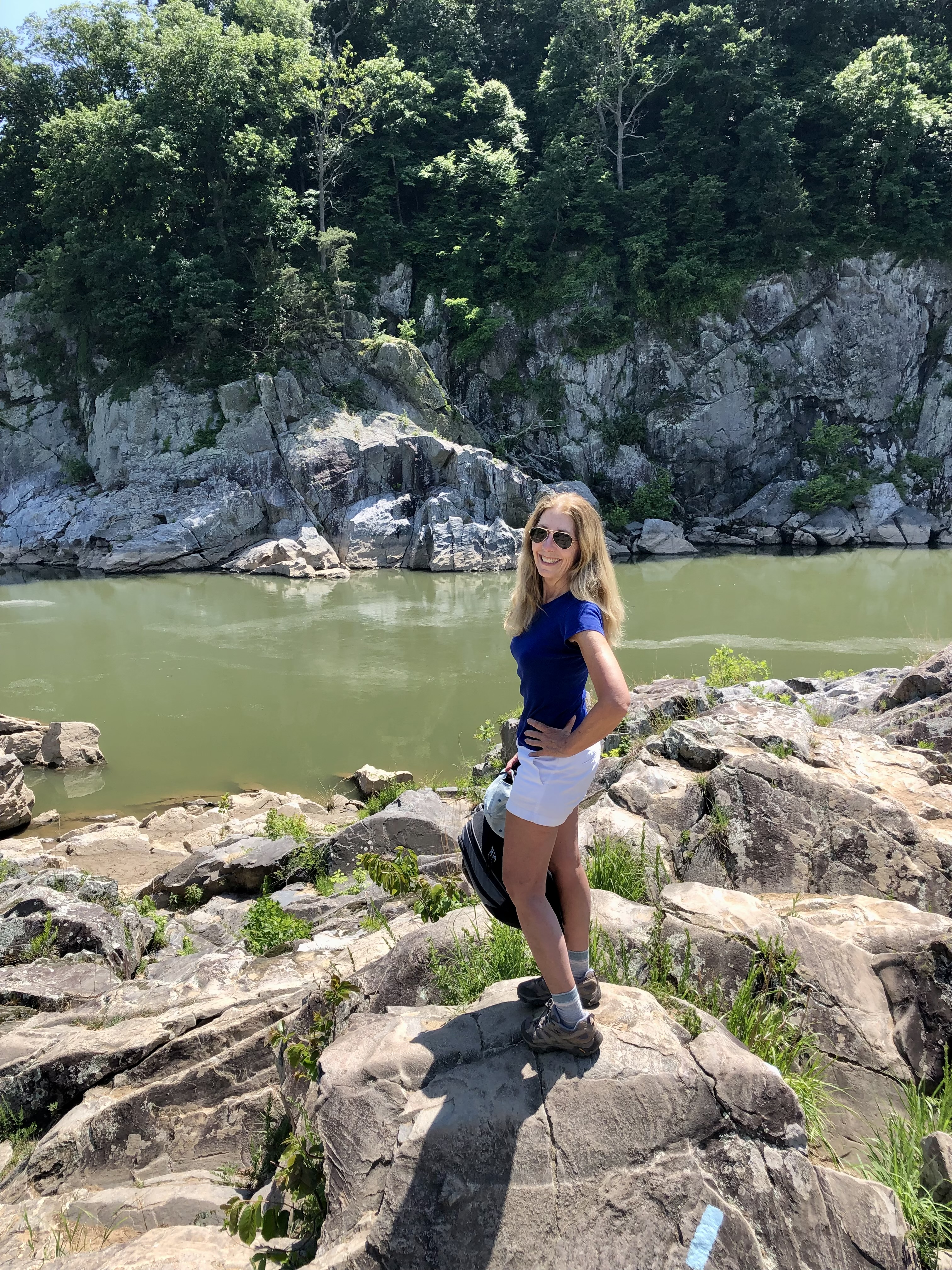
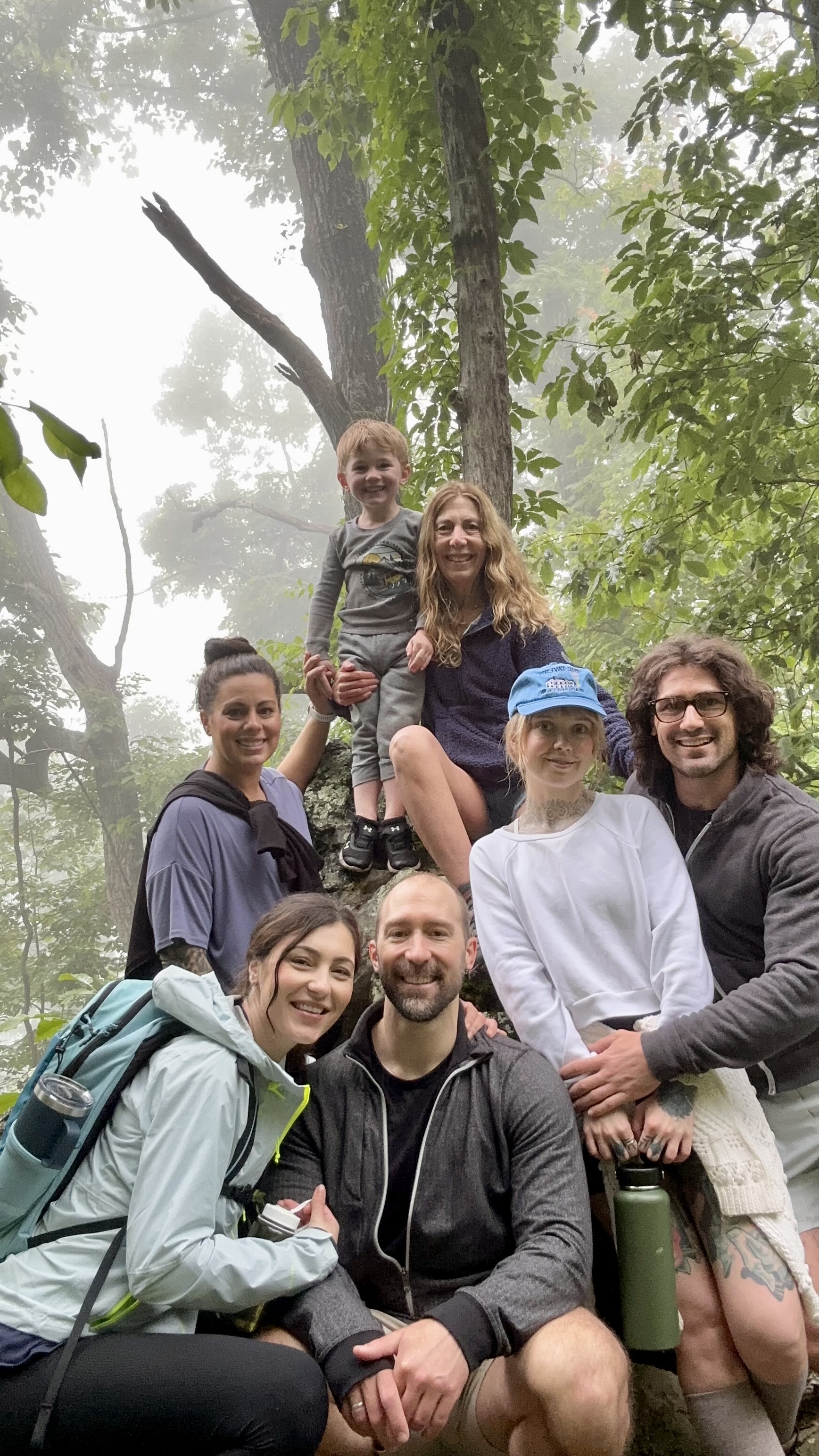
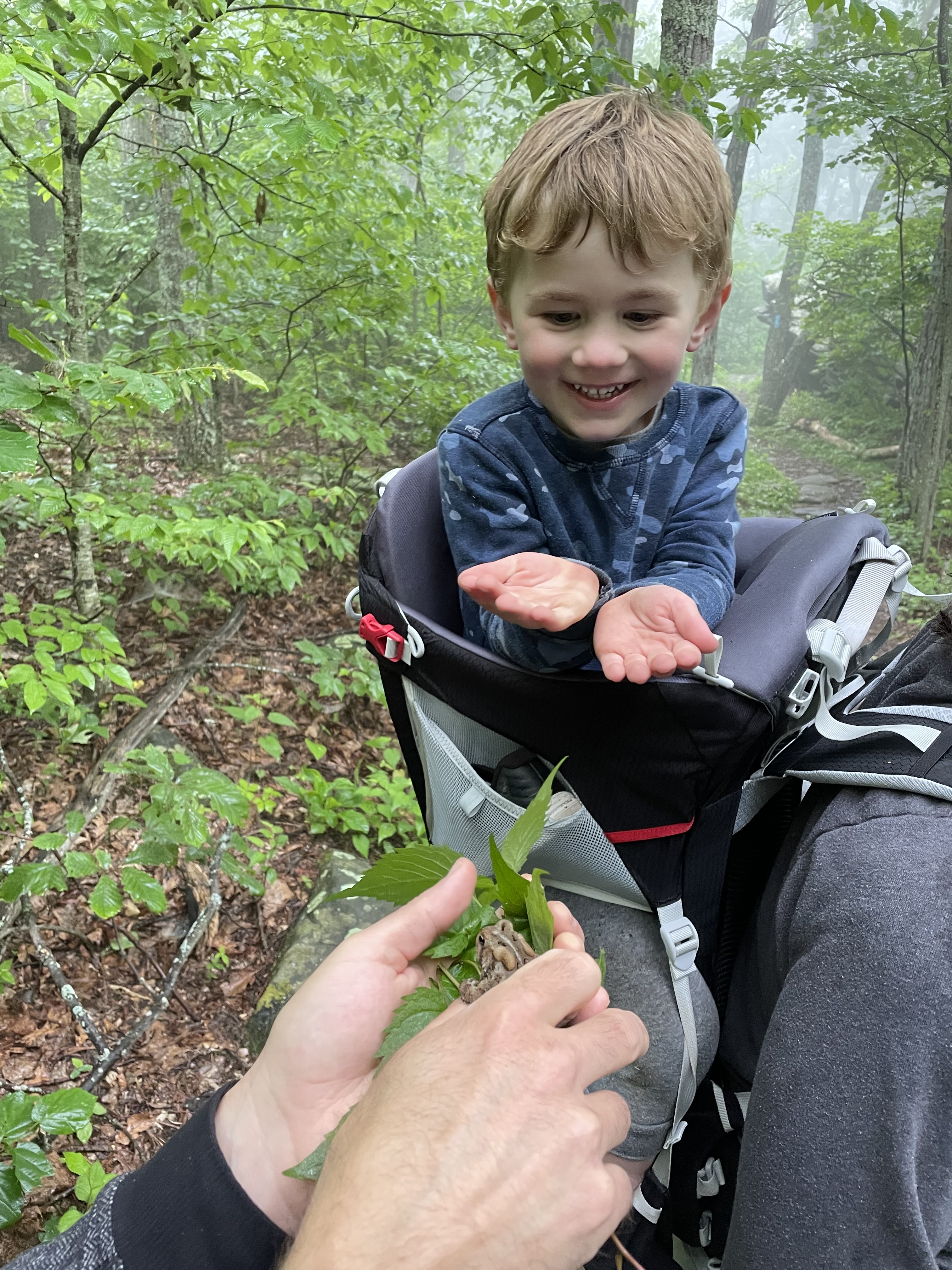
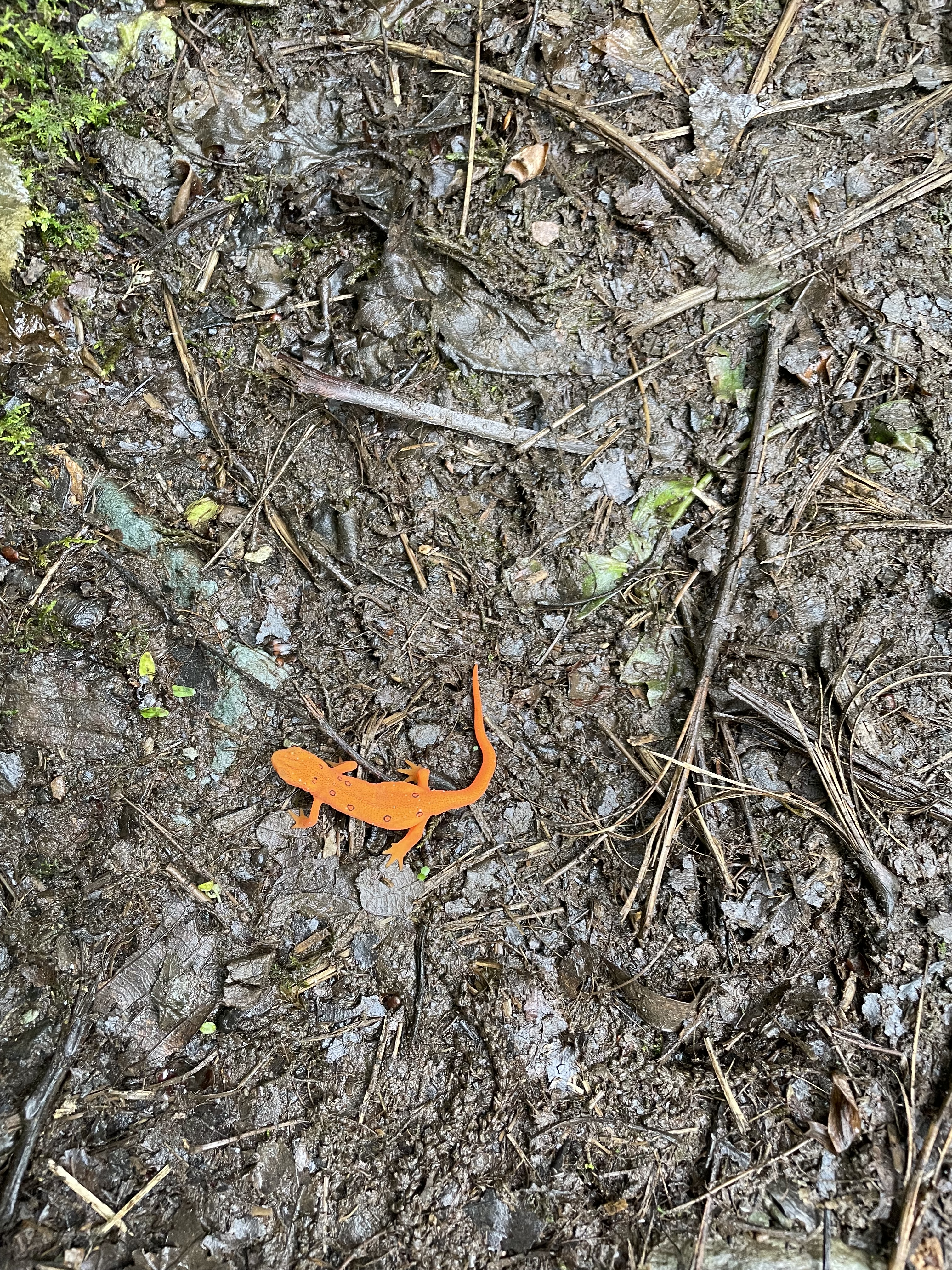
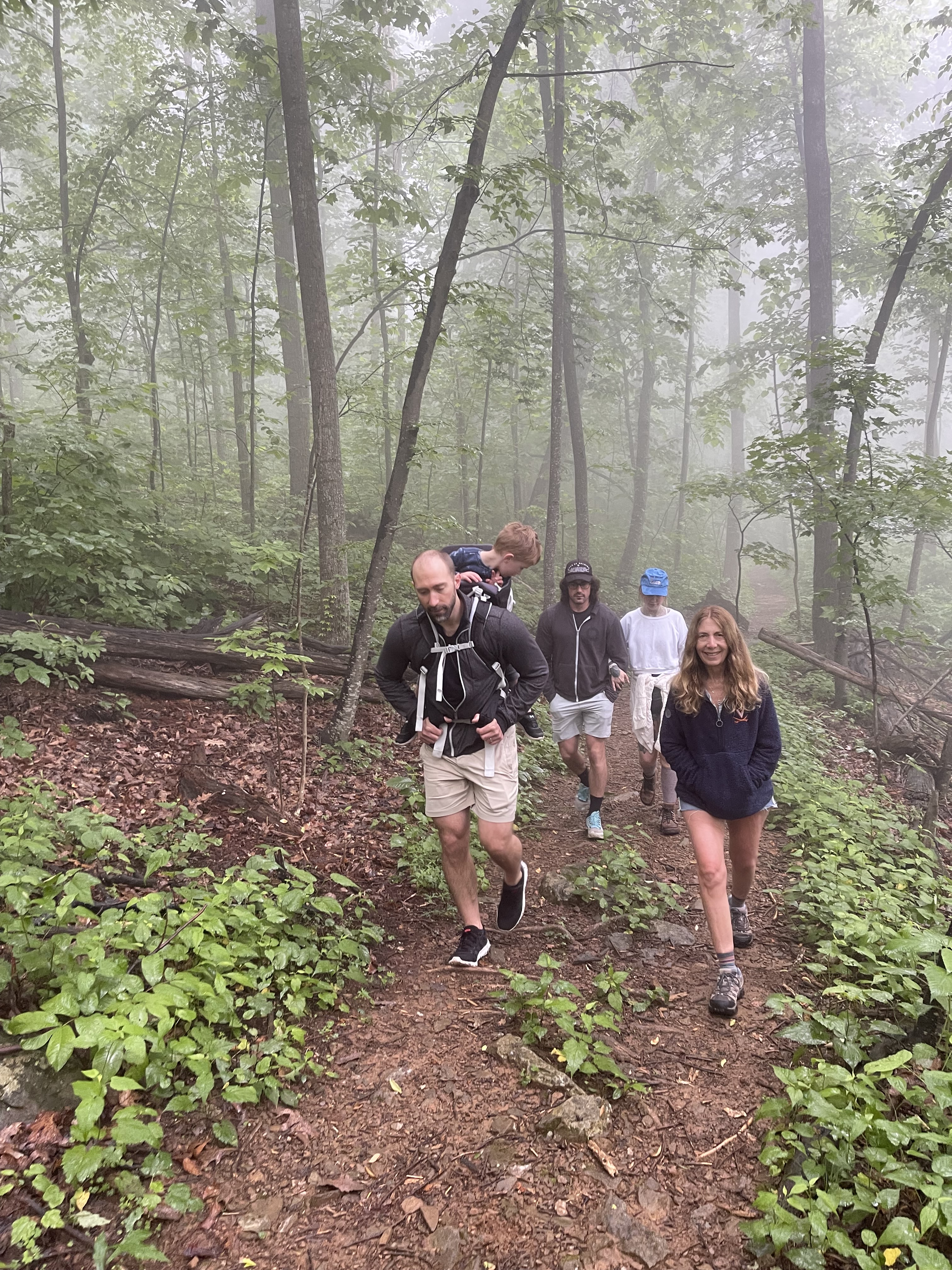
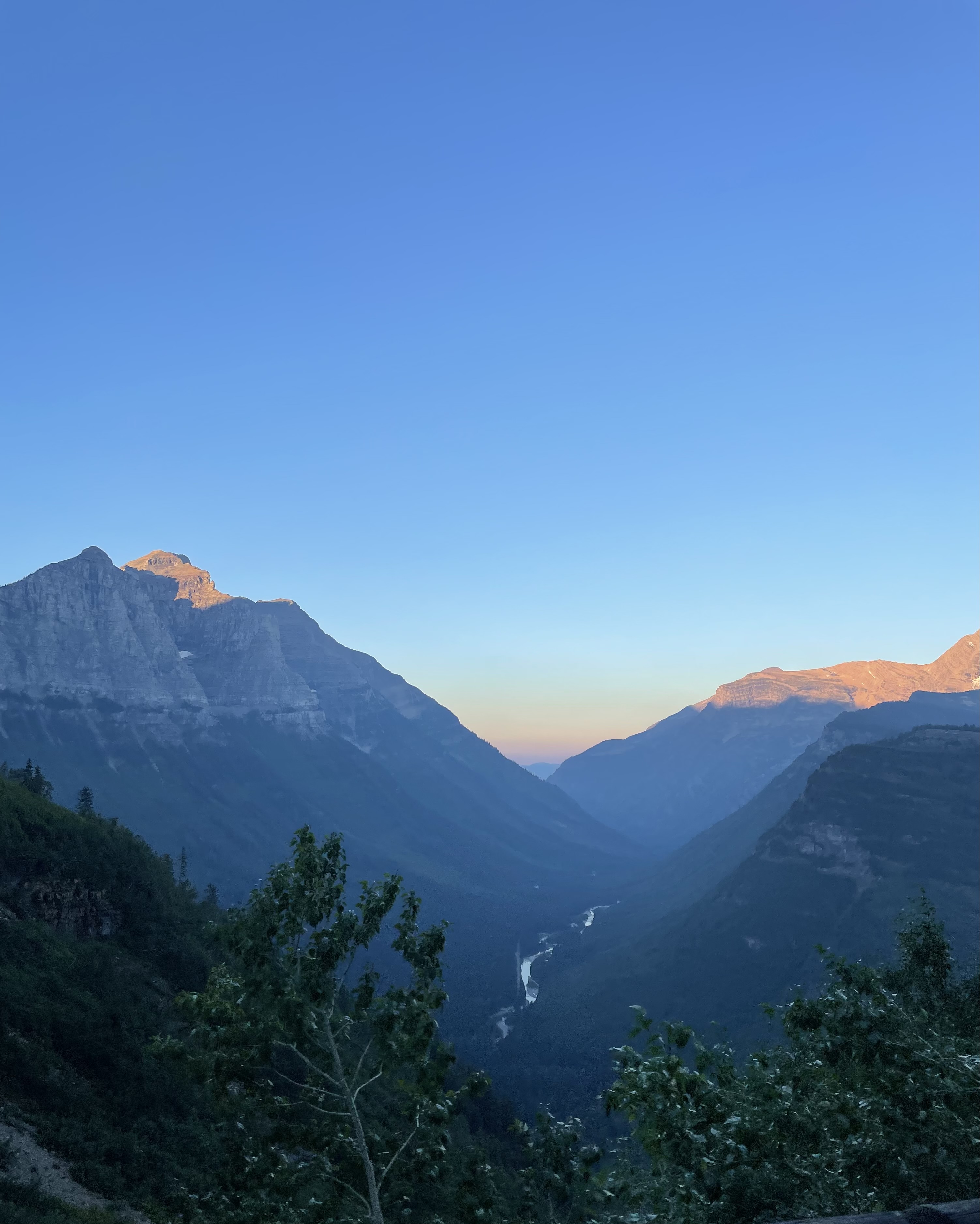
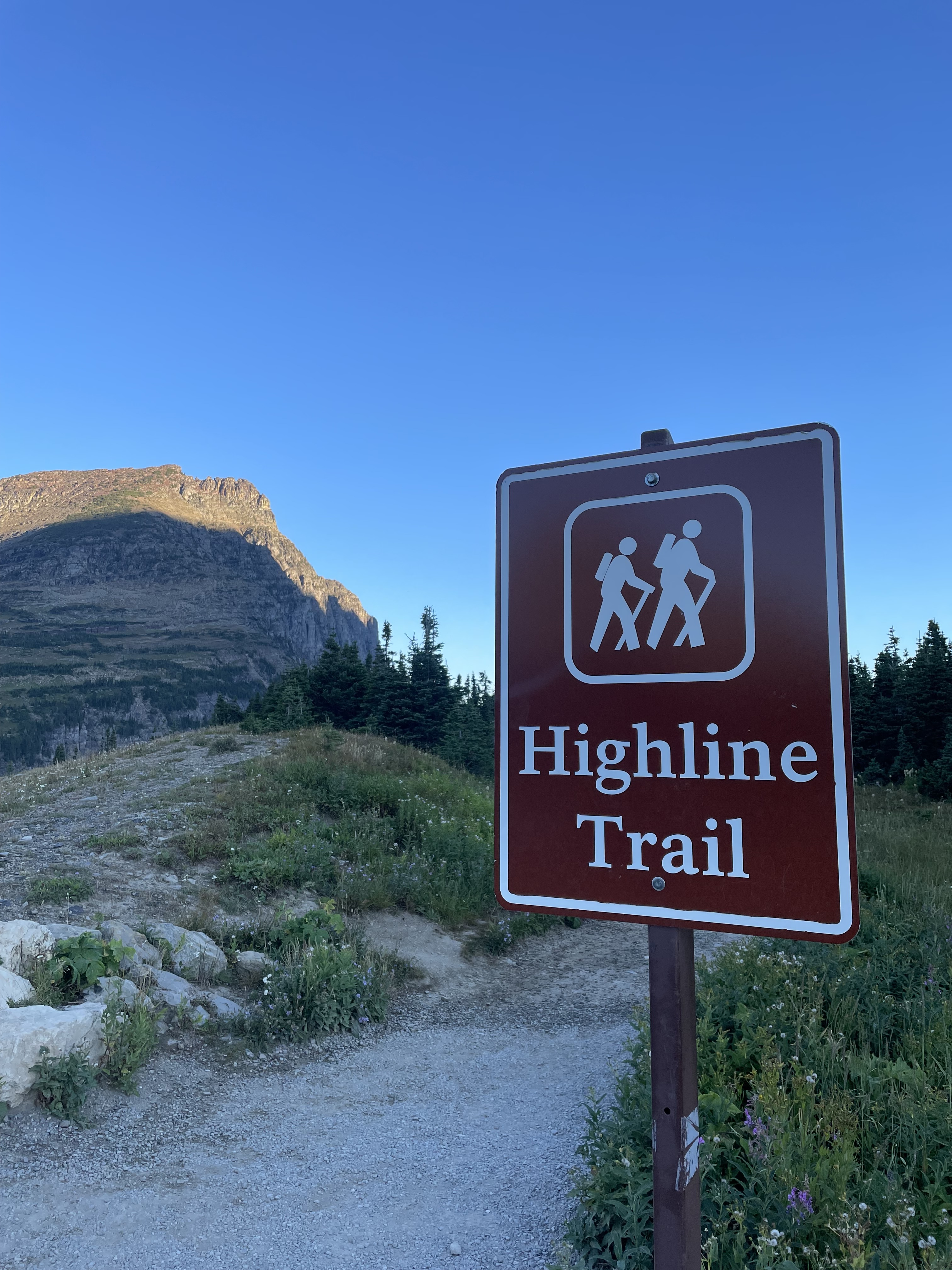
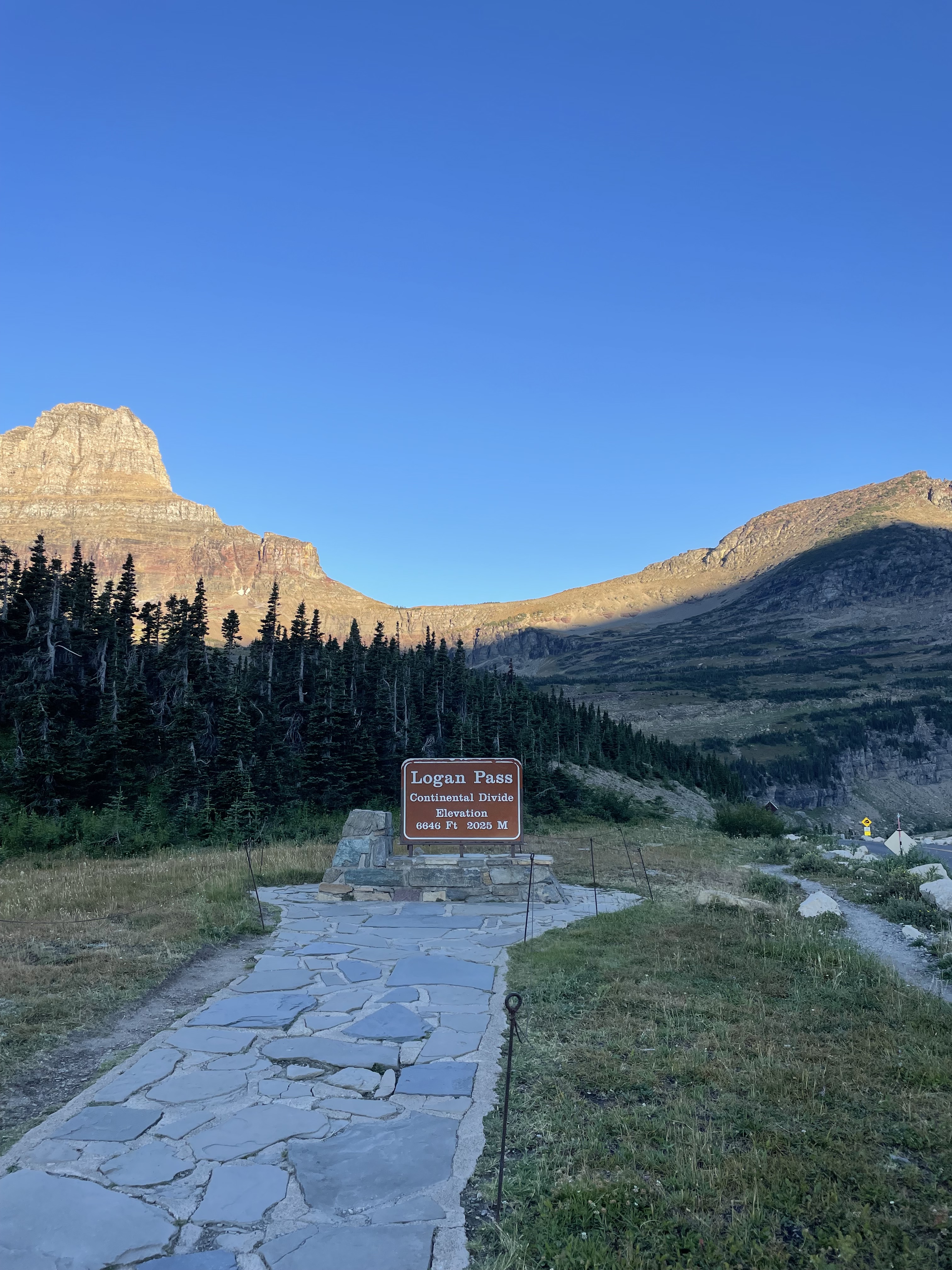
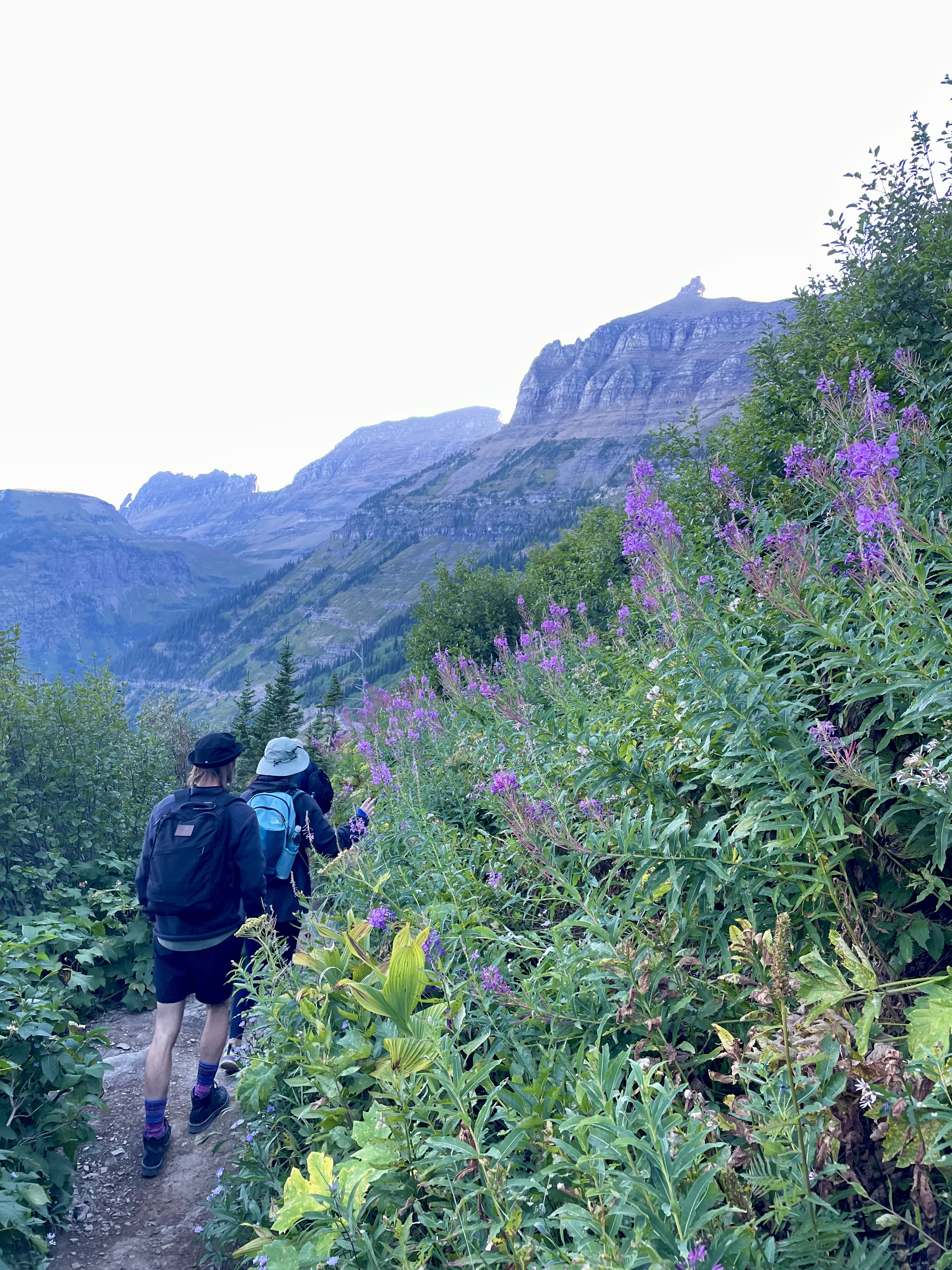
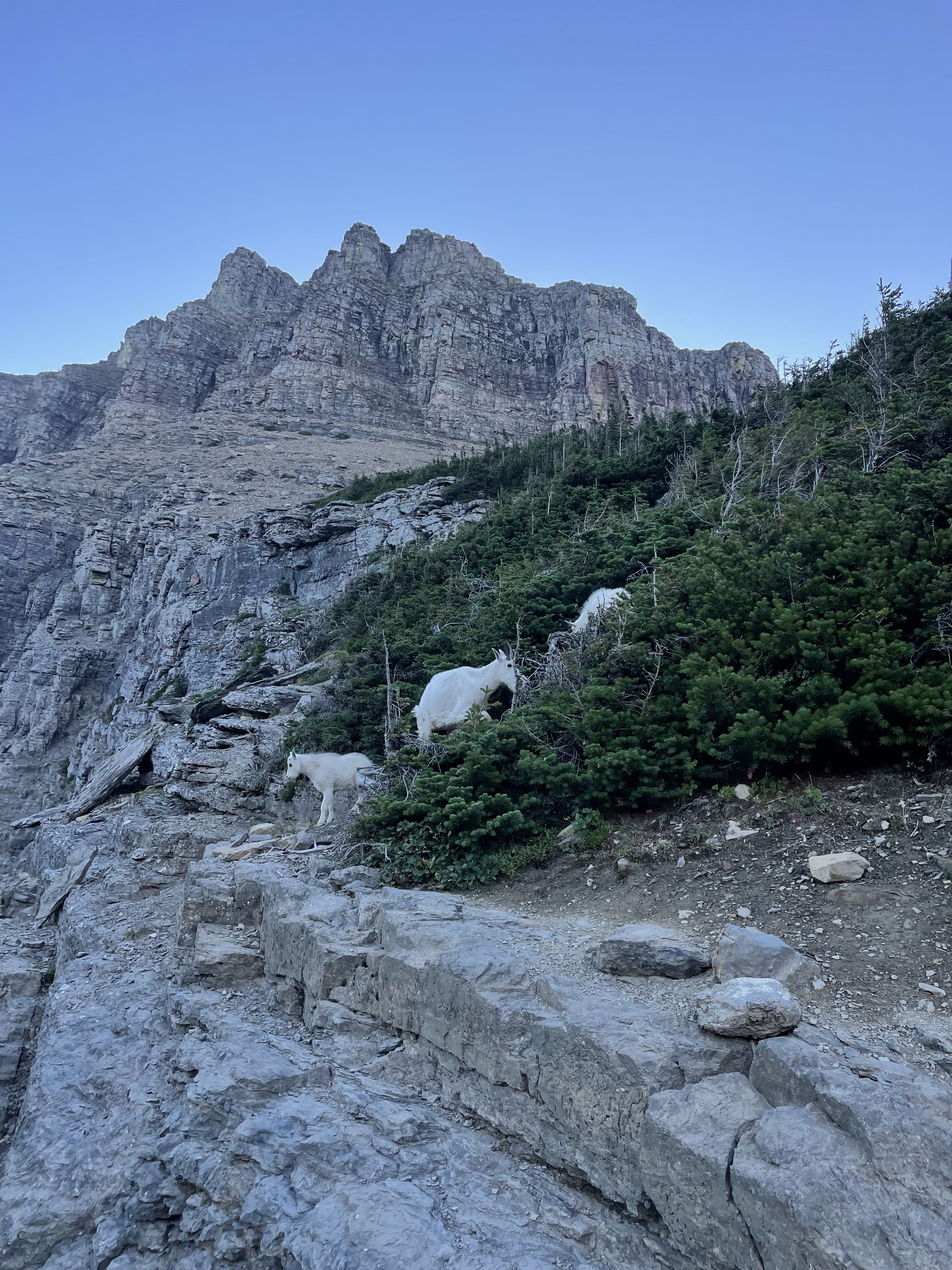
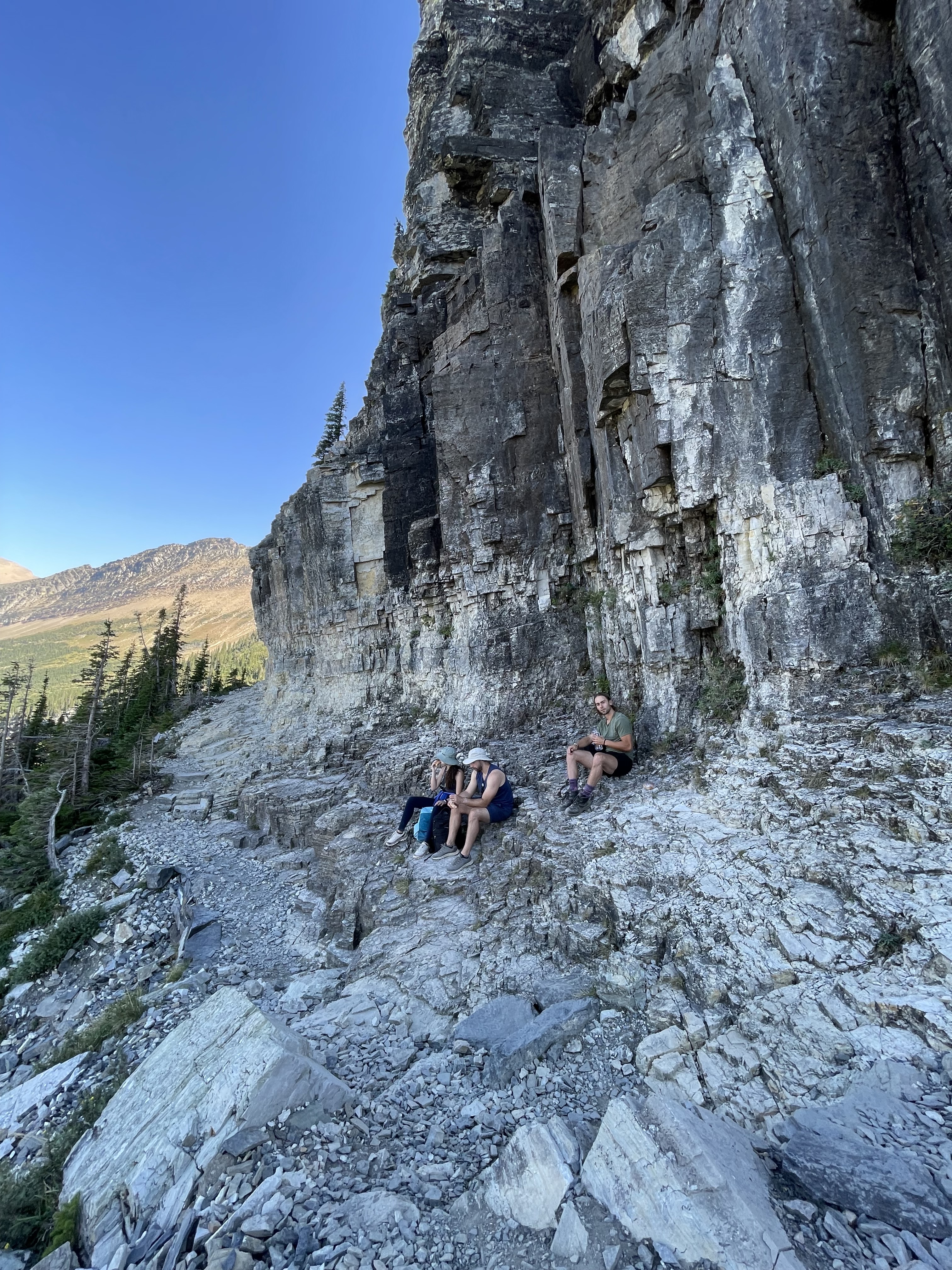
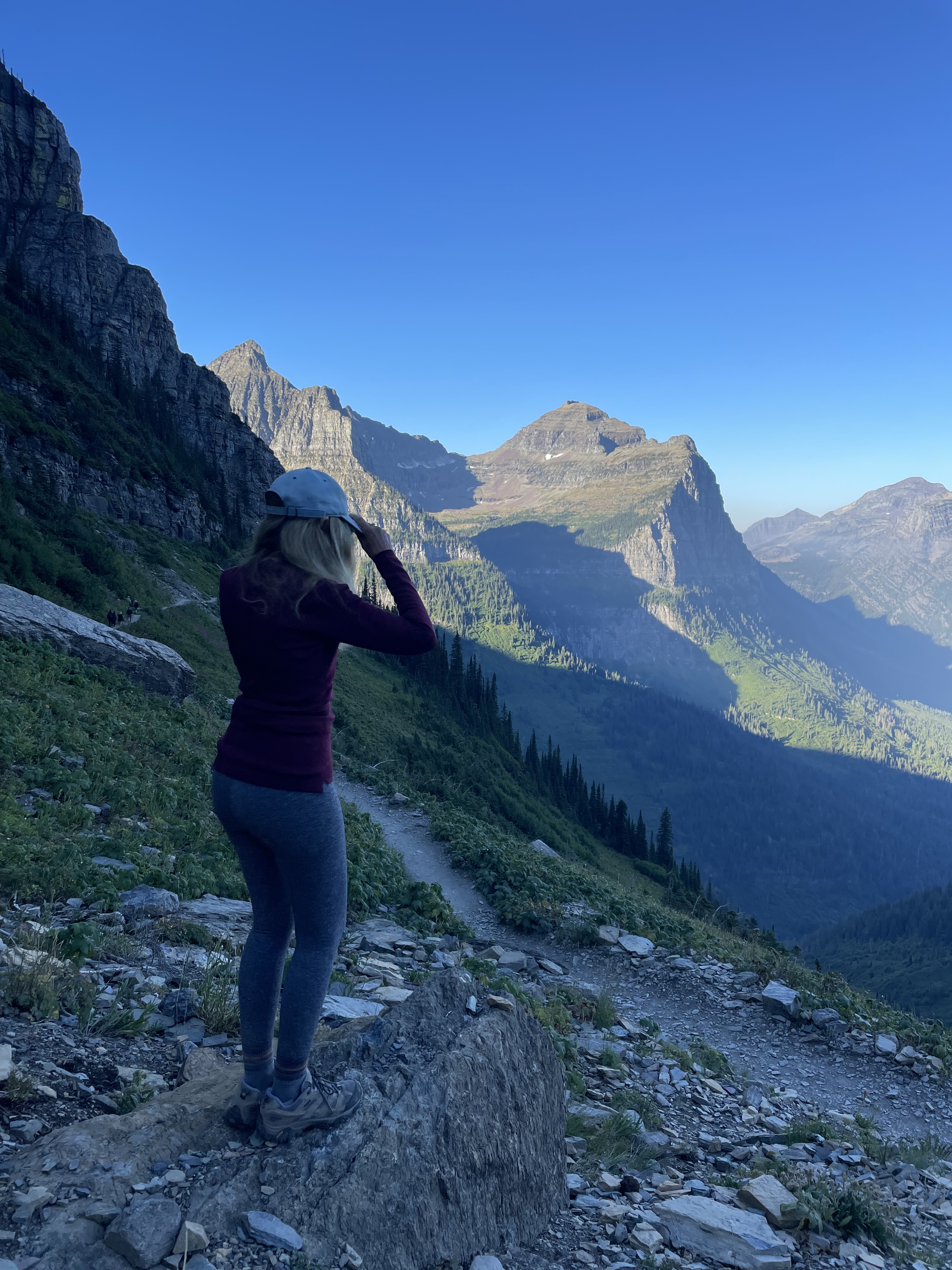
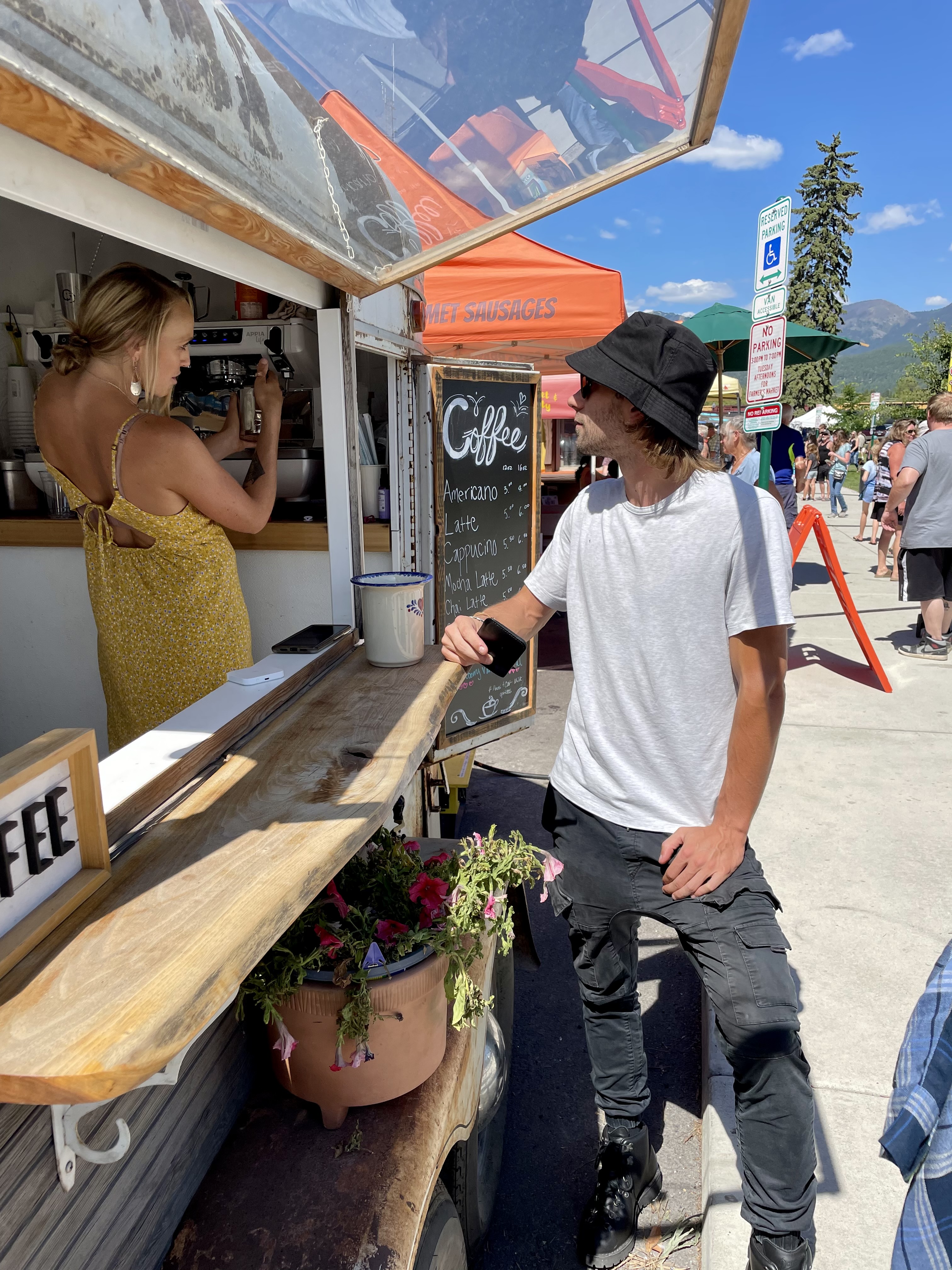
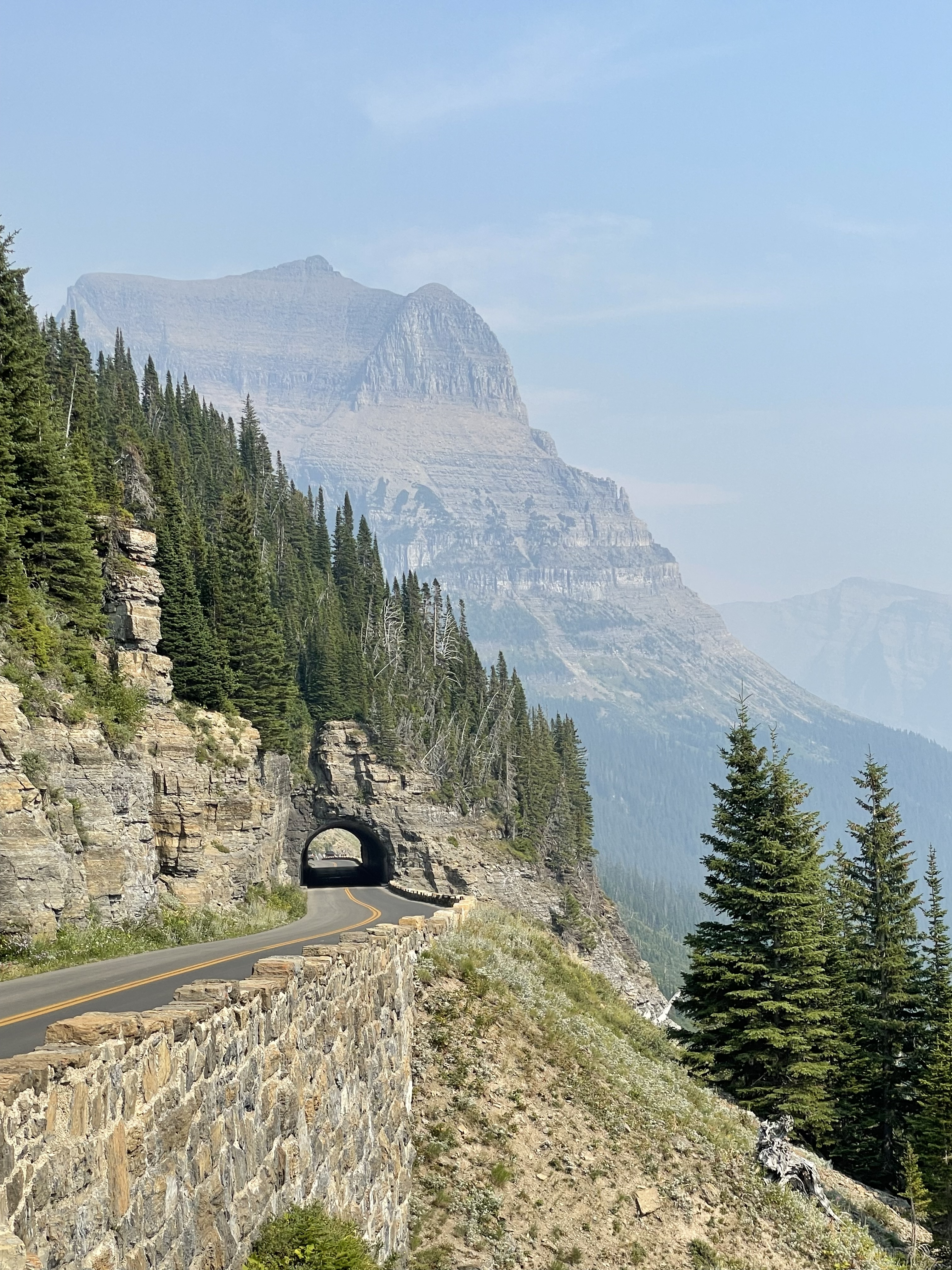
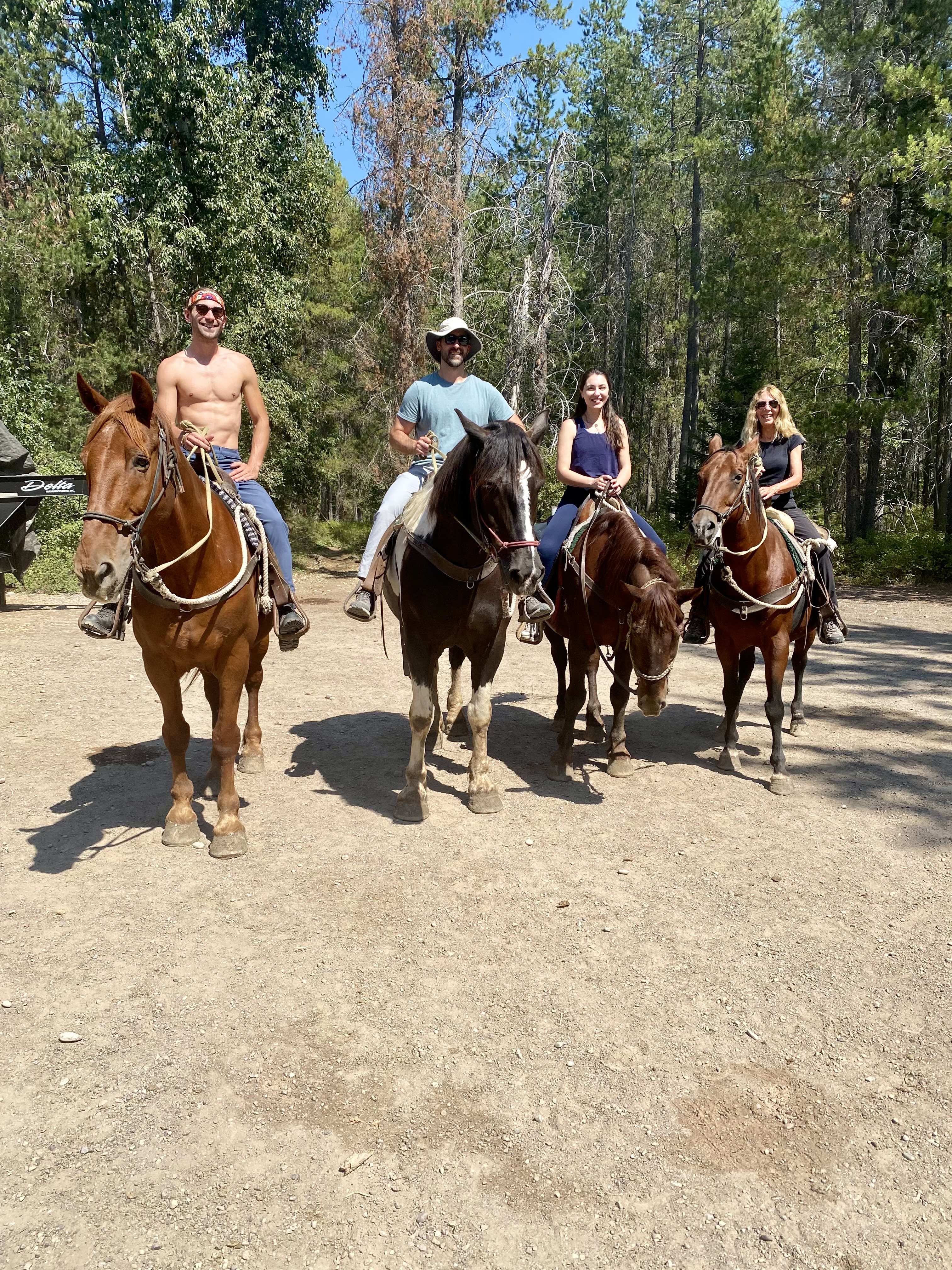
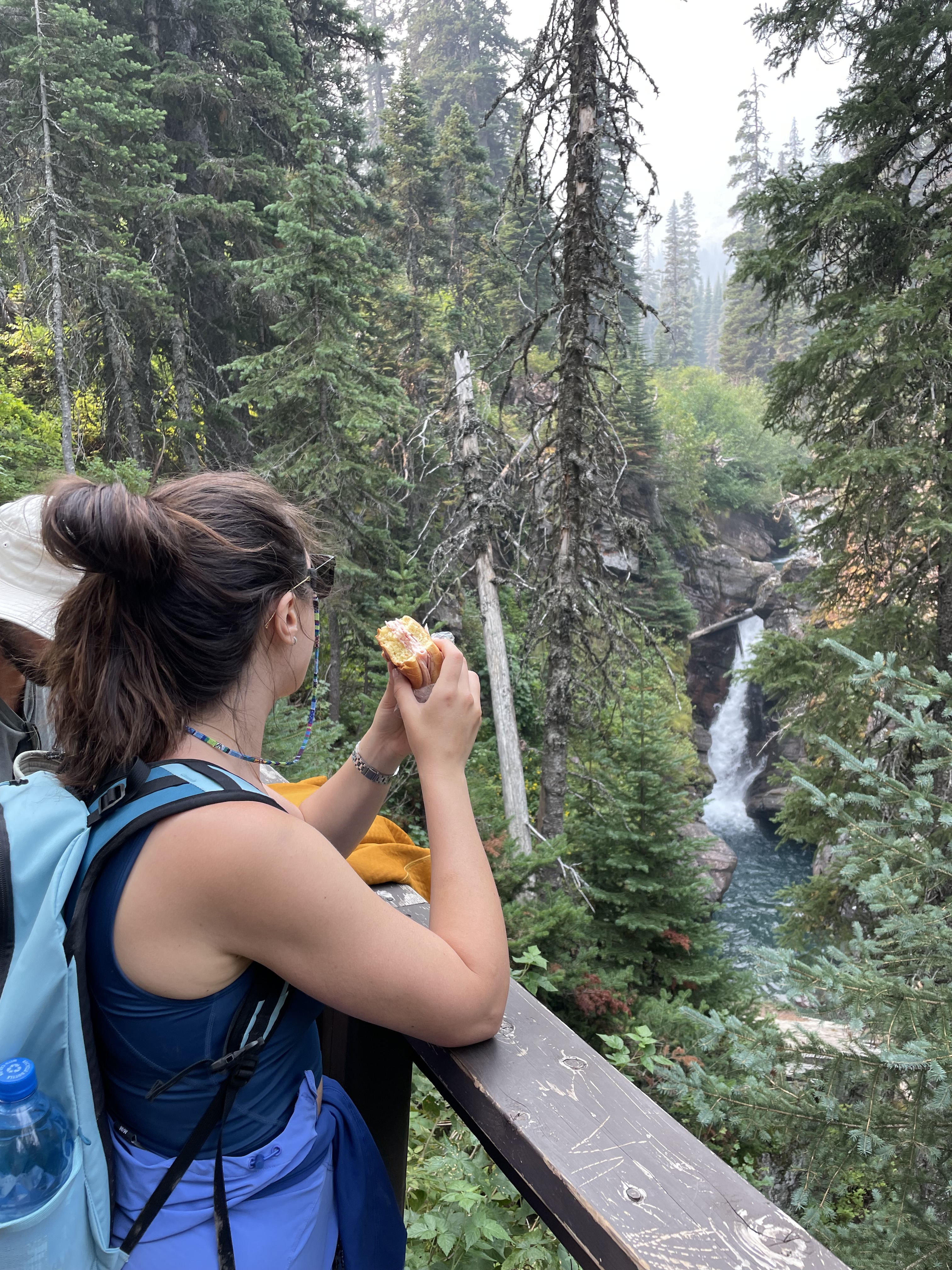
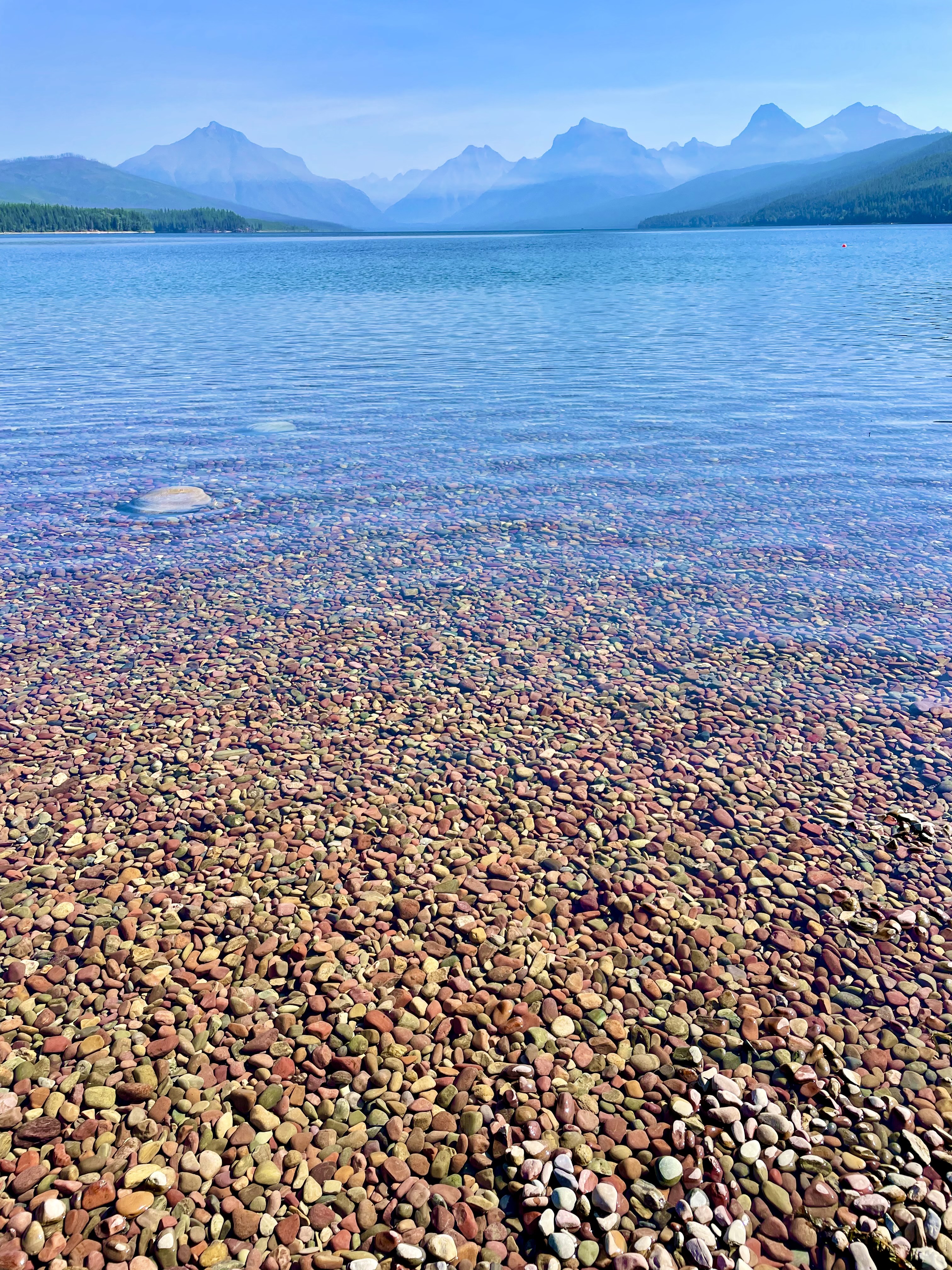
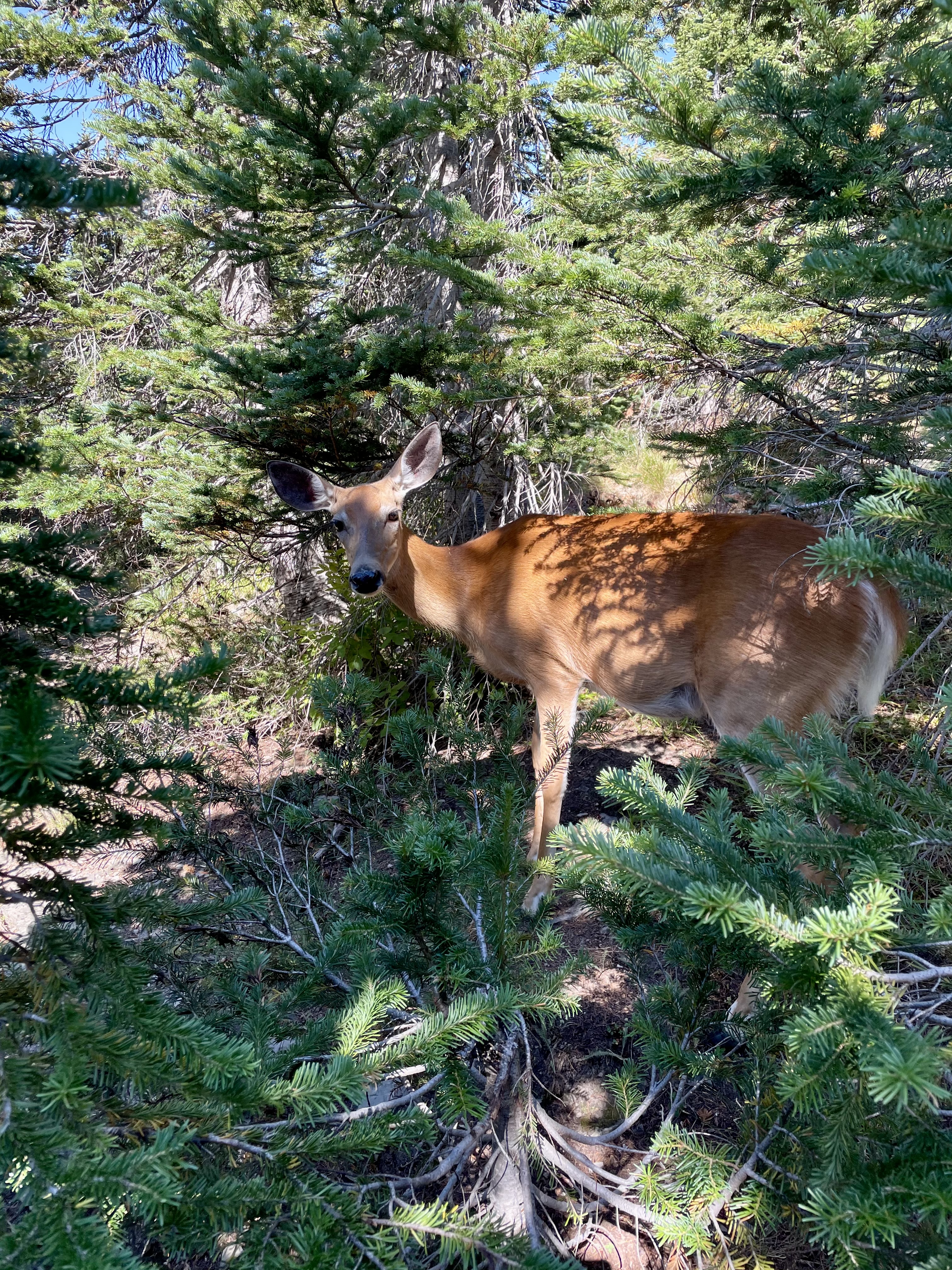
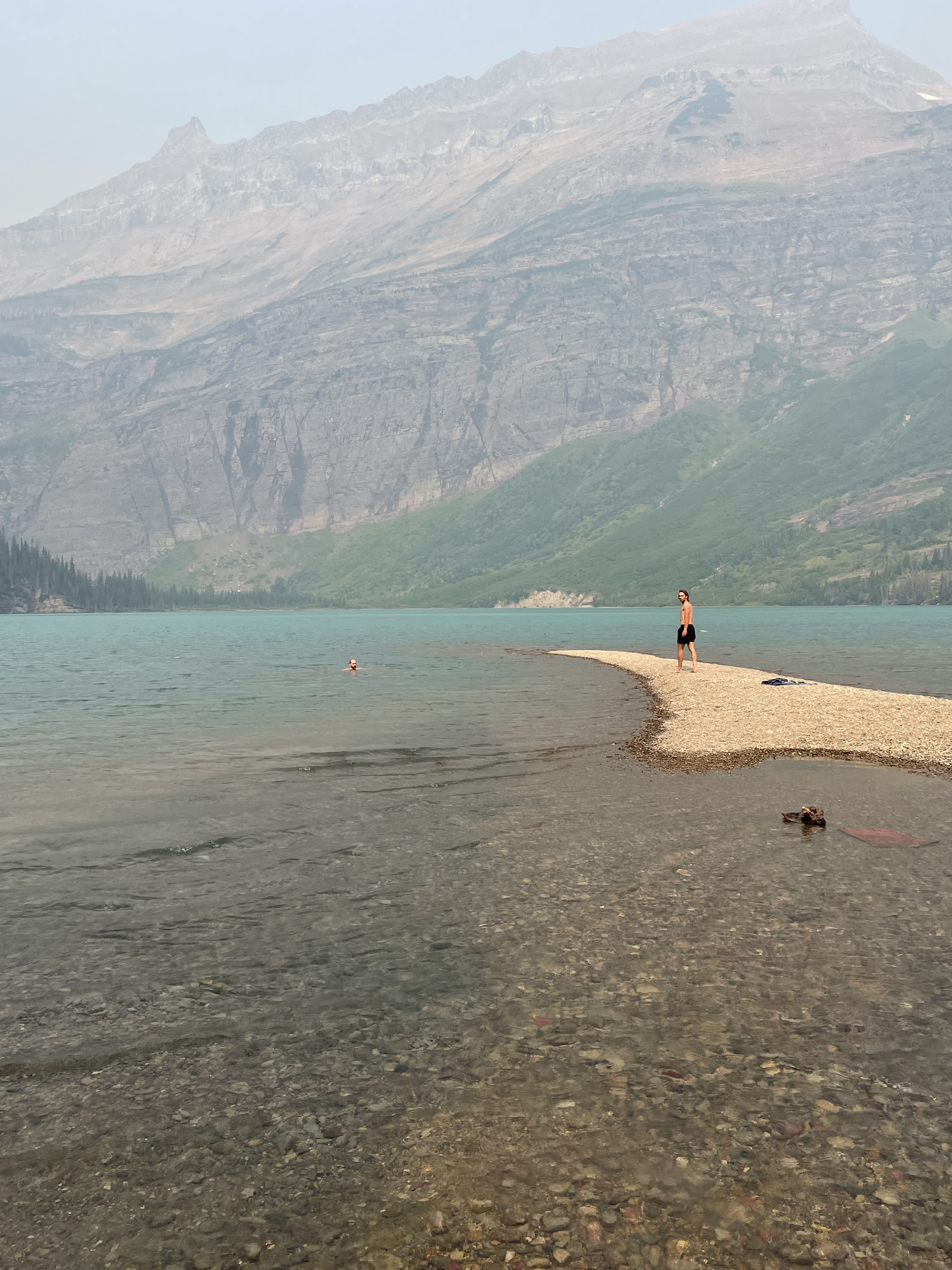
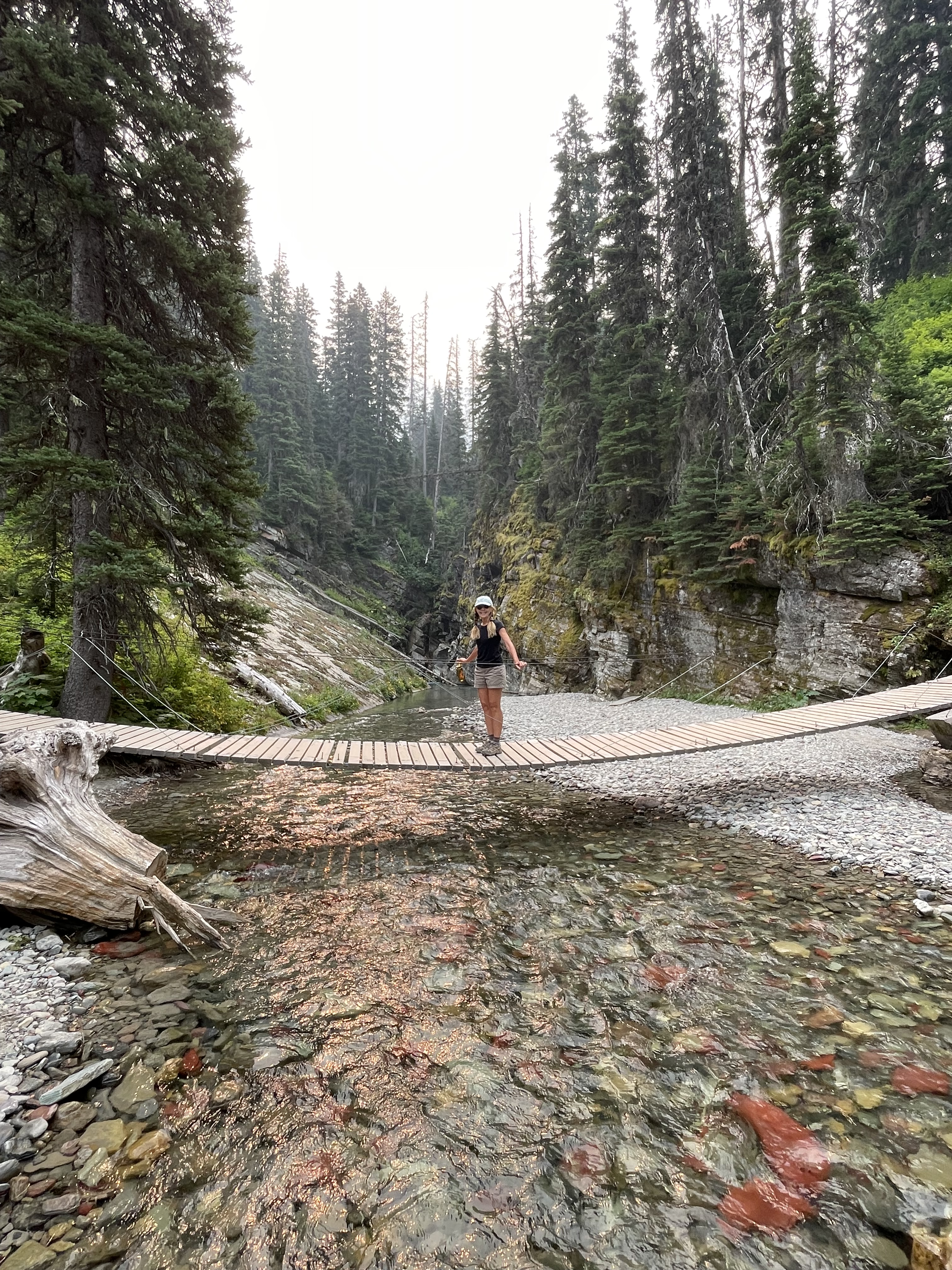
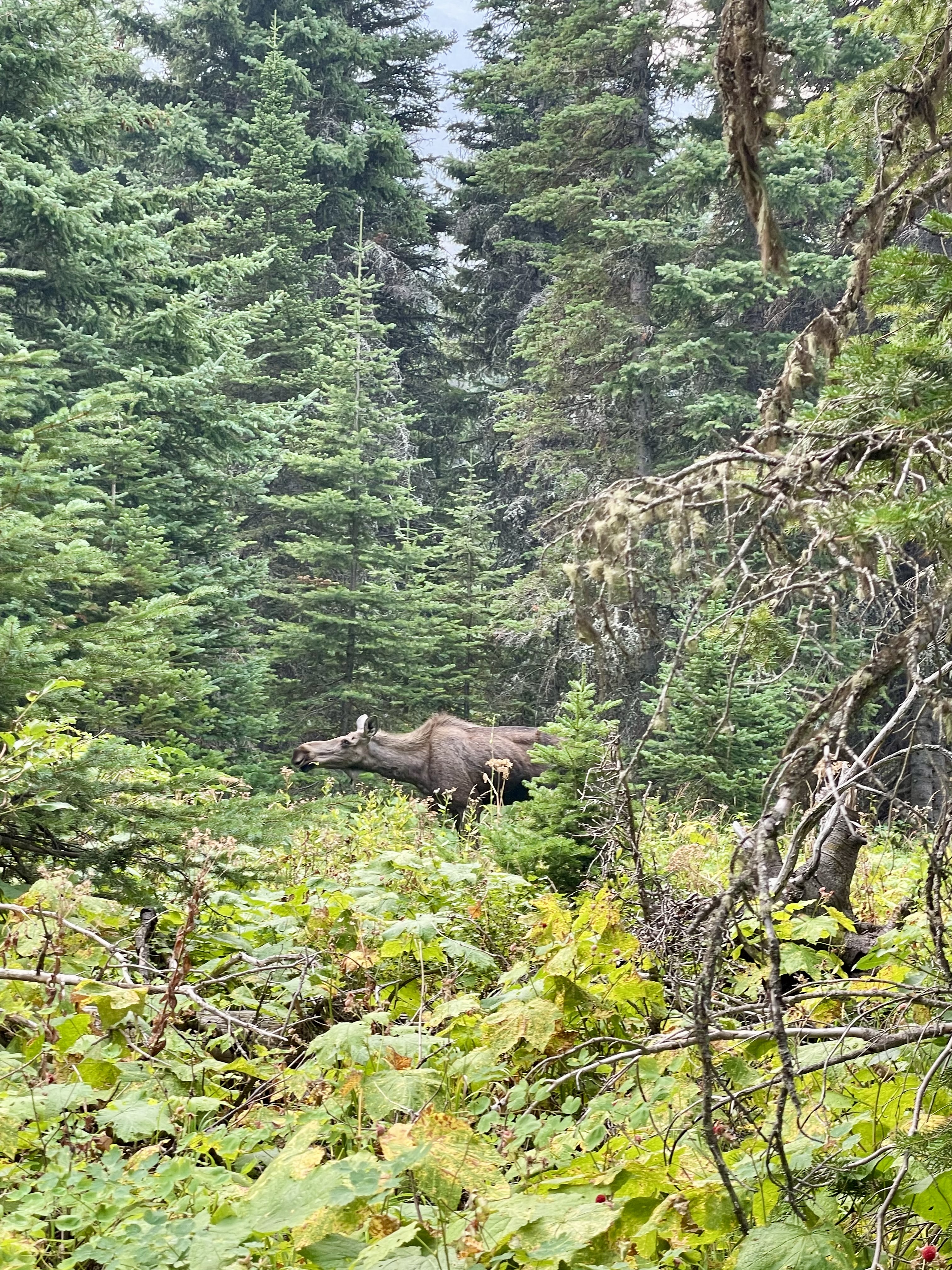
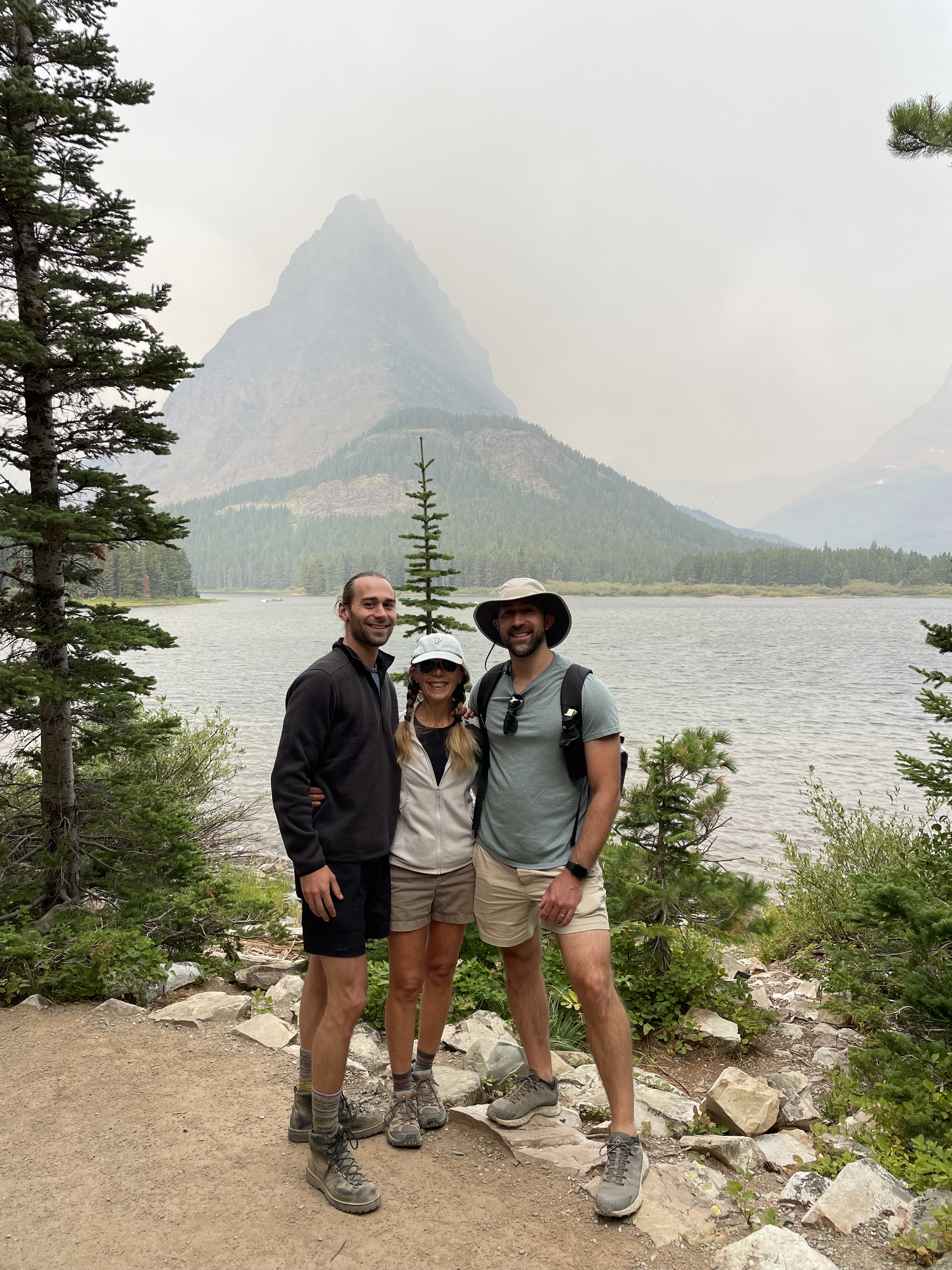
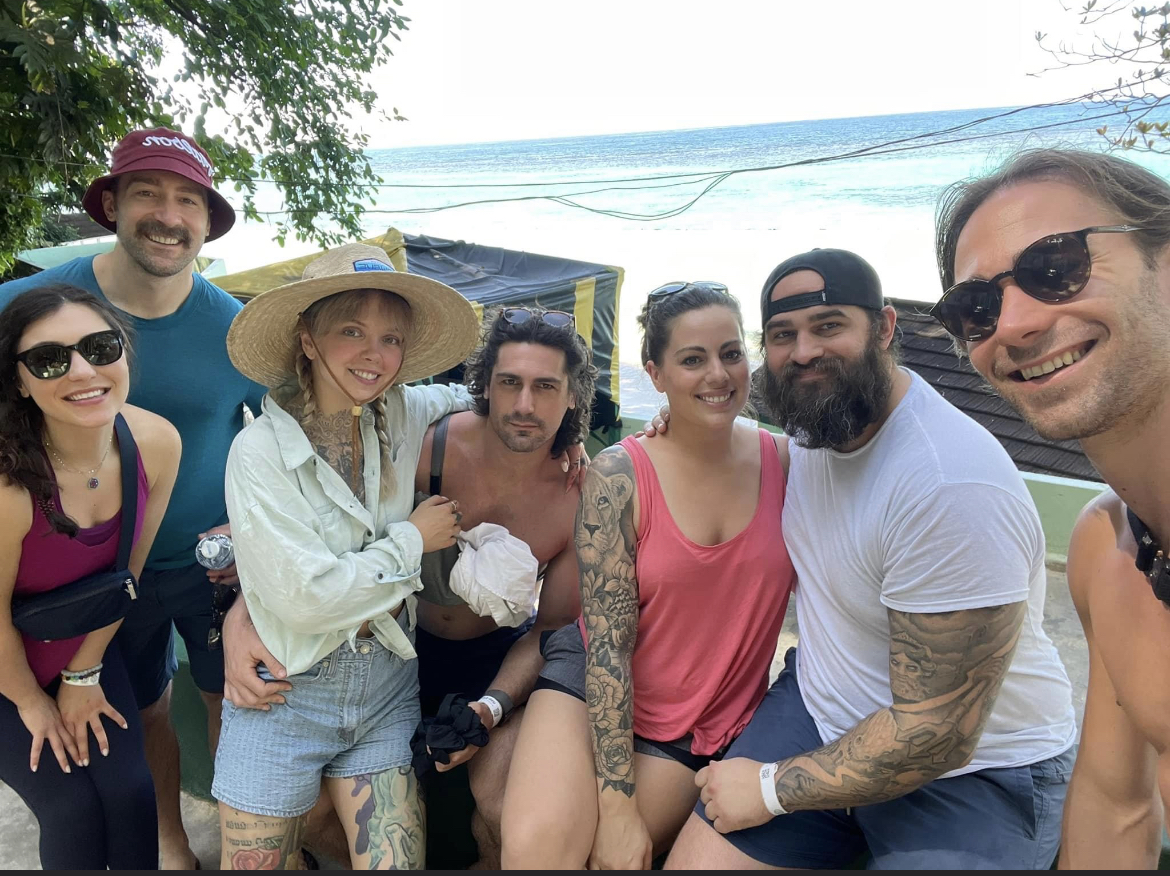
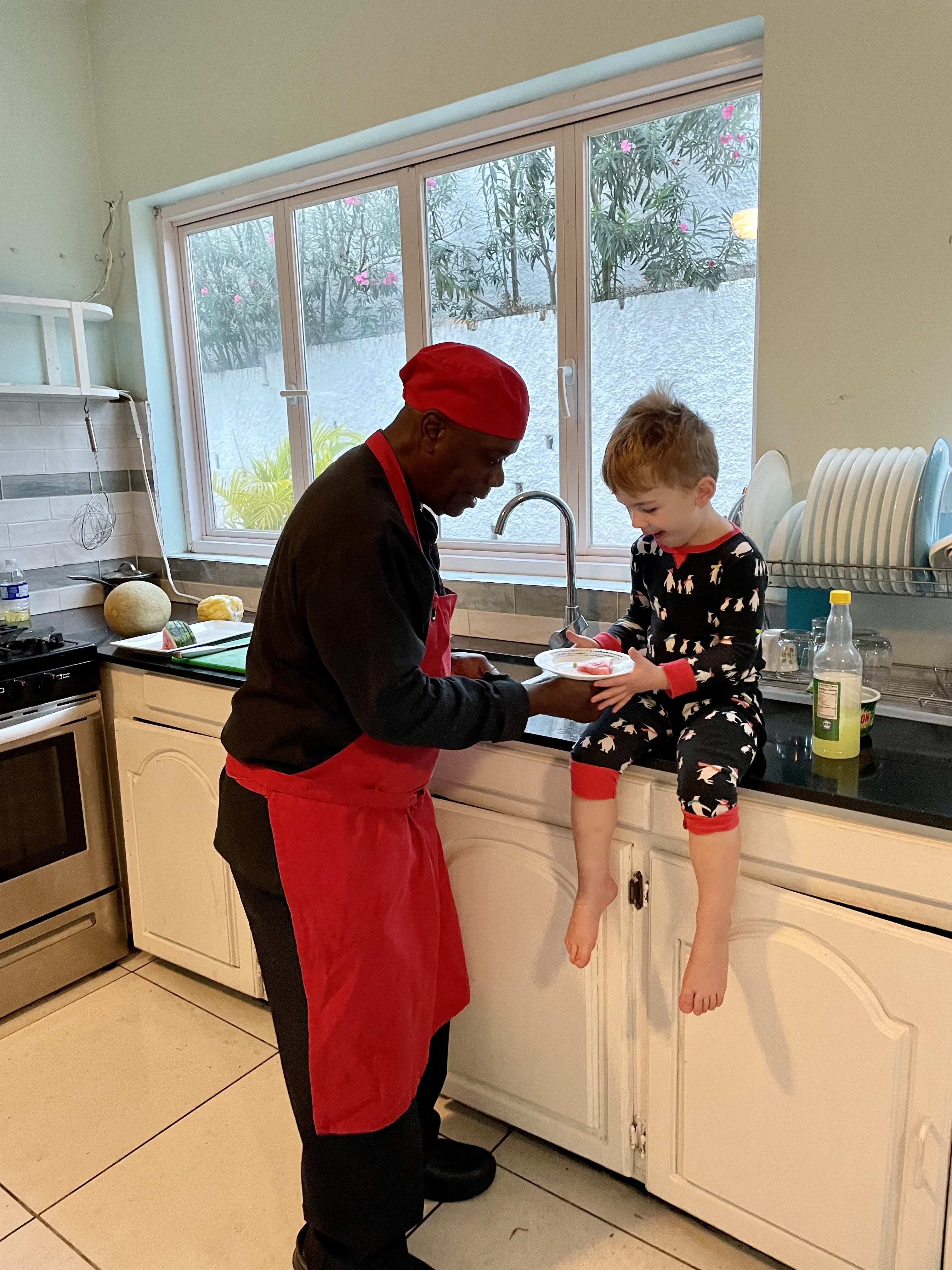
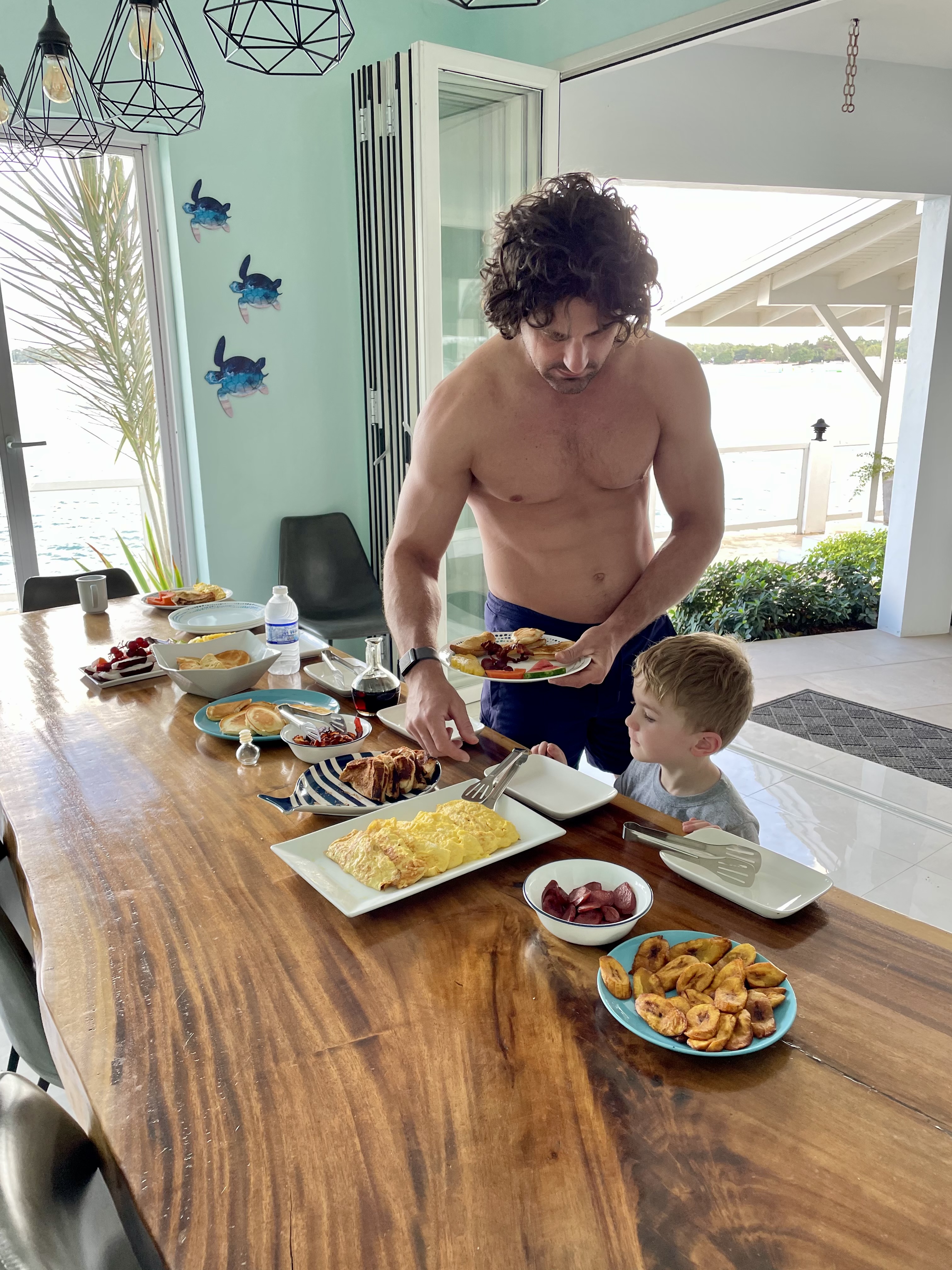
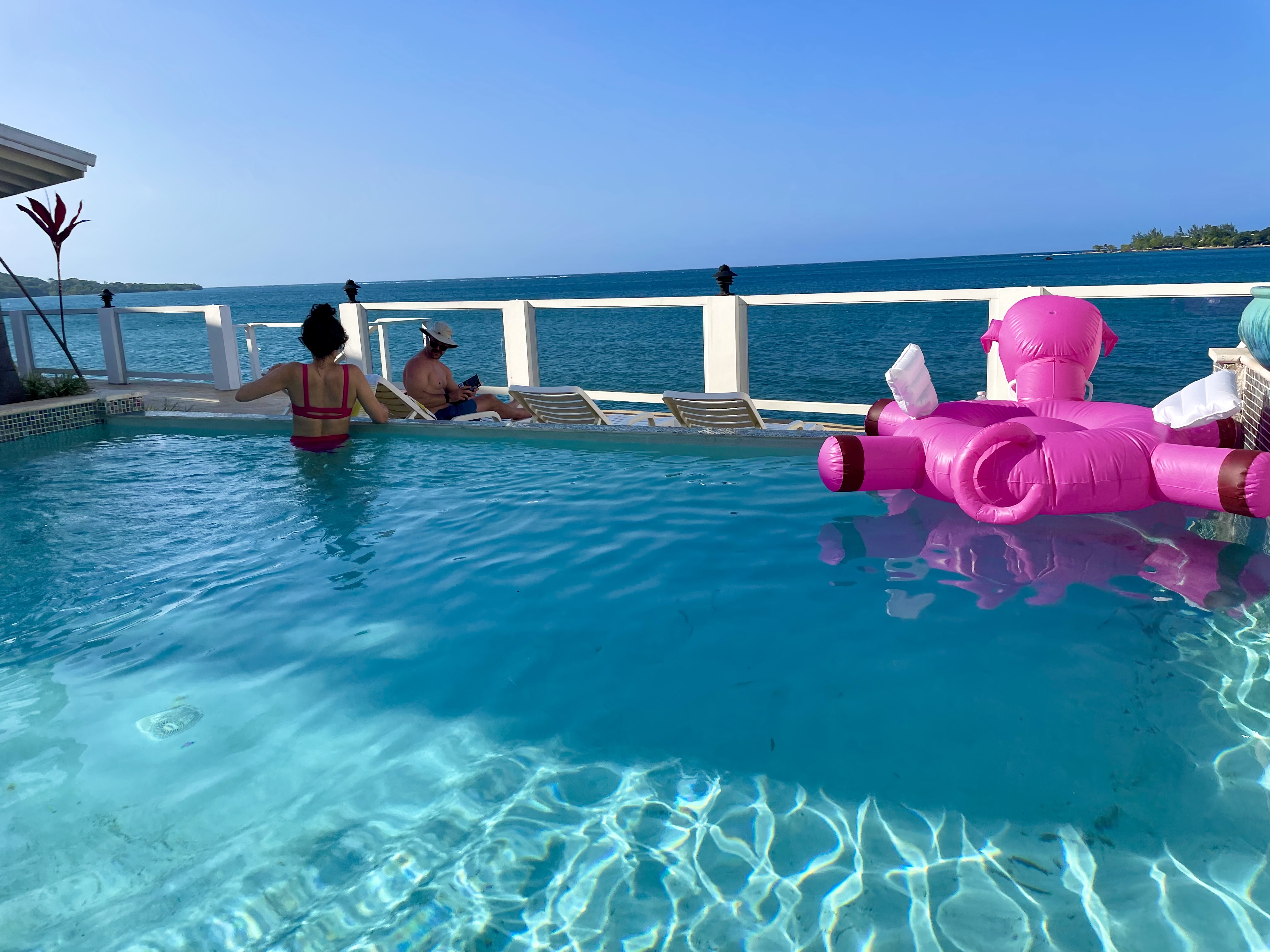
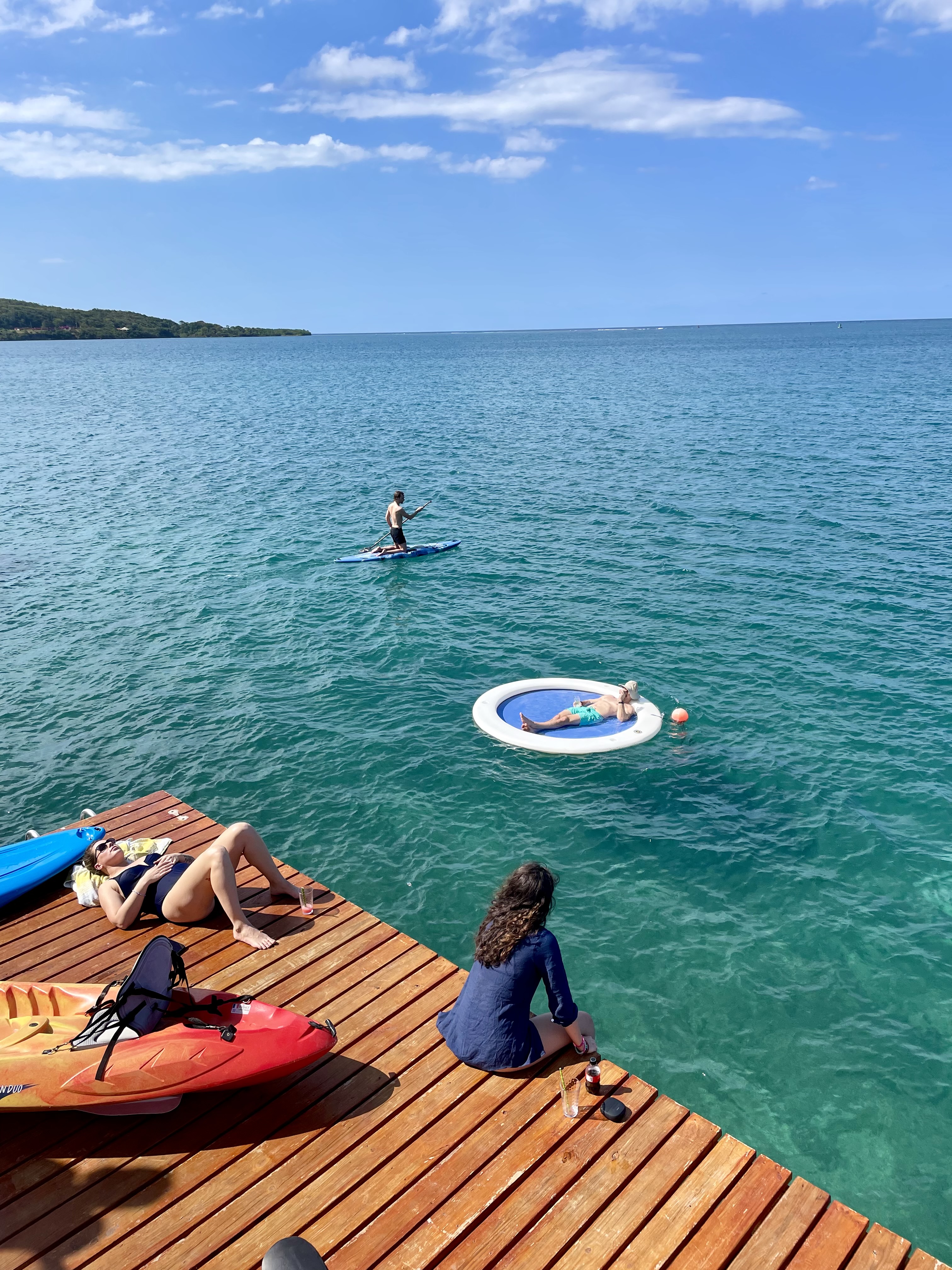
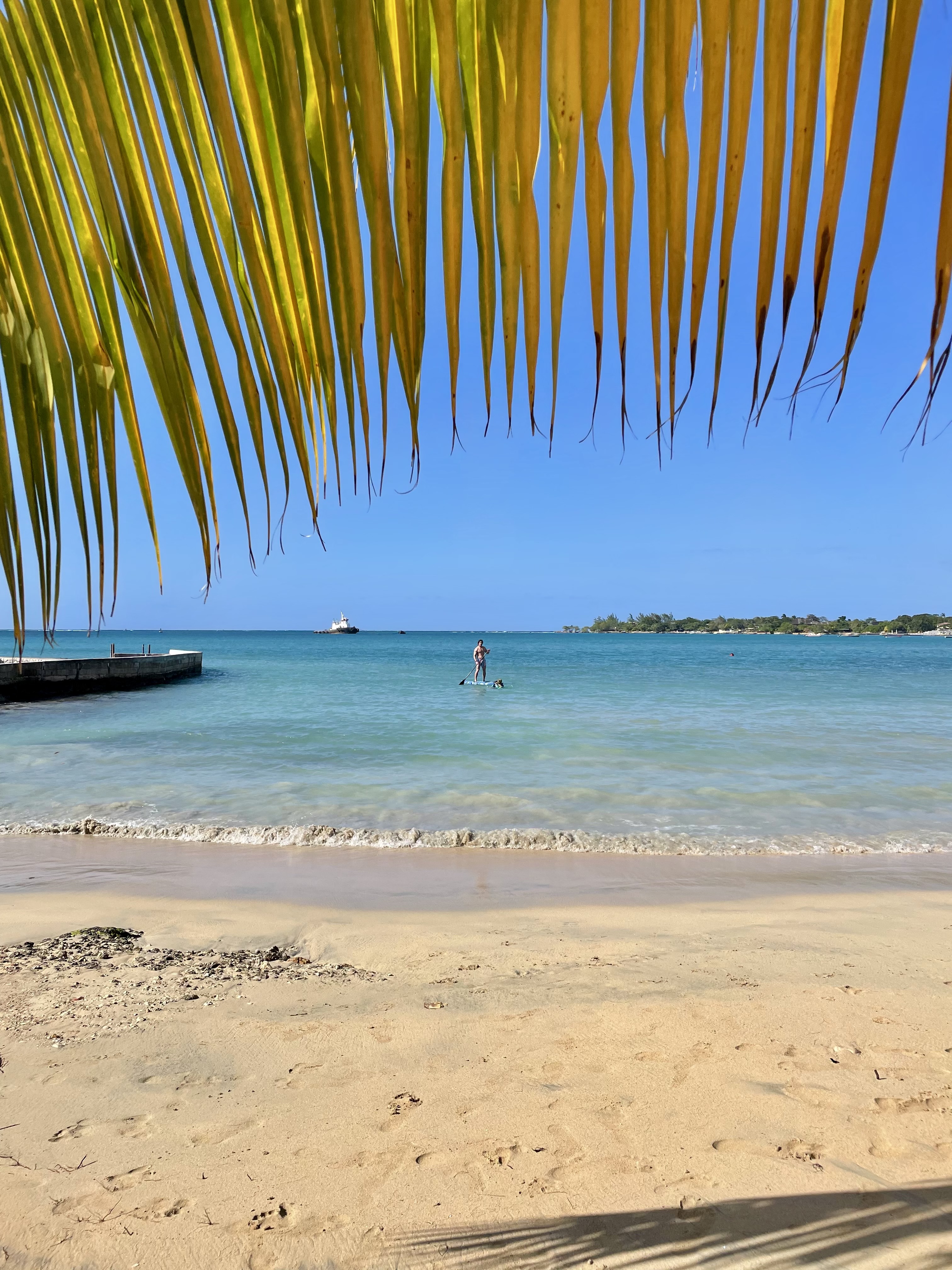
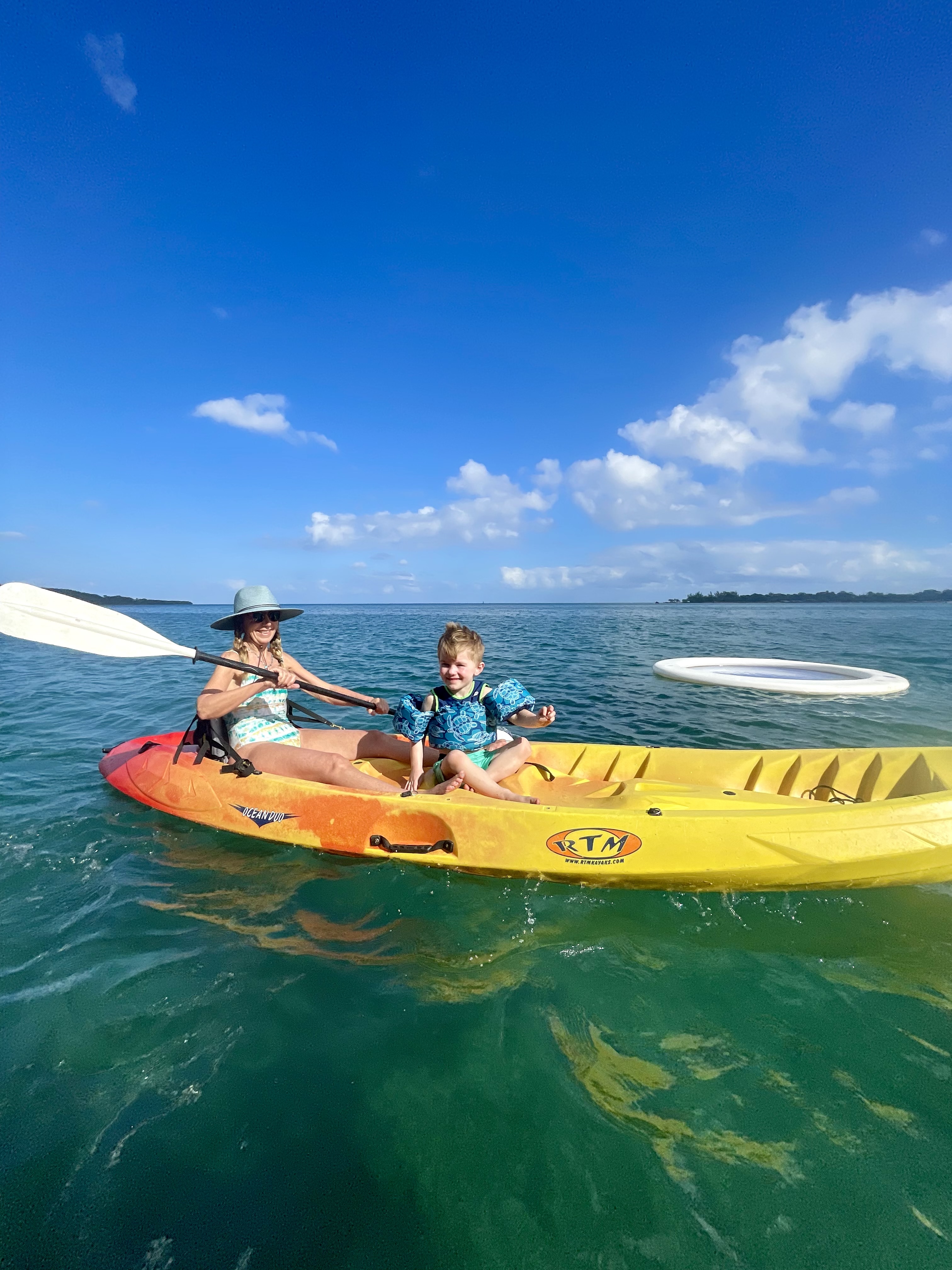
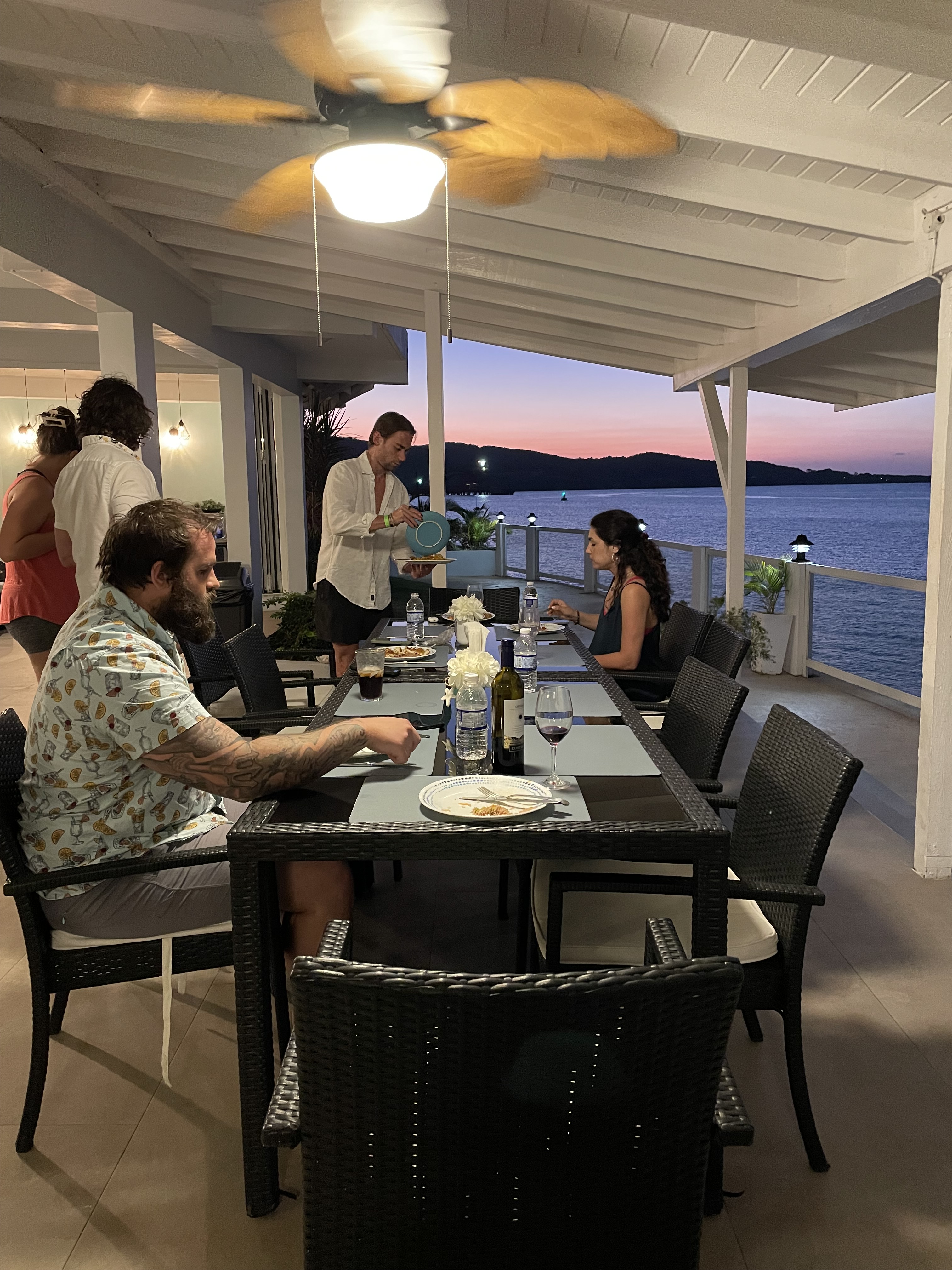
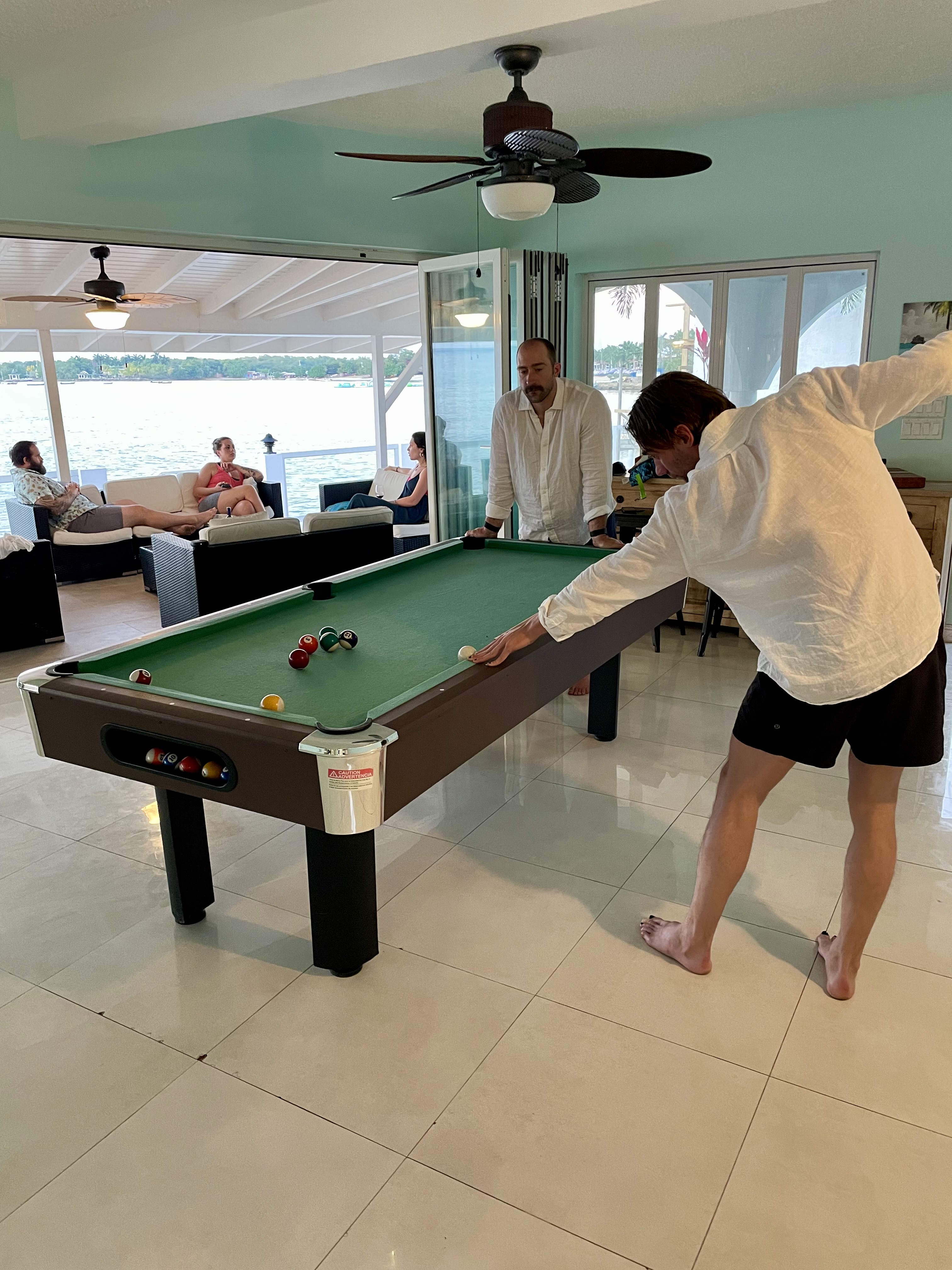
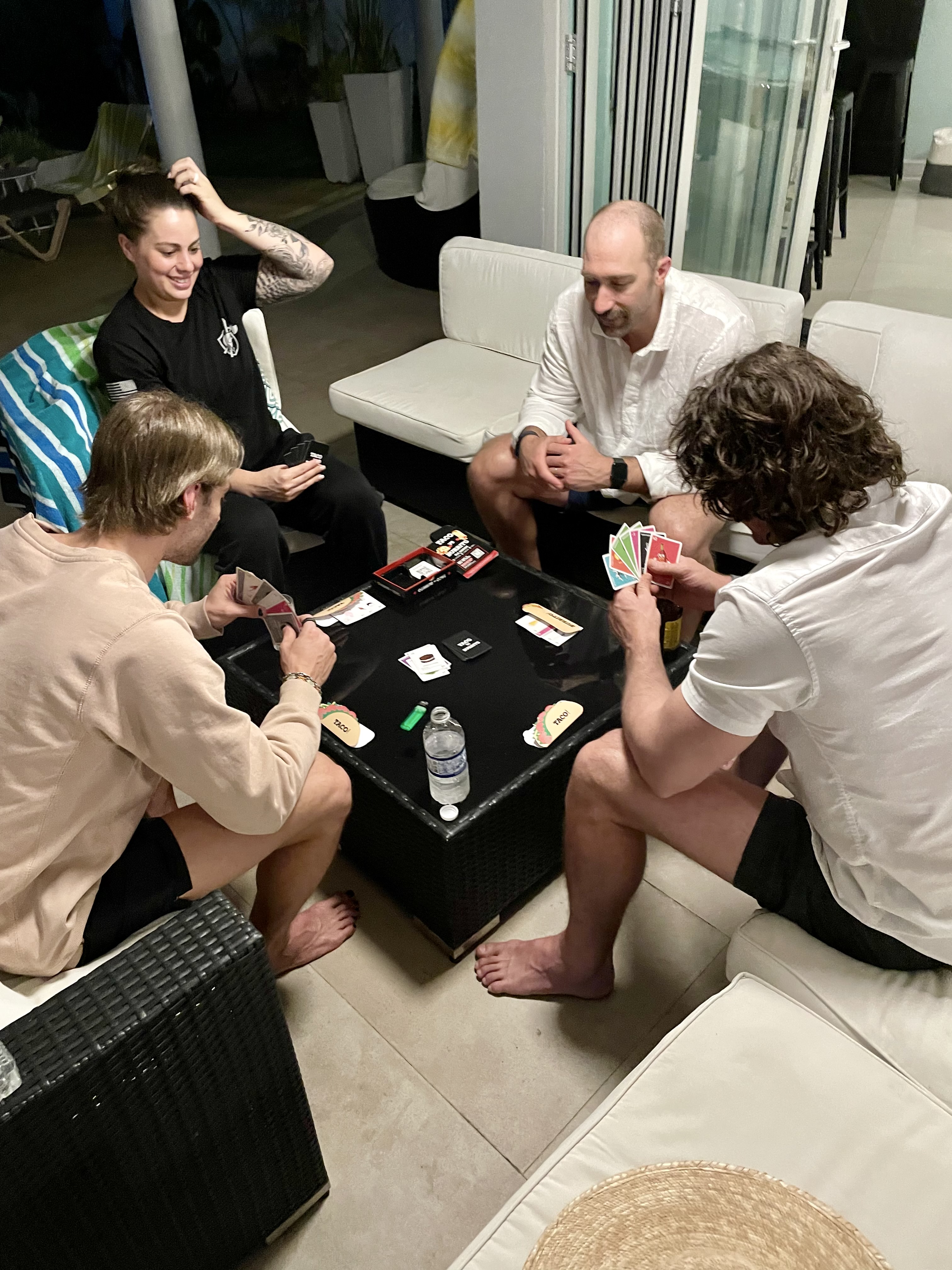
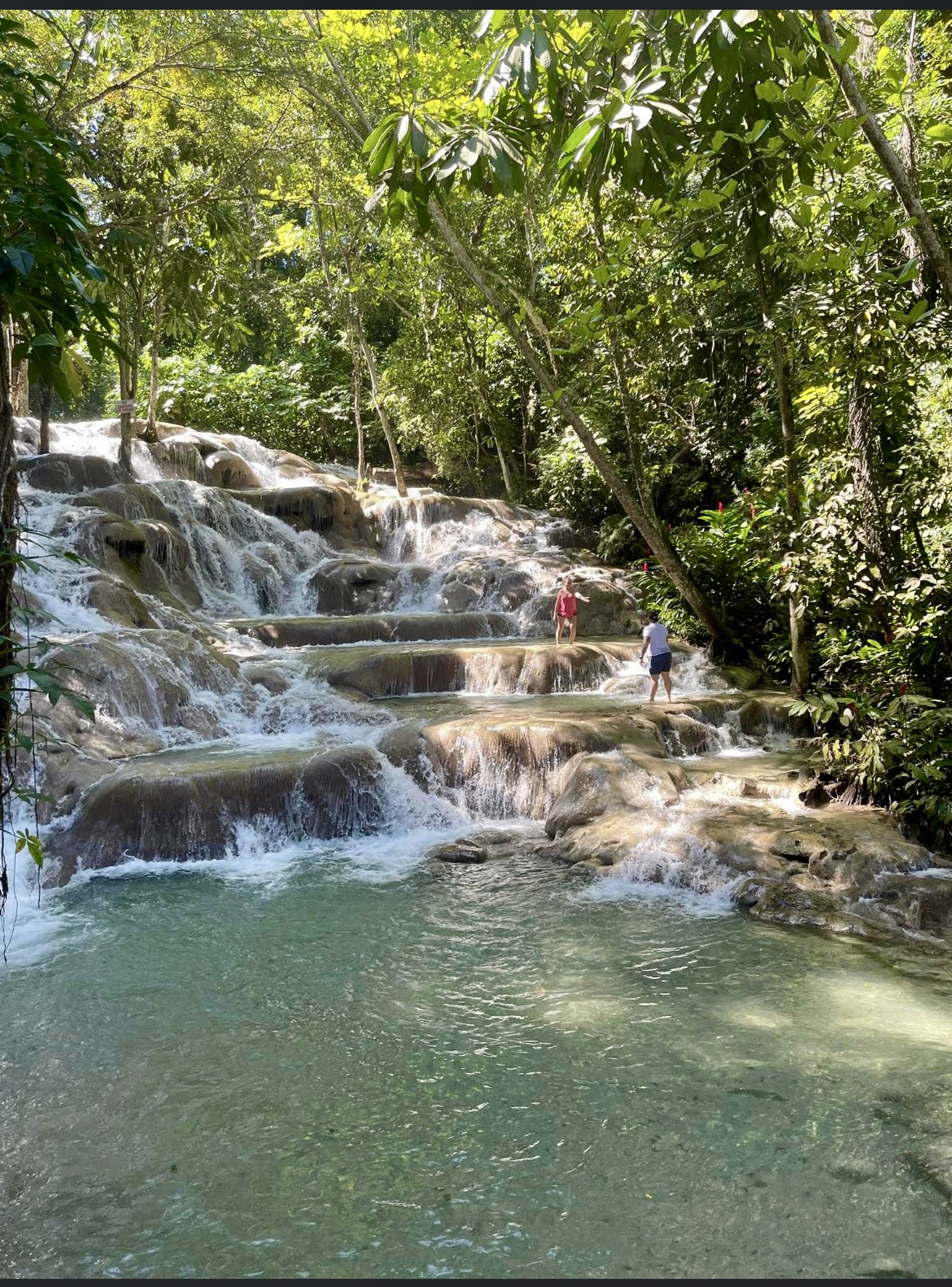
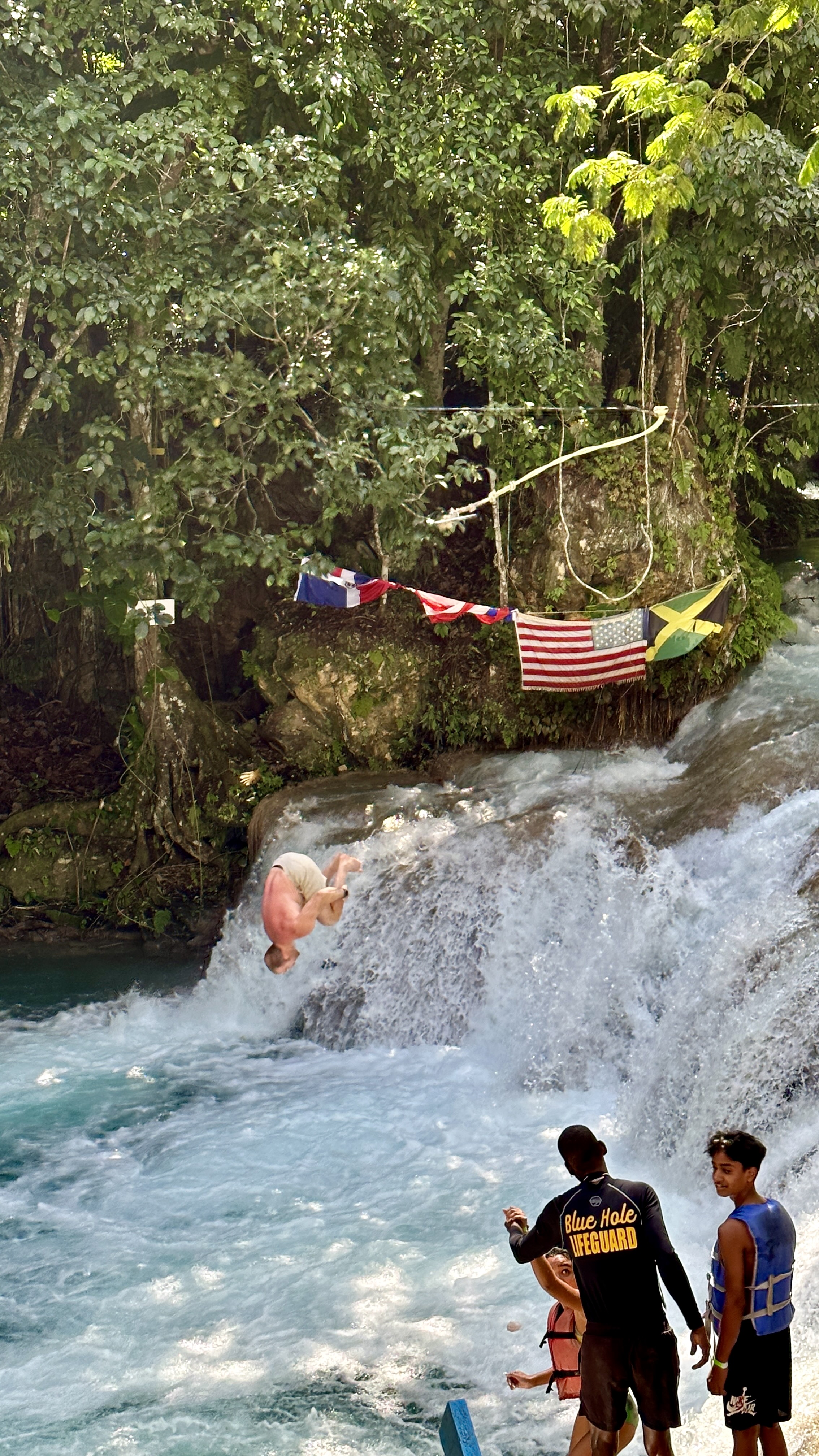
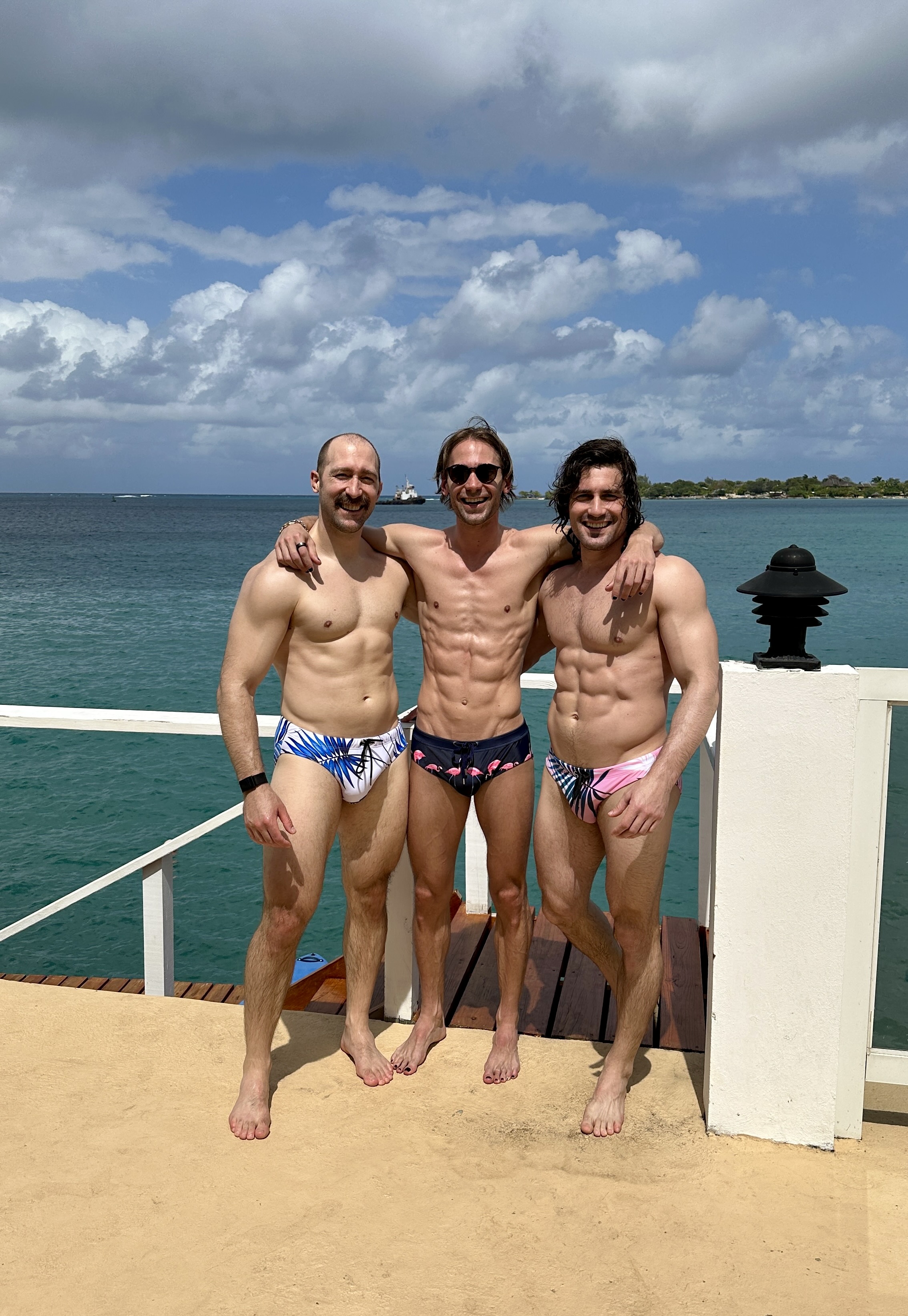
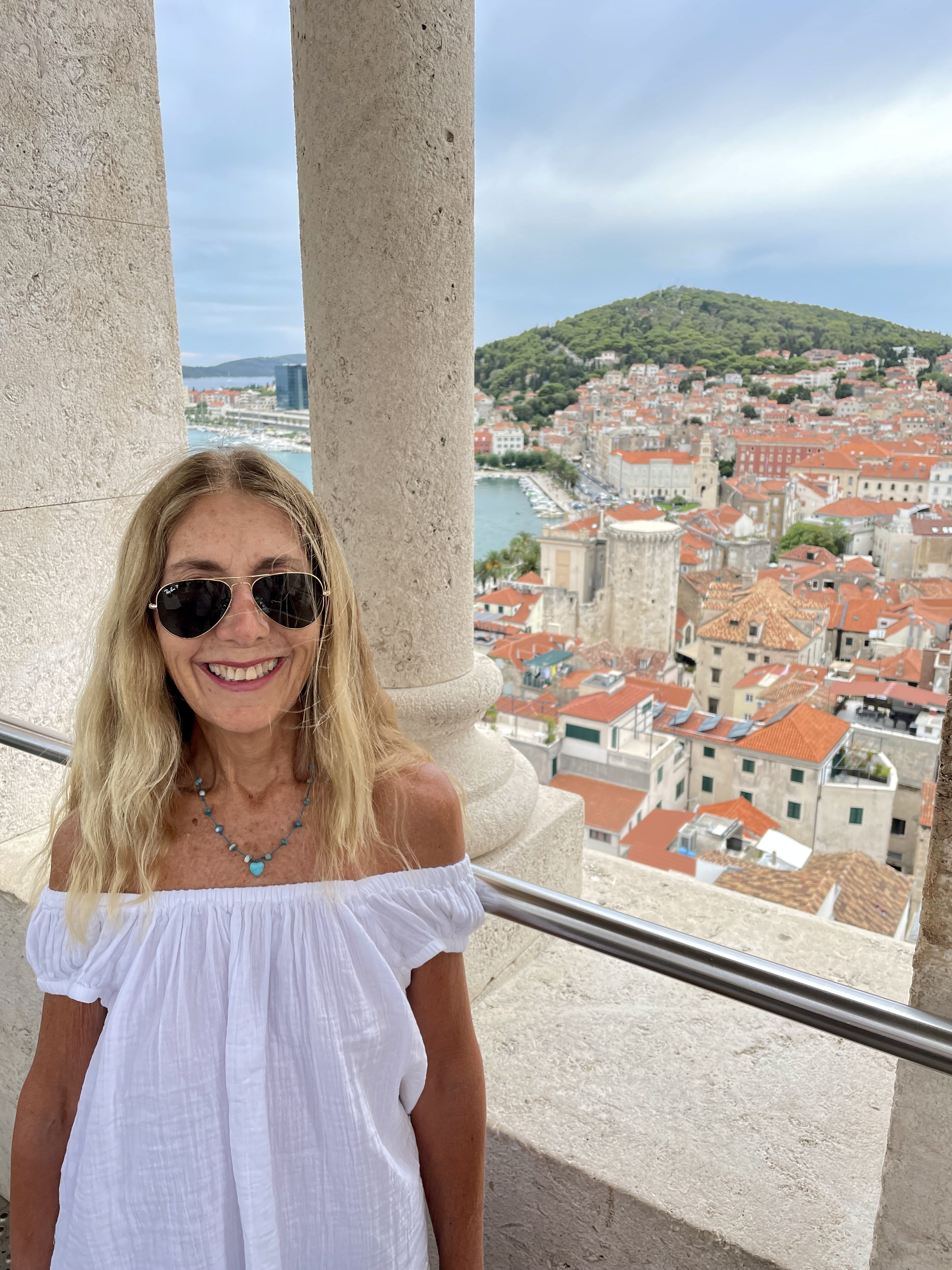

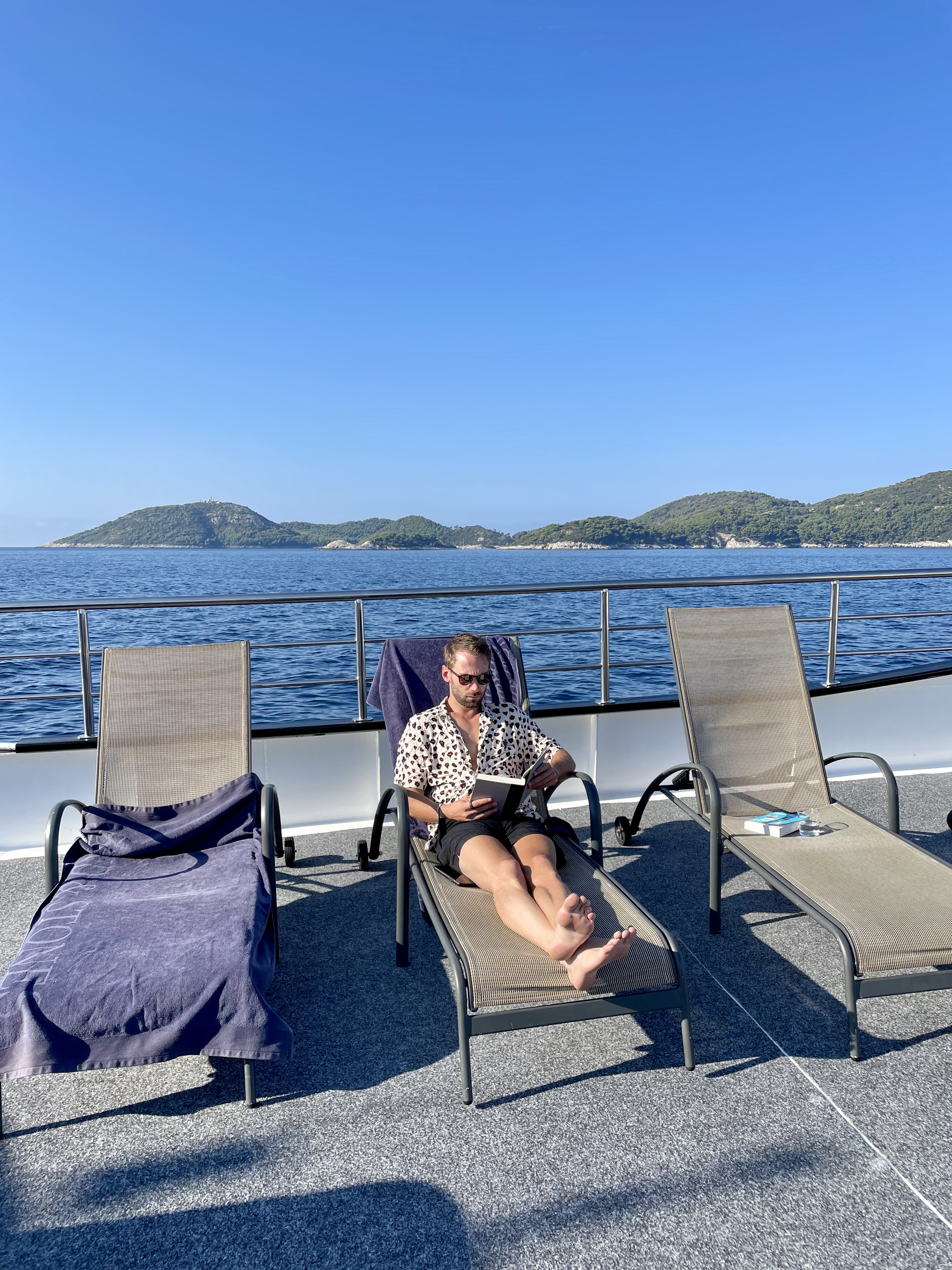
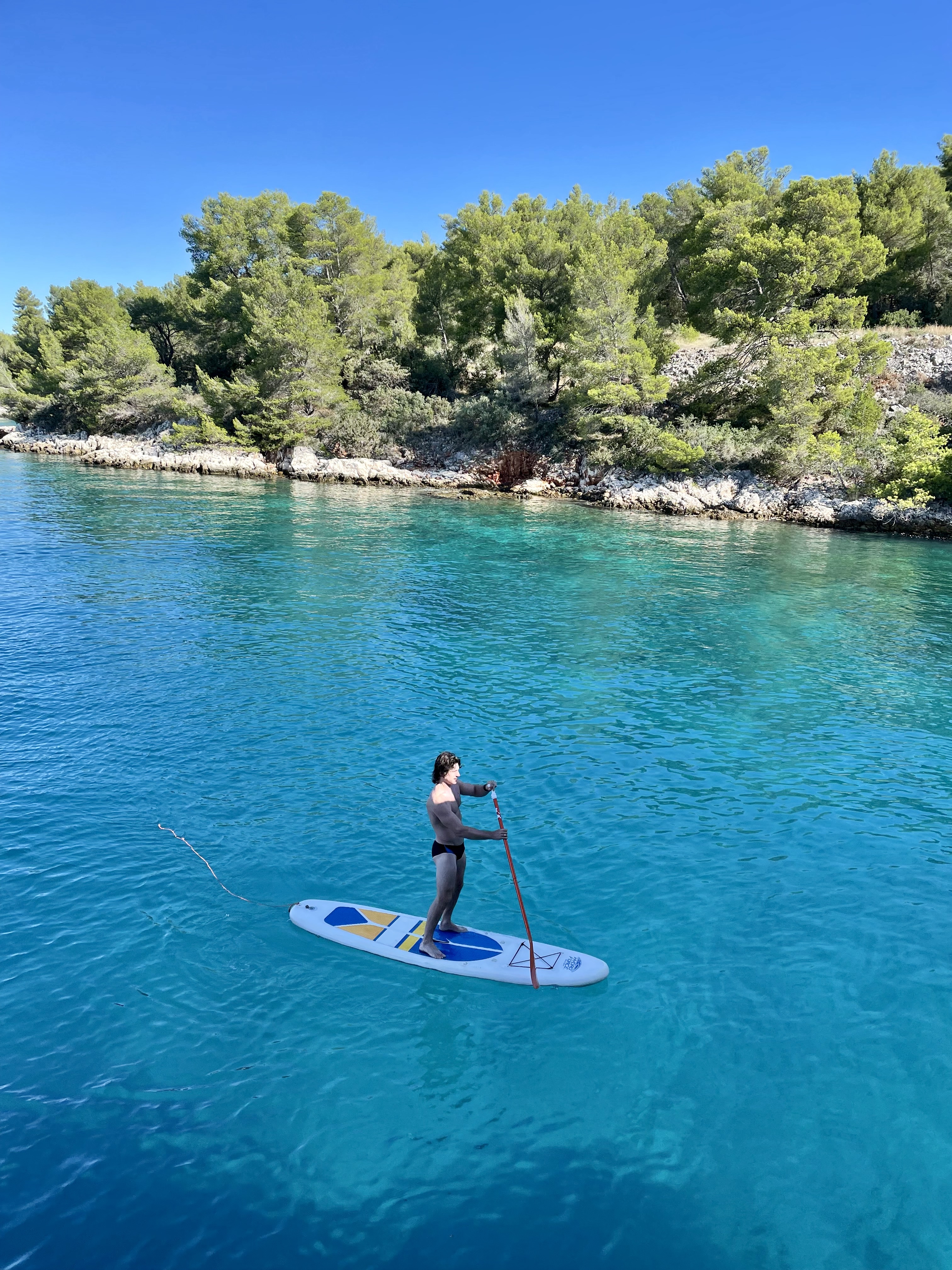
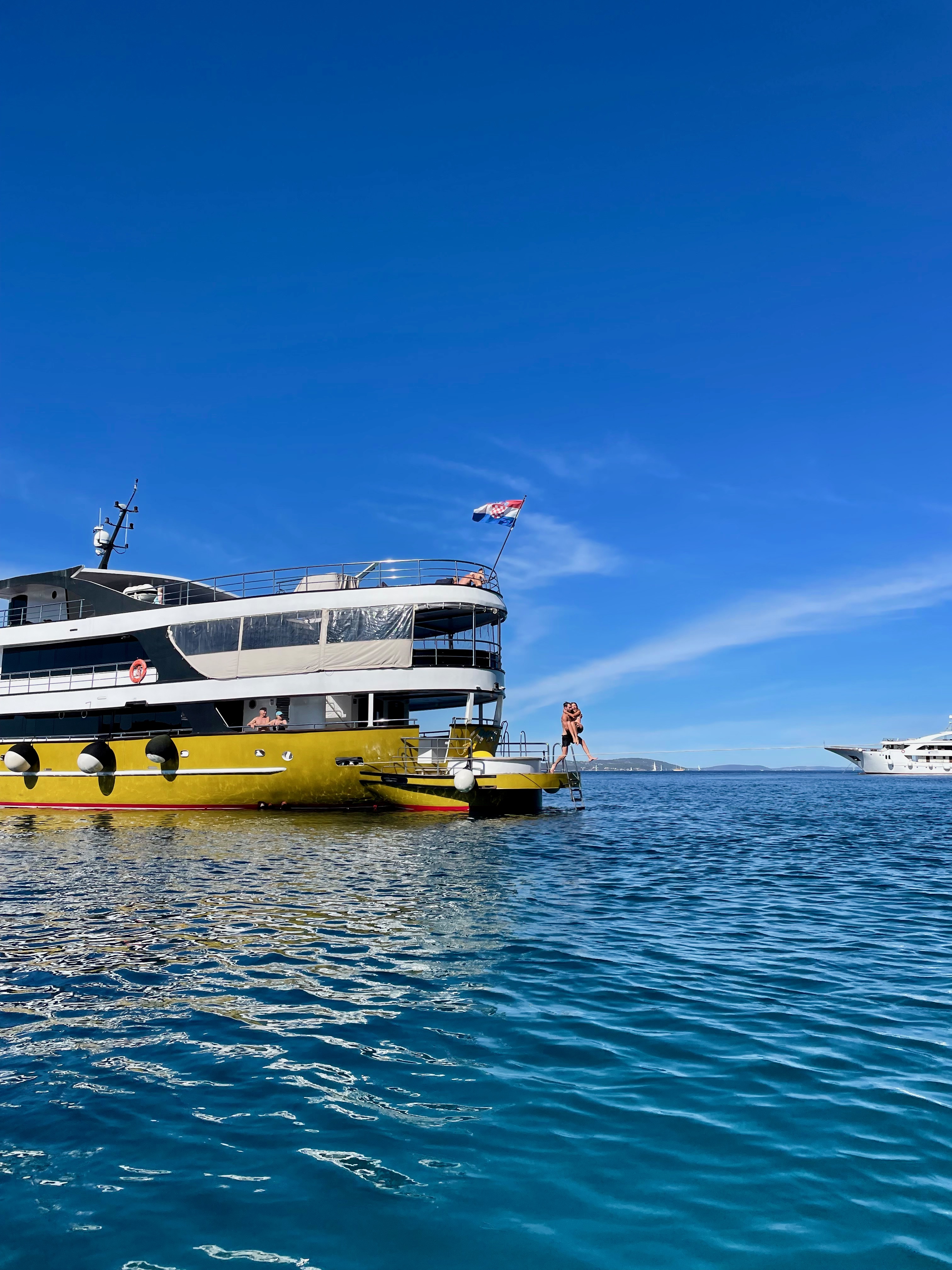
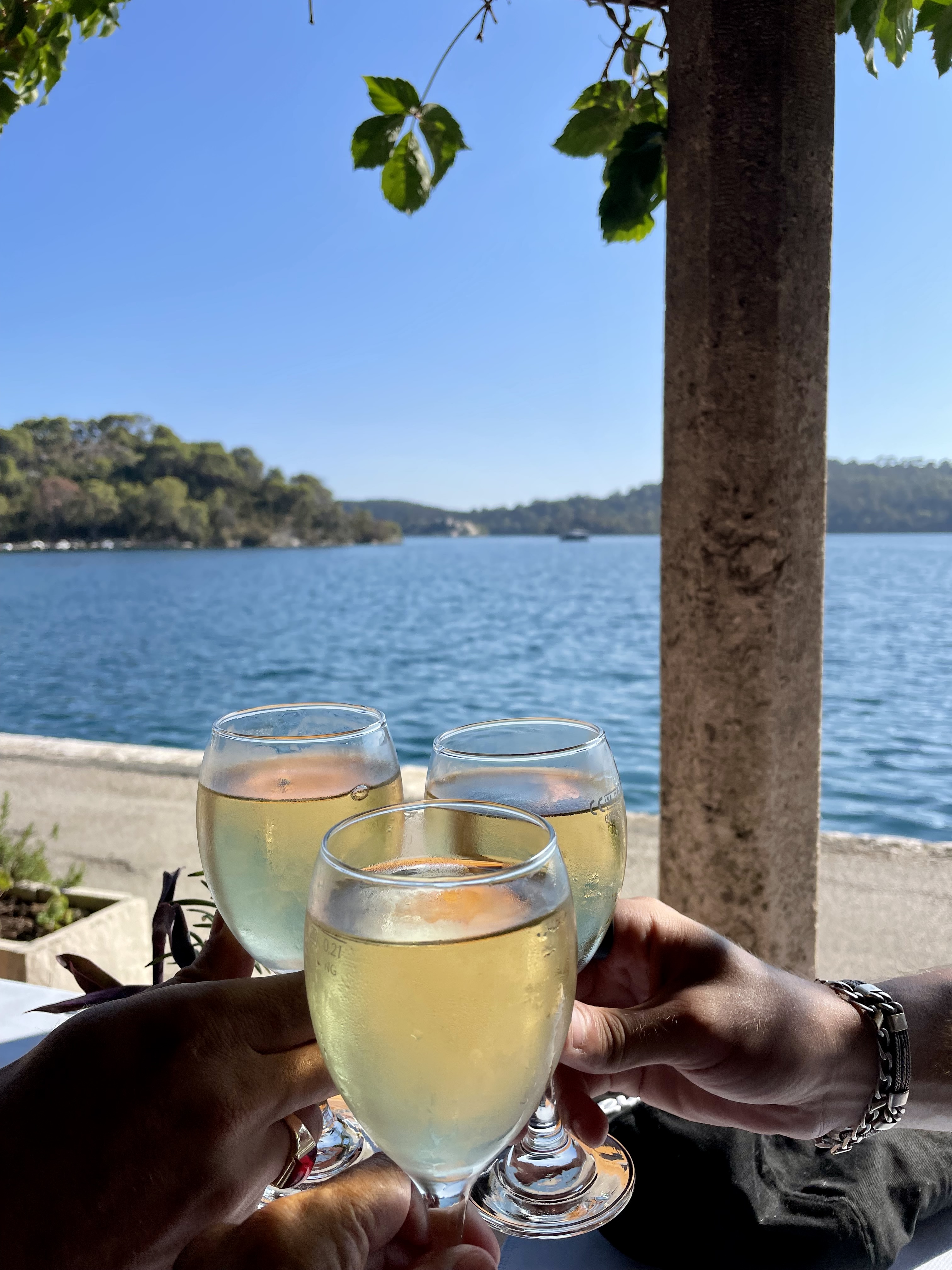
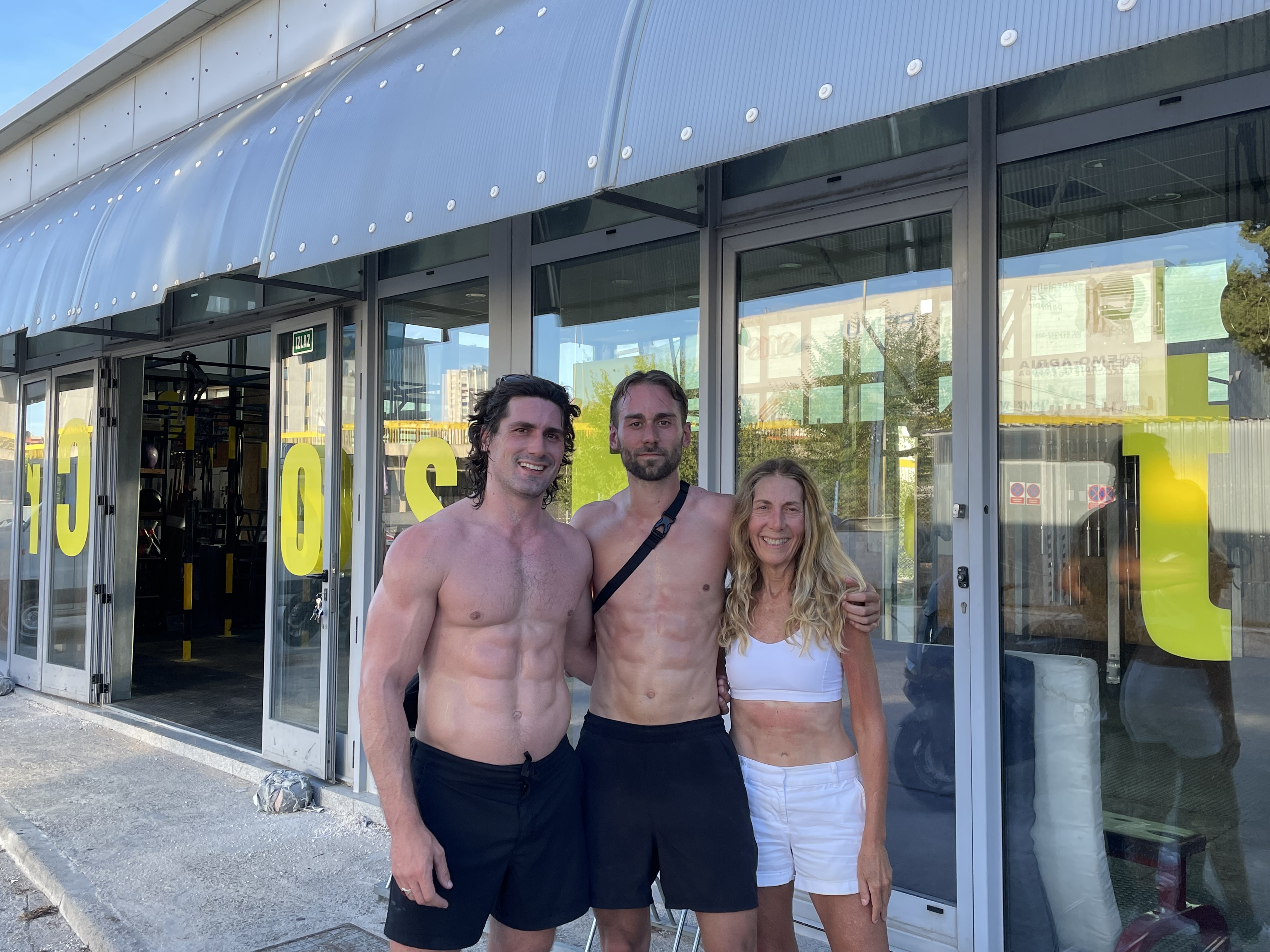
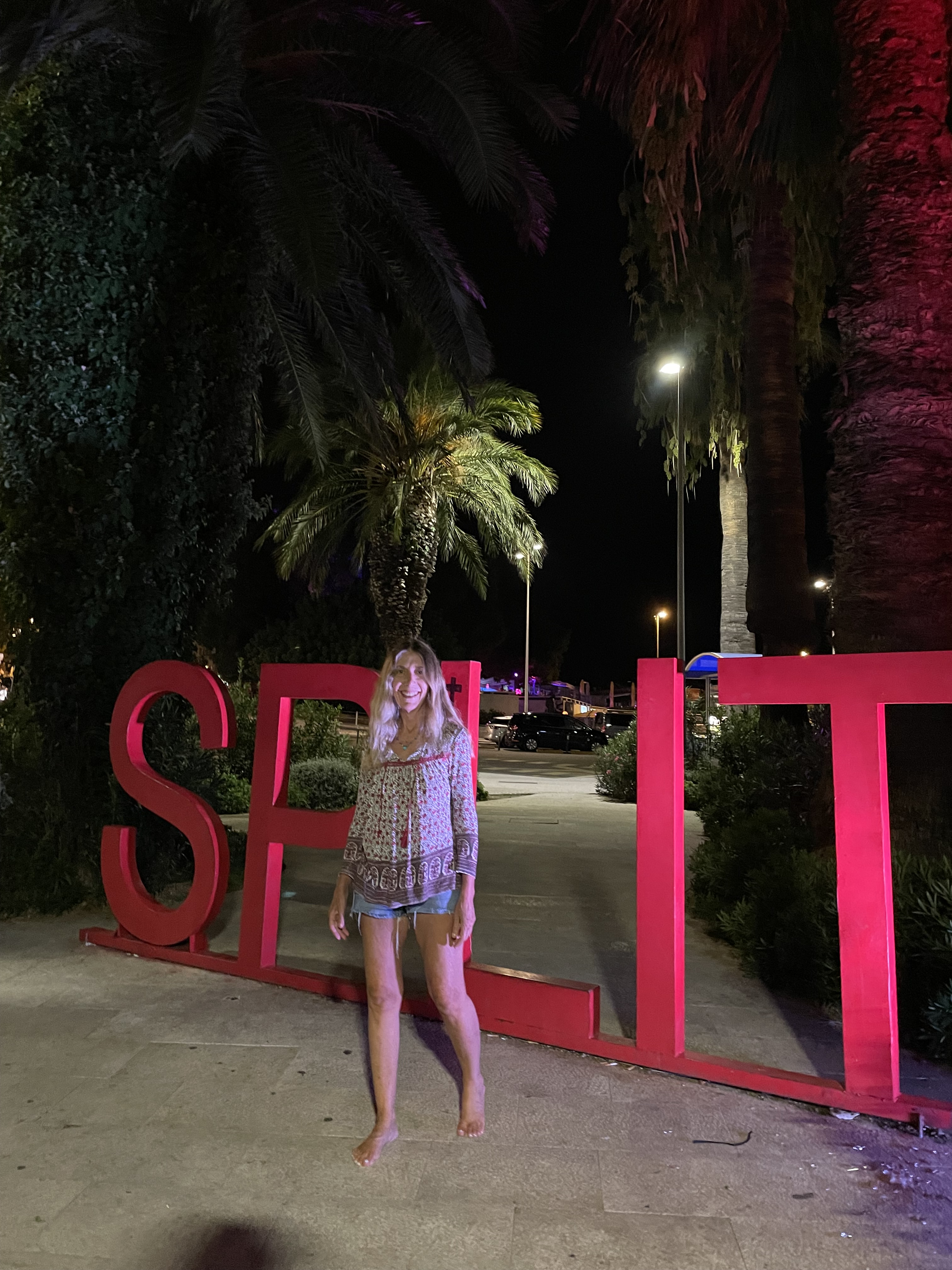
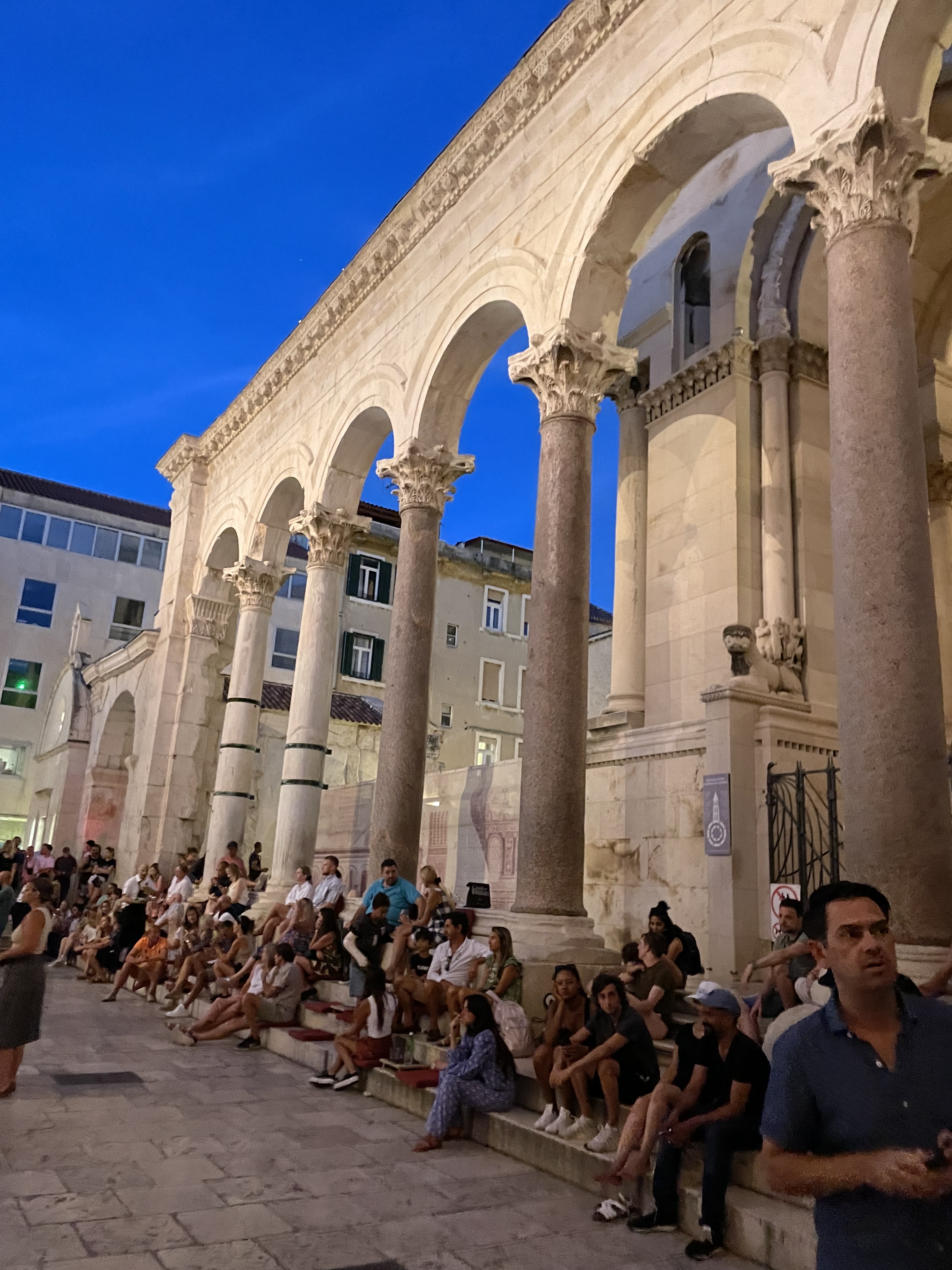
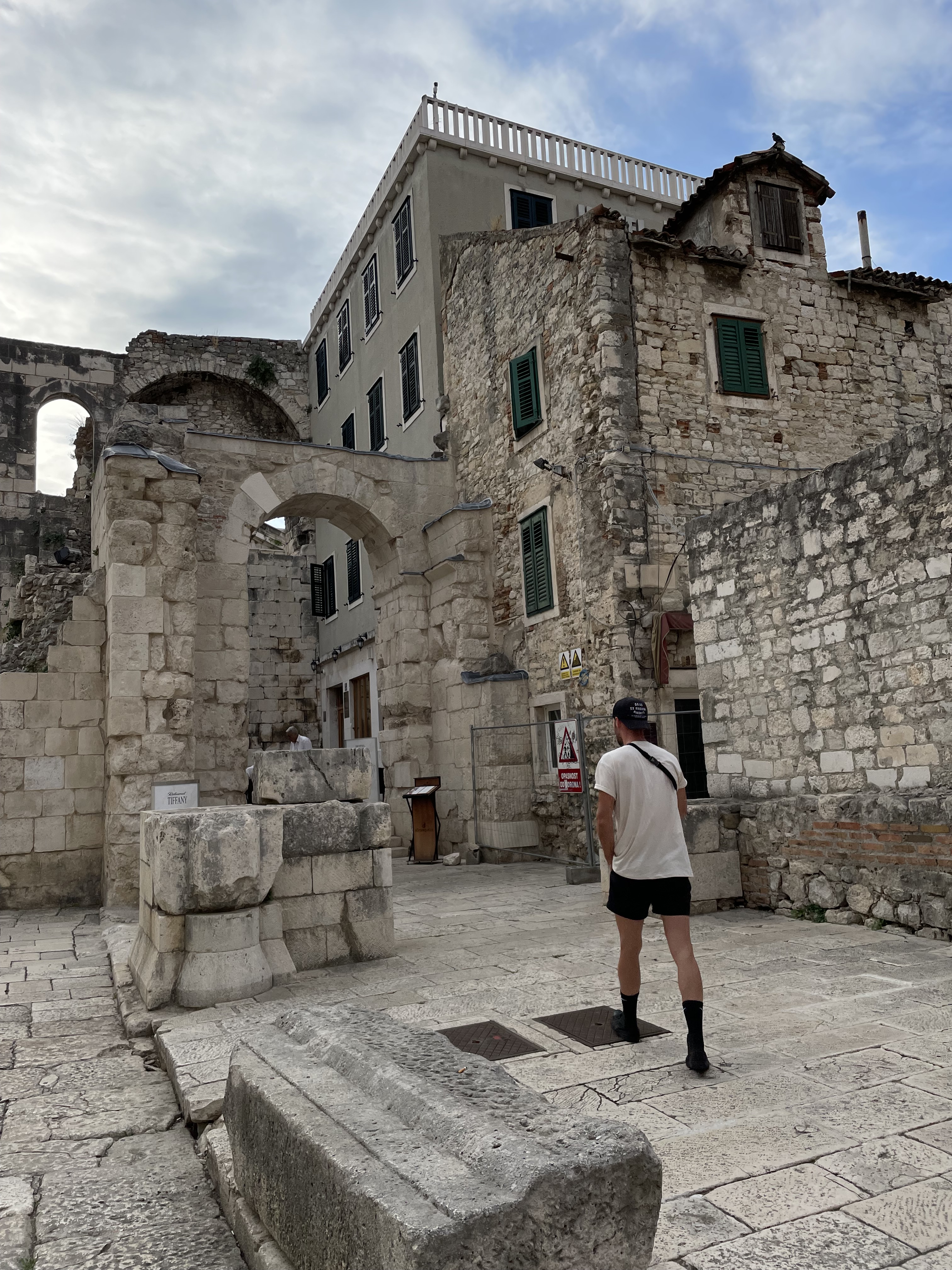
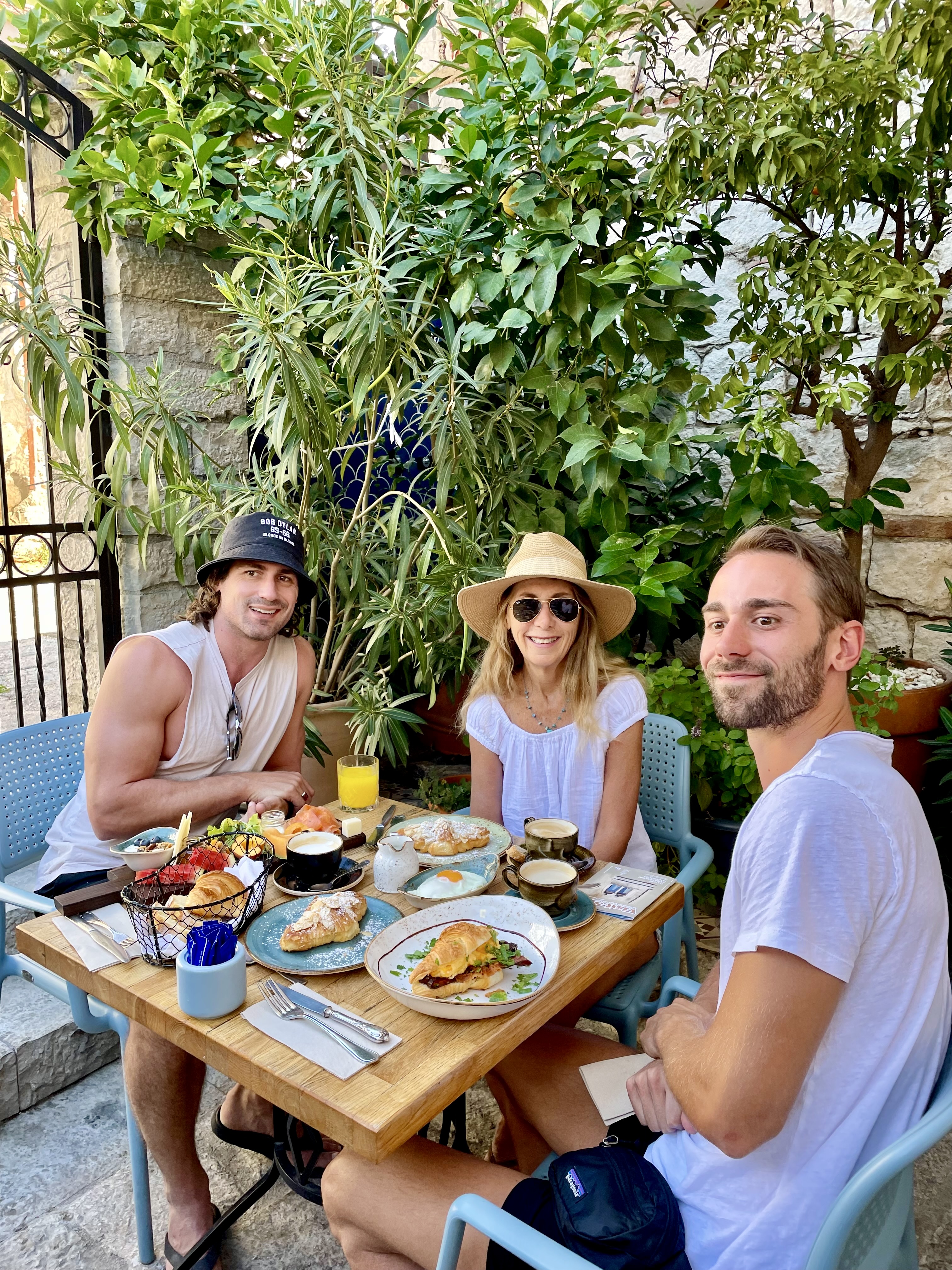
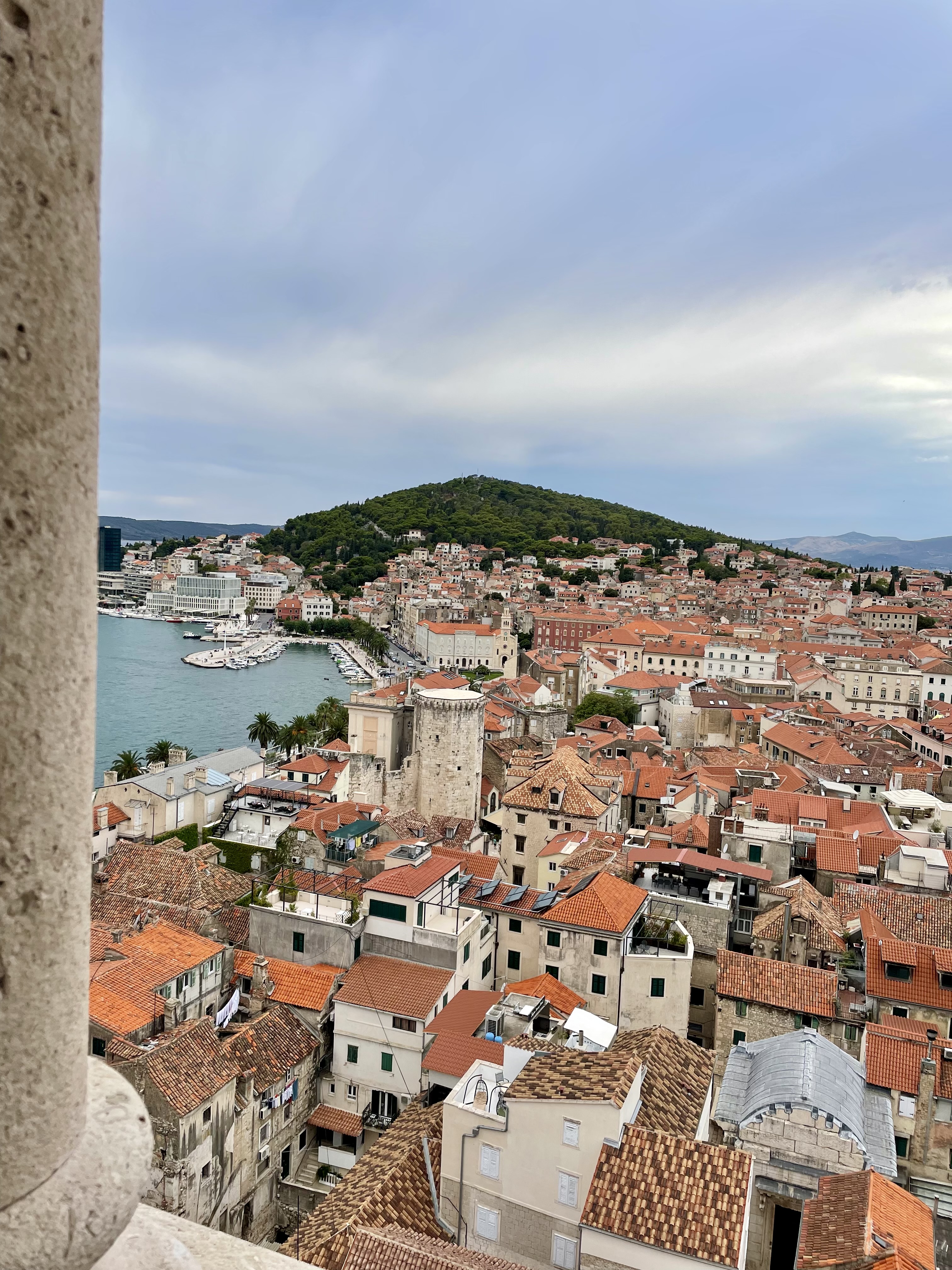
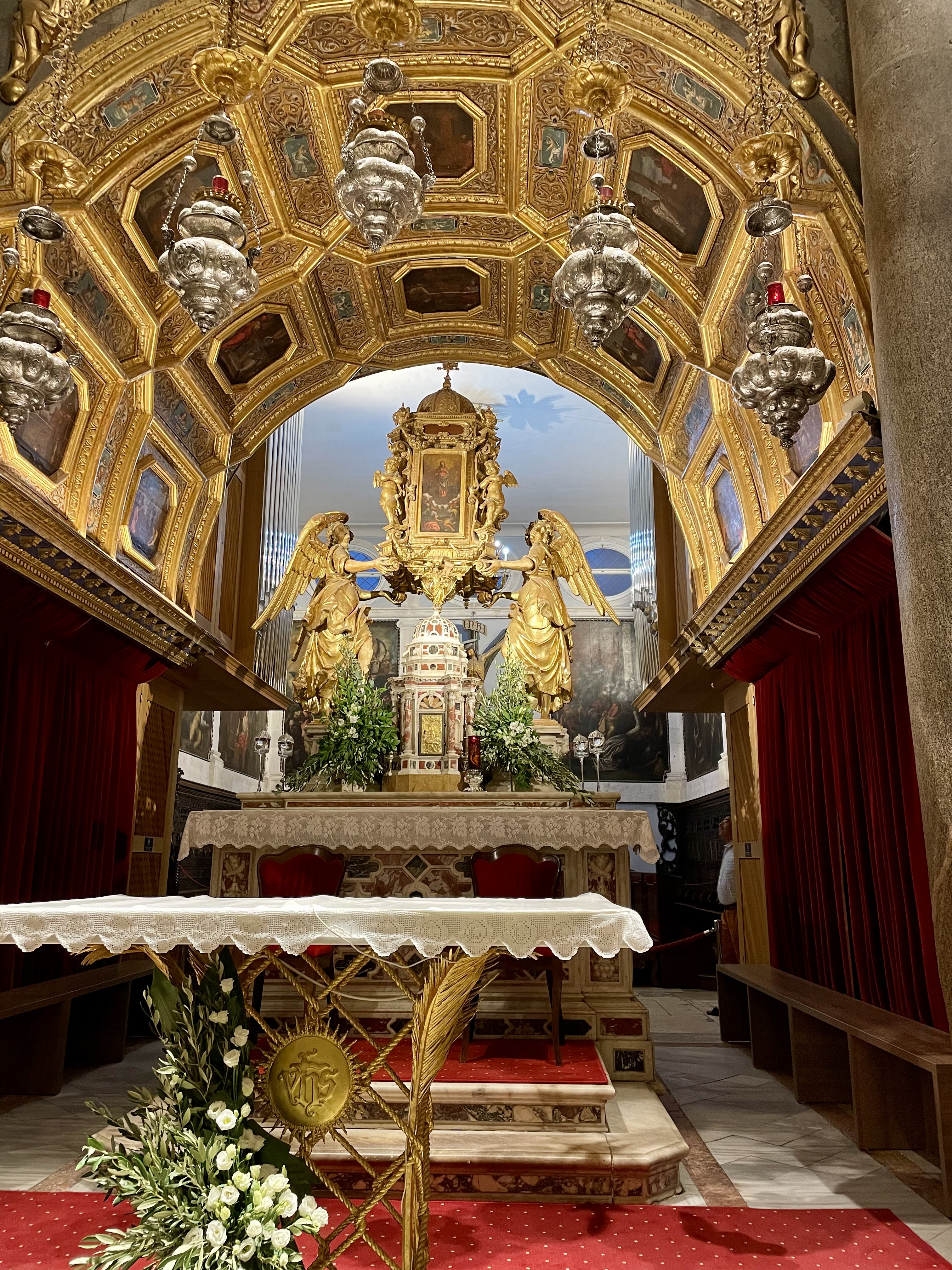
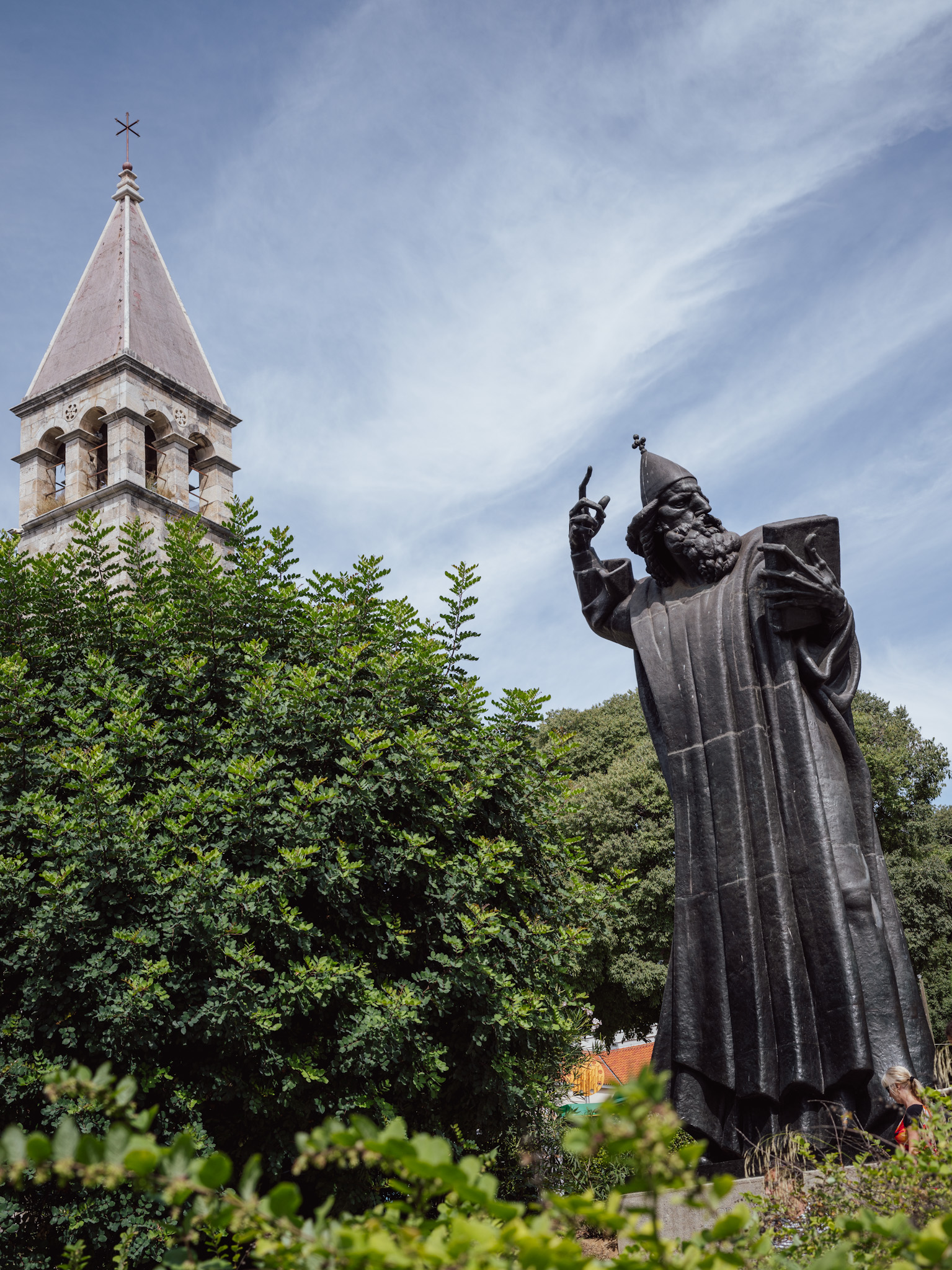
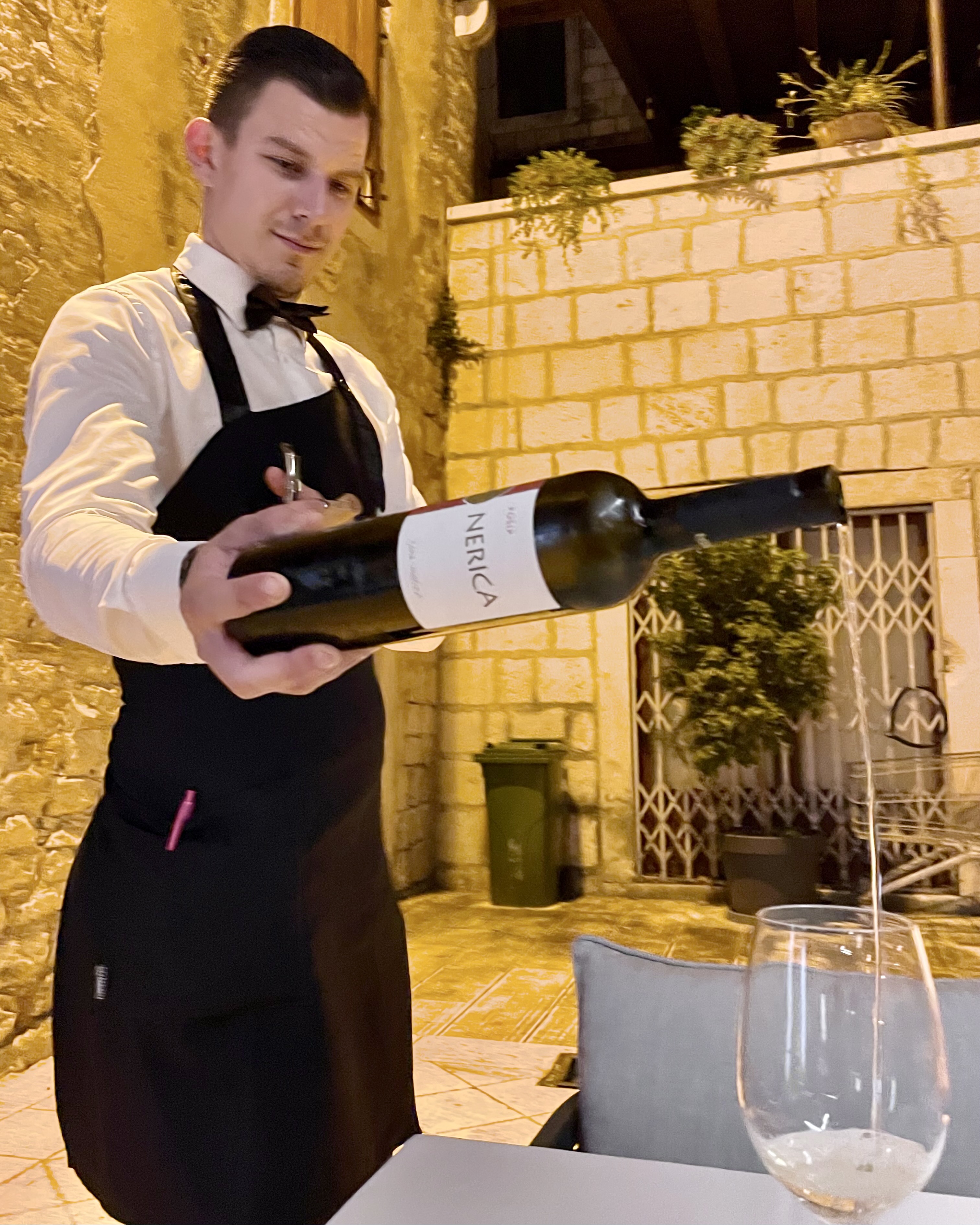
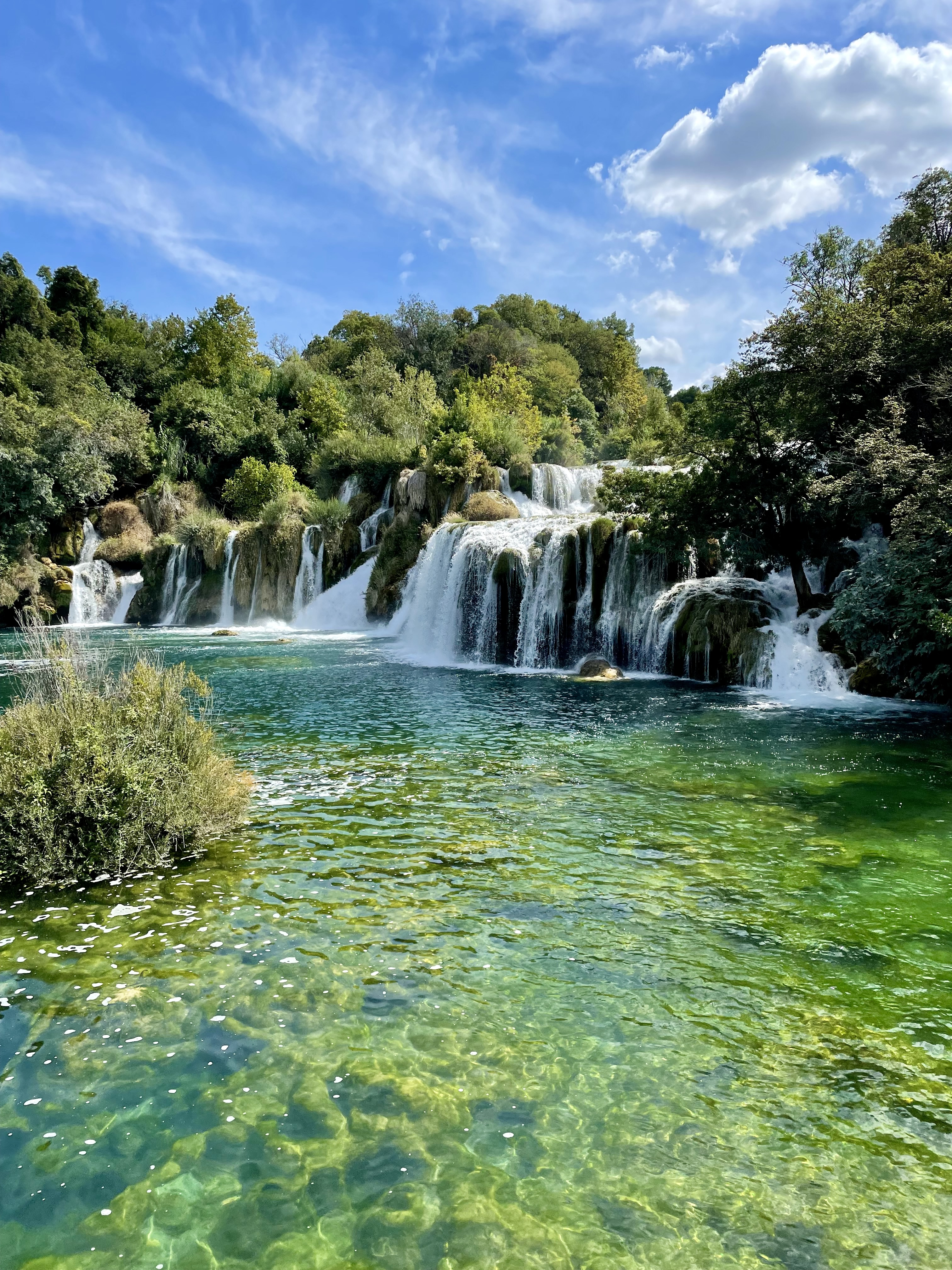

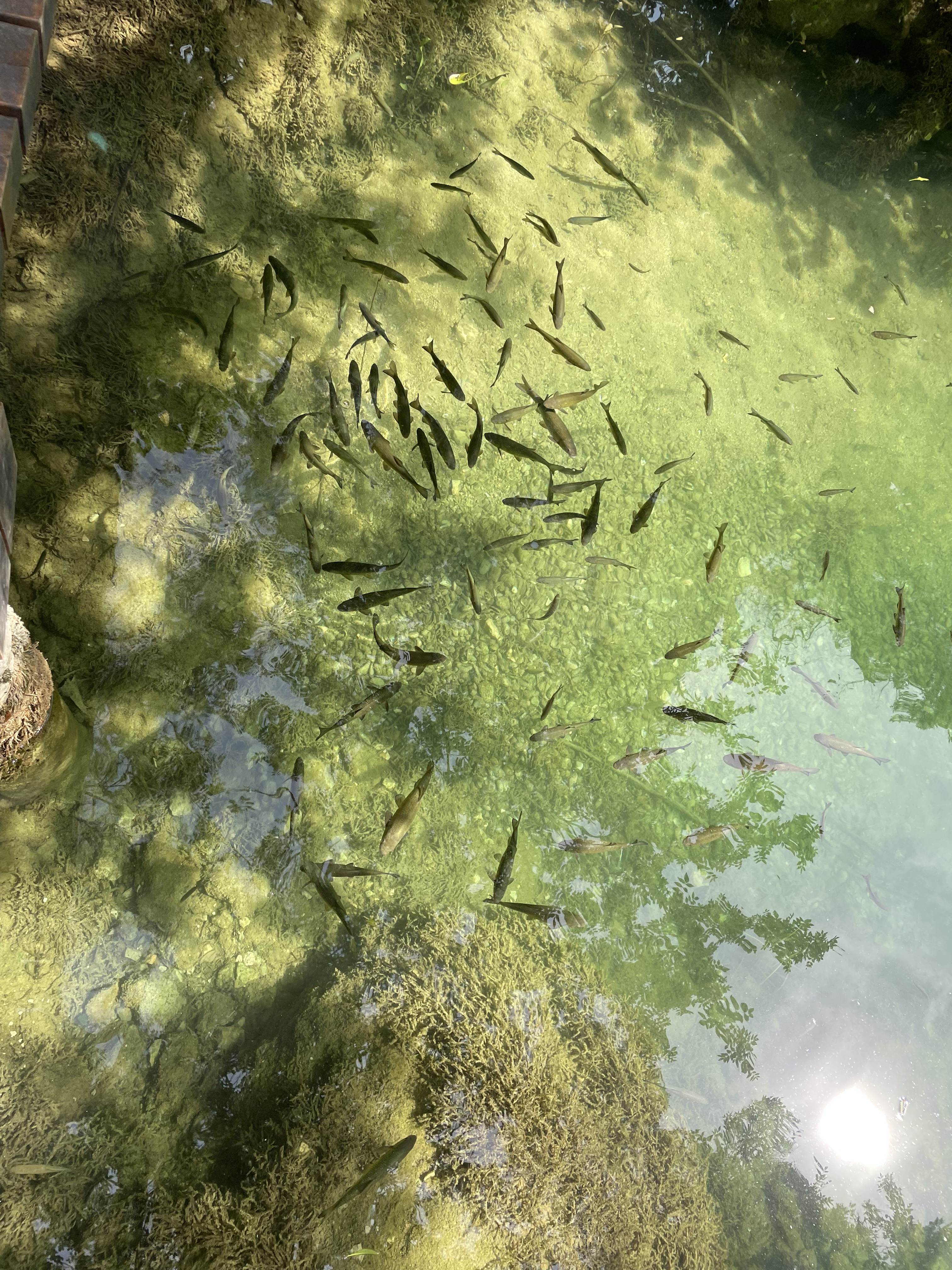
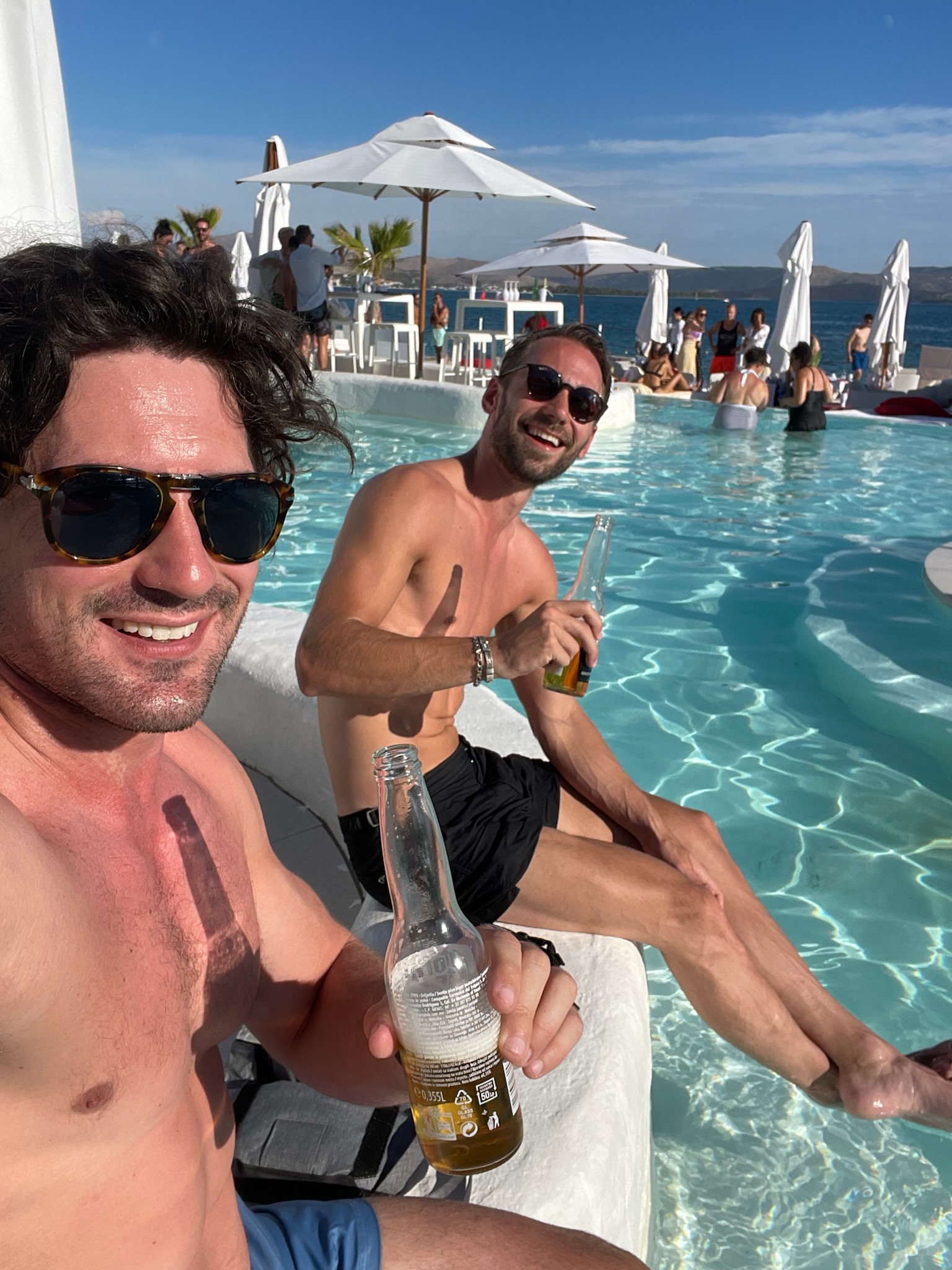

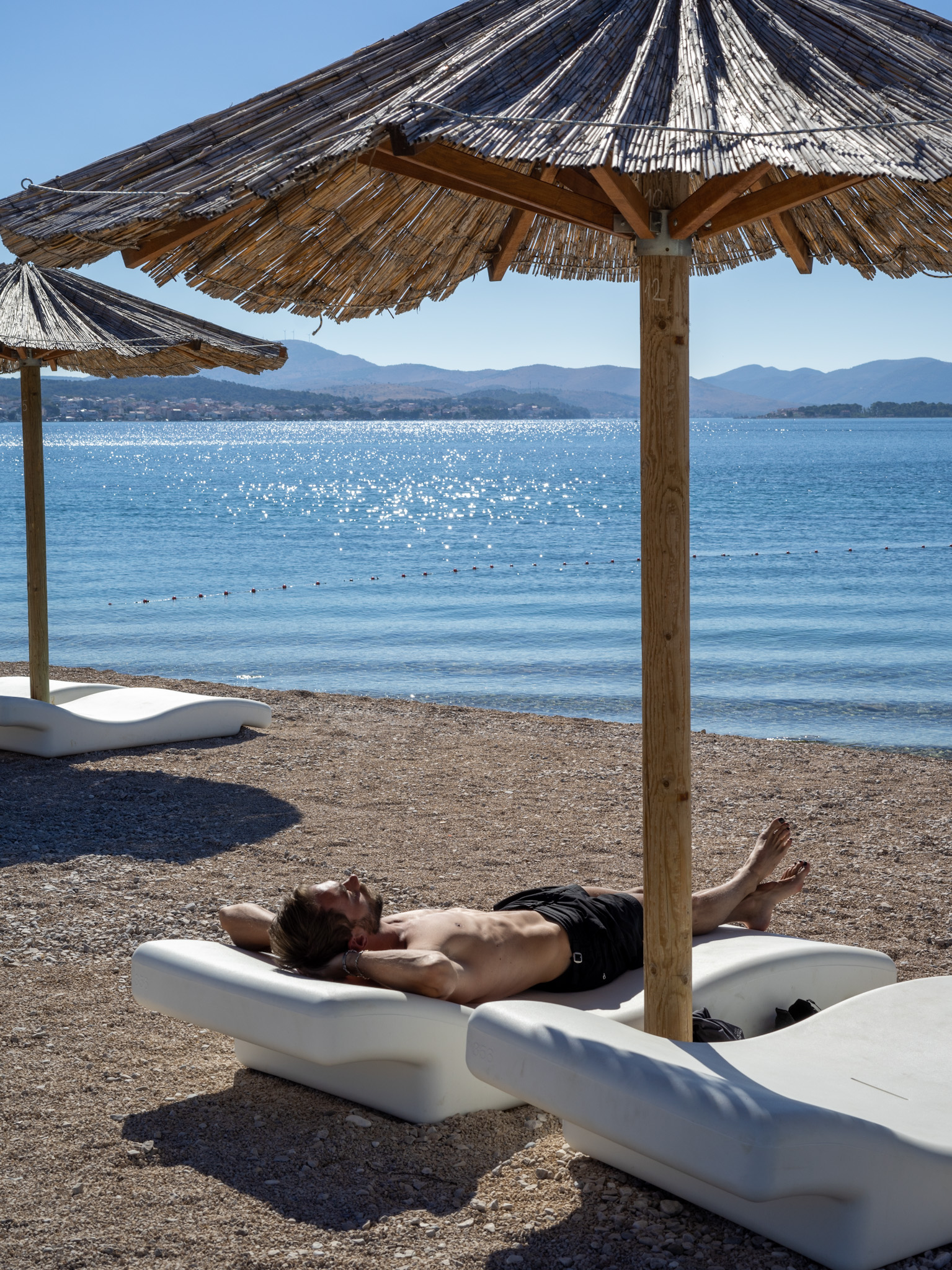
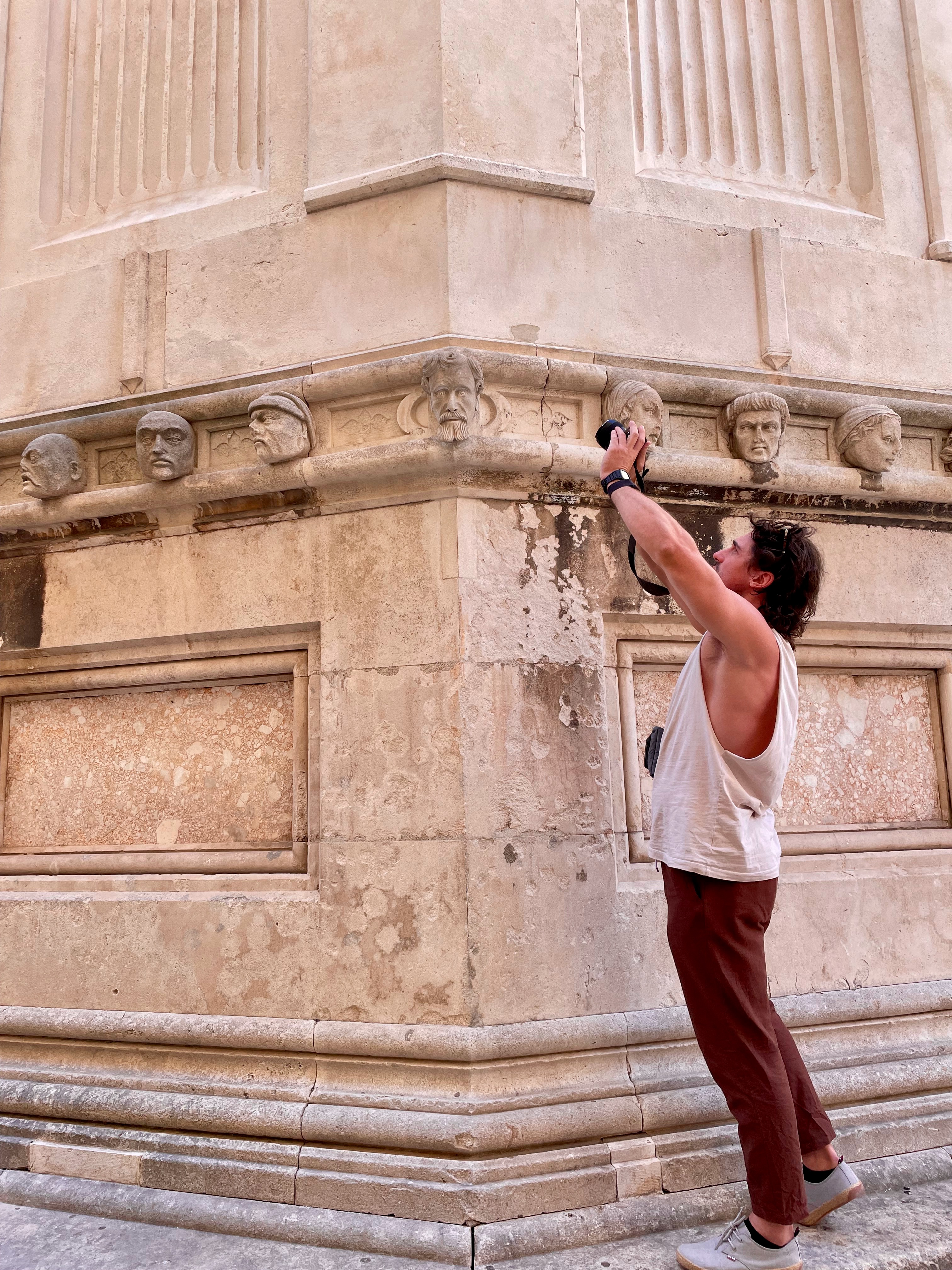
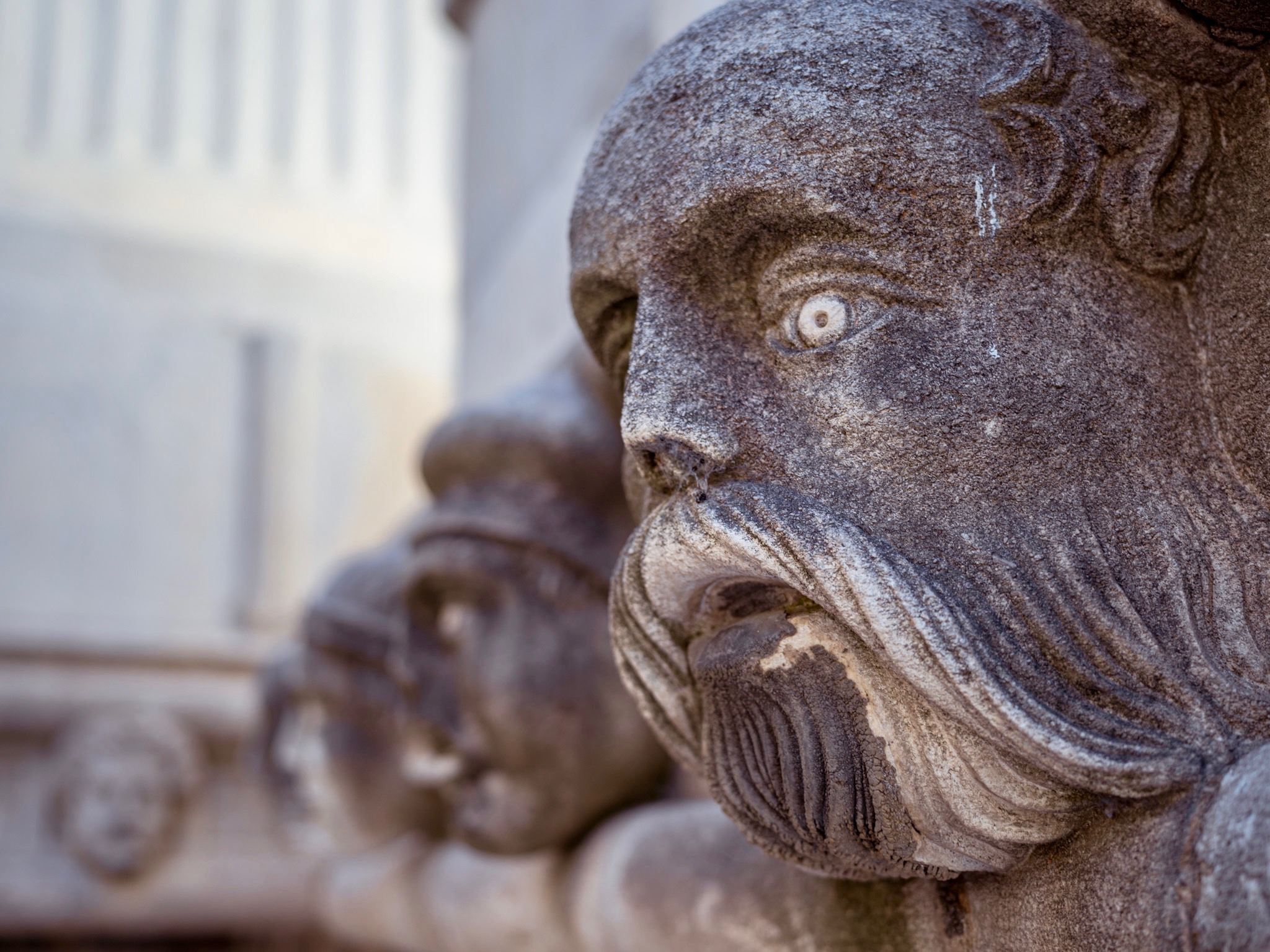
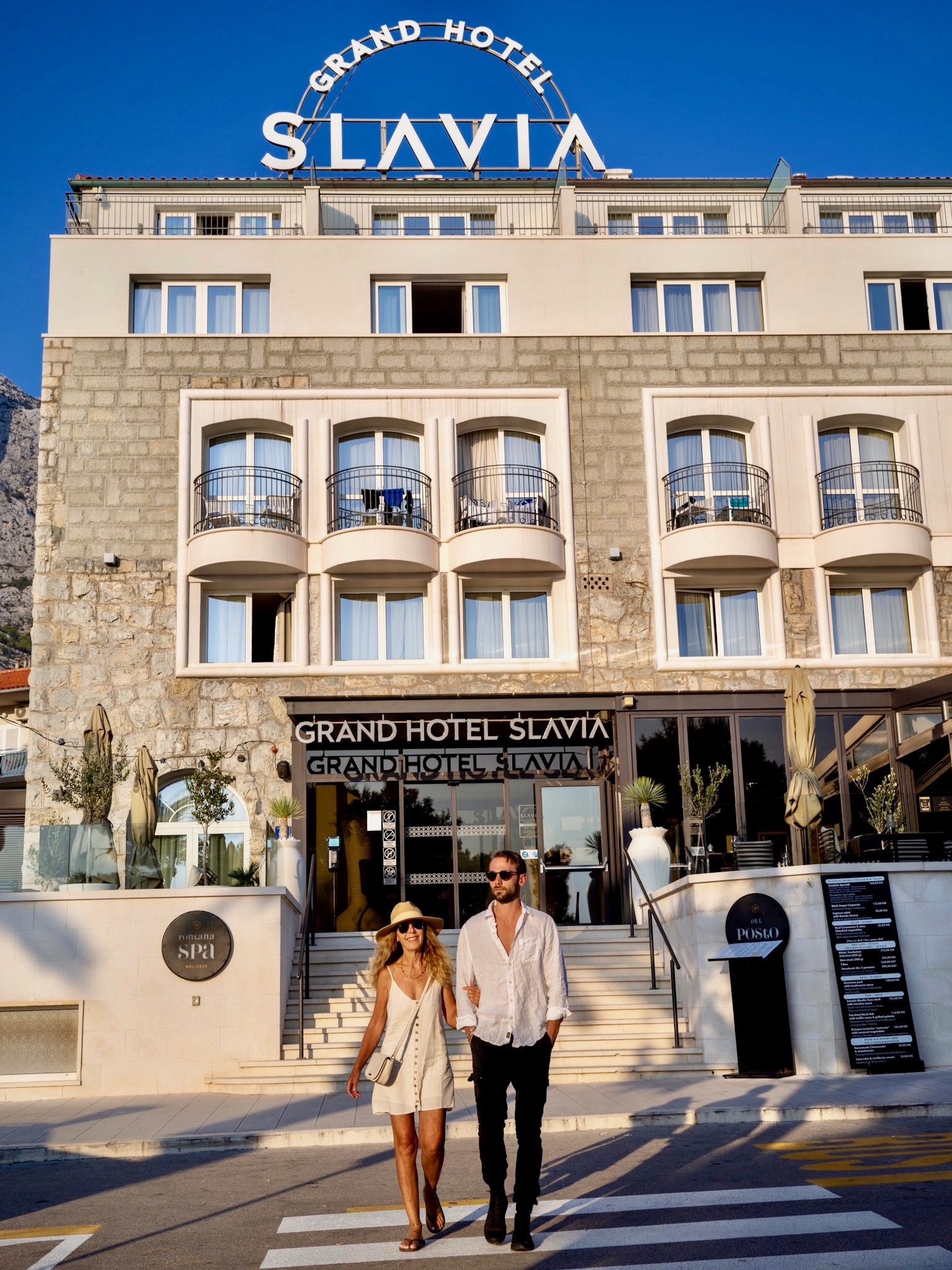
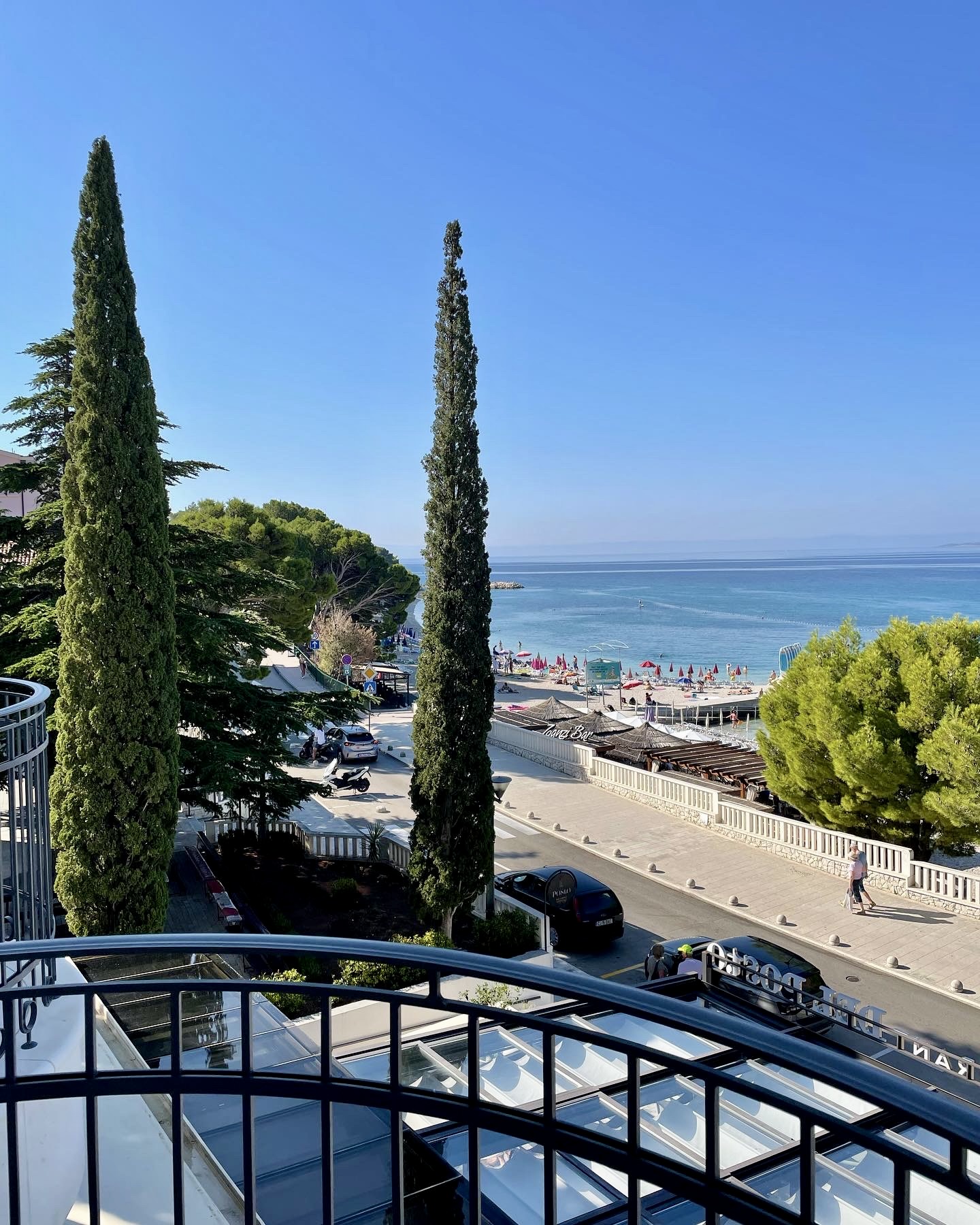


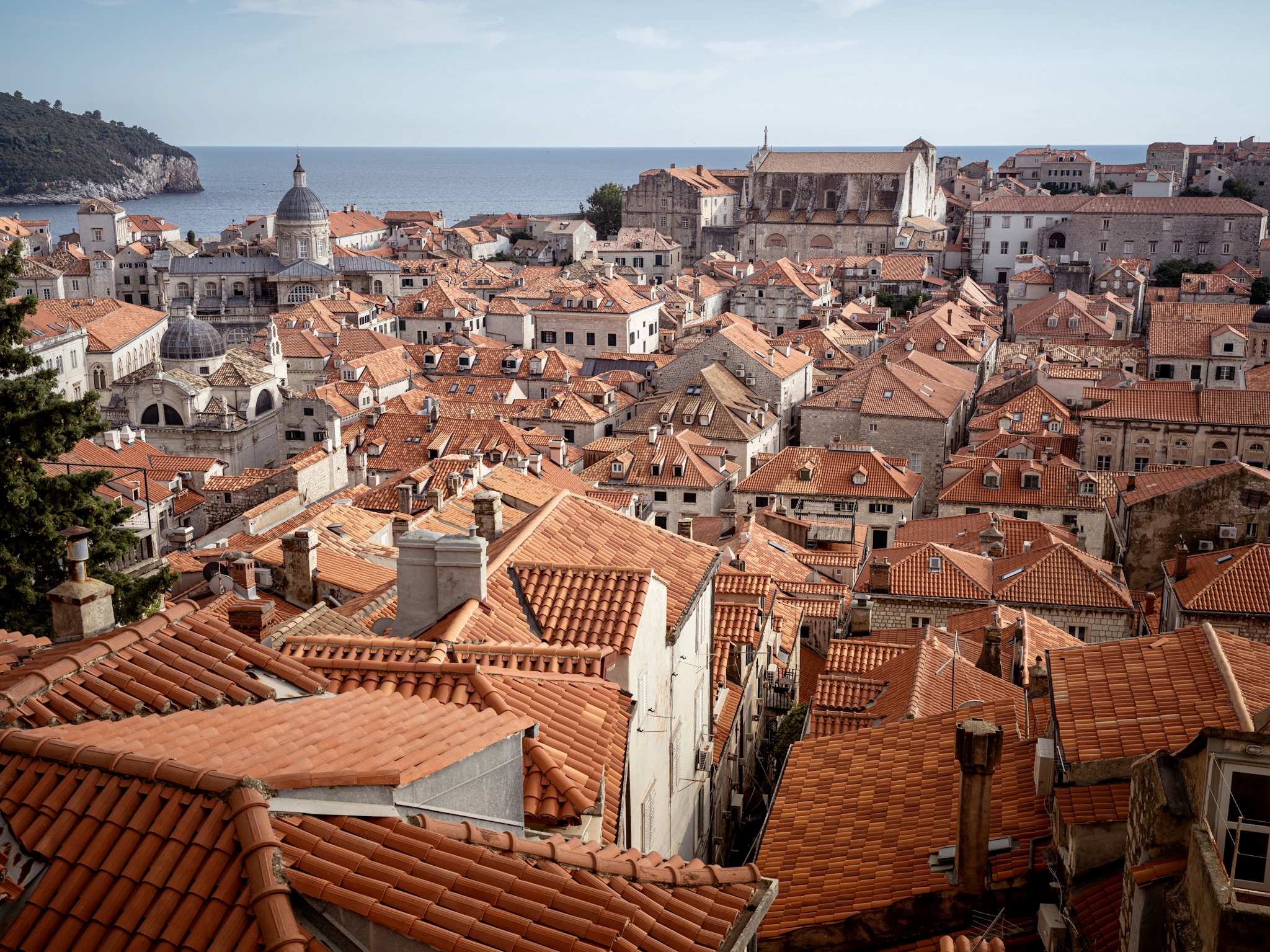
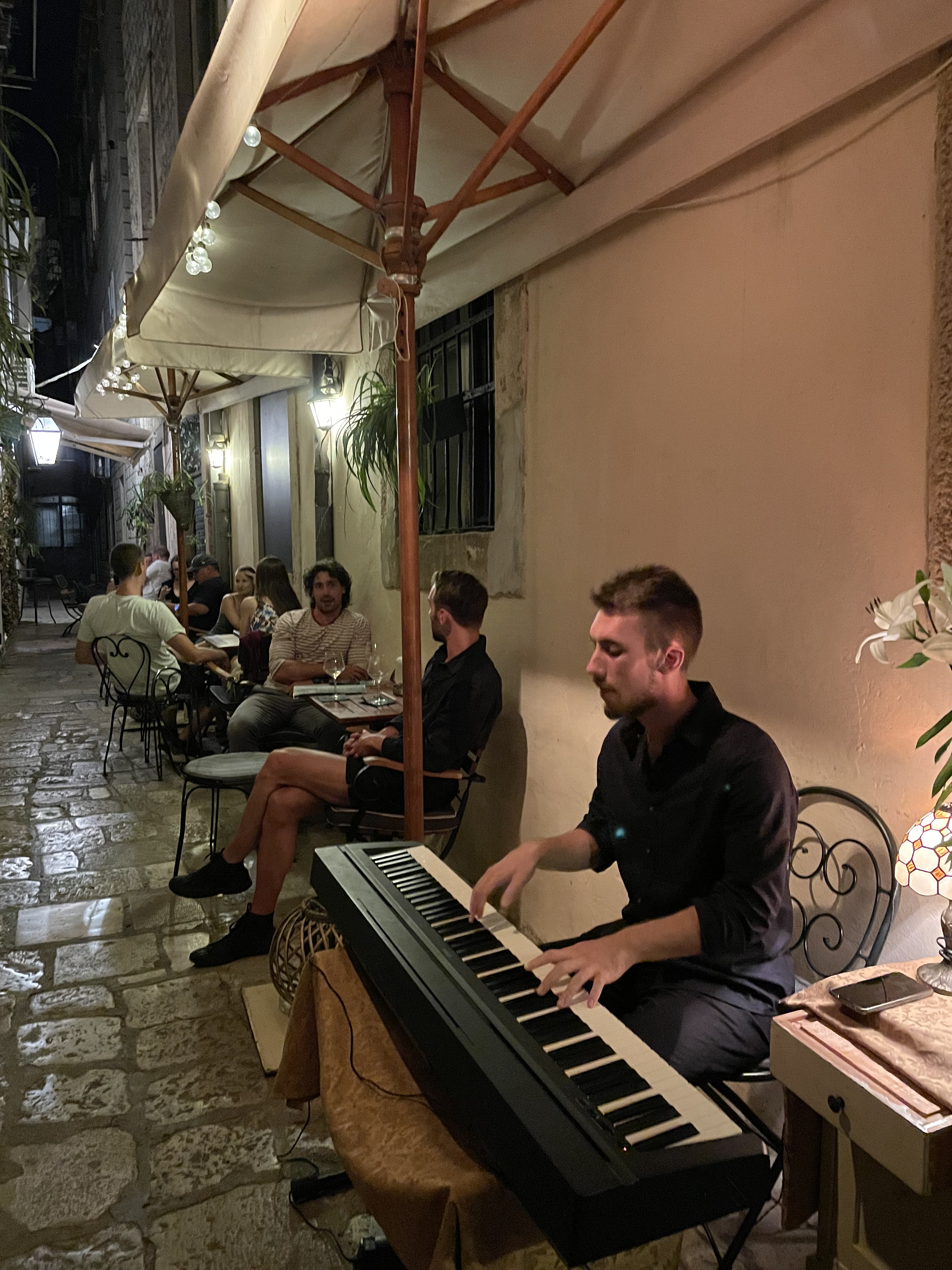
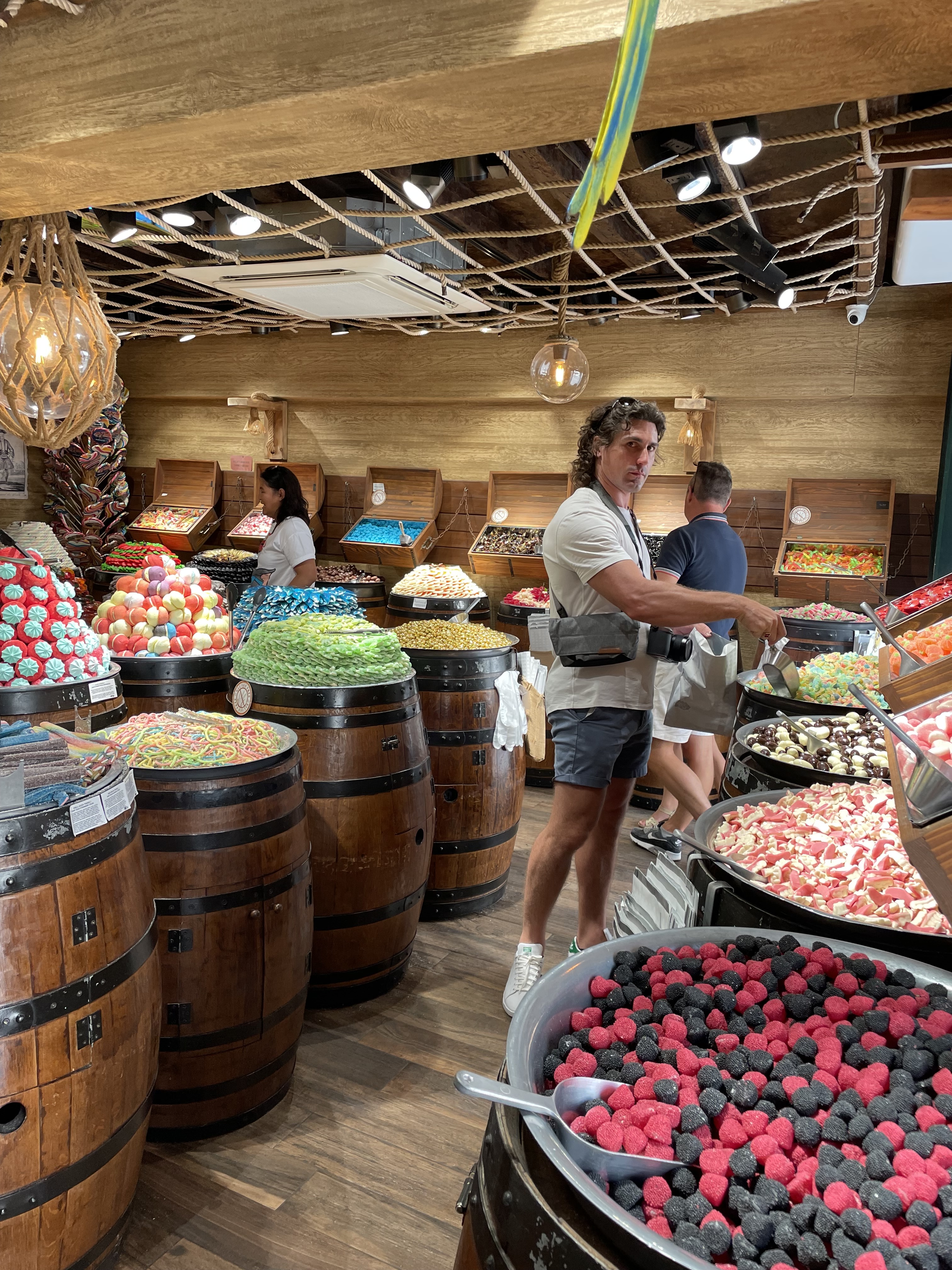
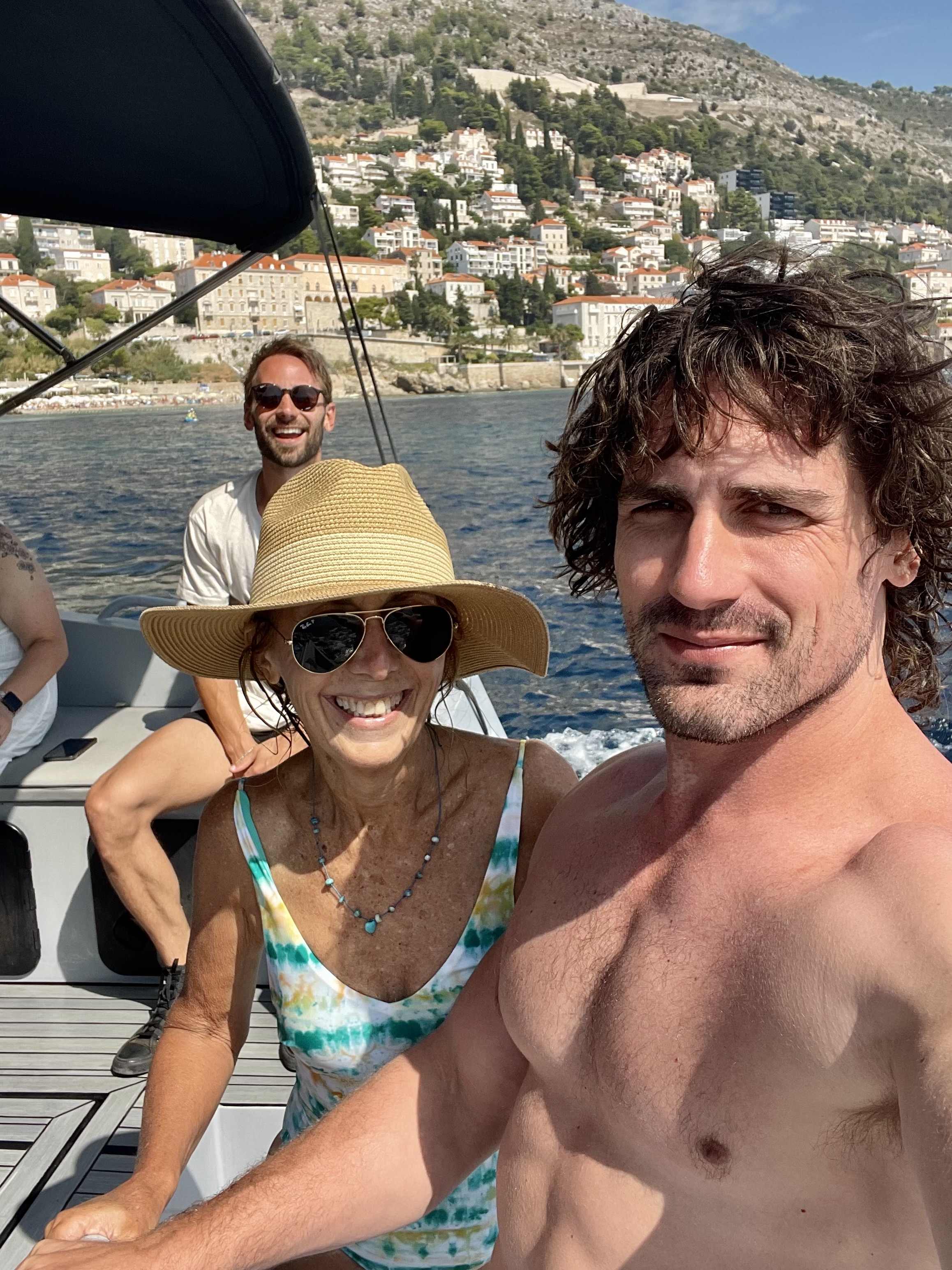
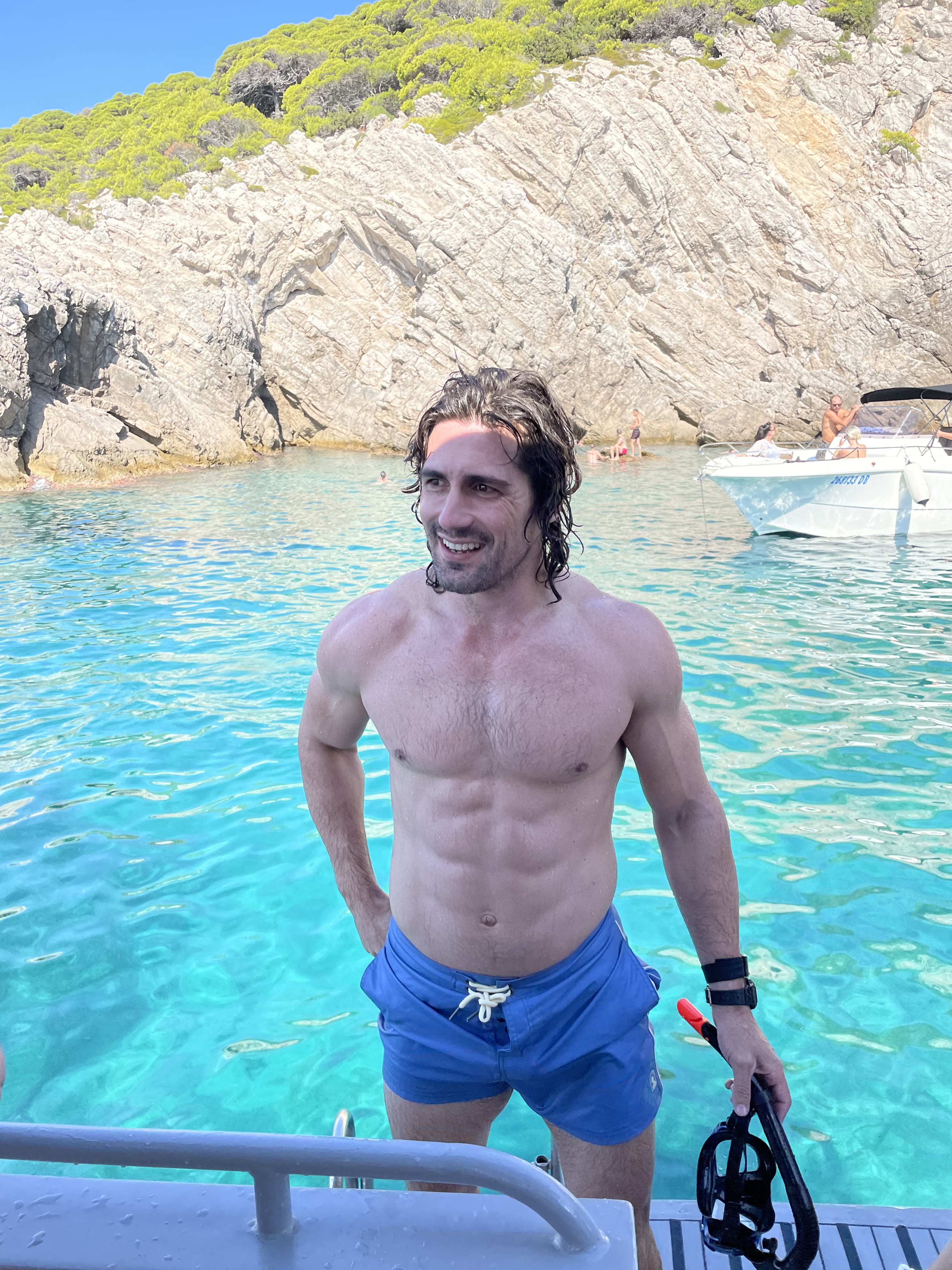
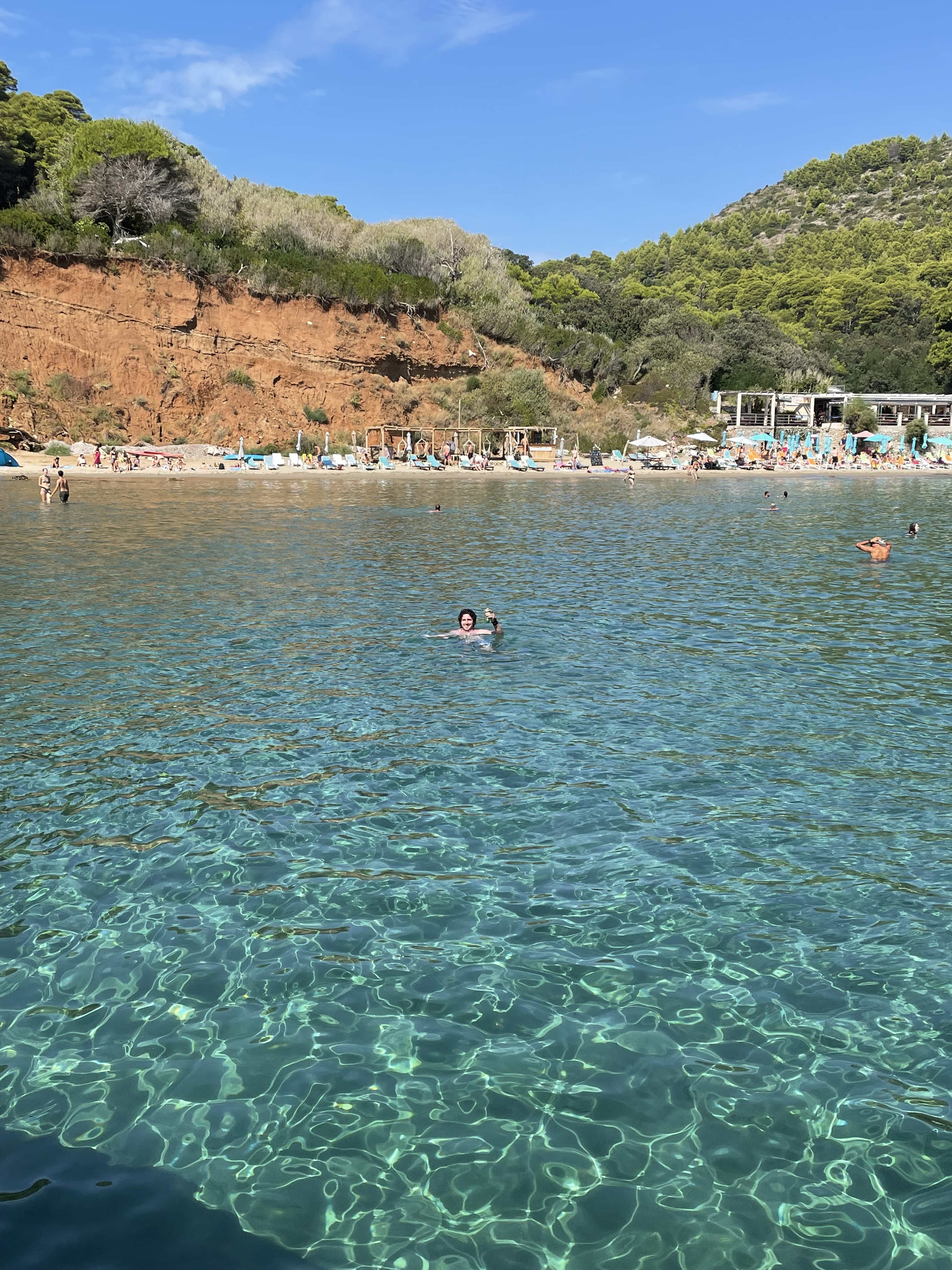
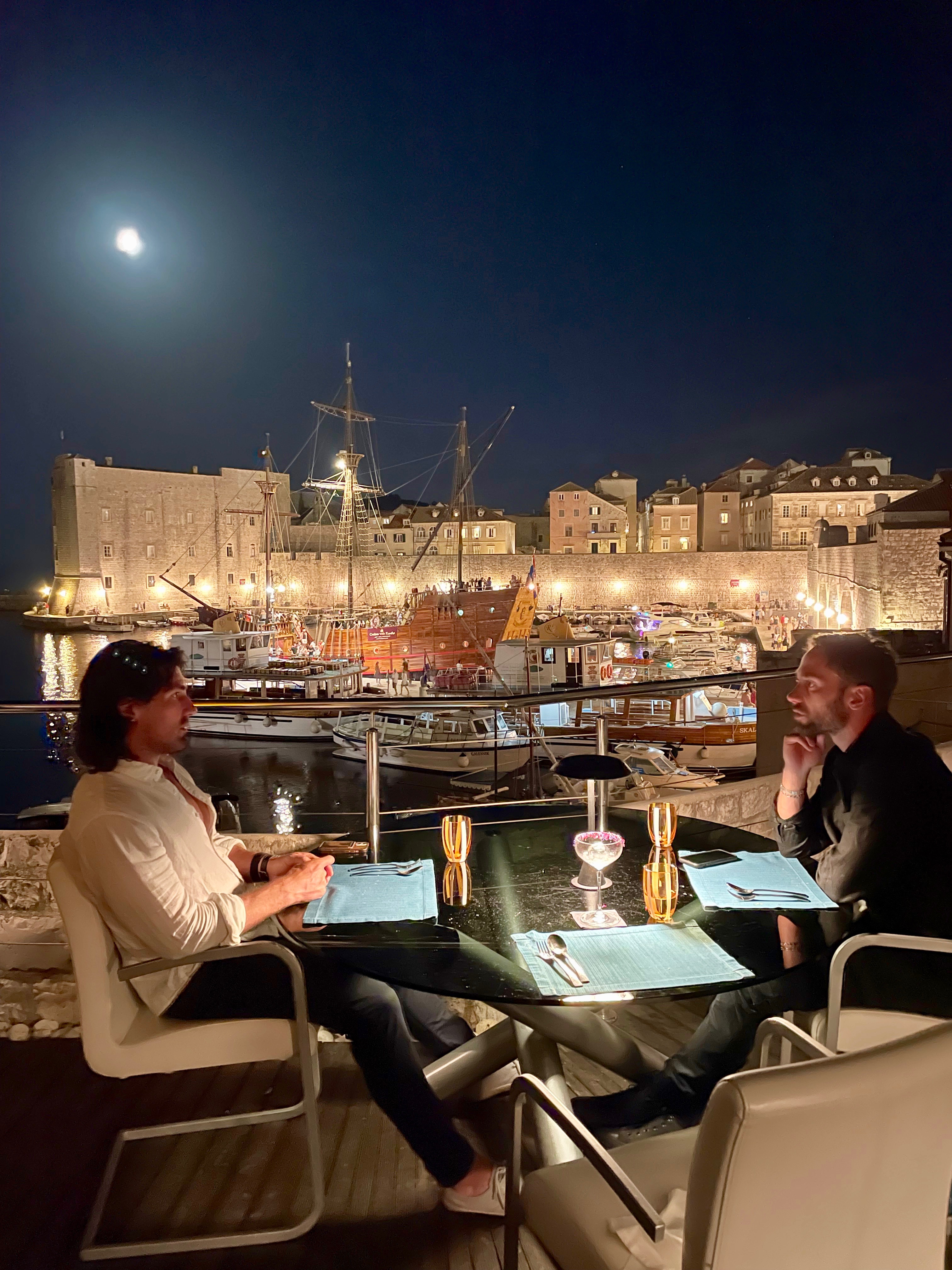
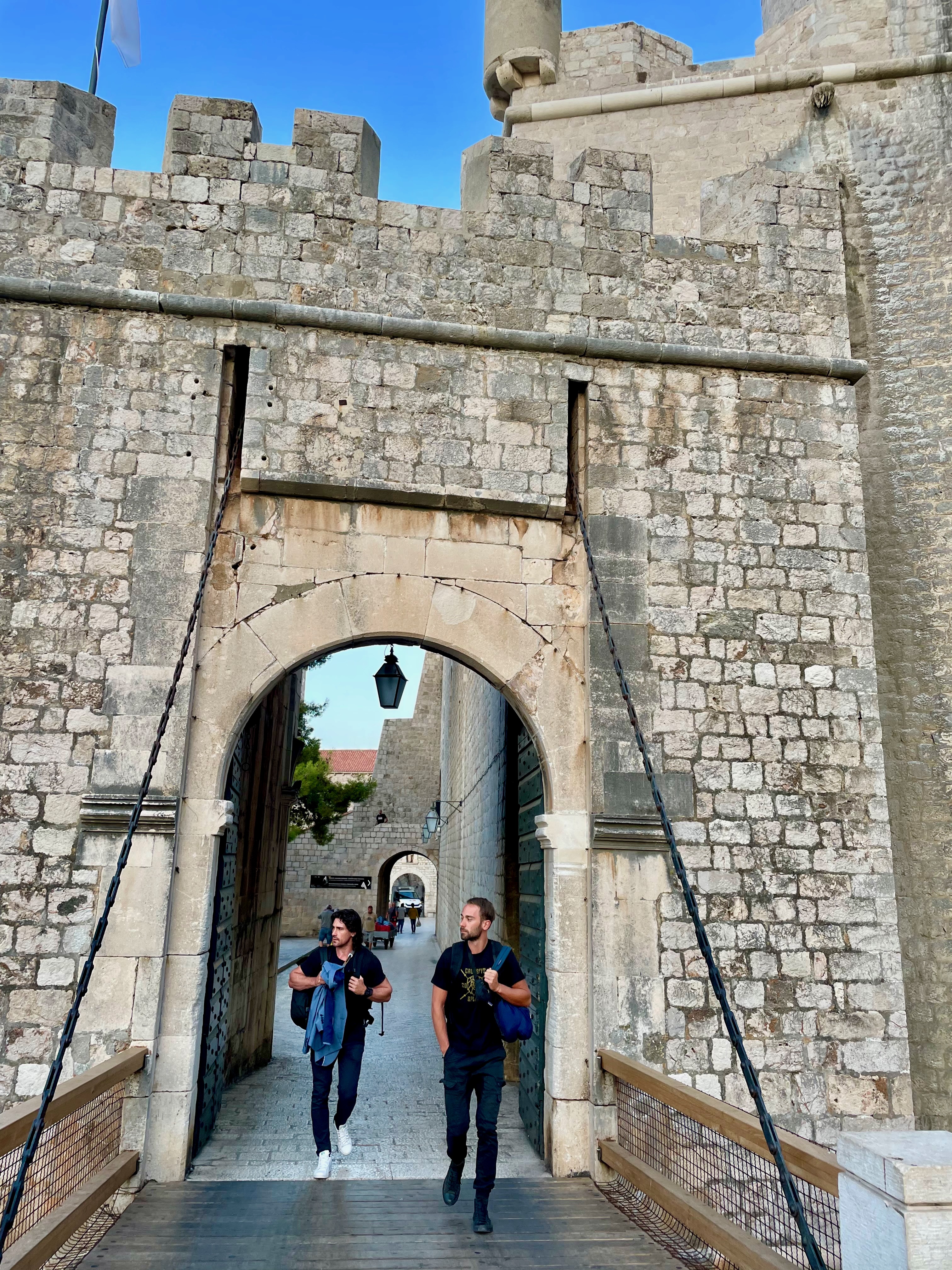
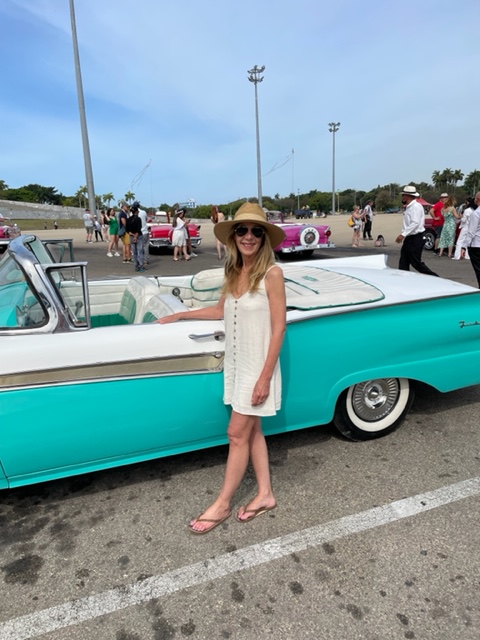

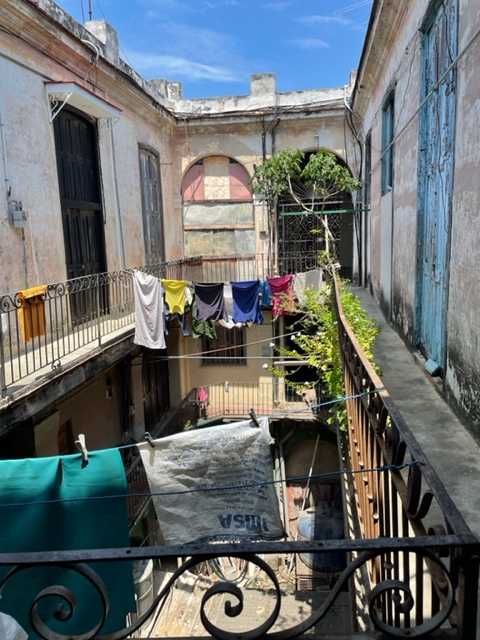
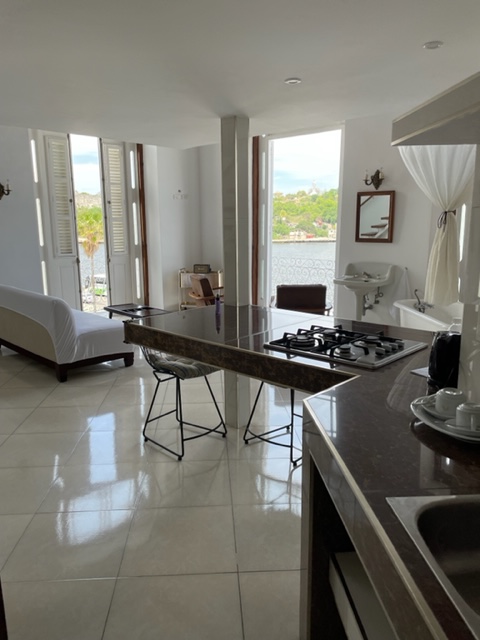
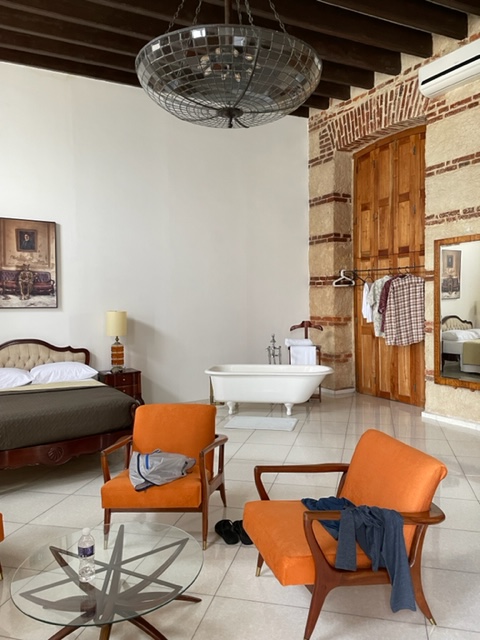
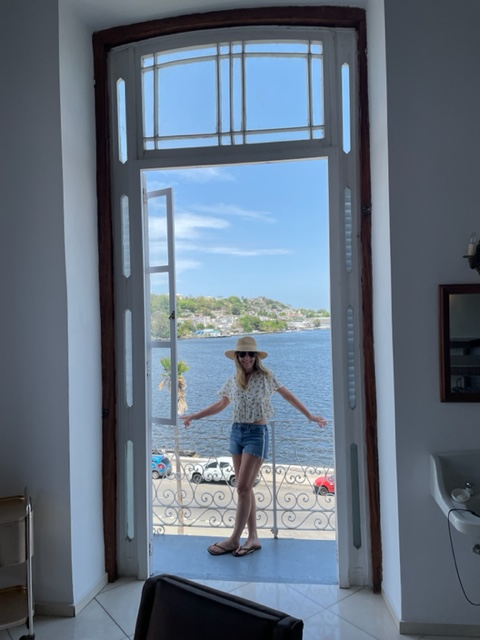
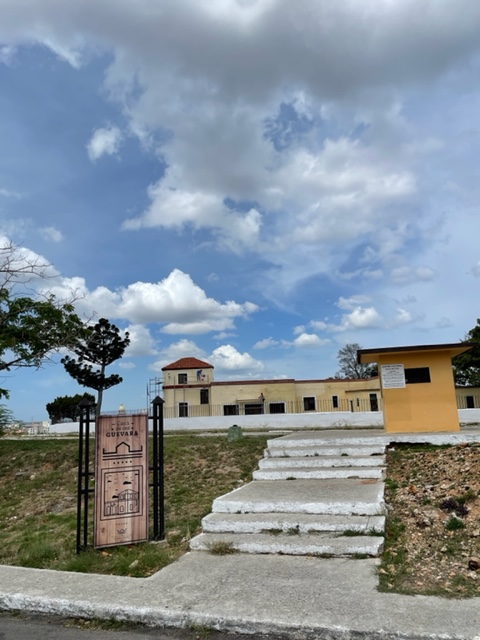
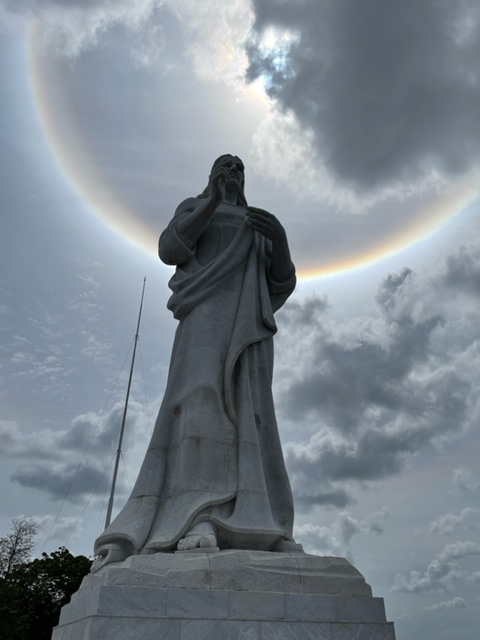

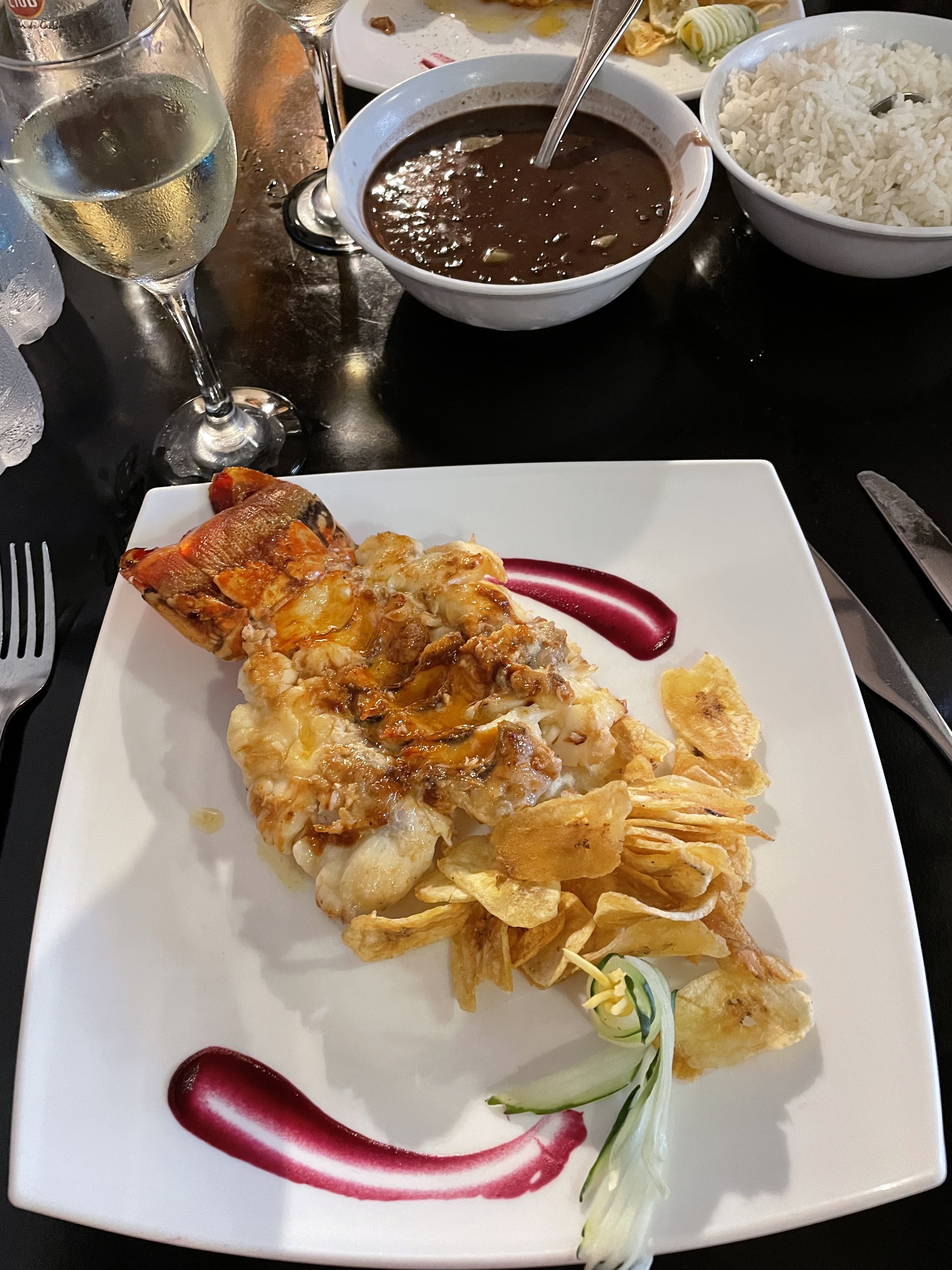
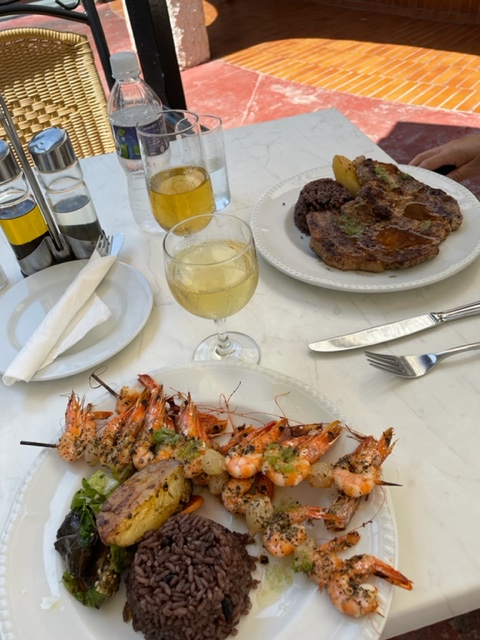
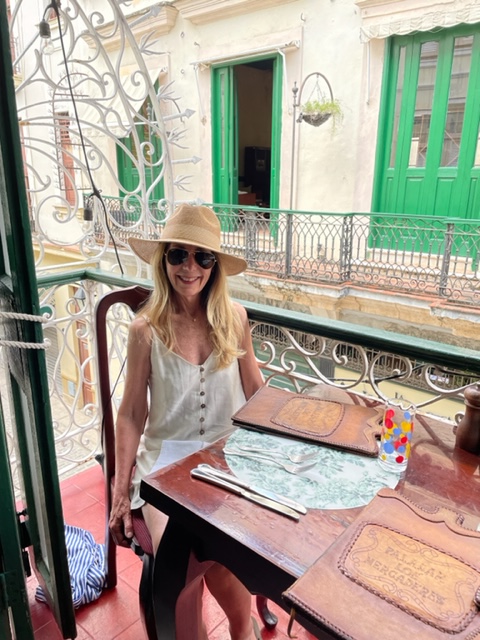
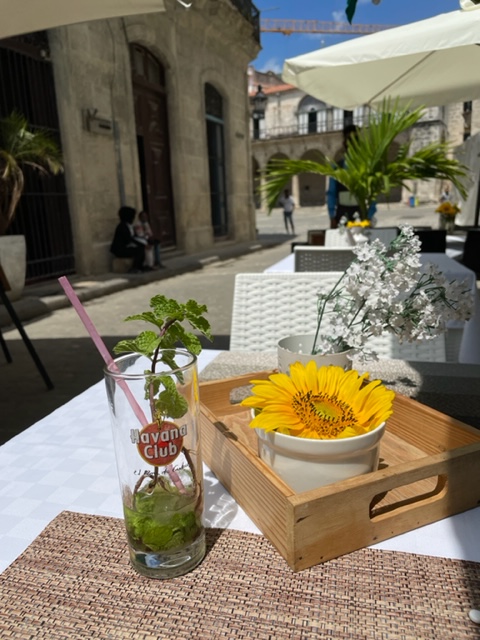
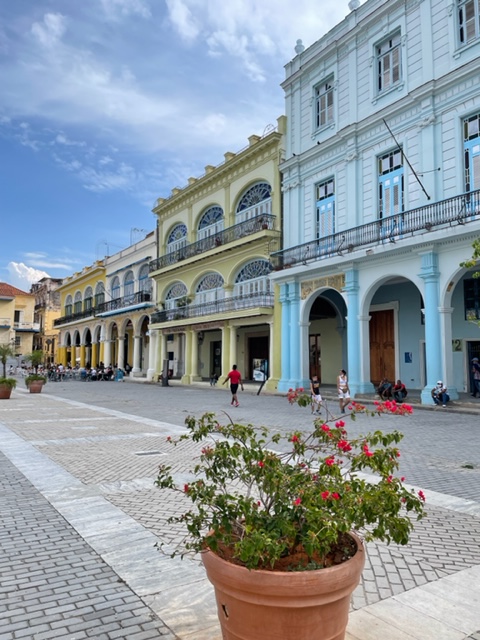
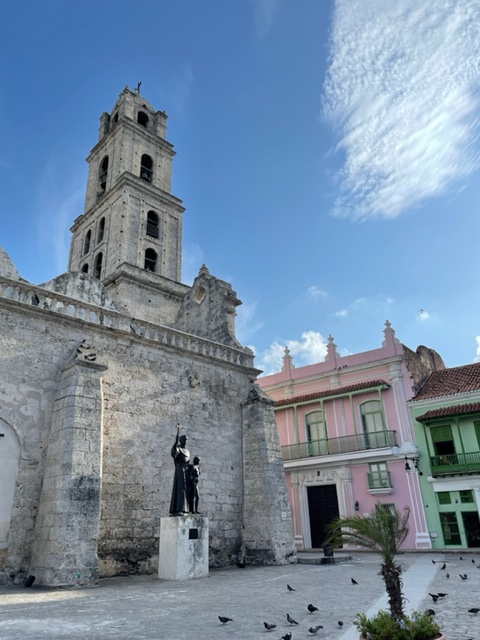
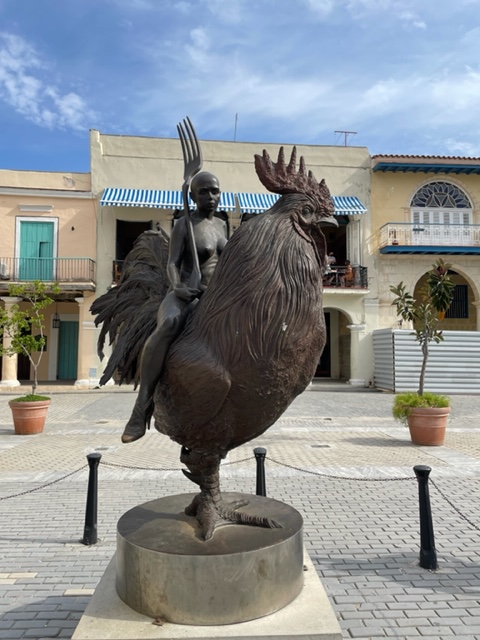
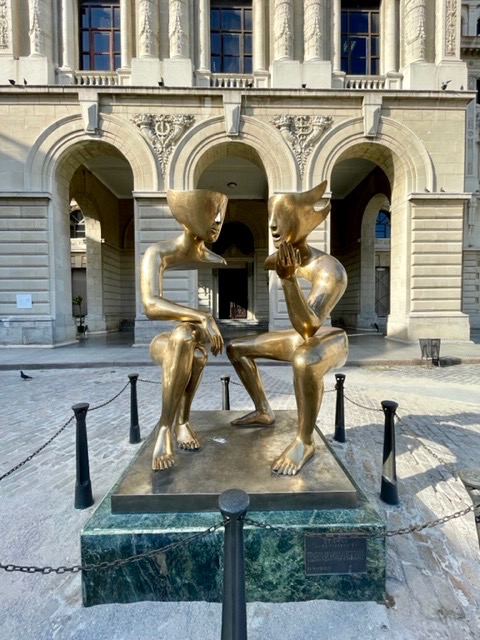
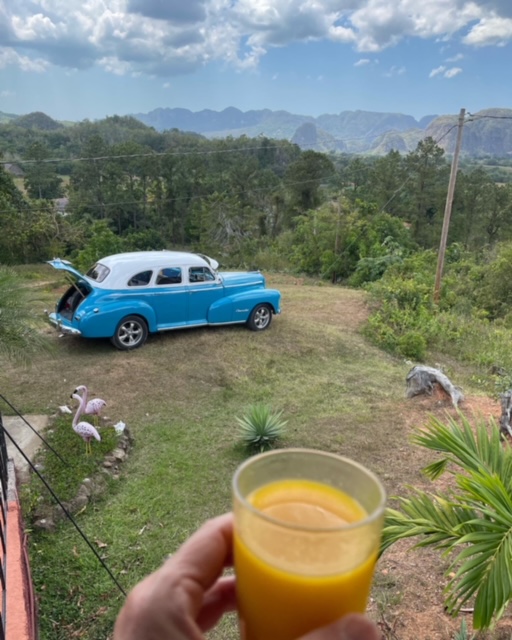
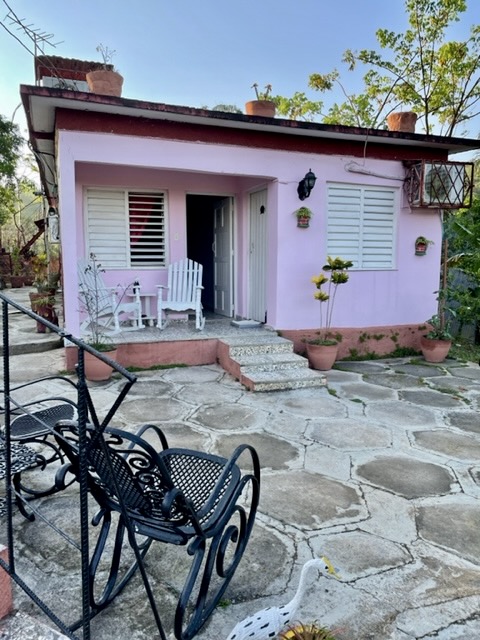
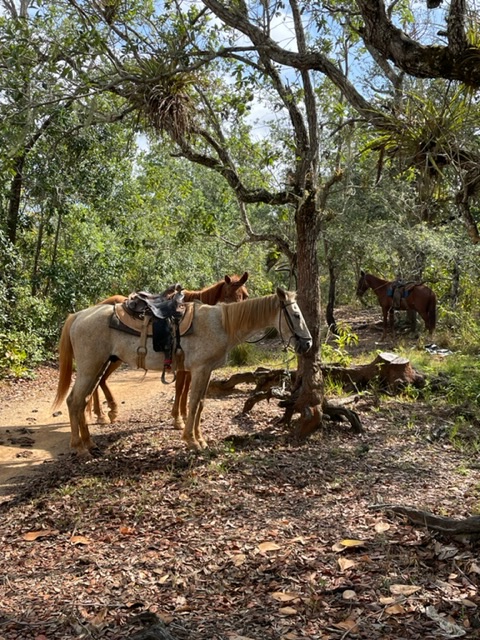
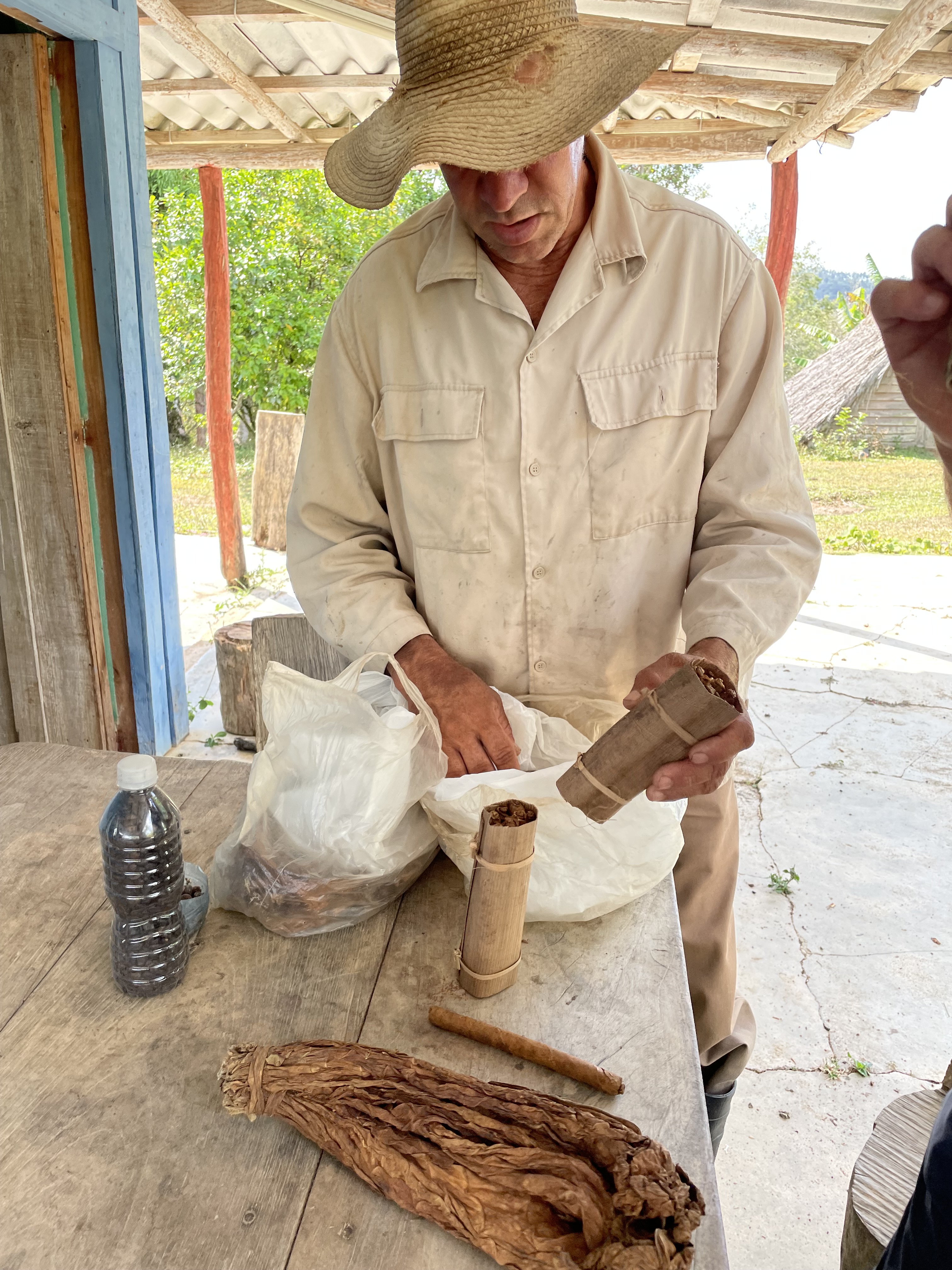
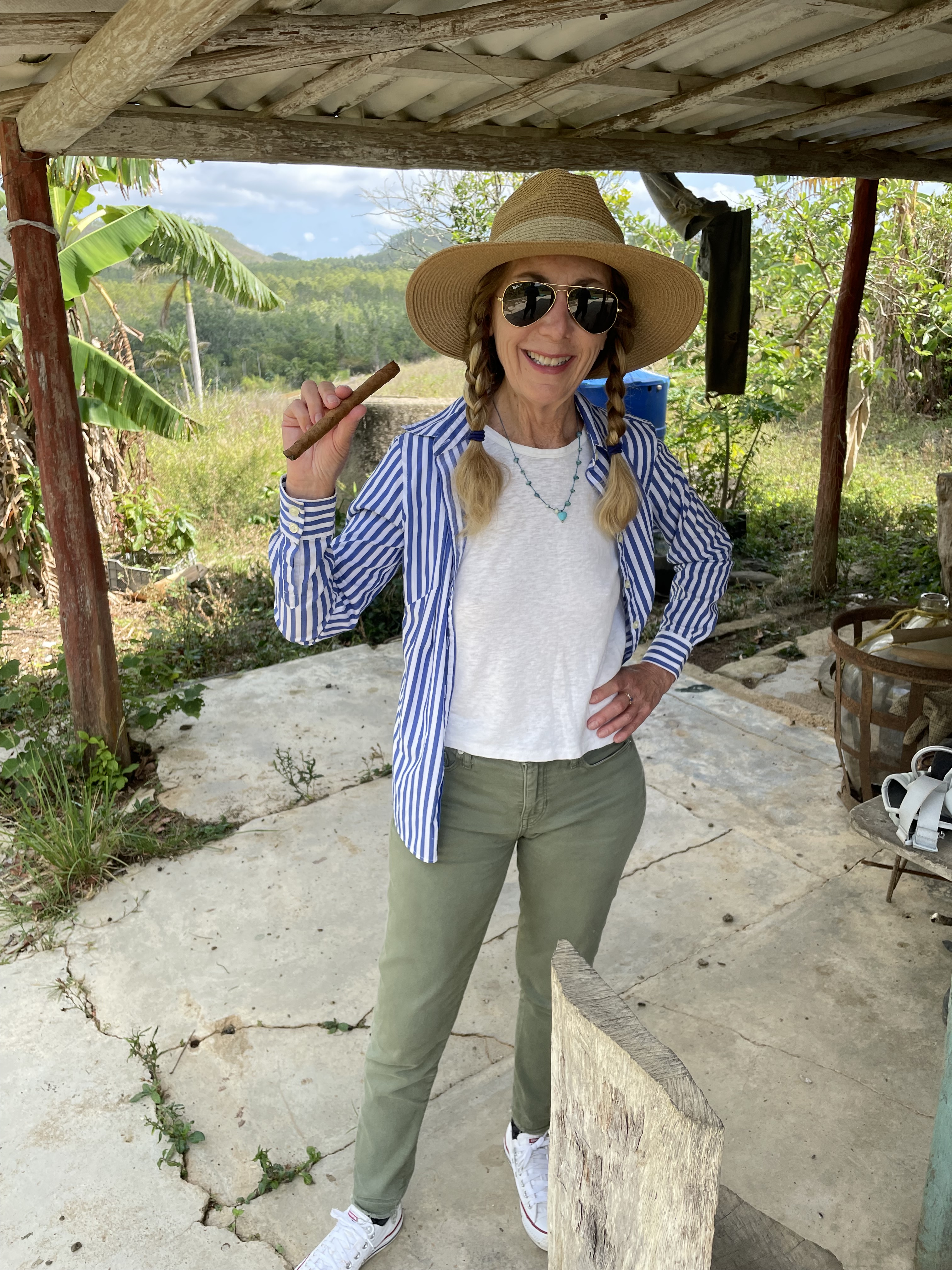
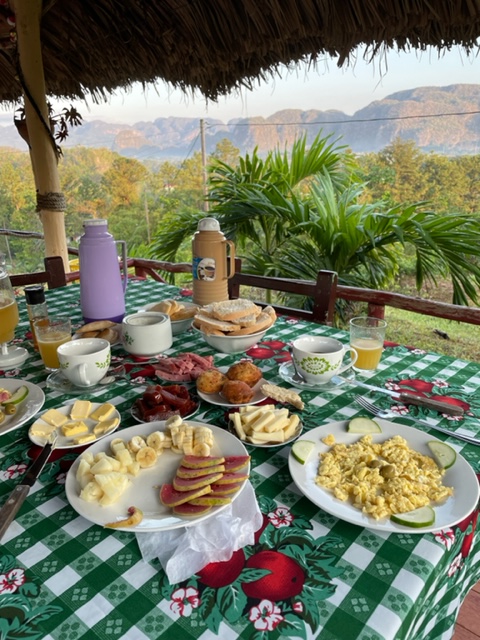
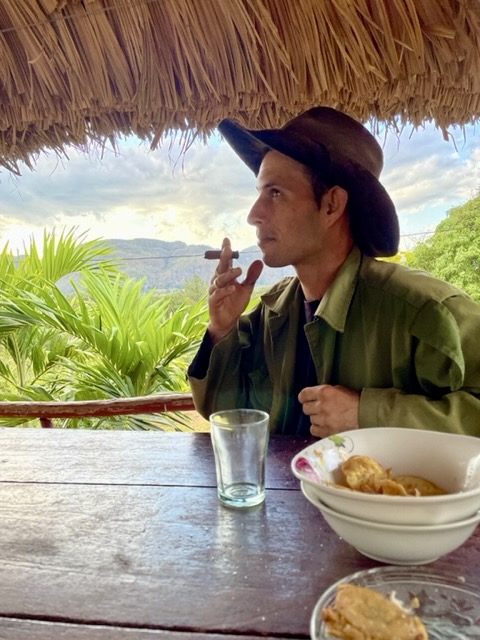
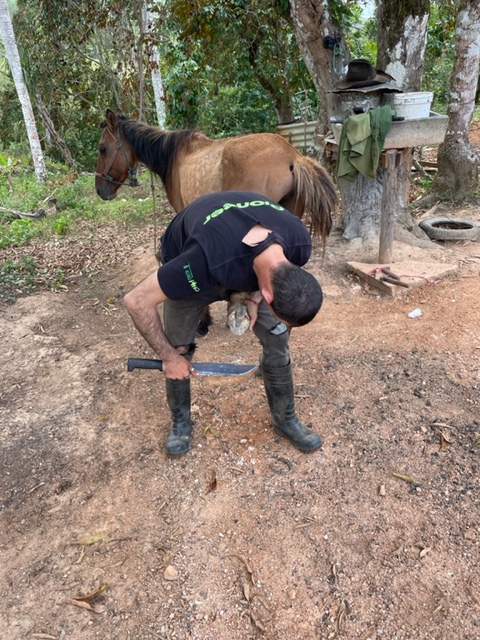
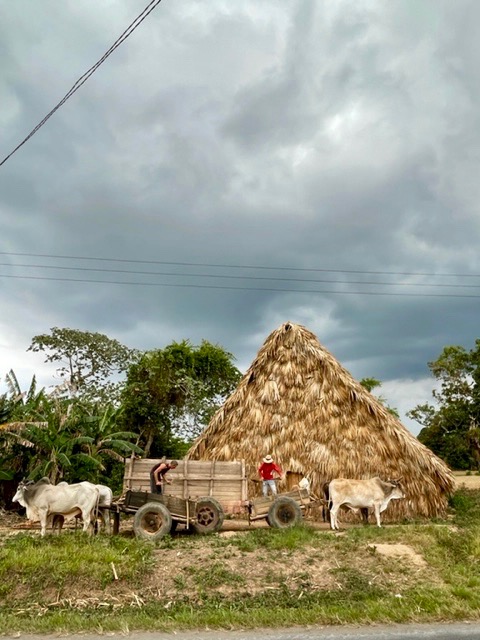
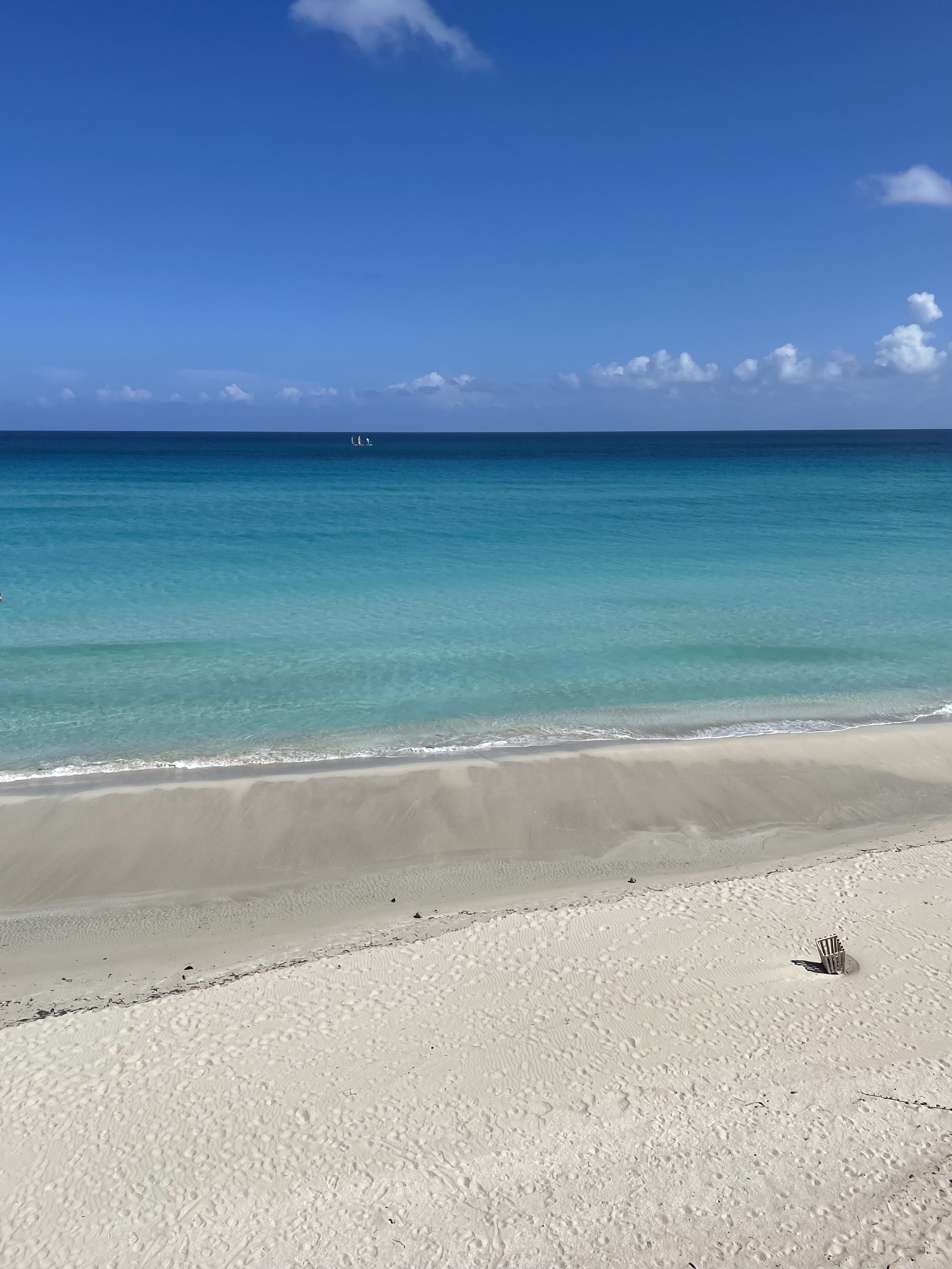
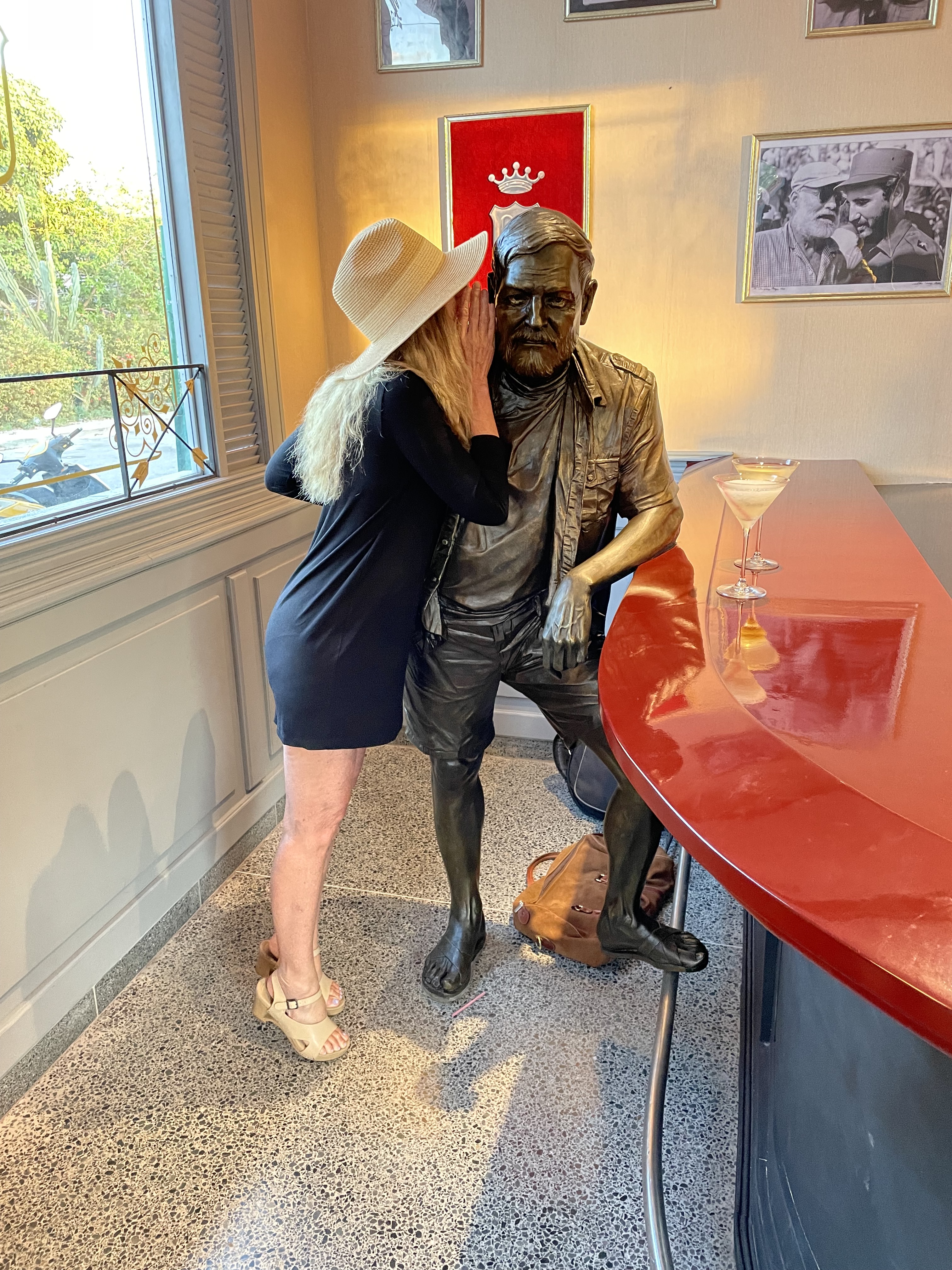
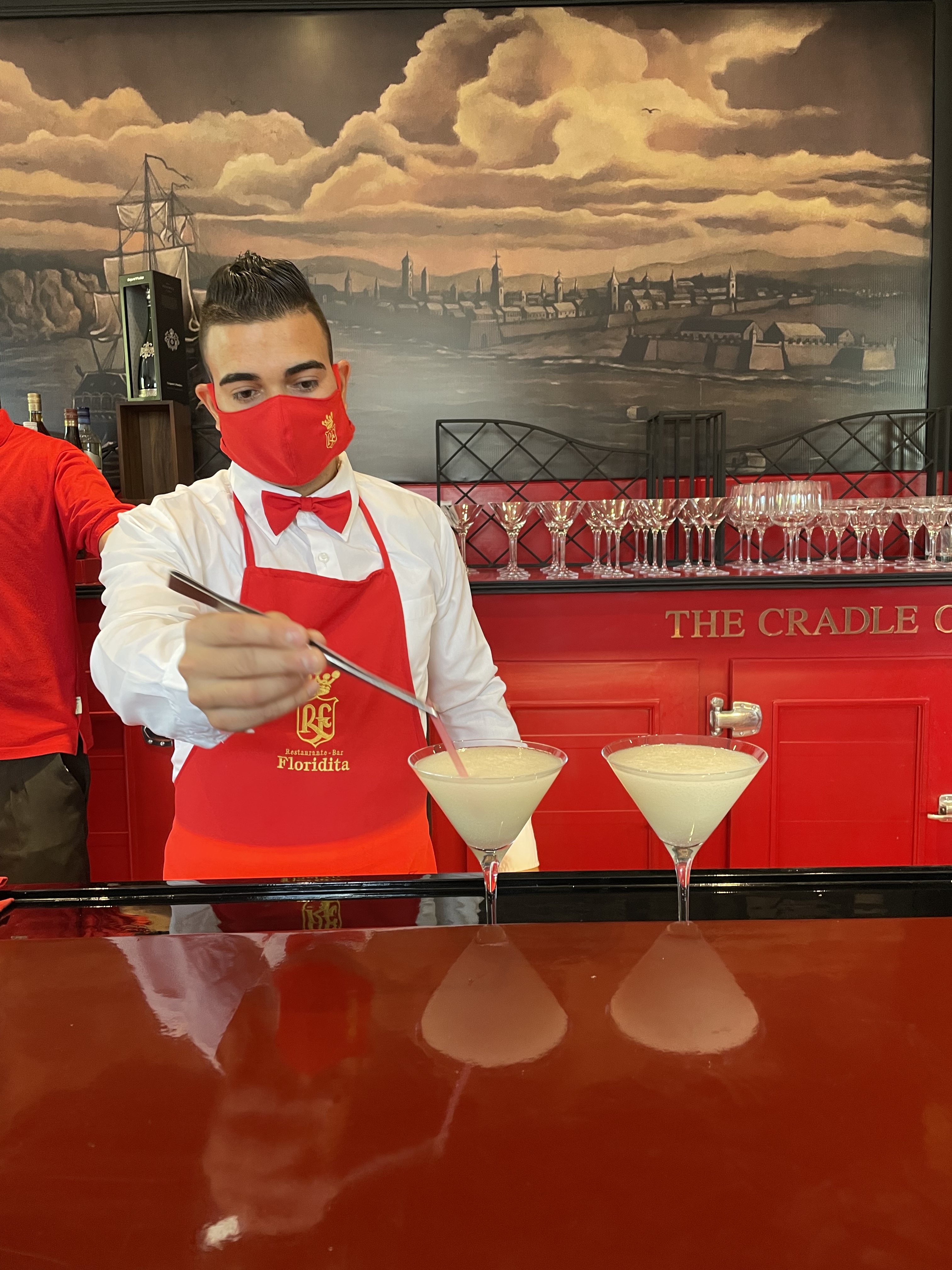
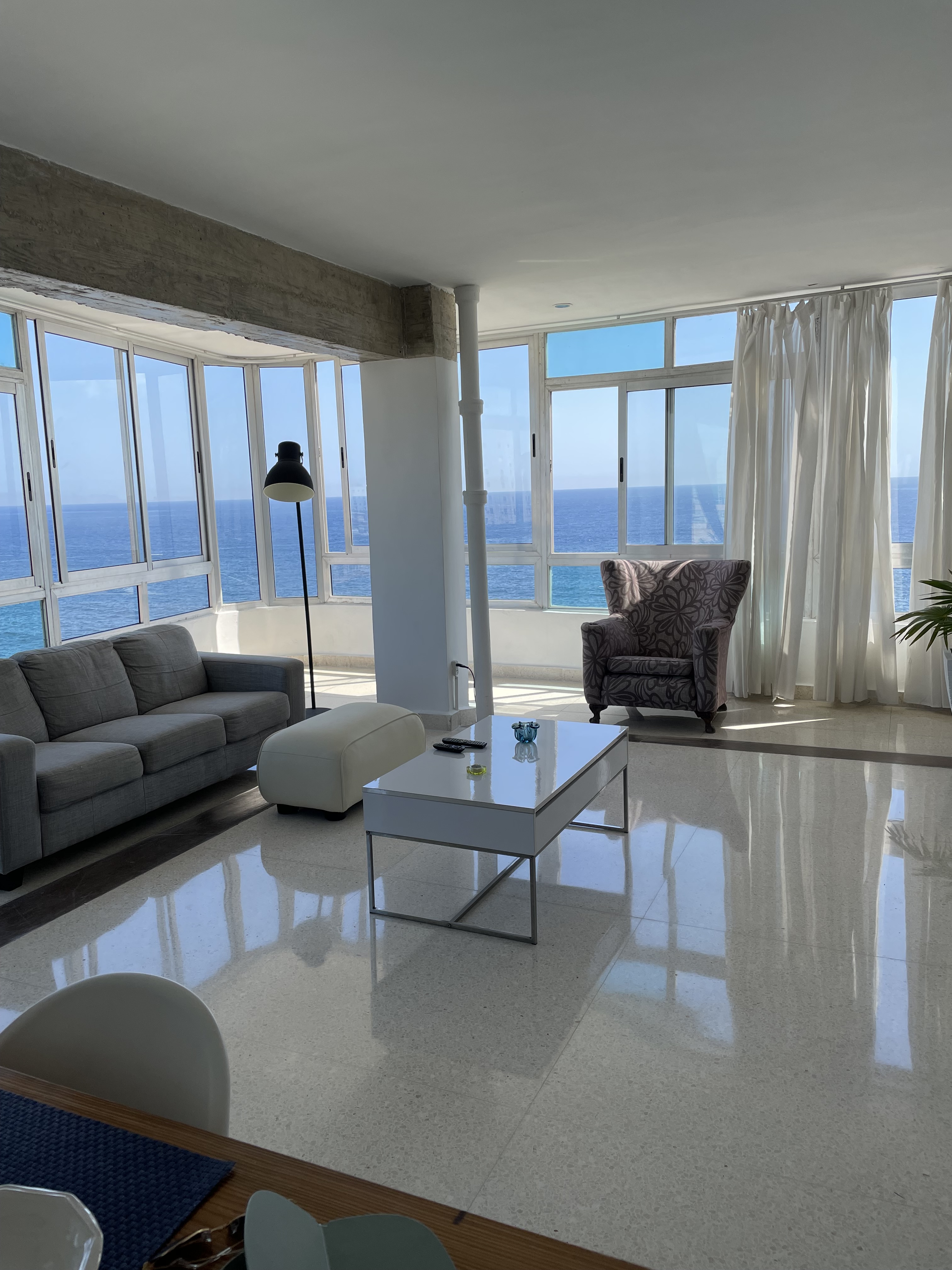
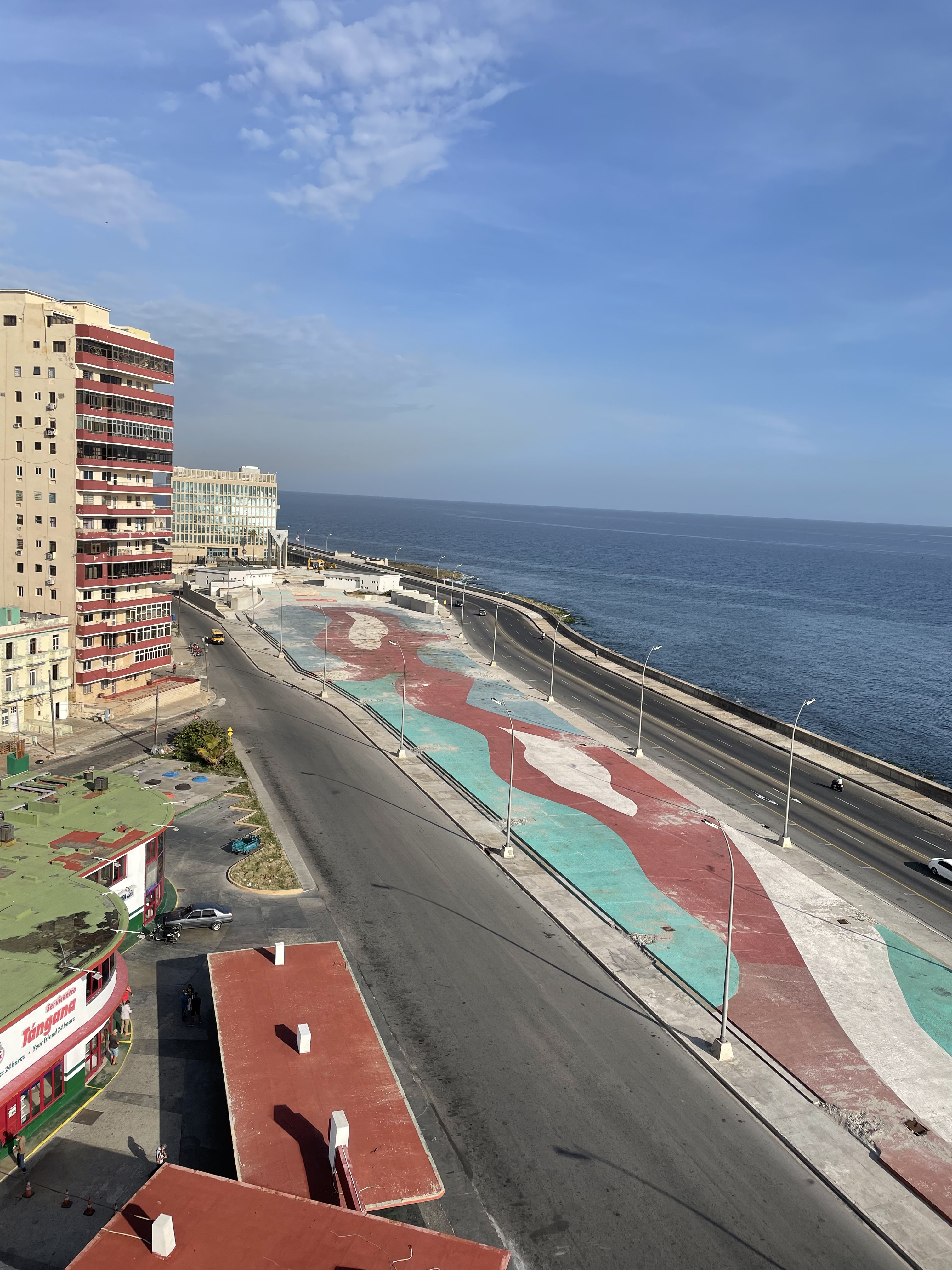
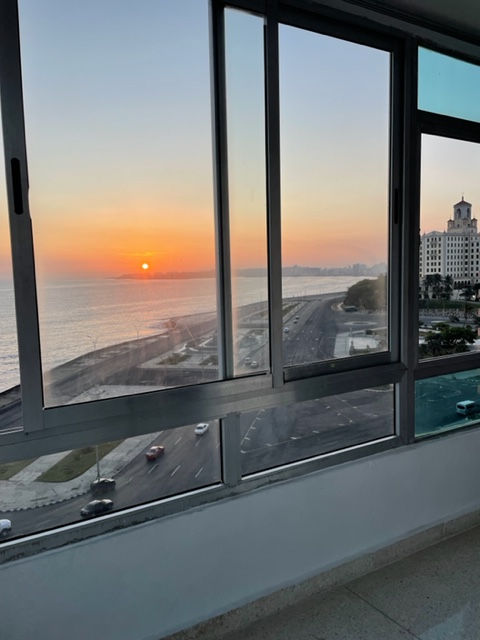
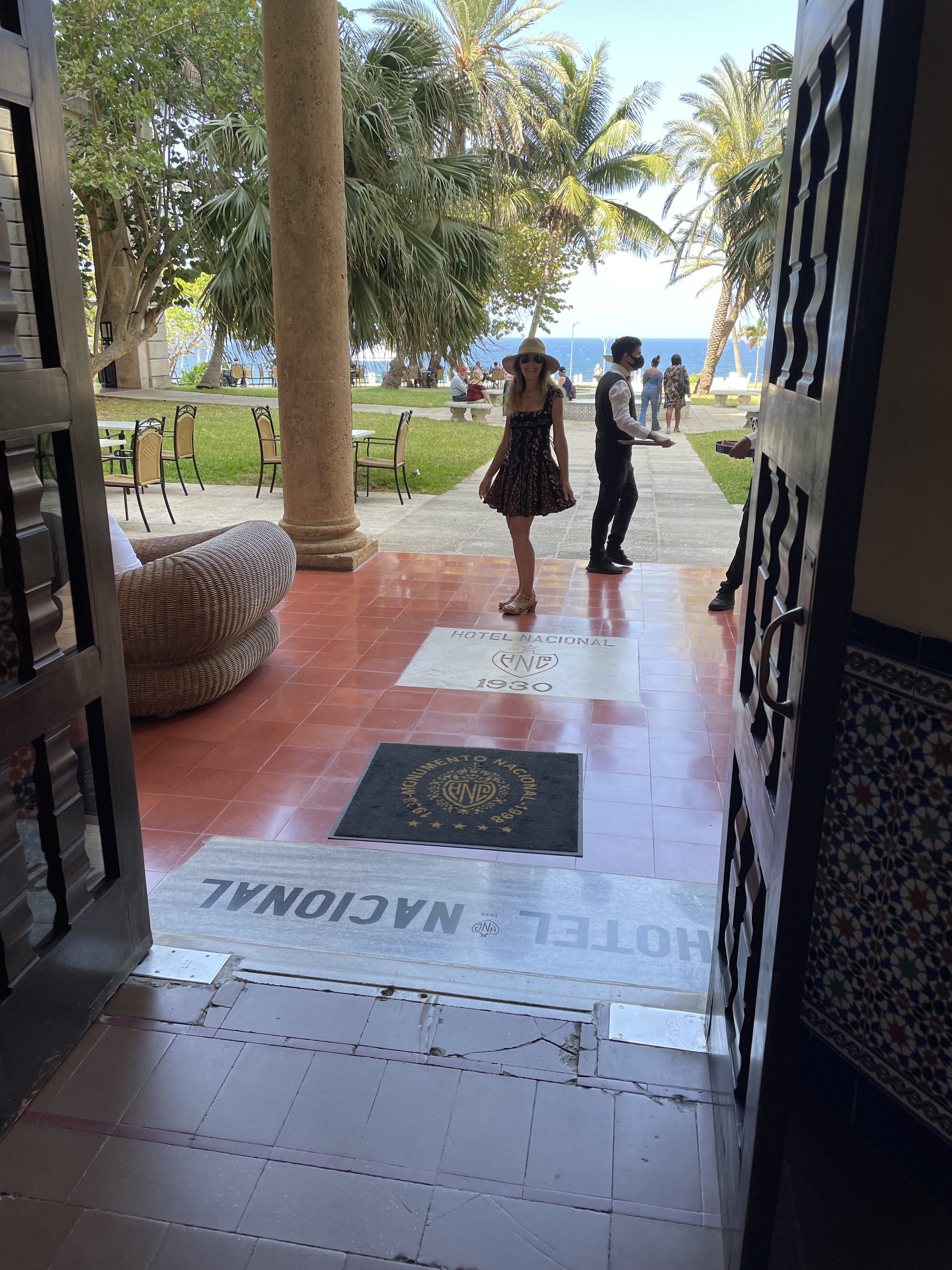
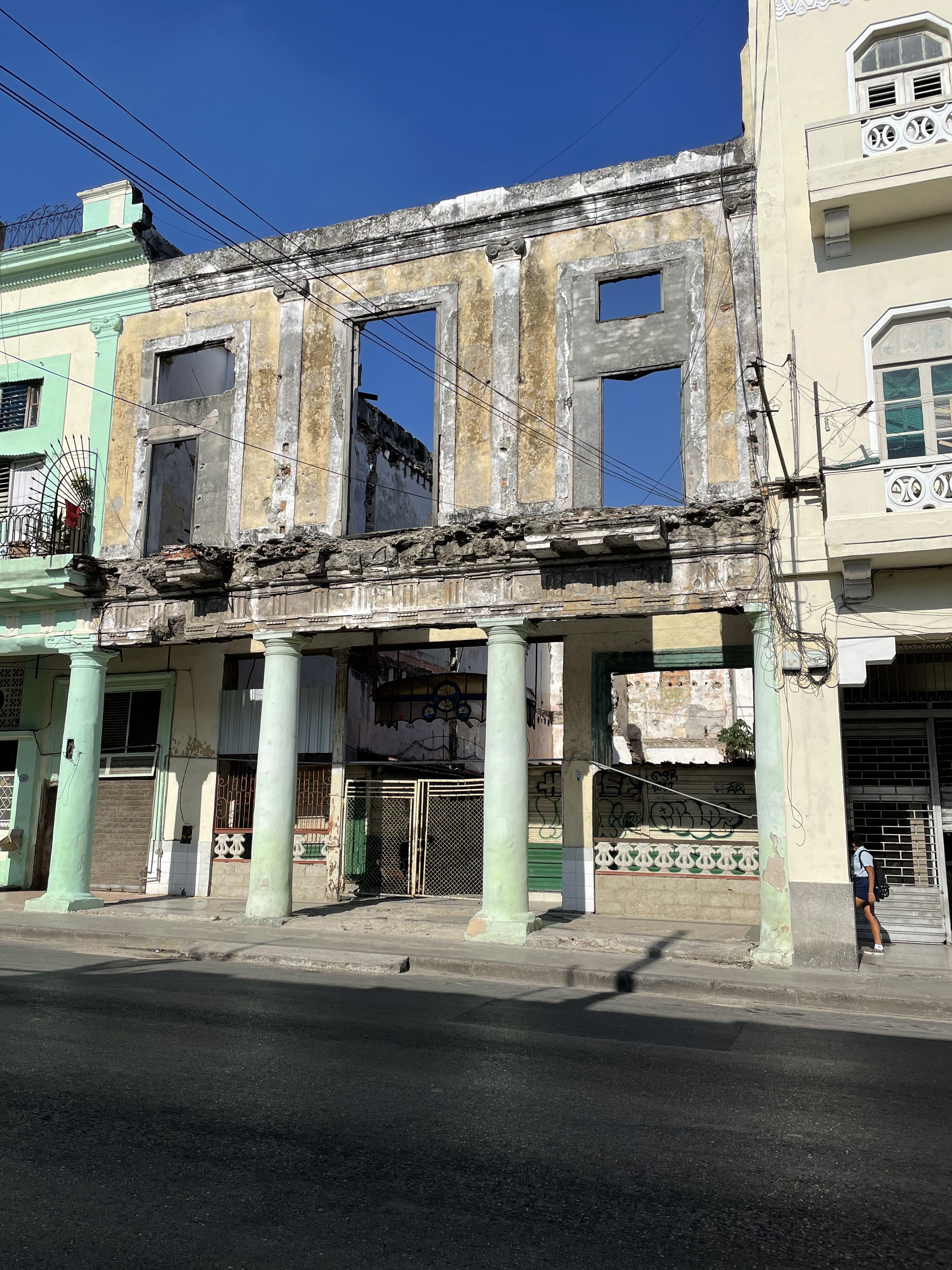
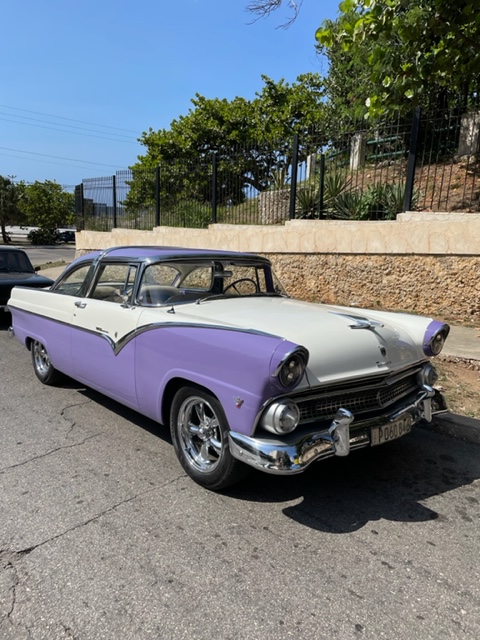
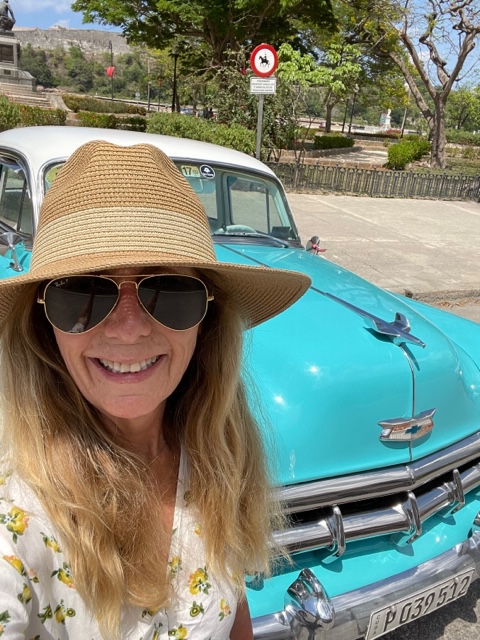
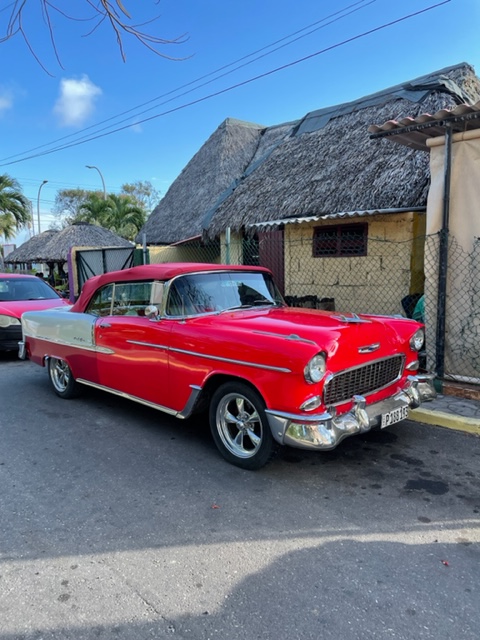
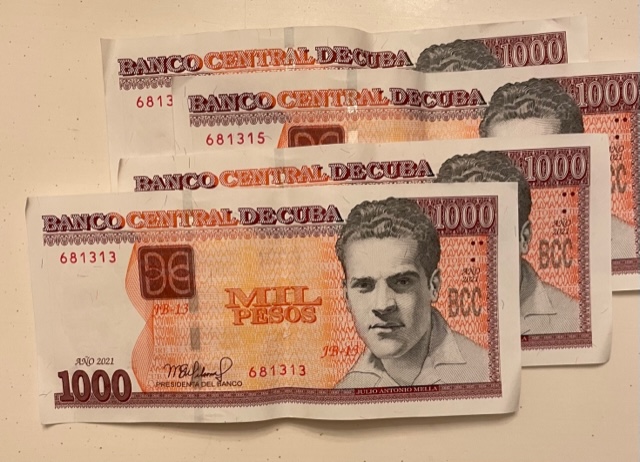
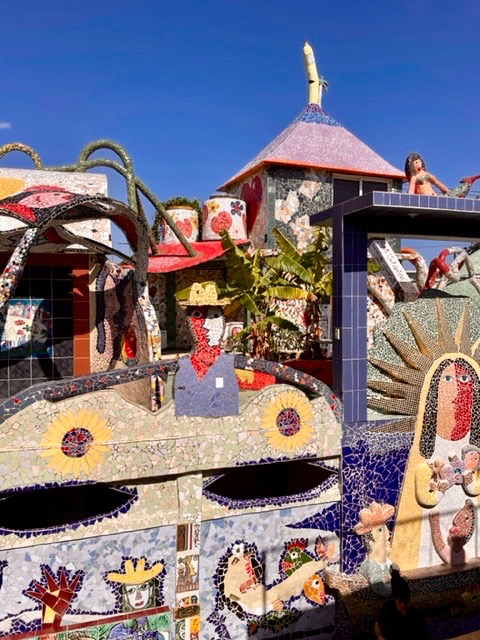
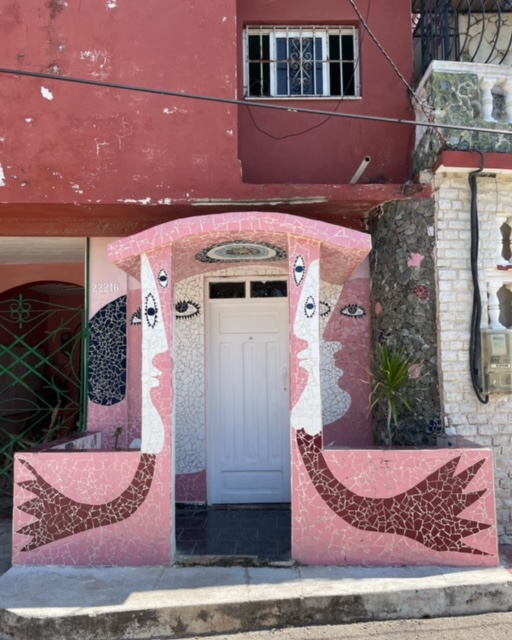
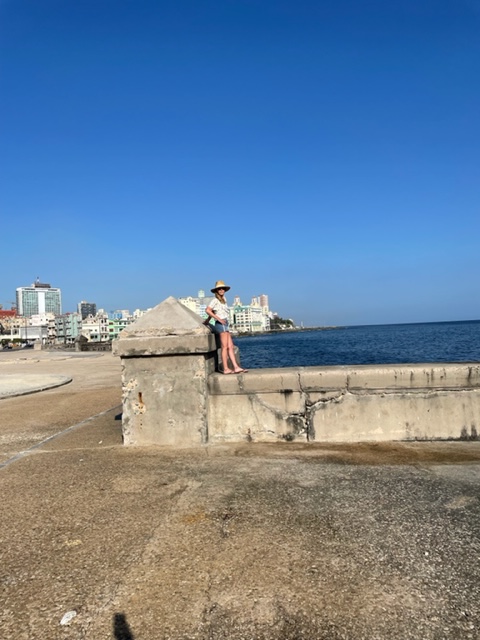
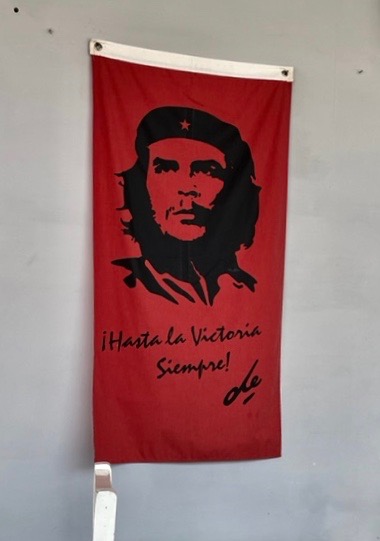
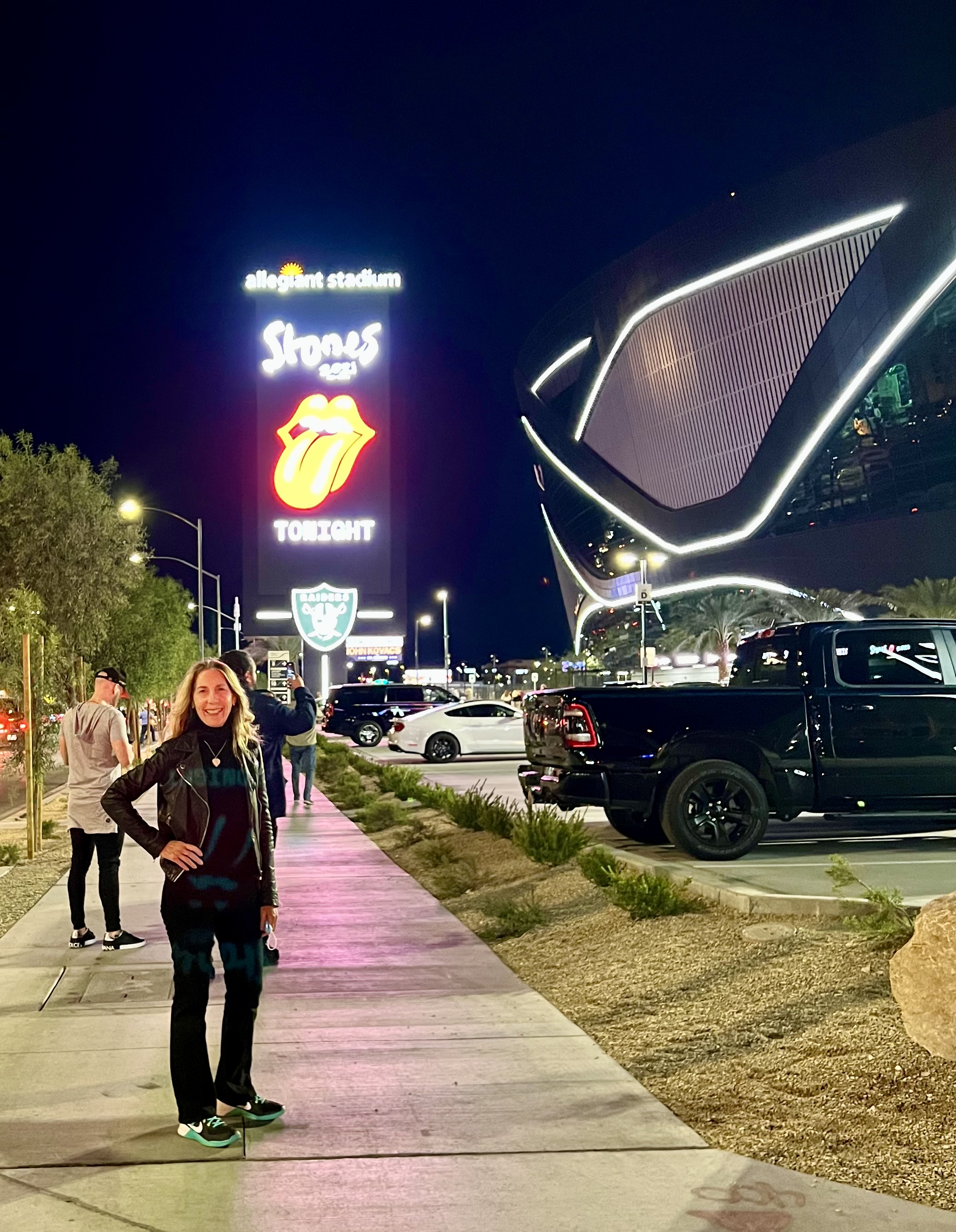
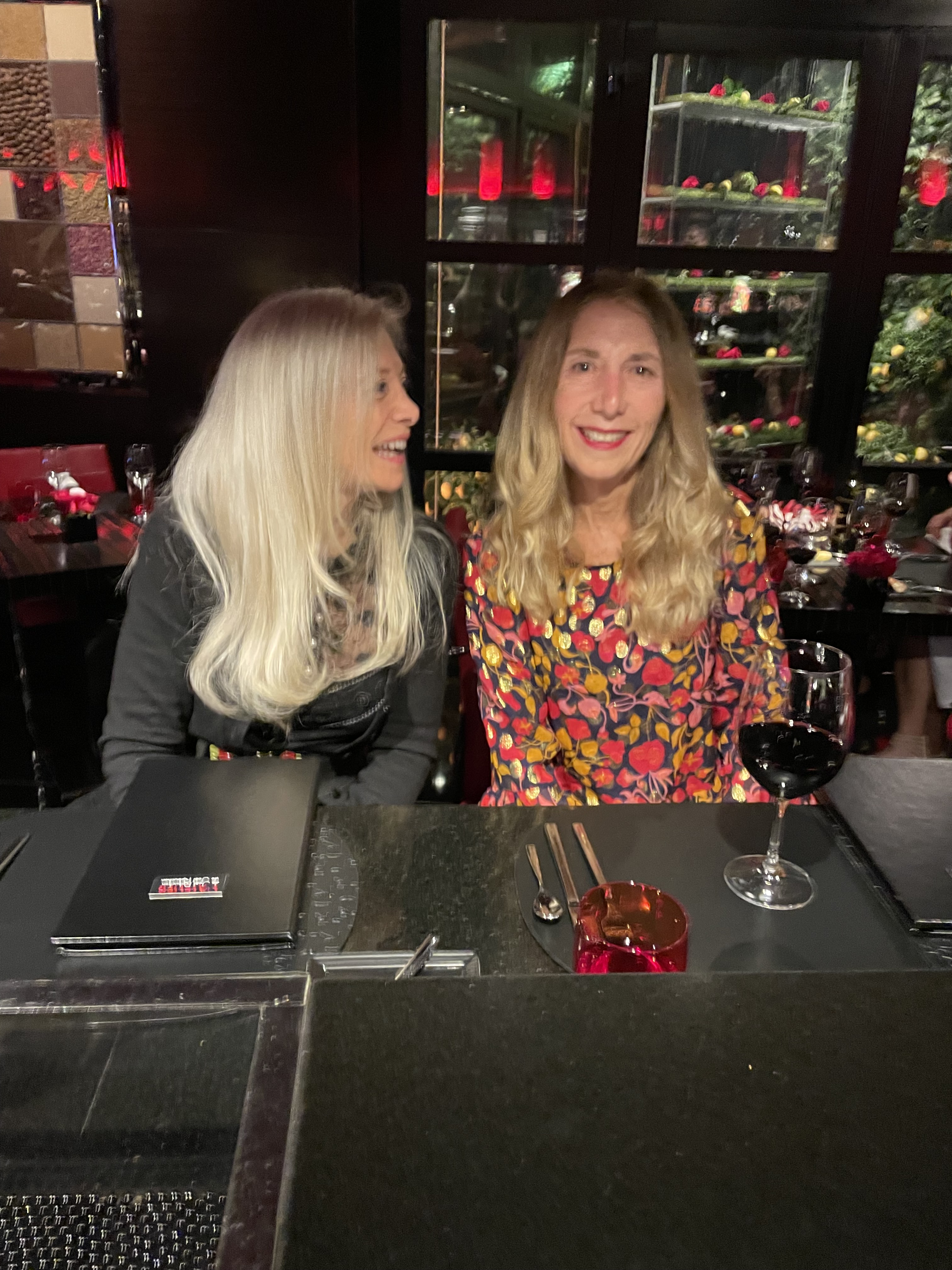
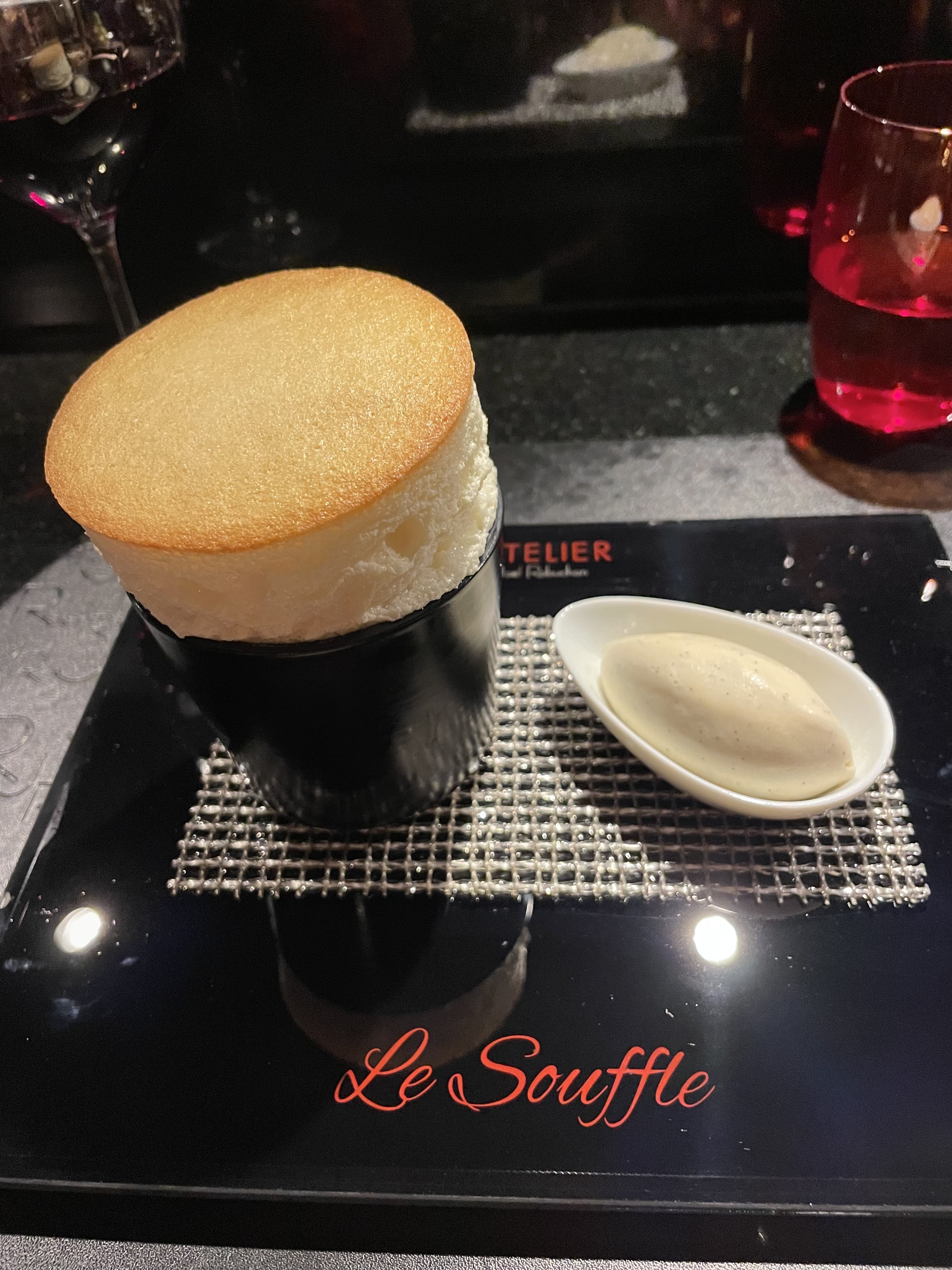
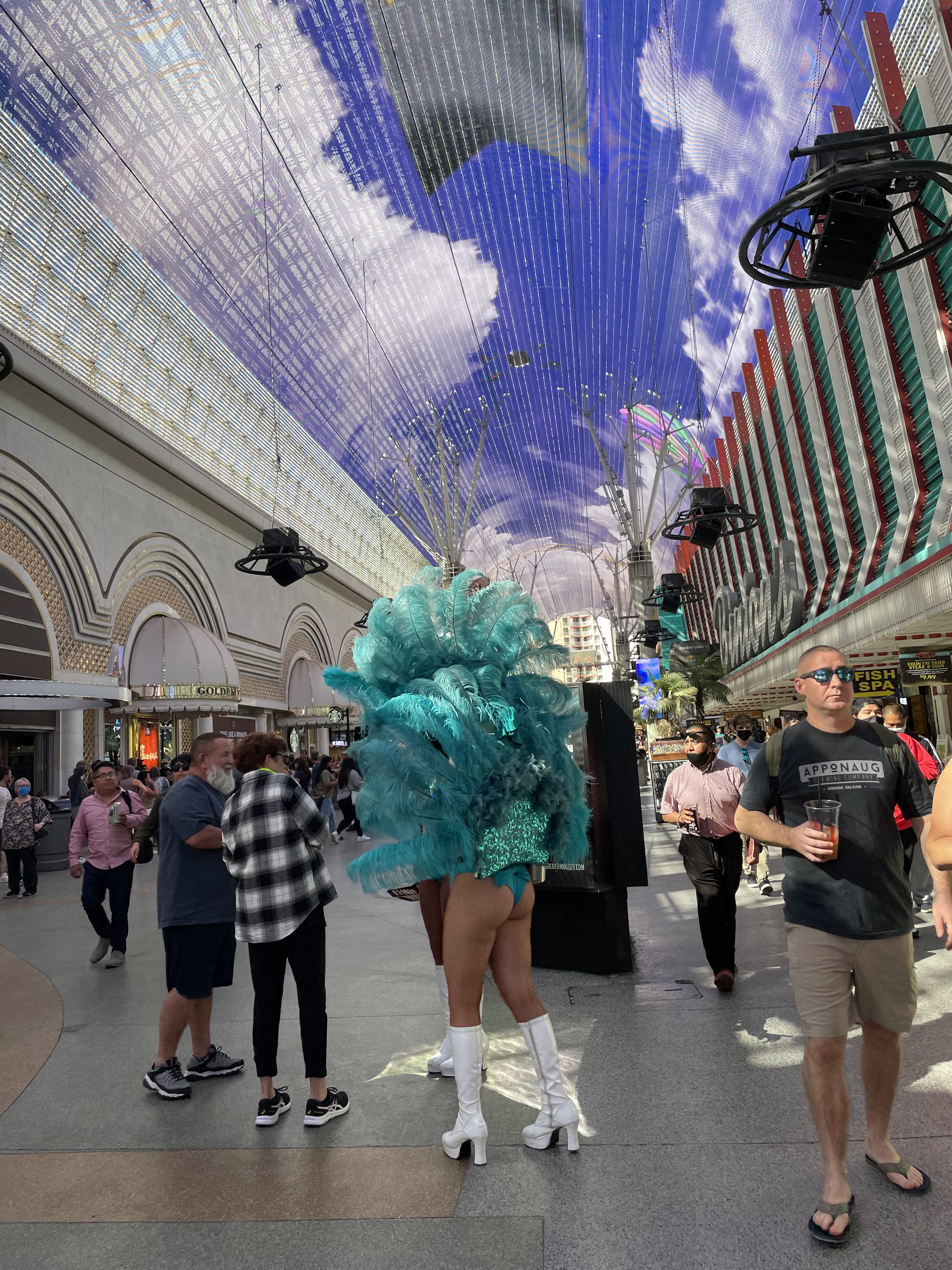
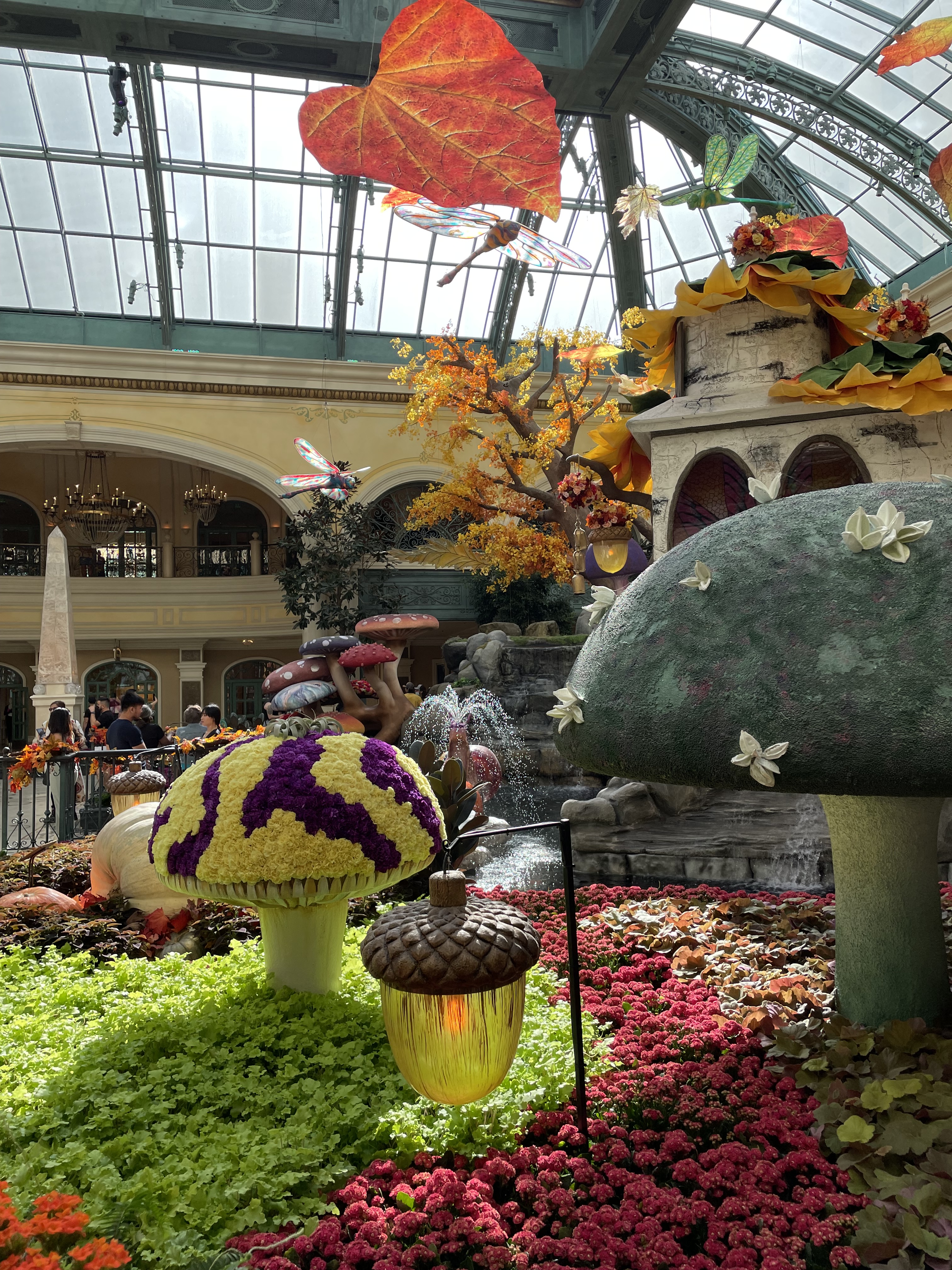
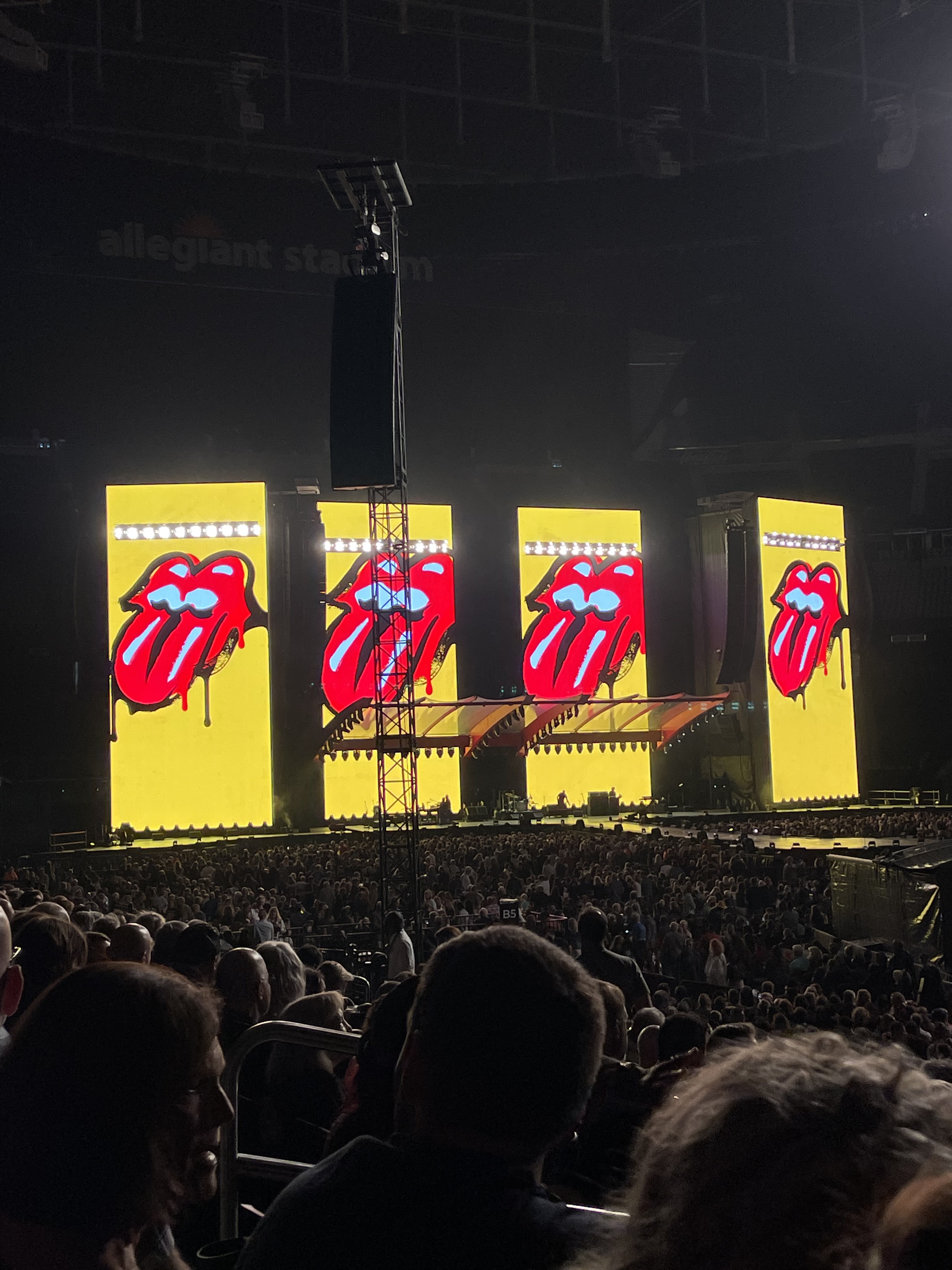
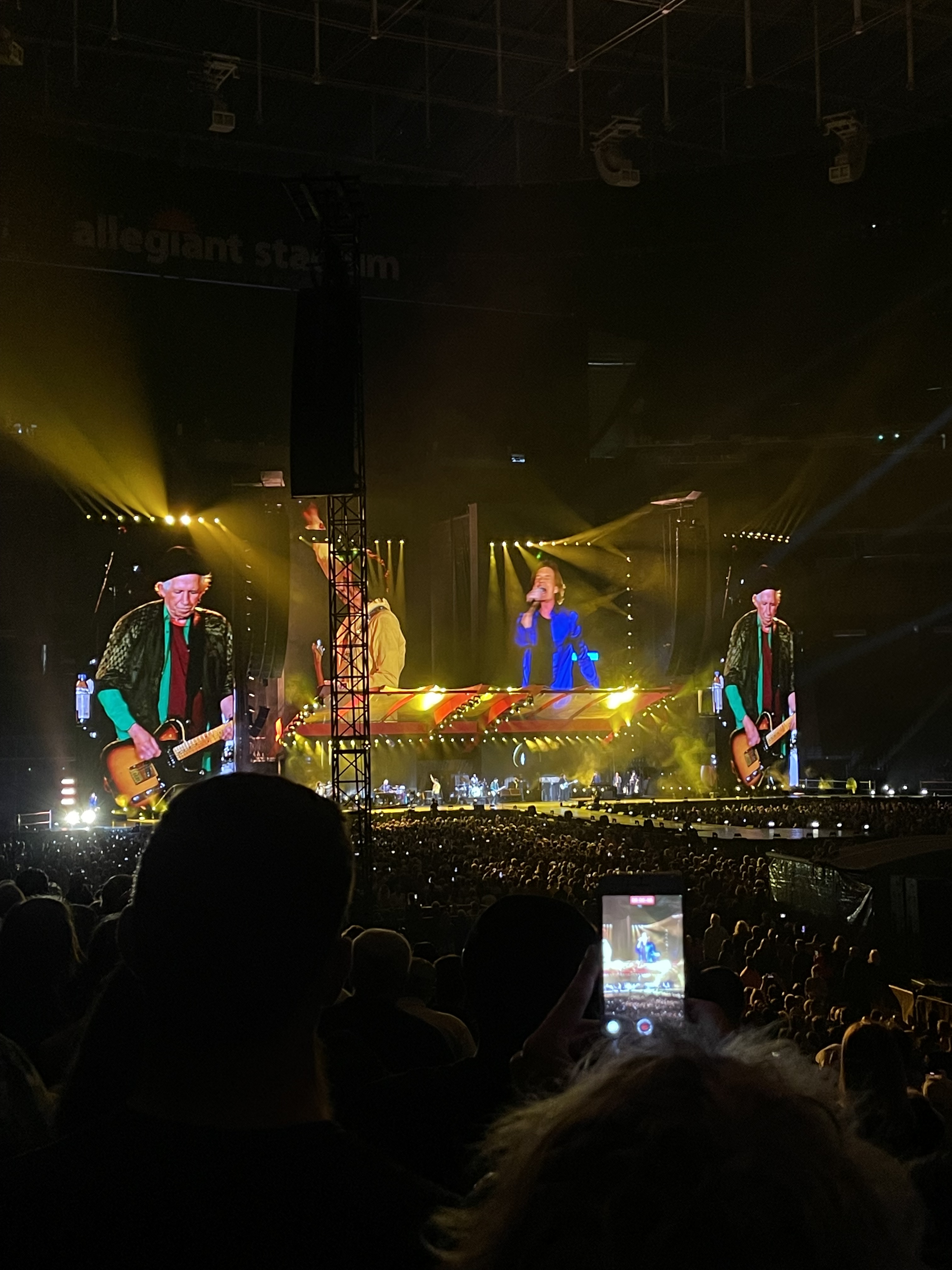
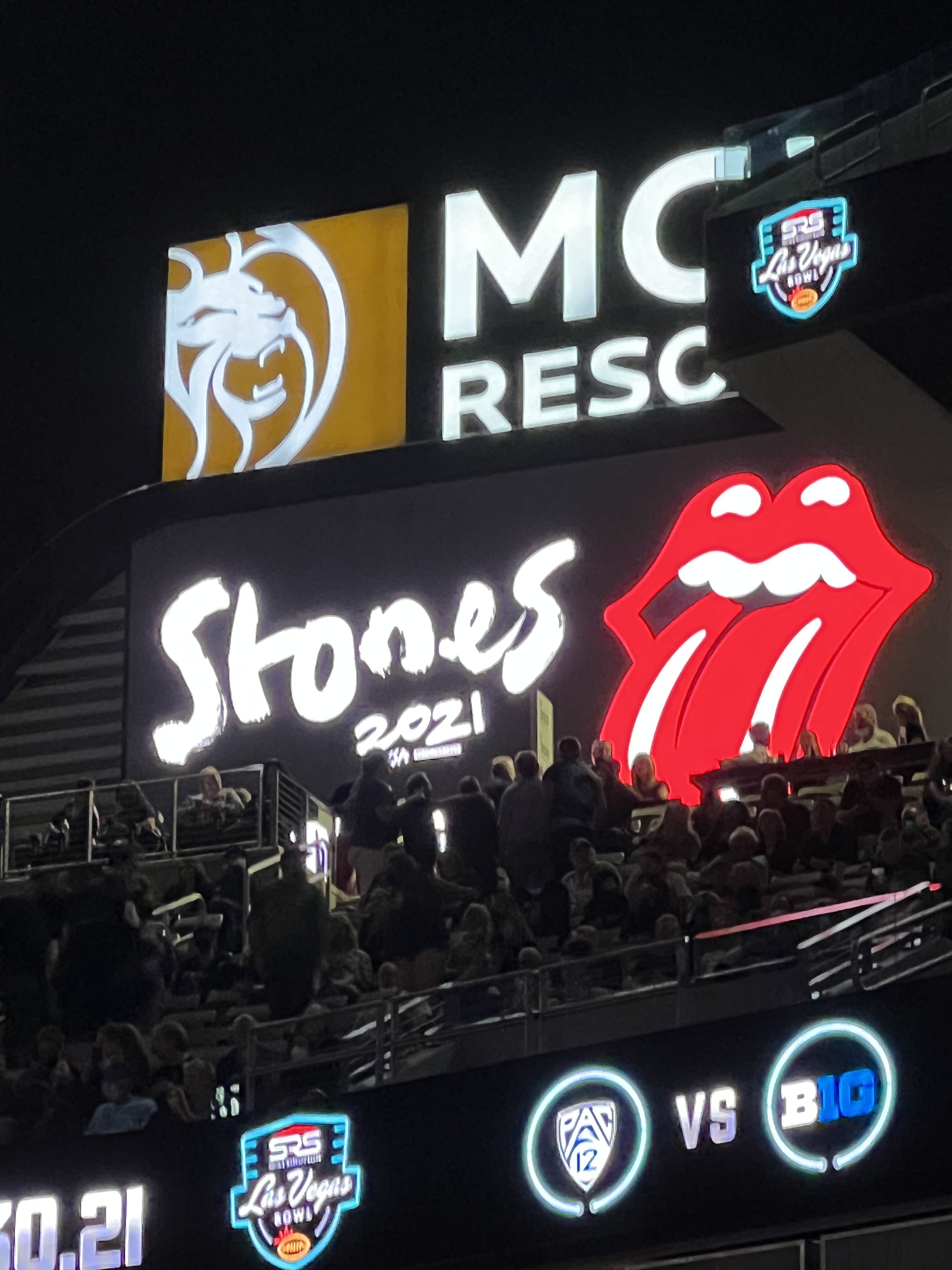
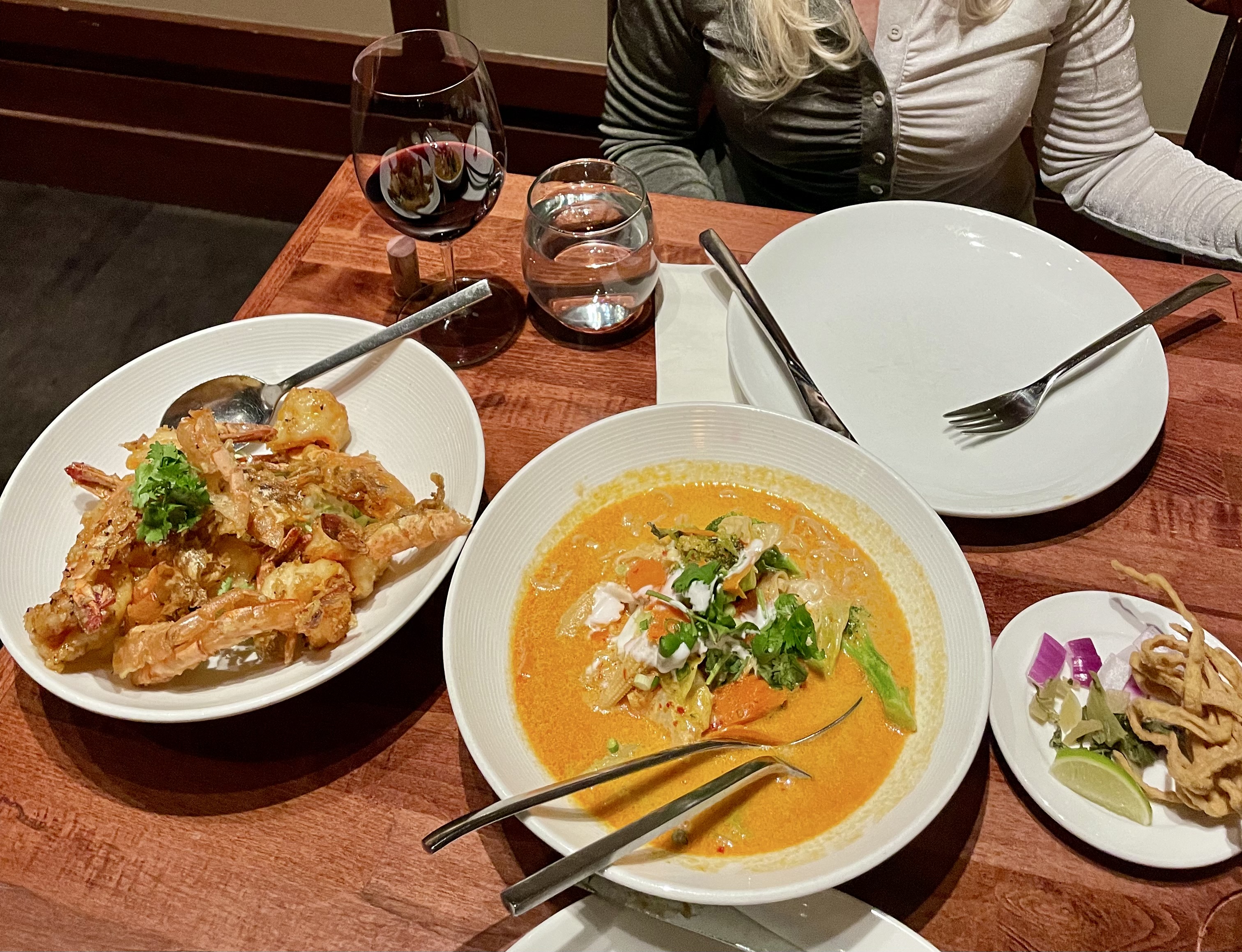
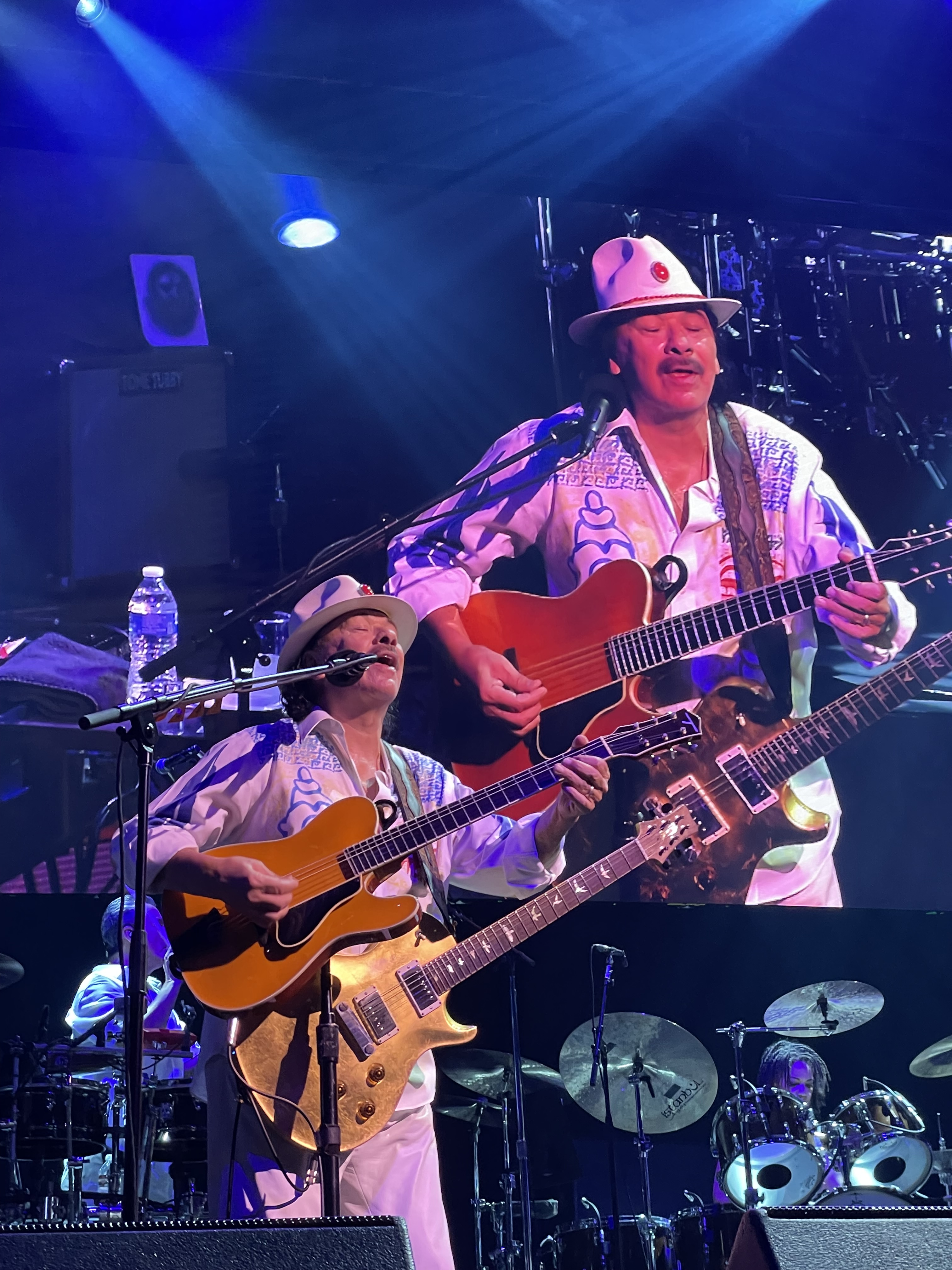

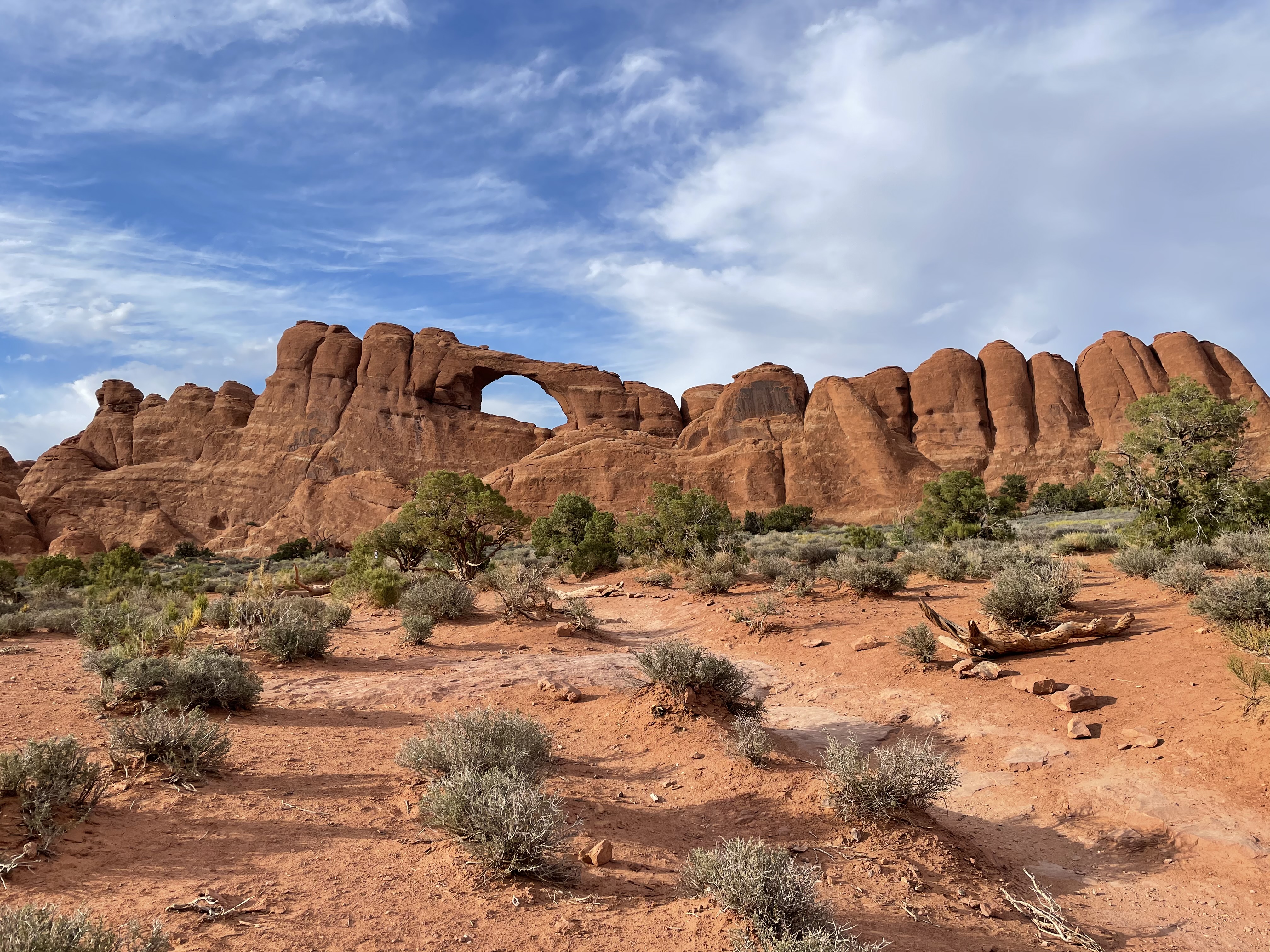
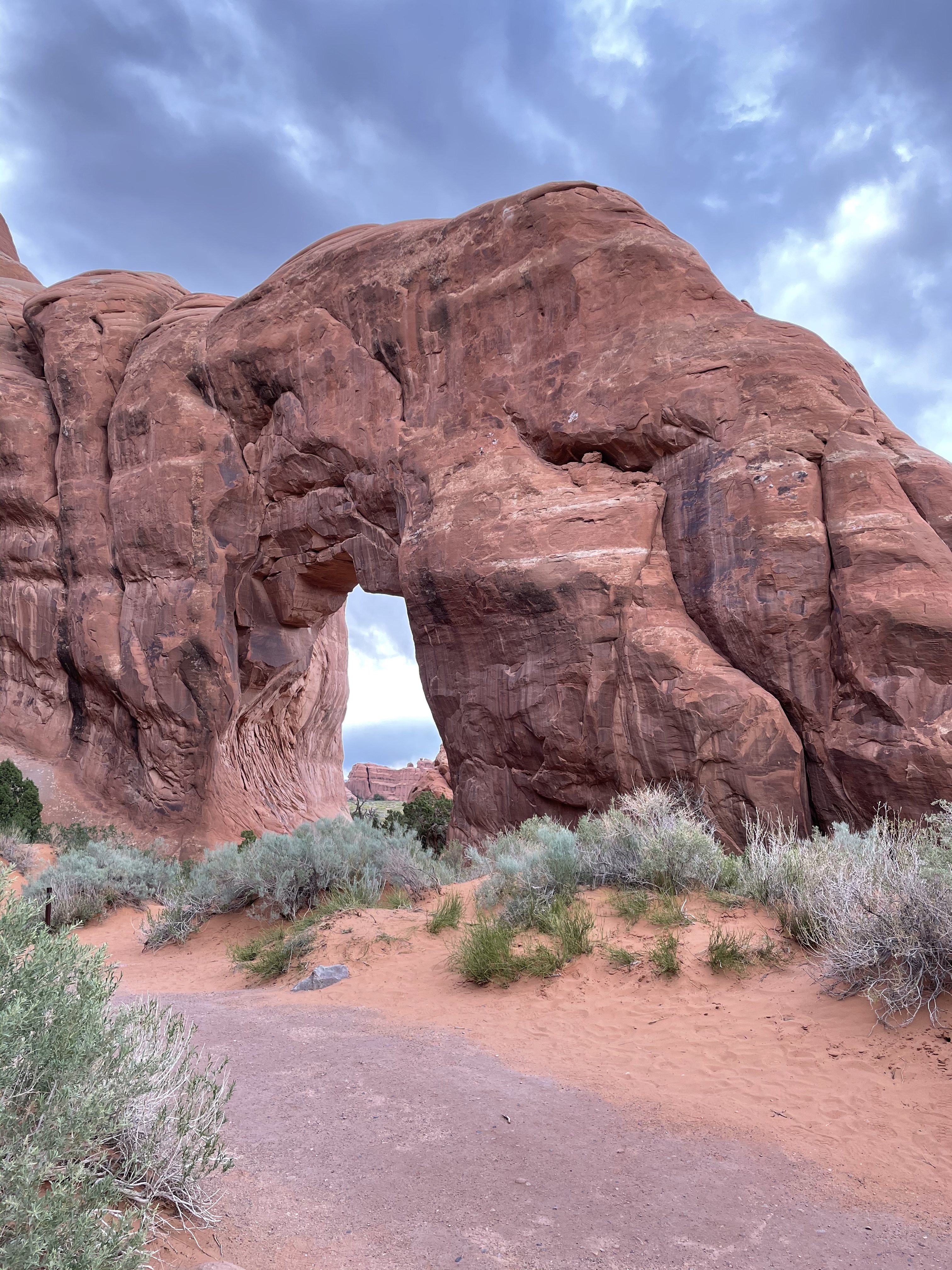
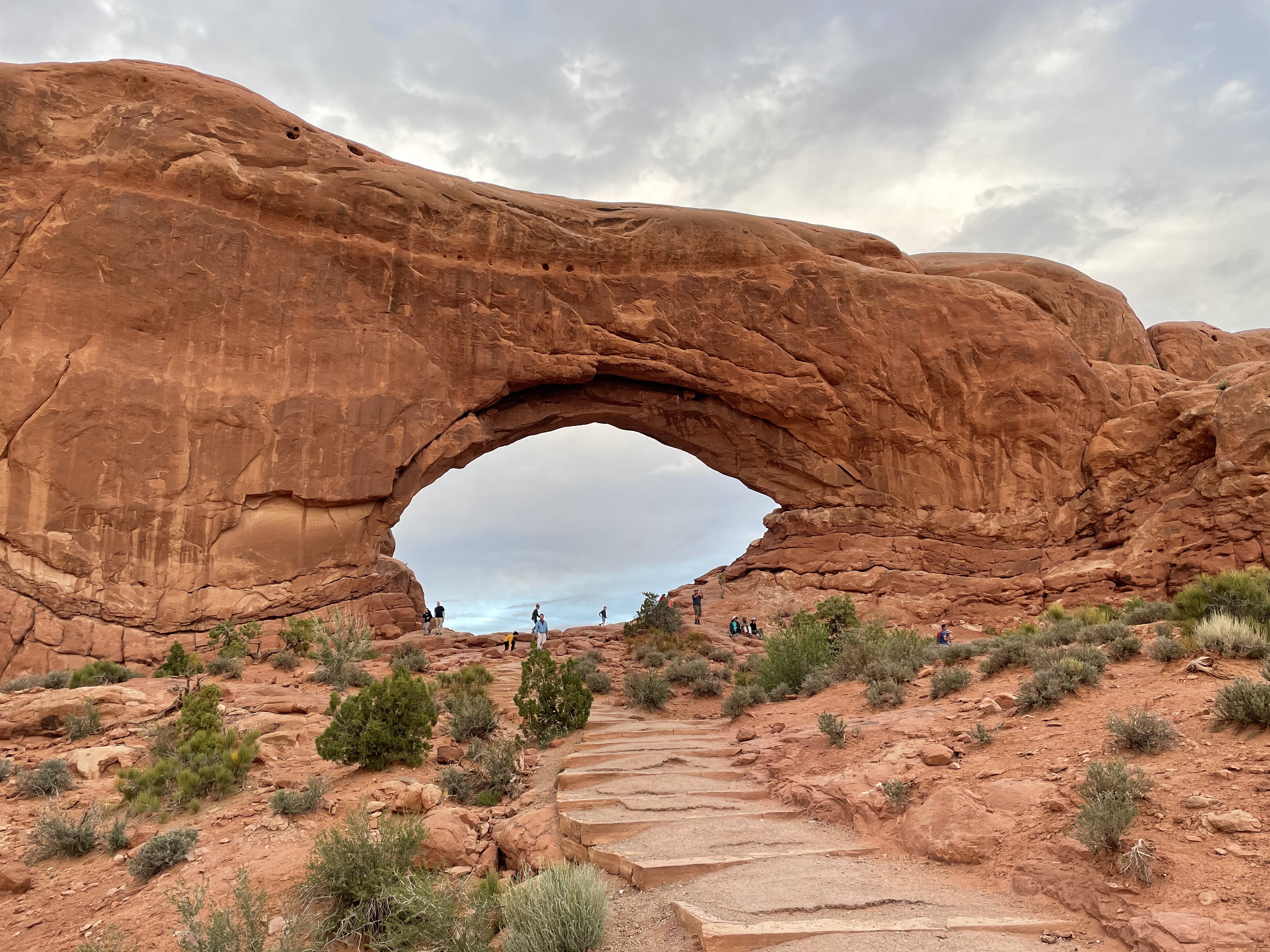
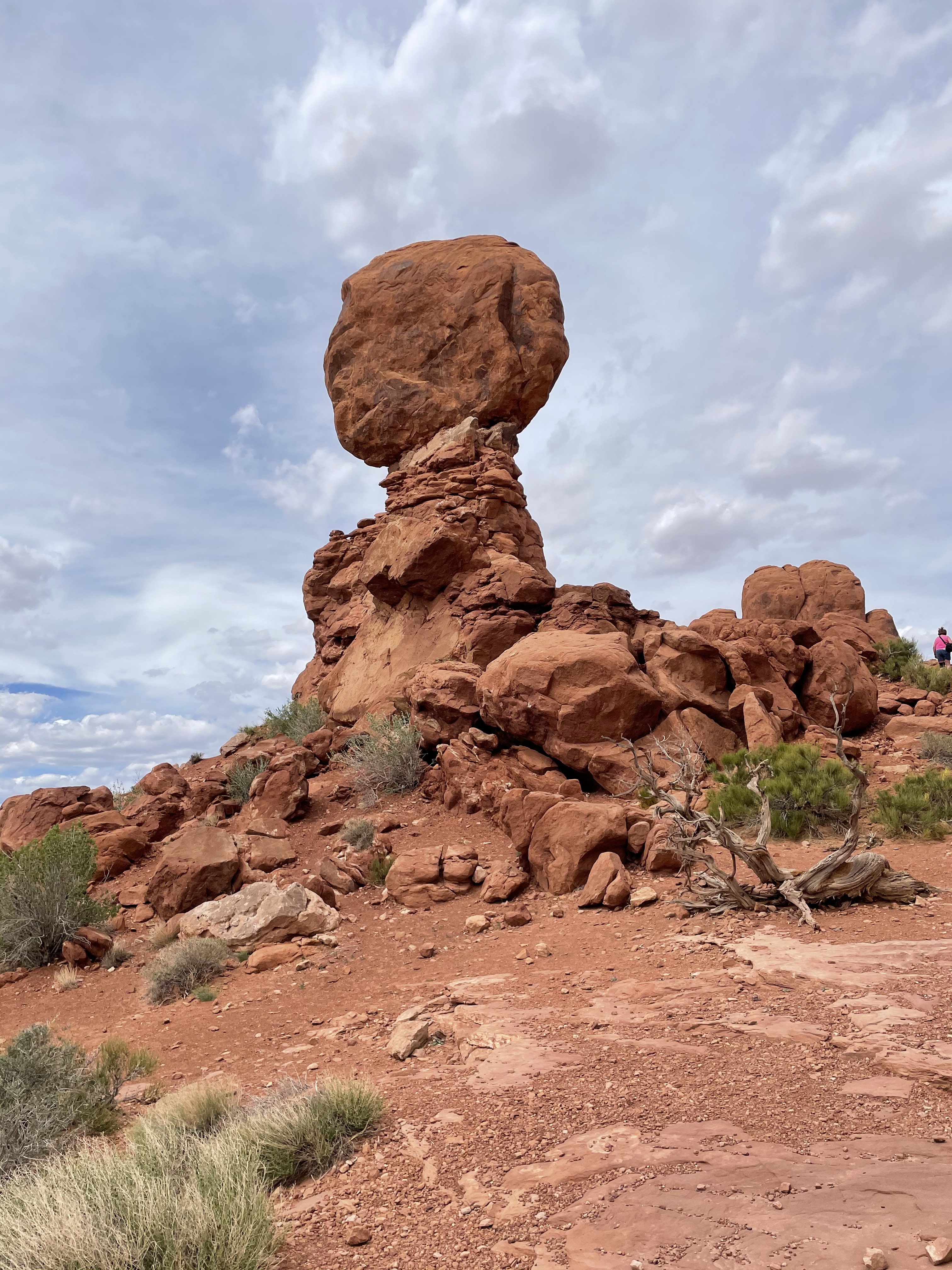
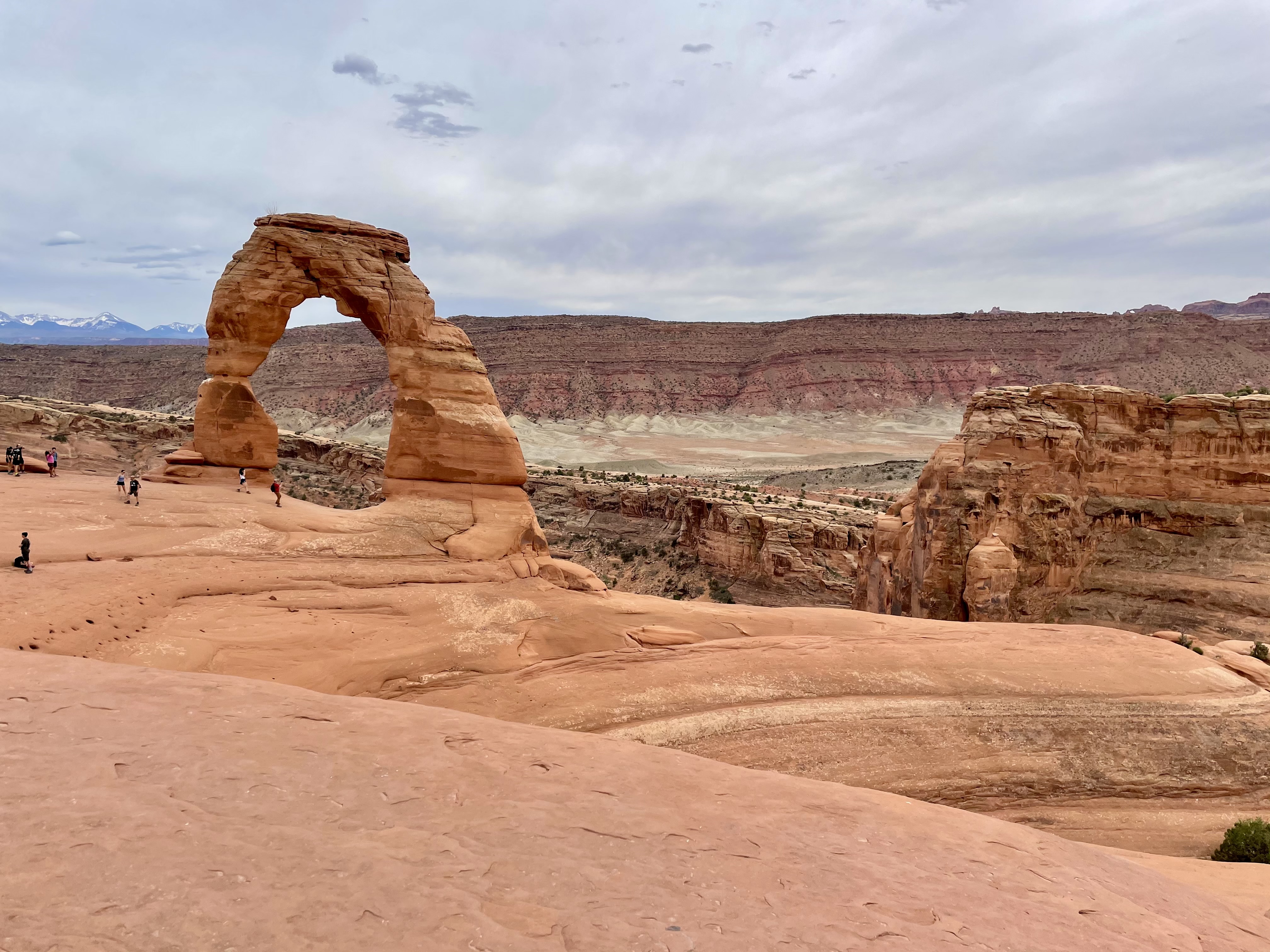
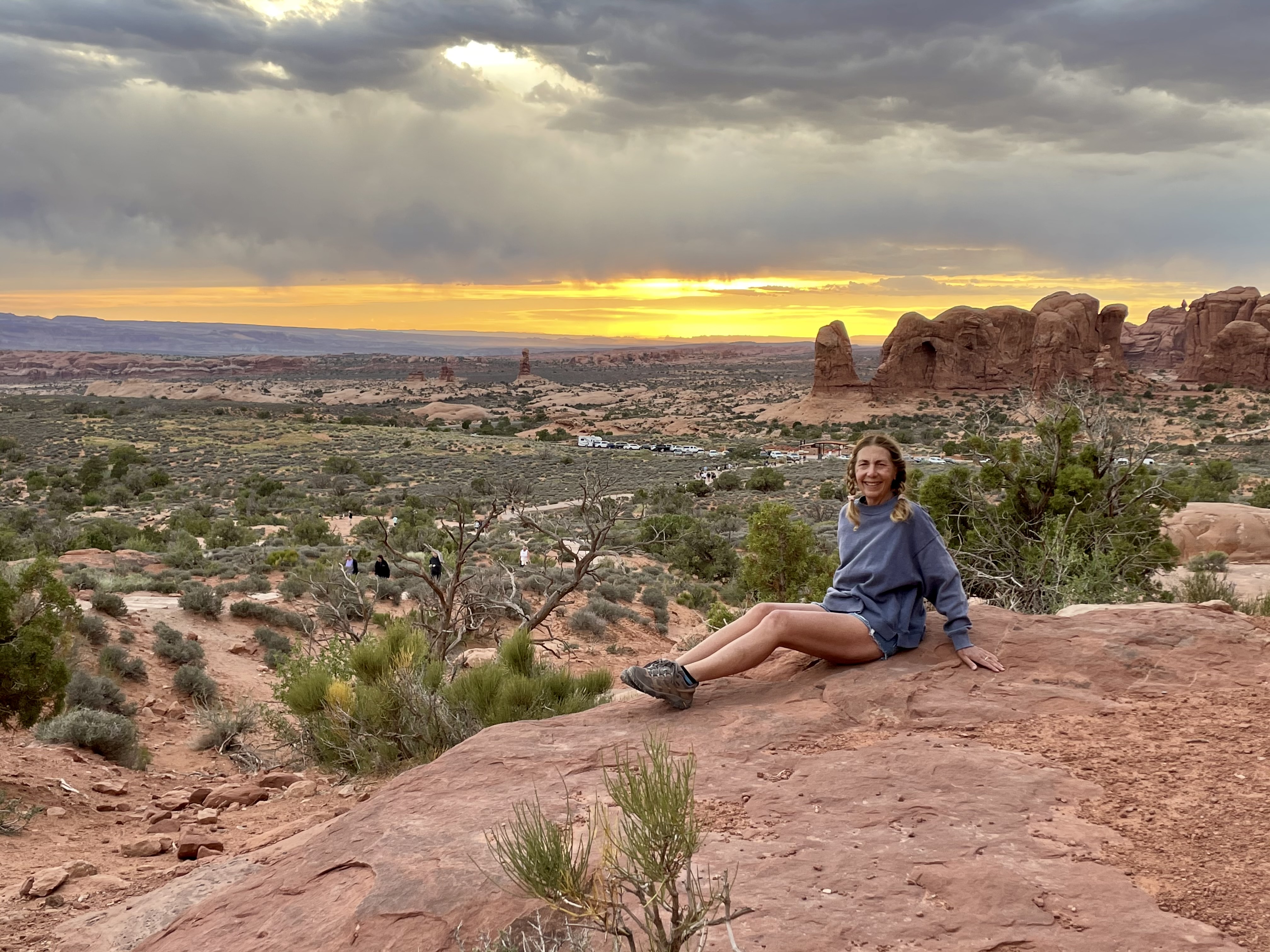
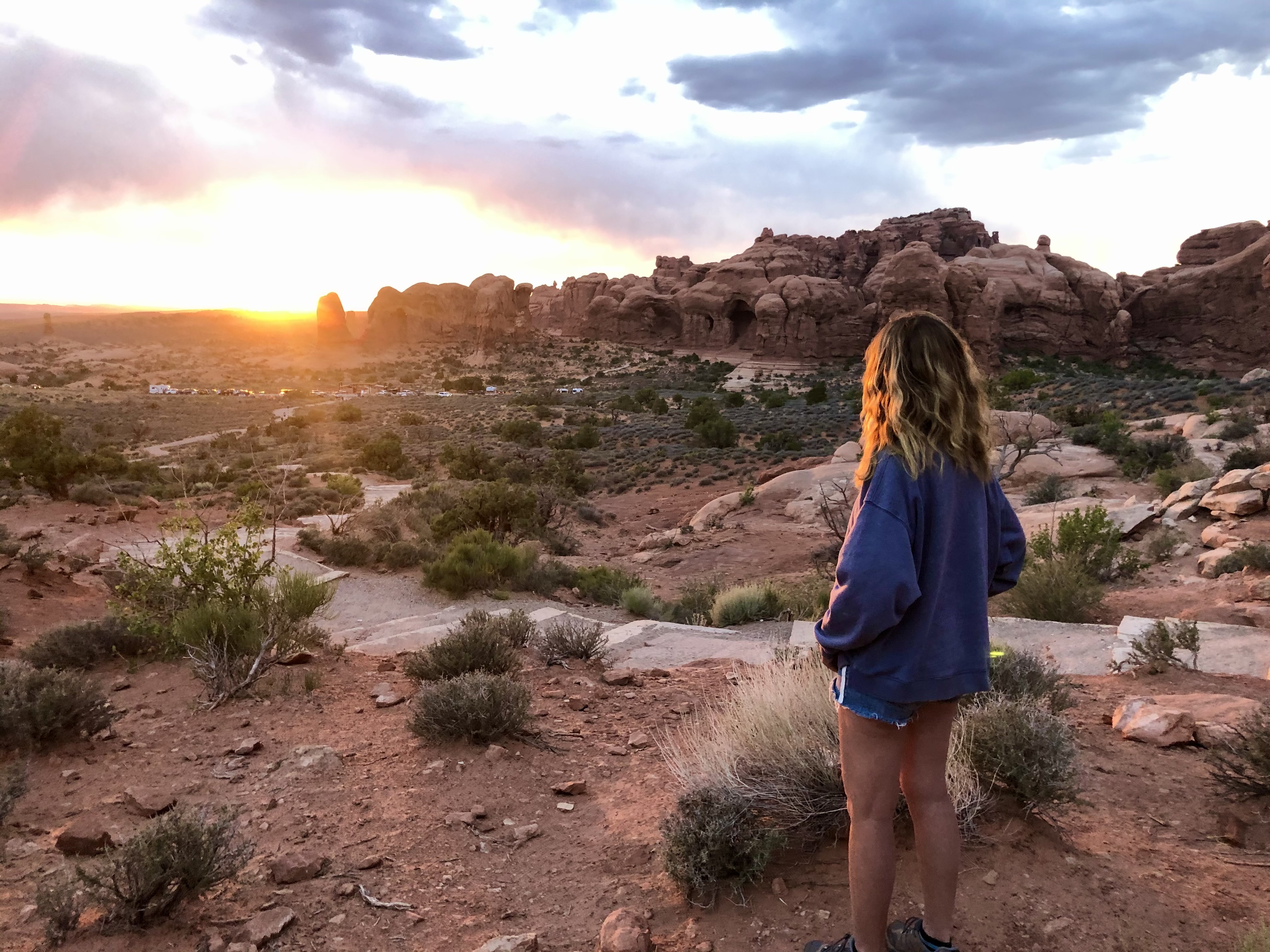
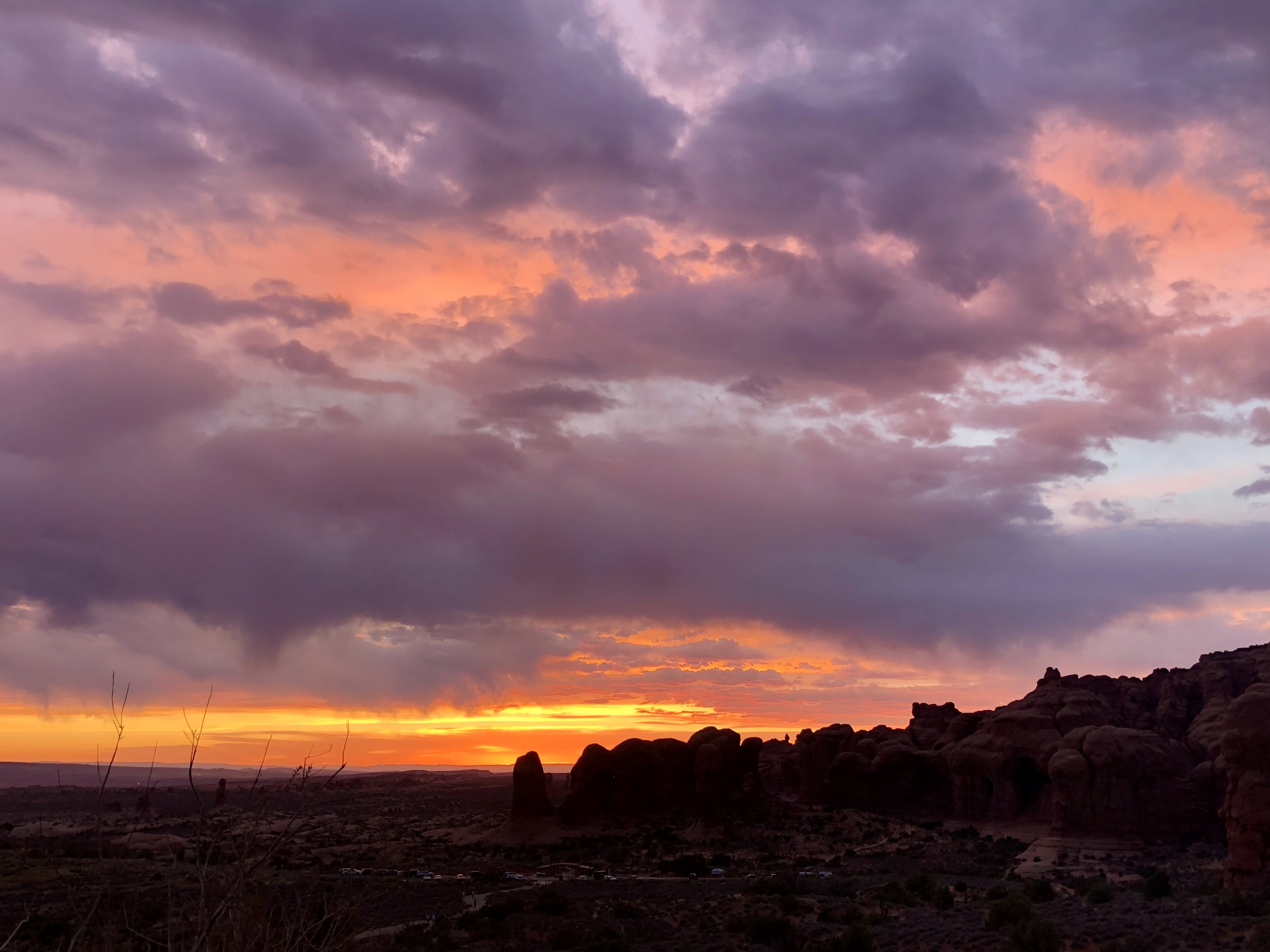
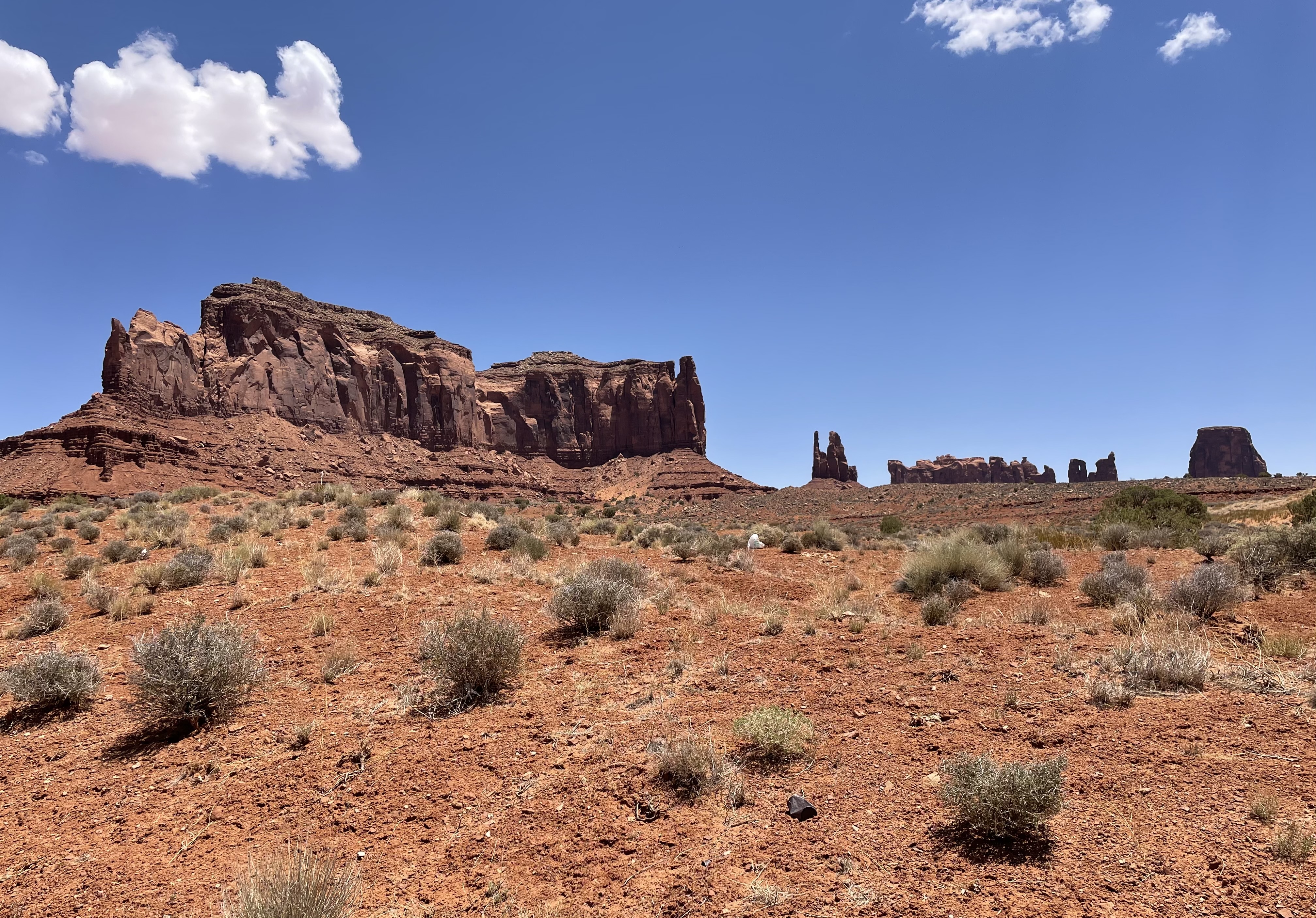
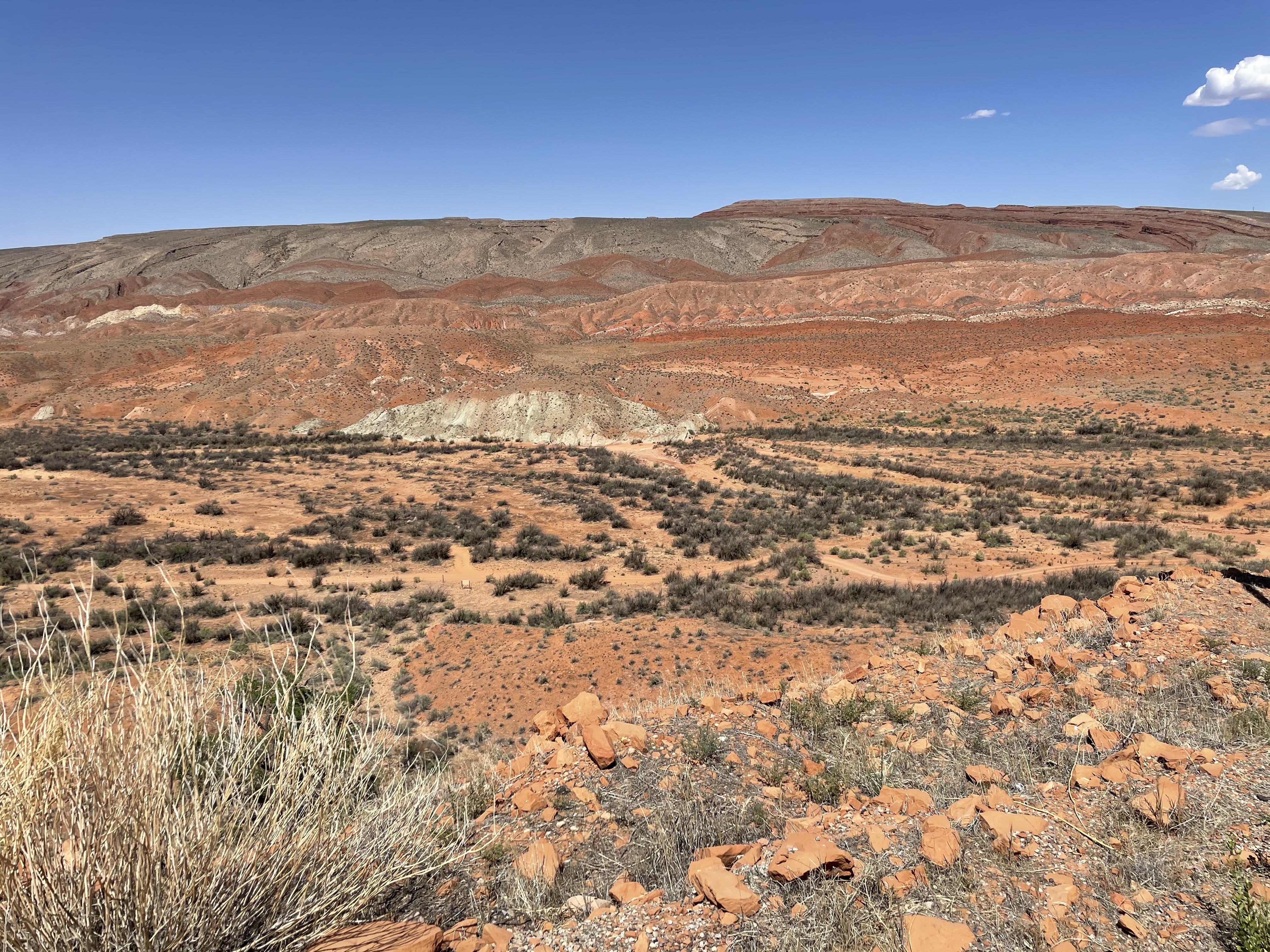
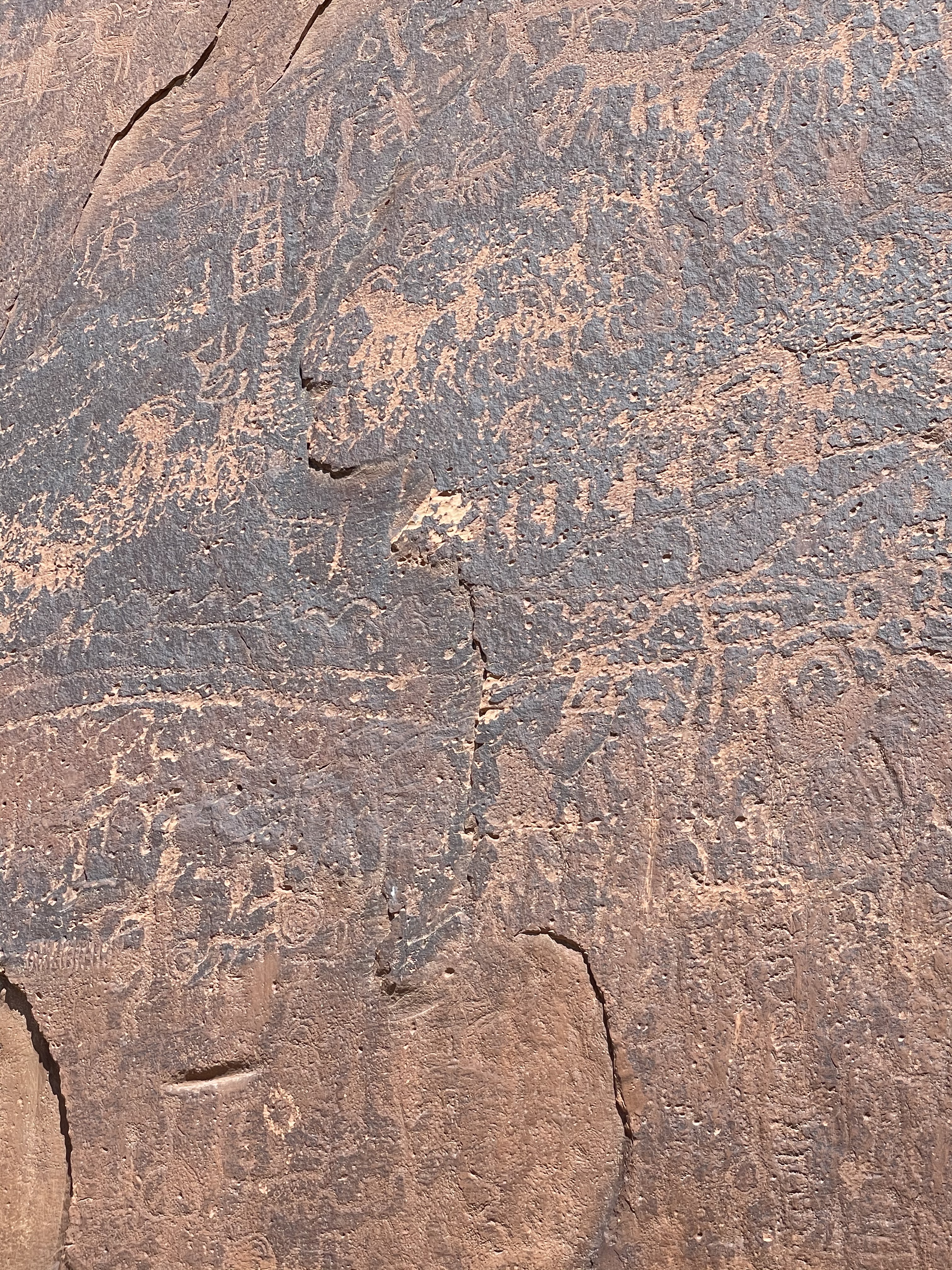
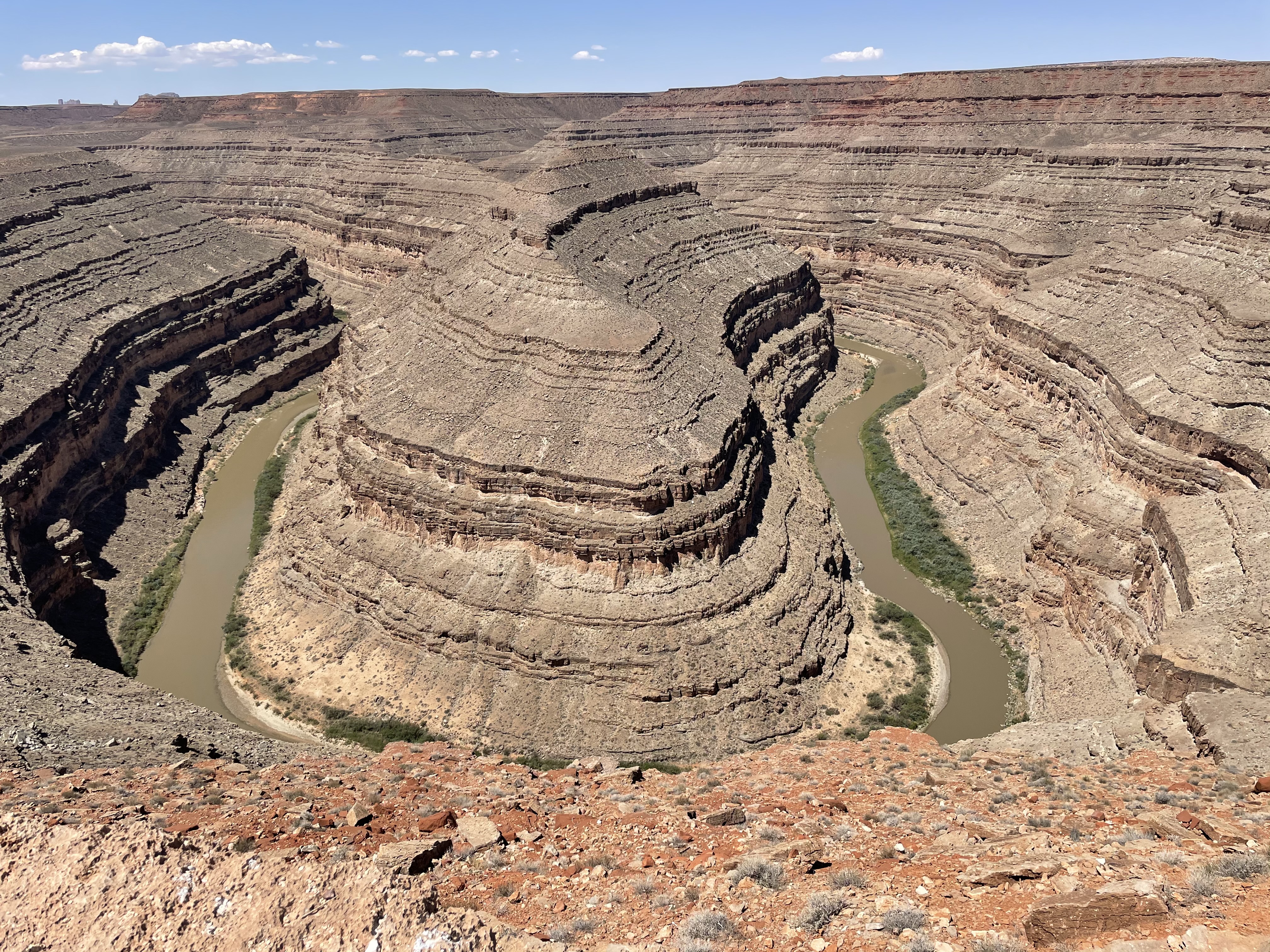
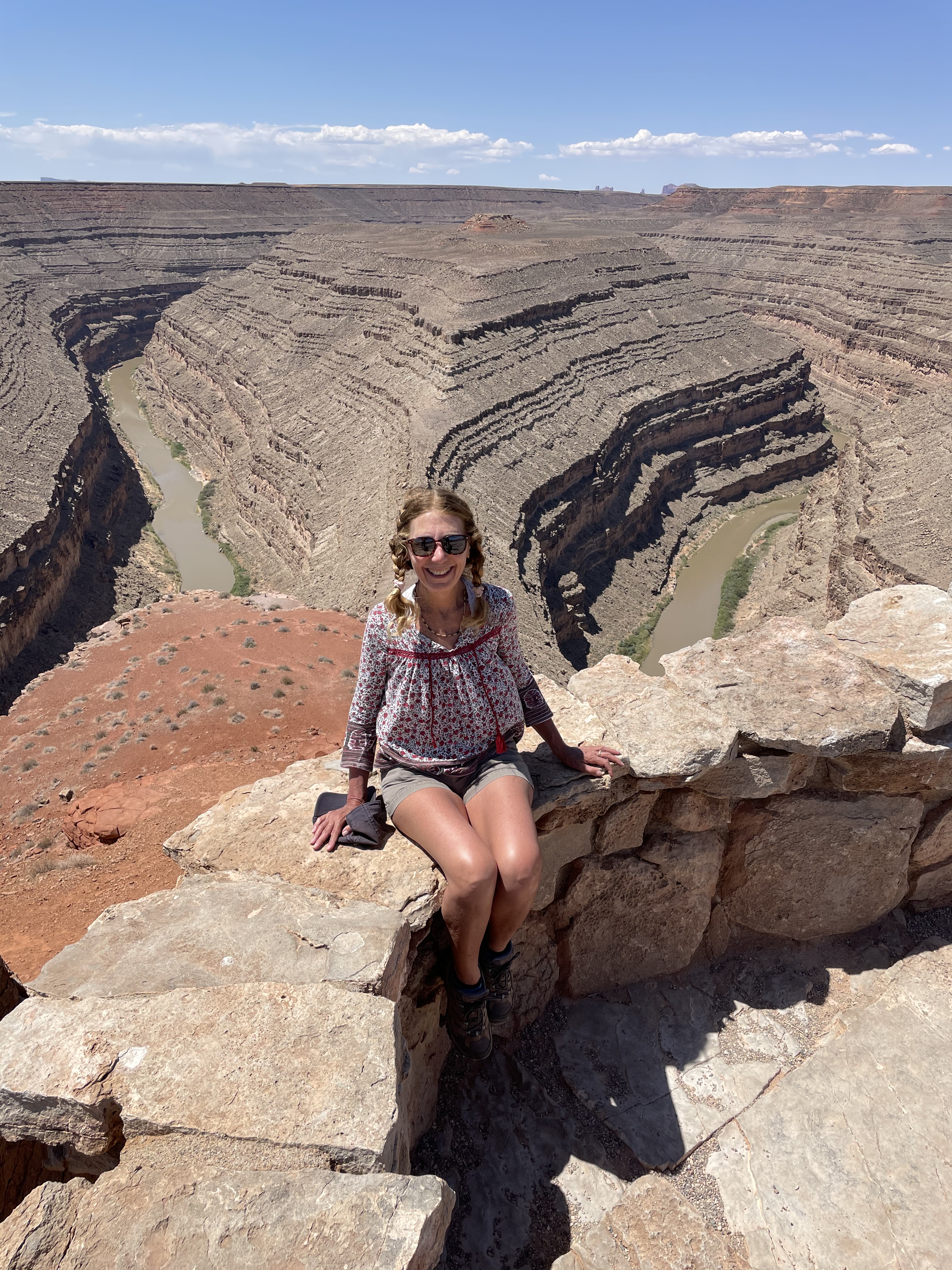
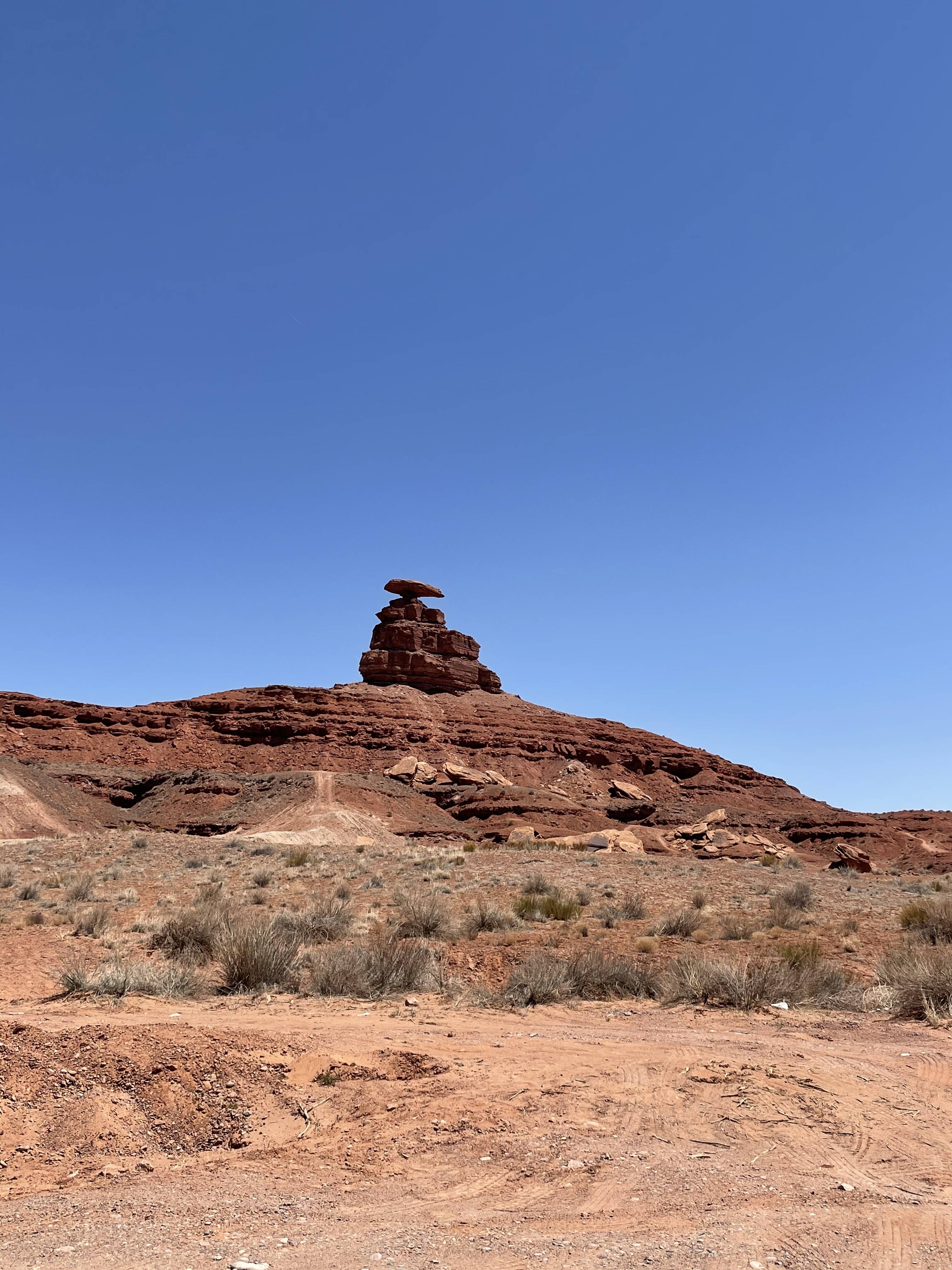

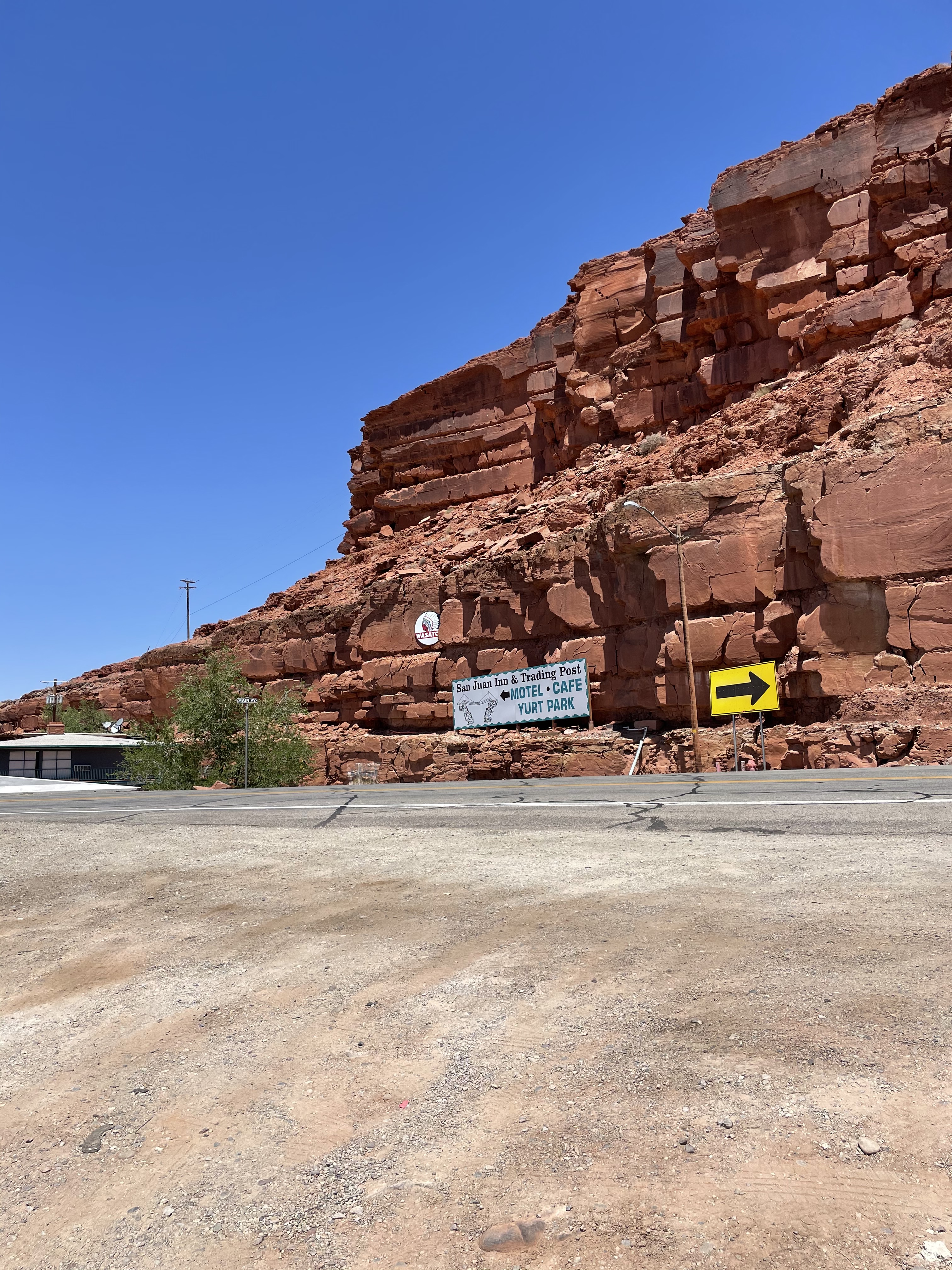
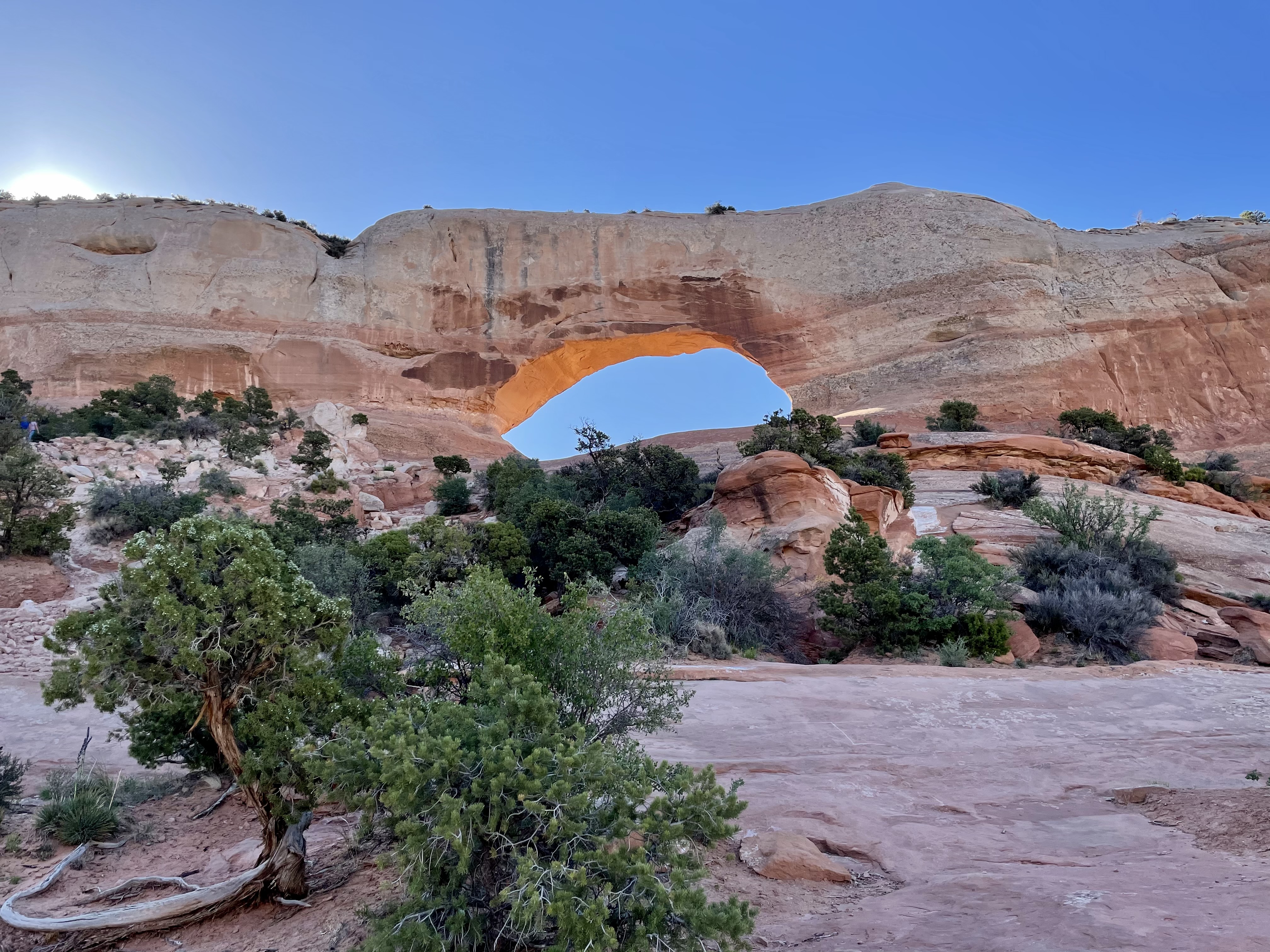
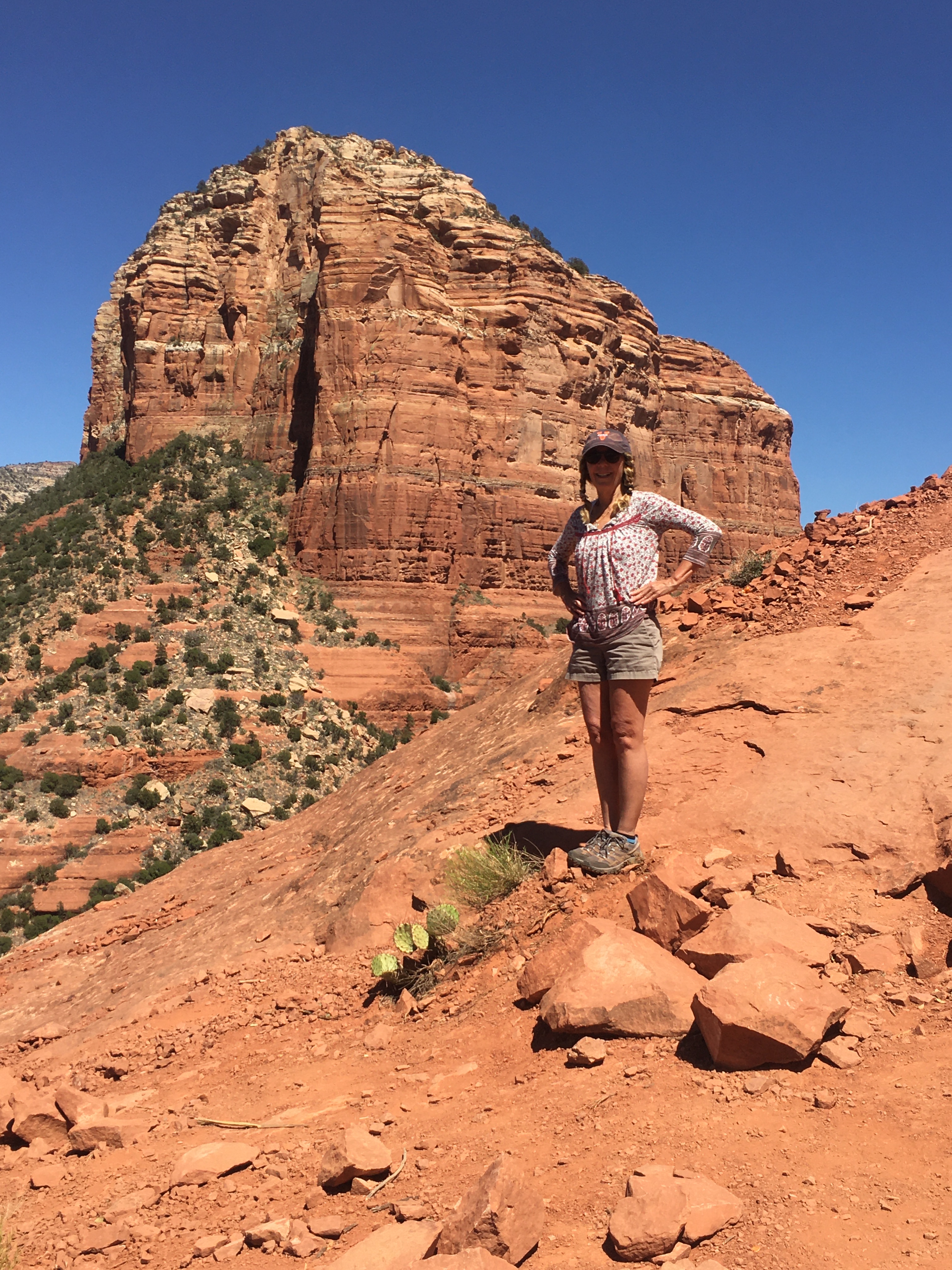
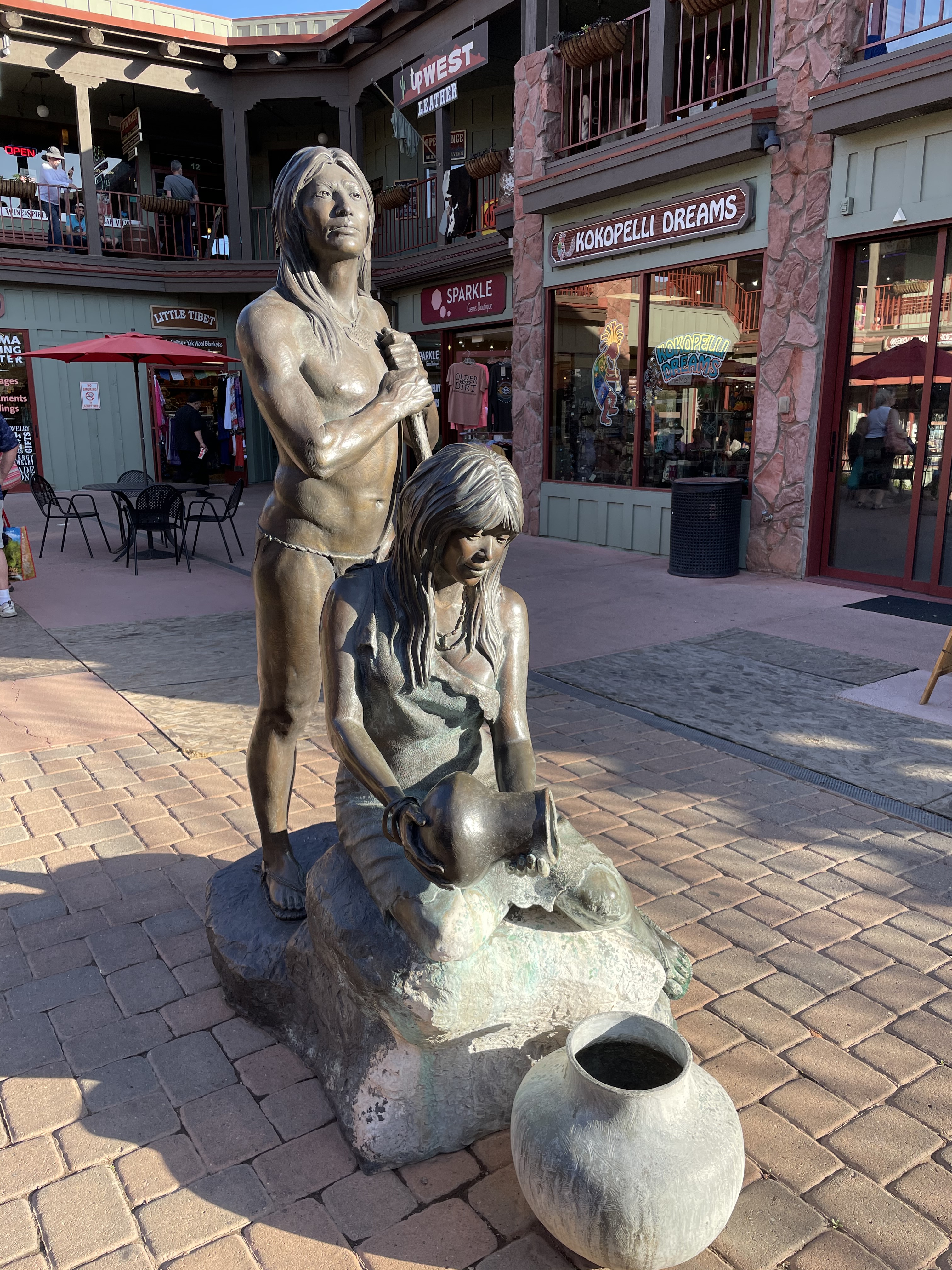
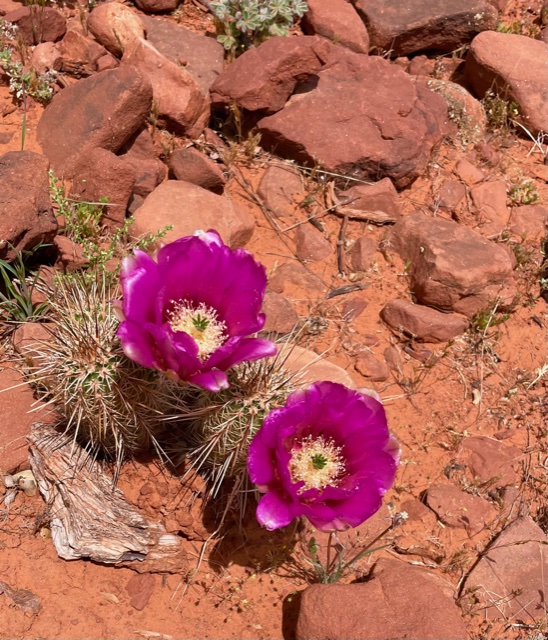
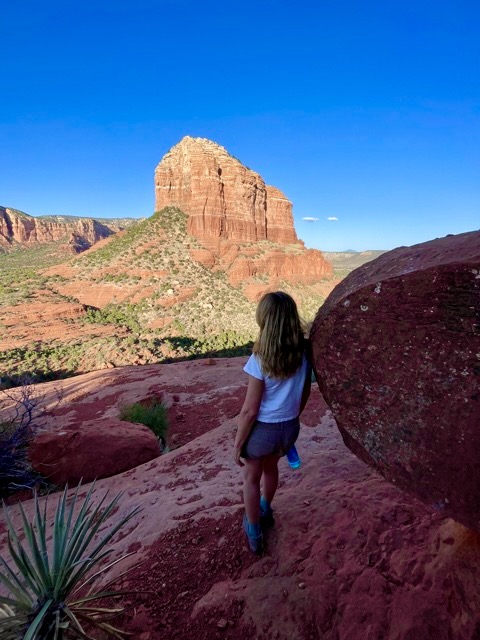
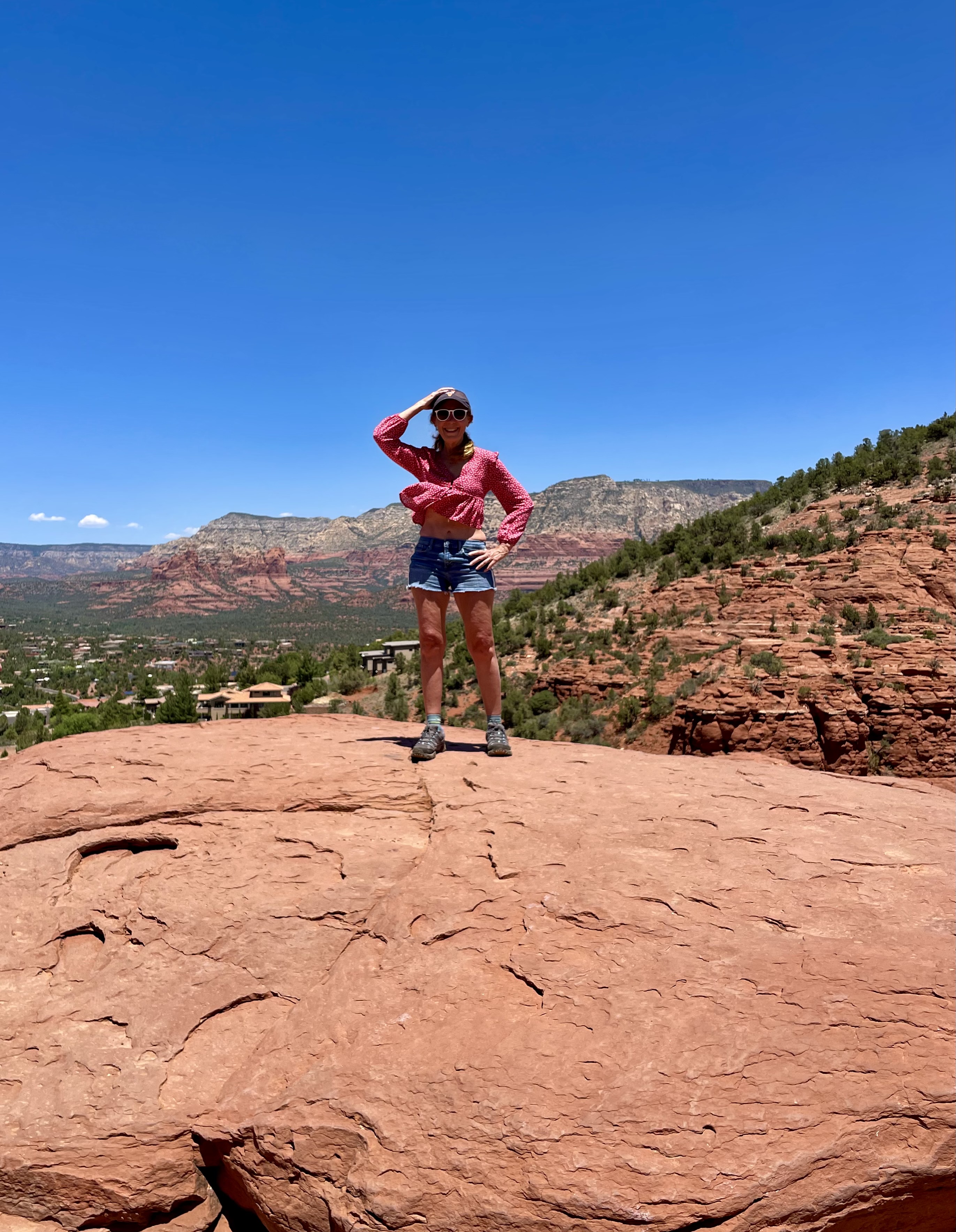

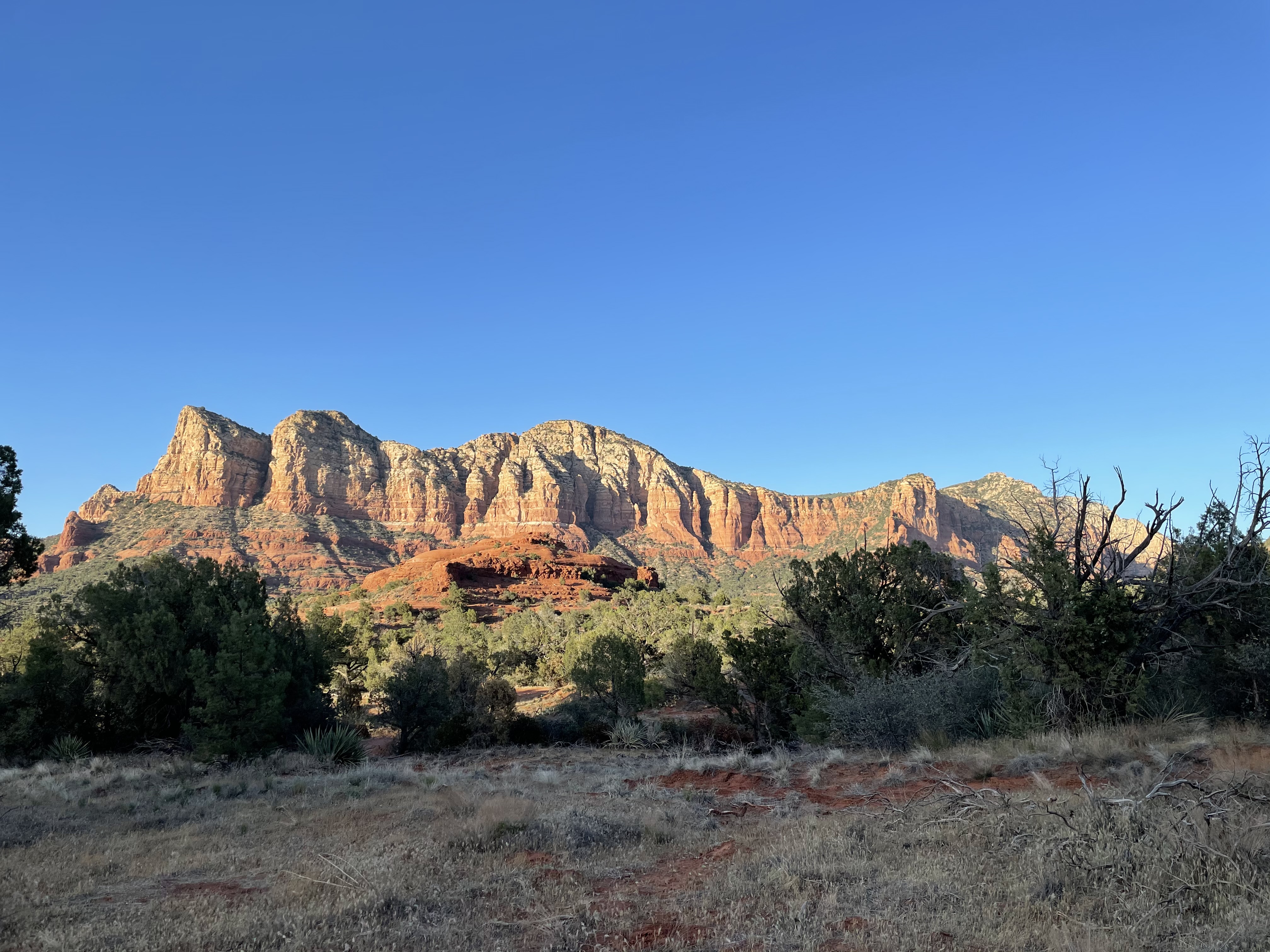
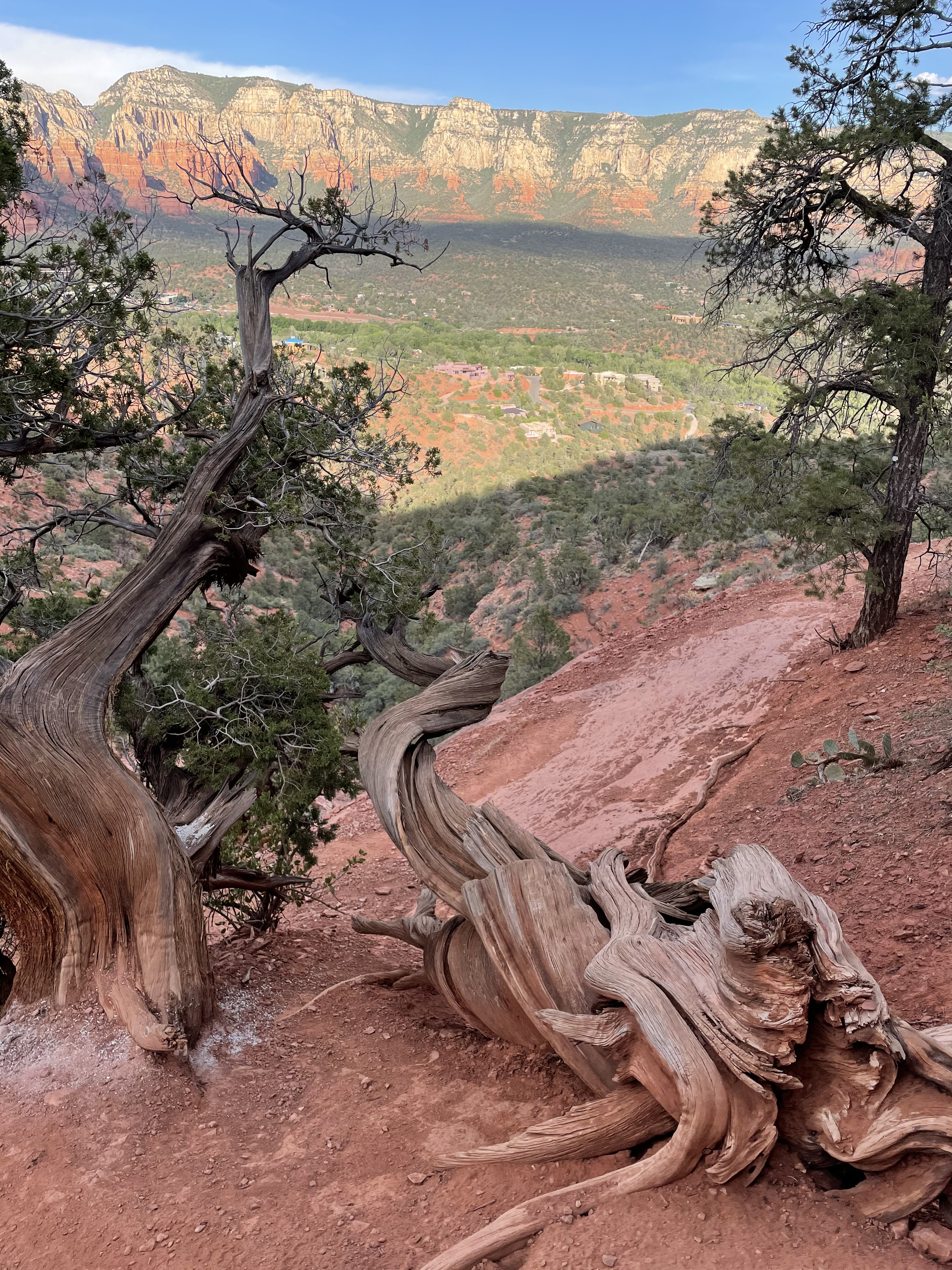
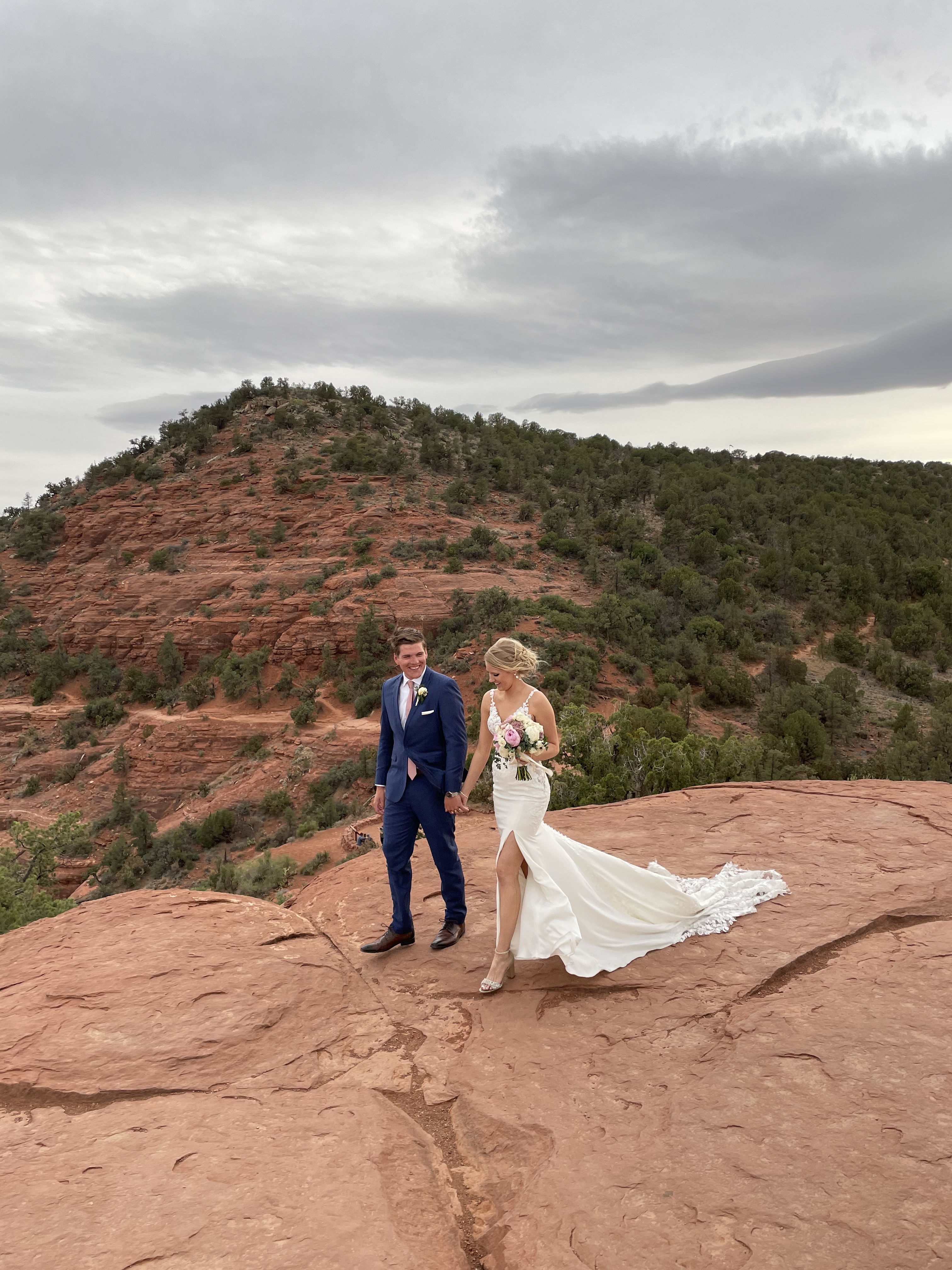
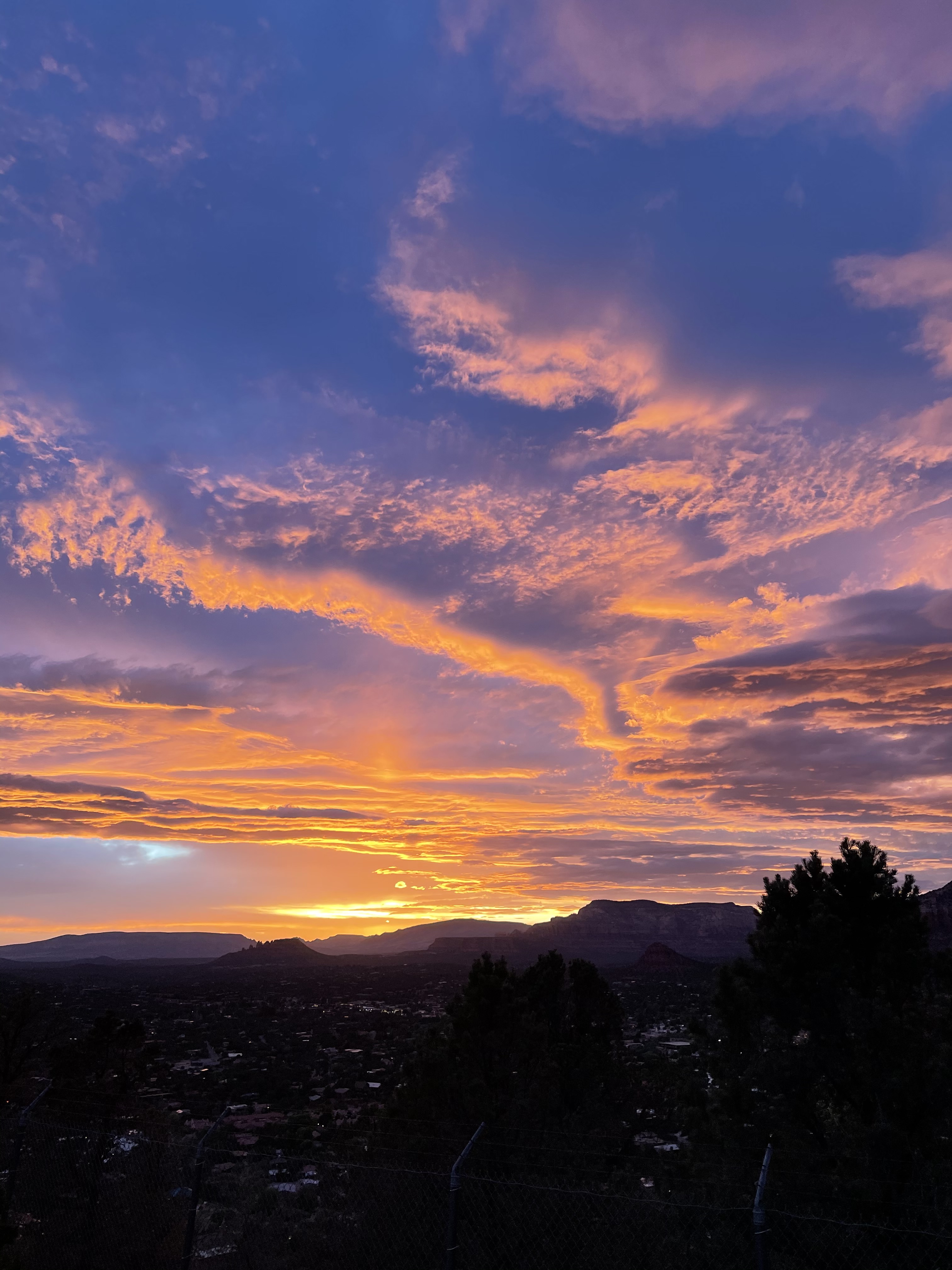
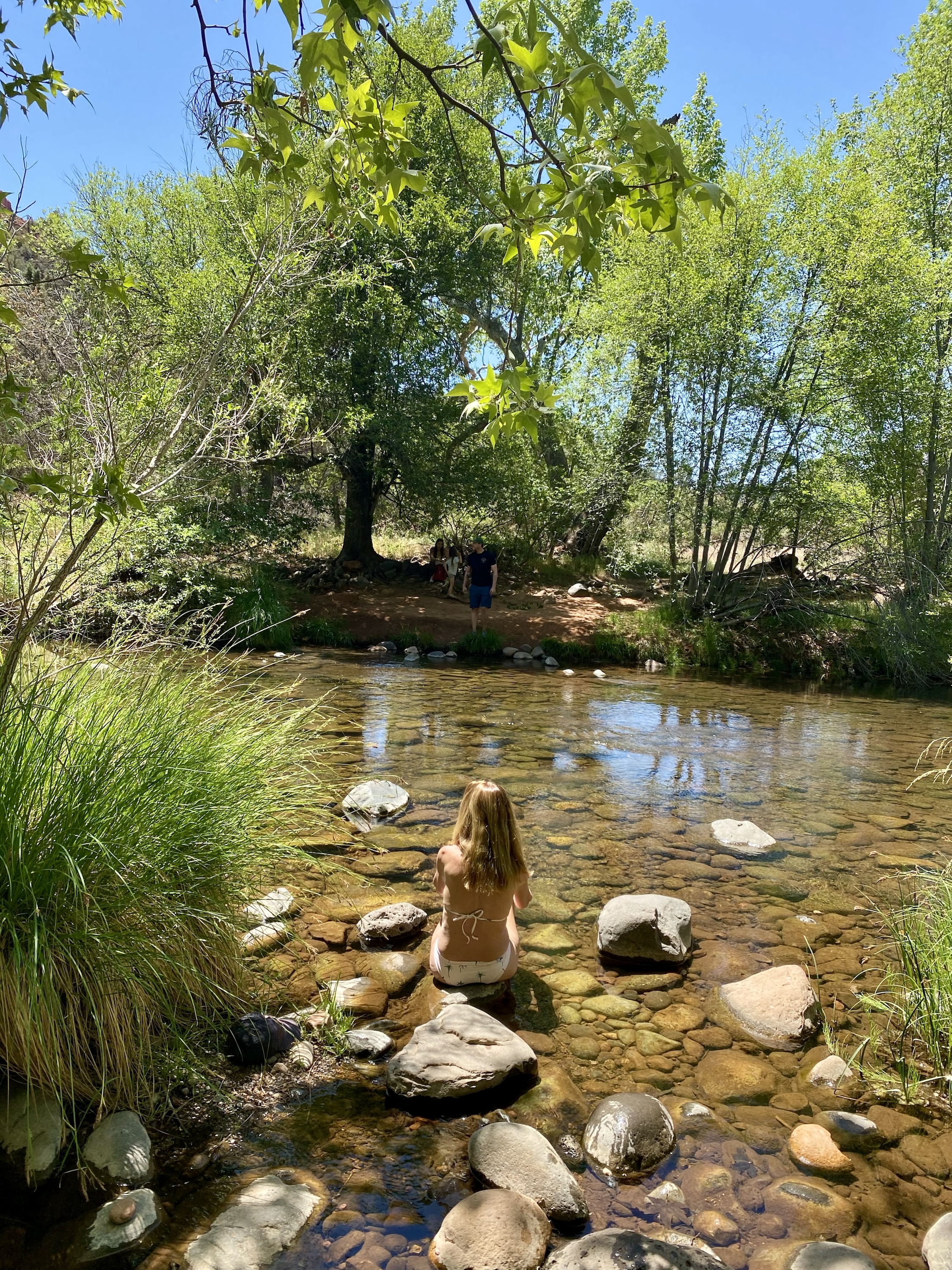
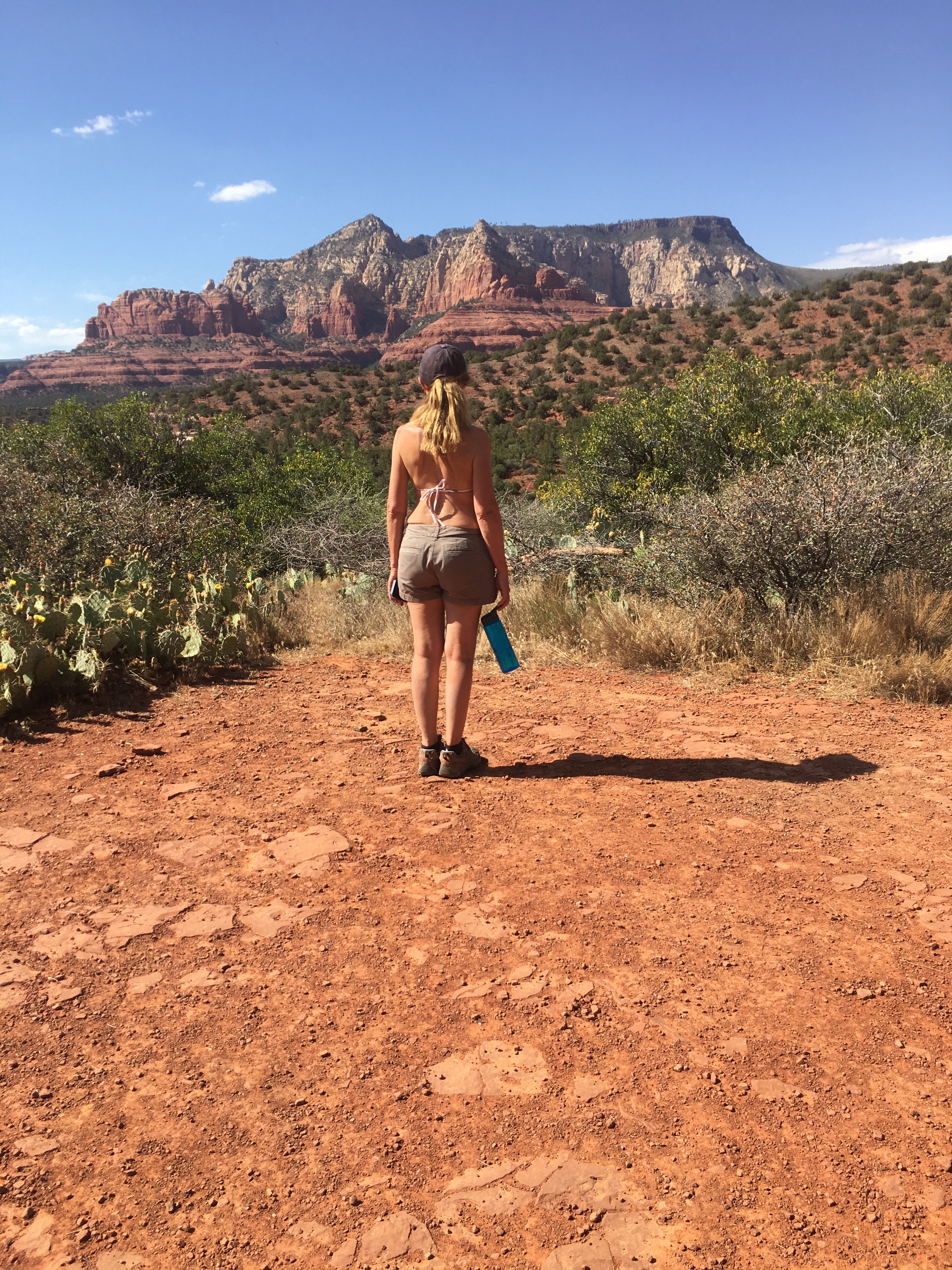
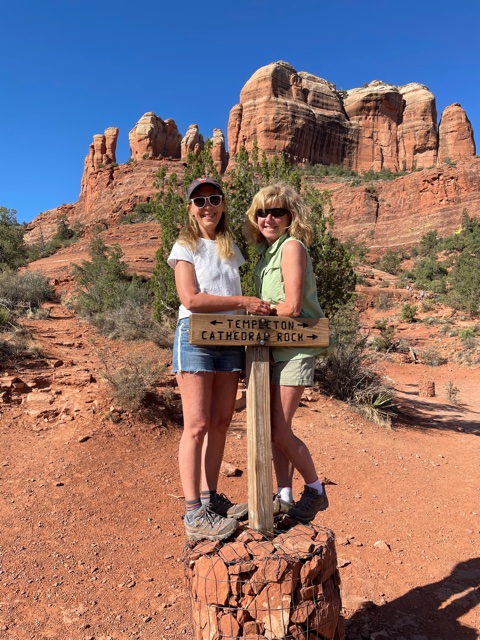
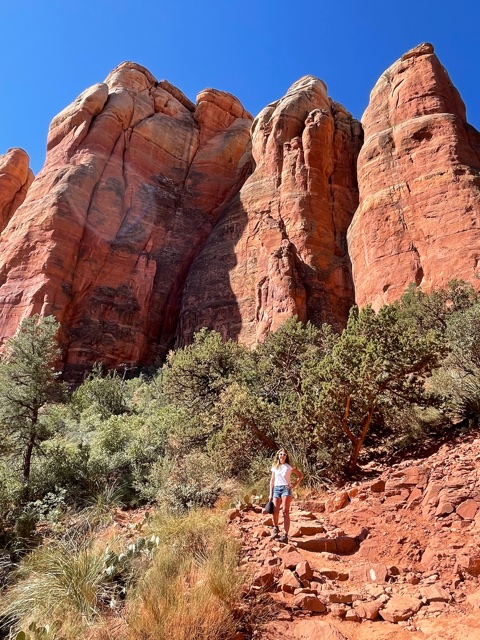
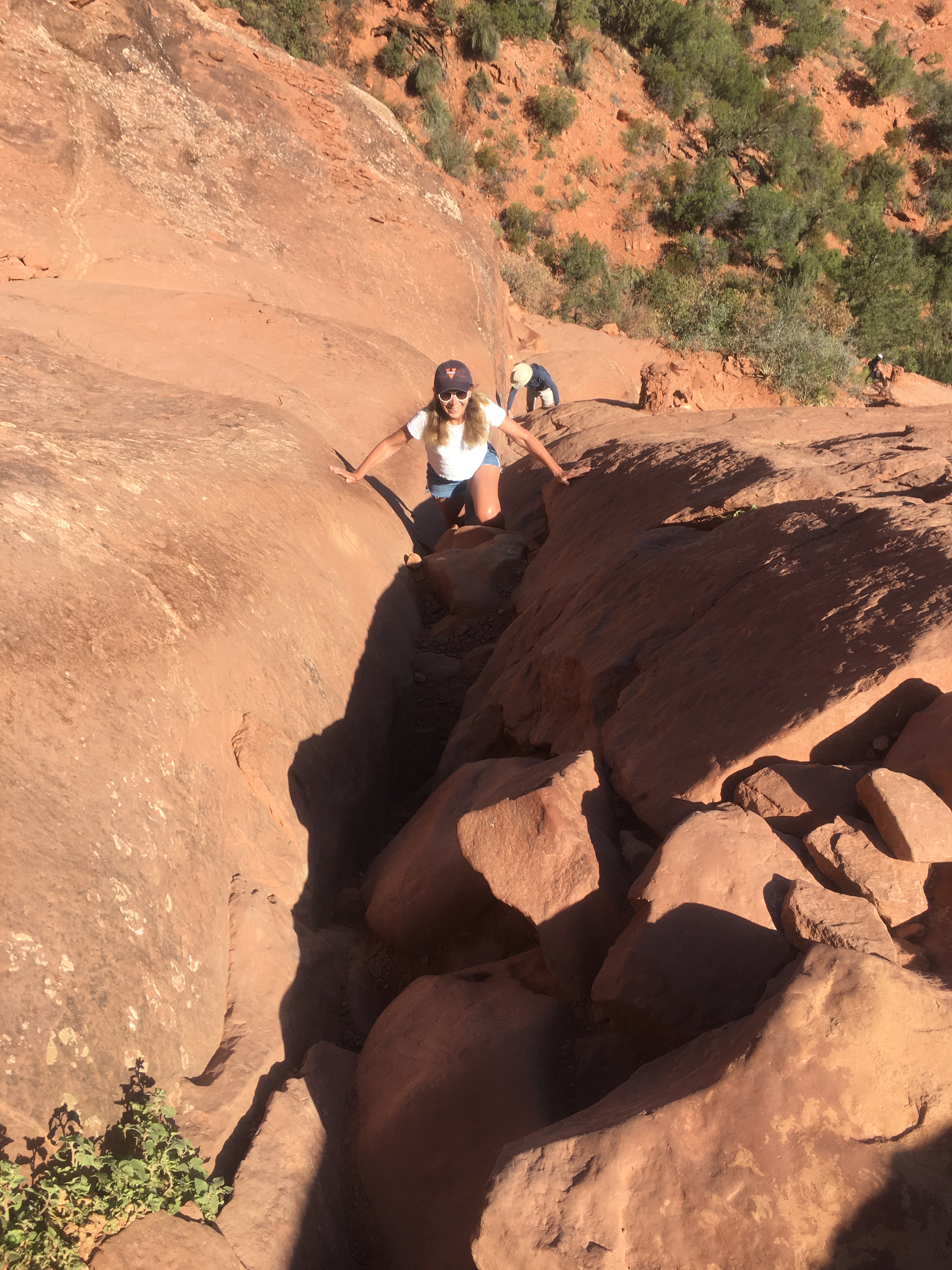
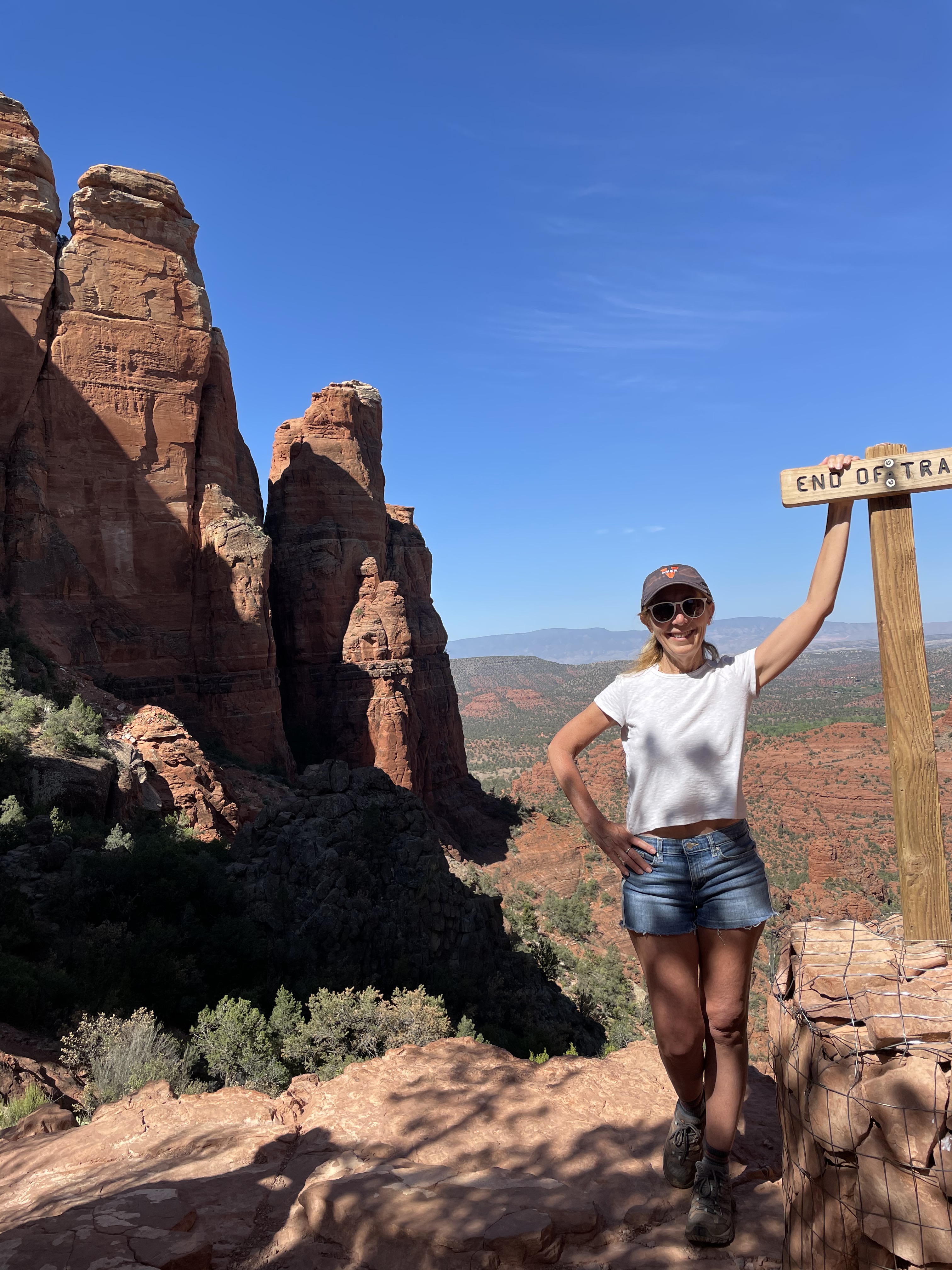
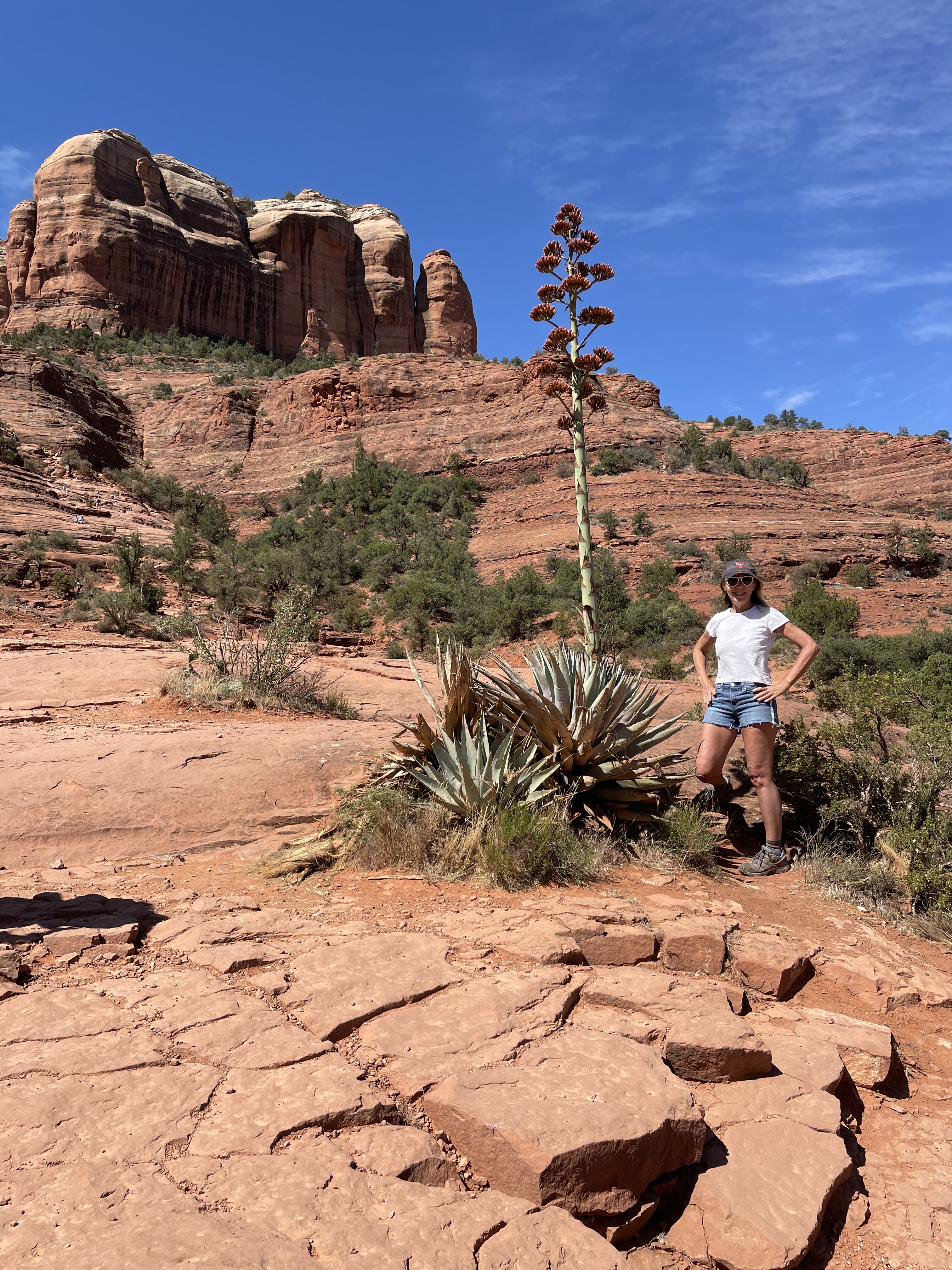
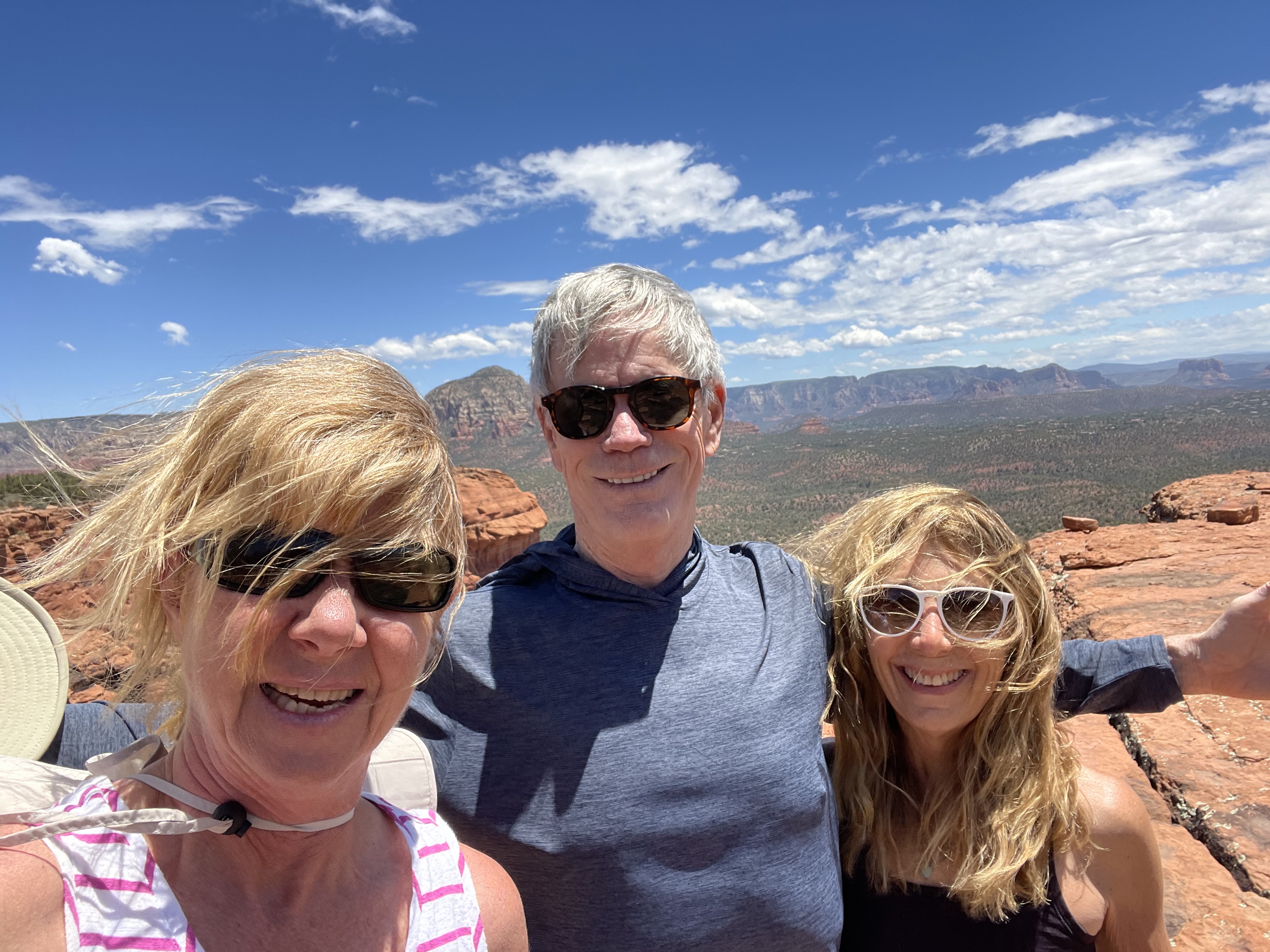
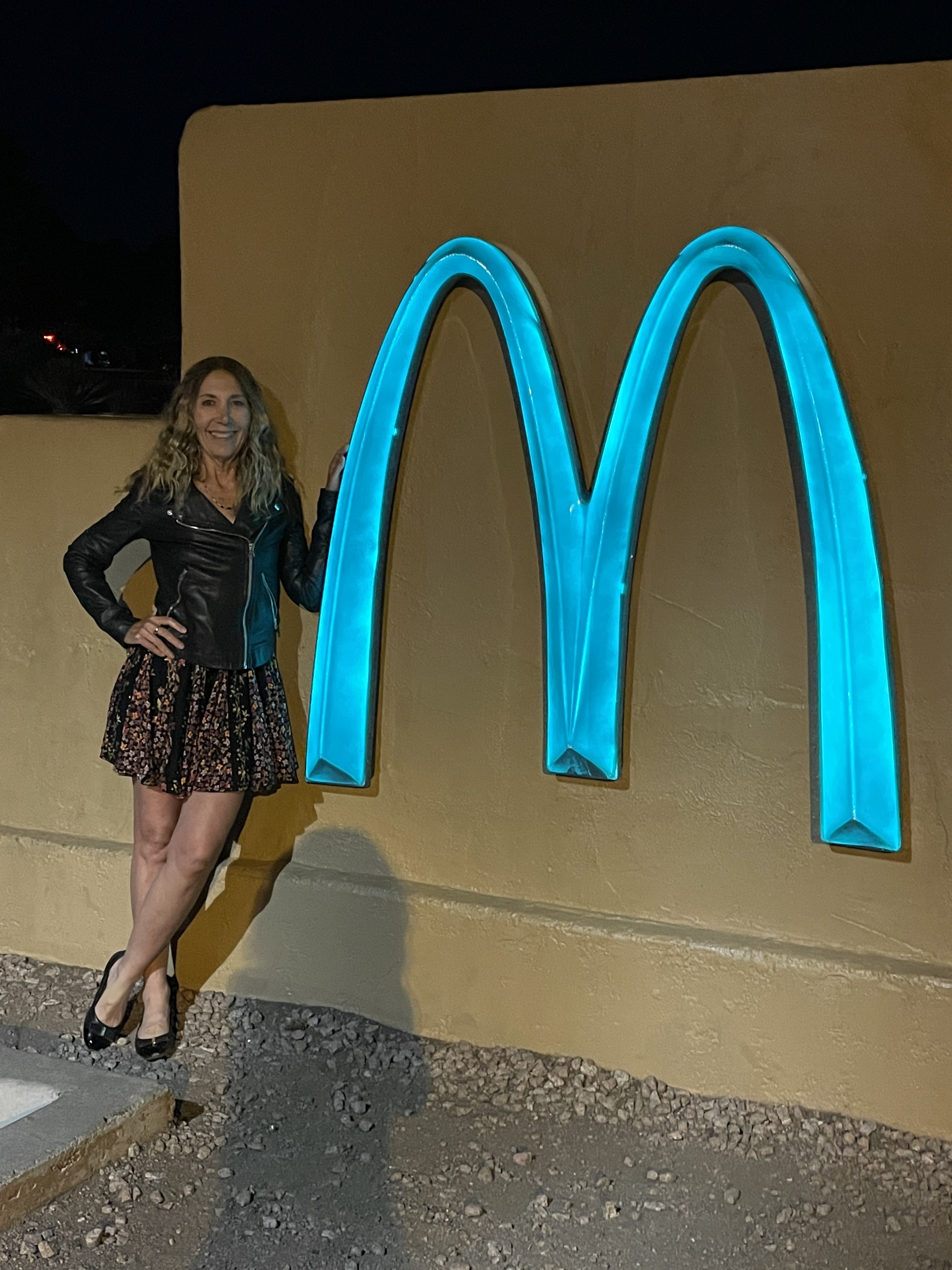
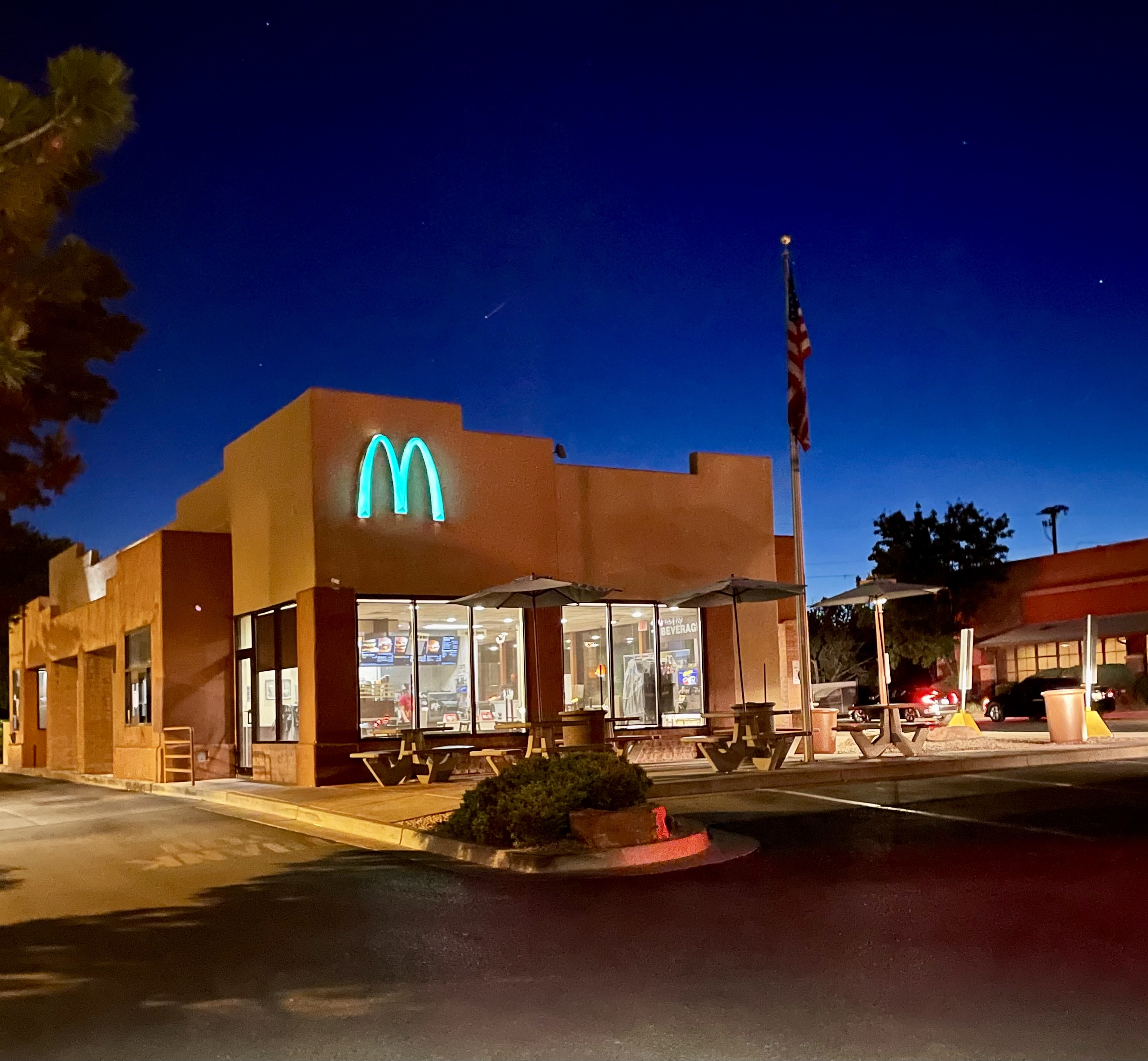
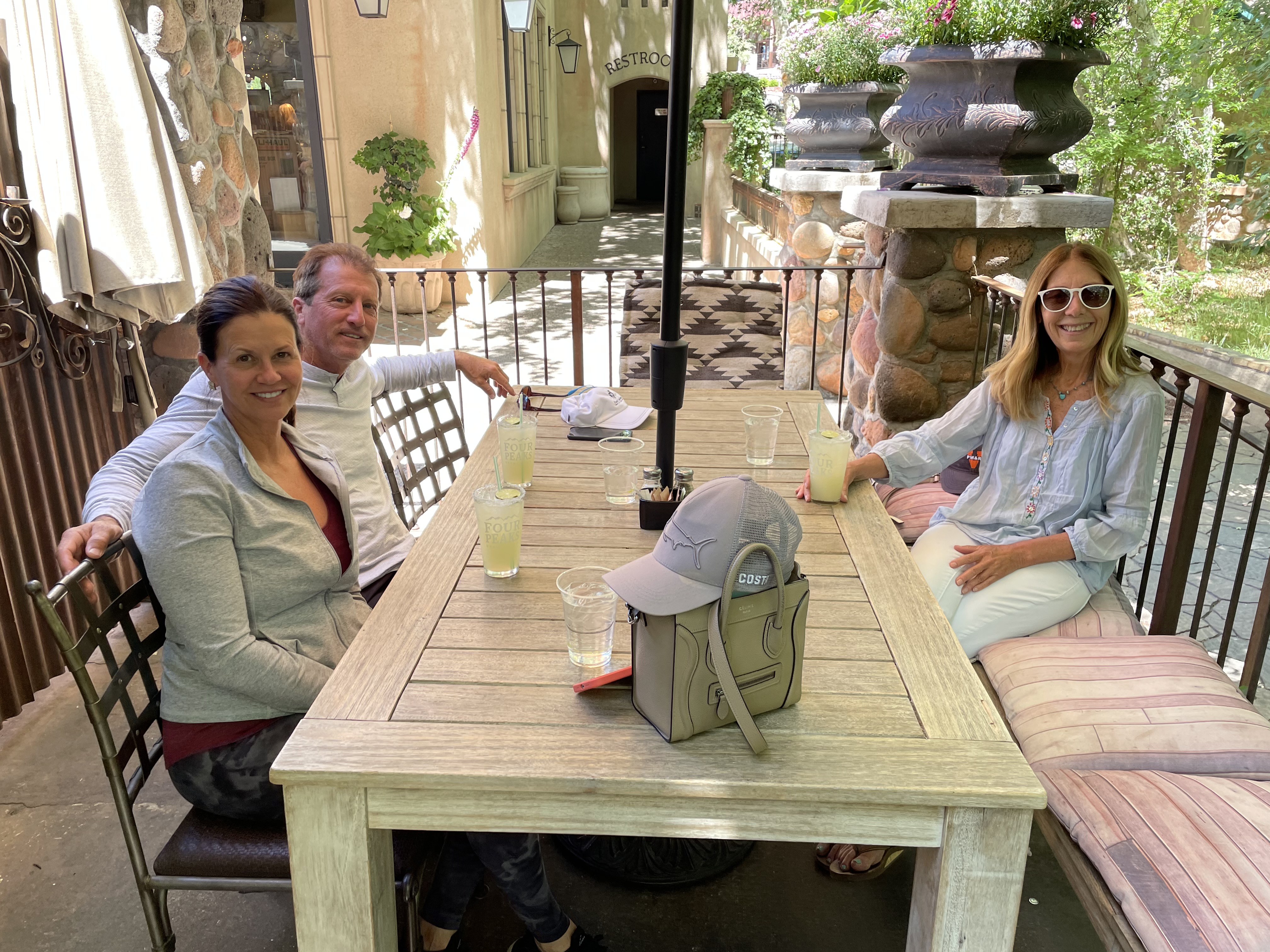
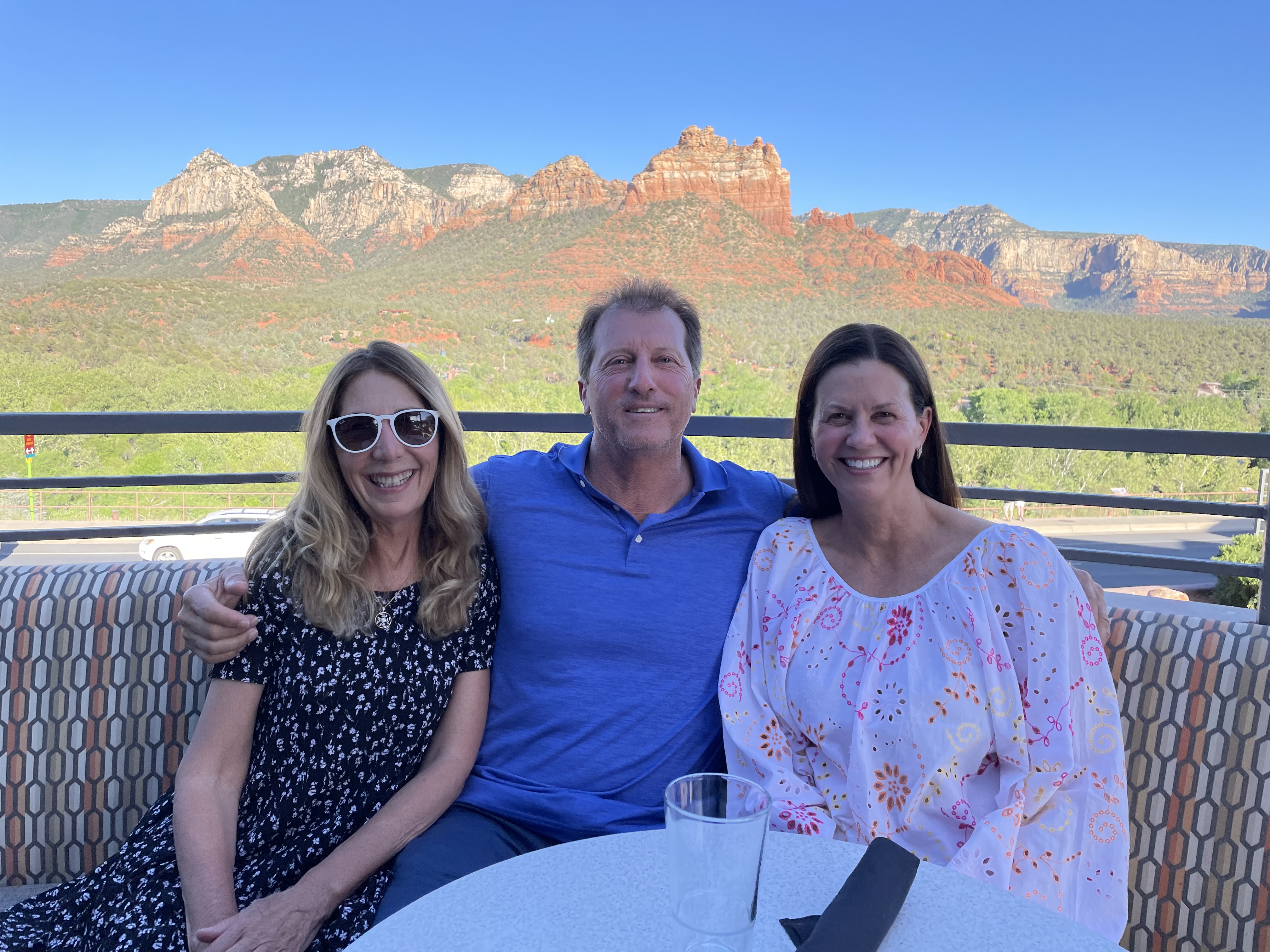
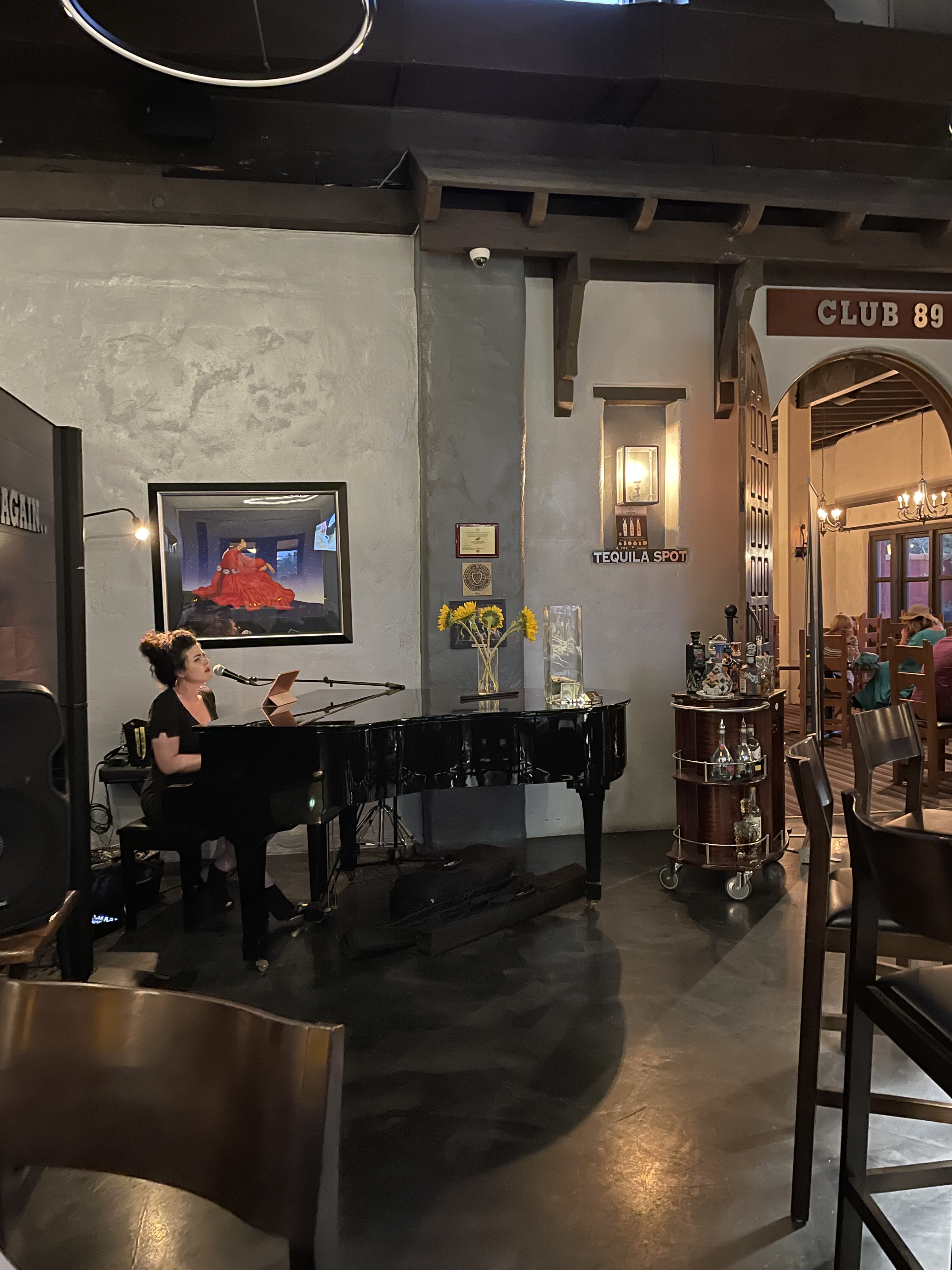
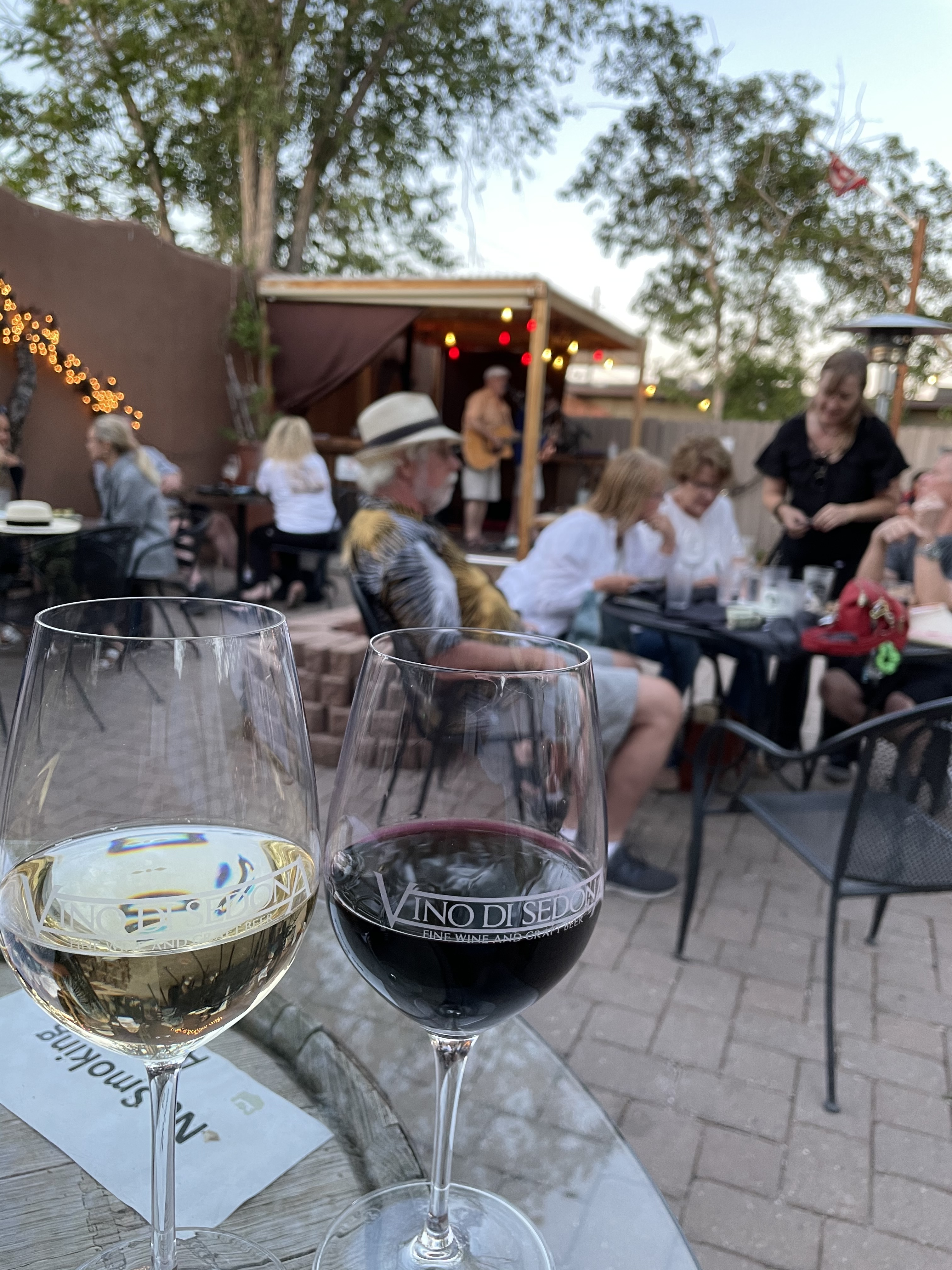
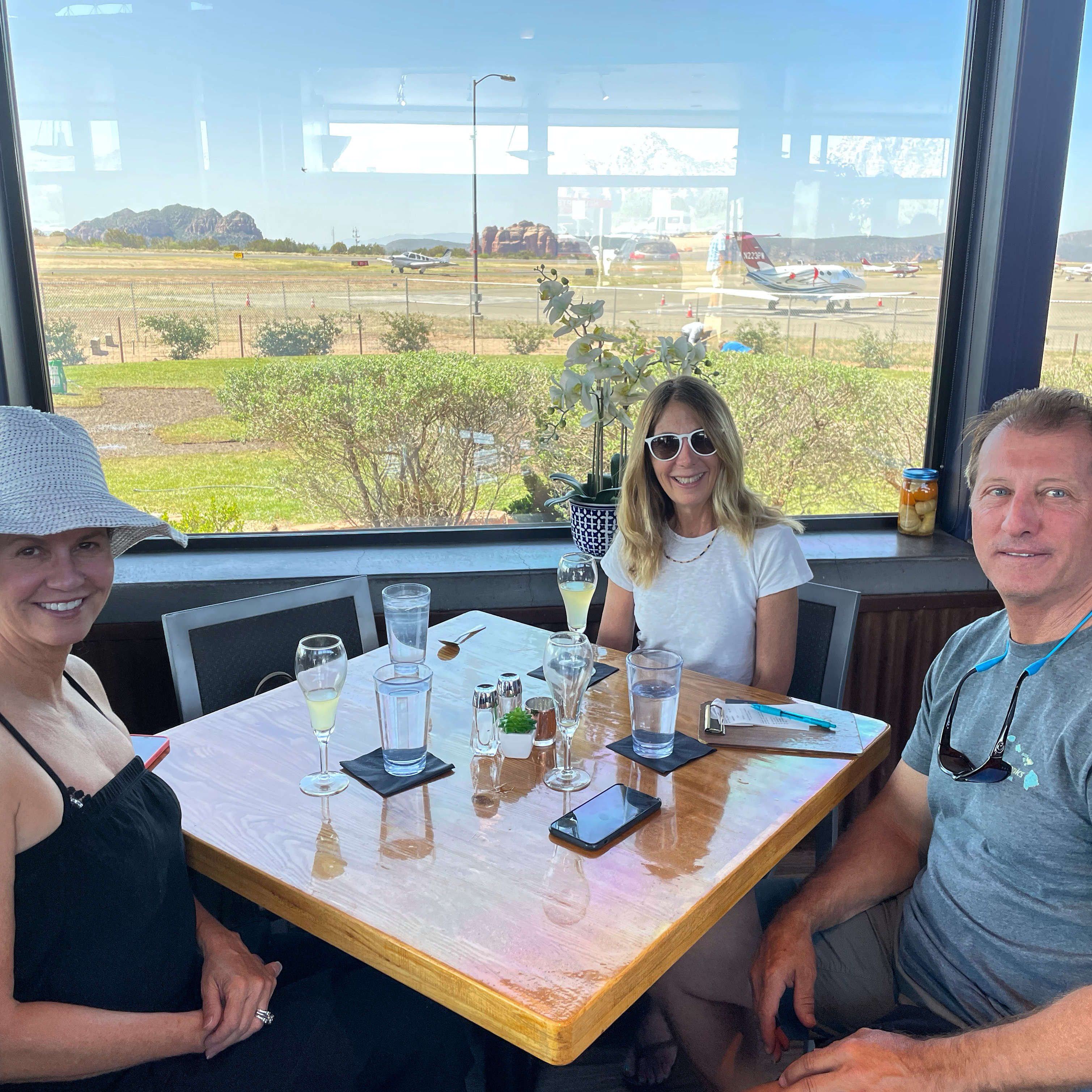
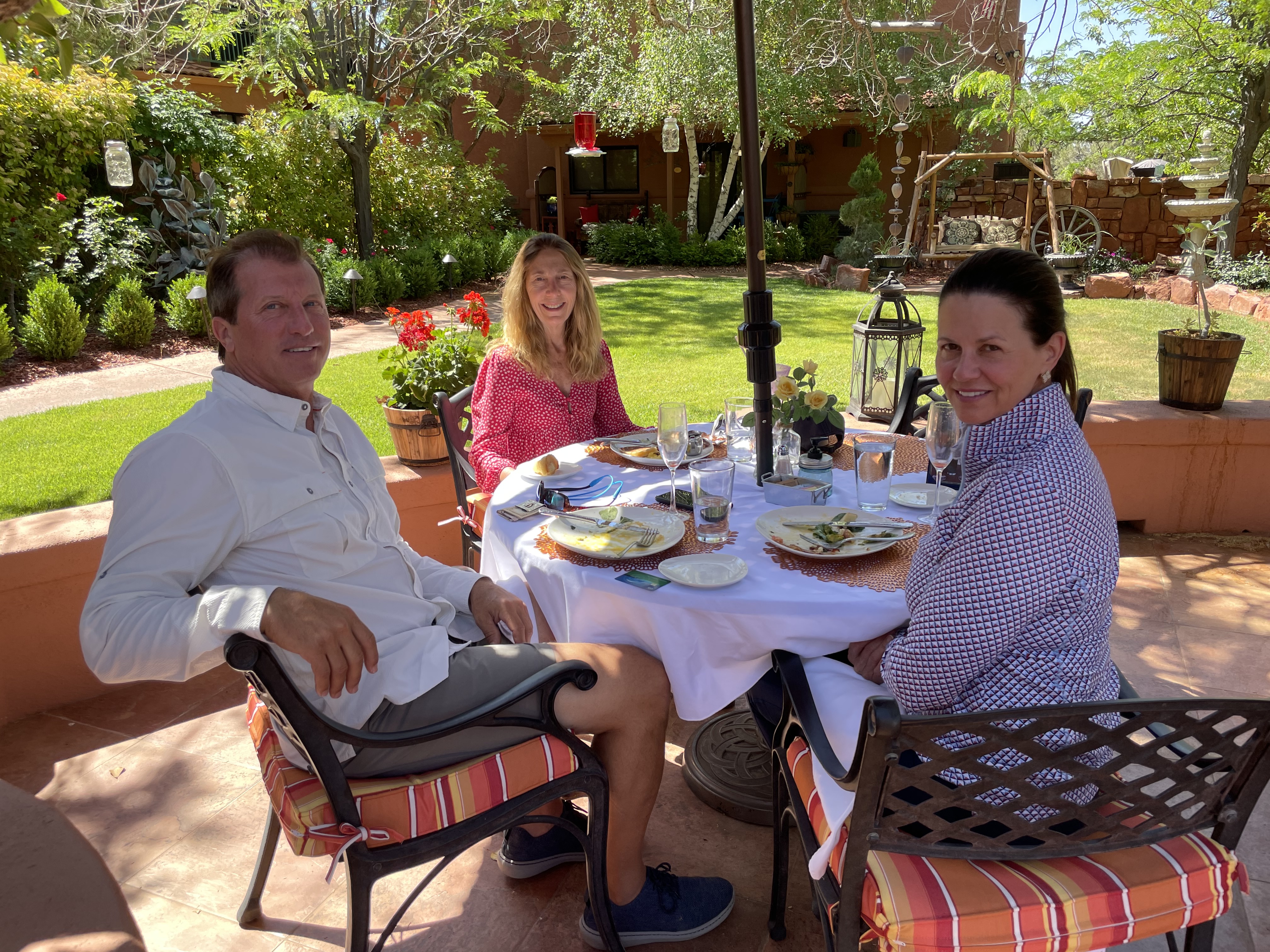
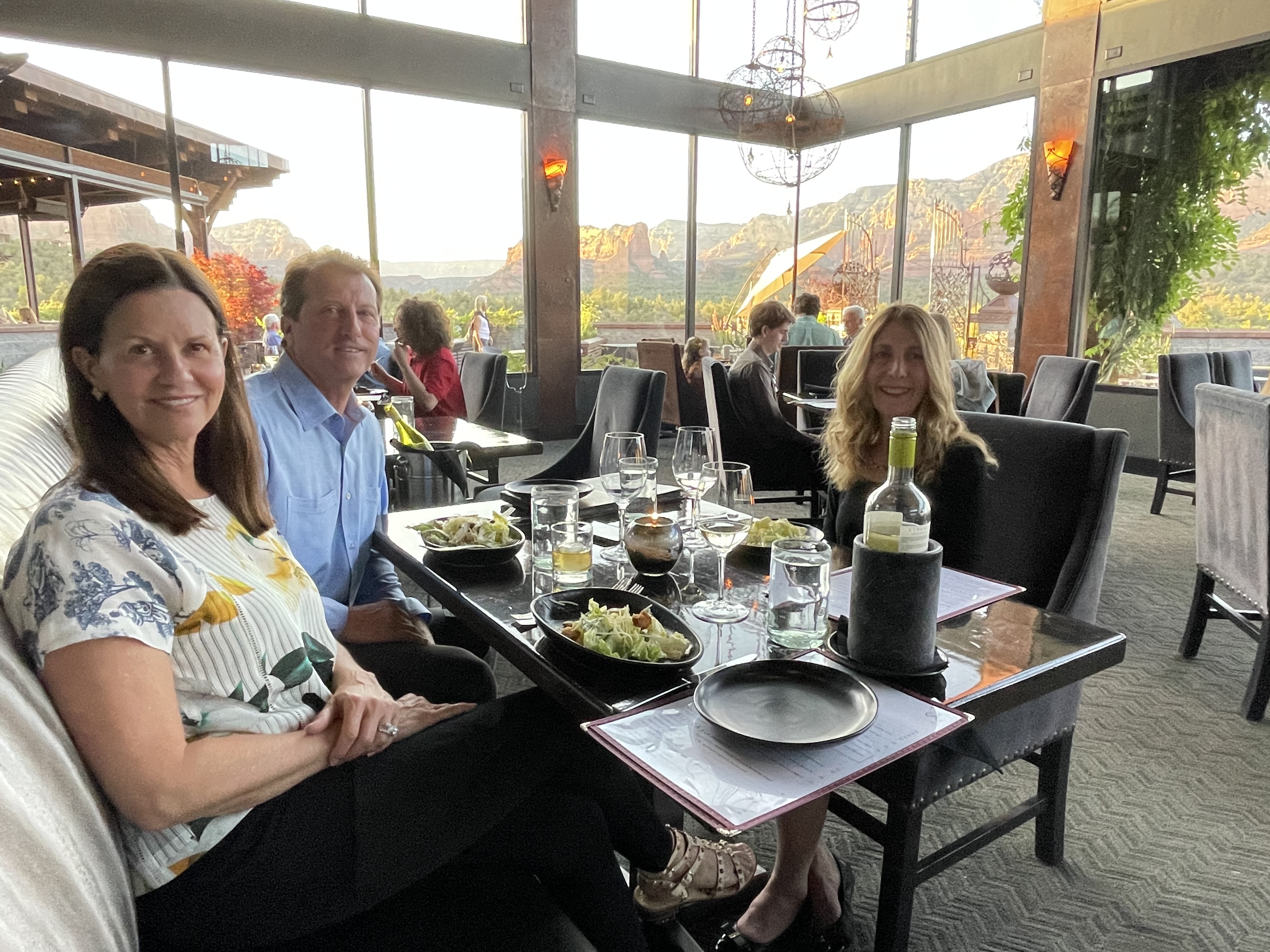
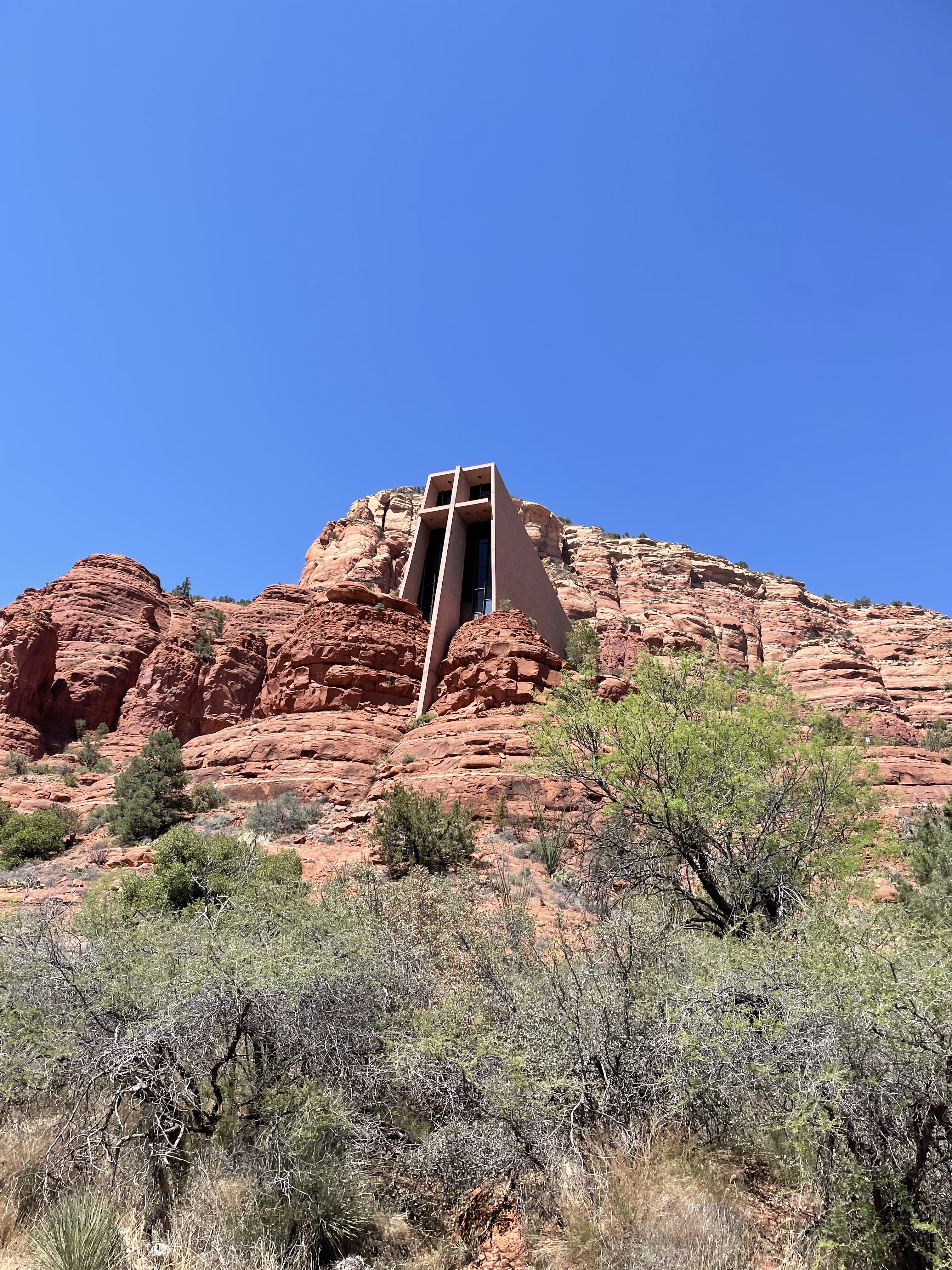
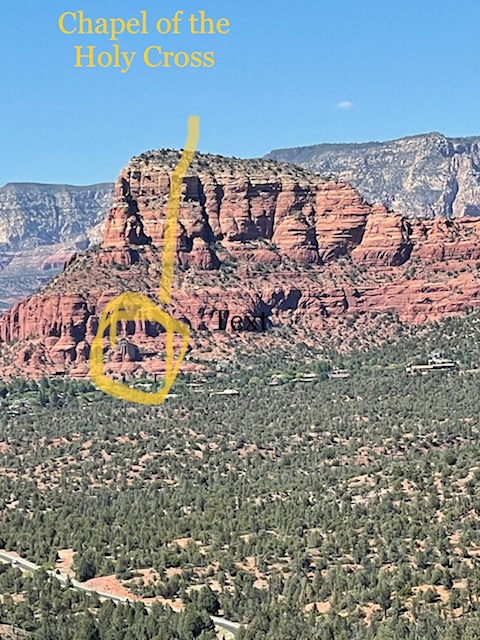
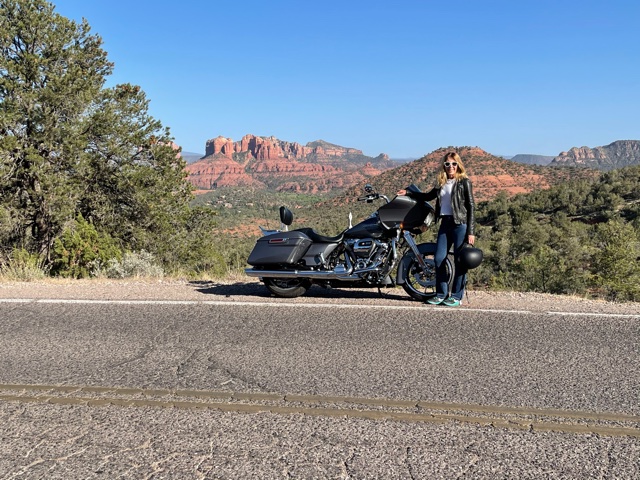
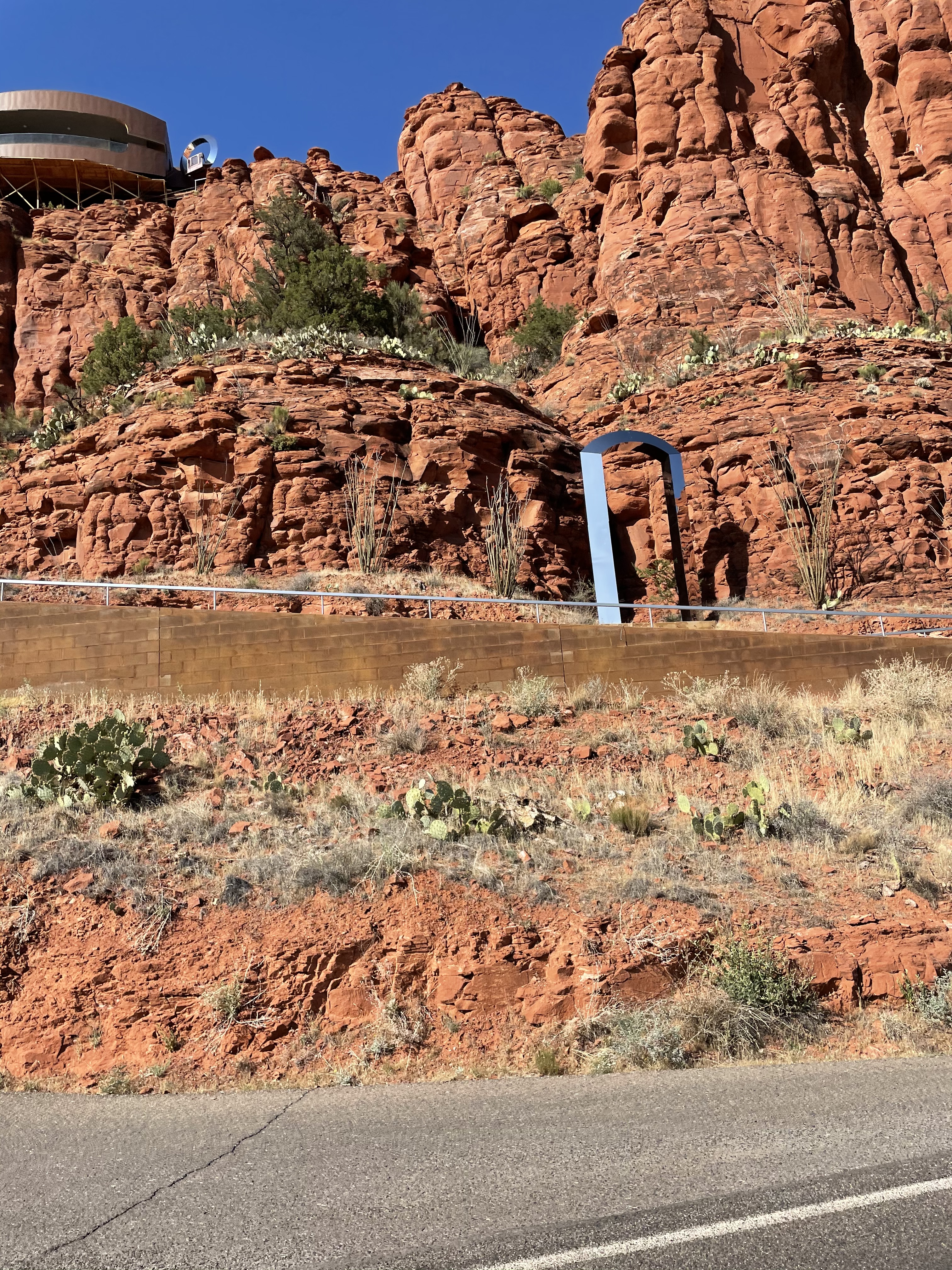
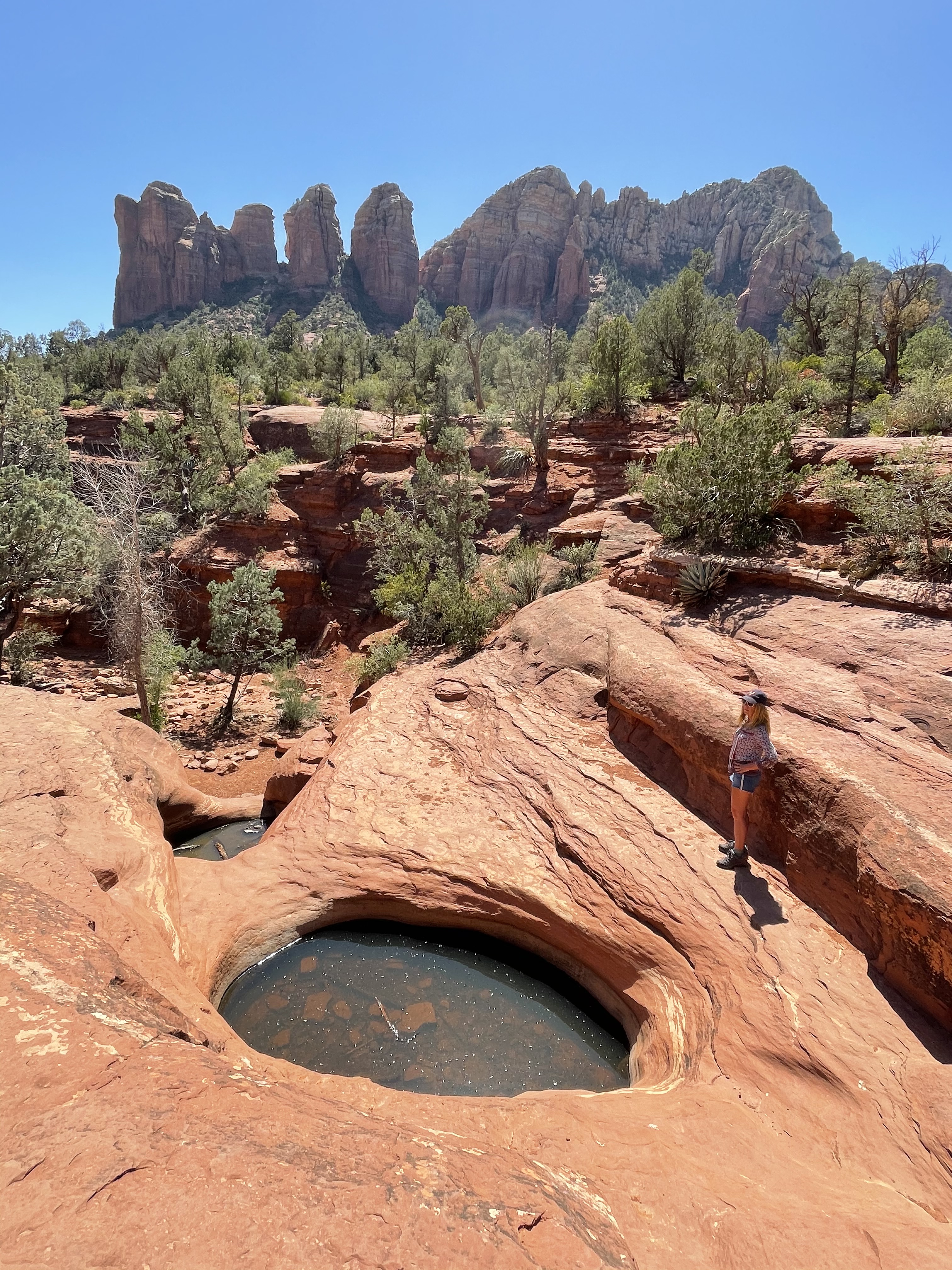
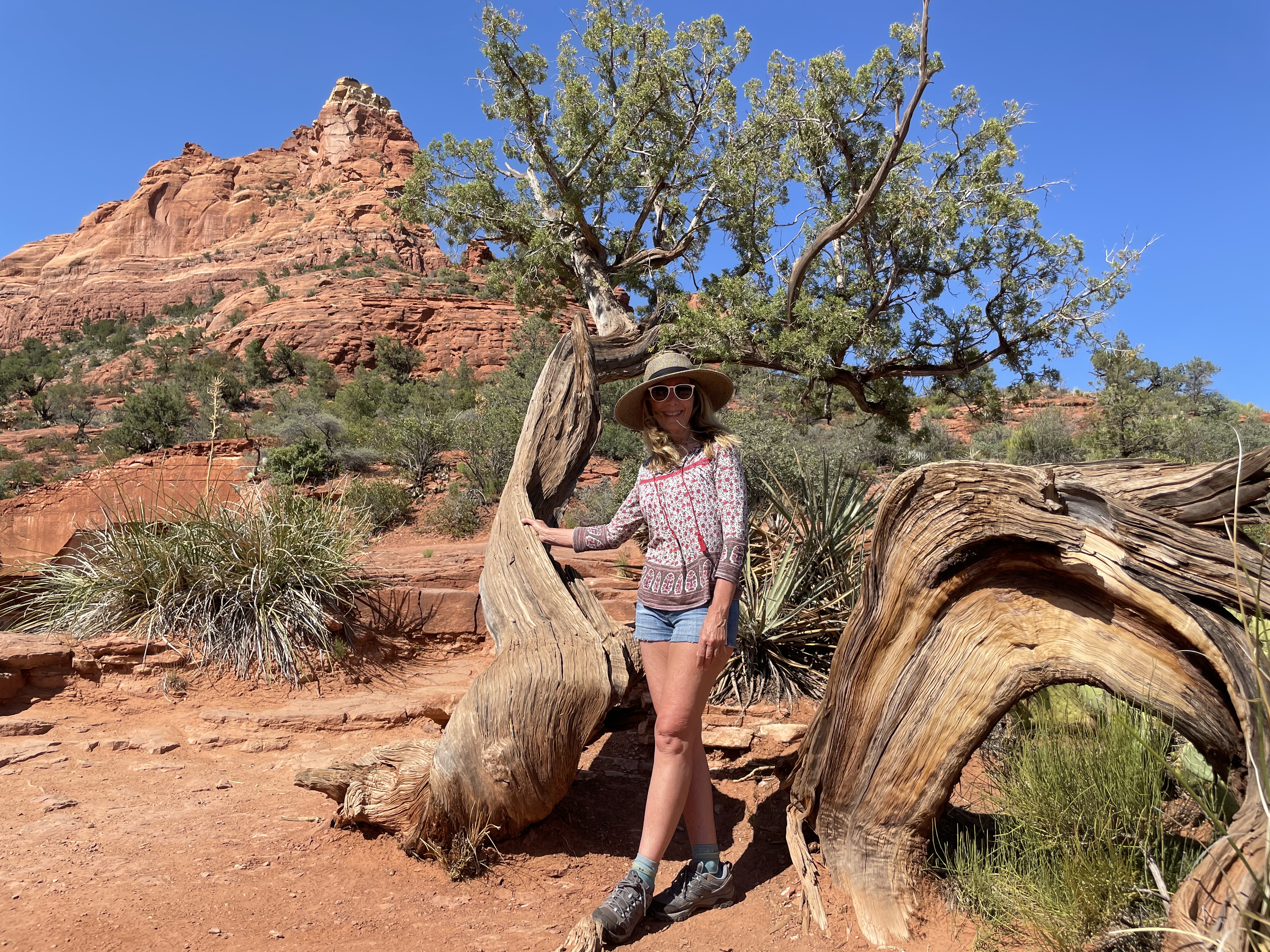
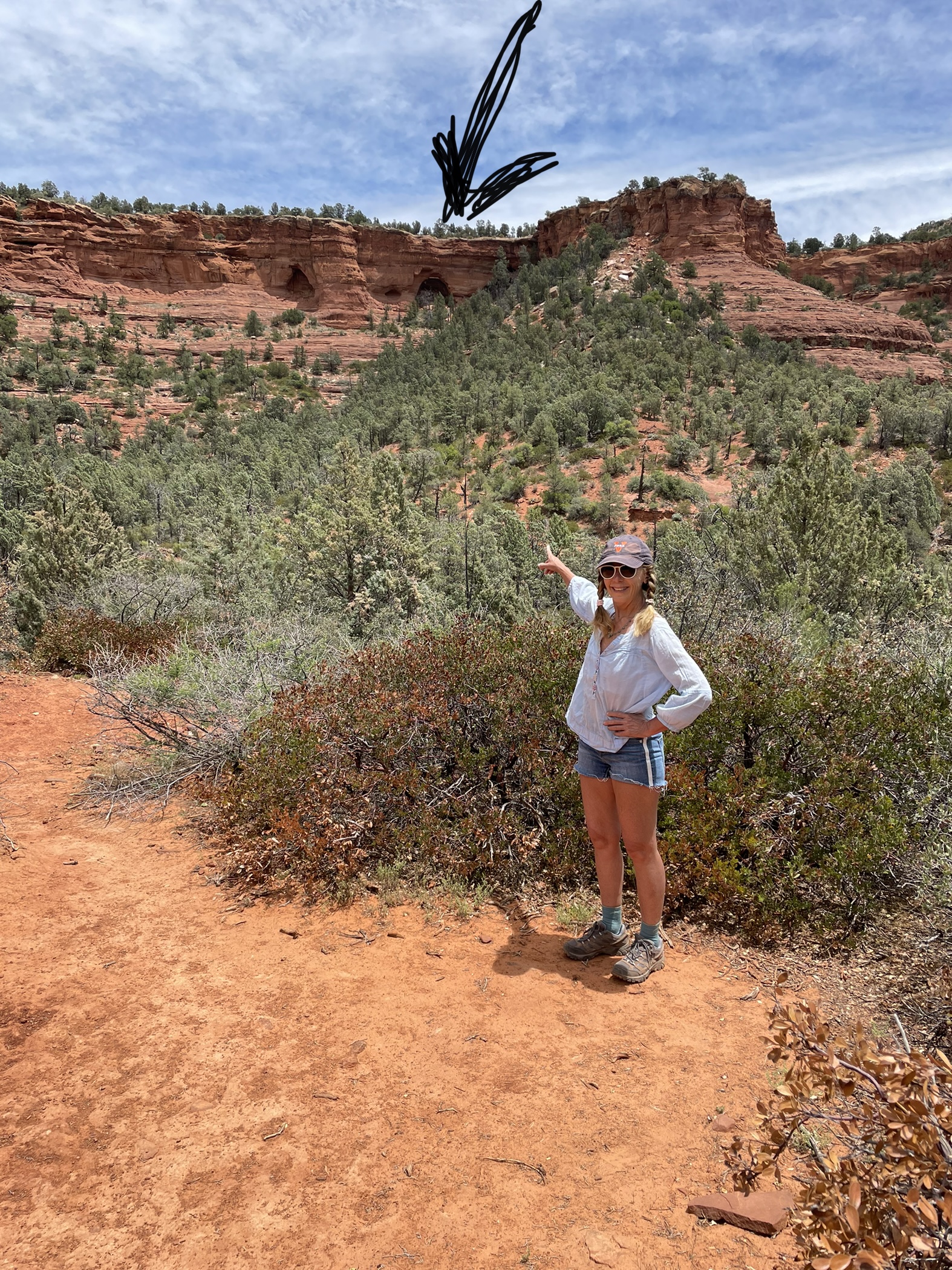
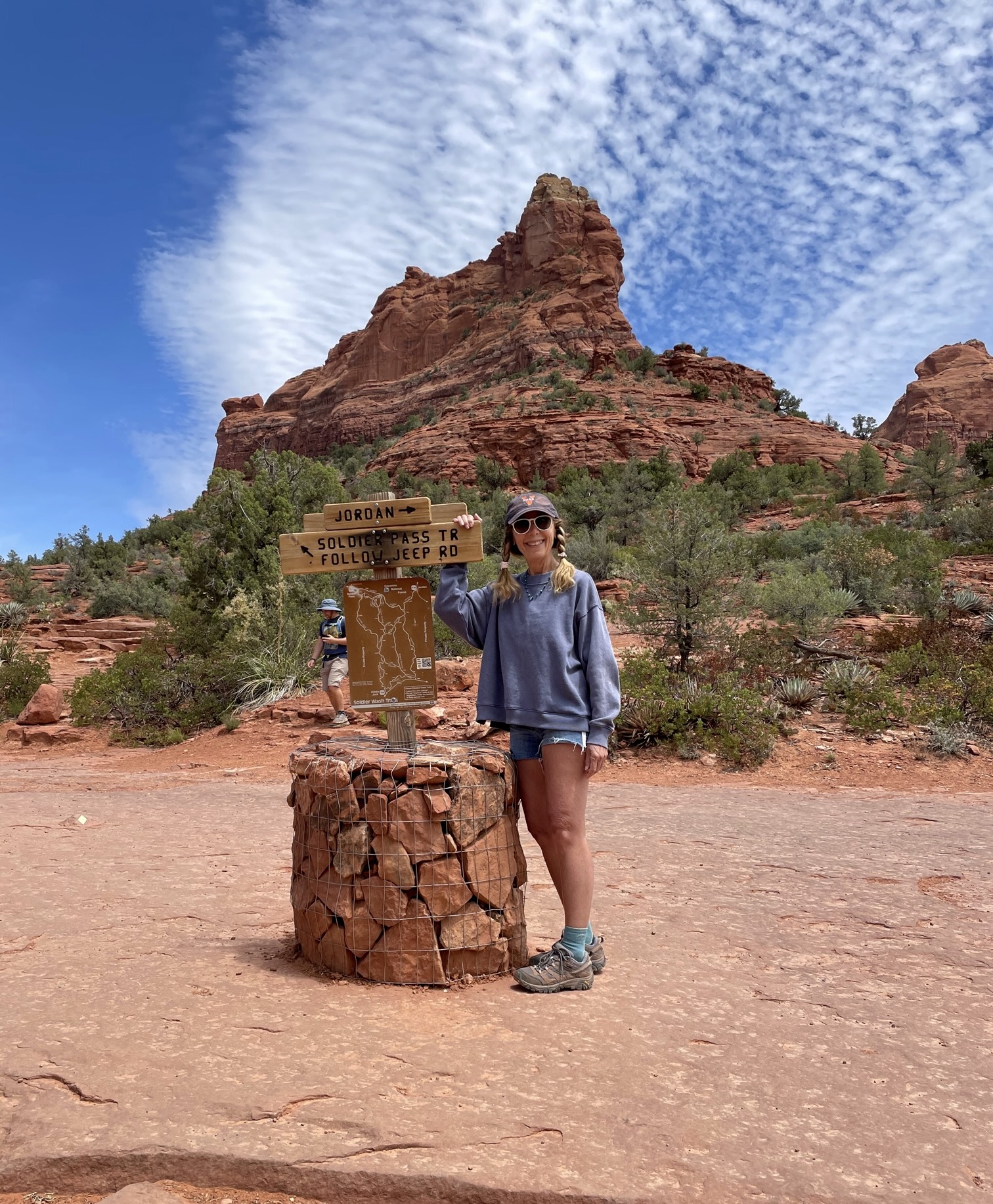
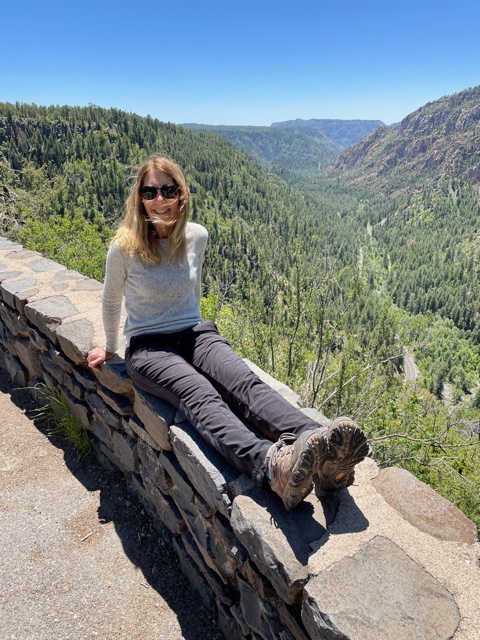
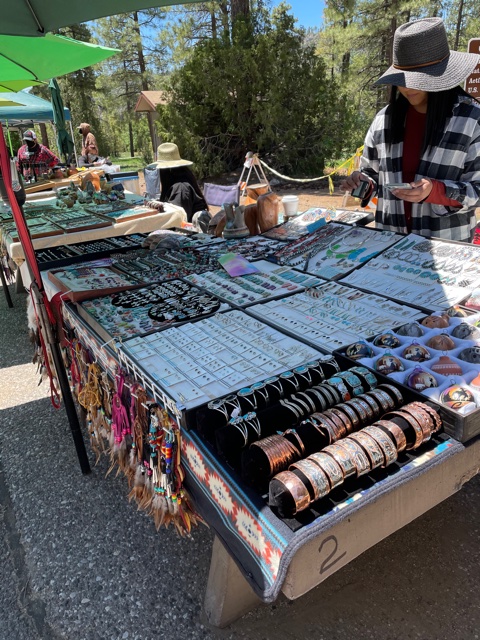
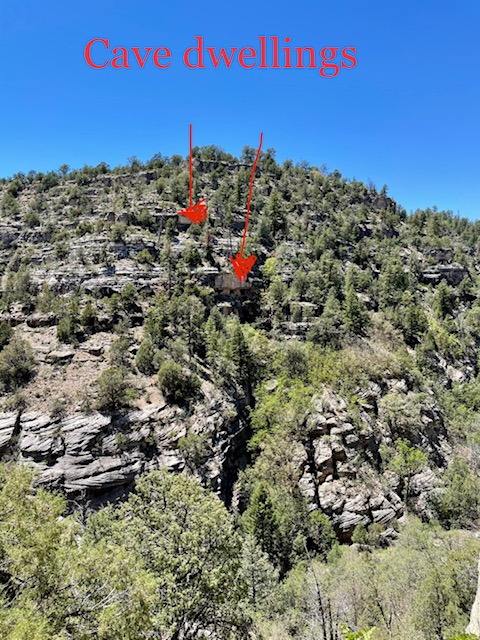
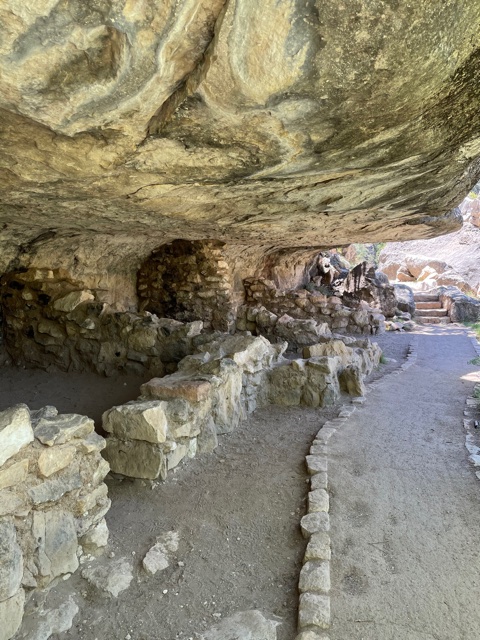
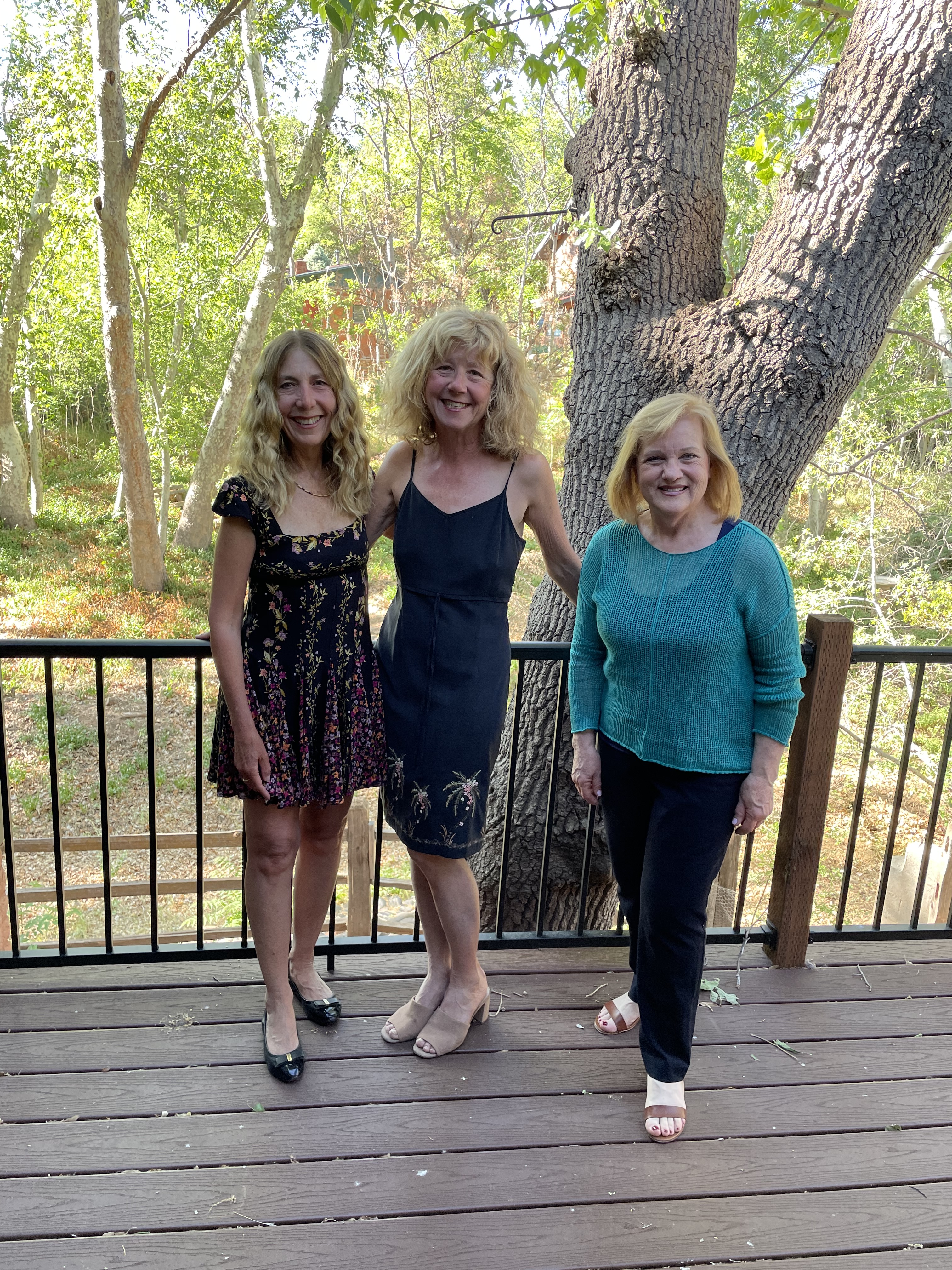
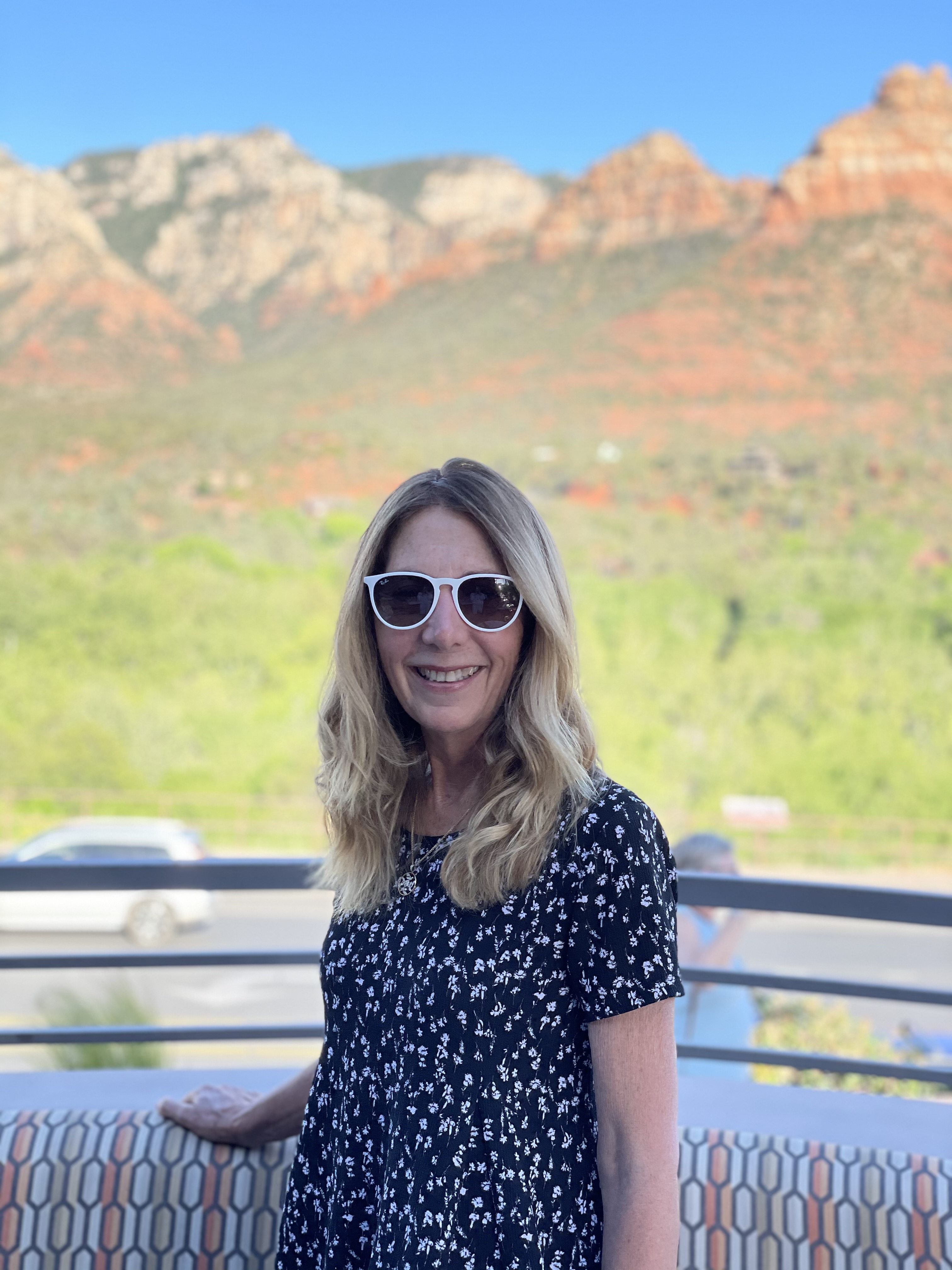
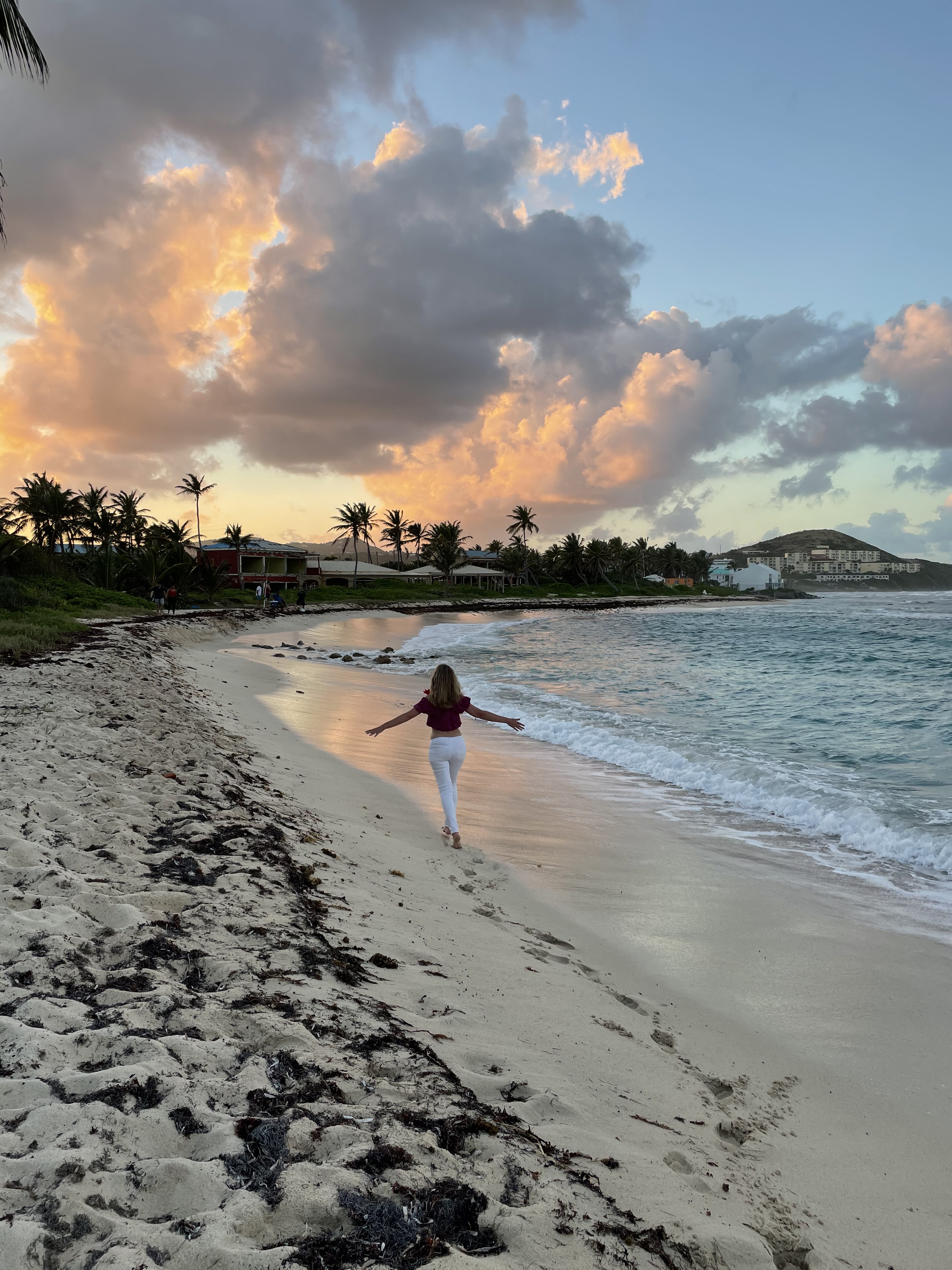
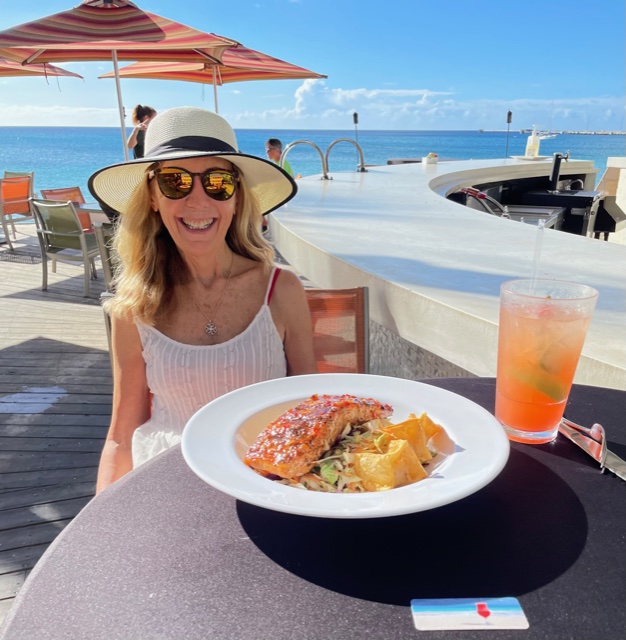
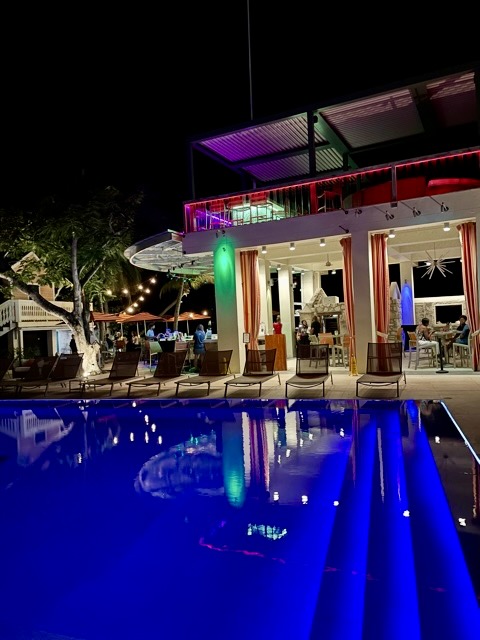
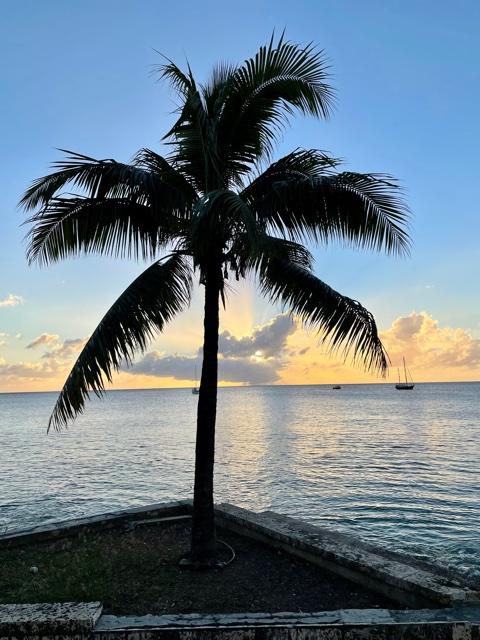
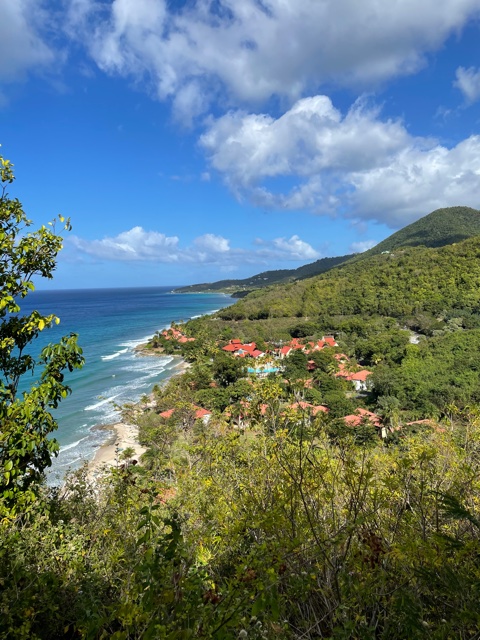


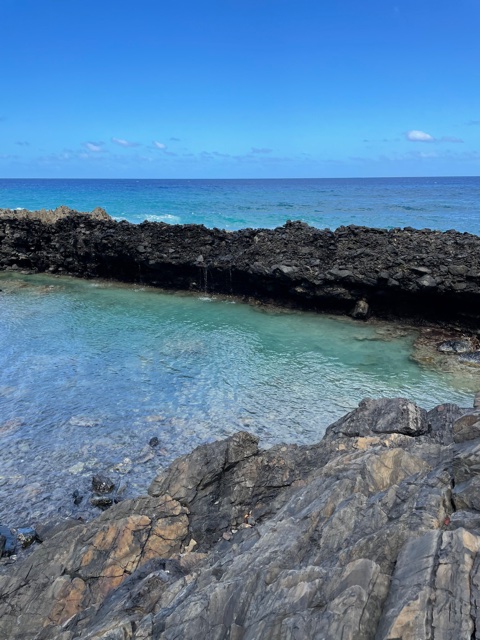
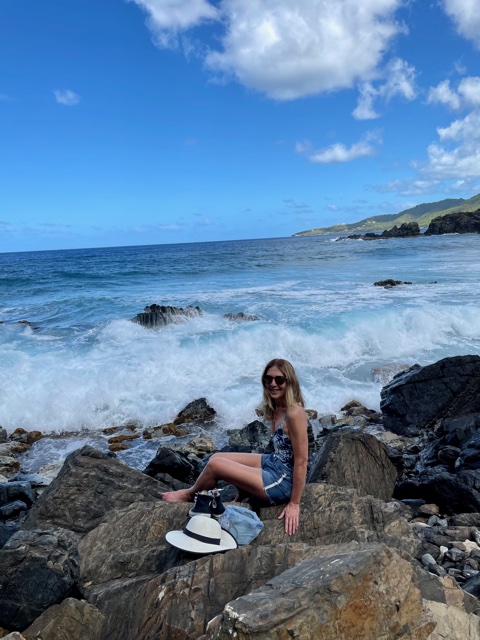
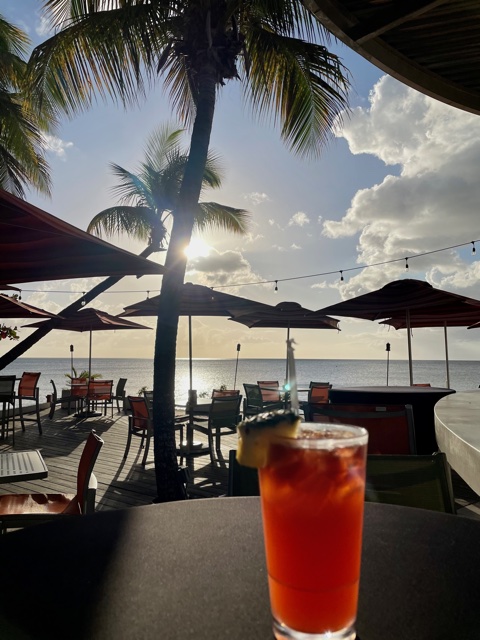 .
. 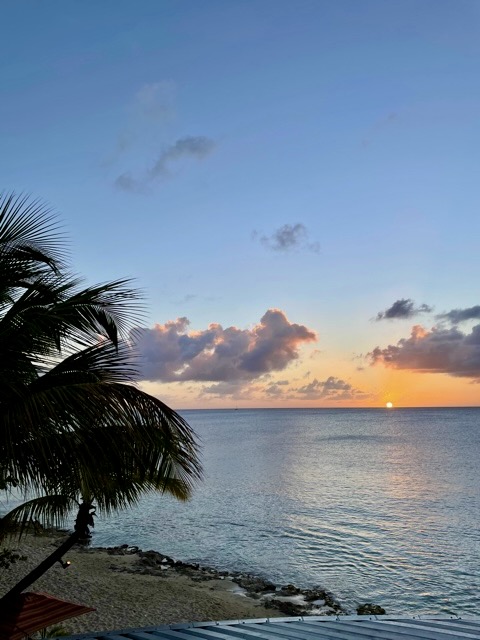
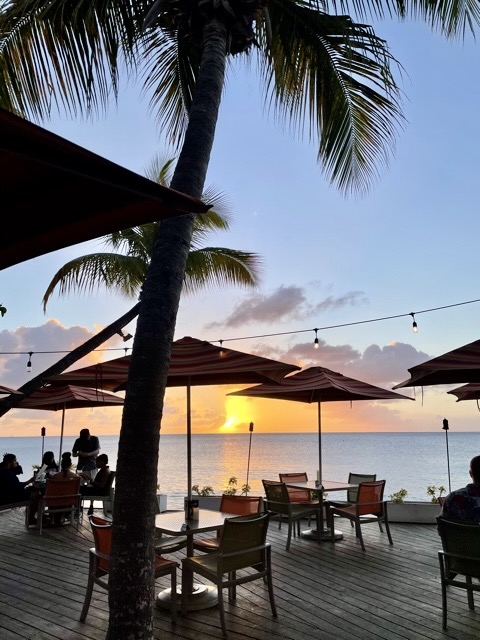
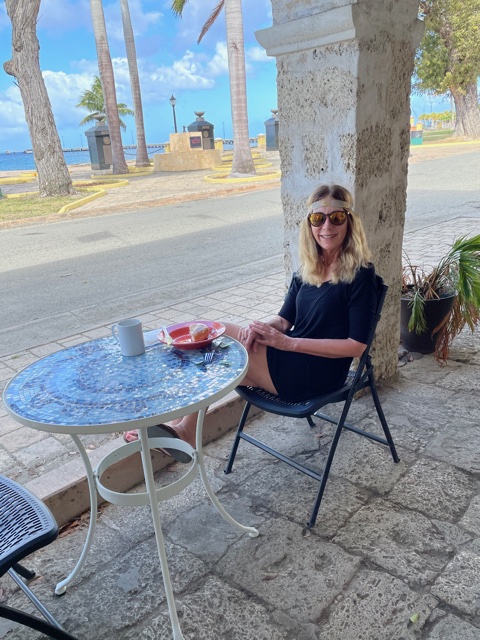
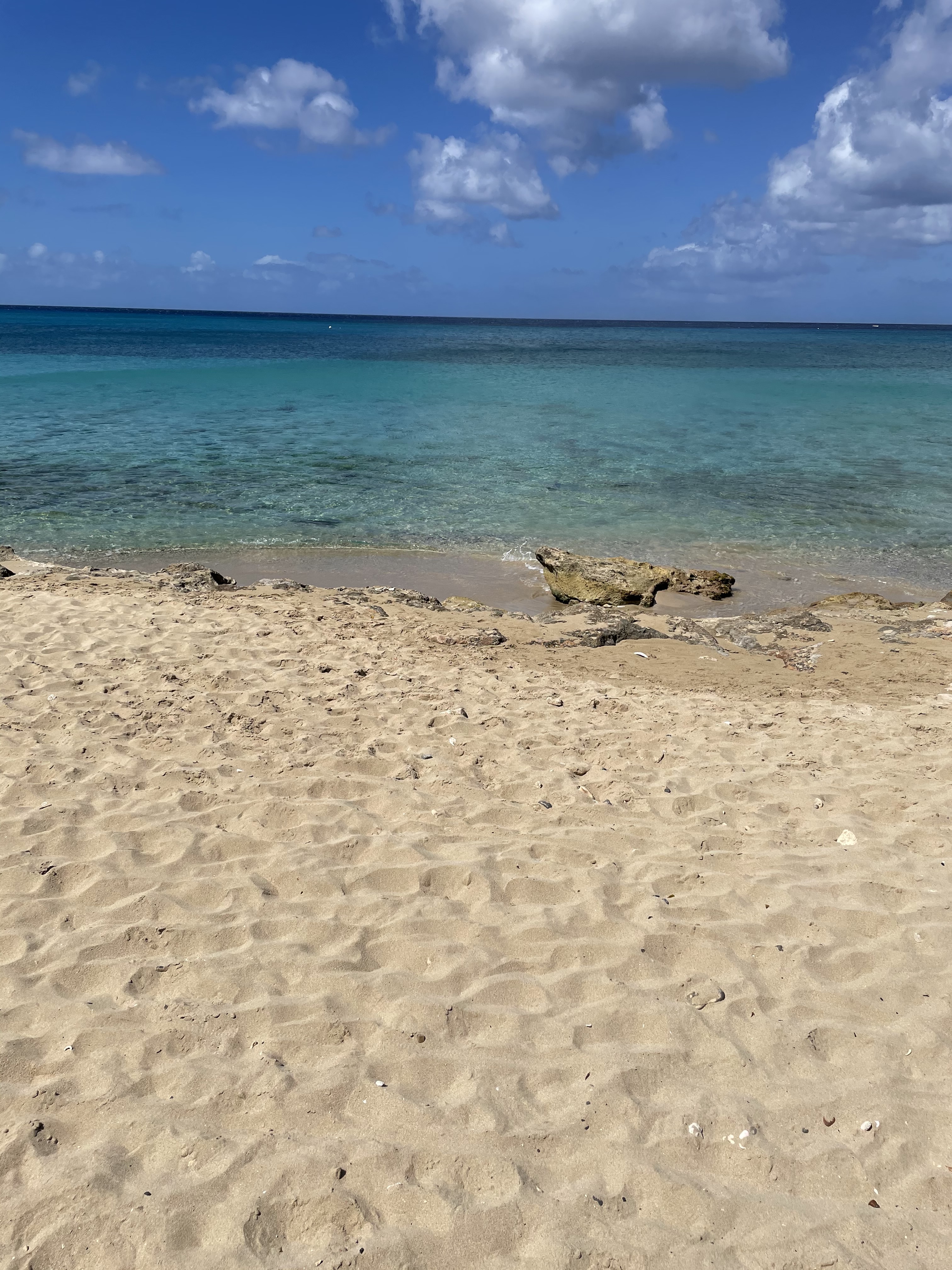
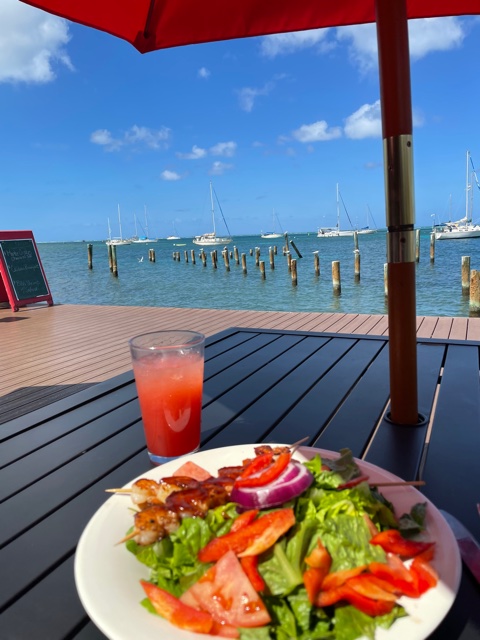
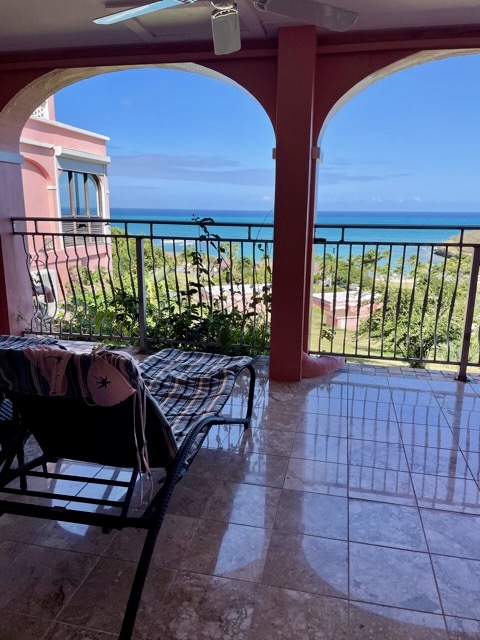
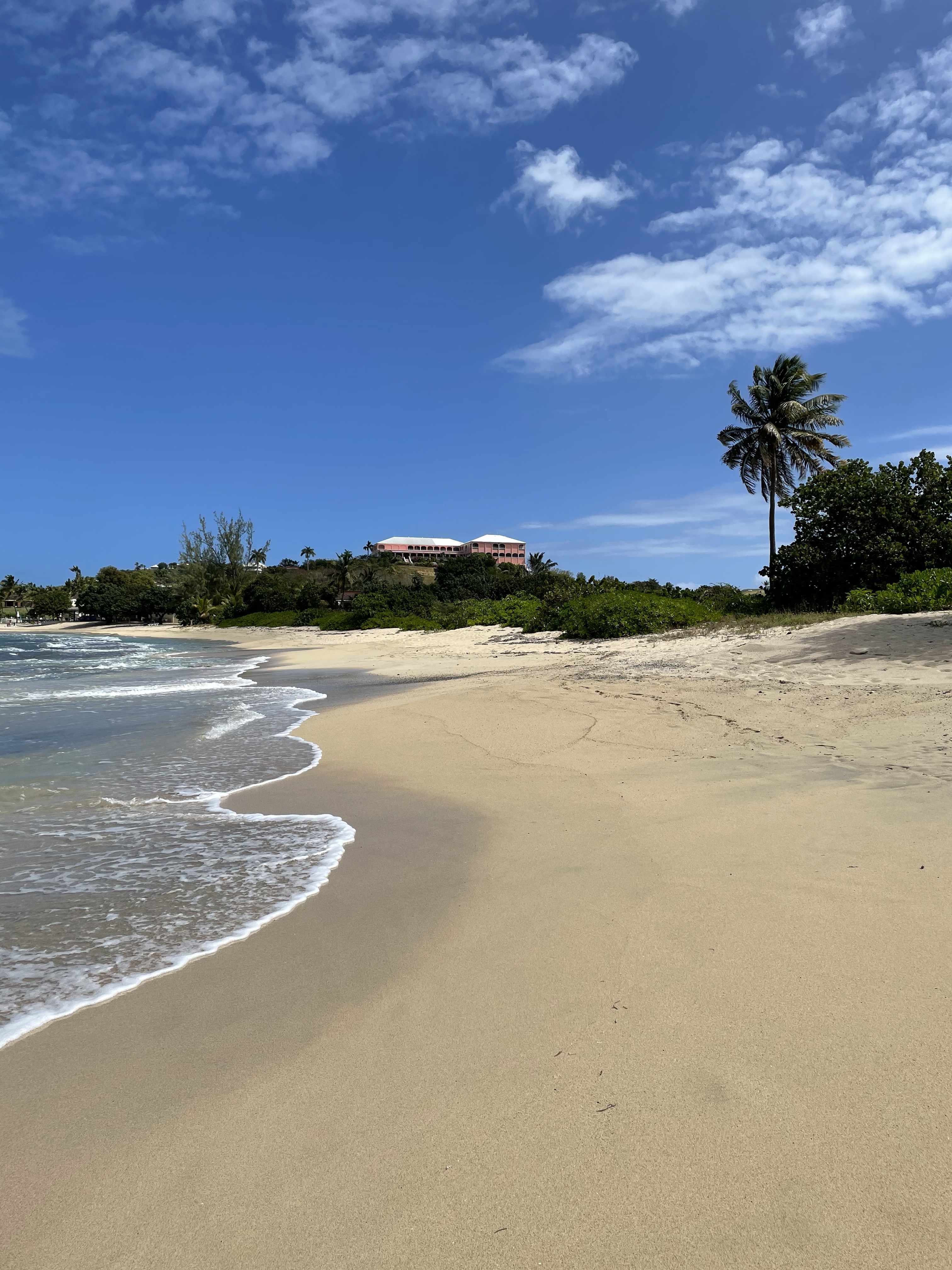
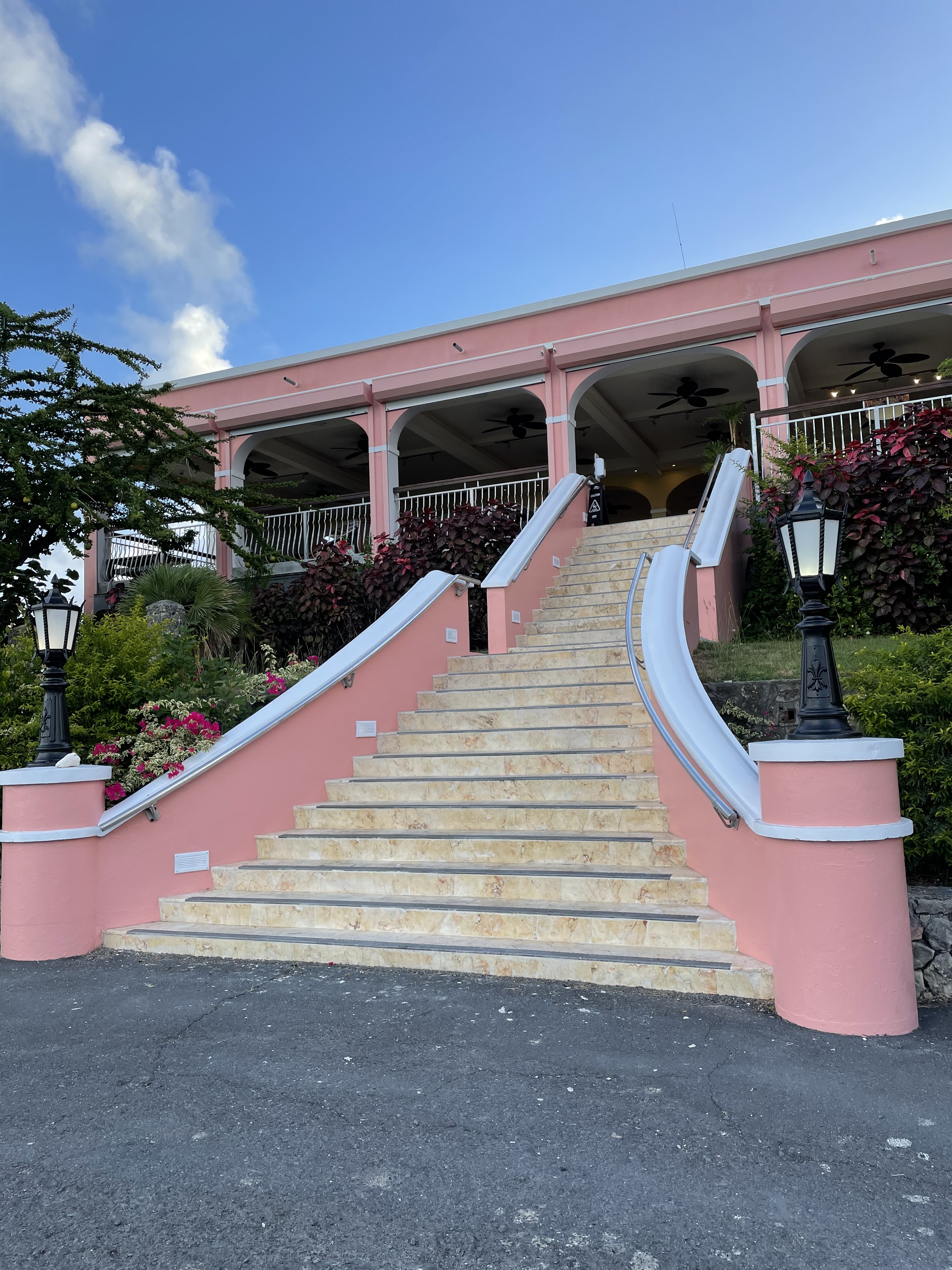
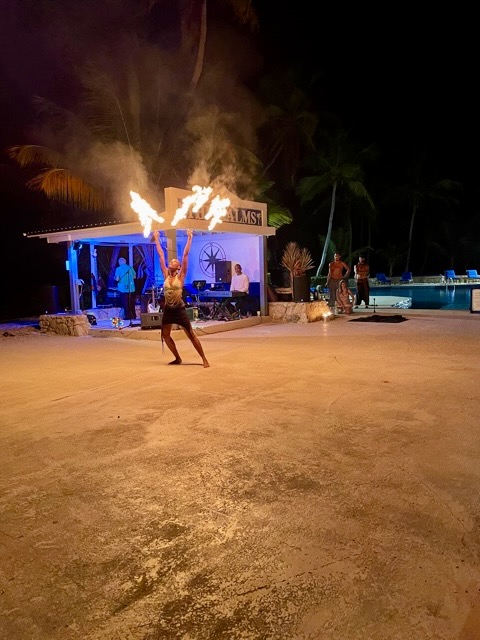
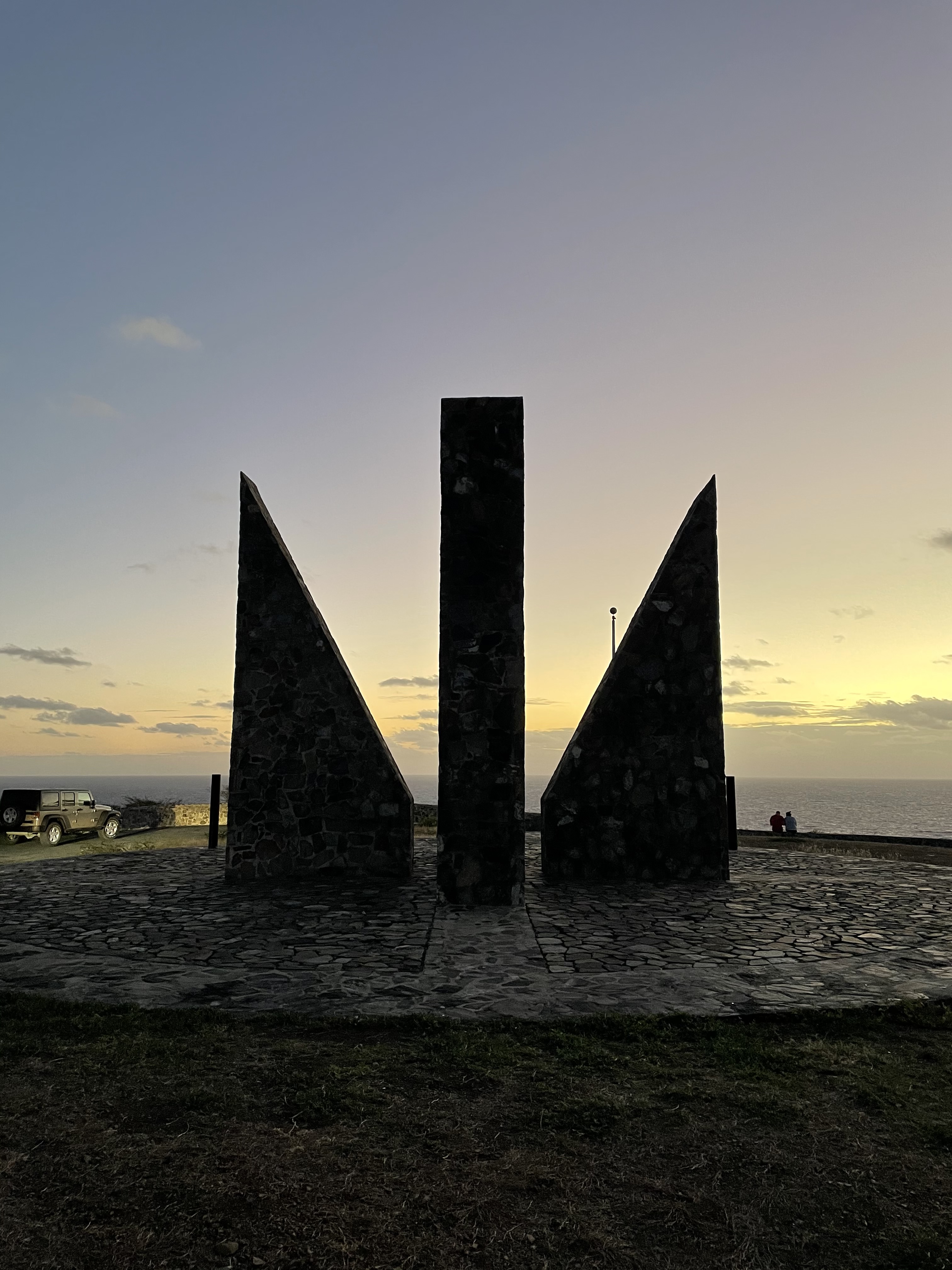
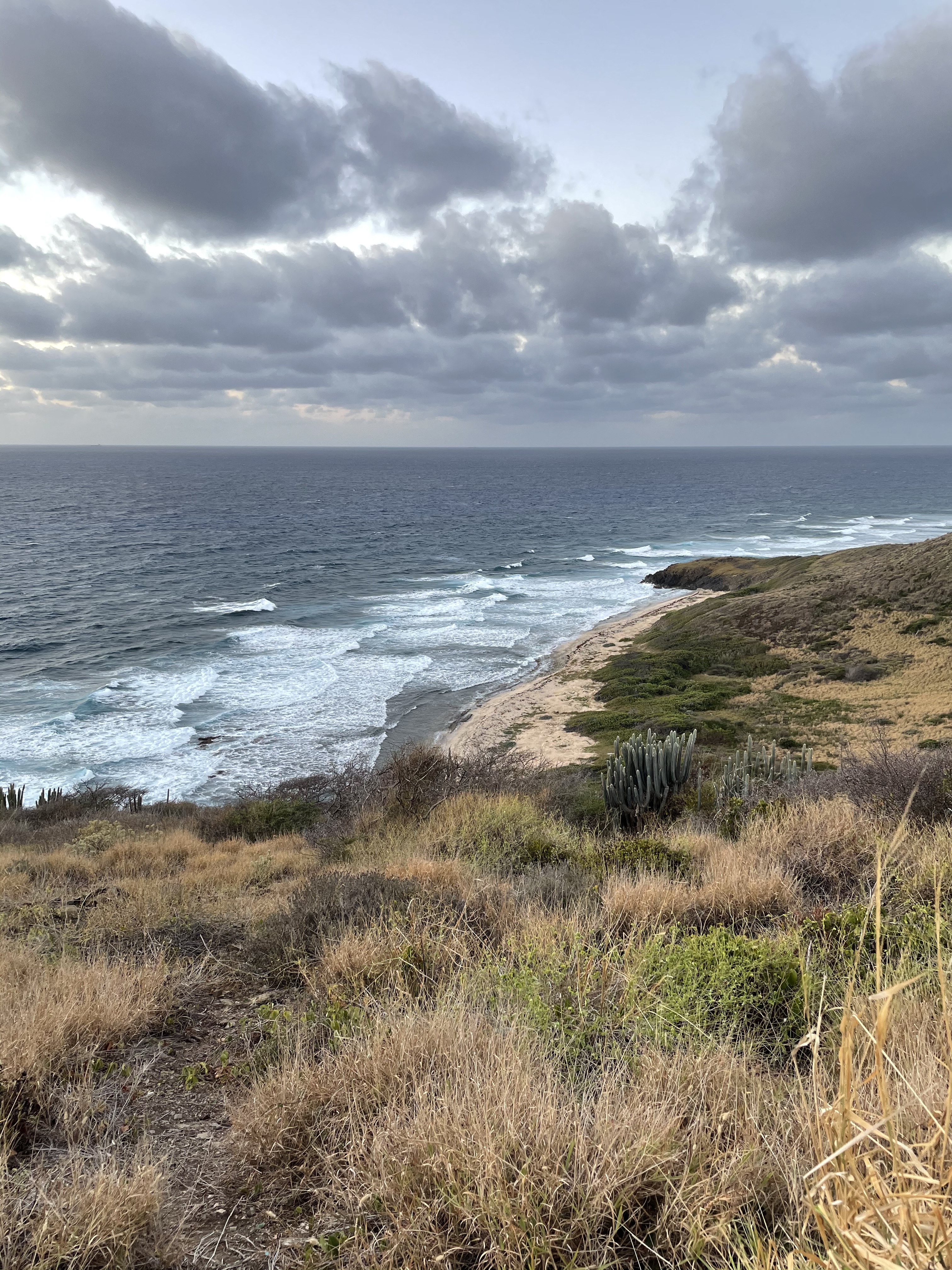
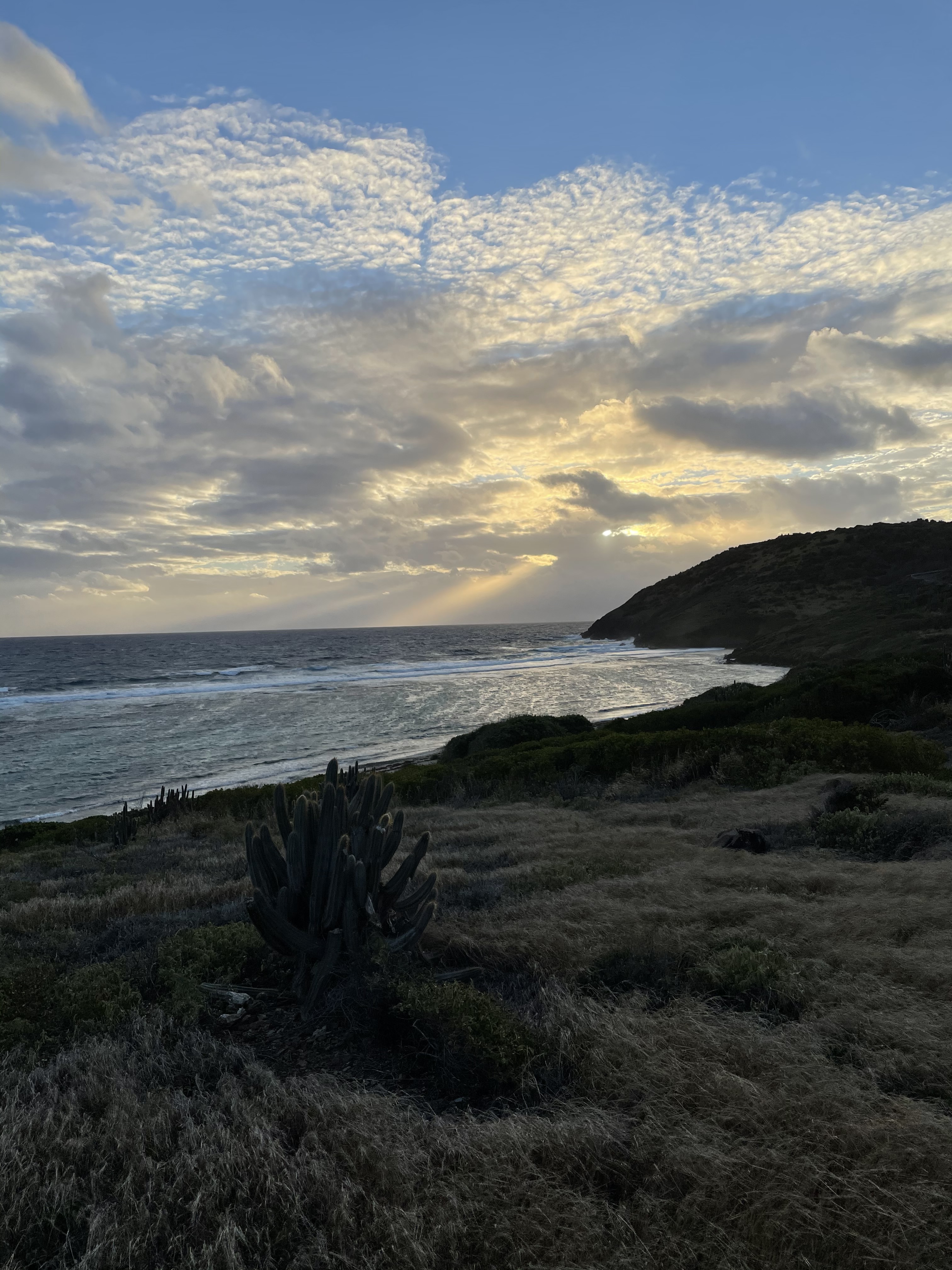
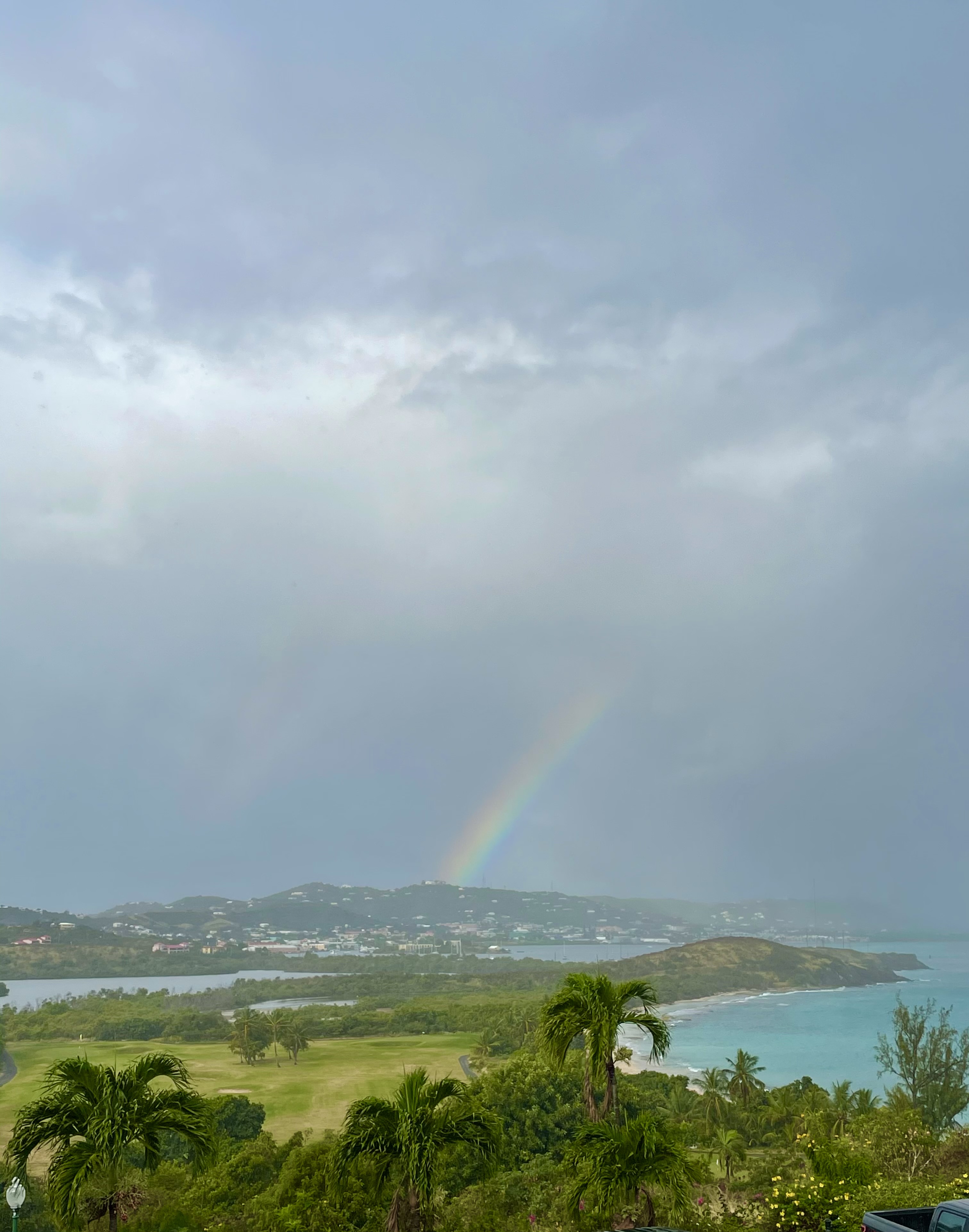
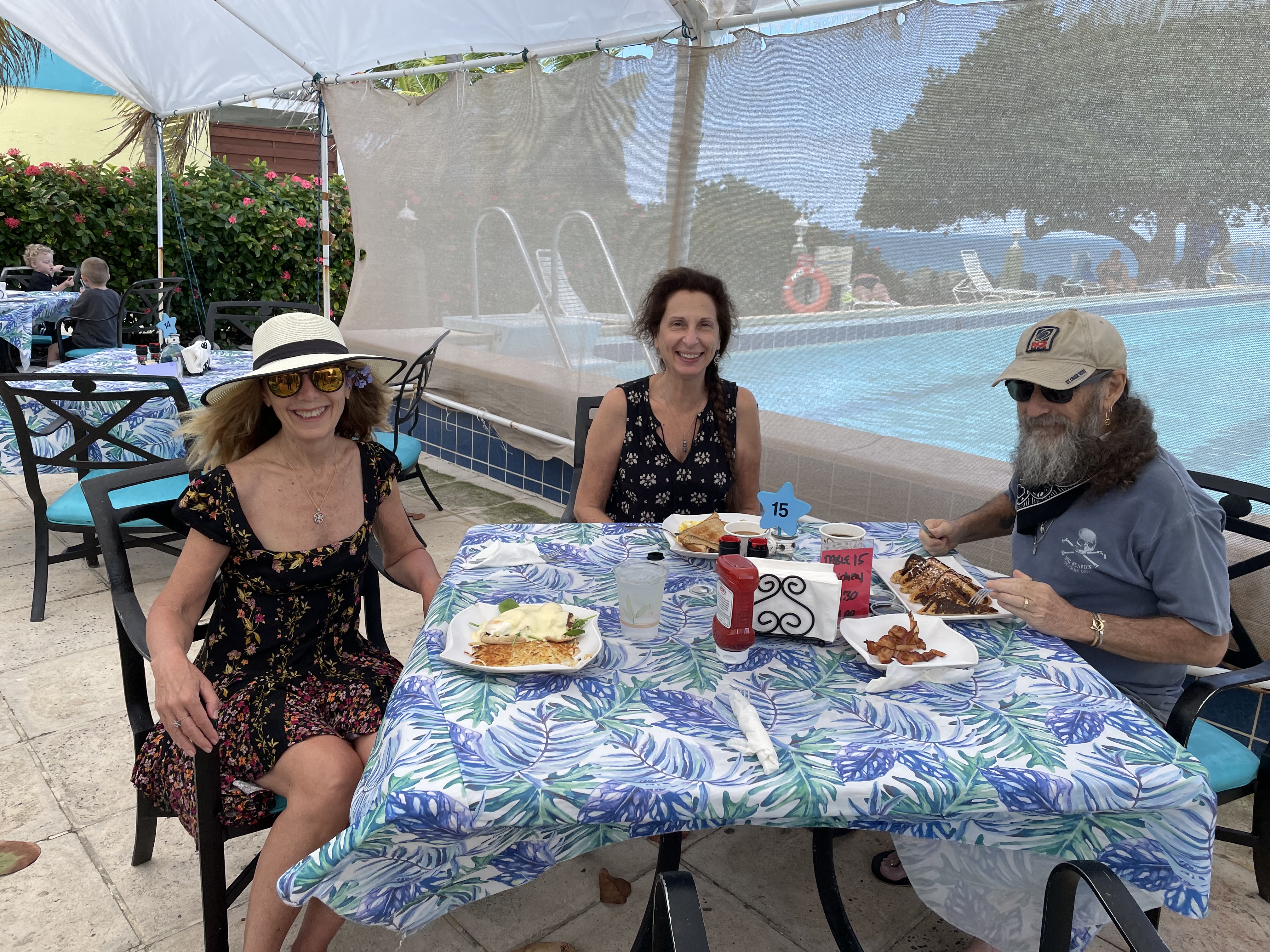
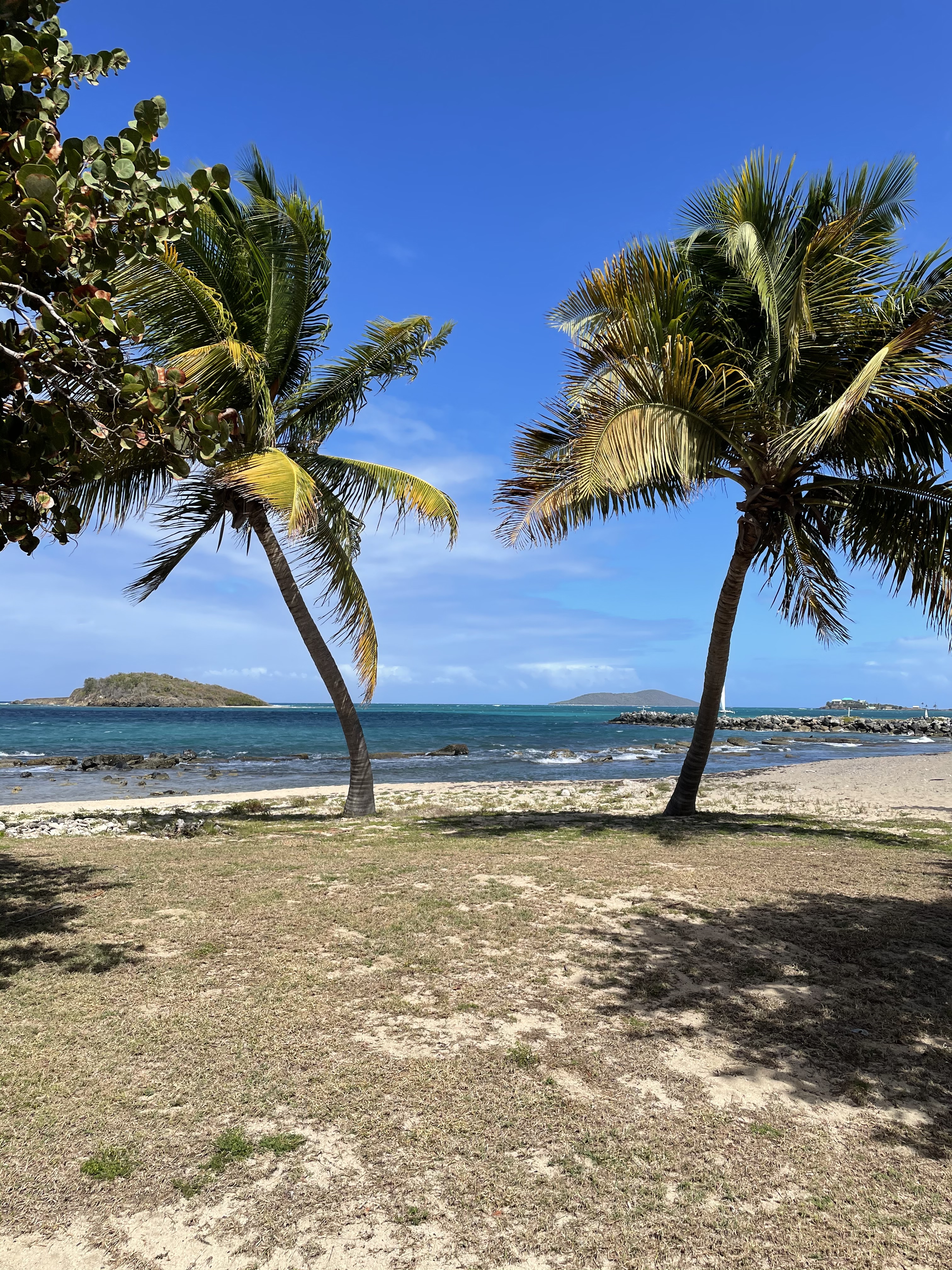
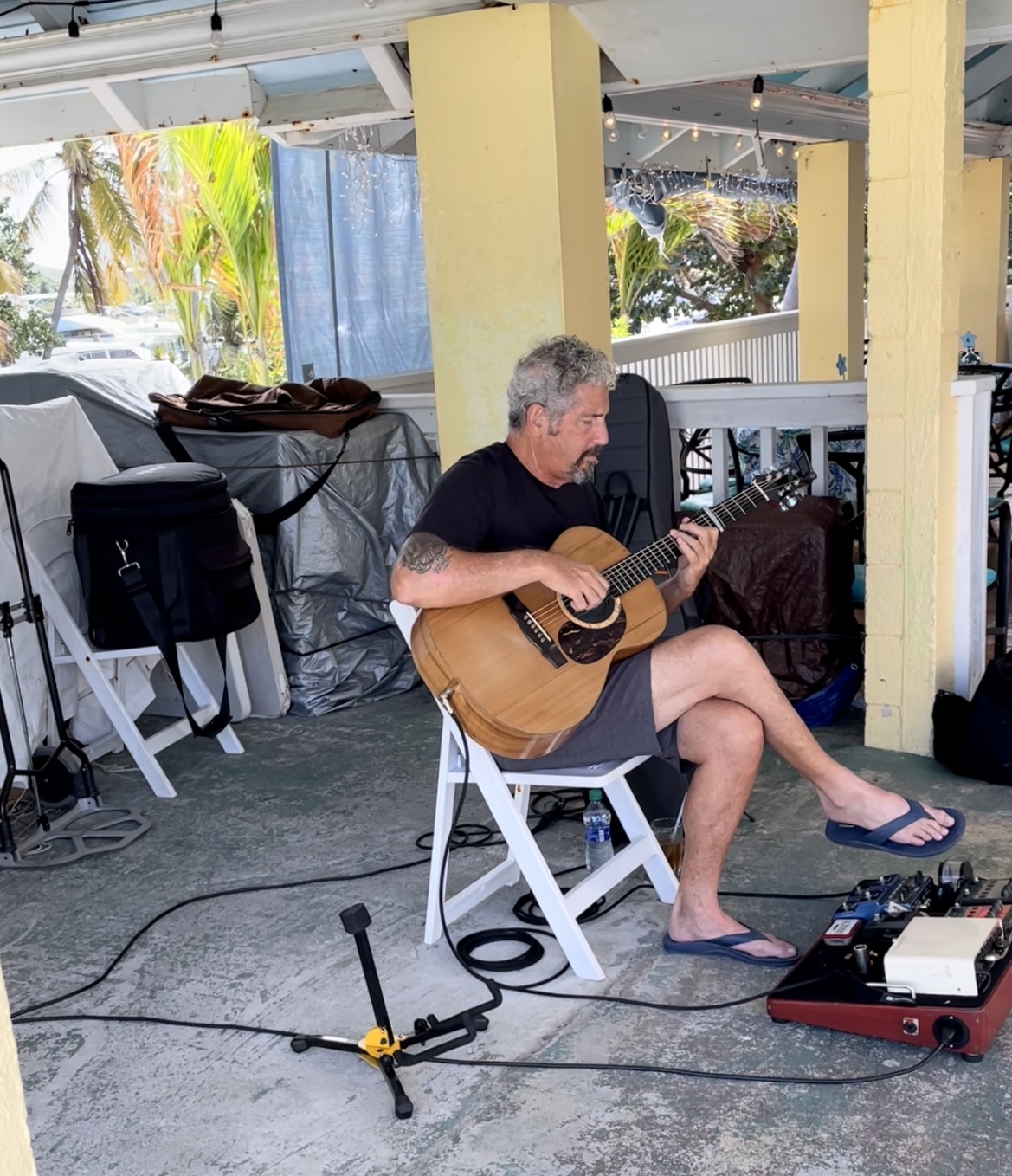
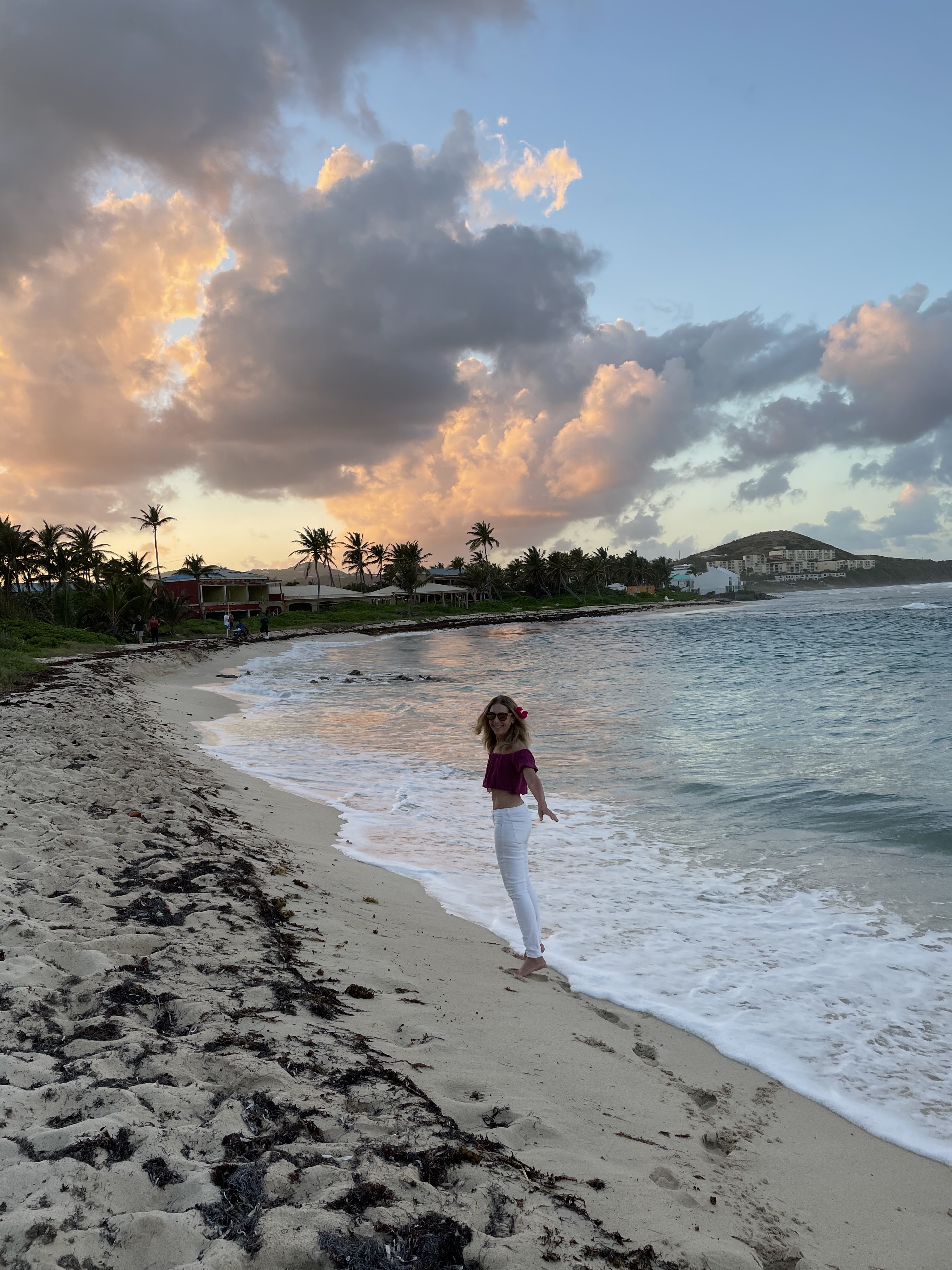
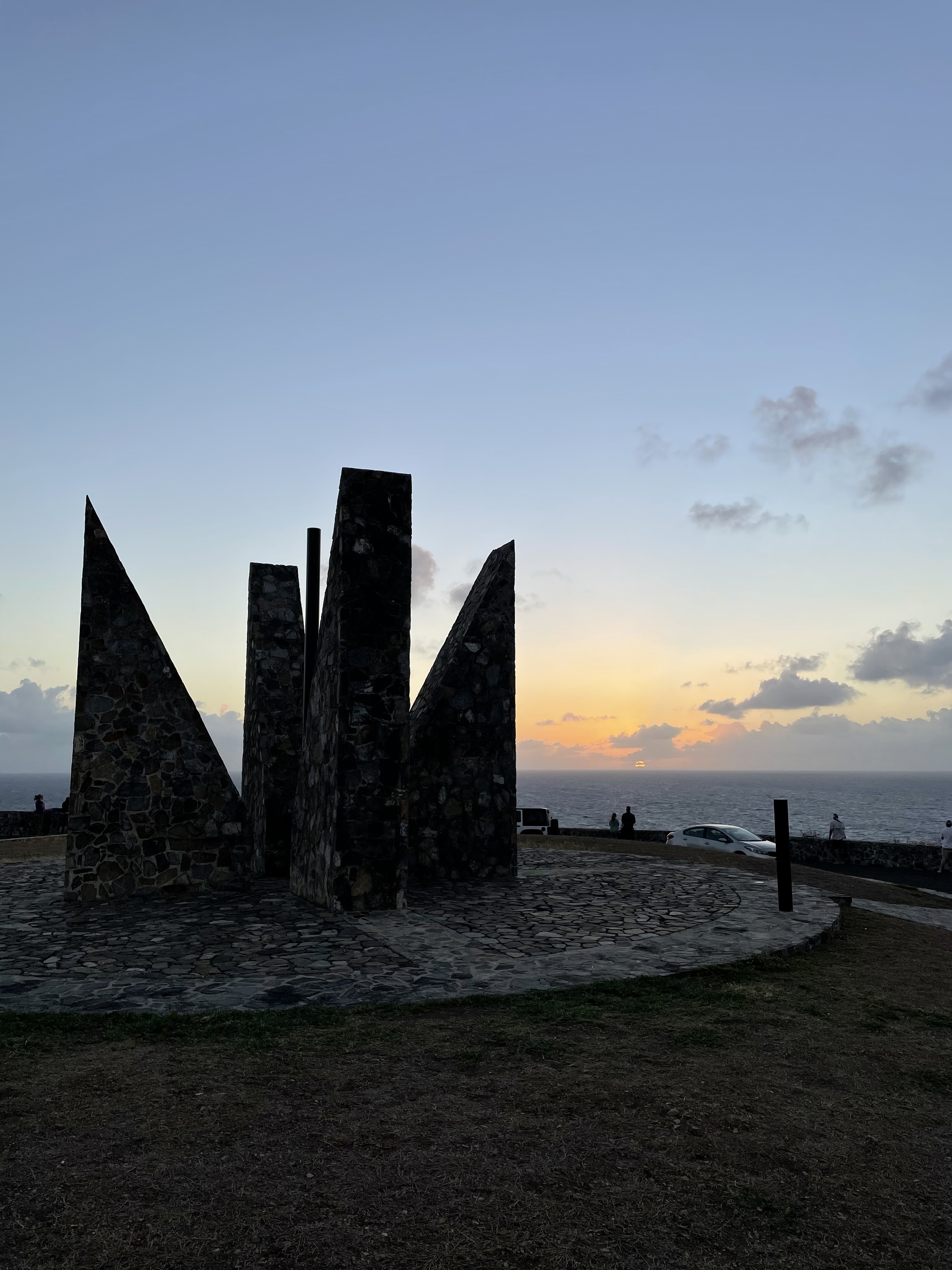
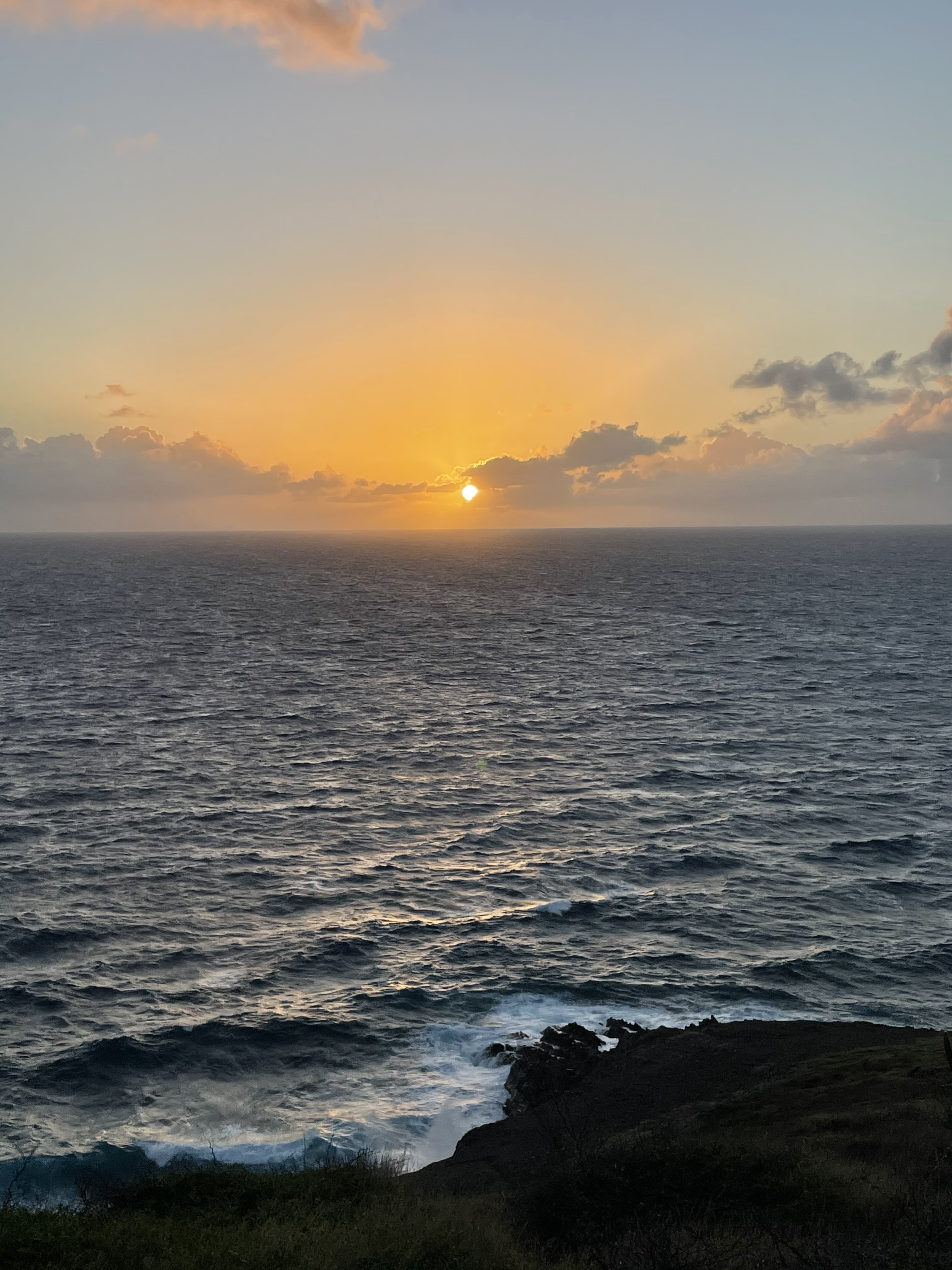
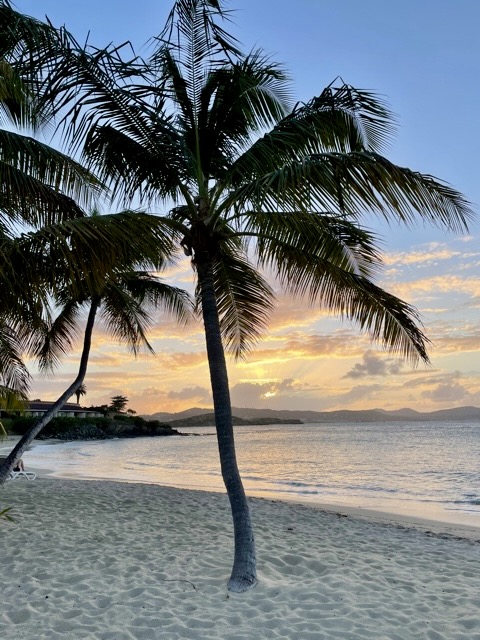


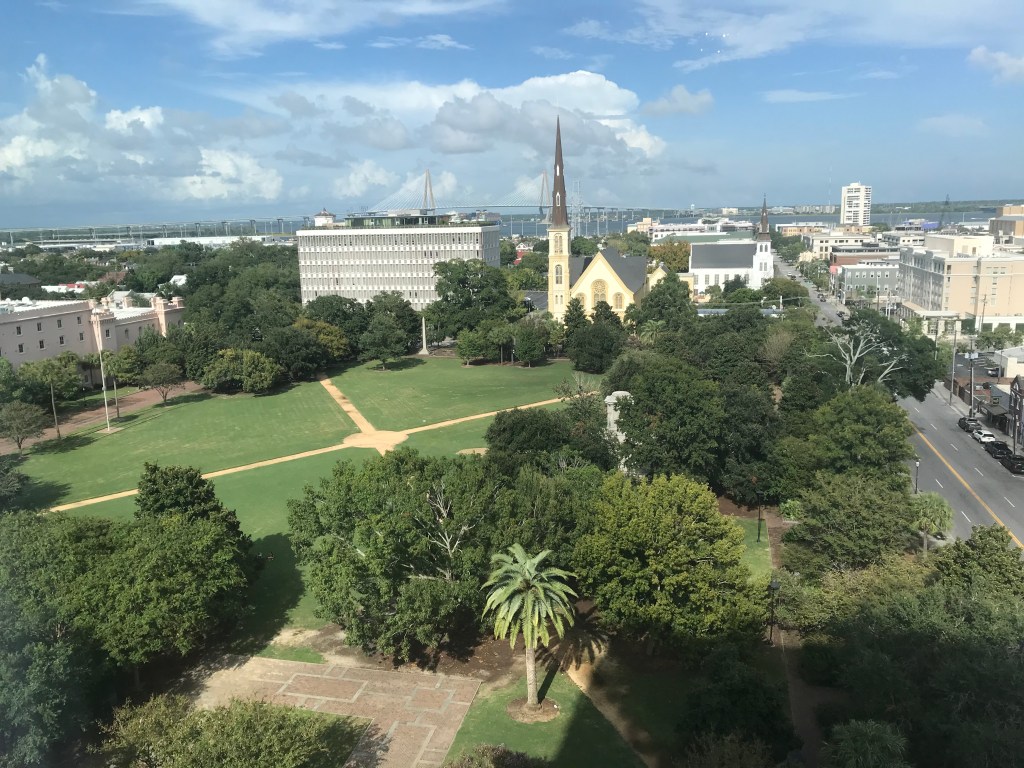
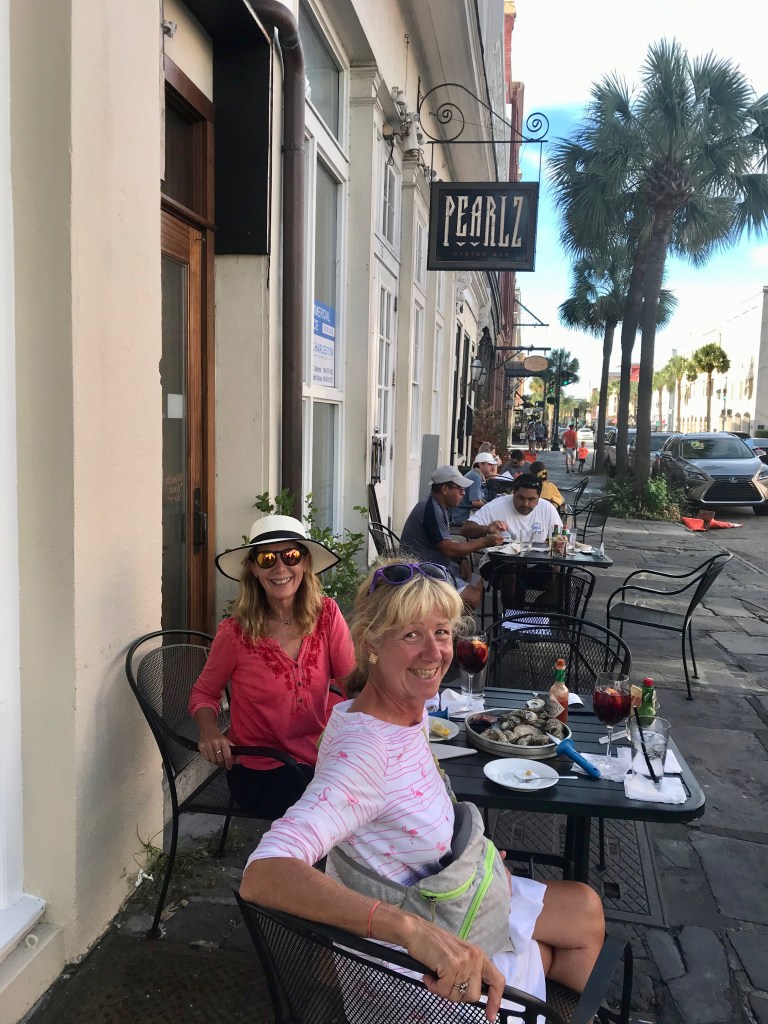
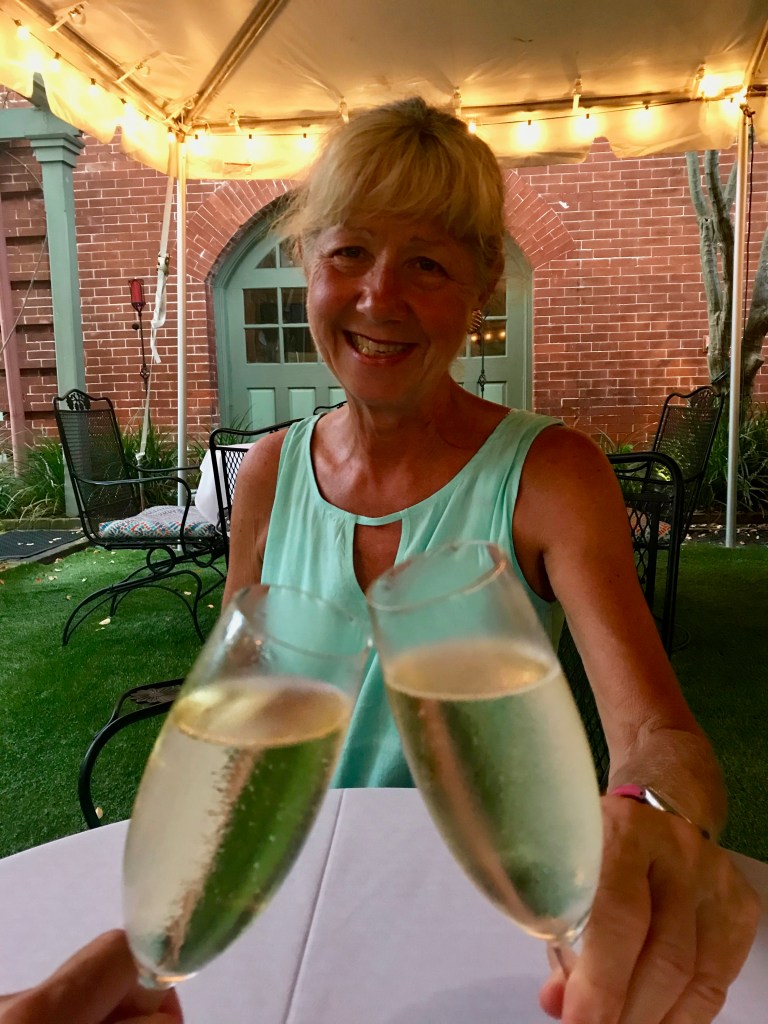
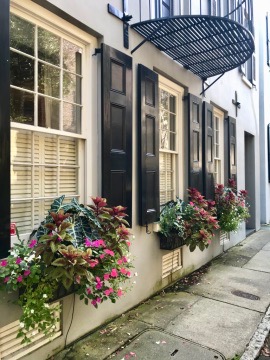
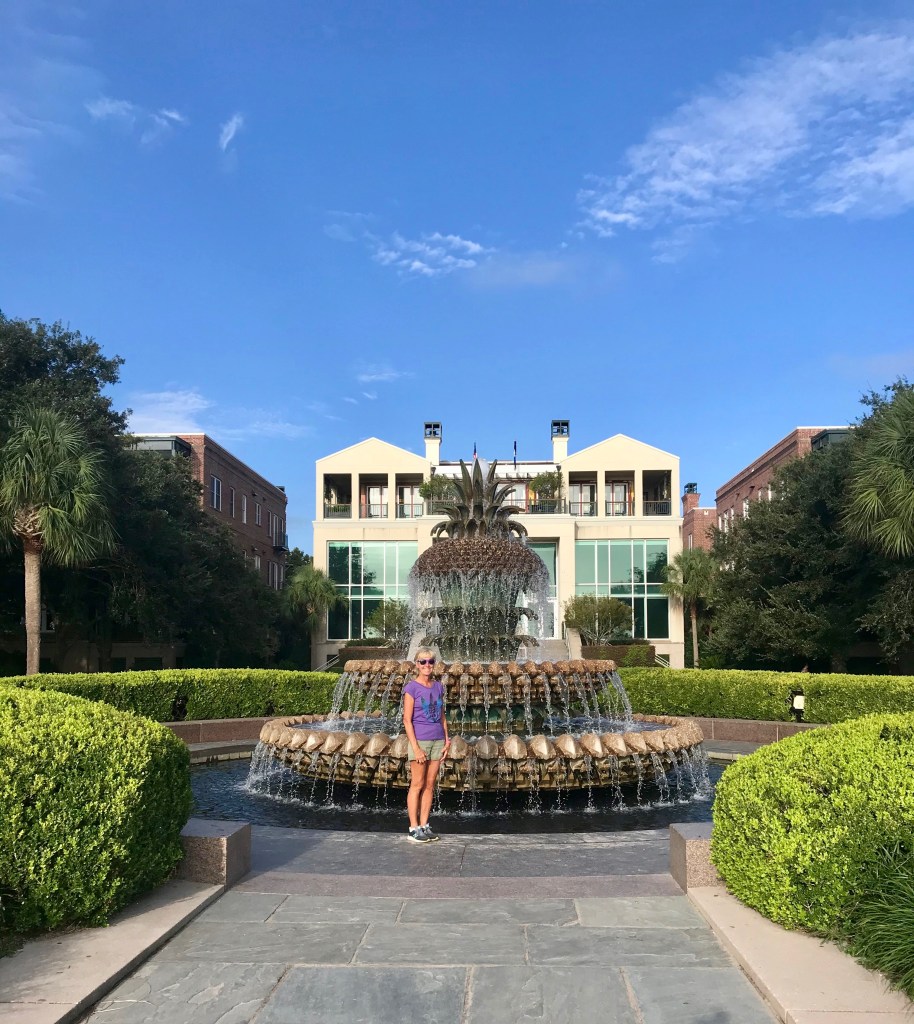
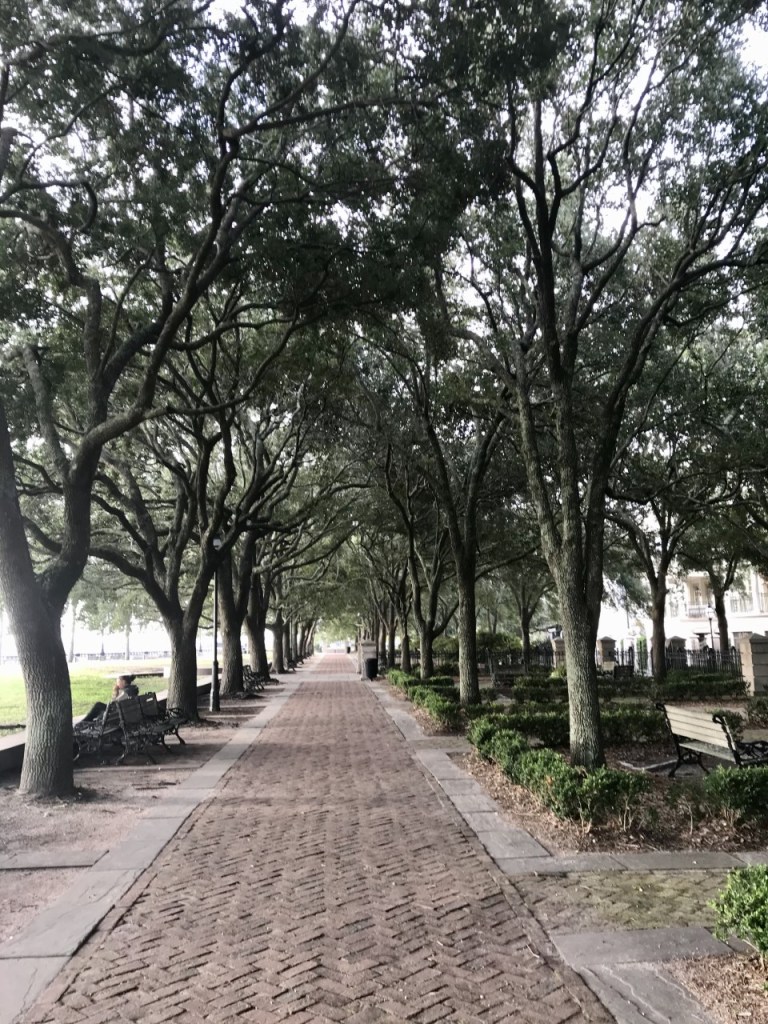
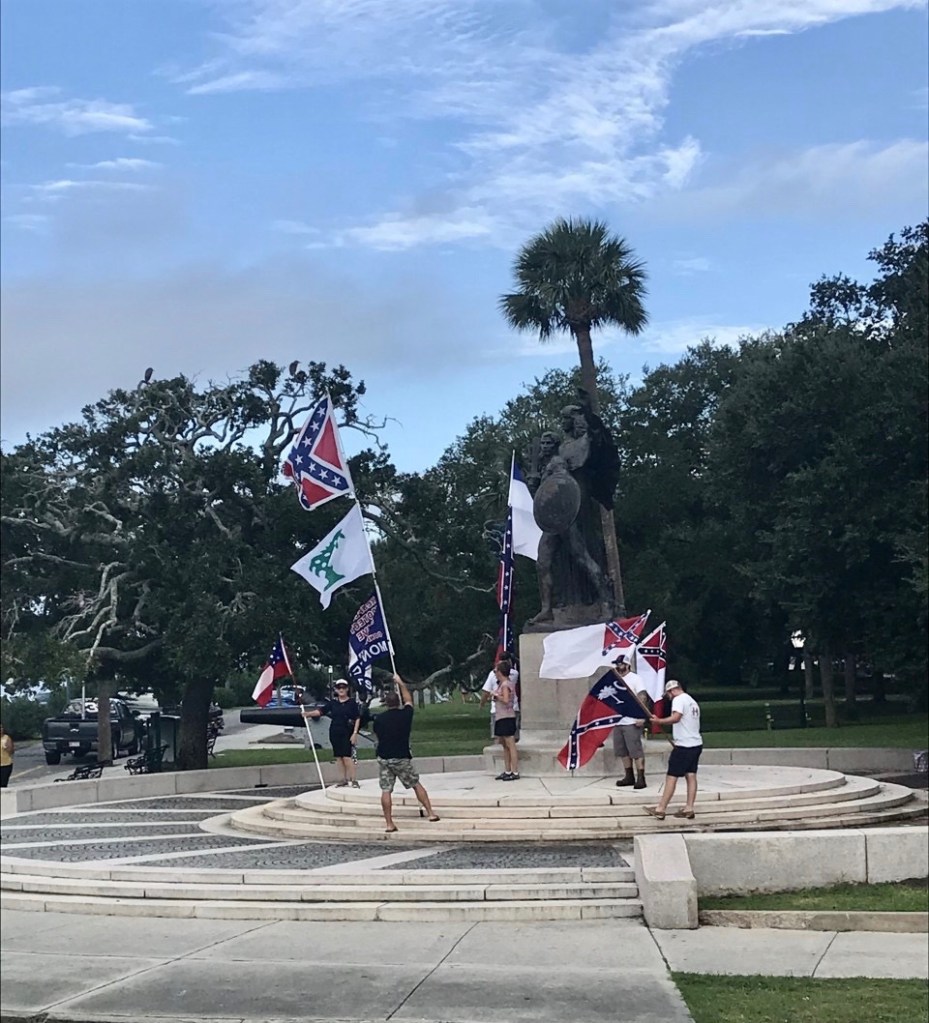
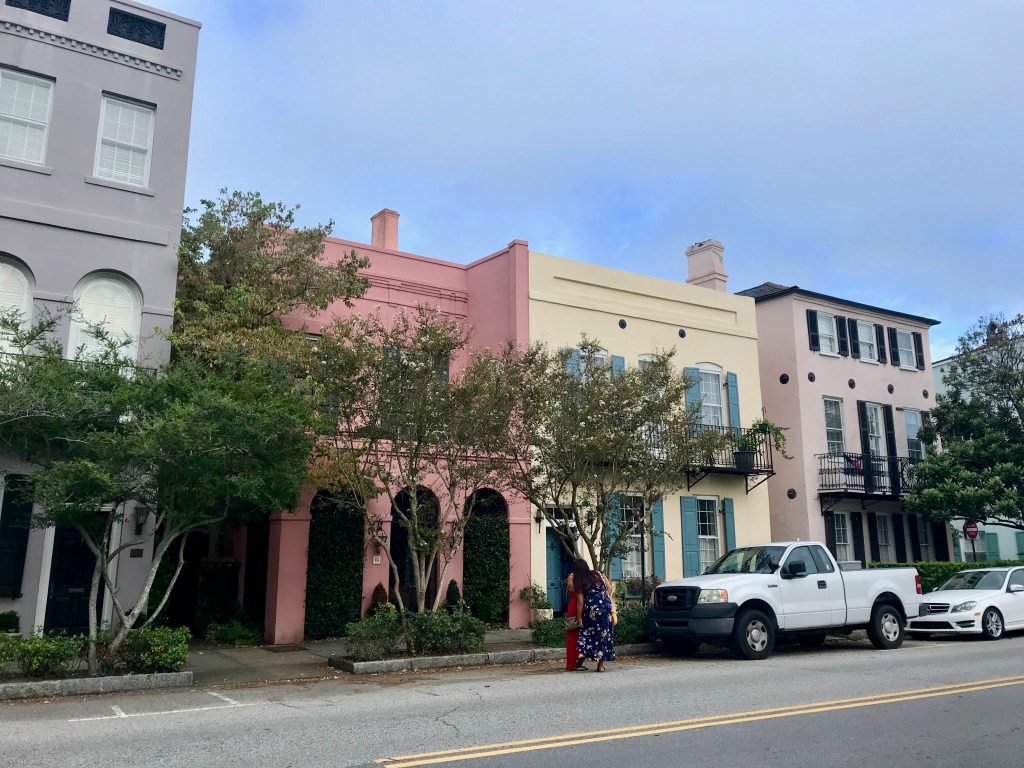
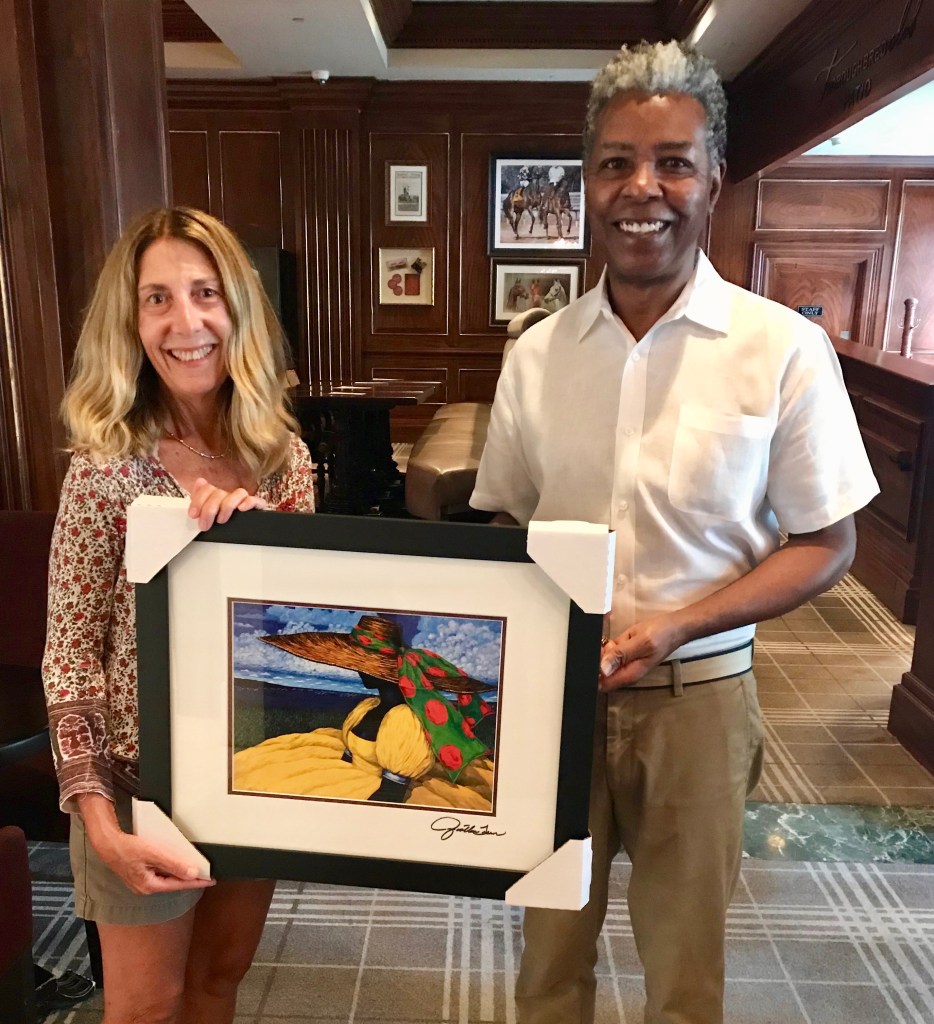
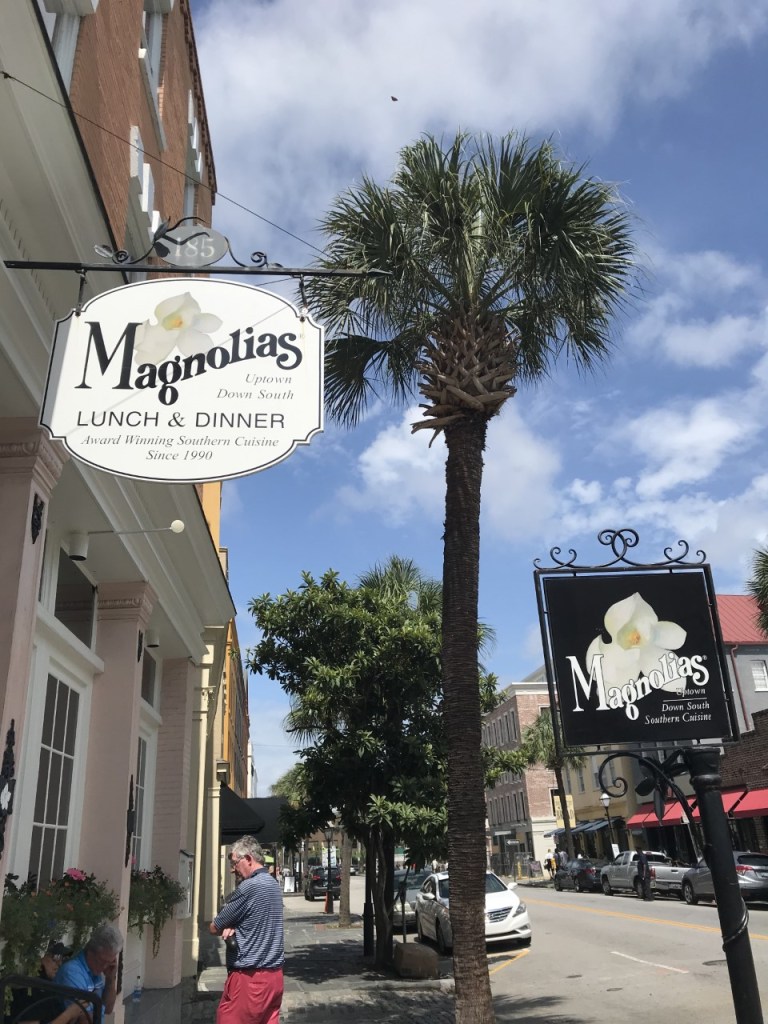
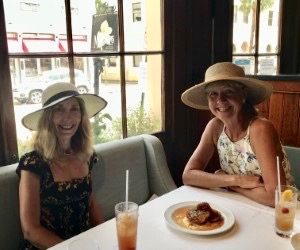
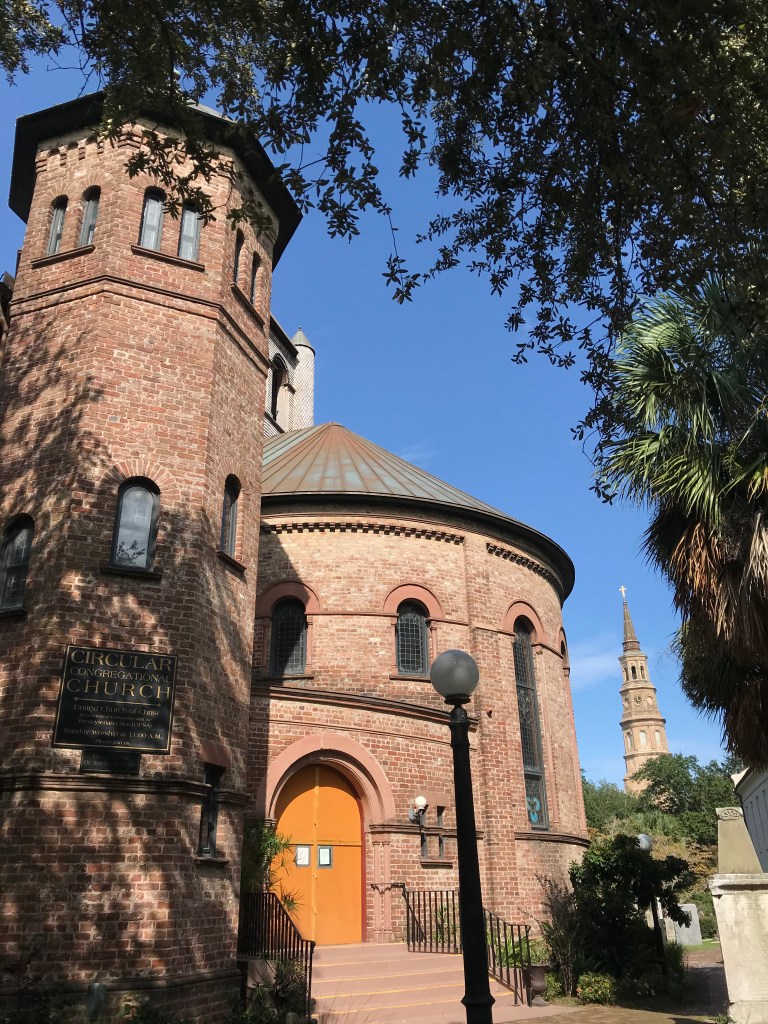
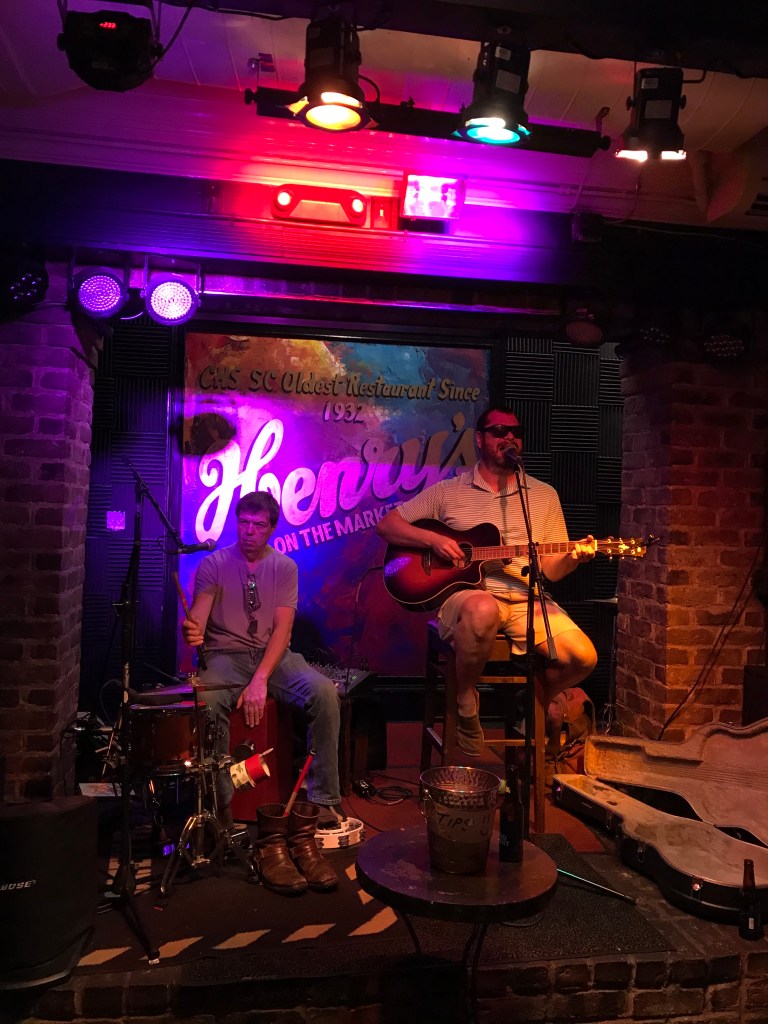


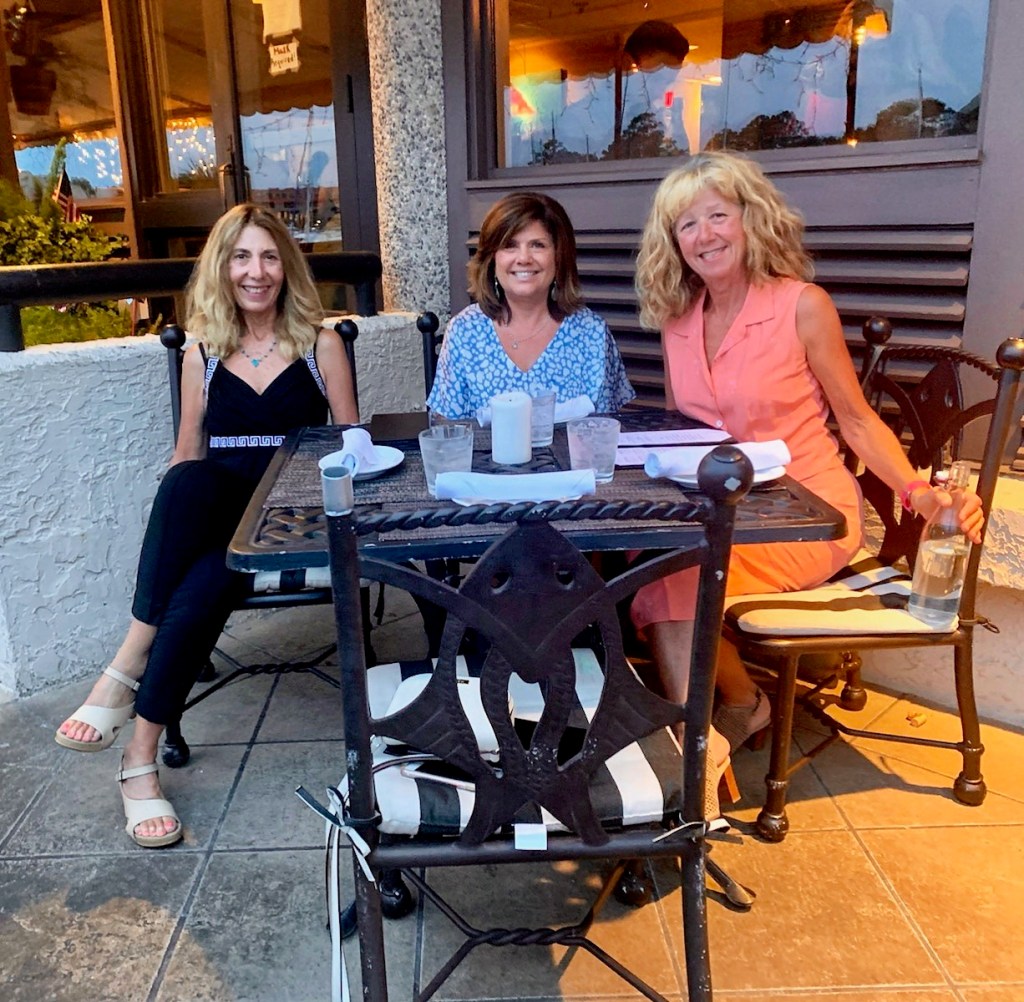
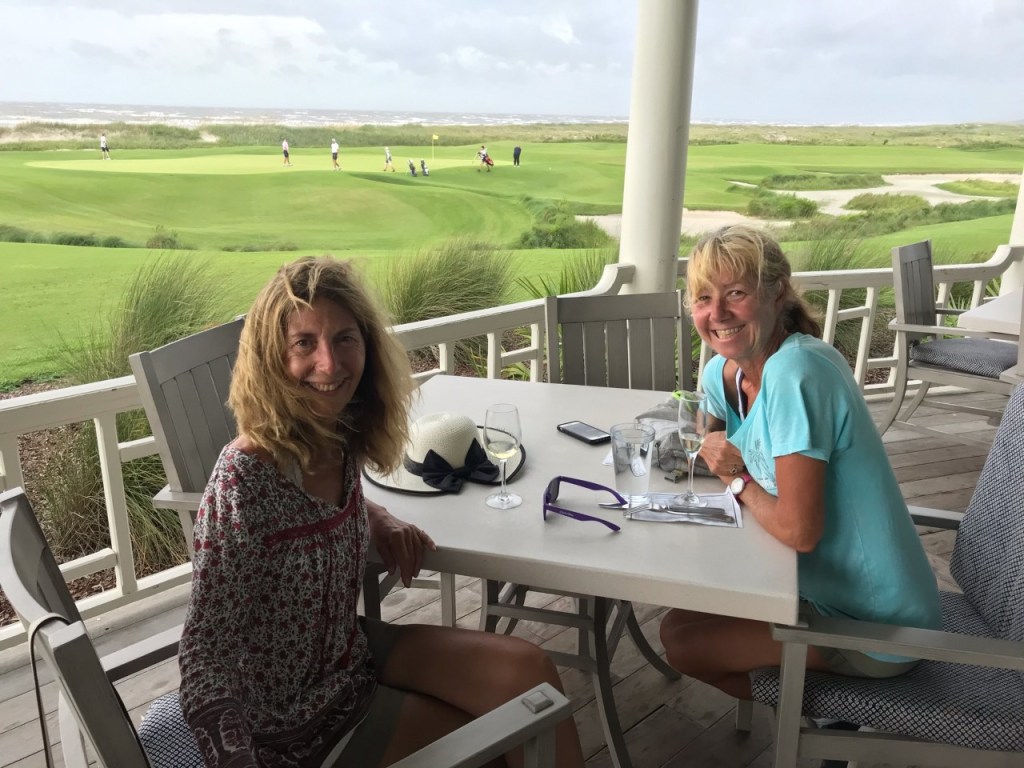

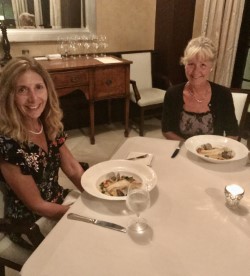
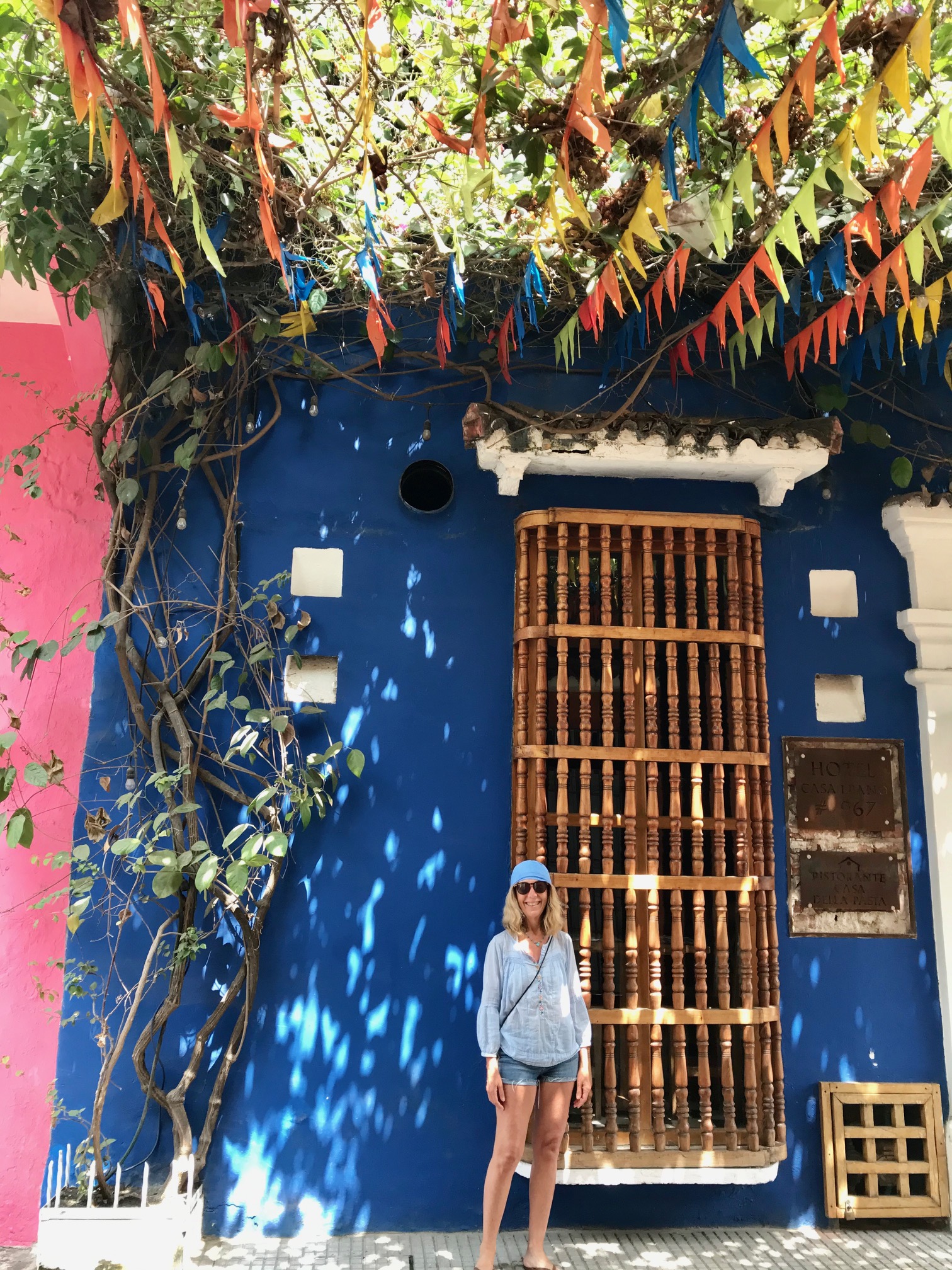 Don’t let safety concerns stop you from experiencing the explosion of colors, music, culture, and cuisine in Cartagena!
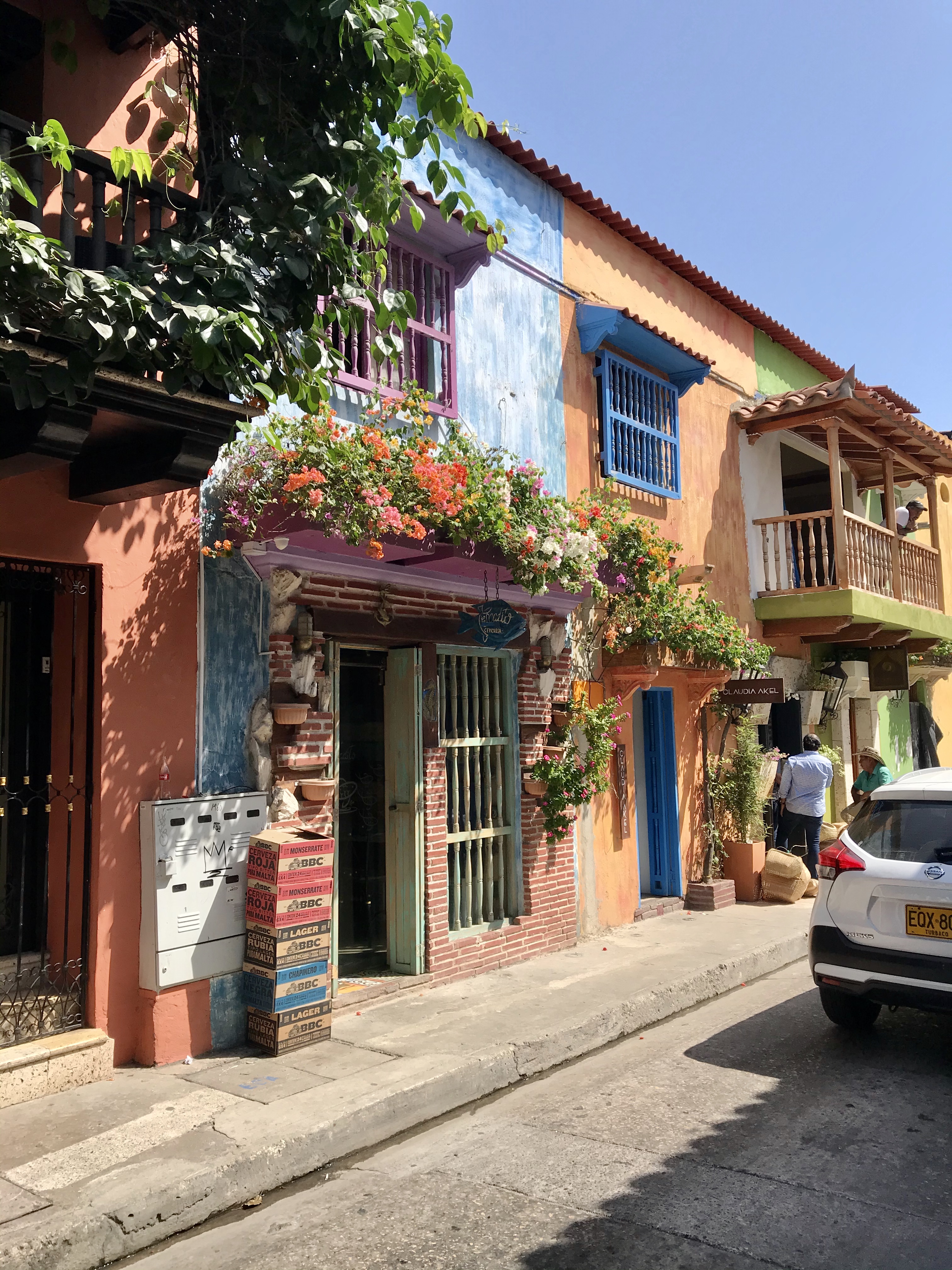 Four nights of our 8-day stay were spent inside the walls of this historic area.
 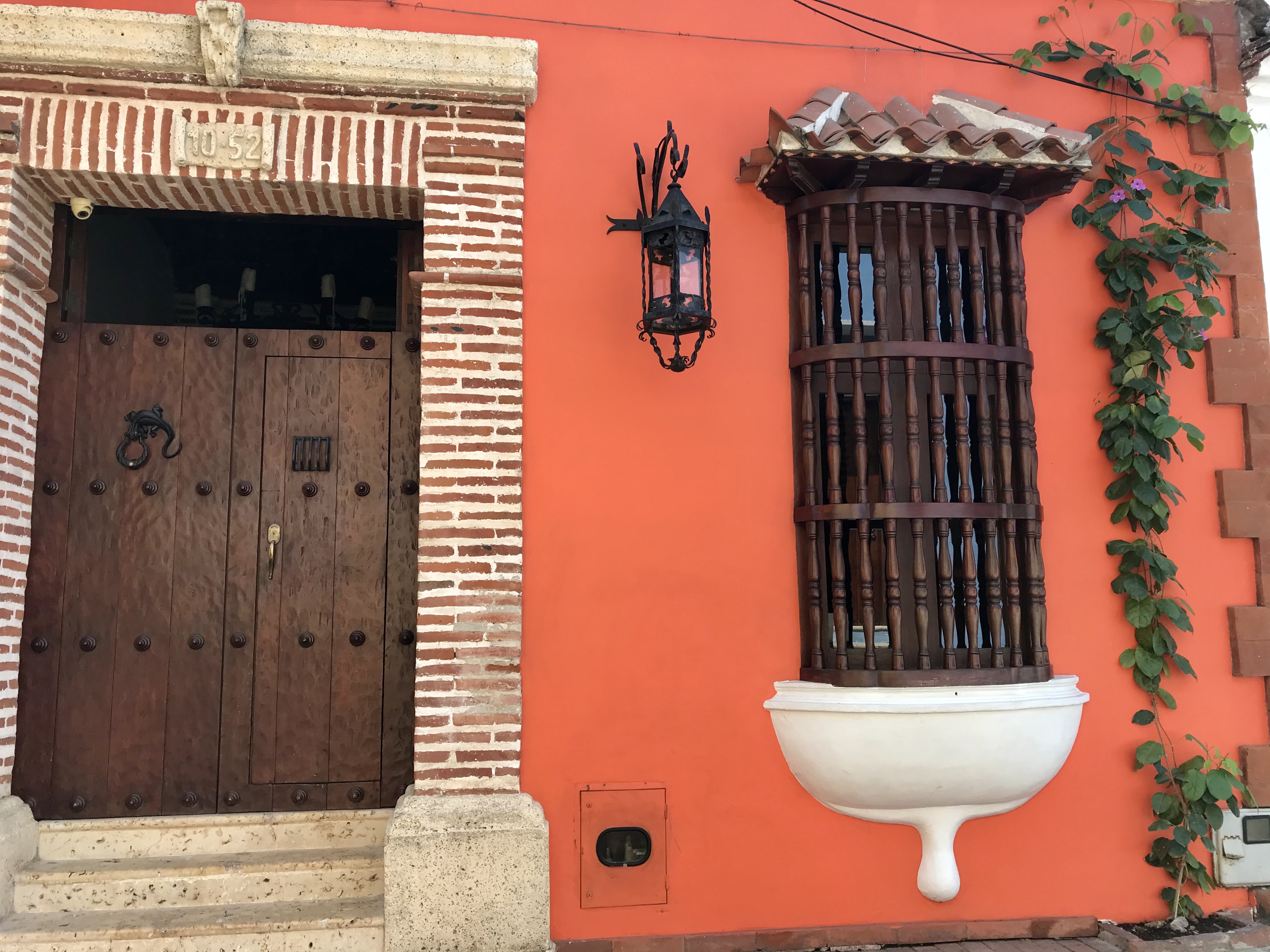 It was easy to fly from Virginia; ORF direct to MIA then Miami direct to Cartagena. And, there’s no time difference so no jet lag. Just make sure to factor in the hour + that it takes to clear immigration upon return to Miami. (Note: Global Entry is worth it.) Also, the electrical outlets are the same as US so I didn’t need an adapter.
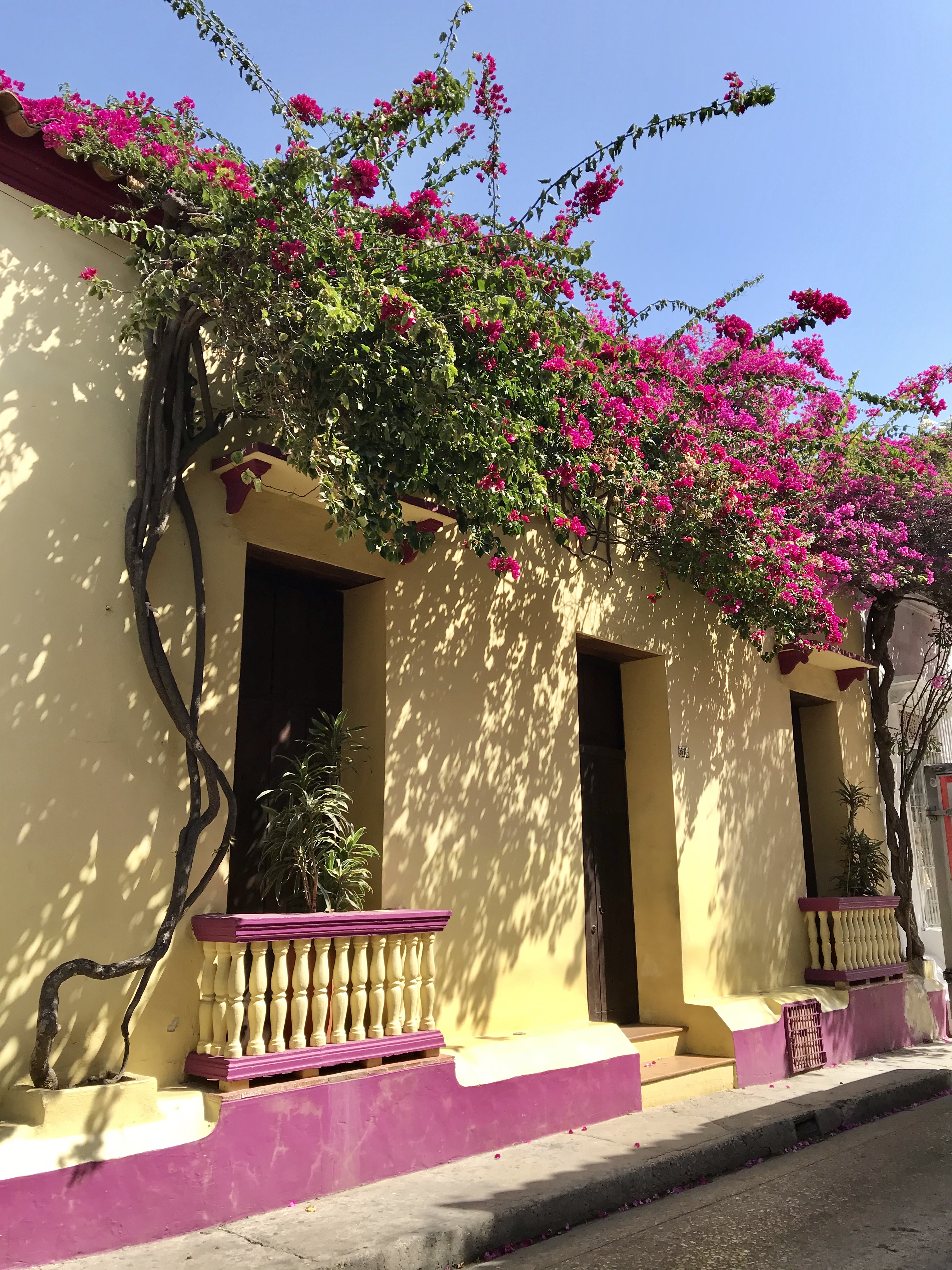 By early afternoon on the first day we were at one of countless boutique hotels, Casa Quero in the San Diego district. The entire old city can be walked and I pretty much walked it every day and night. I never felt unsafe. I don’t recall seeing any police but locals told me the old city is virtually crime-free. Funny, but it’s also pet-free. No animals are allowed.
 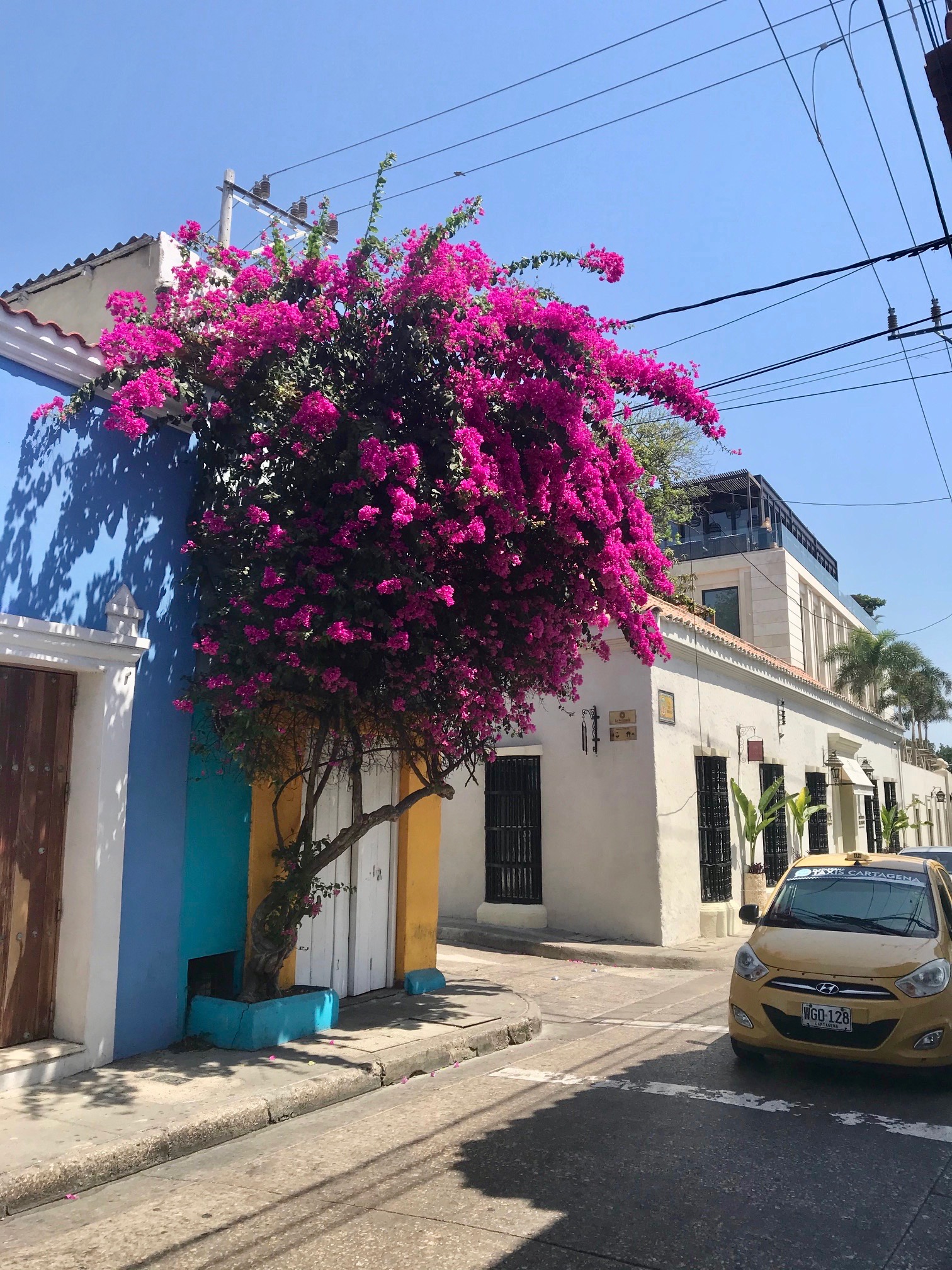 Every morning we were served a delicious breakfast of fruit, pastries, Colombian coffee, fresh-squeezed juices, and bright yellow eggs.
 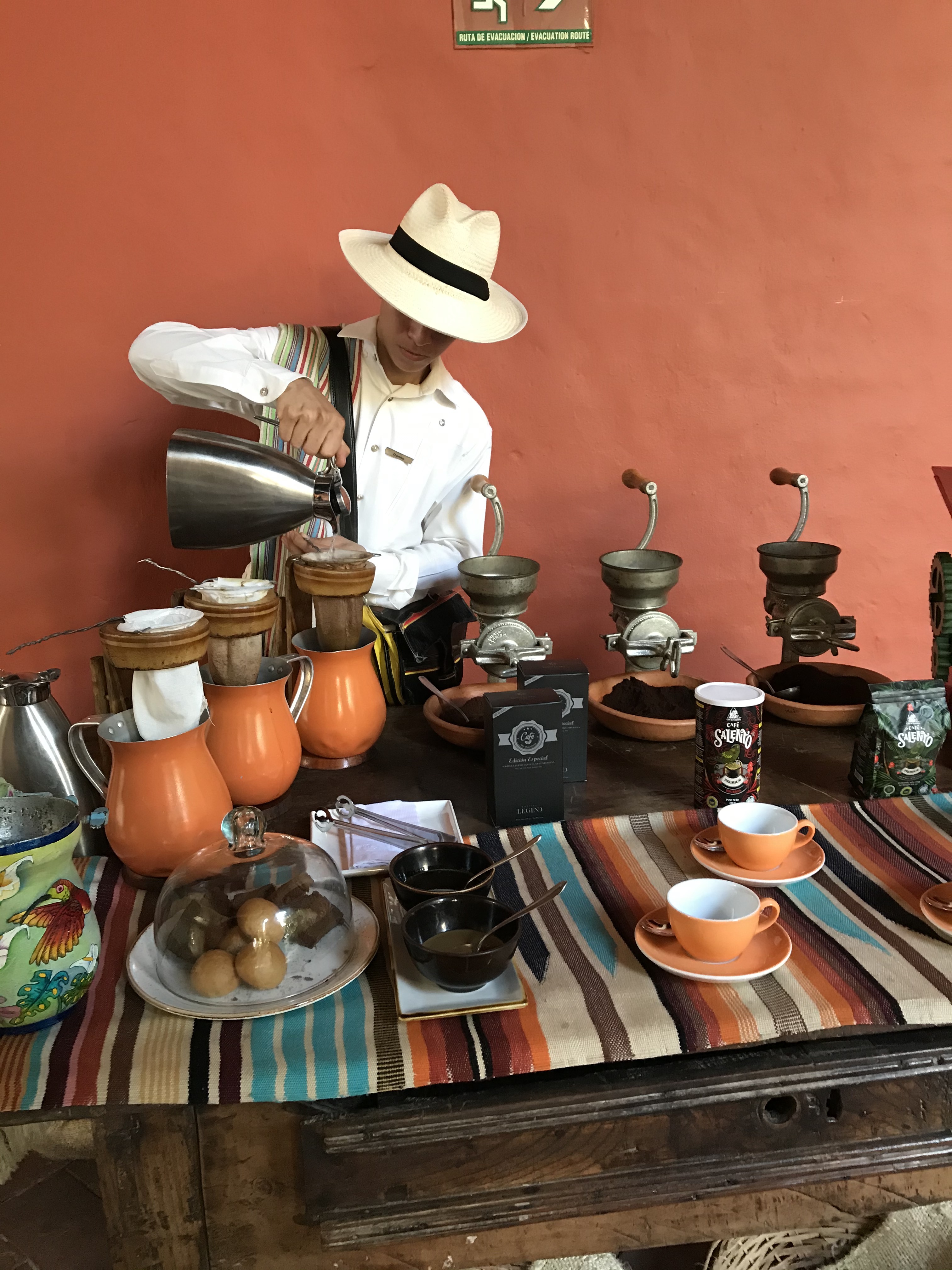 Follow that with a walk on the old wall and you’ve got the start to a wonderful day.
 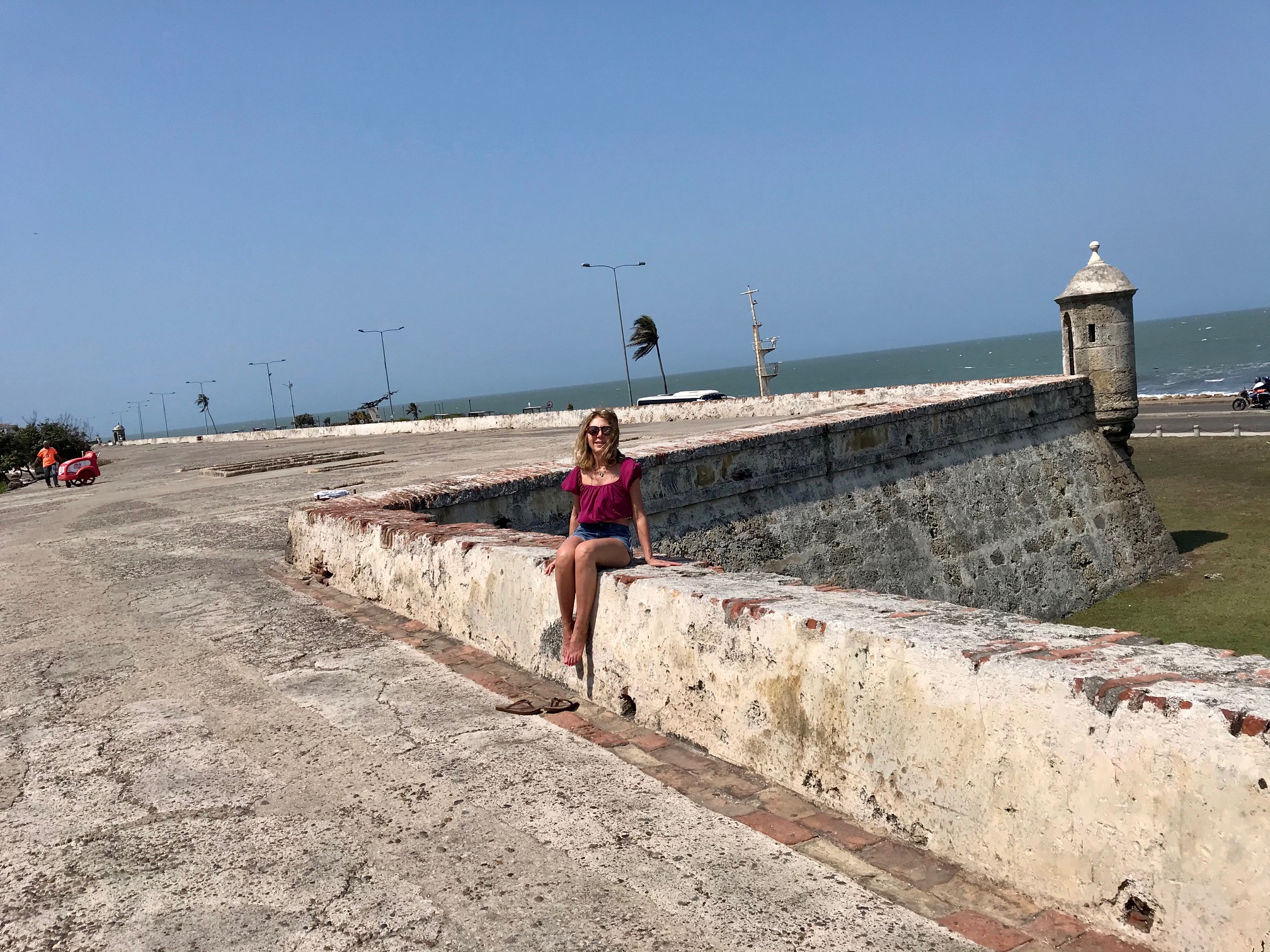 We made reservations for dinner occasionally but, mostly, we preferred to walk around and stumble into cafes with live music. “Champeta” is a fun style of dance music with electric guitar, bass, conga drums, and vocals that originated in Cartagena in the 70’s. It’s perfect for the Caribbean-party atmosphere.
 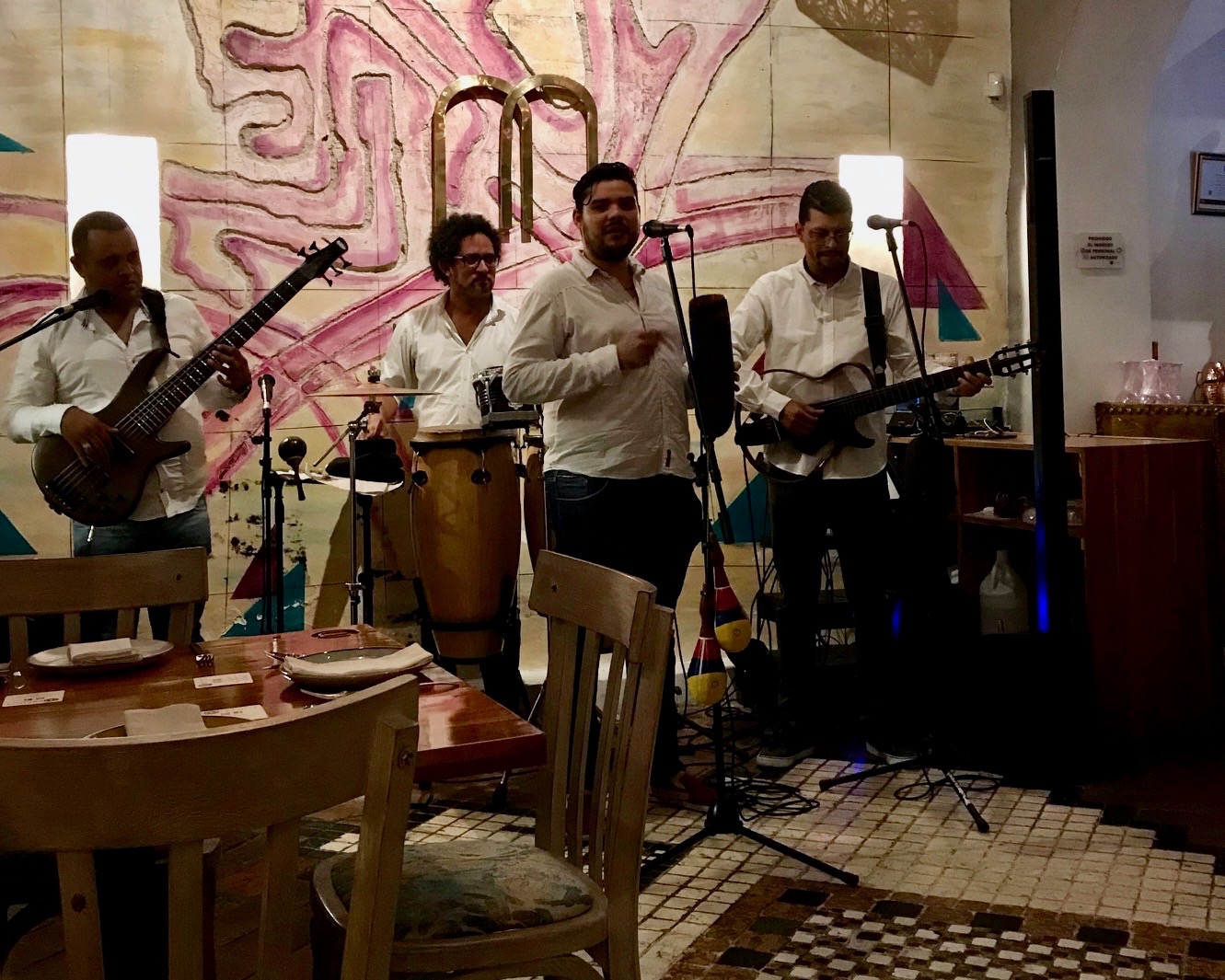 And there is a vivid Cuban influence in the music, food, and cigar sales.
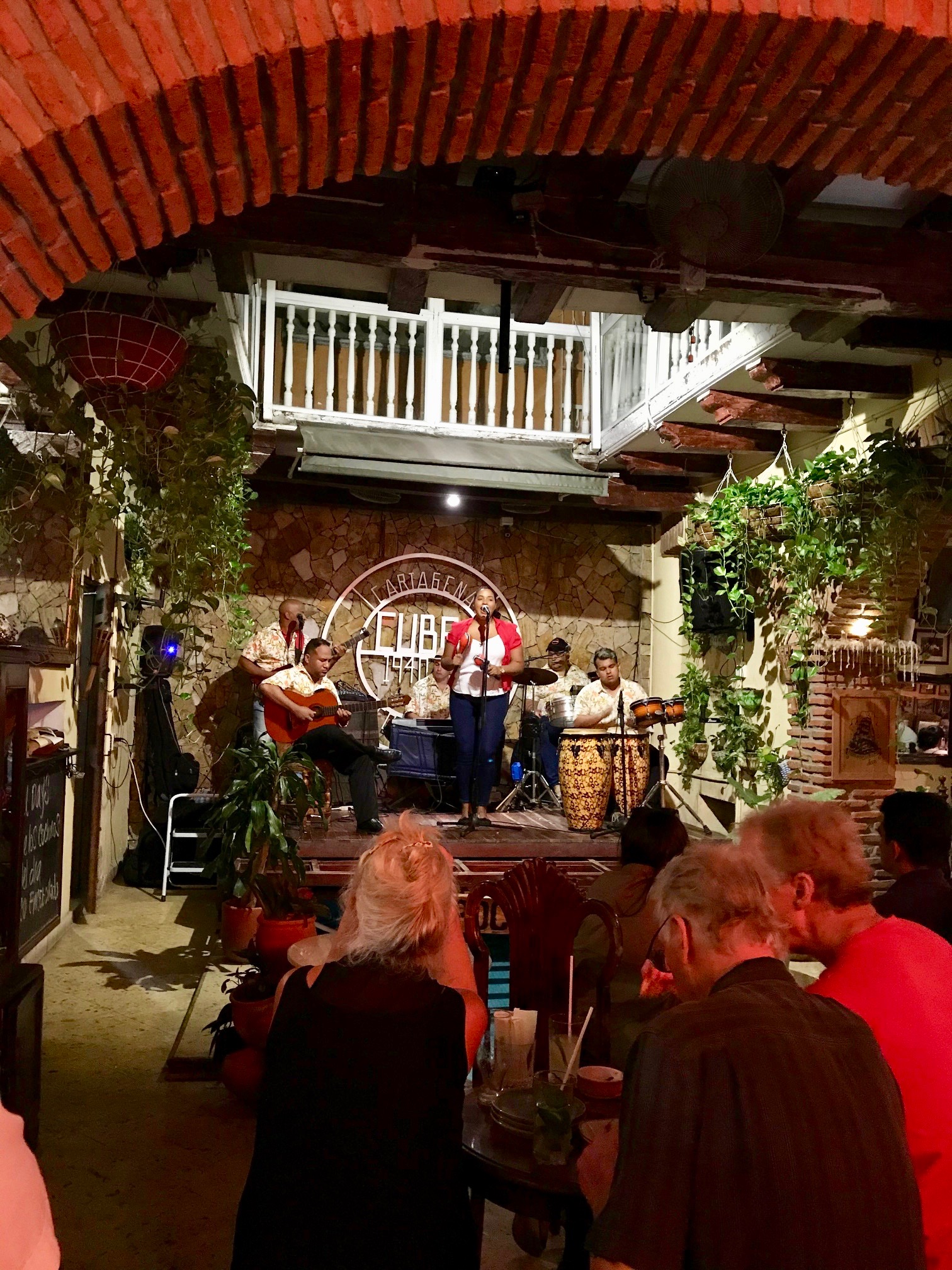 Several evenings we walked to “Cafe del Mar” for sunset-viewing. The cafe is situated right on the old wall at its western-most point and is open from 4:30 PM to 1:00 AM daily. It features contemporary, live music and is packed with both locals and tourists creating a festive atmosphere. Arrive early if you want a seat and don’t be shy to ask if you can join others at table that has empty seats. We met a lovely couple from Brazil that way.
 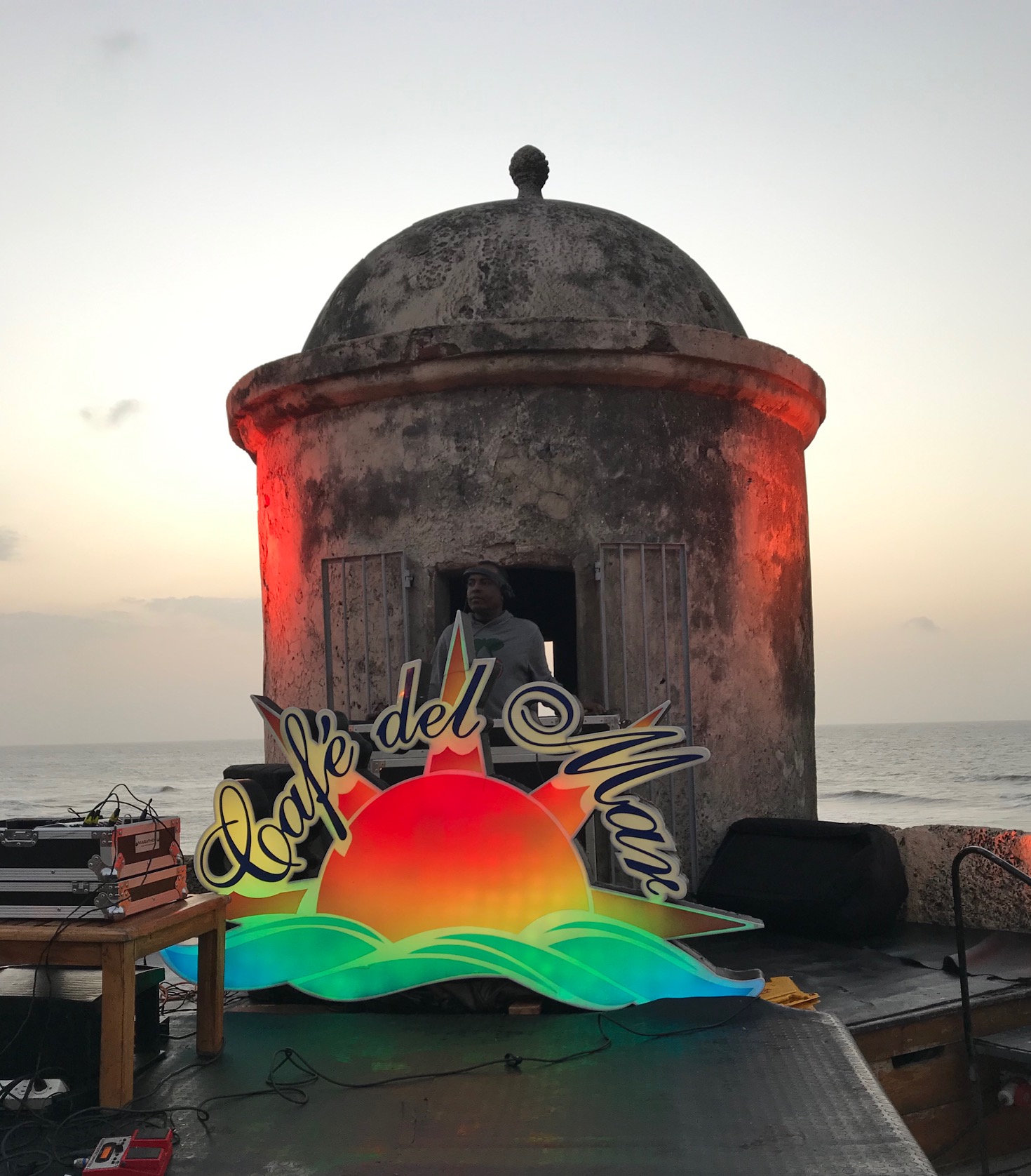 One of our favorite restaurants, “Mardeleva”, had a Cuban band 7 nights a week. Most all restaurants serve fresh fish and ceviche. Being a pescatarian was no problem.
  Perhaps, the most celebrated Colombian author is Gabriel Garcia Marquez who wrote “A Hundred Years of Solitude.” One entire wall of the “Mardeleva” was covered in the novel.
  The weather was consistently low-90’s in the day and mid-70’s at night–perfect in my book. The mornings were still but a strong breeze began everyday about noon and continued after midnight.
 And so many gorgeous doors.
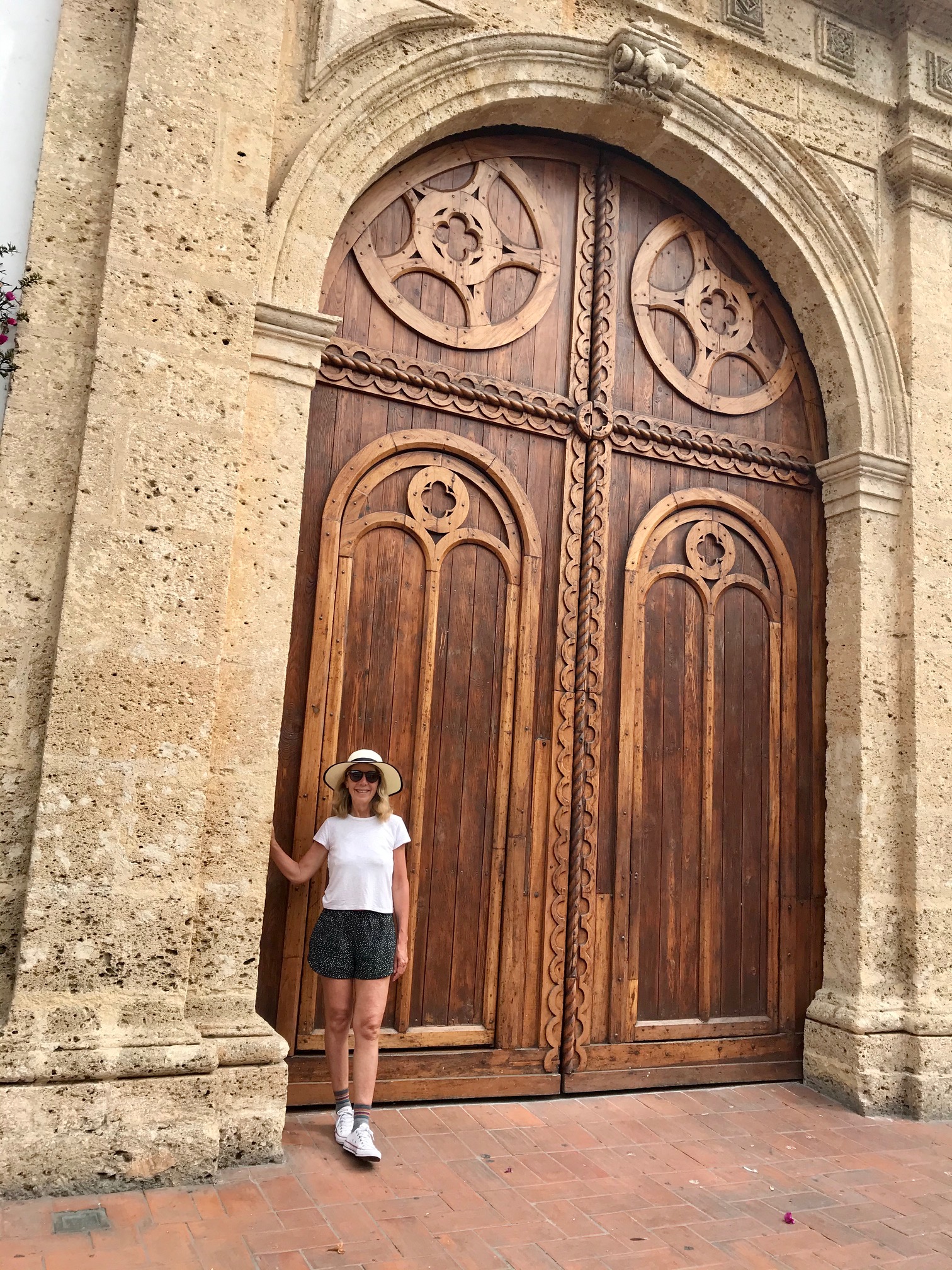 Going inside the churches is always free.
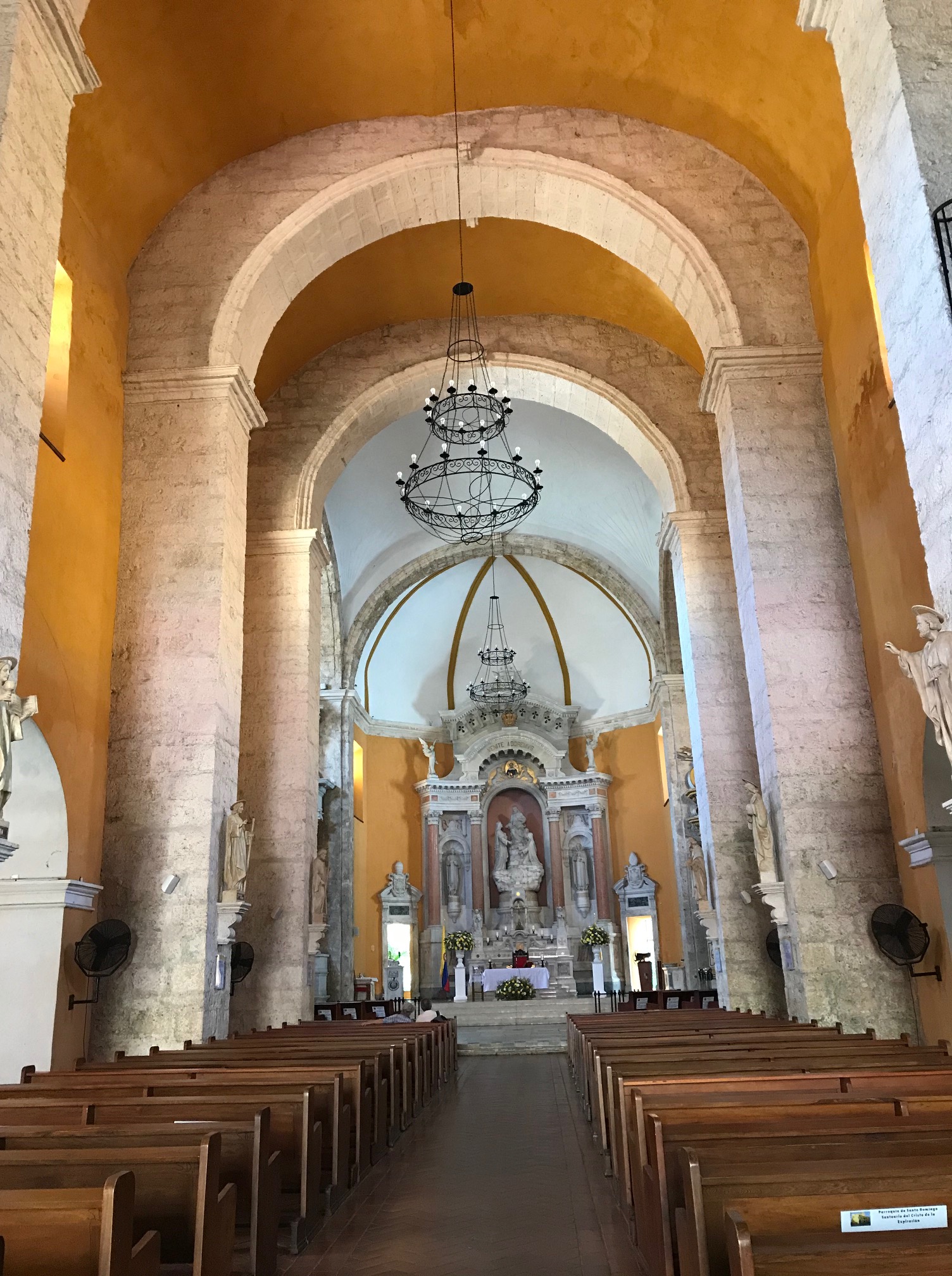 I saw a lot of bridal parties including a couple riding in a horse-driven carriage and a big group from the US.
 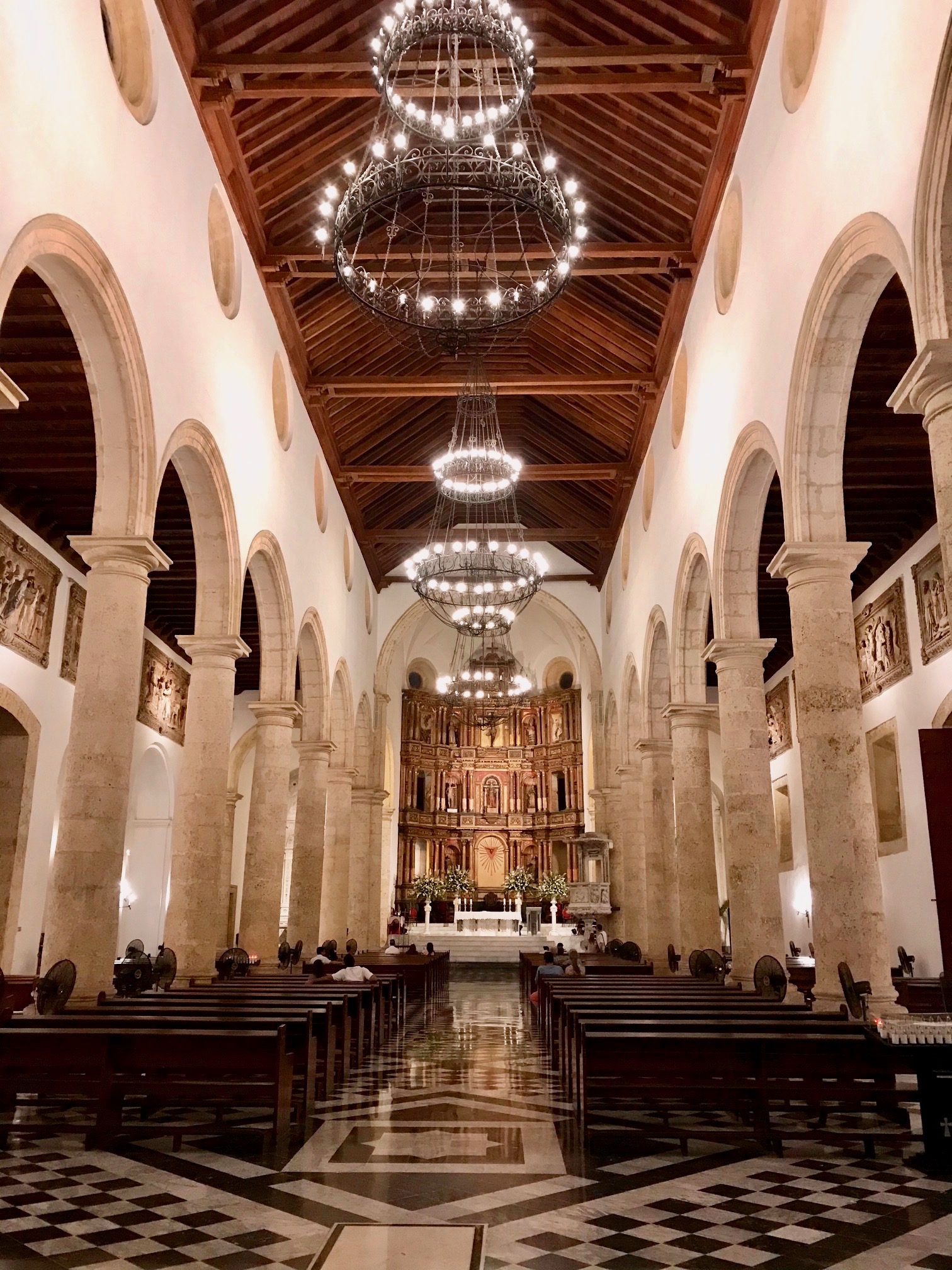 Sculptures are common in the plazas. This sculpture by renowned Colombian artist/sculptor, Fernando Botero, is in Plaza San de Santo Domingo. His signature style depicts people and animals in exaggerated size.
 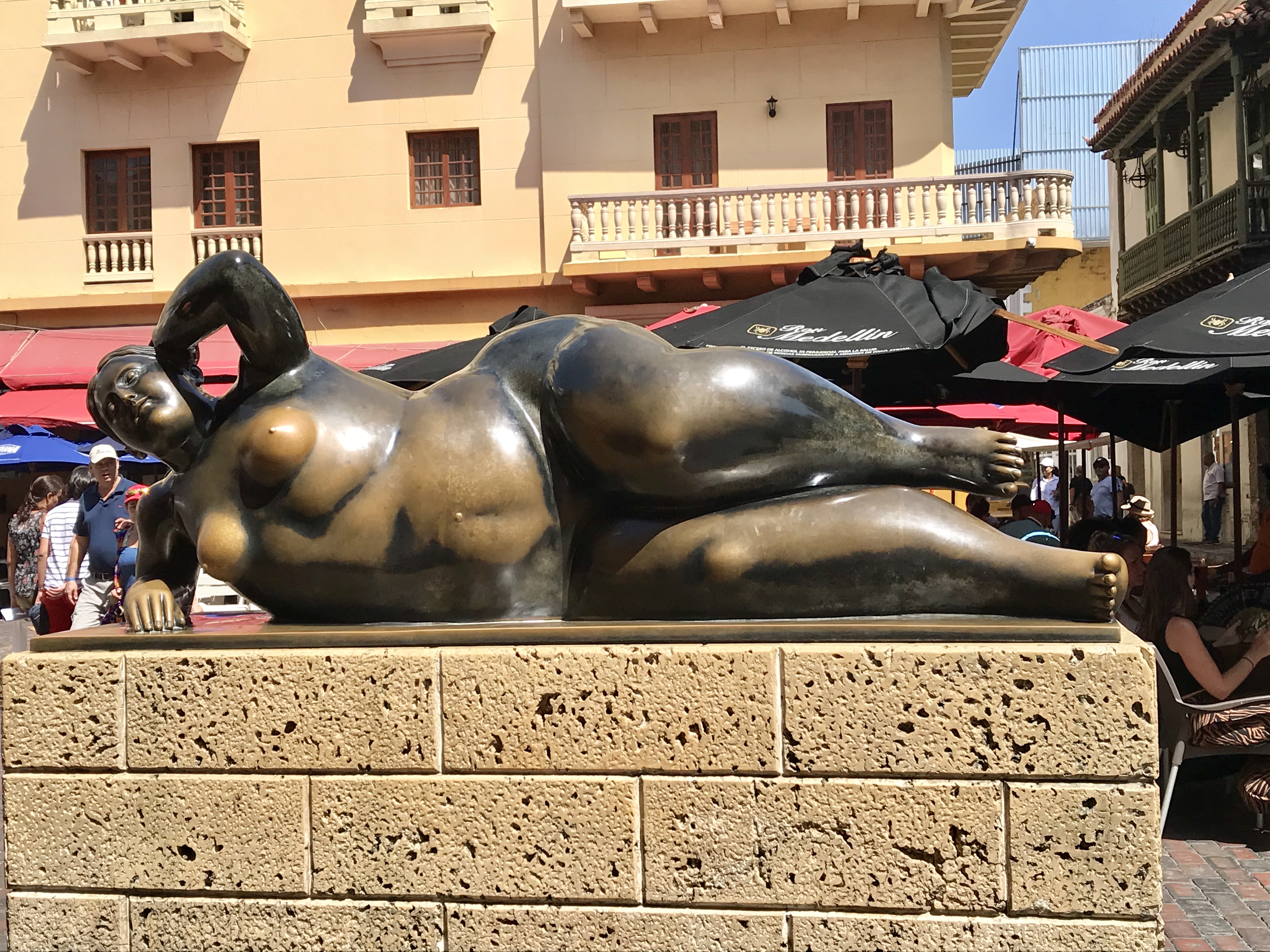 Leaving Cartagena temporarily, we took an hour and a half boat ride to the Rosario Islands. Many people go to the islands for a day trip to enjoy the white sand beaches, azure blue water, and diving/snorkeling but we opted for a two-day stay at Las Islas, an upscale eco-lodge with treehouses.
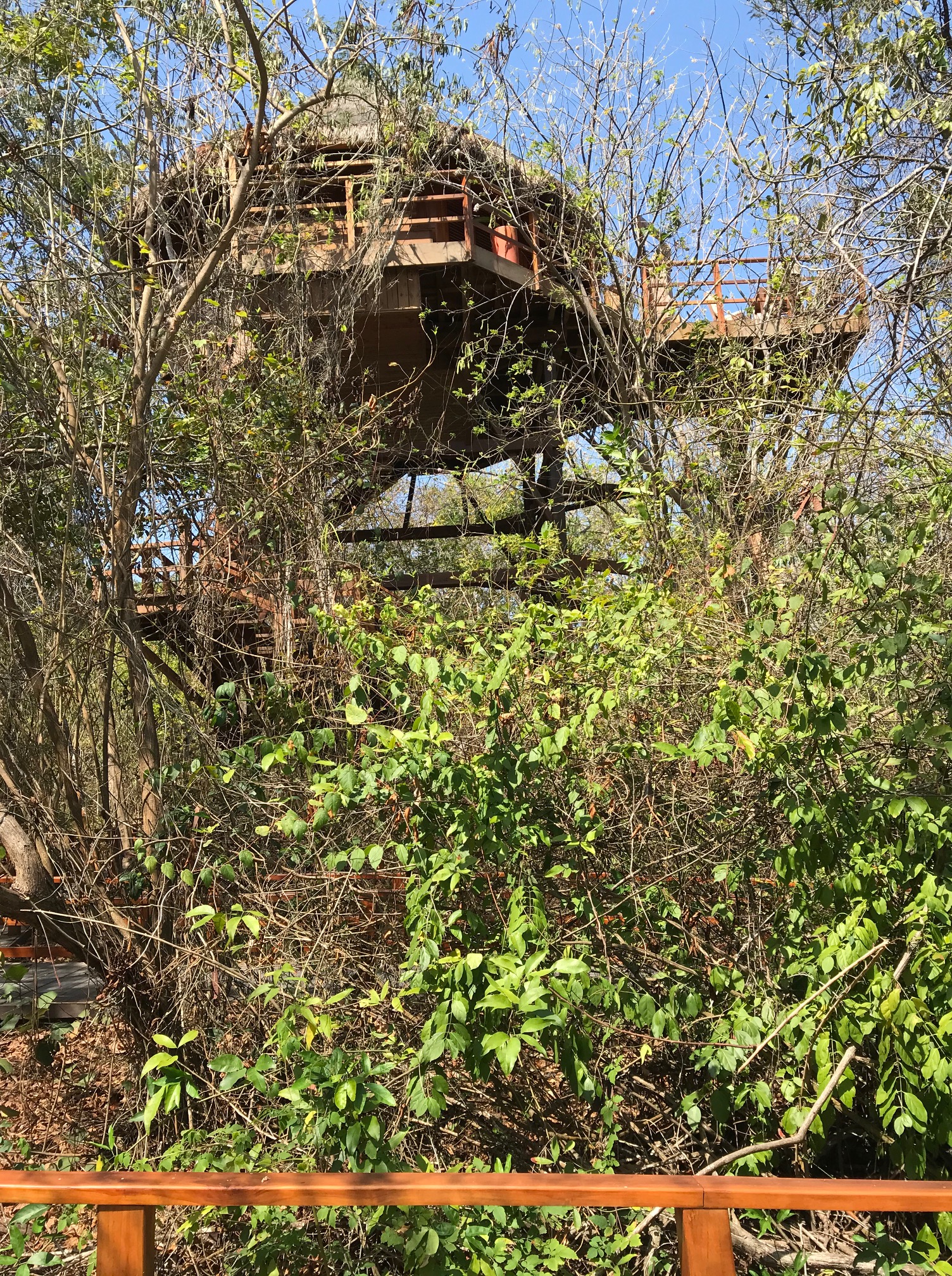 The treehouse architects/engineers created a masterpiece that is beautiful, functional and very fun.
 Each treehouse features a private shower and jacuzzi, air conditioning, wifi, and all the luxuries you might want. The most impressive part was the tranquility created by the merging of nature and structure, a constant breeze, an amazing view, complete privacy, and the sound of the waves all day and night.
 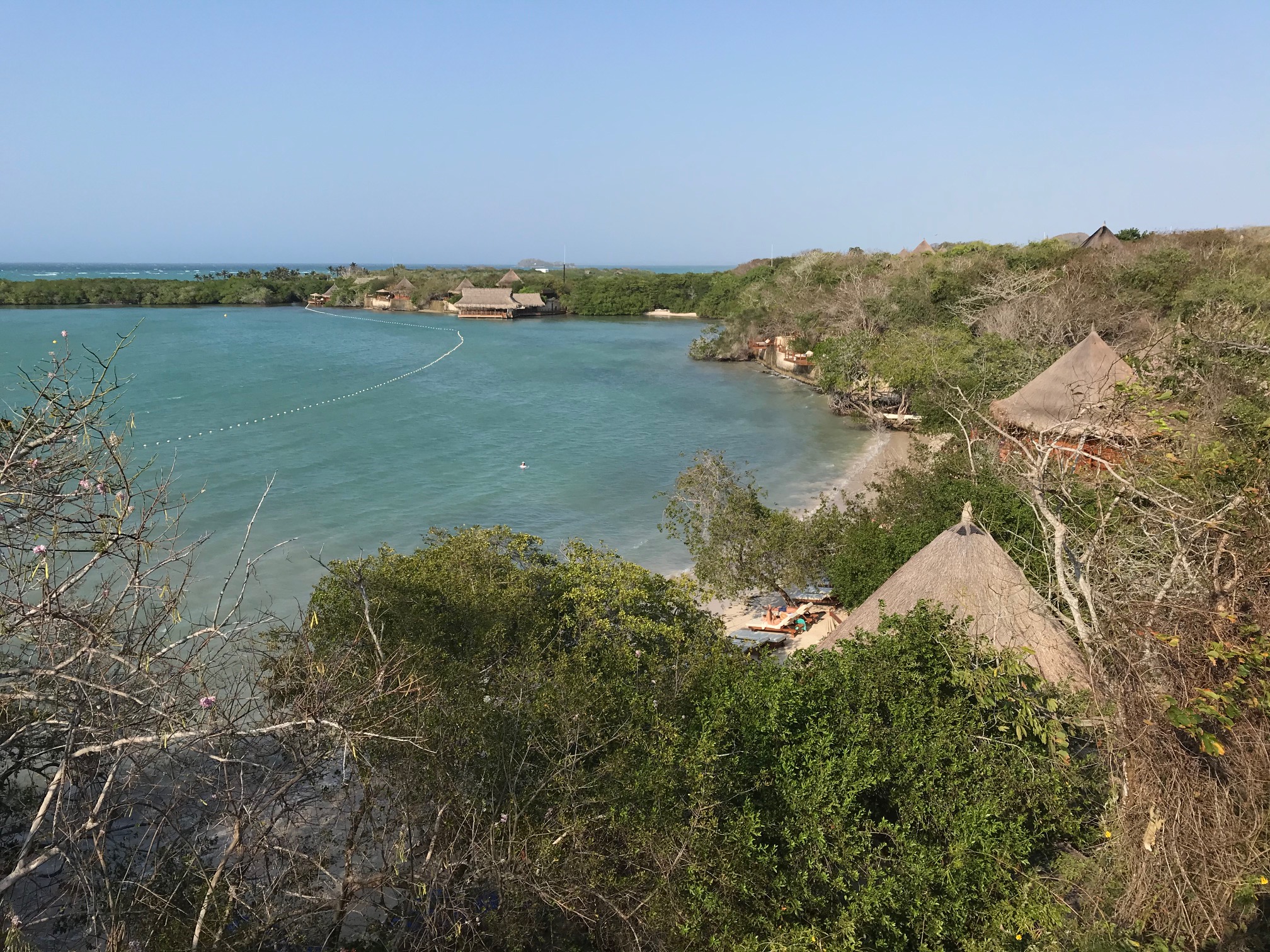 The resort includes a private island that’s about a 5-minute boat ride away plus three restaurants, each with its own character. Breakfast is on this pier,
 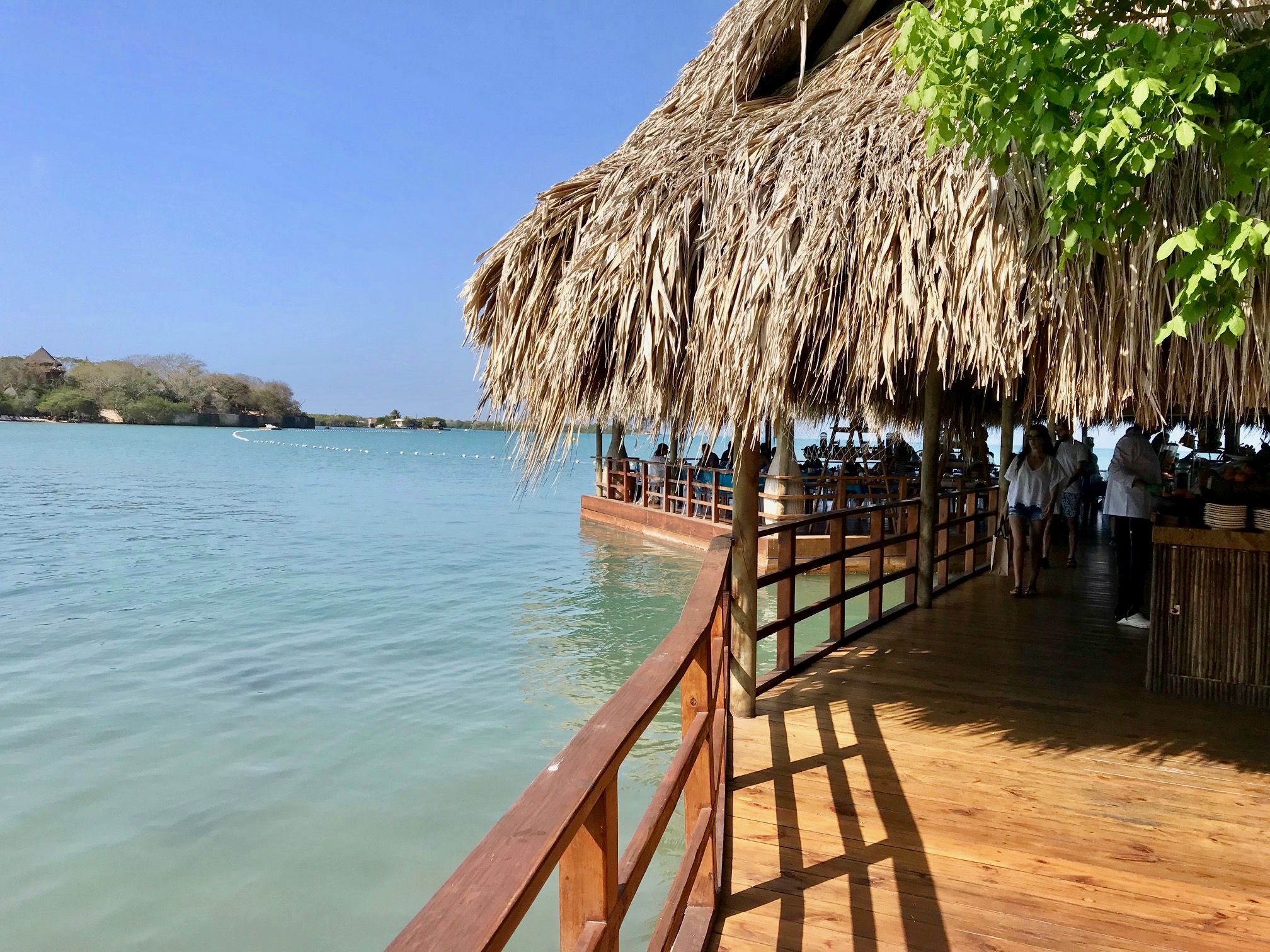 lunch is at a beach cafe on the sand, and dinner is at a very elegant restaurant up on a hill.
 All the construction materials blend with the natural environment.
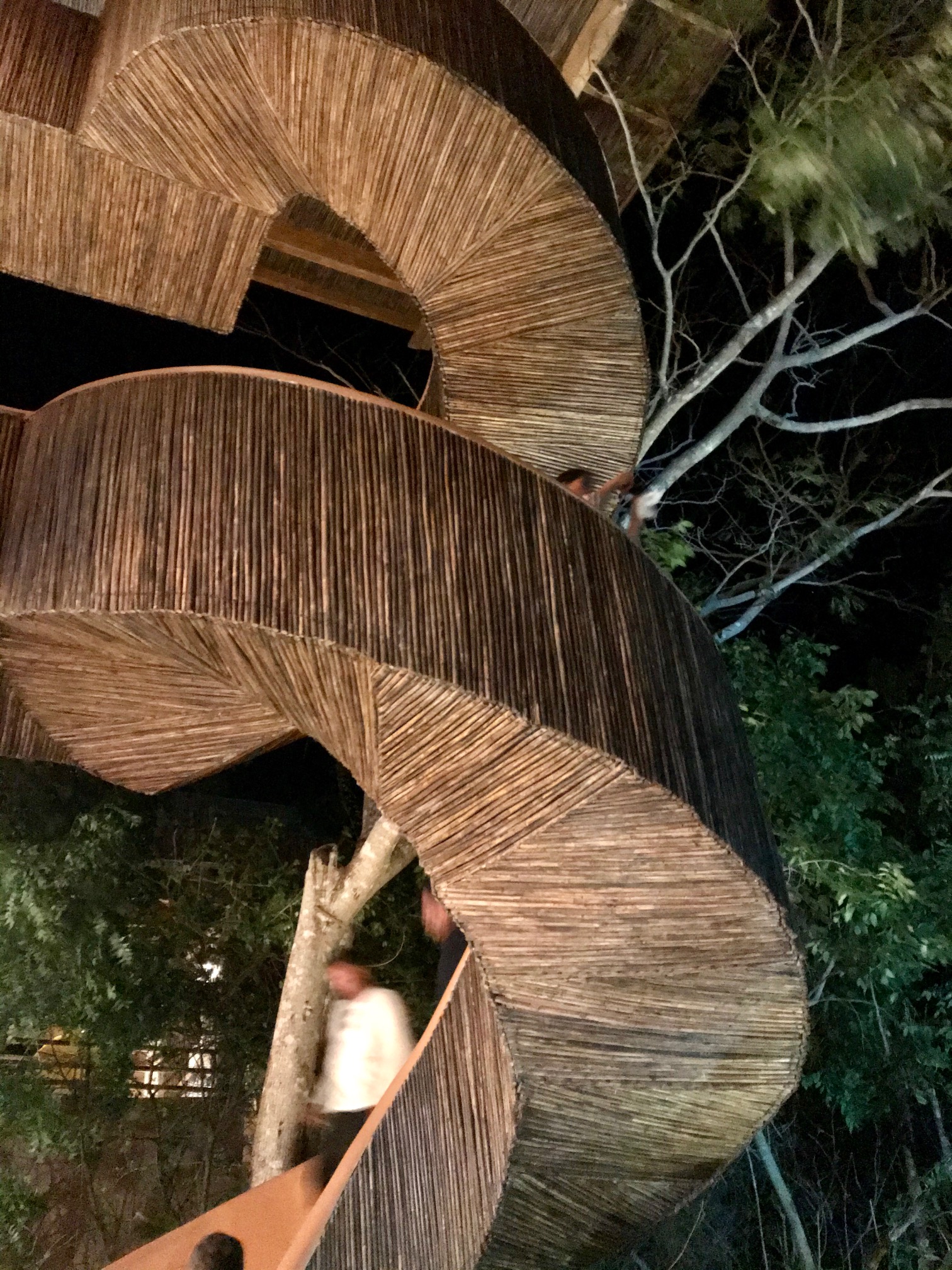 And the dramatic lighting adds to the atmosphere. So many of the buildings have walls but no roofs or vice-versa, roofs but no walls, so that it’s questionable whether you’re sitting inside or outside.
 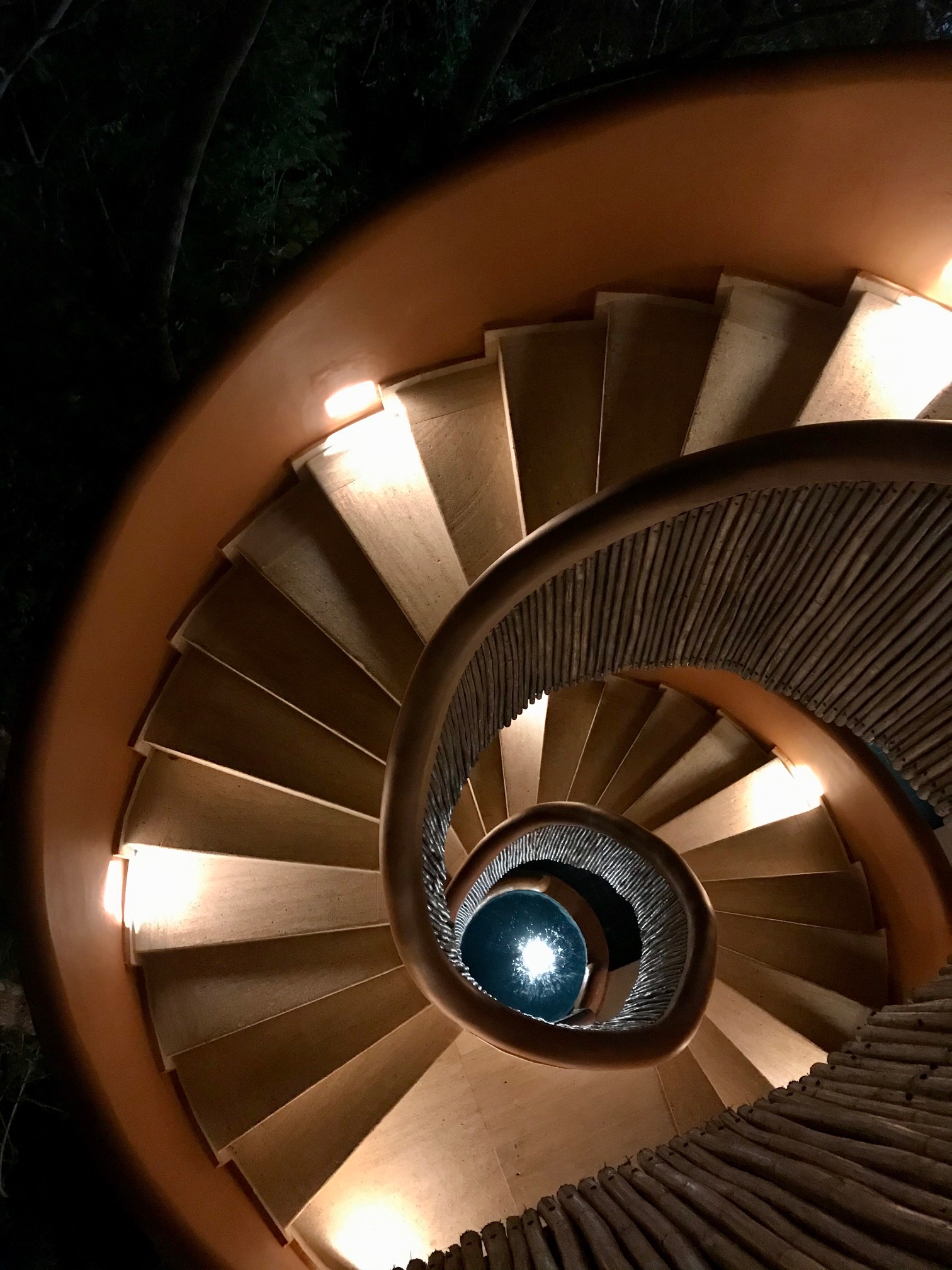 My grilled lobster with coconut rice cost about $30 US.
 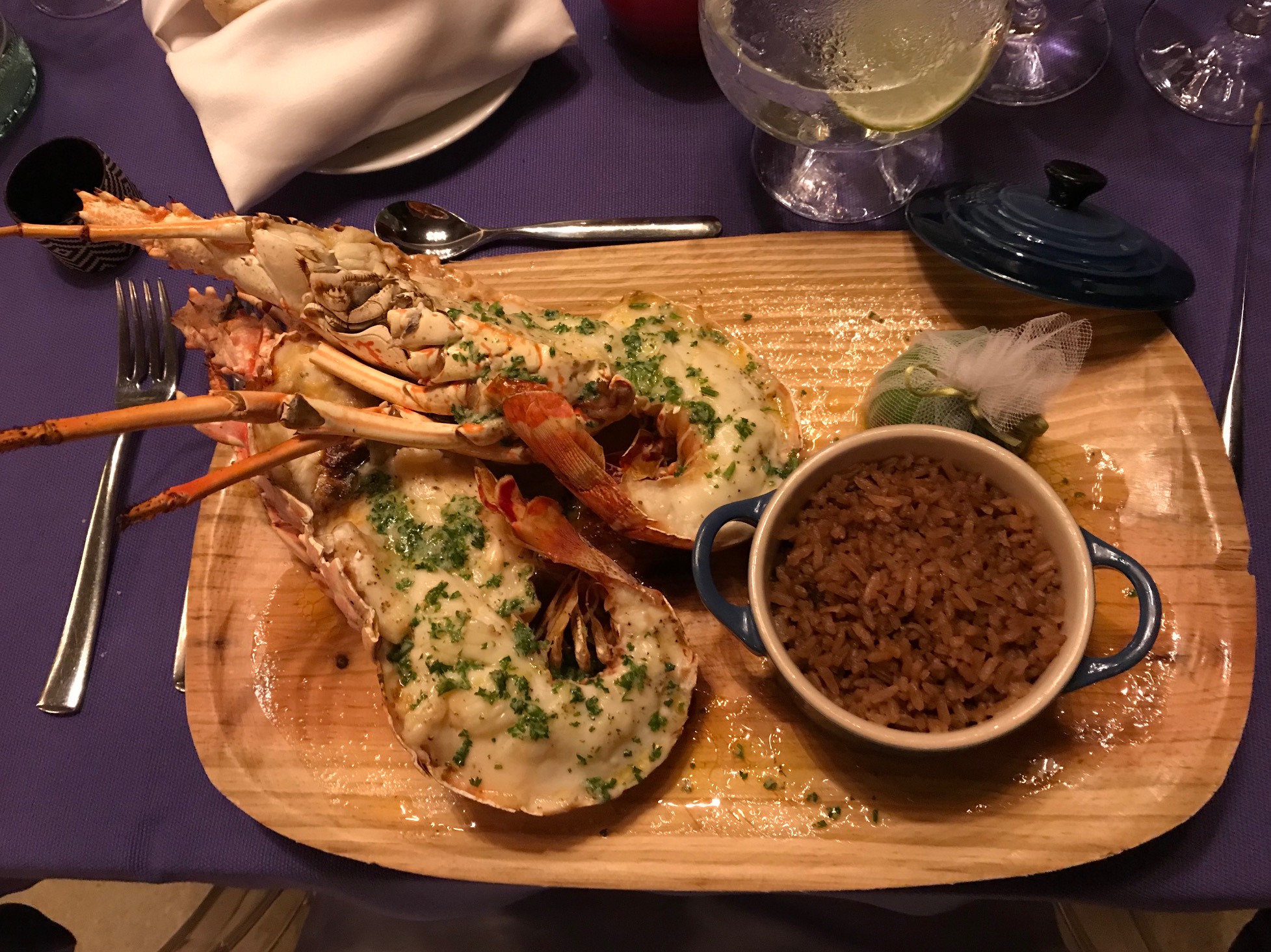 Back in Cartagena, we spent the next two nights at the Hotel Santa Clara (Sofitel). It’s definitely one of the nicest hotels I’ve ever stayed at.
 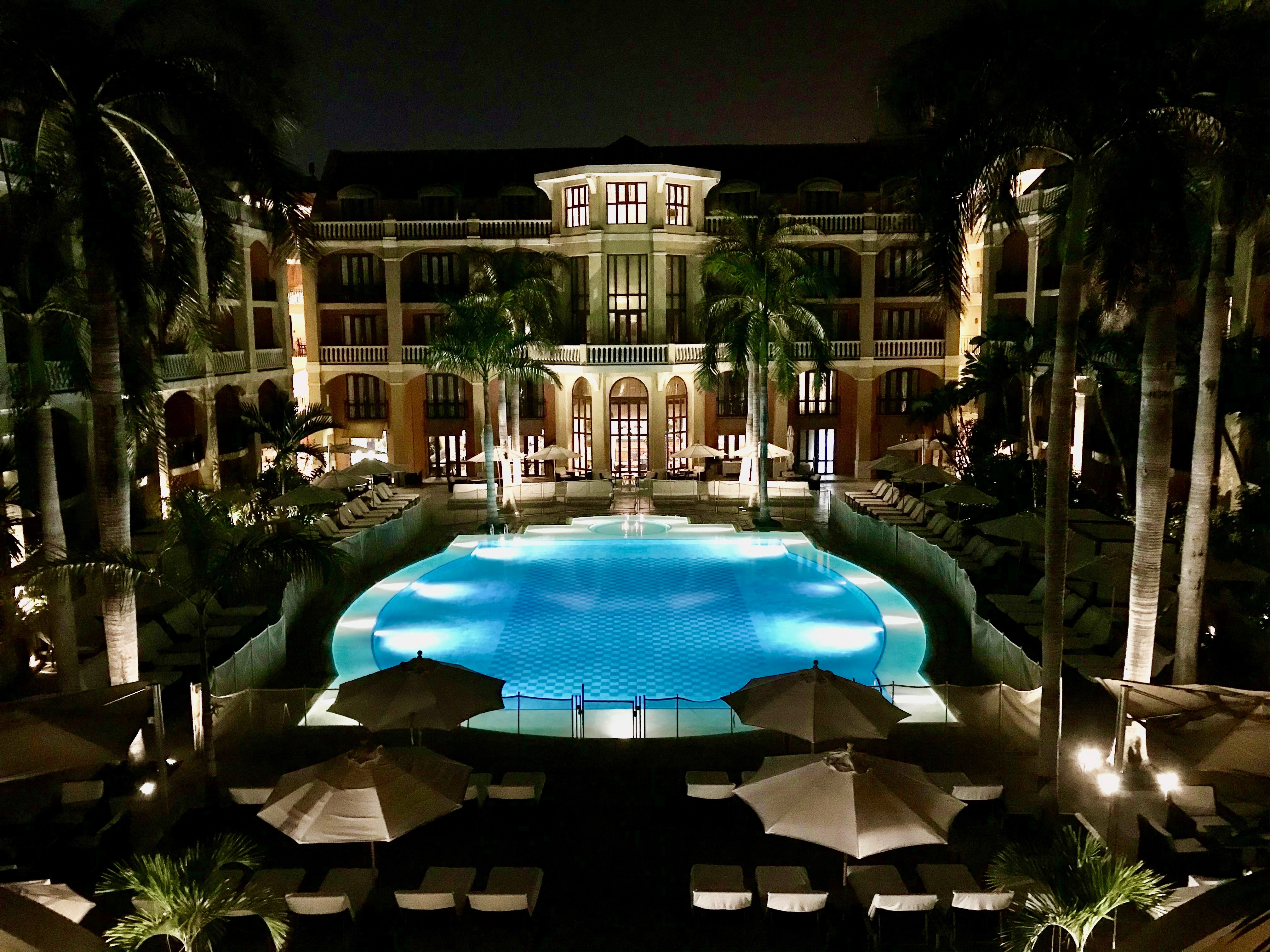 Built on the site of an old convent, the walls of the former structure are still standing. Every evening at sunset three monks in long, brown robes with hoods covering their faces walk through the lobby and pool area ringing bells.
 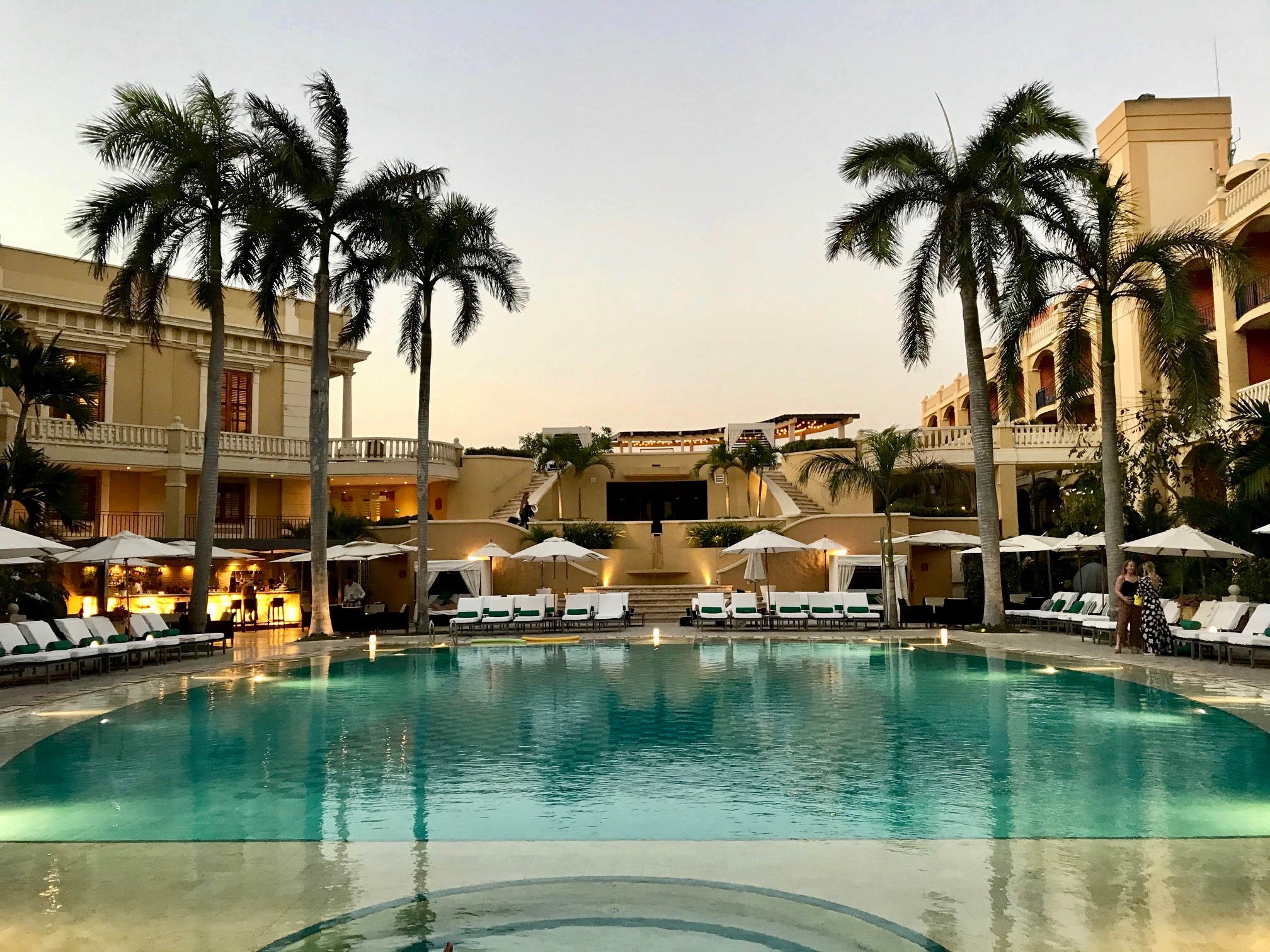 The last two nights of the trip were spent at Hotel Monaguillo de Getsemani. It’s technically right outside the old city but many years ago it was inside before part of the wall fell apart. Our small hotel was just two blocks from the old wall at the clock tour and cost about $105 per night which included a big breakfast. When you enter the Getsemani area, you notice that it’s less gentrified and less affluent than inside the historic area.
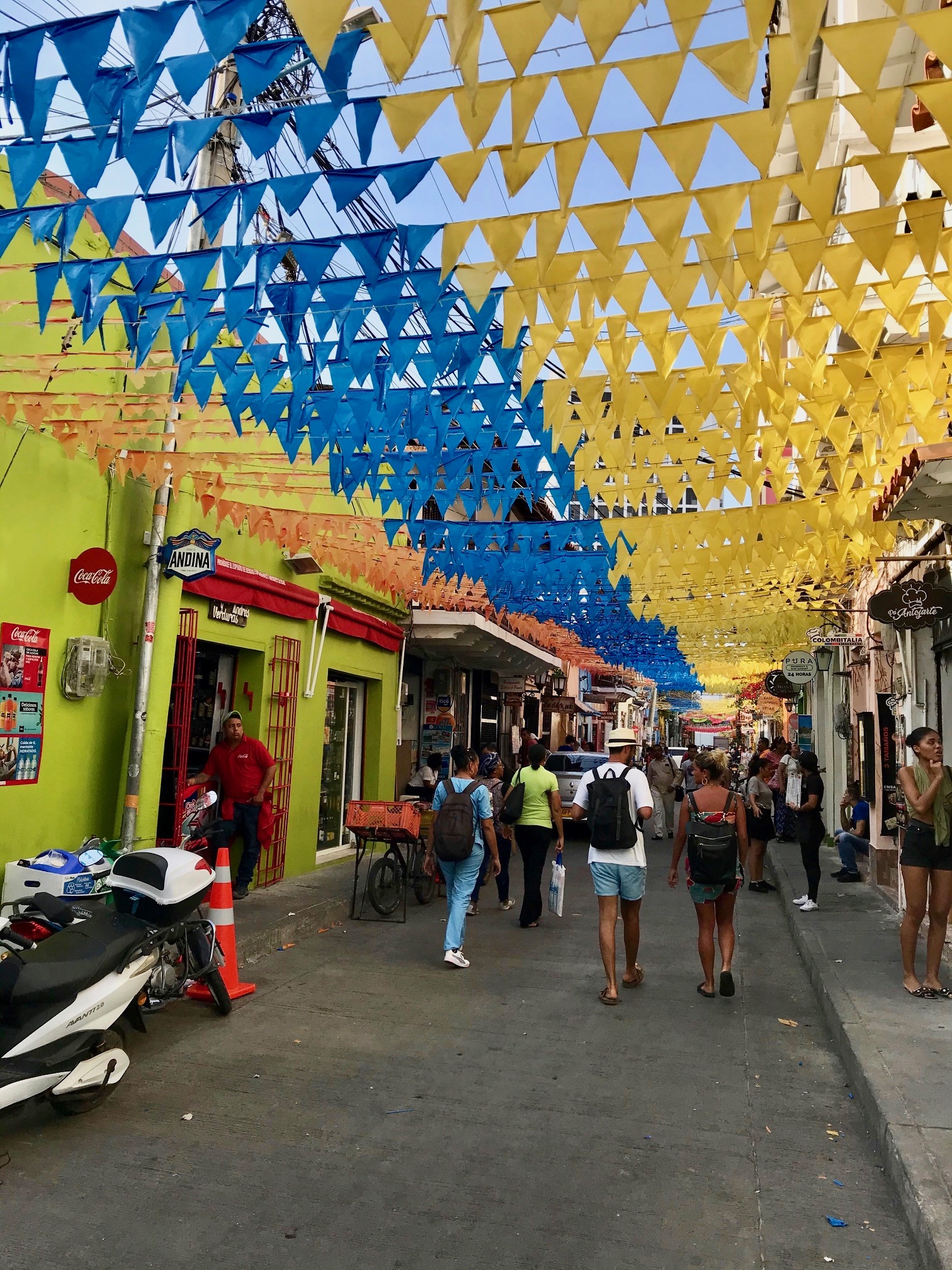 It’s full of hostels, street art, and a young, lively vibe. At night backpackers hang out in the streets and eat from the food stands.
 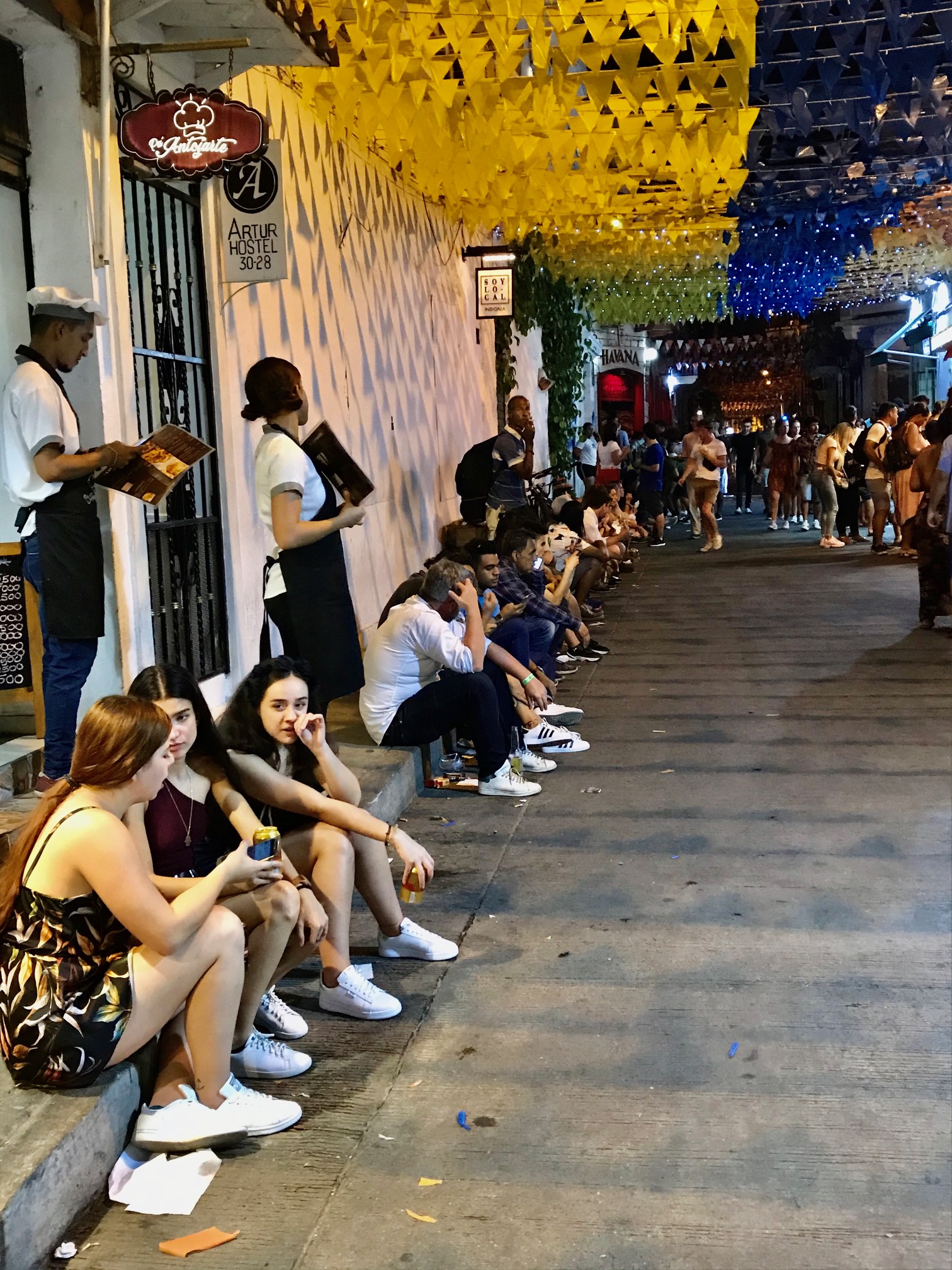 There’s a popular dance spot called “Havana” that has a live band and dancing every night. Although it was the only place I saw that charged a cover, there was a line down the block waiting to get in.
 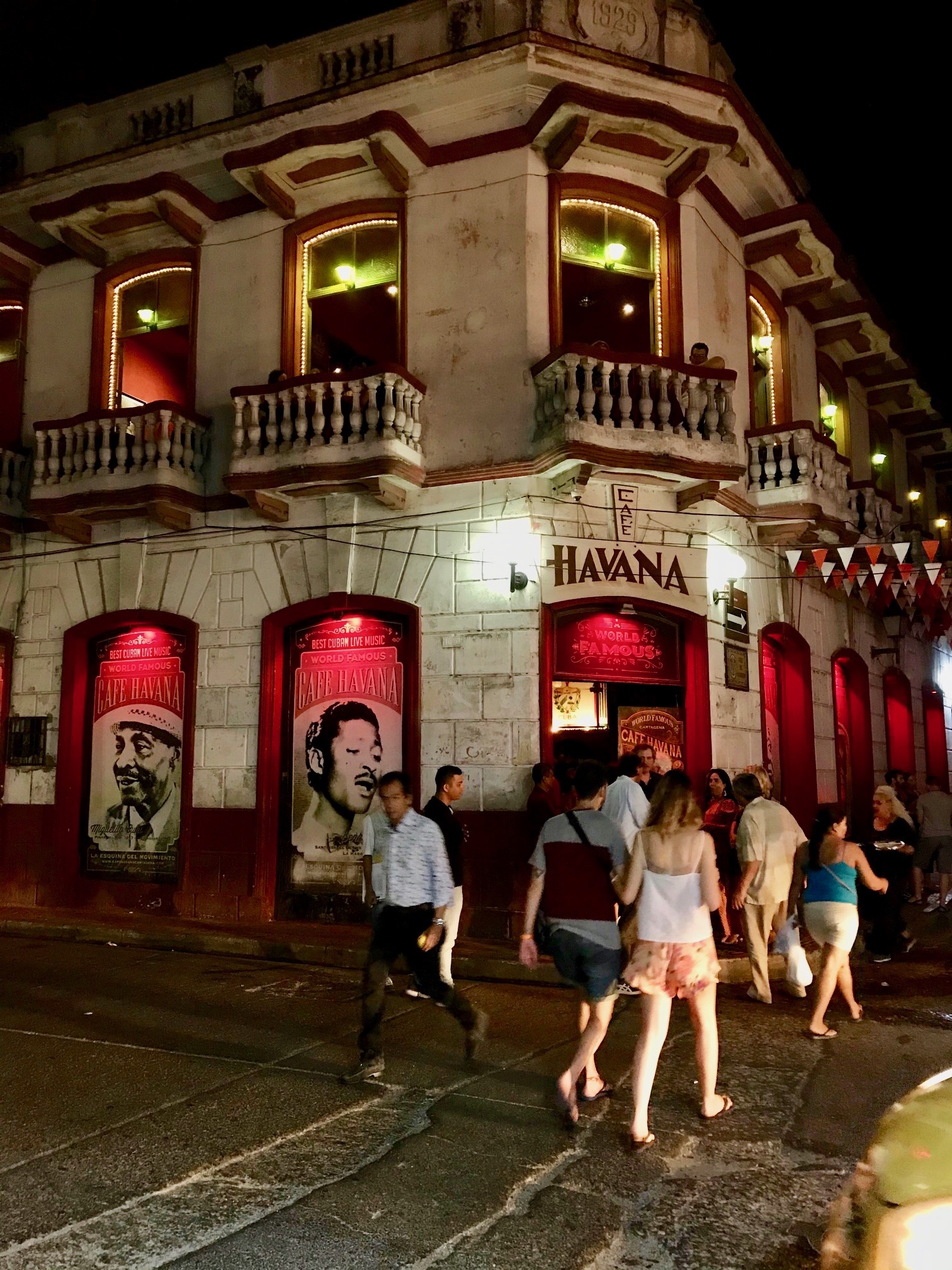 After a long day of walking and site-seeing in 90 degree weather, we passed on the dancing and opted for dinner at “La Casa Della Pasta” where a delicious pasta dinner and a glass of red wine cost about $9 per person total. The tab always includes tax and a 10% tip. The 10% tip is technically voluntary but it’s easy and no additional tip is expected. I actually liked it better than the US system of adding whatever you think is appropriate.
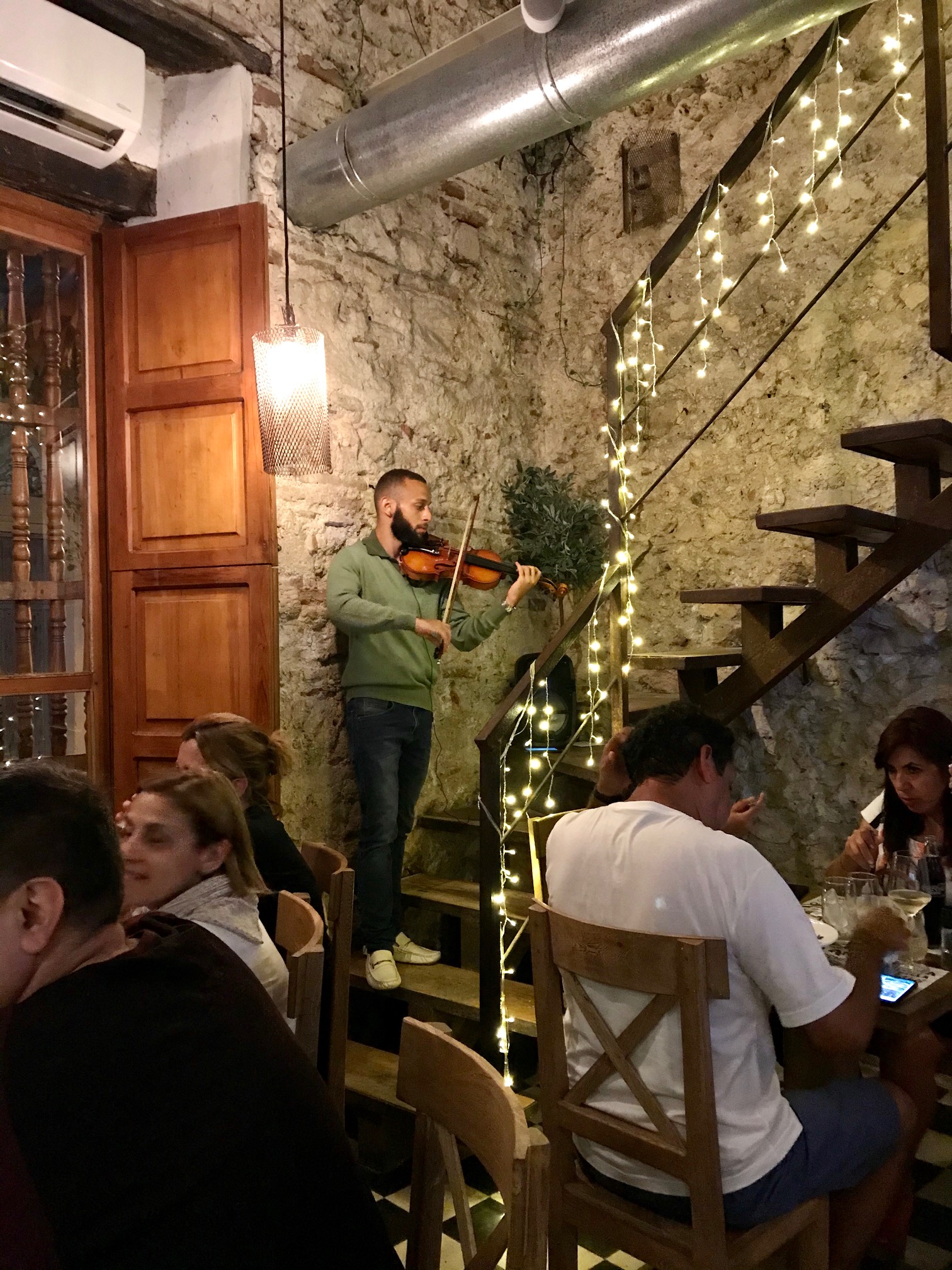 The street art is terrific!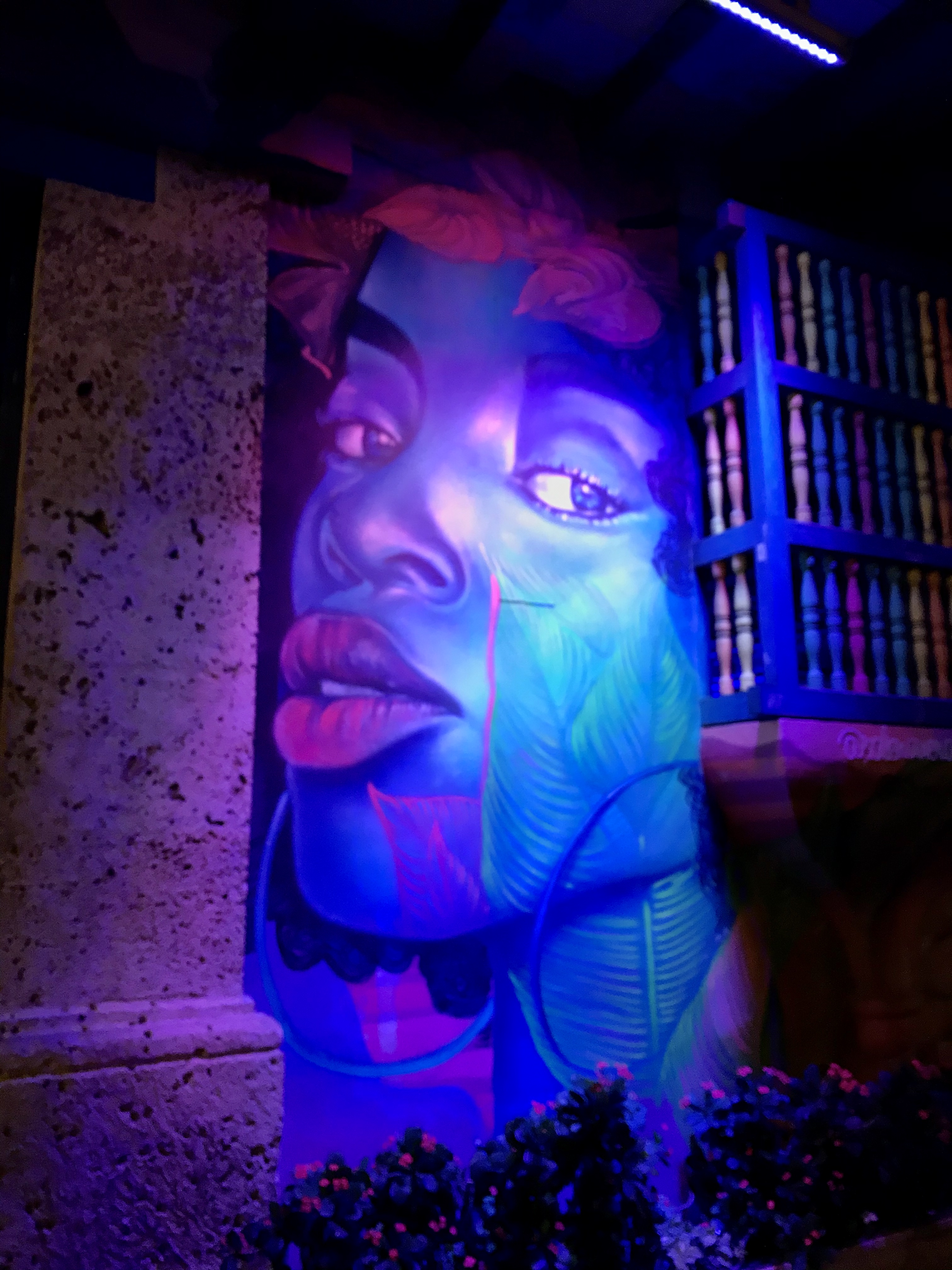
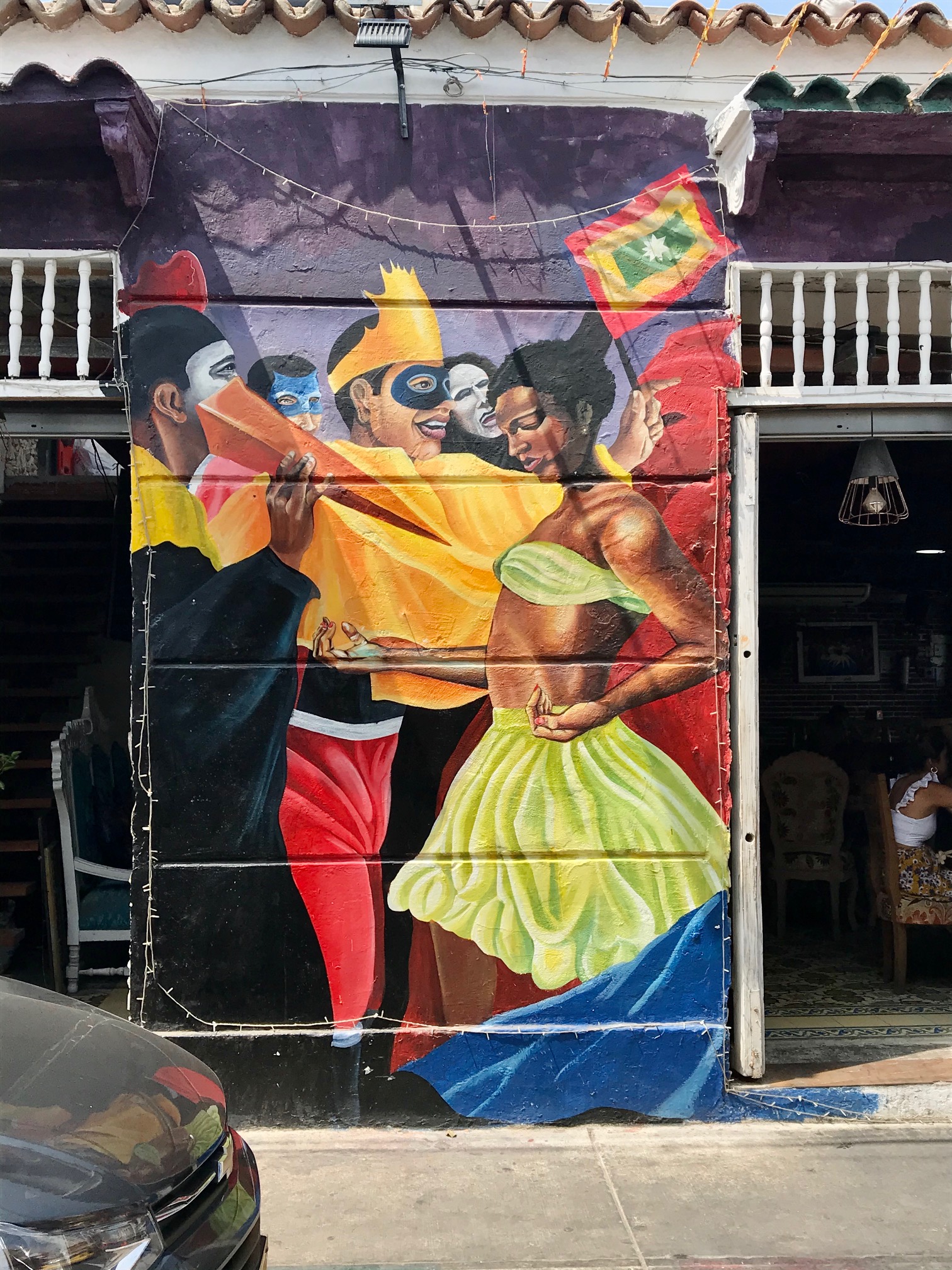 I saw at 4 or 5 artists working on pieces that seemed far too beautiful to have been done largely with spray paint on bumpy, old walls but they came alive over the course of the two days.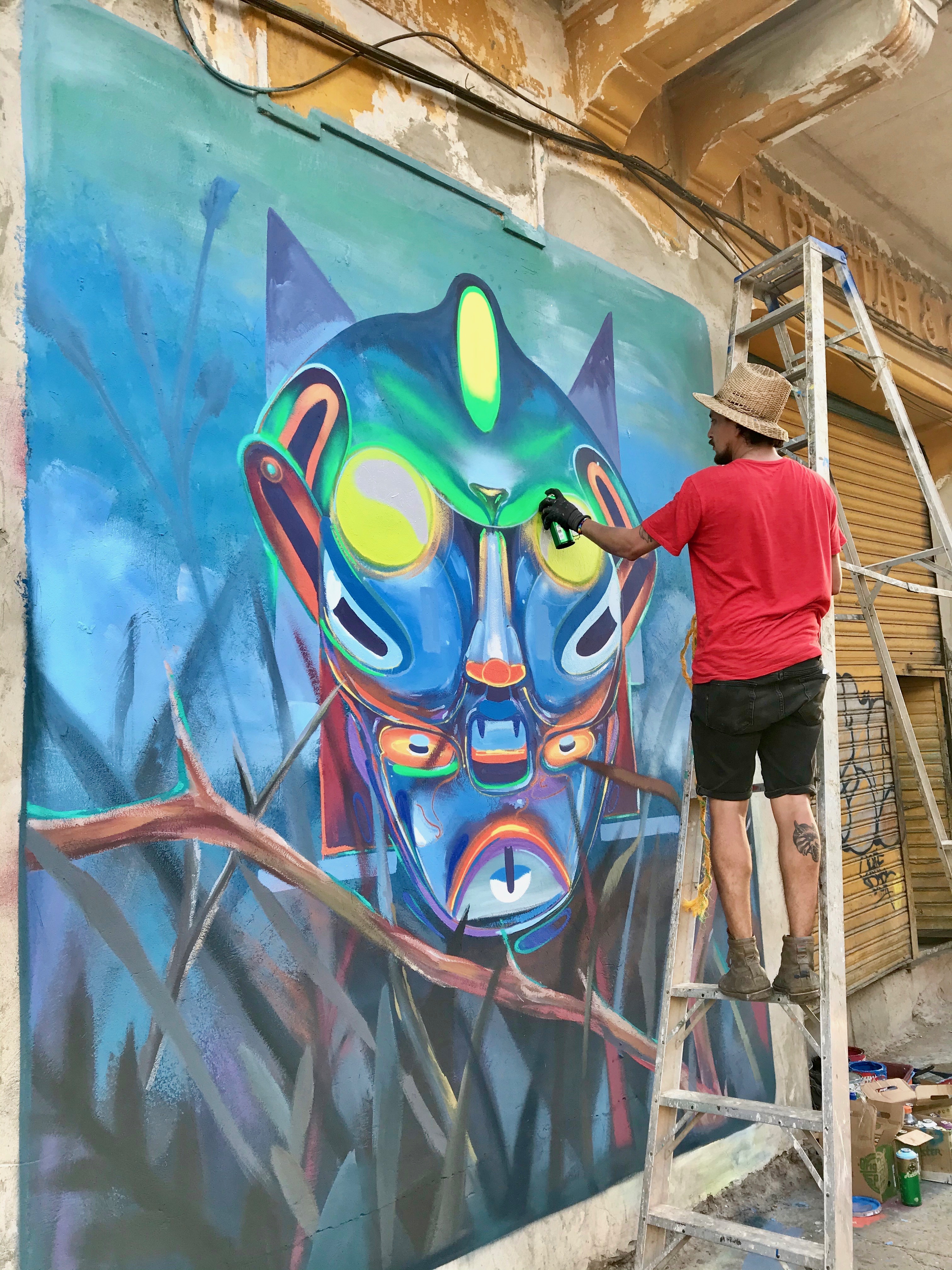
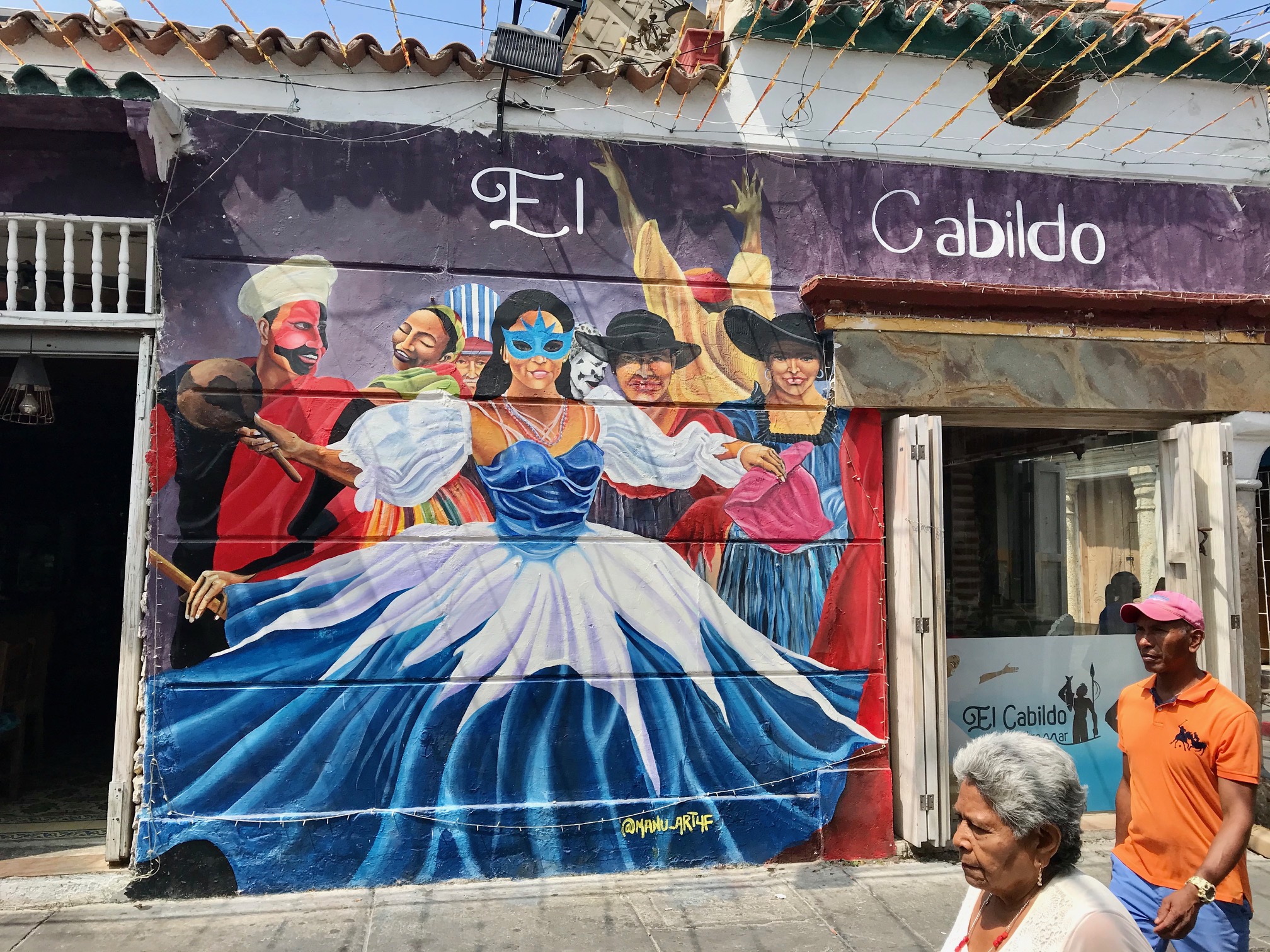 This gorgeous painting was on the wall of one of my favorite cafes, “El Cabildo.” I loved the delicious frozen drink called “mango limonada” that is available with or without amber rum.
  Just outside of town sits a huge fort called Castillo de San Felipe. A cab ride from the old city to the castillo is just $3 US. Construction of the fort was started in the sixteenth century then fortified over many years to withstand sieges from the British, French, and other invaders.
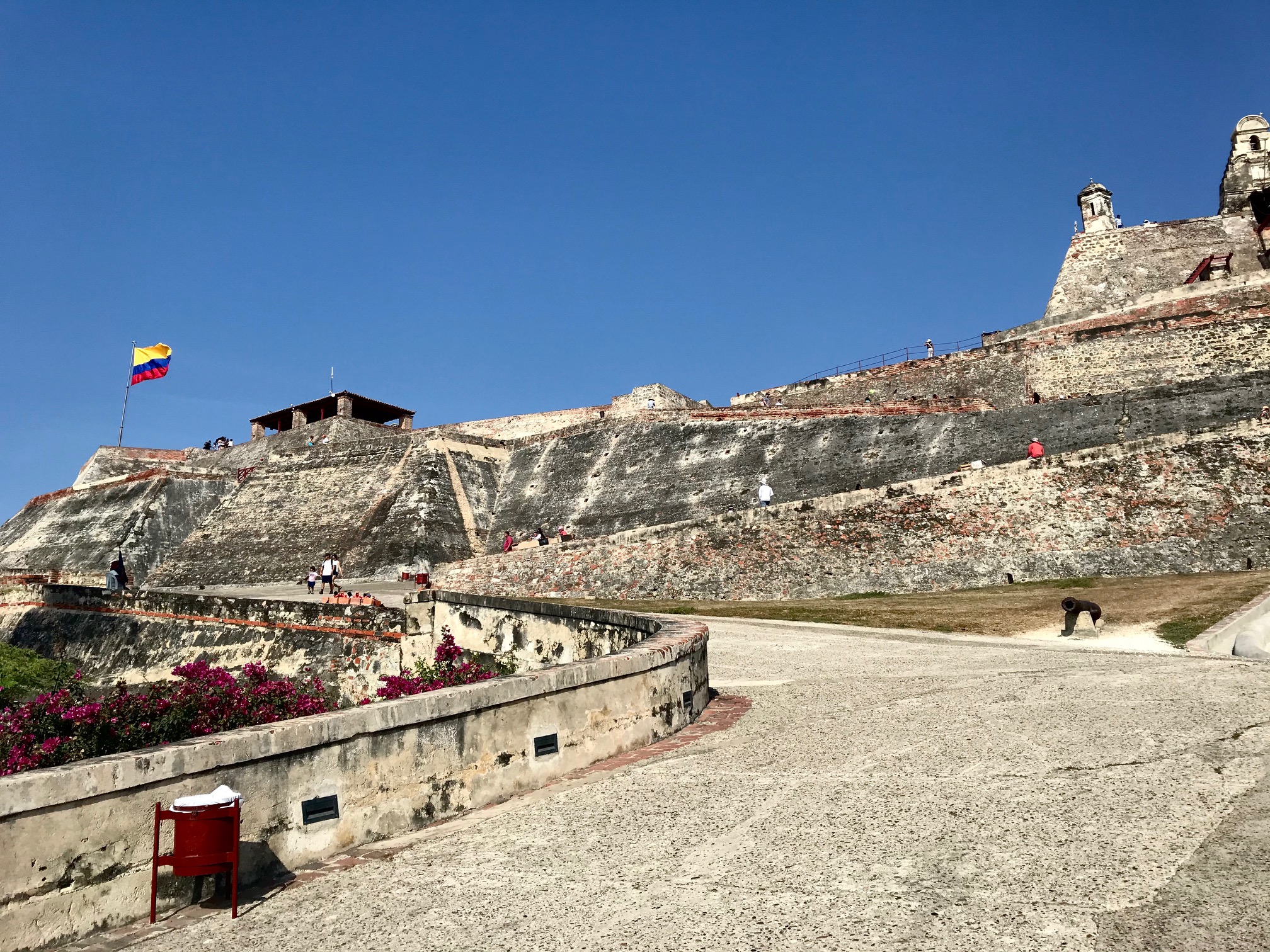 Way up on a hill just outside of town is a former convent (Convento de la Popa; the cloister and chapel of Nuestra Señora de la Candelaria de la Popa) which dates back to 1607.
 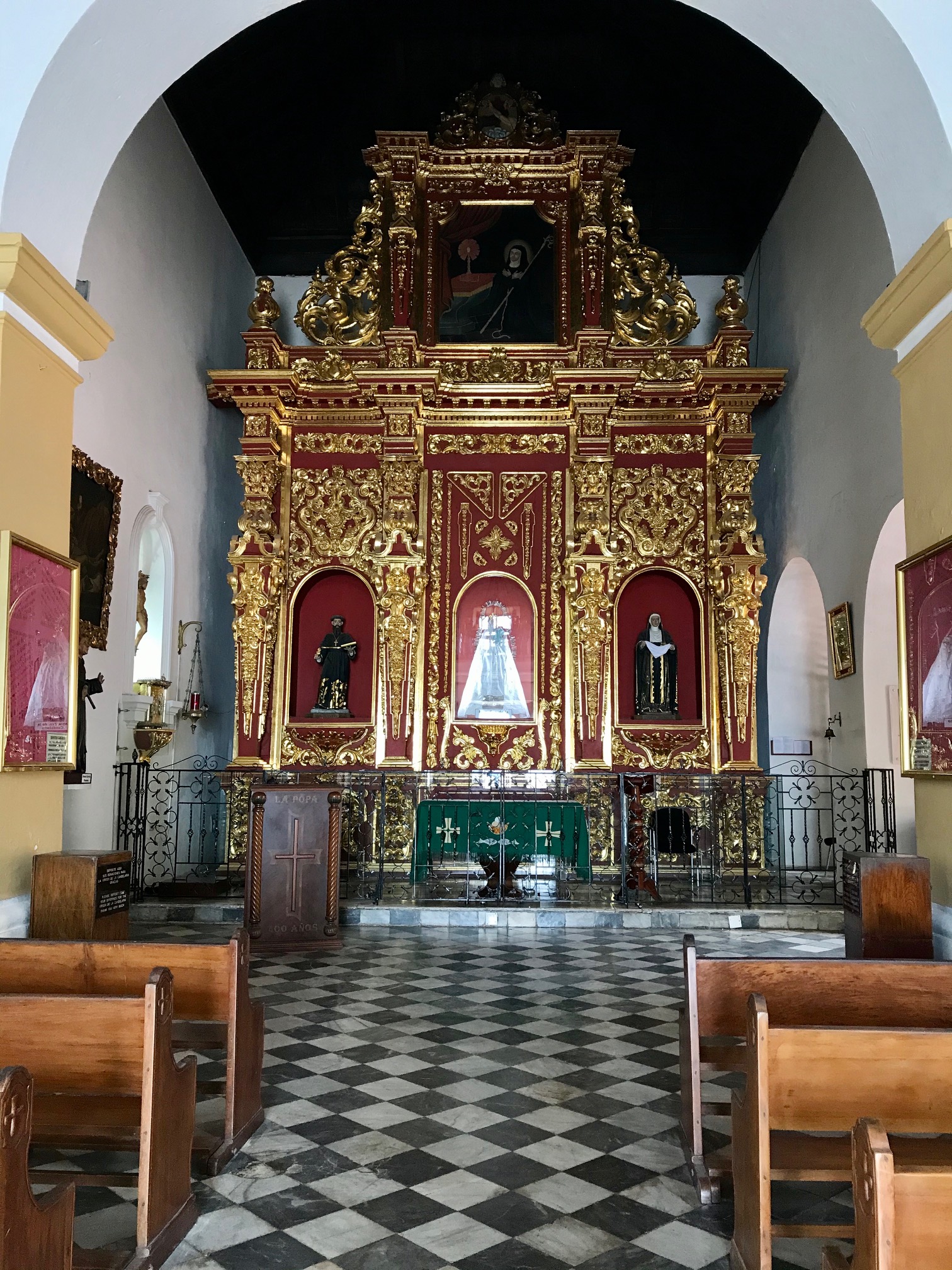 The view of Cartagena from the top of the hill is worth the trip, plus the chapel and grounds are very nice.
  At night the convent is lit up in purple and can easily be seen from the old city. I took this picture of La Popa in the distance from a rooftop bar on a warm, breezy night.
  What I don’t have are pictures of the beautiful women. There’s definitely something uniquely attractive about Colombian women–their style, shape, coloring, all come together in such a lovely way; think of Shakira.
 Kathryn Byler, blog