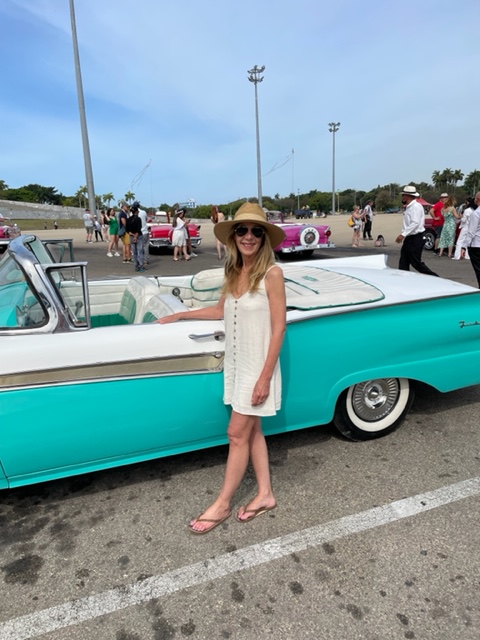
Prepare to time-travel seventy years to the past. The cars, furniture, almost everything except cell phones, appear to have been frozen in the 50s.
Most Americans are unaware that travel to Cuba is an option. I only met one other person from the U.S. during my entire 8 days and she was Puerto Rican. The U.S. State Department prohibits tourist travel to Cuba with twelve exceptions. (§ 515.560 Travel-related transactions to, from, and within Cuba by persons subject to U.S. jurisdiction) I traveled under exception 8, “Support for the Cuban people”. Very easy. The airline check-in asked if I was going to visit family. I said I was going in support of the Cuban people. That’s it. No paperwork was required when I entered or returned although I had records of where I stayed and basic activities, if asked. It was a 50-minute flight from Miami and I understand there are 21 flights from the U.S. to Havana daily. Quick, easy and affordable. I left Norfolk VA in the morning and had lunch at a rooftop cafe in Old Havana! Same time zone so no jet lag.

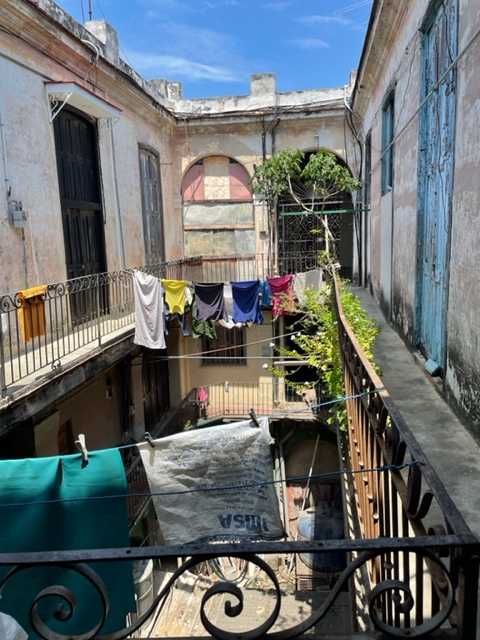
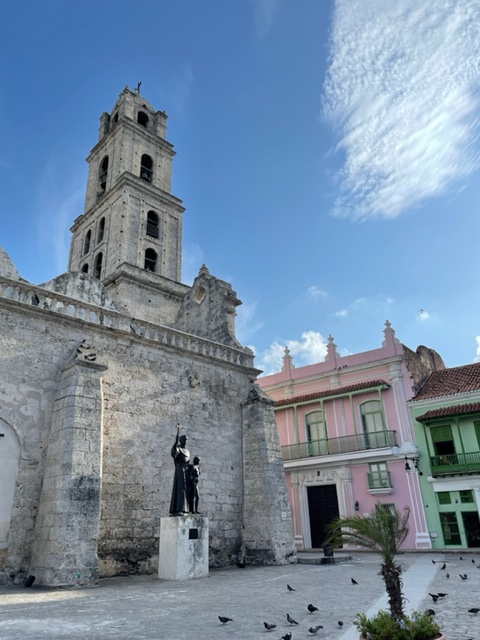
Once in Cuba everything is very reasonably priced but don’t expect first-world luxury. Our first two nights were in Old Havana (habana vieja) which is a rich orientation to the charms of Cuba. The AirBnB flat was in the historic area on Plaza de Armas. The walkway to the condo was sketchy but once inside it’s immaculate and truly wonderful.
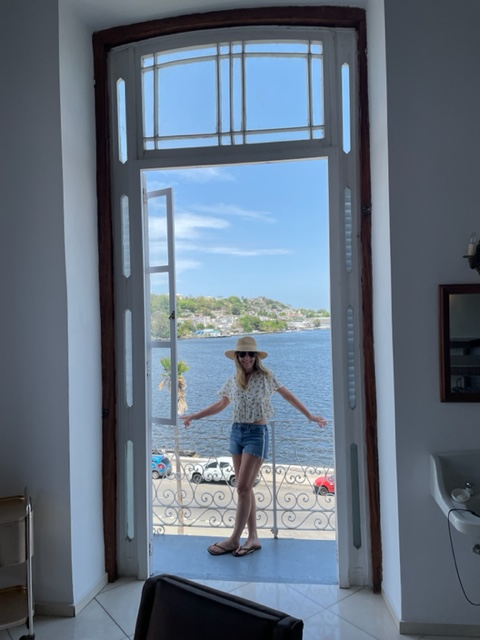
The location, price, amenities, and host were first-class in every regard. (Sea View Loft Suite 270) It had a grand living room, kitchen, master suite, 2.5 baths, two lofts with comfortable beds, balcony, rooftop patio, internet, and a/c but never needed it due to moderate temperatures and steady breezes. Pretty sure it could be divided into two separate apartments. The weather was perfect for me –about 80 in the day and 70 at night.
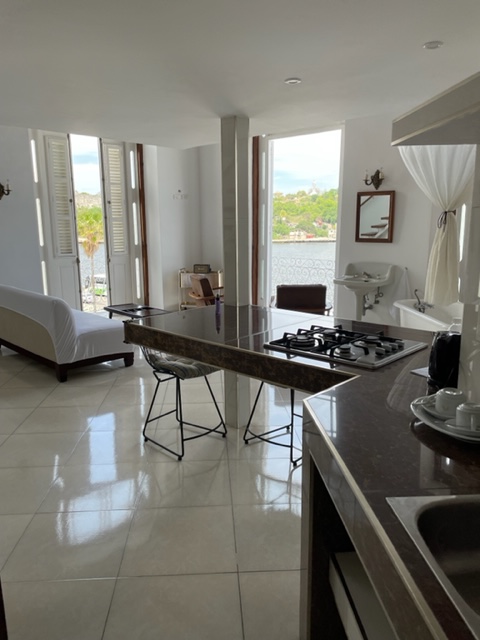
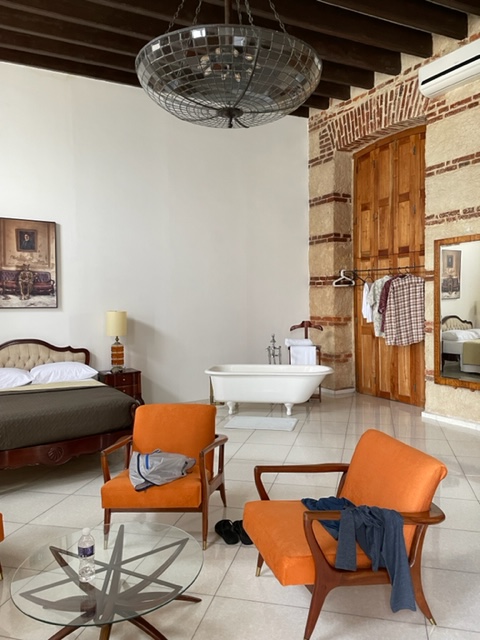
The view both day and night were spectacular and made getting up for the sunrise easy. The entire place flooded with sunlight by day and was softly lit at night.
On our first full day we took a 2-hour classic car tour in a convertible all around the city then got dropped off up on the hill to see everything up close.
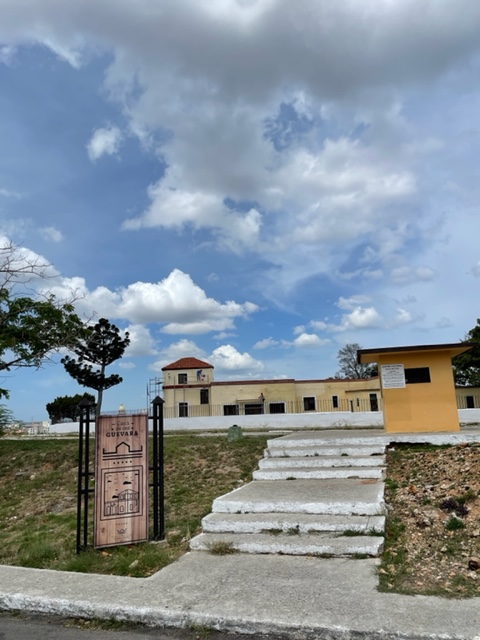
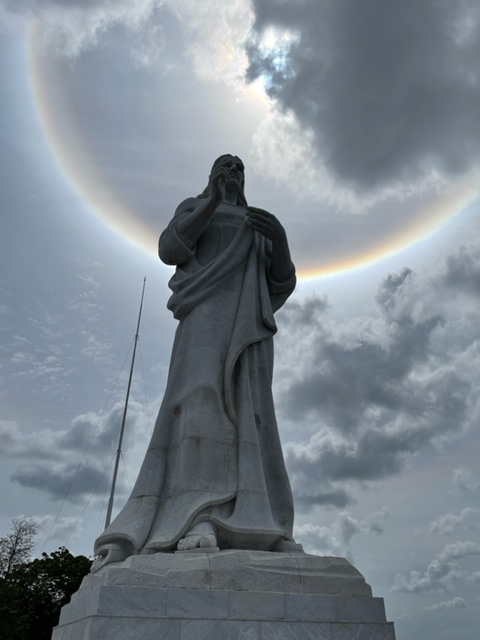
I found live music in some form every day and every evening which was always great. Often it was individuals or small groups working for tips.

There are shortages of almost every food product we take for granted — clean water, lemons/limes, milk, fish; you name it. It was easier to ask a waiter what was available than to say what I wanted. Rice, beans and salad are fine with me but even beans aren’t always available. There’s plenty of coffee, sugar and rum. Food wasn’t really a highlight but I got a several excellent meals including black rice (made with octopus ink) with lobster, skewered grilled shrimp, and grilled lobster for about 1/4 the cost that I would expect at home.
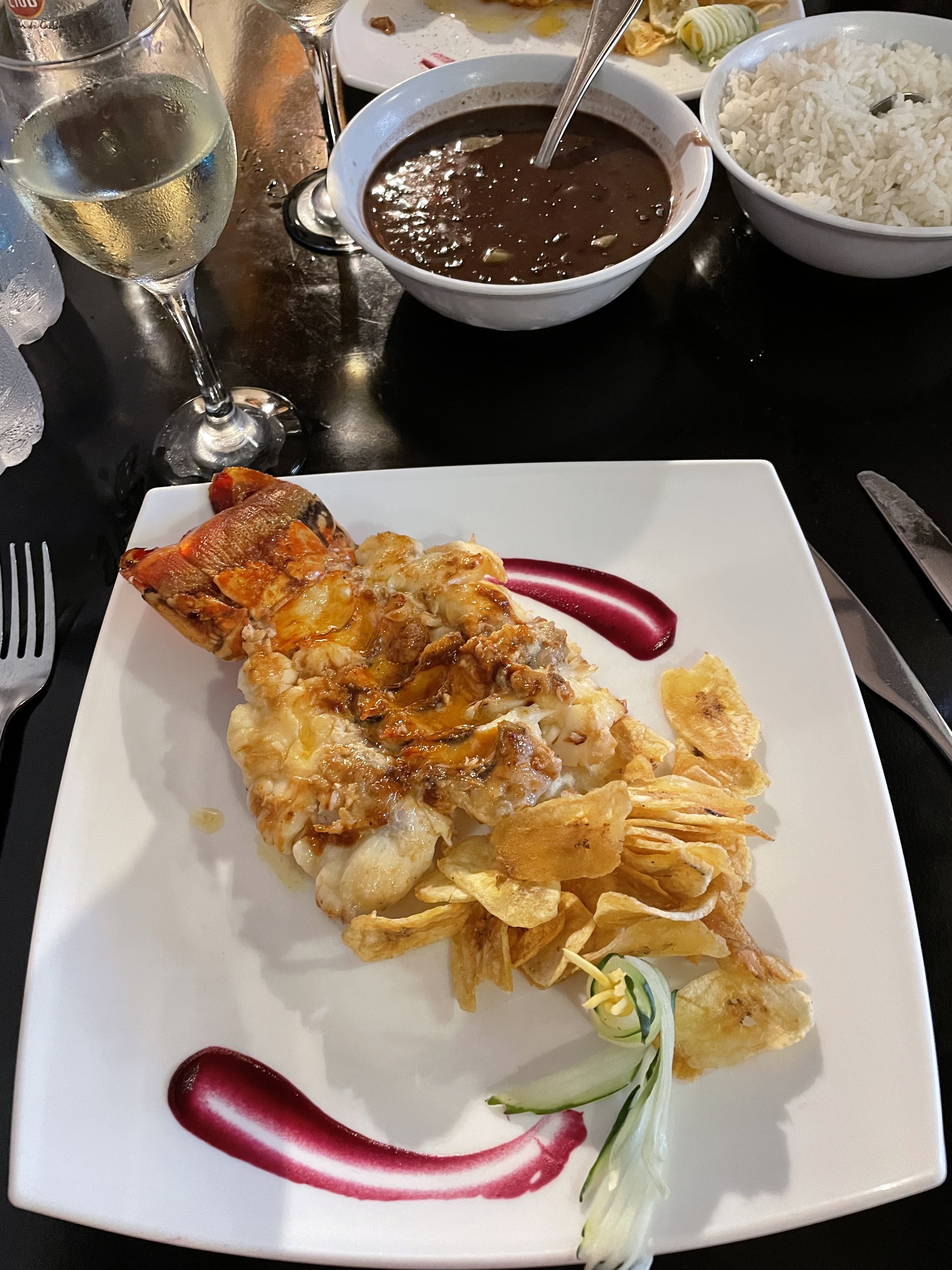
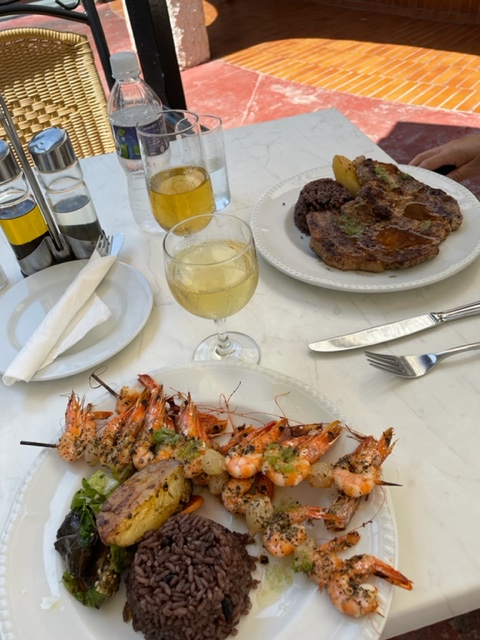
The ambience and service were almost always outstanding. Although tipping isn’t really expected, we were happy to do so.
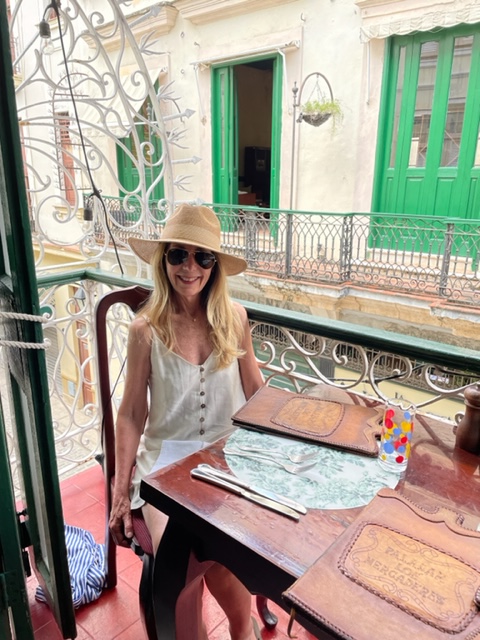
Walking around Old Havana was my primary entertainment. I’m not much of a shopper so it didn’t bother me but it’s noteworthy that there are very few shops–no convenience stores, salons, corner markets; almost no small businesses except for cafes. I read in advance that there were shortages of medicines and simple items in good quality. We took ibuprofen, acetaminophen, children’s crayons and markers, women’s make-up, and other small items to leave with each host. We also left gently used shoes and clothing that we packed with that in mind. Everything seemed to be appreciated. Several times, we had people come up to us in the streets asking if we had any medicine.
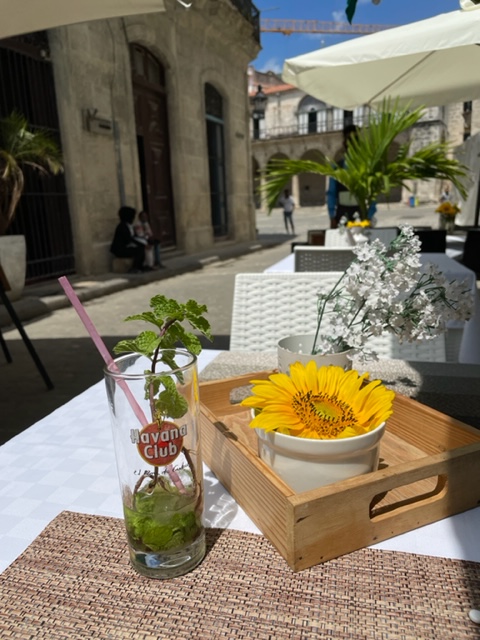
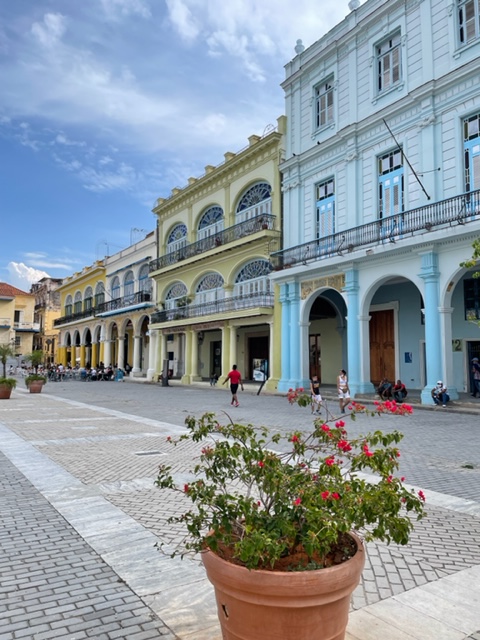
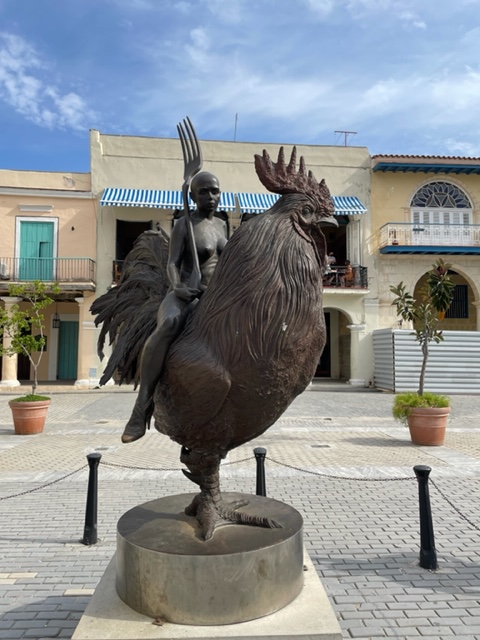
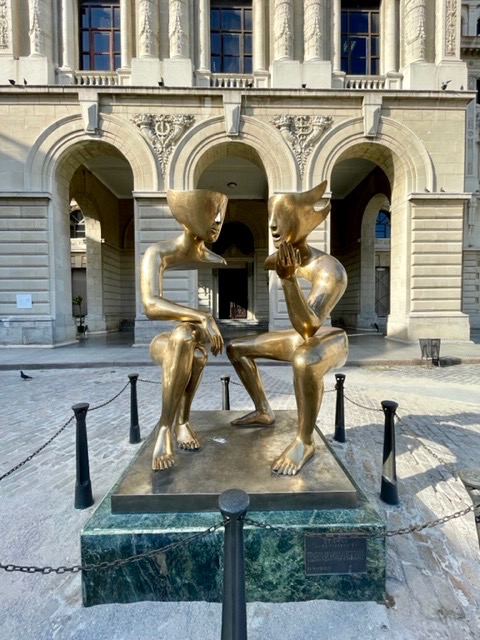
The old architecture is truly beautiful.
The morning of the third day we took a private taxi in a classic car to Vinales, about three hours west of Havana. The cost for two people was approximately $70 USD. A bus would have been about $10 USD each. The elevation is much higher and the mountains provide a gorgeous background for the small village that is a World Heritage Site. Accommodations are humble and cheap befitting the backpackers and younger travelers from Europe and South America (and me).
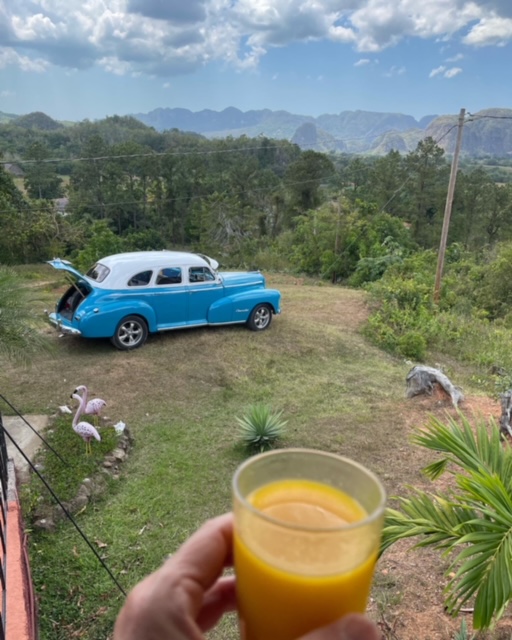
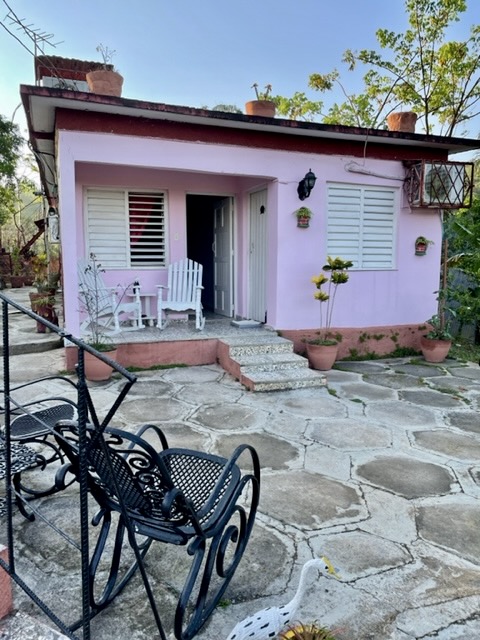
Our AirBnB accommodation was a small cottage. It was rustic but very clean. We had a private bath with a flush toilet and hot shower, electricity, air conditioning and an endless supply of information about life in rural Cuba. It’s located up on a hill about 1/2 mile from the actual town so it’s very peaceful and quiet except for the roosters that start crowing well before dawn. The view of the sunset behind the mountains is stunning. Supposedly, just over those hills there’s a community of former Batista supporters known as the “aquatics”.
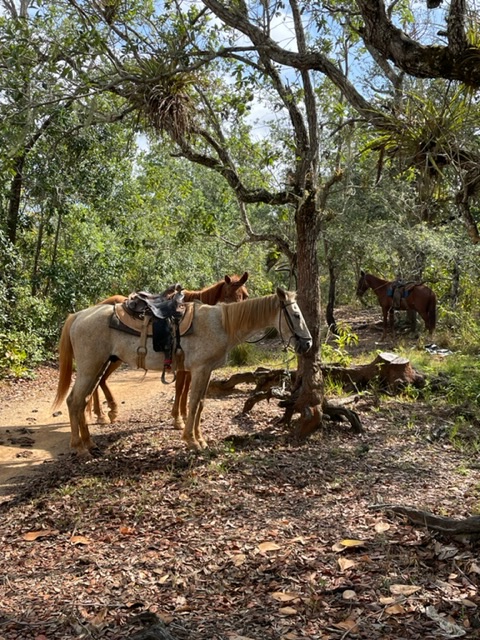
For $20 USD each we hired a guide and horses to take us to a farm growing tobacco and coffee.
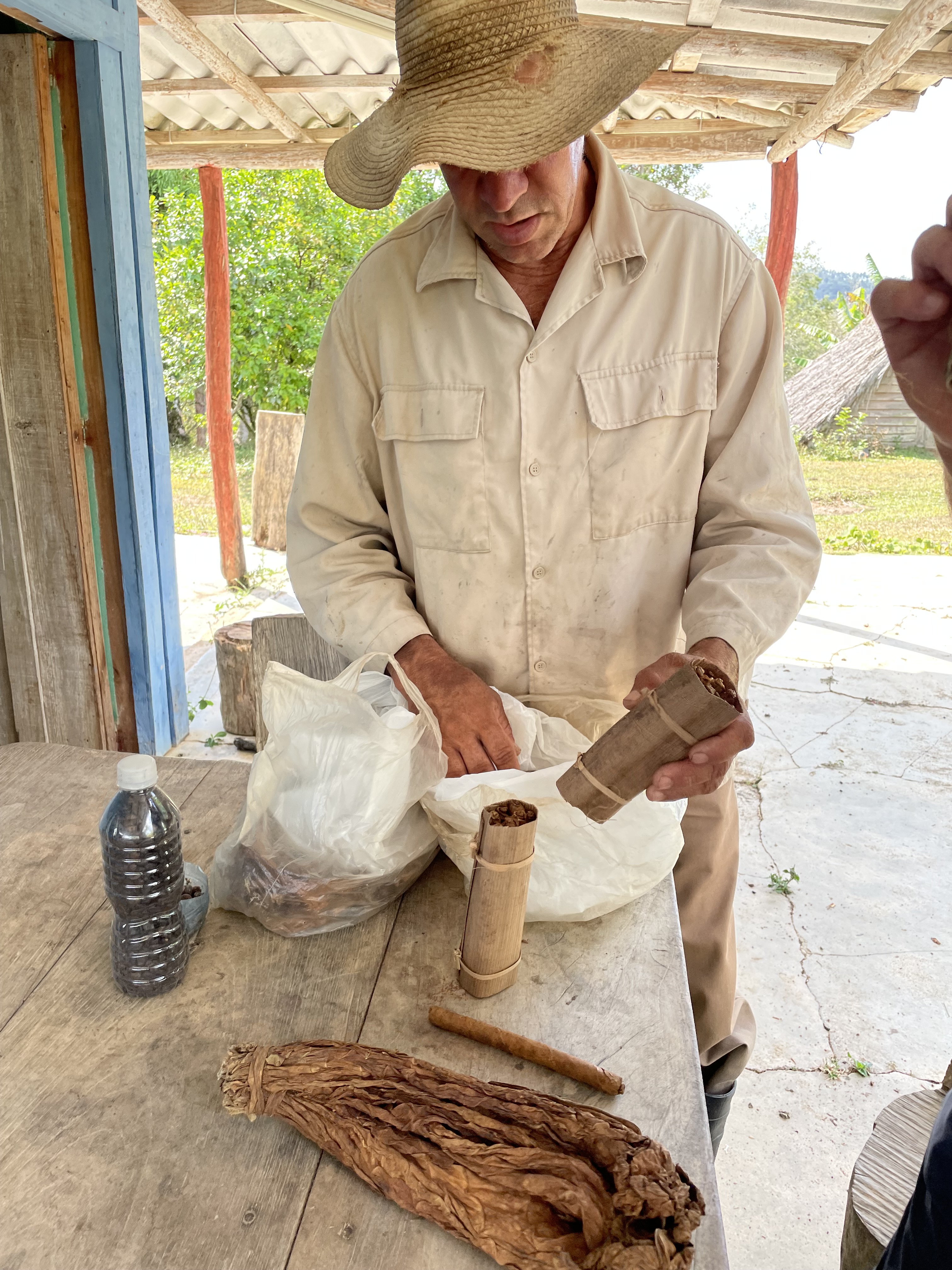
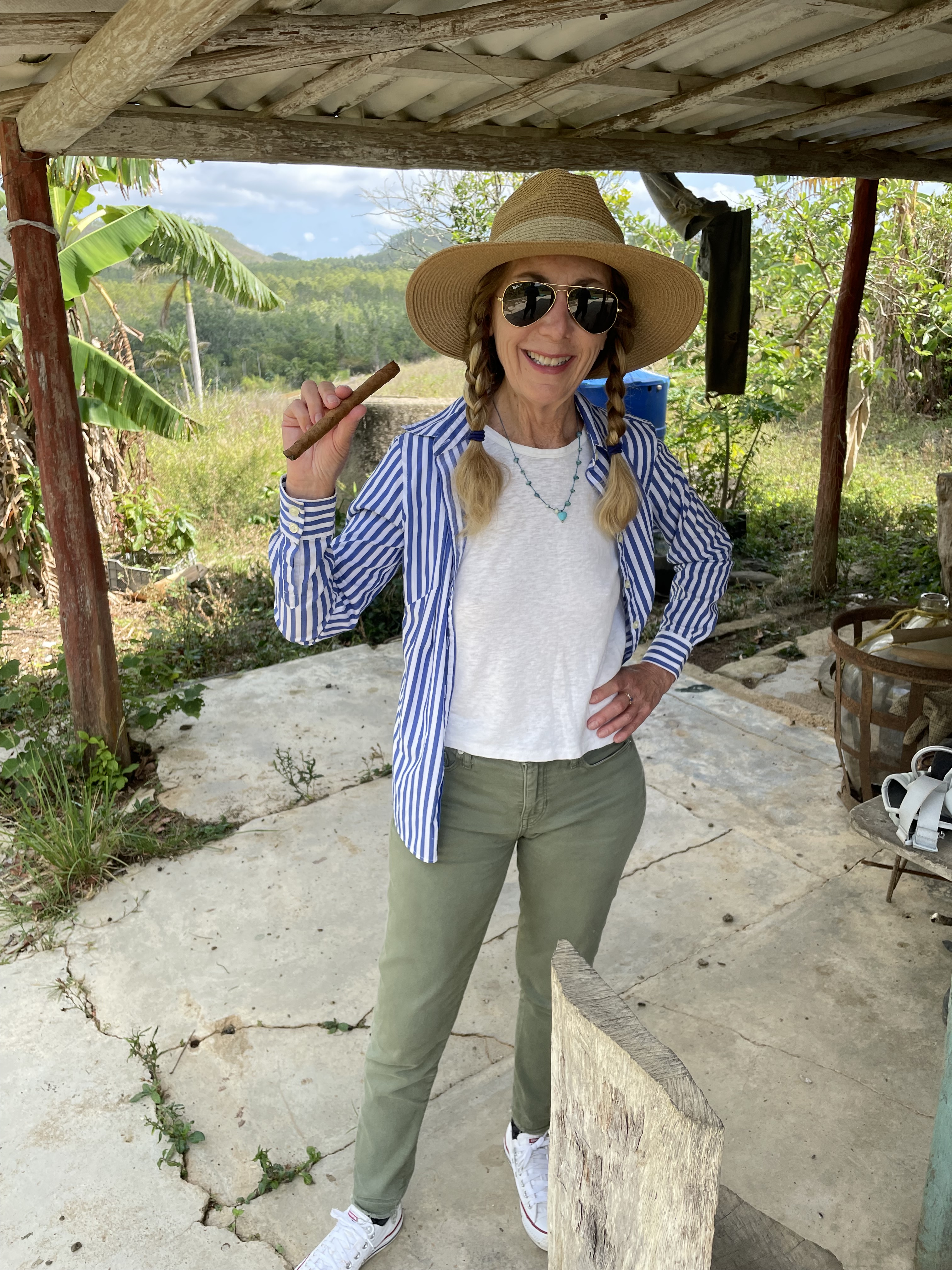
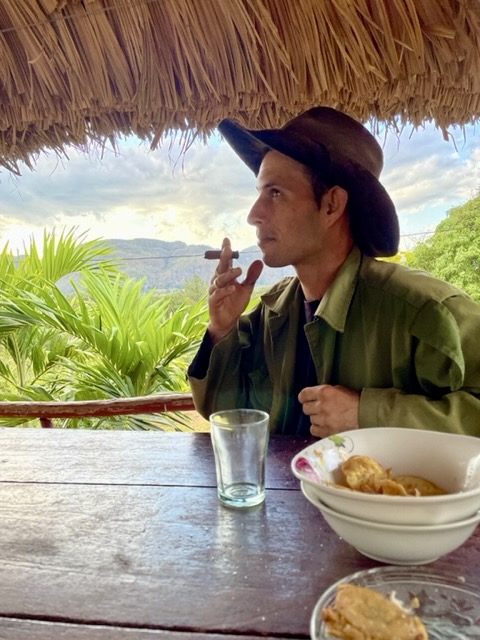
The farmer makes cigars then dips the tip in the honey harvested from wild bees for a sweeter taste.
Every morning our host provided a delicious breakfast of local coffee, juice, fruit, eggs, cheese, ham, empanadas, toast, muffins, butter and jam. I love the guava jam with homemade tostones!
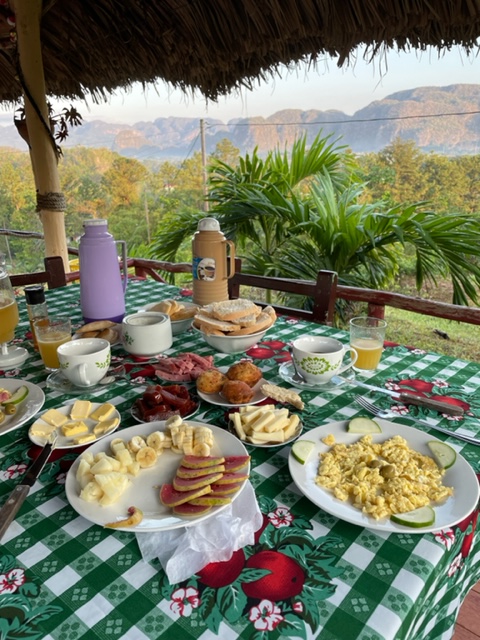
One of the highlights of my time in Vinales was sitting in the sunset with our host family and their 29-year son, Lassiter Xavier. There were no grocery stores so we bought a bottle of wine from a restaurant. Don’t expect a big selection — one red or one white. We got the sauvignon blanc from Chile. Buying wine to share with our host seemed reasonable but I suppose we should have just bought the local rum. Anyway, our host made fresh plantain chips and tostones with salt and it was all quite wonderful.
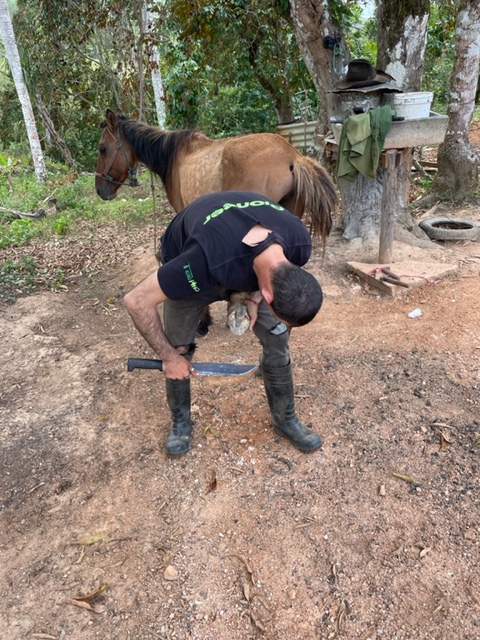
After a while, Lassiter got up to go back to work shoeing a horse. He had no modern tools — just a machete and a hammer. When a nail got bent, he beat it back straight then tried again until he succeeded.
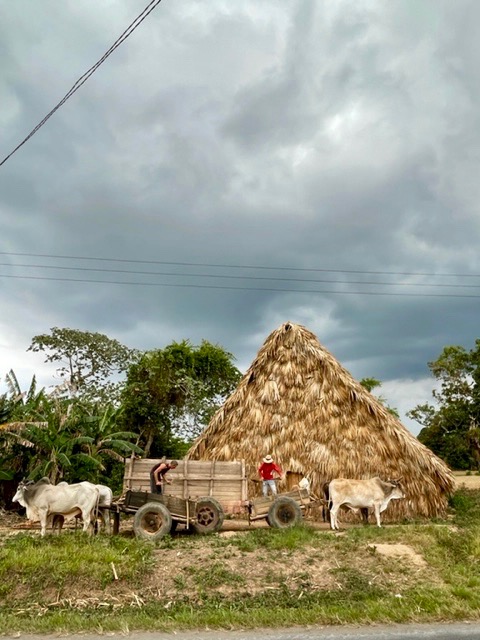
Walking and driving for hundreds of miles, I passed mostly open land not being used. On the small farms I saw a few pigs, horses, and oxen but I never saw any modern farming equipment.
On the morning of the fifth day we took a shared taxi down from the mountains to the beach; 208 miles, about a 5-hour drive. There are some interesting places to stop along the way, including sinkholes and caves for snorkeling, but we made the trip without any stops. Such is the dilemma of traveling — how to allocate limited time among so many great choices.
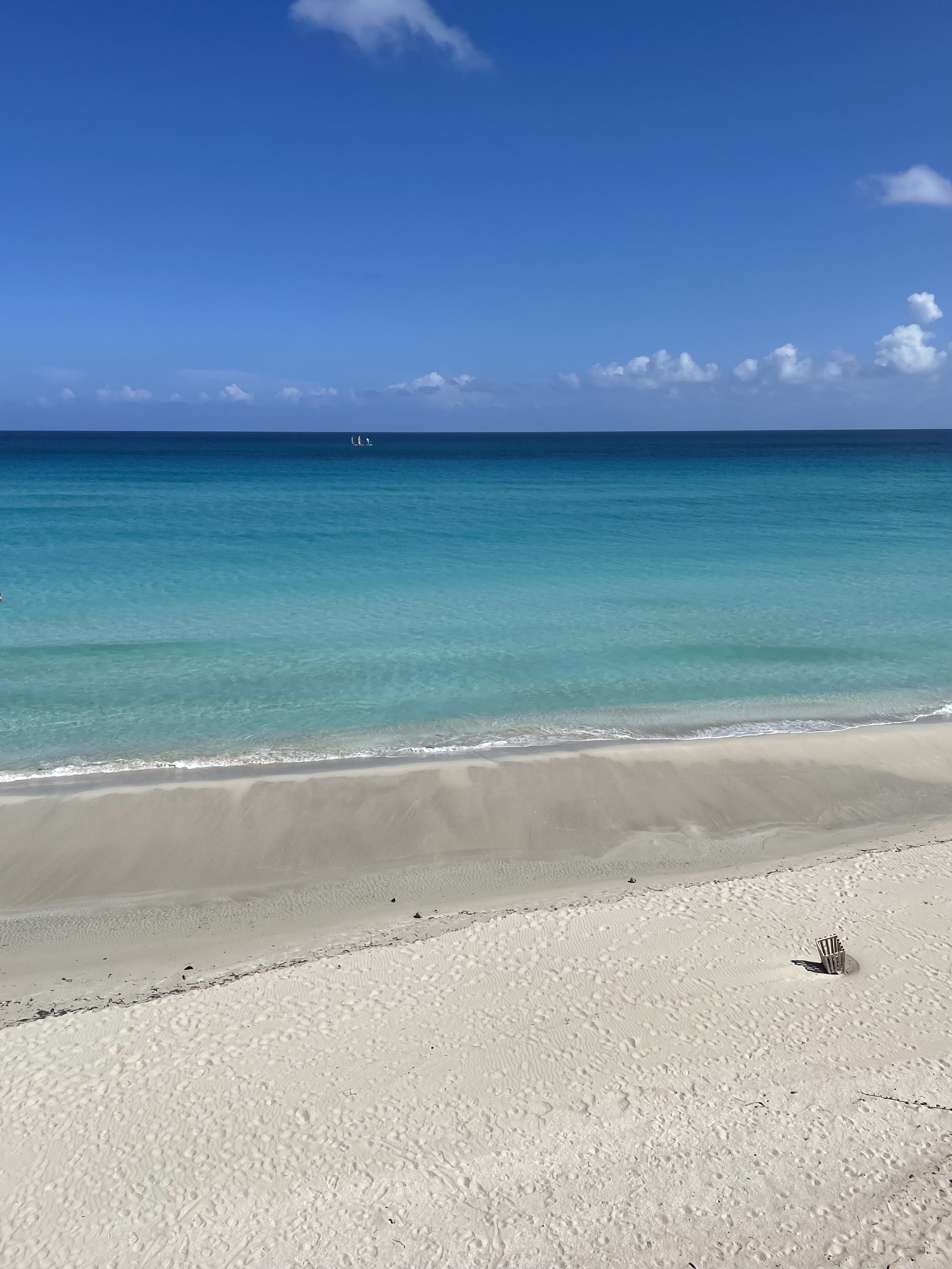
The next couple days were spent relaxing on the beach. We took a short catamaran ride out to the coral reef and snorkeled. The coral wasn’t very impressive where we were but I saw a lot of tropical fish. The water was so calm and warm and it was great fun being out on a boat. Like most beach towns, there was live music every night; some Cuban but also a lot of American classic rock. We stopped by a popular outdoor venue called “Beatle” and, right on cue, the band played “Revolution!”
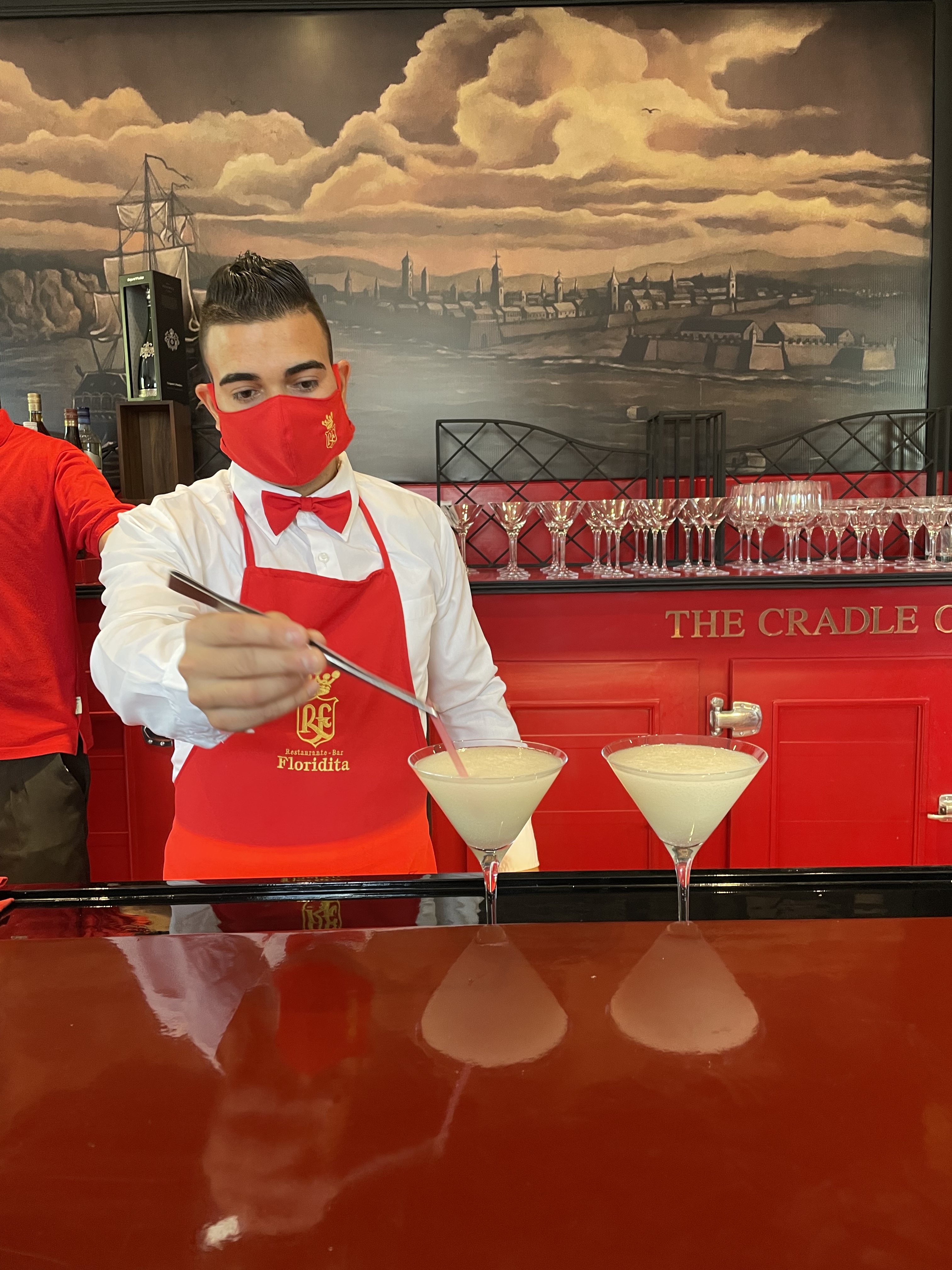
Mostly, we went in small cafes but I couldn’t resist the Floridita. There’s one in Havana and also Varadero. It’s famous for being the “cradle of the daiquiri” and for being a favorite of Ernest Hemingway’s.
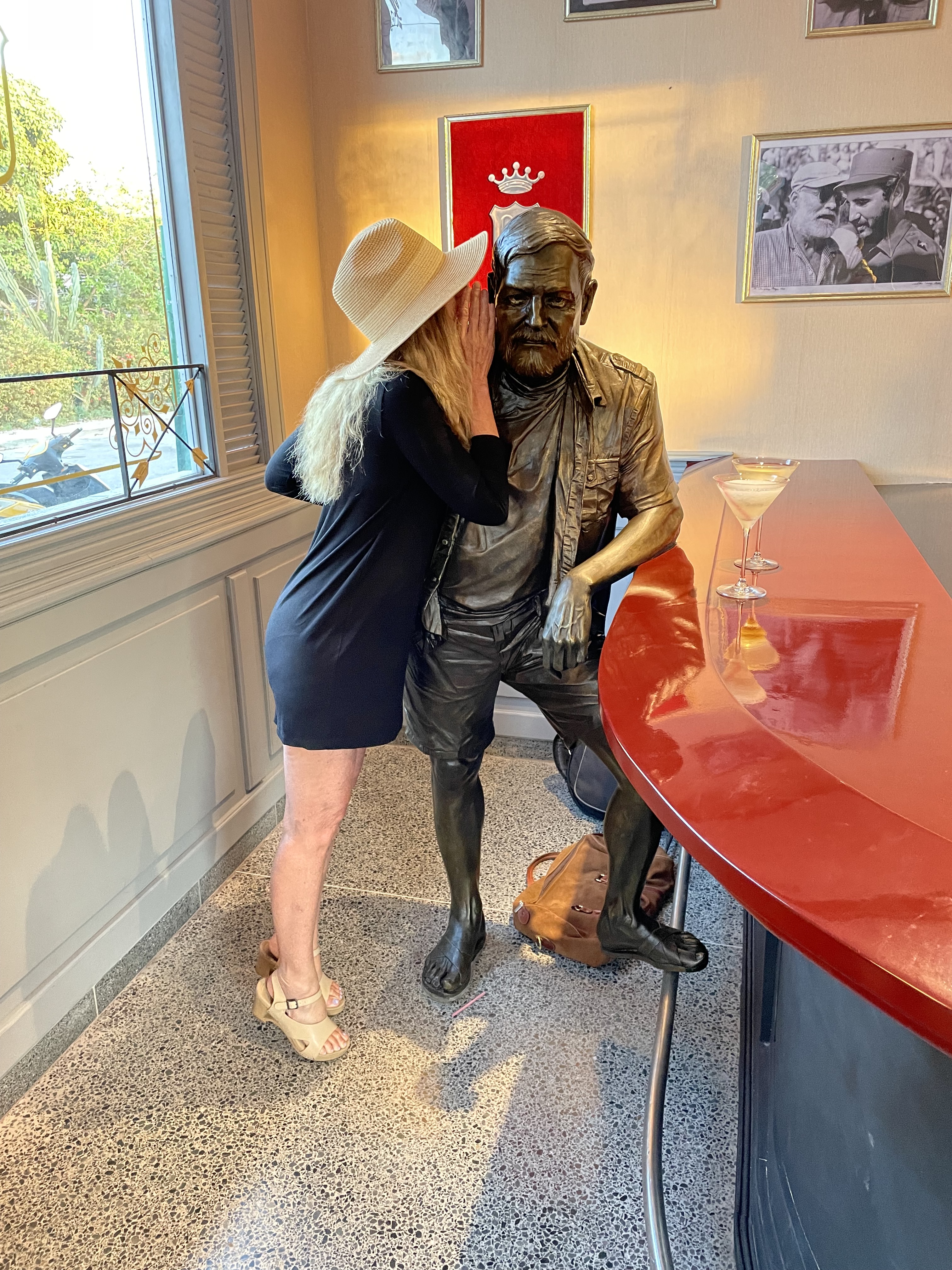
Several drinks and an appetizer ran up a bill of about $10 USD.
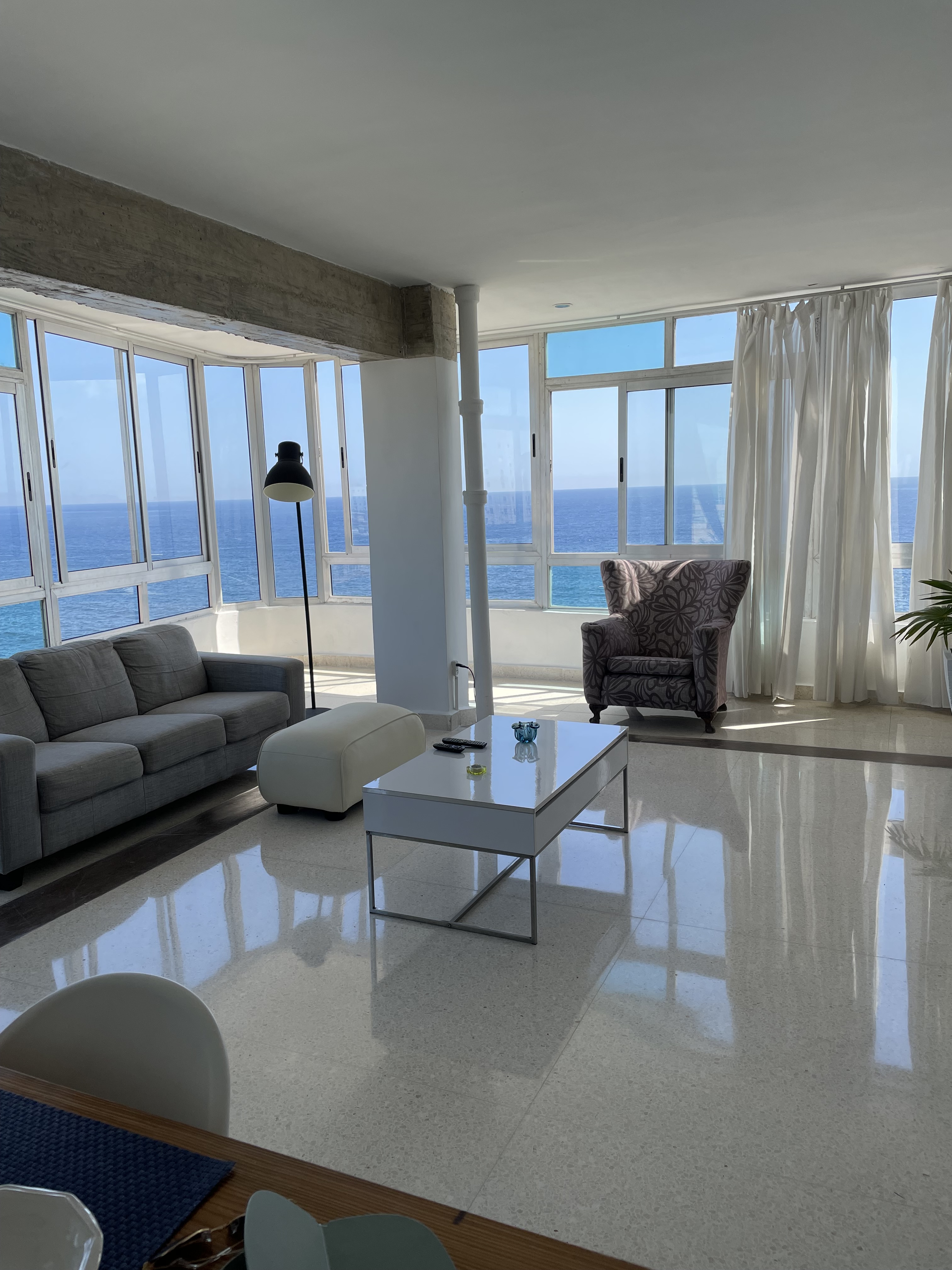
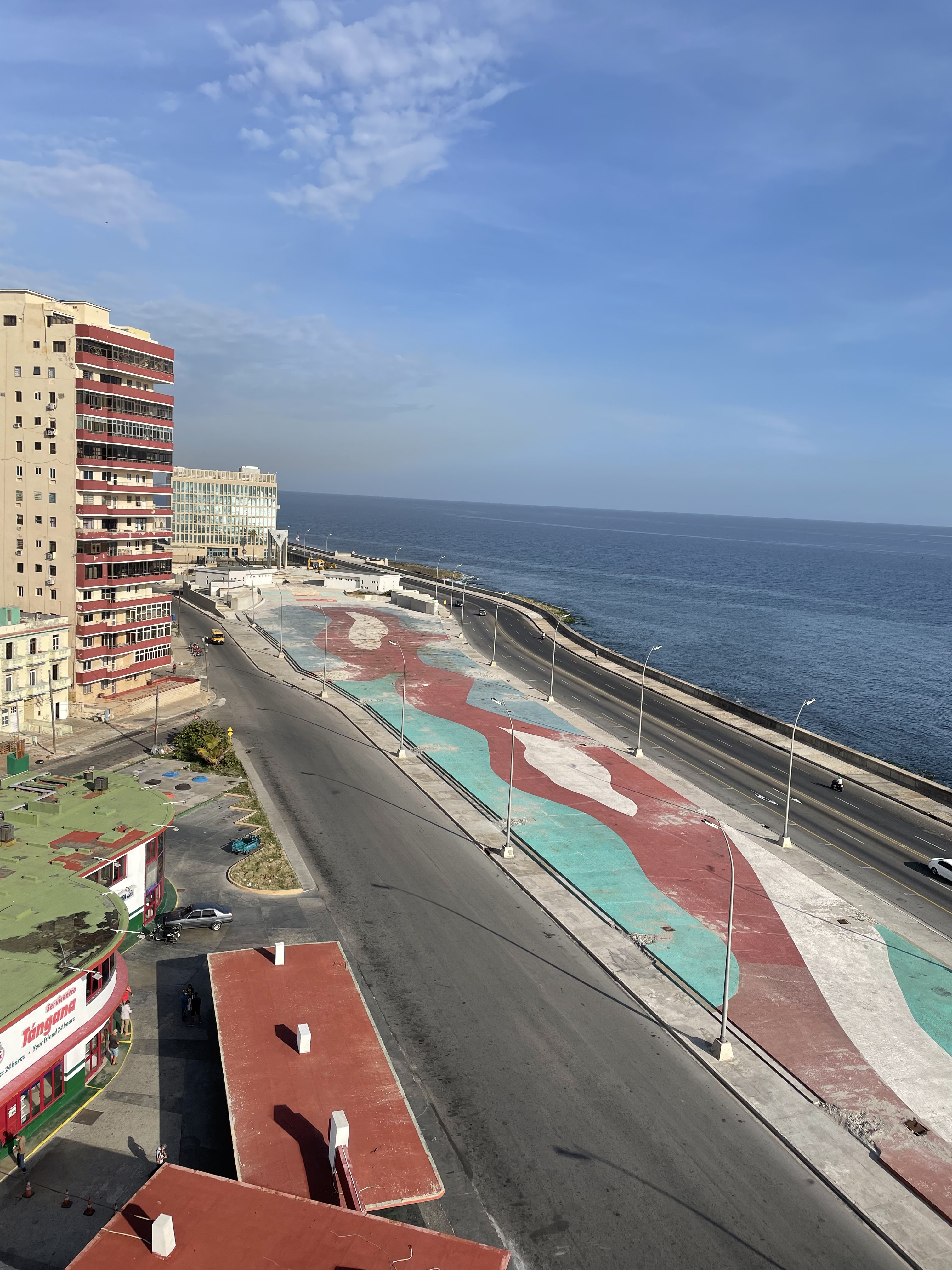
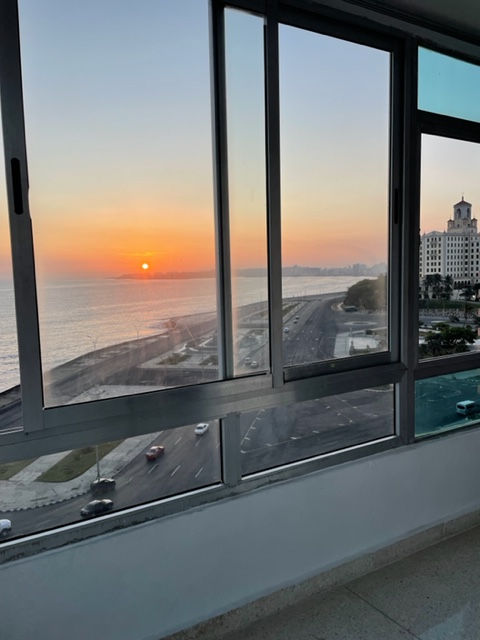
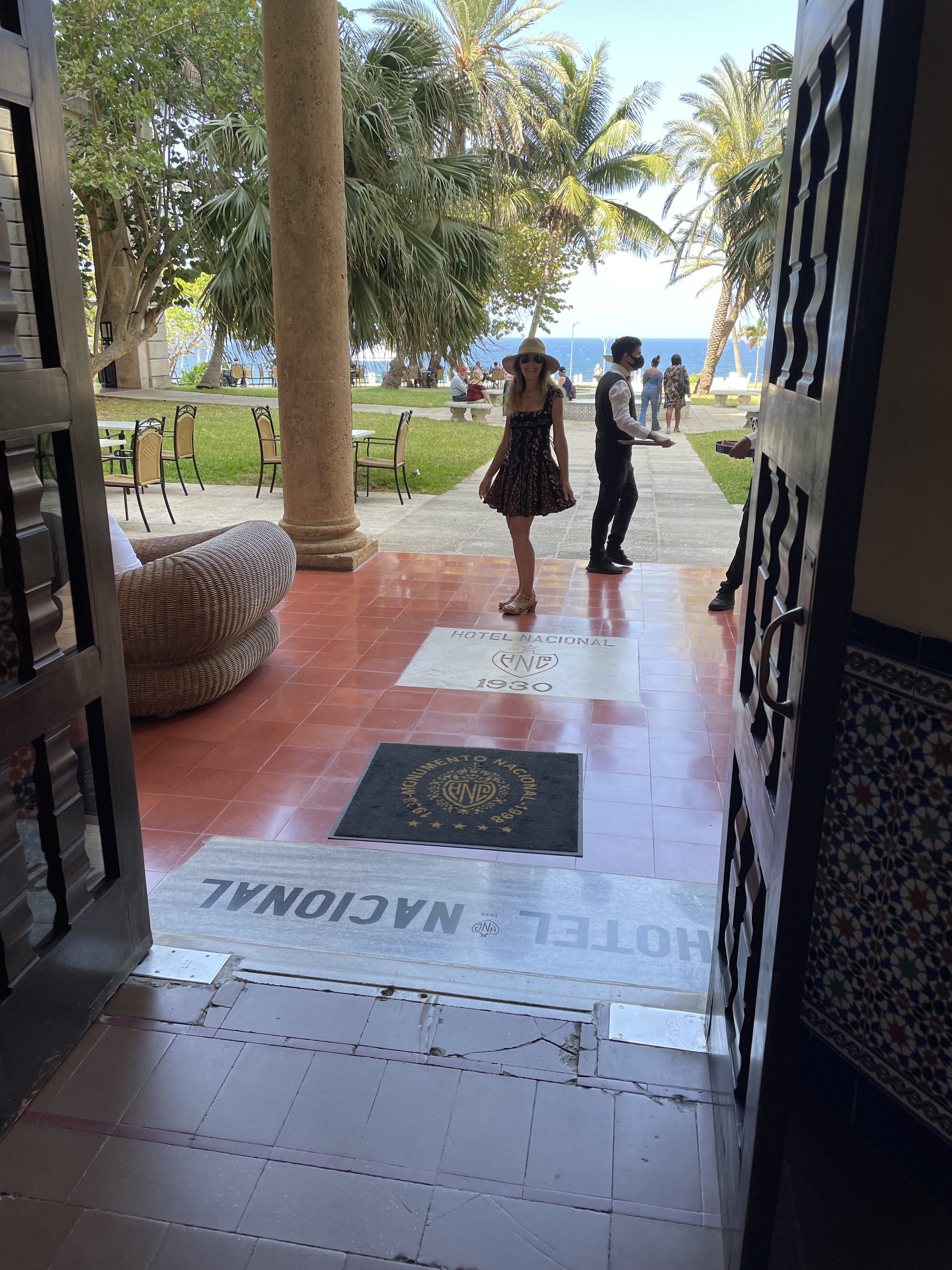
A quick two-hour drive took us back to Havana. This time we stayed on the 9th floor of a secured building on the Malecon, the famous 5-mile stretch of a concrete seawall and walkway.
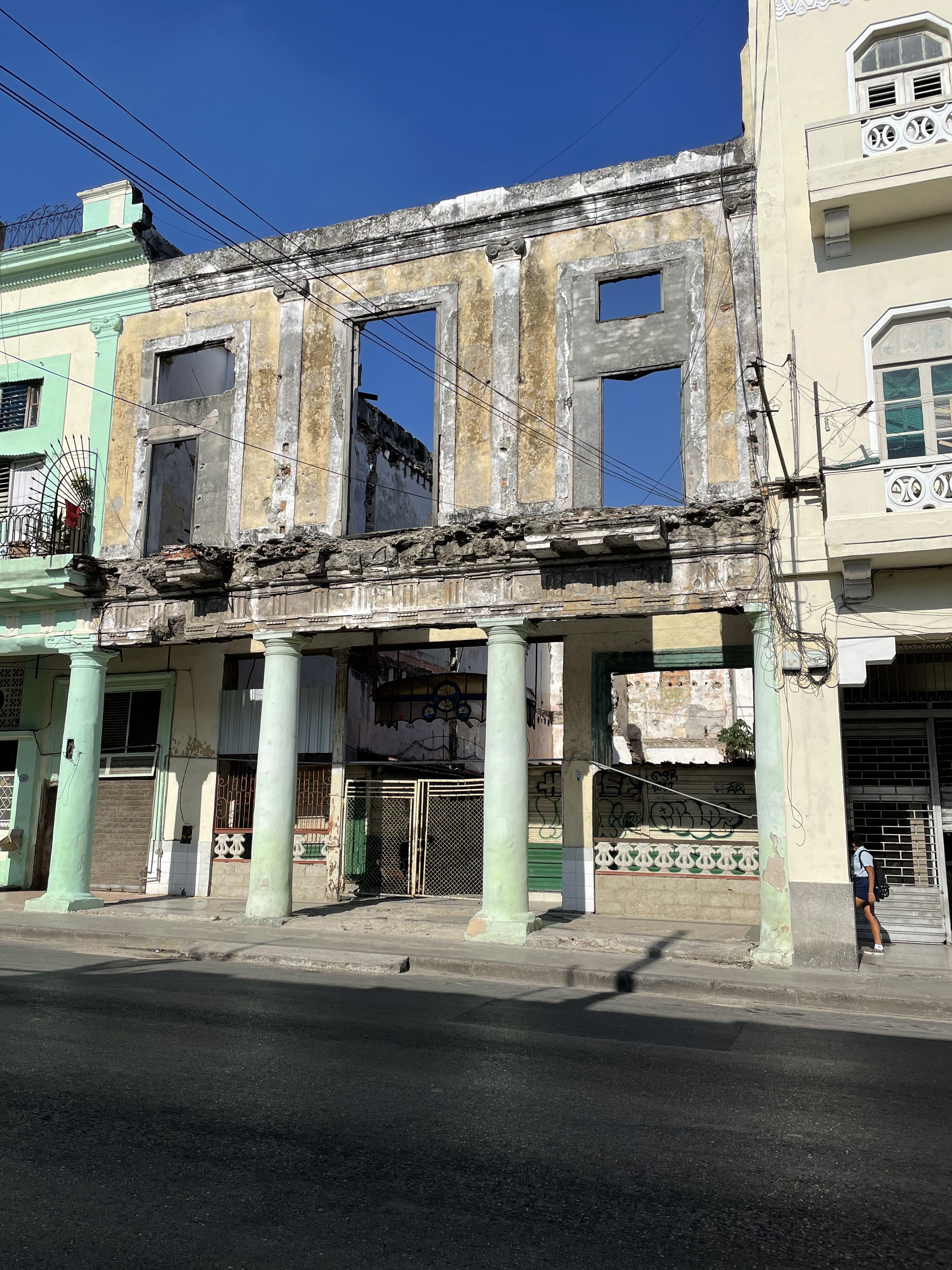
Wherever we went I noticed beautiful, old buildings beside others that were literally falling down. It was told to us that a group of investors bought an old building and turned the interior into an incredible lobby with five-star residences while the outside still looks pathetic. The group is not allowed to renovate or even paint the outside as that is property of the government.
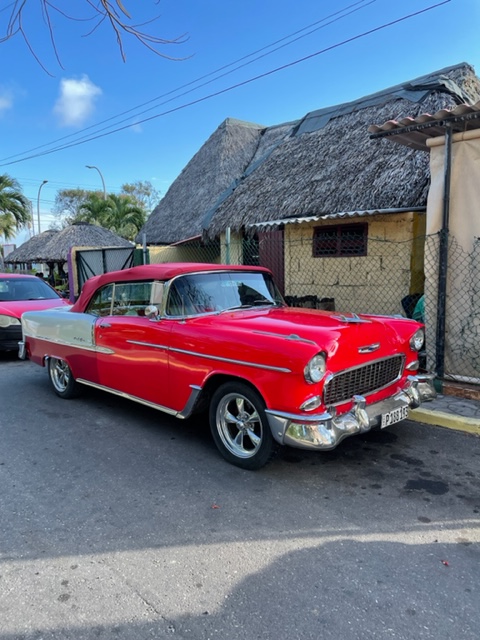
Whatever you expect of classic cars in Havana is exceeded by reality.
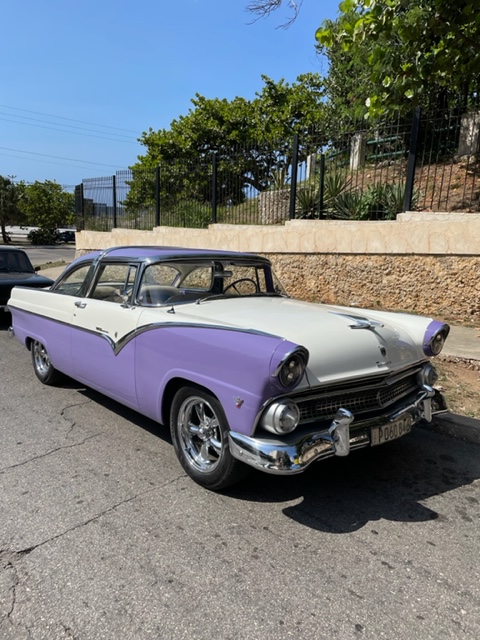
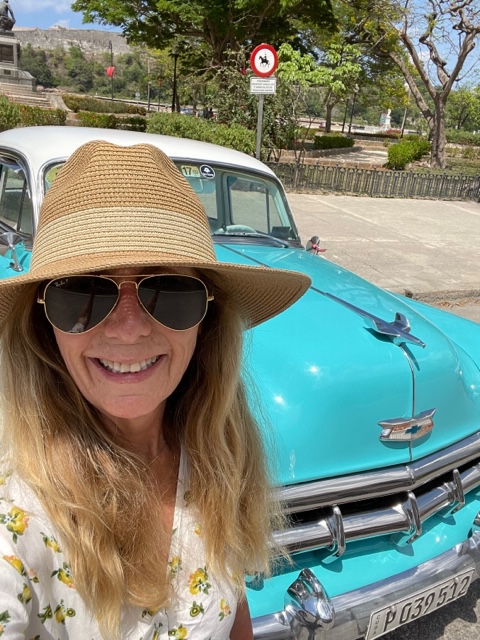
I don’t pretend to understand all the factors contributing to the old vehicles but it’s definitely not just because of the embargo from the U.S. since there is trade with most all other countries including Germany, Spain, Japan and plenty of places where good cars are manufactured.
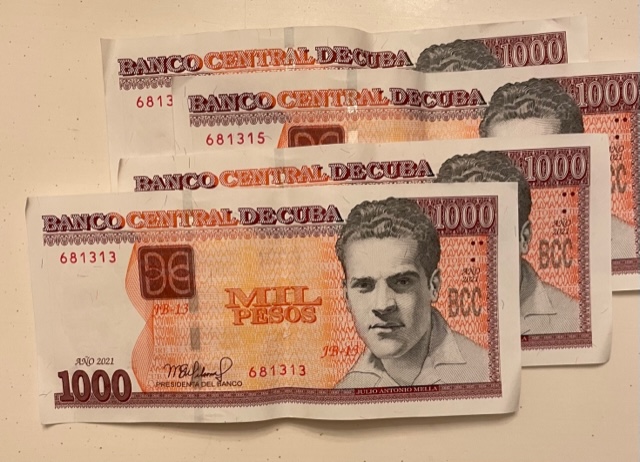
Currency for visitors is a mix. I made out fine with U.S. dollars (USD) but changing some to Cuban currency was smart. We always asked for the price in both CUP (Cuban pesos) and USD then selected the one that made sense. Payment comes in several forms – credit cards (but not U.S.-issued so I may need to get a European card before returning), Euros, U.S. Dollars, CUP, or a government card. Some places take all of the above but some only take CUP or government cards. The government gives each citizen a monthly allowance plus certain staples such as one chicken per adult, rice, beans, milk, butter, cheese, and such. Those redemptions come from stores that only accept government cards and could not sell to me. I’m told the rations are hugely insufficient and one must find some way to supplement them.
We took a couple hours one morning to visit Fusterlandia, the art area of Havana started by internationally-acclaimed Cuban artist, Jose Fuster. In 1975 he began decorating his neighborhood with mosaics influenced by his appreciation of Picasso and Gaudi’s art. It continues to grow with works from his students.
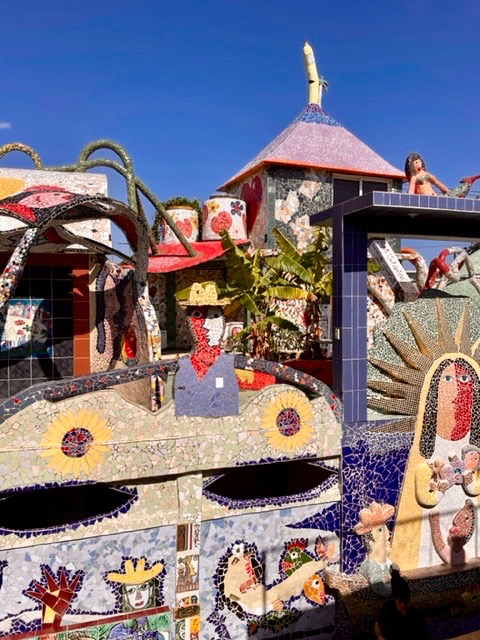
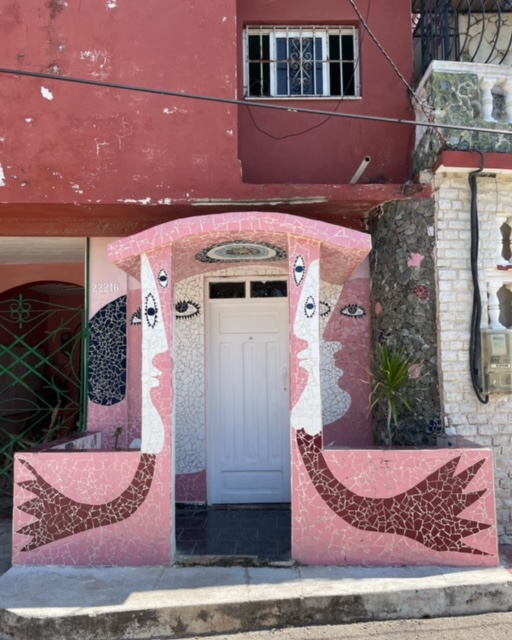
Our 8-day trip was winding down. Everything went well including how we divided our time: First two nights in Old Havana, next two nights in the mountains (Vinales), two nights at the beach (Varadero), last two nights in new Havana by the Malecon.
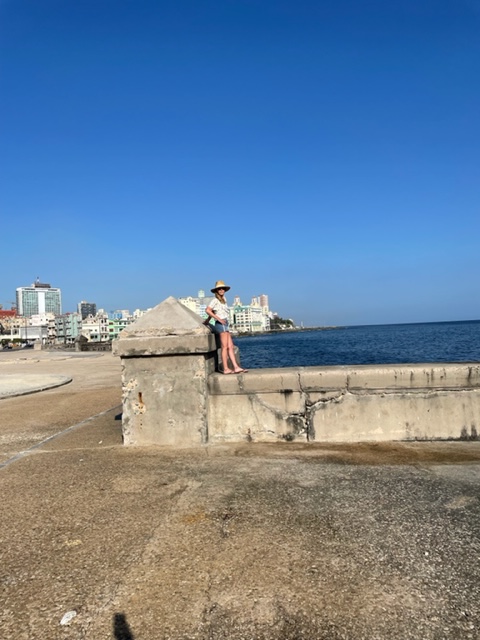
My travel companion was born in the United States of Cuban parents. On the last day of our trip, he walked to the Malecon to spread his mother’s ashes in the ocean at Havana as many others have done. It feels right in so many ways. We are coming to the end of the generation that left Cuba around the time of the revolution (1959). Life in full circle.
Closing thoughts: I seldom consider myself a tourist on vacation. Rather, I’m a traveler or an explorer. For 8 days (May 2022), I explored Cuba as I’ve explored many countries before. Although I’ve traveled through many underdeveloped countries (such as Nicaragua and Jordan) and experienced many different governments including socialist (Portugal), constitutional monarchy (Thailand), and communist (China), no experience prepared me for Cuba. I will continue to study the economics and government policies until I can get some semblance of understanding. The country is so full of natural beauty and resources yet so poor. That’s not the strange part. The hard thing to understand is the government structure that holds the people down. Constraints on foreign investments and lack of access to capital can account for only some of the problems. Even after 8 days and countless hours of conversations, I have so many questions. Such as, why are a couple capitalist ventures allowed but most are prohibited? AirBnB is thriving throughout the country. I booked all of my accommodations from my home in Virginia using AirBnB and communicating with the hosts through the AirBnB app yet they can’t communicate via traditional U.S. internet app’s. More importantly, I don’t understand why people aren’t free, even encouraged, to start and build businesses that would elevate their standard of living, support the community, provide a growing tax base, and fill needs.
Setting aside business and economics, simple activities are severely restricted. It’s illegal for a Cuban to board a boat without a permit, and it seems nearly impossible for them to get a permit. I’m told there’s also a restriction on Cubans swimming in the sea. These restrictions appear to be aimed at illegal emigration. They are not allowed to leave the country without permission. Freedom of movement, personal residence and employment are restricted. (Decree 217) Violating these restrictions can have severe consequences. So, apart from the obvious reason that most Cubans don’t have vehicles and can’t afford to travel or even go to the beaches, I feel bad that I did things they’re not allowed to do in their own country. It feels so wrong, yet, I never saw resentment. Everyone I met was friendly, gracious, and seemed appreciative of my coming.
Part of the beauty of my blog is that it’s written contemporaneously, or as close as possible, in the belief that experiences are freshest in the moment. This “explorando cuba” post was started mid-way through the trip. After two days, I was blocked from my blog (wordpress.com). I’ve since learned that Cuban Decree Law 370 prohibits Cuban citizens from independent journalism including social media or blogs. Essentially, free exchange of thoughts is illegal. Dissent comments are definitely illegal. Private schools and universities have been banned since the early 1960’s.
One afternoon I had an interesting conversation with a lovely, young woman at a cafe. We were discussing the shortages and she said, “It’s the government.” I don’t understand how it’s the government’s fault for everything so I asked specifically why there is a shortage of fish given that Cuba is an island. She said if a person goes onto the ocean (remember, he’s not allowed to get in a boat) and catches a fish he’s required to sell it to the government at a low price. Violating that could get him arrested. So, what does the government do with the fish? It uses the fish for government-owned hotels or for trade deals that bring profit to the government. The people are not allowed to profit. Then, she said what I’ve heard so many Cubans and Cuban-Americans say, “It will be different when the last Castro brother dies. No one respects the current president so it will change.” I am an outsider so I question, listen and try to understand but I don’t criticize or challenge. Still, I’m not sure why anyone would expect significant change and I don’t know how they stay hopeful.
Cuba is a beautiful and complex country in every regard. The geography and the people are truly beautiful. Even the revolution was beautiful, conceptually. It makes me wonder how it got to this point.
I hope to return soon to see Trinidad and the islands in the South. With luck, I’ll get to experience more of this beautiful country and the beautiful people. Perhaps, it’s something I can never understand but I want to try. For years I’ve been hoping I would be invited to teach at a Cuban university but I’ve been unsuccessful at establishing even an initial conversation. I can see now that those thoughts were hugely naive. While I don’t intend my comments to be anti-regime, I am a business owner, lawyer and educator in the U.S. which may be patently offensive. I am a capitalist and that is definitely offensive. But, if we hope to build bridges between our countries we must open communication channels and begin sharing thoughts. I don’t know what channel might serve that purpose. These matters are far beyond my very limited knowledge of the cultural differences and government divisions. As the saying goes, “Next year in Havana.”
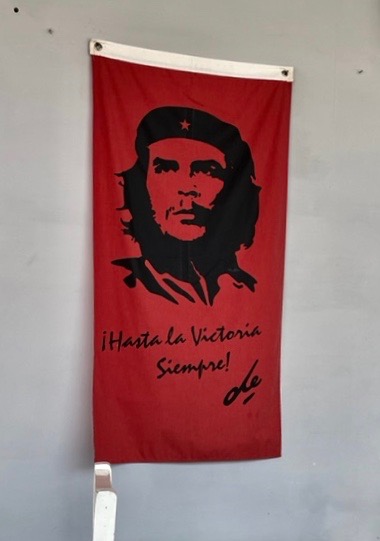
“Above all, always be capable of feeling deeply any injustice committed against anyone, anywhere in the world. This is the most beautiful quality in a revolutionary.” Che Guevara
“Cruel leaders are replaced only to have new leaders turn cruel.” Che Guevara
“So, so you think you can tell
Heaven from hell?
Blue skies from pain?
Can you tell a green field
From a cold steel rail?
A smile from a veil?
Do you think you can tell?
Did they get you to trade
Your heroes for ghosts?
Hot ashes for trees?
Hot air for a cool breeze?
Cold comfort for change?
Did you exchange
A walk-on part in the war
For a lead role in a cage?” Pink Floyd

 Kathryn Byler, blog
Love it.
LikeLike
Thanks xo And thanks for going first then encouraging me to go!
LikeLike
Awesome, thank you Kathryn
LikeLike
Love this… You are so brave! I had no idea of the amount of government control. Glad you made it back safely
LikeLike
Thanks Katty – what a beautiful trip! And what strange political and economic situations.
Jeffrey H. Gray Jhg.gray@gmail.com
>
LikeLike
Great trip. Good perspectives. Your accommodations were very nice. Glad (but not surprised) you had a fantastic time.
LikeLike
Looks like you had a great time!!
Sent from my iPhone
>
LikeLike
Always enjoy seeing and hearing about your trips. You are so adventurous!
LikeLike