Berkshire Hathaway Annual Shareholders’ Meeting

Welcome to Omaha, Nebraska! Two of my sons and I are among the 40,000+ people attending the Berkshire Hathaway (BRK) 2016 Annual Shareholders’ Meeting.

tag.jpg

The actual meeting was from 9:30 AM to 4:00 PM yesterday (Saturday 4/30) but the whole weekend is filled with various activities including shopping at BRK businesses where shareholders get substantial discounts, running in the “Invest in Yourself 5K,” receptions, cookouts, ping pong contests, newspaper throwing contests, and exploring the exhibit floor of BRK firm displays. Some of the firms are wholly-owned by BRK (such as See’s Candies and Dairy Queen); others are partially-owned (such as Coca Cola, 10% BRK). It was interesting to see all the businesses that I didn’t know BRK owns…RV’s, pontoon boats, pre-fabricated housing, Brooks running shoes, Borsheims jewelry, Furniture Mart, Fruit of the Loom, Kraft Heinz, NetJet, and more. Of course, insurance, banking, and railroads are still a big part of BRK holdings.

store.jpg

auditorium.jpg

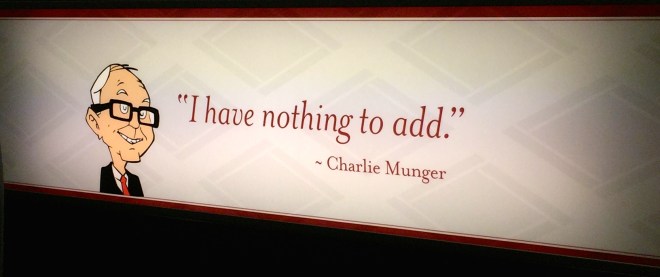
We arrived early to get a seat inside the auditorium that holds 18,000. It was filled up by about 7:30 AM. The movie at 8:30 featured SNL actors and other famous people, all of whom donated their time and talents. At 9:30 promptly, Warren Buffet, CEO and Chairman, and Charlie Munger, Vice-Chairman, took their seats on the stage. For the next 5 1/2 hours they answered questions from shareholders and industry analysts both in the auditorium and around the world. The meeting aired worldwide for the first time and included a translated version in China. Questions were not screened so there were no prepared answers. Warren did most of the talking but Charlie chimed in whenever appropriate. Mostly, Warren offered Charlie a chance to talk but his standard response was:sign.JPGIt was very impressive how Warren (85) and Charlie (92) have such a command of the BRK holdings, performance, industry trends and general business acumen.
A question about health concerns of sugar consumption and drinking Coke didn’t keep either of them from drinking Coke and eating See’s peanut brittle throughout the meeting. And a question about lack of diversity on the board didn’t phase them either. The answer was simple–we look for the best board members we can find in terms of intelligence, experience and passion about BRK, regardless of ethnicity. I didn’t recognize most of the board members but Bill Gates was there sitting on the front row in his blue sweater. The combined wealth of just Bill and Warren is well over 100 billion dollars. I can’t even imagine that much wealth.

A resolution brought by Nebraskans Peace Foundation which owns one share of BRK Class A  would require BRK to evaluate global warming and address it as a danger to the insurance holdings was voted on and turned down. Warren opposed the resolution and politely explained that insurance policies are priced and offered year-by-year, therefore, companies could raise prices or assume less risk if climate change warrants it. Regardless, speakers were allowed to share their concerns. This seemed to be just an opportunity for the environmentalists to be heard and not a legitimate business concern.

In spite of the fact that a large percentage of the audience works in the financial sector, Buffett clearly holds financial advisors and fund managers in fairly low esteem. He implied that the huge fees the fund managers earn is to blame. His bet that the S&P would out-perform any 5 hedge funds over a 10-year period will end soon and it seems he’ll win by large margin (65.7% v. 21.9% so far). http://longbets.org/362/

BRK consistently out-performs the S&P. $1,000 invested in the S&P 500 51 years ago when Buffett bought majority interest of BRK (1965) would be worth $112,341 today. The same $1,000 invested in BRK would be worth $15.3 million today.

Buffett light-heartedly said if you hear a baby crying it could be his newest great-grandchild (7 months old) just learning about his philosophy on inherited wealth. When asked about conflicts of interest in personal holdings, he said 99% of his wealth is in BRK and any outside holdings are carefully scrutinized not to be a conflict. Further, he said that he has more money than he’ll ever spend and 99% of it will go to charity so he has no need to accumulate more wealth. He said he derives more pleasure in seeing BRK become richer than increasing his personal wealth. And, he hopes that BRK will go on profitably long after him.

When asked about his advice for success, Warren gave a similar answer to a question about a succession plan, noting that this subject comes up at every meeting. He has no desire to retire. He’s doing what he loves, with people he loves adding that the board and policies will keep BRK strong, long after he and Charlie are no longer there. The managers of the various sectors were praised, especially the insurance czar.

We spent the afternoon, along with Bill Gates and 40,000 others in attendance, listening to Warren Buffett and Charlie Munger discuss financial statements, business valuations, their search for well-managed, profitable businesses to acquire, and related topics. Time well spent. Plus, I got to see a bit of Omaha and enjoy the excellent company of Patrick & Daniel who flew in from Los Angeles.

museum.jpg

(picture of Chihuly sculpture at the Joslyn Art Museum)

All in all, I’ll come back to Annual Shareholders’ Meeting any year I get the chance. Don’t suppose there’s anything we can do to change the cold, rainy weather.
 

Orphan Network

Thursday 4/14/16

Upon arrival at Managua Airport we were met by Ana Akin and a driver from ORPHANetwork (Onet)(www.orphanetwork.org). We dropped our things at Le Chauteau then headed out to Orphanage El Canyon, one of the six orphanages that Onet supports. Approximately 30 children live at El Canyon full-time and 30 more come from the community for meals and to attend the private school adjacent to the orphanage.

pink girl 610.JPG

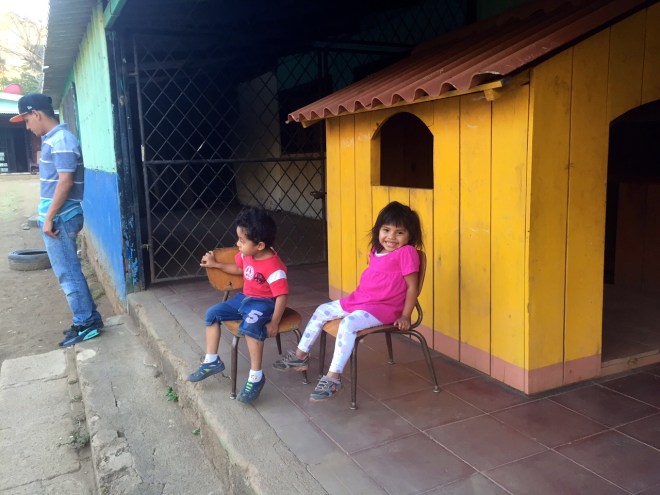
The children who live at the orphanage are from 2 to 17 years old. A very adorable 3-year old girl (picture above) and her little brother had arrived at the orphanage the preceding month. They seemed like typical children which I had trouble understanding given the circumstances. Two of the staff members are trained psychological counselors who work with the children daily.

When I questioned if the children are really orphans, I was told that some are orphans, some were abandoned, and some were removed from their homes by the government due to abuse or neglect. The government does not provide foster care, financial support or otherwise assist the children who are removed from their homes. Similarly, the government does not support the orphanages although it does regulate and inspect them. Recently, 25 orphanages were closed down due to financial improprieties or substandard conditions. There must be at least one adult per every 10 children at all times. A bright spot at the compound was the new computer lab that was provided by an American donor. This is in keeping with Onet’s goal of providing all children with basic English and computer skills.

Friday 4/15/16

hotel.jpg

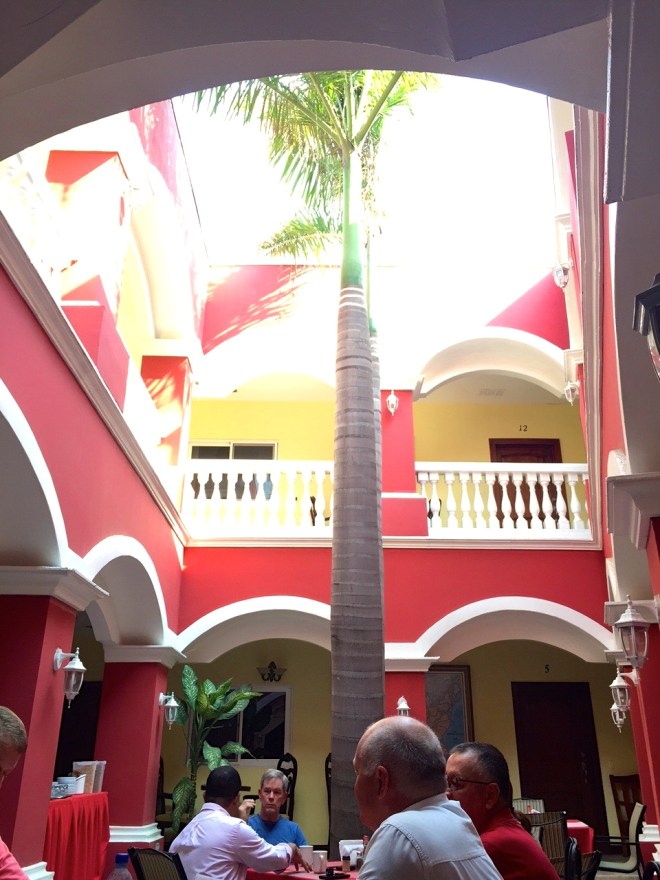
We started the day in the lovely hotel courtyard eating breakfast with Eddy Morales, Onet Country Director, Nicaragua, then a tour of Onet’s administrative offices. Eddy explained how the organization works through Local Church Initiatives (LCIs) to prevent vulnerable children from becoming orphans. These efforts include feeding programs for children. Each child receiving any benefit from Onet is registered by name, date of birth (or an educated guess), height and weight. The children are then measured for height and weight every three months to make sure they’re growing. All children receive deworming medications every six months.

A new effort in its early stage is an educational program for select children in the feeding program. Since the regular school ends at lunch time, children go to the church or other feeding station then stay for after-school education.

food%20boxes.jpg

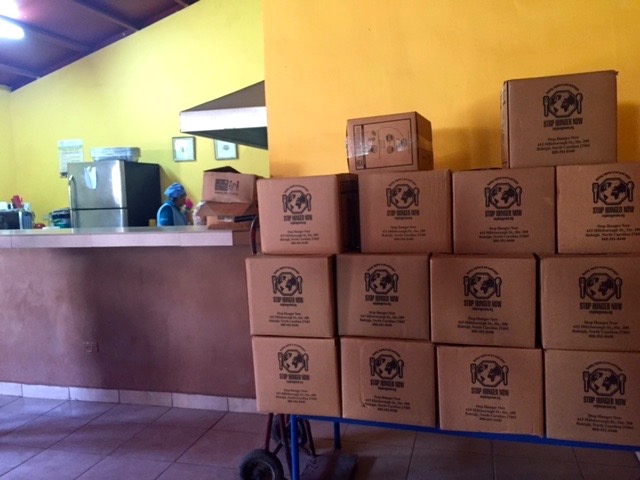
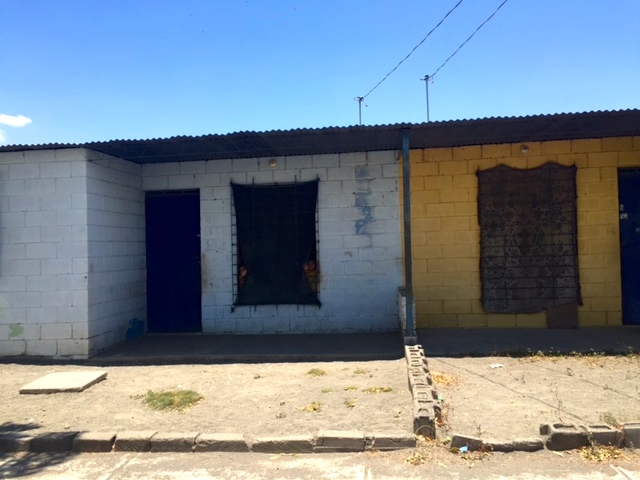
Our next stop was La Esperanza, a private school formerly located in the big dump. The dump was closed down when Spain donated money to level it. A recycling center was built in its place and employment was offered to the former inhabitants. Small concrete “homes” were provided to the displaced families. Onet supports La Esperanza as Phase 2 LCI by offering packaged food and financial resources.

huts-35.jpg

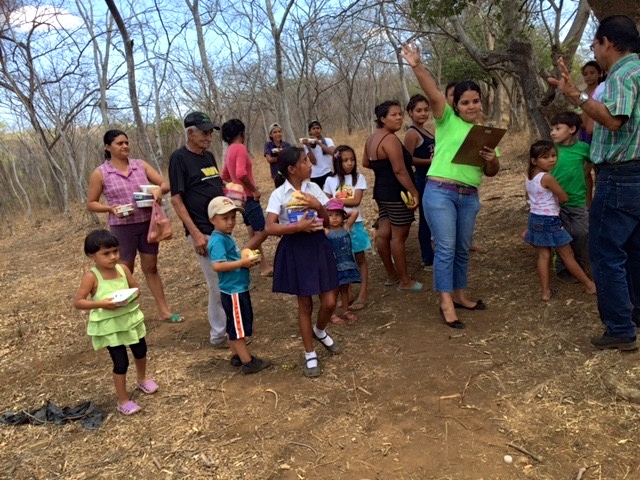
Next stop was Verbo Sur, also an LCI Phase 2 program. Onet provides food that is prepared by church volunteers for a feeding program offering lunch 5 days per week at the church and 3 days per week by transport into the hills.

boy-hammock

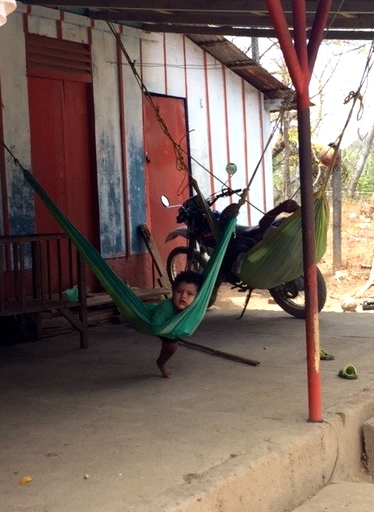
On this day, Pastsor Jairo delivered the food himself while we rode along. Each meal was registered as it was handed to the intended person according to the records.feeding%20hills.jpg

We had lunch back at the church with the volunteers, several of whom were family members of the pastor. The church also provides daycare so mothers can work. Those receiving childcare pay a small amount.

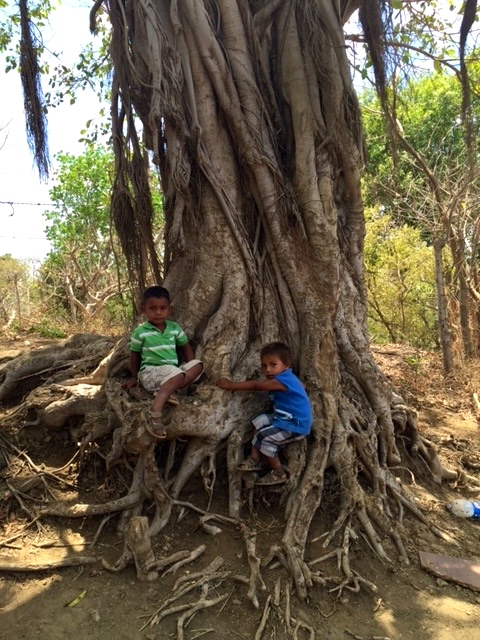
boys-tree.jpg

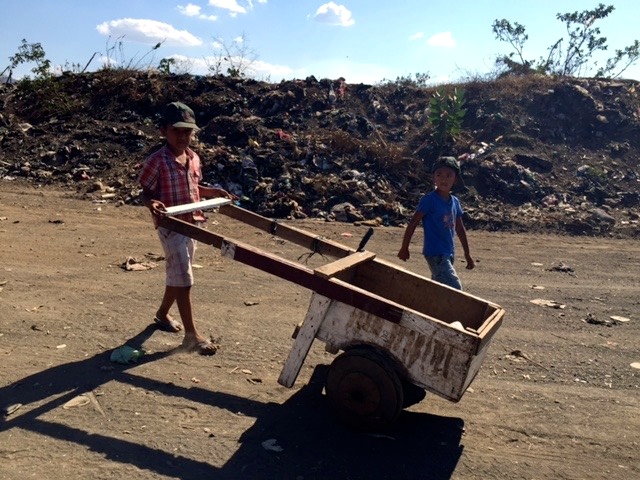
After lunch we drove to Nueva Vida, a community of 22,000+ people who are former refugees relocated after Hurricane Mitch in 1998. The government moved them from the coast to this location in what was supposed to be a temporary refugee camp but 18 years later, the community is still there. (Tour through Nueva Vida: https://www.youtube.com/watch?v=t2yfgk8c2ec&feature=youtu.be) Nueva Vida is located beside a dump where some of the locals search for materials that can be sold for recycling.

boys-dump.jpg

We were told that the Spanish government provided the water tank. There was no sewage system except for latrines (outhouses). Our guide through rows of homes was Pastor Belmis who leads one of 6 churches Onet supports in Nueva Vida. The homes were generally made of concrete or odd pieces of building materials with a piece of sheet metal for the roof. Looking inside, I could see pieces of carpeting, concrete or just dirt floors, occasional hammocks, chickens, dogs, and extended families of all ages. Seeing the living conditions, I understand why sexual violence, alcoholism, drug addiction and crime is so high. It’s also easy to understand the high rate of malnourishment, skin rashes, infections, and worms/parasites. All Onet operations in this community, including a small clinic staffed with a doctor, are funded by generous donors from Chicago, the Orsini family and the Pitzaferro family. (Tony Orsini’s Story: https://www.youtube.com/watch?v=WVAAMEIh27g&feature=youtu.be)

inside%20hut.jpg

After the sobering tour of Nueve Vida, we picked up Mylvian Lopez, Onet’s transition director, and the students from Nueva Vida (one from Esperanza) who are being trained at a votec center to be certified welders. This is a pilot program of 10 students recommended by the pastors of the sponsored churches and selected by Onet as having the intellect, motivation and health necessary to succeed. The cost for the six-month program is $1,000 per student. There is a shortage of certified welders in Nicaragua and Onet believes there will be job offers for all students upon graduation. The students from Nueve Vida must ride the bus two hours each way to the votec center. Enjoying a pizza dinner with these students was nothing short of inspirational. They were happy and eager. It’s almost impossible to understand how young people with so little could be so well-mannered and so optimistic about their futures. If I hadn’t just seen the horrible conditions in which they live, I would have thought they were regular college kids hanging out, eating pizza and drinking cokes. The fact that they’re working so hard to break the chain of poverty and make a better future is a testament to their strength and character.

weld.JPG

Onet has recently started a similar program to train welders on the east coast supported by a welding company in Virginia. (Welding Program in Puerto Cabezas: https://www.youtube.com/watch?v=OsuC-h2X3y0&feature=youtu.be)

Saturday 4/16/16

We set out to visit Orphanage Casa Bernabe in Vera Cruz, the first orphanage Onet supported. Although it was Saturday, the children were in an English class. We toured the facility then sat and talked with the director, his wife and a counselor about both the successes and challenges of raising children who have been abused, abandoned or orphaned.  sign.jpg

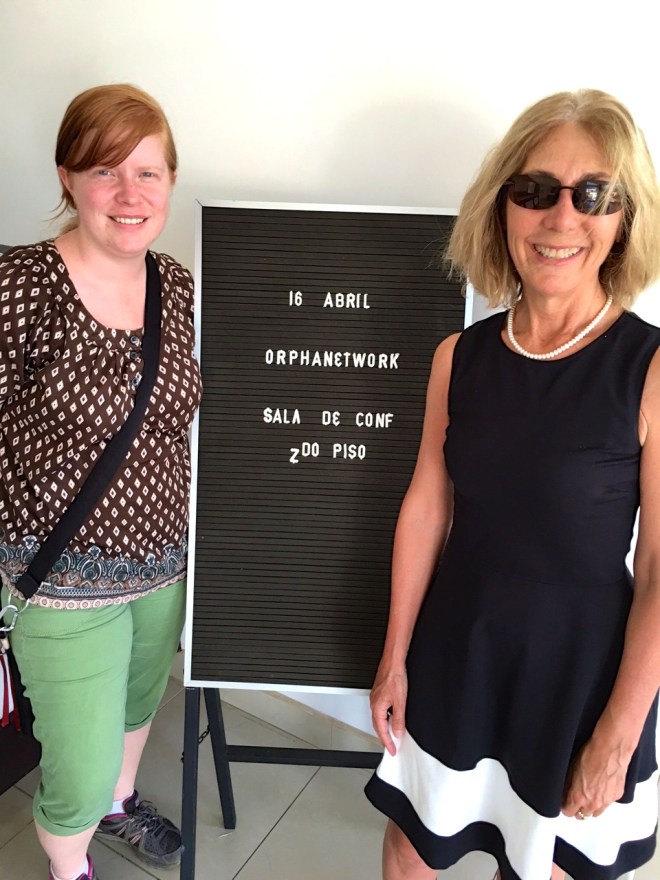
From 2:00 to 5:00 PM we were scheduled to conduct a seminar at the Brandt Hotel with transition students. The seminar touched on overcoming obstacles, communication skills, and goal setting.

There are approximately 60 young adults in the Onet transition program. The majority live with extended family. Mylvian has placed several students in internships with various firms, many of which have turned into compensated, full-time positions paving the way for more interns. The seminar was completely optional so I was impressed that 20 showed up on a Saturday afternoon. One of the students, Jennifer, 21 years old, was raised at Casa Bernabe, speaks English well and now lives with her alcoholic mother while she finishes a degree in International Relations. Jennifer served an internship with ORPHANetwork. Elijah, 18 years old, raised at El Canyon, said he has no family. He’s eager to attend college to study computer science and believes he has good test scores for acceptance. His English is good and he thinks he can work part-time at a call center while going to college. Elijah wants to continue with his band that is scheduled to perform at an upcoming Christian concert but doesn’t see music as a viable career choice. These goals were written in his journal from the seminar. He’s hopeful that Onet will continue to support him so he can reach his goals and make his dreams come true. College is free to those who qualify but it’s very competitive and not everyone who wants to attend is accepted.

During a dinner at a fast-food restaurant similar to KFC, the transition students were happy and appreciative for both the seminar and the dinner. The comaraderie among the students and the Onet staff was more proof that people everywhere are basically the same. In spite of the hardships they’ve had to overcome, the young adults were full of questions and laughter, ready to enter the work force and hopeful that someone will give them a chance.bird.JPGThank you, Ana, Eddy, Dick, and all the fine people of ORPHANetwork who made this opportunity possible. There is no doubt that you work with your hearts, your minds and your hands to help those who have so little.
“They also will answer, ‘Lord, when did we see you hungry or thirsty or a stranger or needing clothes or sick or in prison, and did not help you?’

“He will reply, ‘Truly I tell you, whatever you did not do for one of the least of these, you did not do for me.’ Matthew 25: 44-45

Charitable Spending

Nicaragua and its people are not unlike others; we’re all struggling to allocate money and other limited resources in a way that brings the greatest utility or otherwise achieves our goals and desires. Most of us have good intentions but we don’t always make good choices. (http://www.cbsnews.com/news/when-disaster-relief-brings-anything-but-relief/)

My limited charitable dollars and time need to go where they can make a difference. At a minimum, they shouldn’t be used in ways that hurt instead of help.

As an outsider to the world of NGOs, I’m still forming opinions of what I want to support. I question money for buying anything that is handed out. Even giving food seems a bit irrational. Once the food is eaten, the people will soon be hungry again. What has the short-term food consumption helped? In some cases, I’m afraid that giving food and other aid enables people to stay in bad situations instead of making greatly needed changes.

If, however, giving food or clothing is the goal, money can be used much more effectively than tangible items. It avoids the cost of transportation, insures that local professionals can get exactly what is needed in the right portions to the right people, and it supports local businesses that employ those who need jobs.

Let’s be real about it. If my sole goal was to help the Orphan Network (Onet) children, I should have stayed home and written a check. The thousand dollars I spent traveling could have paid for a six-month welding certification program that, seriously, could break the chain of poverty and take a young person from deplorable conditions to a good job and a brighter future. Like most well-intended donors, my goals were less defined and more complicated but they included helping the children, seeing first-hand where my money was going, and experiencing a little of Nicaragua and its people.

tree of life.jpg

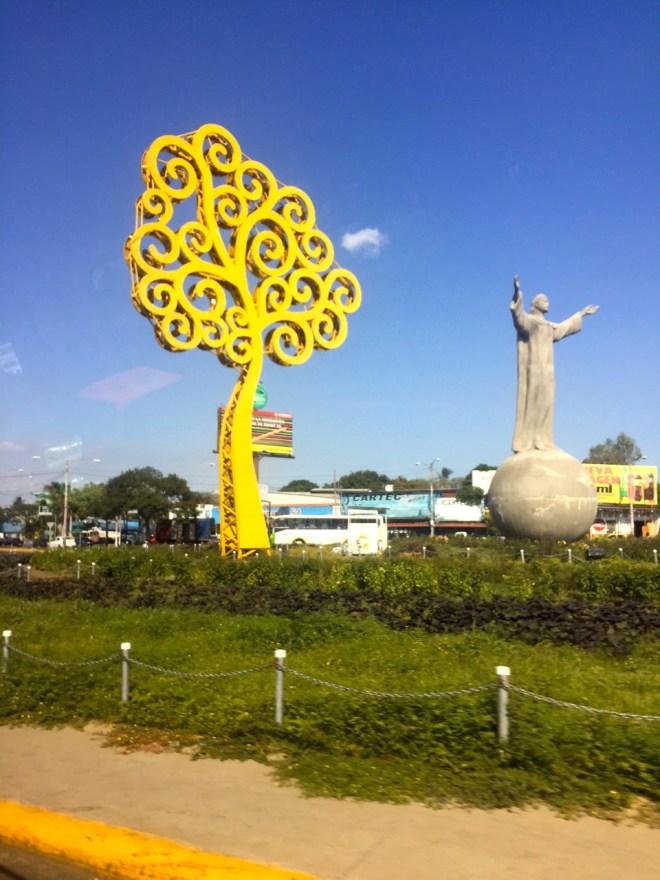
While it’s good to support art, many people are questioning the new initiative in Managua. First Lady Rosario Murillo has launched a campaign to install what she calls Trees of Life. There are dozens of large, abstract structures; each costs $20,000 and they continue to run up electric bills of more than $10,000 every month. The Trees of Life are said to have been inspired by scripture, “And out of the ground the Lord God made to spring up every tree that is pleasant to the sight and good for food. The tree of life was in the midst of the garden …” (Genesis 2:9). Murillo and her husband, Daniel Ortego, are prominent on billboards and posters campaigning for the upcoming November election in which he’s unopposed. After losing re-election in 1990, Ortega reshaped his platform to what gets more votes. It seems Christianity appeals to the voters. The new motto is “Christian, Socialist, and United”. The red and black Sandinista colors were abandoned for fuchsia and baby blue.

How can abstract art at taxpayers’ expense be reconciled with large communities that have no sanitation, no trash collection, and the hungry residents have no jobs and no welfare assistance?

Corn Islands, Nicaragua

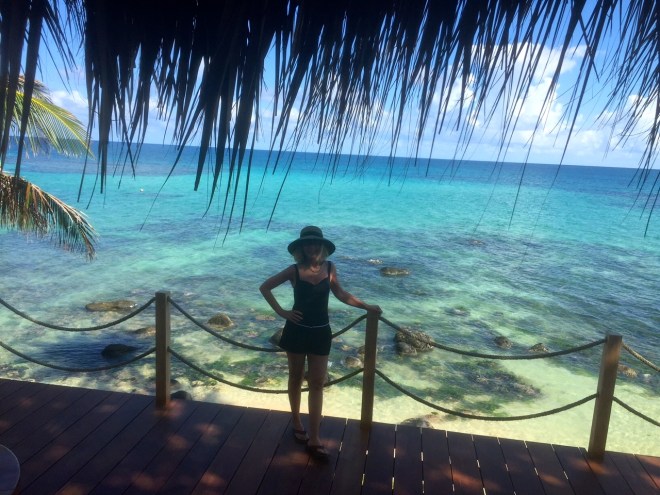
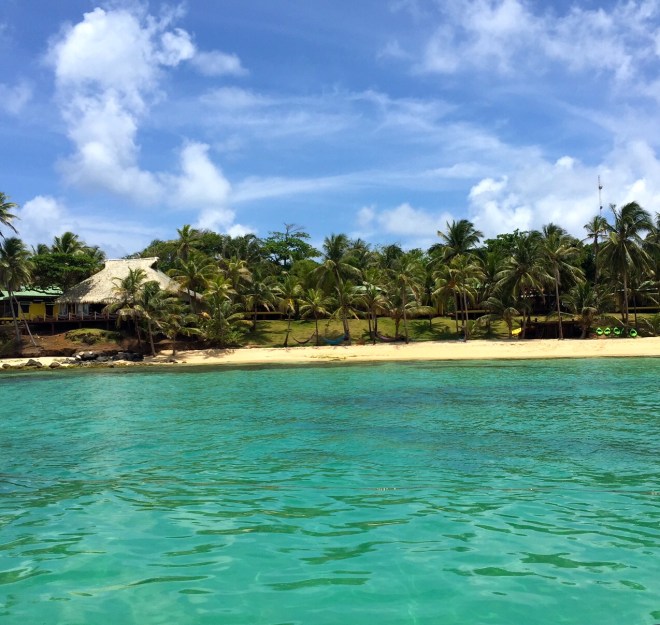
Seventy kilometers (43 miles) off the East Coast of Nicaragua sits the Corn Islands. We flew in a single-engine, commuter plane for approximately an hour and a half from Managua to Great Corn Island then a quick taxi ride for $1 to the port followed by a 30-minute water taxi to Little Corn Island. Each phase of the transit yields its own enjoyment. Tourism is the second leading industry after lobsters! Approaching Yemaya Hideaway and Spa nestled on the beach amidst coconut palms, there was no doubt that I was going to have a lovely stay.

yemaya

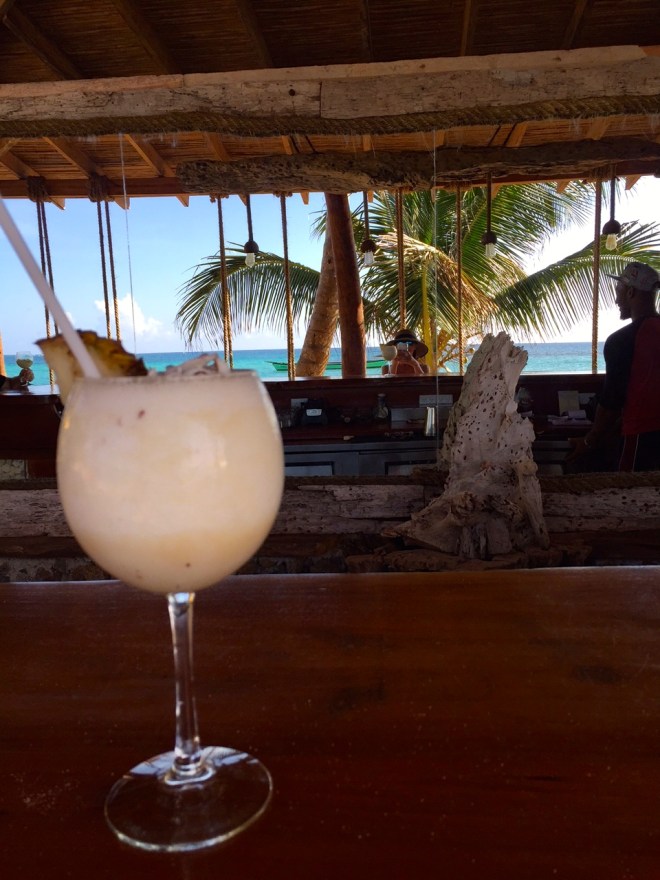
The staff is warm and welcoming. With less than 20 cabanas, the resort is peaceful and offers a lot of privacy. It’s a delightful mixture of natural beauty and civilized refinement such as excellent cuisine, wifi and frozen pina coladas (with fresh pineapple and shaved coconut right from the trees). The cuisine all over Corn Islands is a pescatarian’s dream with vegetarian options then lots of fresh fish and lobster. Complimentary activities and items at Yemaya include a yoga class in the open pavilion every morning, stand-up paddle boards, kayaks, snorkel equipment, soap and conditioner made on-site, hammocks and lounge chairs. It’s an adult-only resort but I noticed a small place up the beach with naked, sun-tanned children playing in the sand.

drink

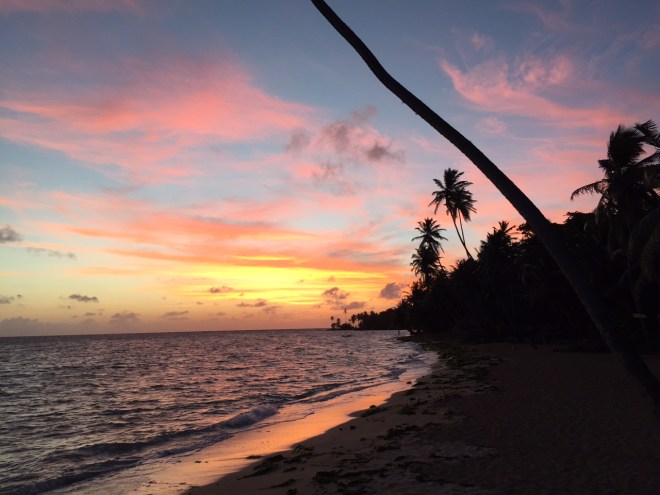
We’re still two months away from the summer solstice but the sun rises here about 5:15 AM. Nicaragua doesn’t observe Daylight Savings Time. The morning birds wake me at dawn and I definitely want to get up to see the colorful sky to set the day for a glorious, new day. Each day seems more magical than the day before.

sunrise

Snorkeling was warm and enjoyable. No wet suits needed! We saw two nurse sharks, a ray, a barracuda, a big turtle, and some colorful small fish—no big schools. The calm water is perfect for swimming, snorkeling and diving but, sorry to say, no surf. The air is 80-84 degrees F days and 70-74 degrees F at night year-round with a steady wind of about 5-10 mph most days. There were virtually no bugs or insects aside from an occasion gnat or lizard so we kept the doors open most of the time and the screened windows were never closed. I was lulled to sleep by the sound of waves on the beach just beyond our balcony.

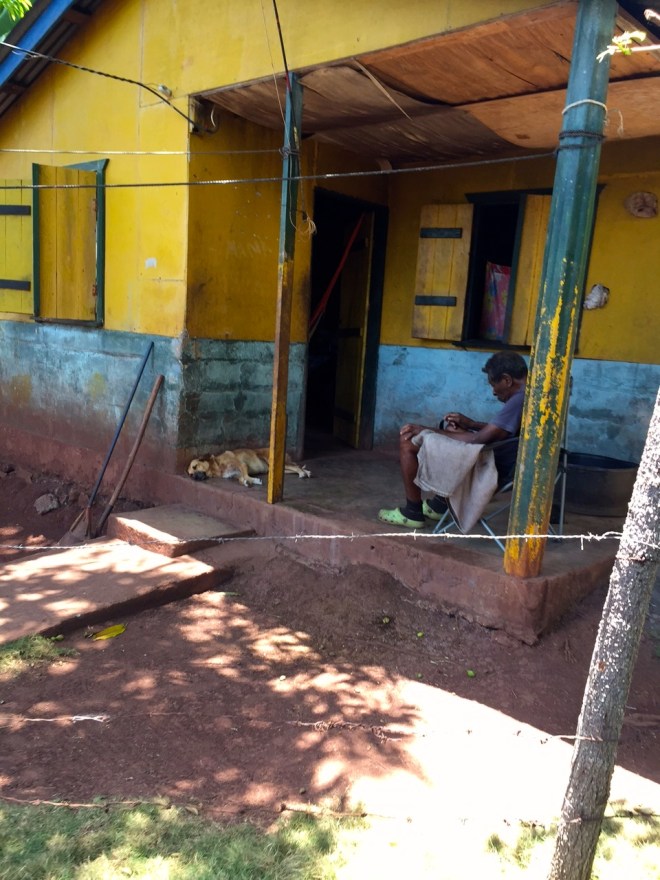
The local population of about 1,400 speaks Meskito (Mesquito) Coast Creole and Spanish. A thirty minute walk on a dirt path through the jungle takes you to the only town. There we found the typical colorful residences, chickens, children in school uniforms, small cafes and poverty. There are no streets and no cars on the island.

house

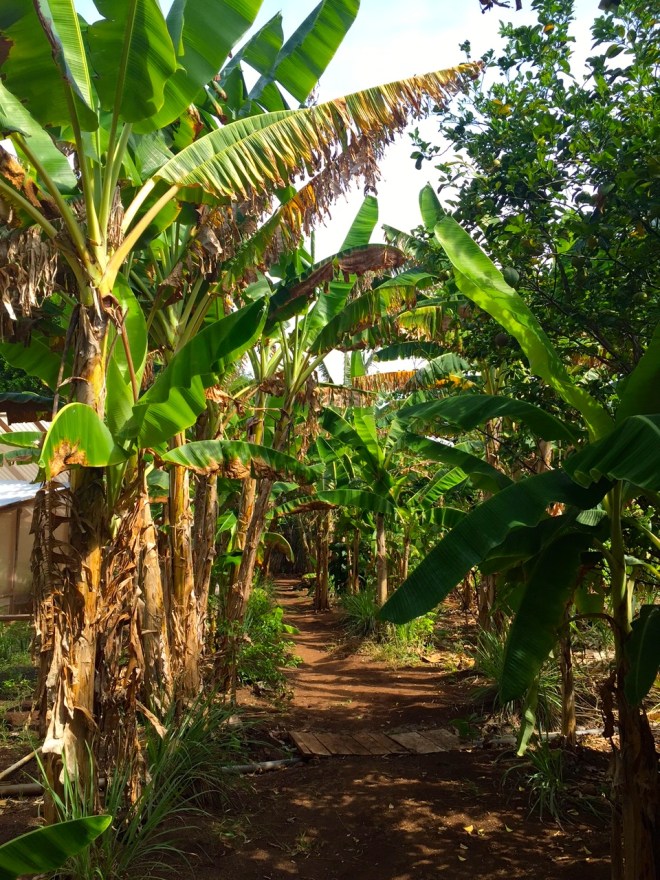
Since almost everything has to be imported, there are small gardens in most yards. Our resort has a large hothouse and a big garden for herbs, fruits, vegetables and butterflies. This is Banana Boulevard near the intersection of Lemon Grass Lane.

banana

Every time I look up my eyes are met with the kind of beauty that you see on travel posters. Four nights went by so quickly. I could seriously consider renting a bungalow on the island and staying a month or two. I’d be helping the local economy plus I really need to learn Spanish. I’m thinking that I have a few friends/family members who might come visit. Ah, so hard to commit to any one place when the next adventure is already planned and paid for. The world is so full of wonderful people and places.

last

Time is the ultimate limited resource.

L.A.

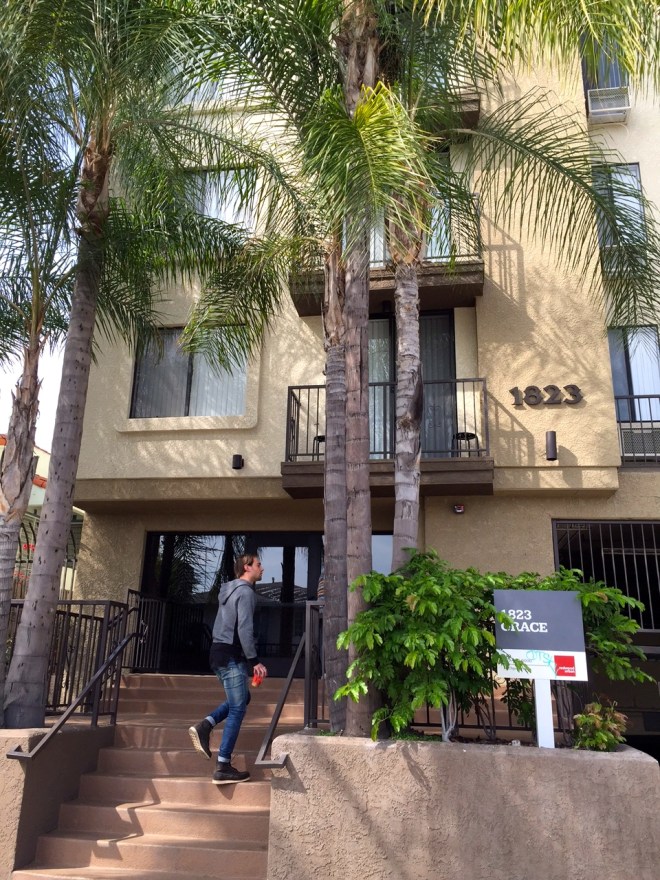
Fortunately, my son, Daniel, had prepared me for the high cost of things. Housing seems to be about double the cost in Virginia Beach. We spent two weary days searching for an affordable place that met Daniel’s requirements (parking is a big concern and month-to-month is also scarce) and finally came up with a good option about half a mile from his work. newapt.jpgHe’s subletting half of an apartment so he gets exclusive use of a bedroom and bath plus shared use of the kitchen and living room–$1,300/month includes utilities, wifi, rooftop patio, and a large, reserved parking space in a covered garage big enough for his 4-Runner and motorcycle. hollywoodsign.jpg
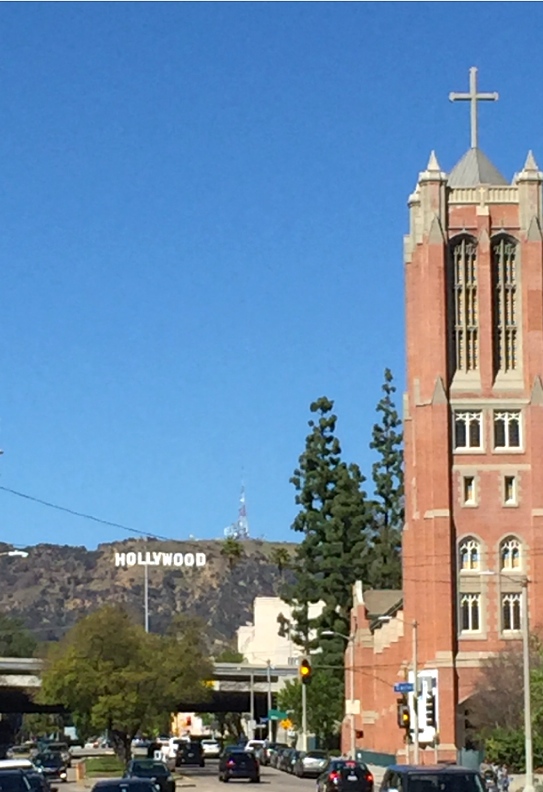
The Hollywood sign towers over the city and frequently appears between buildings. Perhaps you get used to it but it seems so glamorous to think of Humphrey Bogart and Katherine Hepburn walking these same streets. In some ways, all of Los Angeles seems like a giant movie set just waiting for Angelina and Brad or tomorrow’s next star to walk through.

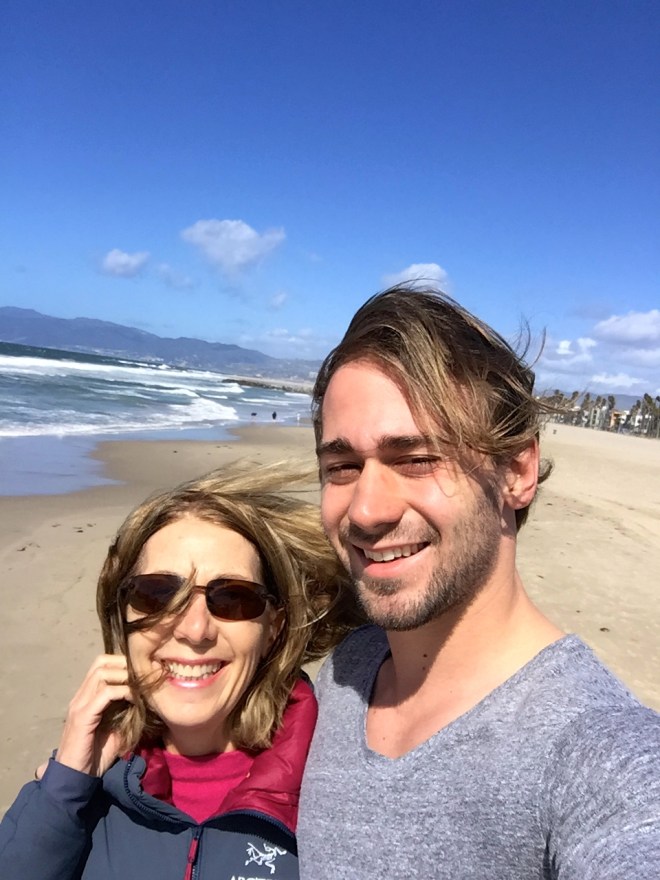
We took Sunday to slow down and drive around. The weather is pretty much always in the 70’s and sunny but Sunday was especially windy. beach.jpg
There were a lot people jogging and walking around at the Santa Monica Pier and Venice Beach. I didn’t see anyone in the water which must be typical, freezing Pacific temperature. But the views were beautiful, the company was excellent, and I had a definite sense of satisfaction at having made it safely from coast-to-coast and having supported Daniel in his quest for a new beginning. DBC.jpg

“ Washington is not a place to live in. The rents are high, the food is bad, the dust is disgusting and the morals are deplorable. Go West, young man, go West and grow up with the country. ”
— Horace Greeley 7/13/1865


Cross Country-Day 5

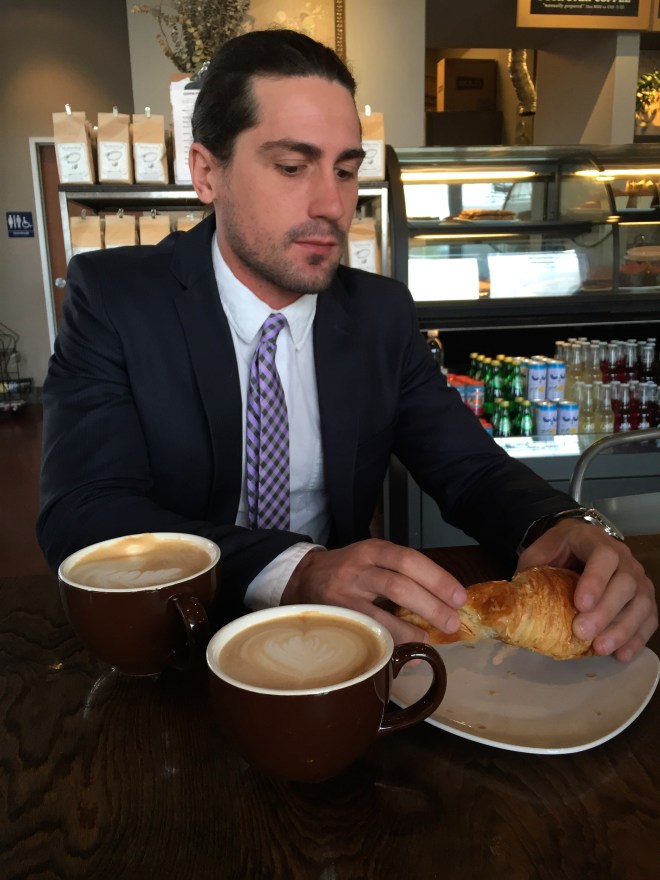
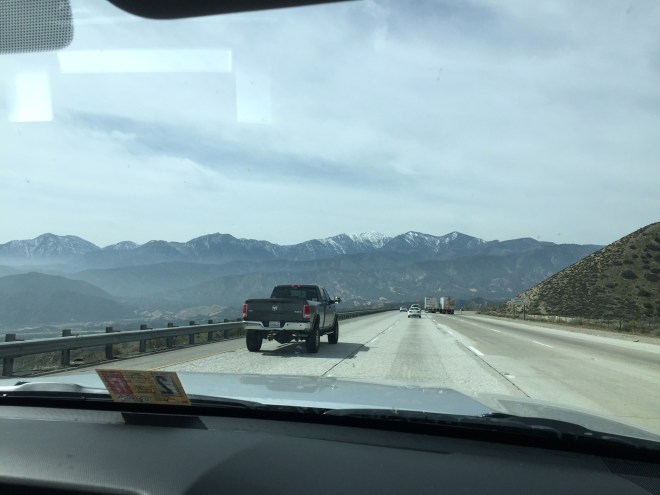
Rising early is never a problem–we’re excited for the new day plus we keep getting an extra hour as we cross time zones. We met Patrick for coffee at one of the many fancy coffee shops that remind me more of France than the States.coffee.jpgThe brothers said goodbye then Patrick headed to work at the jewelry store and we embarked on our final day traveling westward. En route, the mountains were hazy and topped with snow. mtns.JPGGoing across the Mojave Desert and Death Valley, I expected to feel isolated and far removed but found that the road was pretty much 8 lanes and heavily traveled. There is no mistake when you cross into California. The desert was suddenly accented with green grass, trees and flowers that must be the product of irrigation, and the price of gas jumped from $1.59 to $3.59. After a few short hours, we looked down on smog-covered Los Angeles. Even at 2:00 in the afternoon, the traffic was intense and uncomfortable for me. My excellent travel companion expertly navigated us to our destination and we unloaded the Sportster at her new home. unload.jpgMy driving is over for this trip. Give me the open road, desert, mountains, plains, or forests anyday but I’ll leave the city driving to others. Still, I can appreciate the beauty of L.A. The view driving down Santa Monica Boulevard at 5:45 PM reminded me of the cover of “Hotel California.” Check out anytime you like, but you can never leave…
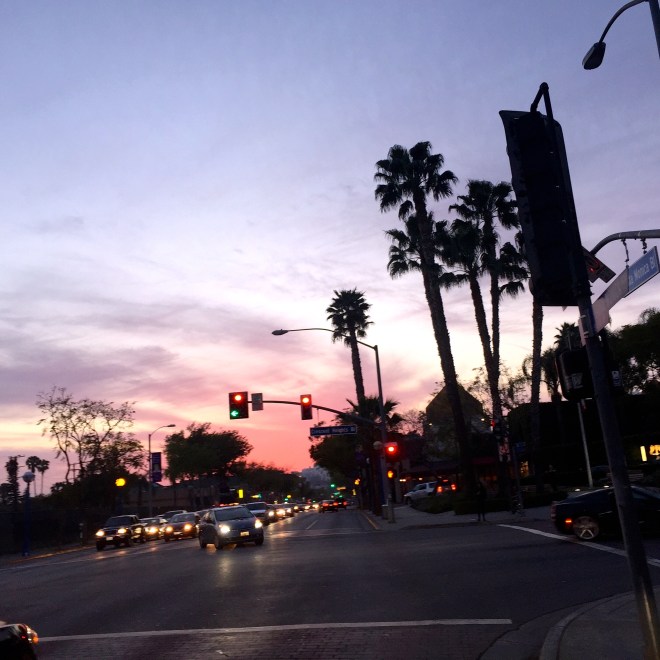
sunset.JPGThe gentile, country atmosphere in the South and the peaceful, warm feeling of the Southwest have been replaced with an energetic, ambitious sense of people making things happen.

Coast to coast … Atlantic to Pacific. So many beautiful places; so many different styles and different ways to live. All of it, America.

Cross Country-Day 4

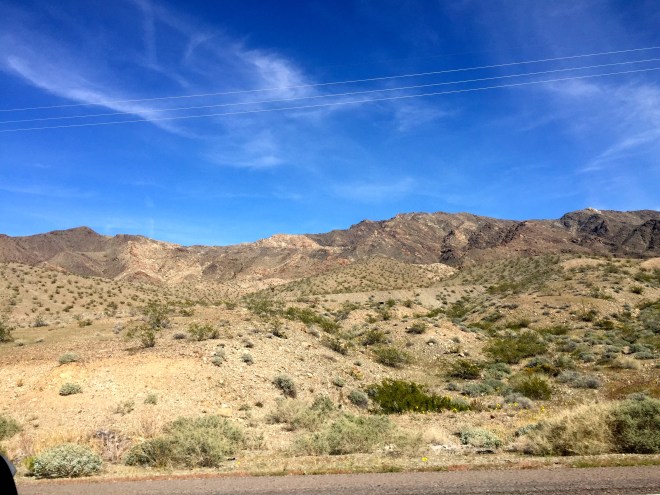
After we entered NM, I noticed the earth was streaked with orange and various shades of beige giving it a calming, warm feel. It was extra orange, almost red, at times making me wish we had time to go hiking in Sedona. Staying on course is tough when there are so many beautiful places not far away. Fortunately, we only needed a quick exit off I40 for me to get a picture in honor of one of my favorite bands. AZ.jpg“Standing on a corner in Winslow, Arizona, such a fine sight to see.” Rest in Peace, Glenn Frye. Your memory lives on in your music.
https://www.youtube.com/watch?v=FhH3mRkKDX8

We passed through mountains in northern AZ just before entering NV but, mostly, the terrain was hills with low bushes and very little development after Flagstaff. The Grand Canyon wasn’t far away but we had both been there recently so decided to stay on track.

AZ2.JPG

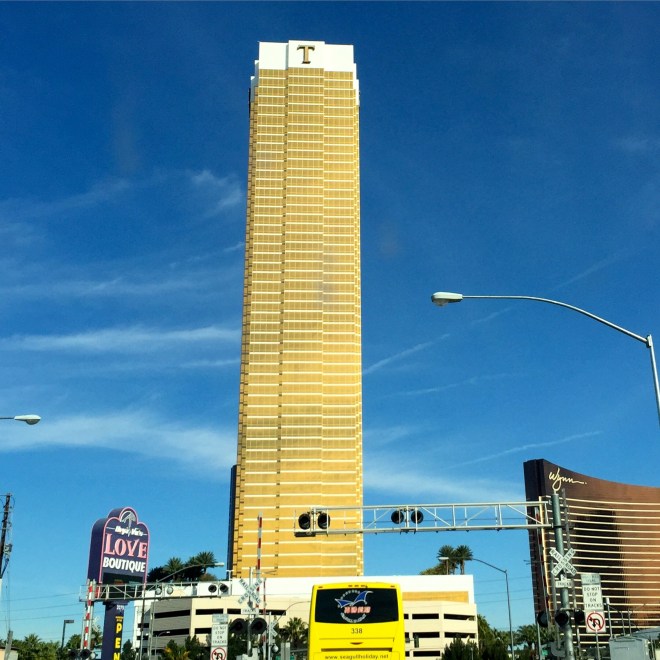
The land turned dark, almost black, as we continued north and passed over the top of the Hoover Dam. Then the view changed drastically as the landscape went from natural to developed. Welcome to Las Vegas! Last minute rooms on Hotwire.com set us up in Trump International Hotel.hotel.JPG


Cross Country-Day 3

We rolled out of OKC with no problem about 7:30 AM as the rush hour traffic was coming in. The last time we saw a lot of trees was Tennessee. Oklahoma was mostly fields (even saw the proverbial amber waves of grain) but by the time we got to TX there was no question that we were out West. The landscape got dusty and dry, scattered with windmills standing tall and noble as if they were armies ready to challenge Don Quixote. “Do you see over yonder, friend Sancho, thirty or forty hulking giants? I intend to do battle with them and slay them.” ― Miguel de Cervantes Saavedra, Don Quixote

windmills.JPG

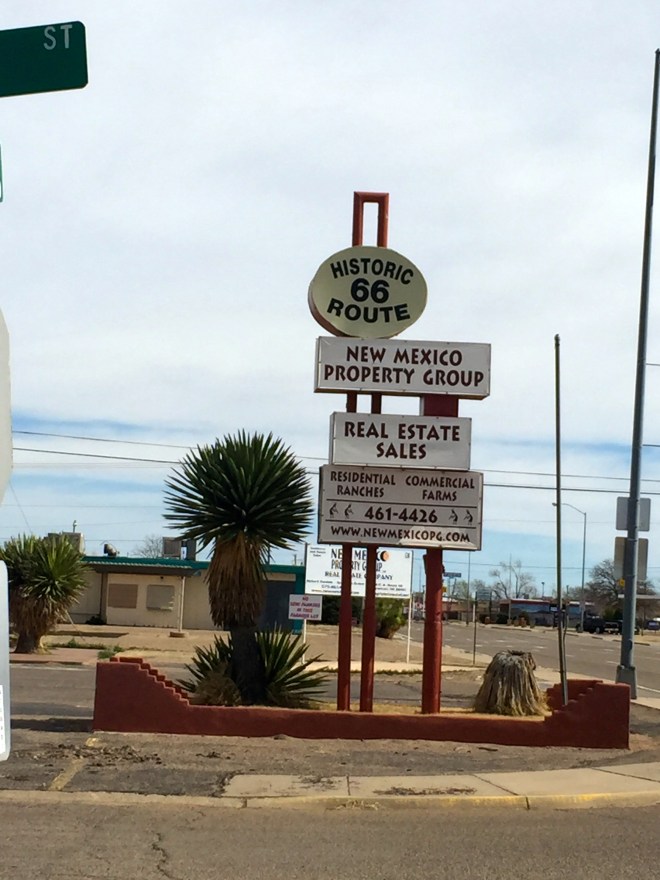
Driving further along Interstate 40 we entered New Mexico and realized we were approximately parallel to Route 66 so we left the interstate for a while and cruised the iconic highway. Pretty much everything along the way looks like it’s stuck in the 50’s-60’s.rte 66.jpg

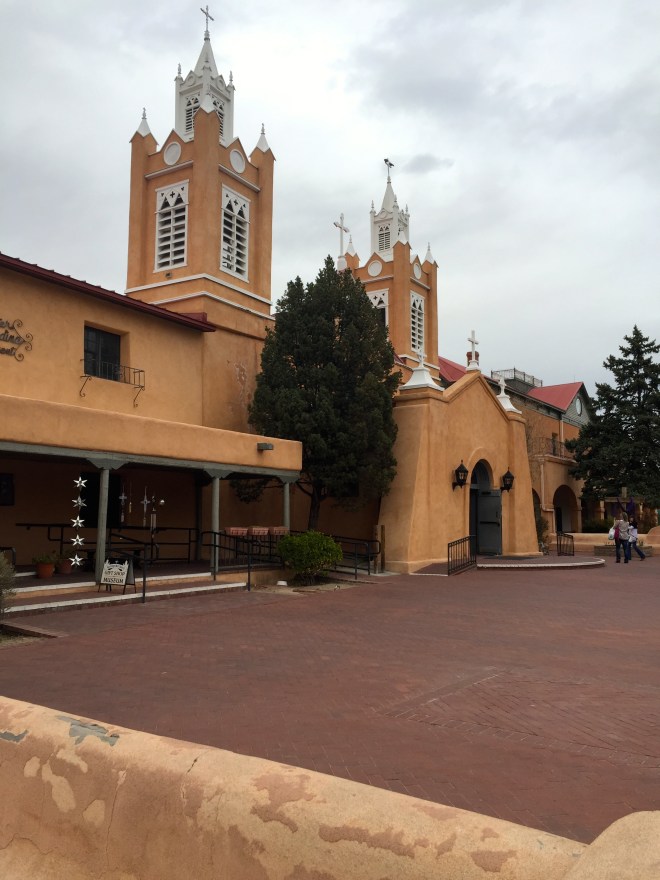
We reached the end of the day’s journey at Albuquerque and took a stroll through Old Town including the San Felipe de Neri Church. church.jpg

“When life itself seems lunatic, who knows where madness lies? Perhaps to be too practical is madness. To surrender dreams — this may be madness. Too much sanity may be madness — and maddest of all: to see life as it is, and not as it should be!”
― Miguel de Cervantes Saavedra, Don Quixote

Cross Country-Day 2

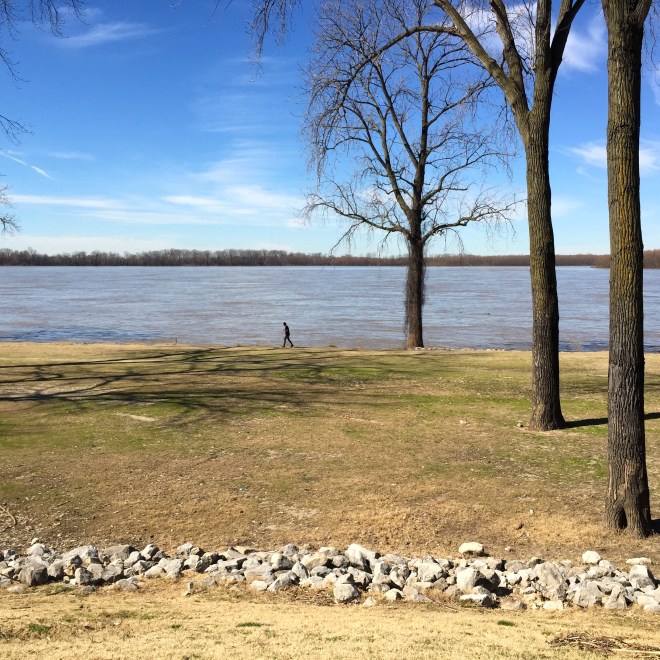
Leap Day 2016 began leaving Nashville about 7:30 AM and passing all the traffic coming into the city at rush hour. About three hours later, our first stop was in Memphis to see the mighty Mississippi River and walk along the picturesque streets of Mud Island. missi.JPGMidway across the river, we crossed into Arkansas and headed to Little Rock for lunch. Trees were budding or already blooming and daffodils on the side of the road hinted that spring has already come to this area. Straight westward on I40, it wasn’t long before we entered Oklahoma. We passed occasional oil rigs and plenty of cattle but mostly just undeveloped land inspiring us to play the Dixie Chicks’ “Wide Open Spaces”. The rolling hills of the Ozarks were lovely. As we drove through Muskogee, we played Meryl Haggard’s “Okie from Muskogee” and laughed at the irony of Willie Nelson joining in. There are a lot of casinos that must be owned and managed by the Native American Indians. Driving west gives you a great view for the sunset. sunset.JPG

Winding down another day, we pulled into Oklahoma City for dinner and another nice hotel that Daniel found at affordable price on hotwire.com. We selected downtown near “Brick Town” which features dozens of restaurants and bars and a quaint canal lined with cafes and outdoor dining. Very few people were around and most of the places were closed. The Thunder Stadium is nearby so this place must be full of excitement when they’re in town. Shortly after we got to our hotel room, a storm blew through with 45-mph winds and hail…crazy how the weather can change so quickly. The news reported severe weather with egg-size hail. Not sure if hail comes with tornados but it wouldn’t surprise me.

Cross Country Road Trip-Day 1

Sunday, February 28th I watched the sun rise over the Atlantic Ocean from my little condo in Virginia Beach then headed west with my son, Daniel, who had just accepted an internship in Los Angeles.

sunrise.JPGWith his clothes, key board and skateboard in the back of the Toyota 4-Runner and his Harley Sportster 883 on a rack, we took off with no clear plan except to reach the west coast in time to find him a place a stay and be on the job Monday morning, March 7th.Harley.JPGThinking the southern route was safer this time of year, the first day was all well-known roads–264 to 64 west then 81 south down the beautiful Blue Ridge Mountains to Interstate 40. Four hundred miles later, we were still in VA but about to cross into Tennessee. We decided to push on to Nashville for the first night making it about a 10-hour day driving. We picked up an hour due to the time change and arrived in time for dinner and music. Nash.JPG

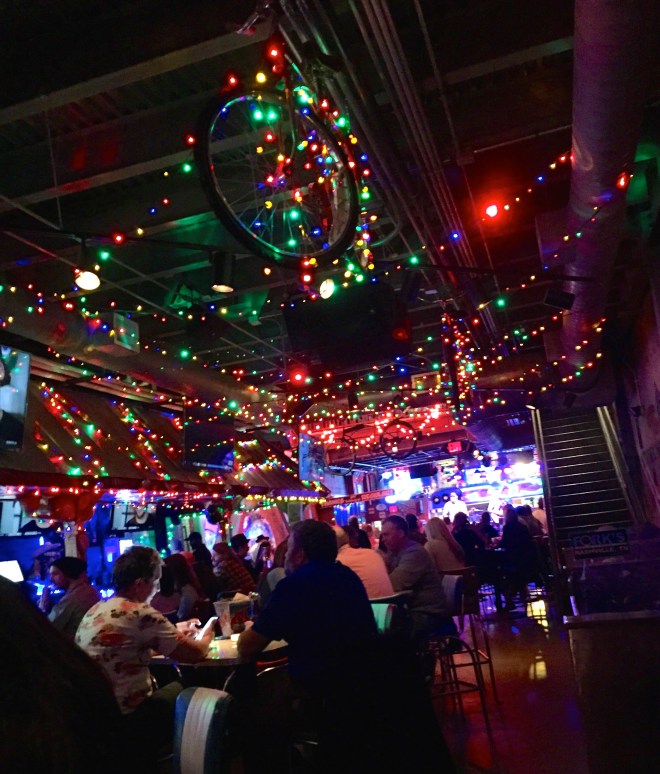
Honky tonks with live music blasting and a variety of stores selling cowboy boots, hats and souvenirs line the strip. Most of the music is country but we found a cool place playing a mix of Tom Petty, Blake Shelton and Maroon 5. Some of the places had rooftop bars. Live music and alcohol is the common theme. Even our hotel had live music.

Nash2.jpg